
Kyoto Travel Guide
History of Kyoto
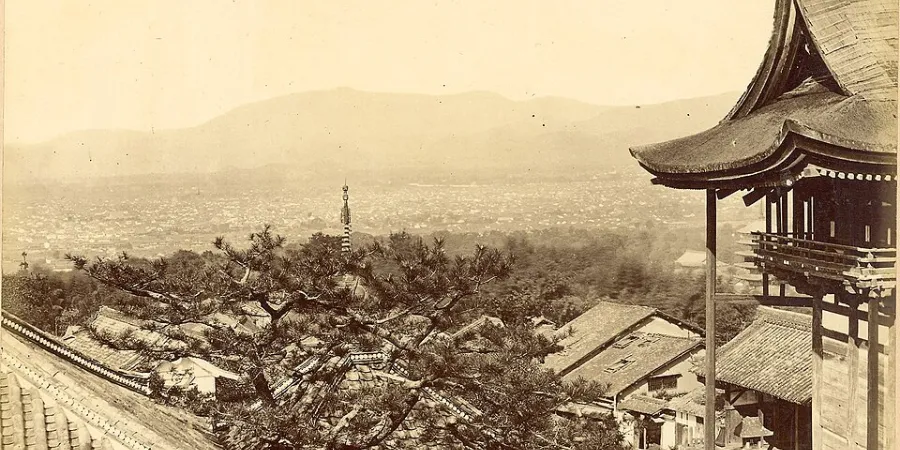
Kyoto was founded in 794 as Heian-kyō and served as Japan’s imperial capital for over a thousand years, shaping the country’s art, religion and court culture during that time. It remained the seat of the emperor until 1868, when the Meiji Restoration moved the capital to Tokyo. Kyoto was largely spared from large-scale bombing during World War II, a story with its own remarkable twists (how Kyoto avoided the atomic bomb), which means much of its historic core, including thousands of temples, shrines and traditional machiya townhouses, survived intact. Today, 17 sites across the city and its neighbours make up the Historic Monuments of Ancient Kyoto UNESCO World Heritage listing, and the city is widely regarded as the centre of traditional Japanese culture.
Modern Kyoto: City Overview
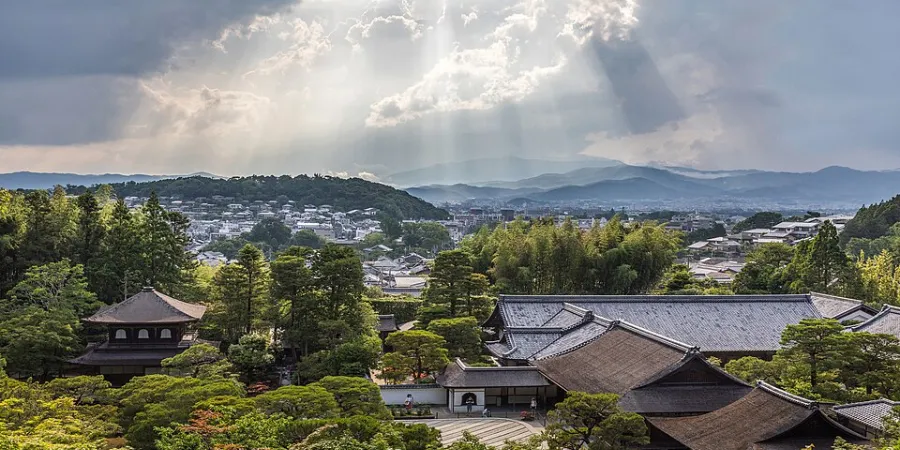
Today, Kyoto has a population of around 1.46 million and serves as the capital of Kyoto Prefecture, with a character that feels noticeably quieter and more traditional than nearby Osaka. The city is home to Kyoto University and several other major institutions, giving it a strong academic identity alongside long-standing craft industries such as textiles, ceramics and sake brewing. Gion still supports an active geiko and maiko community, and the local calendar is closely tied to the seasons, from spring cherry blossoms to autumn foliage. Despite its historic reputation, Kyoto also has a modern side, with contemporary architecture, technology firms and a growing café and design scene layered over its older streets.
How to Get to Kyoto
By air
Kyoto has no major airport of its own, so most visitors arrive via Kansai International Airport (KIX), which handles the bulk of international flights into the region. From KIX, the JR Haruka Express runs directly to Kyoto Station in around 75 to 80 minutes, making it one of the most convenient airport to city centre connections in Japan. Osaka Itami Airport (ITM) is also an option for domestic routes, with onward train or bus connections into Kyoto.
By train
Kyoto Station is a major stop on the Tokaido Shinkansen line, with direct bullet train services to Tokyo (around 2 hours 15 minutes), Nagoya and Hiroshima. Unlike some cities where the shinkansen station sits outside the centre, Kyoto’s high-speed rail stops right at the main station, close to the city’s transport hub. Regular and rapid train services also connect Kyoto easily to Osaka, Nara and Kobe within the wider Kansai region.
How to Get Around Kyoto
Subway & trains
Kyoto’s subway network is smaller than Osaka’s, made up of two lines: the Karasuma Line, running north to south through Kyoto Station, and the Tozai Line, running east to west. Between them, the subway covers central areas and a handful of key sights, but it does not reach many of the city’s most-visited temples and shrines directly.
Bus
Because of the subway’s limited coverage, city buses are the main way most visitors get around Kyoto, with an extensive network reaching temples, shrines and districts the trains do not. City buses run on a flat ¥230 adult fare, and day passes can work out cheaper if you are covering several sights in one day.
IC cards & taxi
Rechargeable IC cards such as ICOCA work across Kyoto’s subway, buses and trains, saving the hassle of buying individual tickets. Taxis are readily available and useful for reaching sites with poor bus access, though they cost more than public transport.
Day passes and the busiest bus routes
The Subway and Bus One Day Pass costs 1,100 yen for an adult and 550 yen for a child, and covers every subway line, every Kyoto City Bus route, and selected Kyoto Bus, Keihan Bus and West Japan JR Bus routes. A subway only version is 800 yen for an adult and 400 yen for a child. At a flat 230 yen a bus ride, five journeys in a day come to 1,150 yen, so the combined pass pays for itself from the fifth ride onwards, which is easy to reach if you are crossing the city rather than staying in one district.
Routes 100, 101 and 205 between them reach most of the sights that the subway misses. Buses sit in the same traffic as everyone else at rush hour, so allow more time than the timetable suggests, and keep some cash on you, because smaller shops, market stalls and traditional inns often take nothing else. Cash machines at post offices and at 7-Eleven accept foreign cards.

Kyoto Districts Guide
Kyoto’s sights are spread across several distinct districts rather than concentrated in one centre, so getting your bearings by area helps with planning. In the east, Higashiyama is the most temple-dense part of the city, home to Kiyomizu-dera, the Gion geisha quarter and the Philosopher’s Path, a canal-side walking route that connects Ginkaku-ji, the Silver Pavilion, to Nanzen-ji further south.
To the west, Arashiyama is known for its bamboo grove, the Togetsukyo Bridge over the Katsura River and temples including Tenryu-ji and Nonomiya Shrine, making it a popular half-day trip from the centre.
Central Kyoto, around Kawaramachi and Shijo, is the main downtown area for shopping, dining and nightlife, anchored by Nishiki Market. To the south, Fushimi is best known for the thousands of vermilion torii gates at Fushimi Inari Shrine and its cluster of historic sake breweries, while the northwest holds Kinkaku-ji, the Golden Pavilion, the rock garden at Ryoan-ji and the Nishijin weaving district, where the city’s kimono textiles are still produced. Together, these districts give Kyoto a layout where each area rewards a slower, dedicated visit rather than a single rushed loop.
That layout is not accidental. When the city was founded as Heian-kyō it was set out on a grid modelled on Chang’an, the Tang dynasty capital, which is why central Kyoto still reads as straight streets running north to south and east to west. The geisha quarters sit inside that grid as five separate hanamachi: Gion Kobu, Gion Higashi, Pontocho, Miyagawa Cho and Kamishichiken. Gion is the one most visitors mean when they say geisha district.

Things to Do in Kyoto
Temples & Shrines
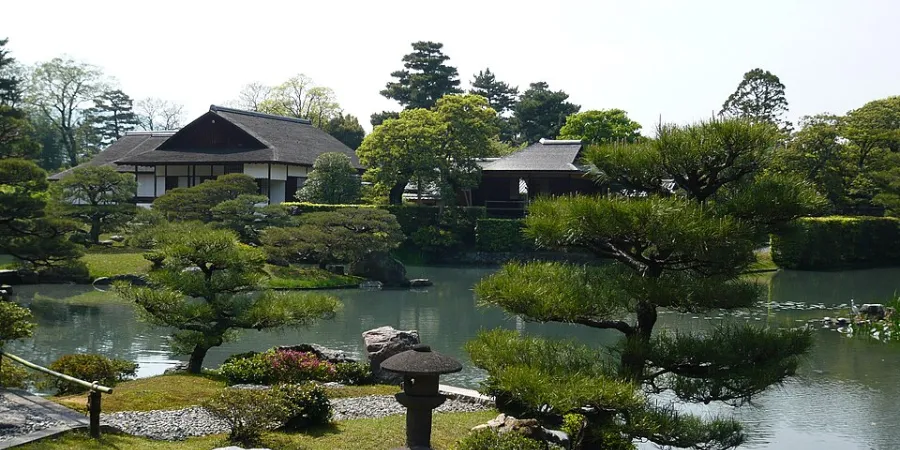
Kyoto’s temples and shrines range from major landmarks to quieter neighbourhood sites, and many reward an early visit before tour groups arrive. Ginkaku-ji and Tenryu-ji are among the most visited, while smaller sites offer a quieter, more contemplative side of the city’s spiritual heritage. For garden purists, the Katsura Imperial Villa in the city’s southwest requires advance planning and rewards it with one of Japan’s most influential landscape gardens.
Nature & Outdoors
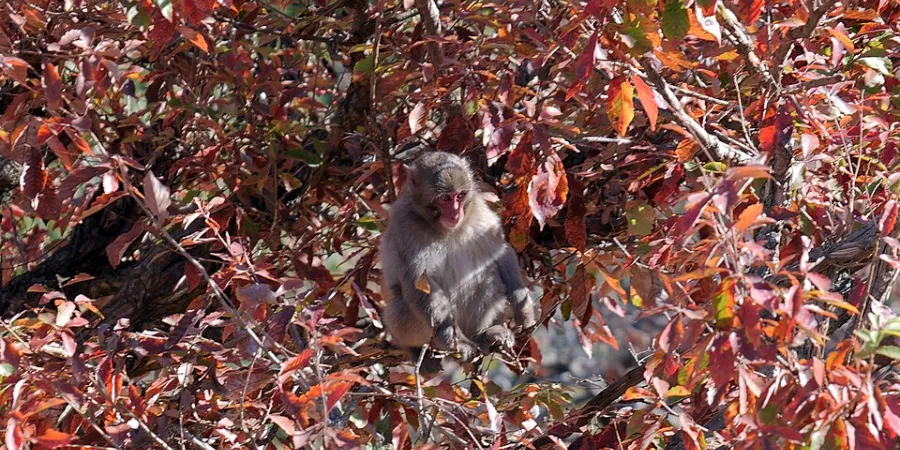
Kyoto’s natural surroundings are as much a draw as its temples, from the canal walks of northern Higashiyama to the towering bamboo grove at Arashiyama, where the Arashiyama Monkey Park adds a hilltop view over the whole city. Further out, spots like Kuya Falls offer a hiking-focused escape, particularly popular during cherry blossom and autumn foliage seasons.
Museums & History
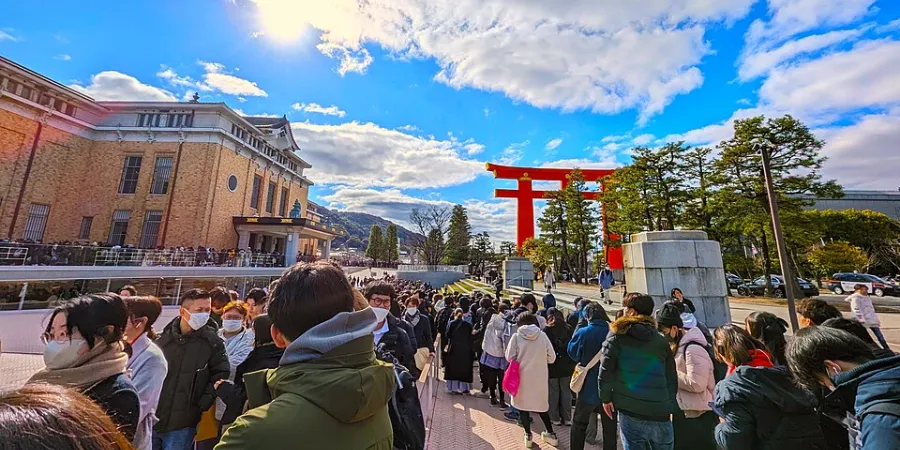
Kyoto’s museums cover everything from fine art to popular culture, reflecting the breadth of the city’s identity. The KYOCERA Museum of Art is one of the largest in the country and sits in the Okazaki museum district near Heian Shrine and its giant torii gate, while the Kyoto International Manga Museum traces the history of Japanese comics alongside a huge browsable collection.
Culture & Experiences
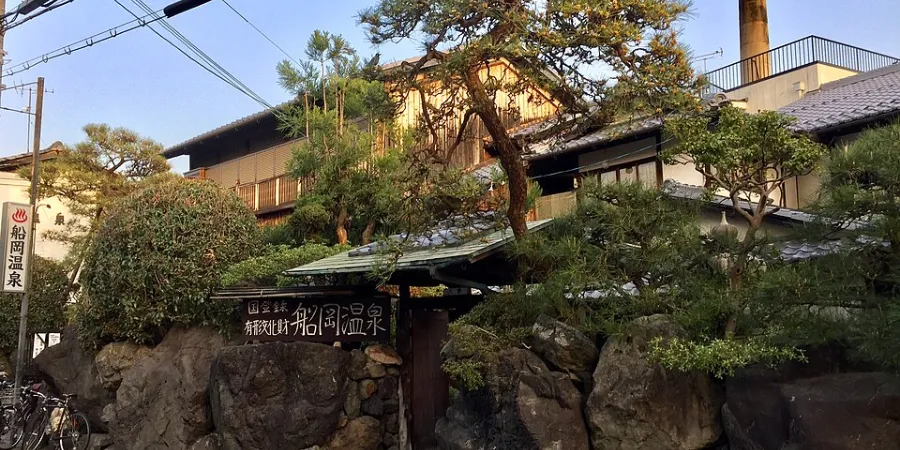
Kyoto offers plenty of hands-on ways to experience local life, from traditional bathhouses like Funaoka Onsen to family-friendly outings at Kyoto City Zoo, or a guided tea and shrine walking tour through quieter neighbourhoods. For something more hands-on, the samurai experiences in Kyoto at Uzumasa Kyoto Village and the Samurai and Ninja Museum put you in armour rather than in front of a display case. These everyday experiences sit alongside the city’s more famous cultural sites, giving visitors a fuller picture of life in Kyoto.
Kyoto Sights by Opening Hours and Admission
A short list of sights carries most of Kyoto’s visitor traffic, and they behave very differently. Two of them are free and never close. Two of them stop letting people in during the afternoon. Planning a day around that difference is what keeps you out of the longest queues.

Fushimi Inari Taisha, free and open around the clock
There is no admission charge and no closing time. The shrine and its torii gate paths are open every day of the year, all day and all night, which makes this the one major Kyoto sight you can walk at dawn or after dark. The shops and the shrine staff work from 9am to 5pm. Its own visitor information points people towards early morning and late evening, because the middle of the day on the lower paths is genuinely crowded.
Arashiyama Bamboo Grove, a public street with no gate
The path through the grove is a public street rather than a temple precinct, so there is no ticket, no gate and no closing time. That is also why it fills up from mid morning. Tenryu-ji sits at the southern end of the grove and its garden does charge, so the two are usually done together, early.
Kinkaku-ji, 500 yen and open 9am to 5pm
Admission is 500 yen for an adult and 300 yen for primary and middle school pupils, and the temple opens at 9am and closes at 5pm year round. There is a single route around the pond and everyone walks it the same way, so the earlier in the morning you arrive, the more room you have at the viewpoint where the pavilion sits over the water.
Nijo Castle, 800 yen for the grounds and 1,300 yen with the Ninomaru Palace
Entry runs from 8.45am to 4pm and the castle closes at 5pm. Admission to the castle alone is 800 yen. The ticket that also gets you into the Ninomaru Palace, which is the building with the painted sliding screens and the nightingale floors that squeak underfoot as a warning system, is 1,300 yen, and that is the one worth buying. The Ninomaru Palace closes on Tuesdays in January, July, August and December, so check the day before you build an afternoon around it.
Day Trips From Kyoto
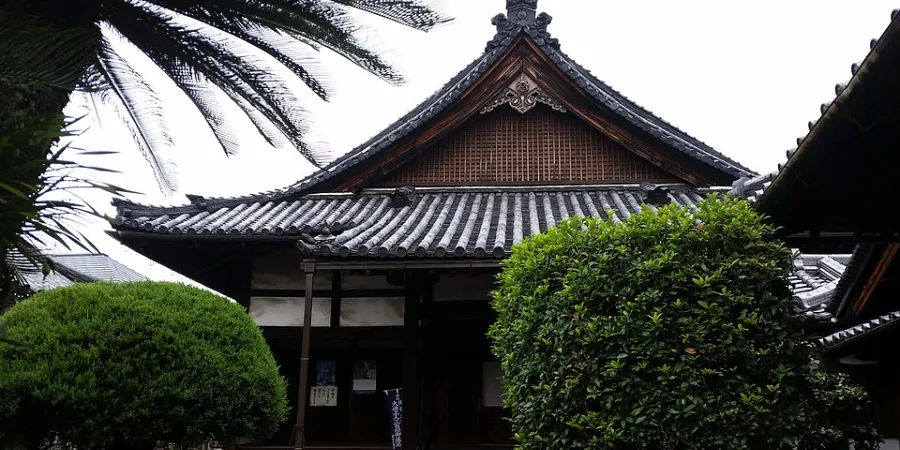
Kyoto’s location within the Kansai region makes it a convenient base for day trips, with historic towns, sacred mountains and riverside districts all within easy reach. Popular options include the deer park and temples of Nara, the tea town of Uji, where Byodo-in and Japan’s finest matcha are twenty minutes from Kyoto Station, and the rural valley temples of Ohara, each offering a different pace from the city centre.
Quieter Corners: Takao, Ohara, Shimogamo, Nishijin and Fushimi
Kyoto’s visitor numbers concentrate on a short list of addresses. Move one valley or one district sideways and the crowds thin out quickly, which is where the city starts to feel like somewhere people live rather than somewhere people photograph.
Takao, kawadoko platforms over the river
In the mountains north west of Arashiyama, Takao is known for its river and its maples. Through the summer, restaurants build kawadoko, wooden platforms set out over the water, and serve lunch on them with the river running underneath. The maples here turn earlier than the ones in the city, so it is a way of catching autumn colour before the temples fill. Kosan-ji, the temple associated with the Choju Giga animal scrolls that are often called an ancestor of manga, sits in the forest above the river.
Ohara and the moss gardens at Sanzen-in
North of the city by bus, Ohara is a farming valley with a handful of temples scattered through it. Sanzen-in is the one most people come for, with moss gardens under cedar and small stone figures set into the moss. It is the closest thing to countryside that is still a day out from central Kyoto.
Shimogamo Shrine and the Tadasu no Mori forest
Shimogamo is one of Kyoto’s oldest shrines and it stands inside Tadasu no Mori, a patch of old forest that was never cleared, at the point where the Takano and Kamo rivers meet. It carries the same UNESCO World Heritage listing as the temples everyone queues for and takes a fraction of the visitors.
Nishijin, where the kimono cloth is woven
Nishijin, north west of the centre, is the district where Kyoto’s kimono textiles have been woven for centuries. The Nishijin Textile Center has looms working on the floor and runs short kimono shows through the day, and the streets around it hold small workshops and old cafés that see very few tourists.
Fushimi, sake breweries along the canal
The same southern district as Fushimi Inari has been a sake brewing centre for centuries, on the strength of its soft groundwater. Working breweries line the canal, the Gekkeikan Okura Sake Museum sits among them, and boat trips run along the water in spring and autumn. Most visitors walk up the torii gates and leave again without ever finding it.
Food and Drink in Kyoto
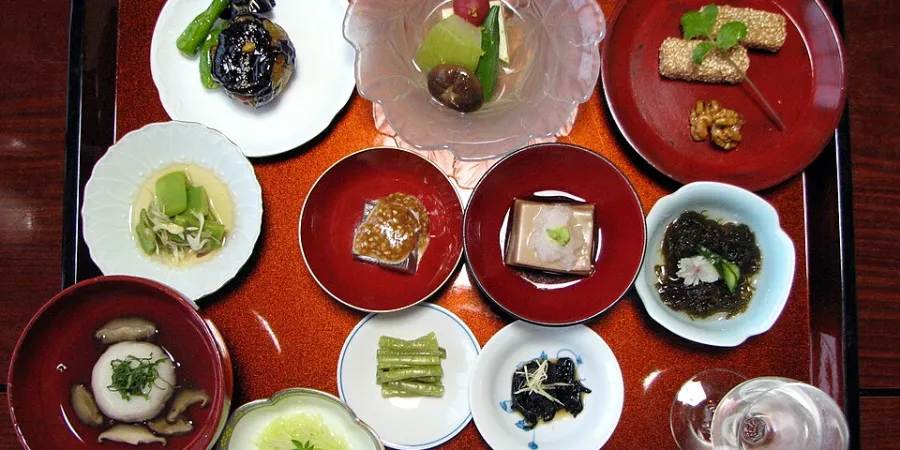
Kyoto’s food culture is shaped by centuries as an imperial capital, with a dining scene that ranges from refined kaiseki multi-course meals to simple, seasonal home cooking. Shōjin ryōri, the vegetarian cuisine developed in Kyoto’s Buddhist temples, remains widely available, alongside local specialities like yudofu (hot tofu) and matcha-based sweets. Nishiki Market, often called “Kyoto’s Kitchen,” is the best place to sample a wide range of local food in one visit, from pickles and skewers to fresh seafood.
Beyond the market stalls, Kyoto has a strong restaurant scene covering everything from Michelin-starred kaiseki houses to casual noodle shops and traditional tea houses. For a fuller breakdown of where to eat, see our full guide to the best restaurants in Kyoto.
Food and drink in Kyoto tend to be quieter and more seasonal than in Osaka, with an emphasis on presentation and local ingredients that reflects the city’s long culinary history.
Shopping in Kyoto
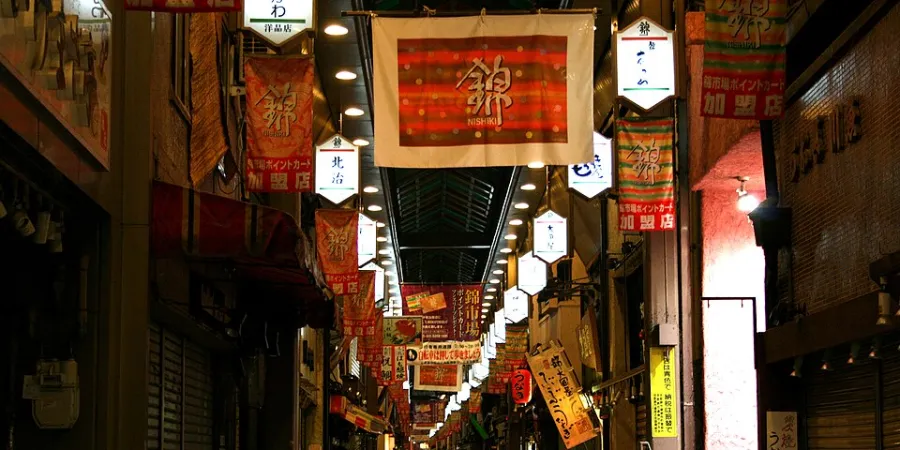
Kyoto’s shopping is centred around the Kawaramachi and Shijo area downtown, where covered arcades and department stores sit alongside independent boutiques. Nishiki Market doubles as both a food market and a shopping street, with stalls selling knives, tea and kitchenware alongside the produce. Teramachi and Shinkyogoku, two covered shopping streets nearby, are popular for souvenirs, stationery and everyday fashion.
For traditional crafts, Kyoto is one of the best places in Japan to shop for yuzen-dyed textiles, ceramics and locally produced tea, with many small workshops and speciality stores tucked into its older neighbourhoods. The mix of modern retail and centuries-old craft shops makes Kyoto’s shopping scene distinct from the larger malls found in cities like Osaka.
Where to Stay in Kyoto
Kyoto offers a wide range of accommodation, with each area suited to a different kind of stay. The Kawaramachi and Shijo downtown area is the most convenient base for shopping, dining and transport links, while staying in Higashiyama puts you close to major temples and gives easier access to traditional ryokan inns.
Arashiyama offers a quieter, more scenic base for those prioritising nature and a slower pace, while areas near Kyoto Station suit visitors who want easy access to trains for day trips or onward travel. For a full breakdown of hotels, hostels and ryokans by area and budget, see our where to stay in Kyoto guide.
Choosing where to stay in Kyoto depends largely on how much of your trip is temple-focused versus centred on food, shopping and nightlife.
Kyoto Accommodation Tax: What Your Stay Costs From 2026
Since March 2026, Kyoto charges Japan’s highest accommodation tax, and it is worth budgeting for because it is charged per person, per night, on top of your room rate. Rooms under ¥6,000 a night carry a ¥200 tax, rooms from ¥6,000 to just under ¥20,000 carry ¥400, rooms from ¥20,000 to just under ¥50,000 carry ¥1,000, rooms from ¥50,000 to just under ¥100,000 carry ¥4,000, and rooms of ¥100,000 or more carry ¥10,000. For a couple spending five nights in a mid-range hotel, that adds ¥4,000 to the bill, and considerably more at the luxury end. The full rate bands are published by the city’s official tourism office. If your room rate sits just above a band boundary, dropping slightly below it can noticeably cut the tax across a longer stay.
Best Time to Visit Kyoto
The best time to visit Kyoto is generally spring (late March to April) and autumn (November), when cherry blossoms and autumn foliage draw the biggest crowds of the year, particularly around the city’s most famous temples. Late April to early June and late September to October offer a good middle ground, with pleasant weather and noticeably fewer visitors than peak bloom or peak foliage weeks. Summers are hot and humid, though this is also when the Gion Matsuri festival takes over the city in July. Winters are mild and quiet, with occasional snowfall giving temples like Kinkaku-ji a striking, less-visited atmosphere.
Cherry Blossom Season in Kyoto
Kyoto’s cherry trees open in a narrow window that moves from year to year. The Japan Meteorological Agency records long run averages for the city, measured on a Somei Yoshino specimen tree against a 1991 to 2020 baseline, and they put first flowering on 26 March and full bloom on 4 April. Real seasons swing either side of that by more than a week. The trees flowered on 16 March in 2021 and held off until 29 March in 2024, and full bloom arrived on 24 March in 2023 against 5 April in both 2024 and 2025. Keep your dates flexible if you can. The agency stopped forecasting the bloom after 2009 and now only records it, so the predictions that circulate each spring come from private weather companies.
Three of the best places to see it cost nothing. Maruyama Park, the city’s oldest public park, stays open at all hours and is built around a weeping cherry known as the Gion shidare, a second generation tree planted in 1949. The Philosopher’s Path runs about two kilometres of canal between Ginkaku-ji and Nanzen-ji under roughly 400 trees, and Kyoto City puts its usual peak in early April. Arashiyama Park is free as well, and its Kameyama district gives you white yamazakura above the Hozu river.
Paying gets you either a garden or an evening. Heian Shrine’s Shin-en garden, at ¥600 for adults and ¥300 for children, is planted with yae beni shidare weeping cherries and draws crowds heavy enough that the shrine bans tripods at peak bloom. Nijo Castle, Daigo-ji and Kiyomizu-dera each run ticketed spring events with separate evening sessions, and Daigo-ji charges a higher rate right through the spring period. No 2027 dates or prices had been published when this guide was last updated, and venues tend to announce in late February, so check each one directly before you build a day around it.
Arrive late and Ninna-ji is the fallback. Its Omuro cherries are short, low branching trees that flower roughly one to two weeks after the city’s Somei Yoshino peak, usually early to mid April and in some years closer to 20 April. One thing to know before you go: the temple grounds are free for most of the year and become ticketed during the Omuro blossom festival, at ¥800 for adults and free for high school age and below.
Kyoto handles hanami differently from Tokyo. Reserving a spot in advance by laying out a tarpaulin is prohibited at Maruyama Park, barbecues and open flames are banned in every park the city manages, and you are expected to carry your rubbish out with you. Peak bloom also brings out the worst in a few visitors, so our guide to what not to do during sakura season is worth ten minutes before you travel. For timing your day, Kyoto City runs a tourism comfort map with hour by hour congestion forecasts and live cameras covering Arashiyama, Gion and Kiyomizu, and the Philosopher’s Path. For getting about, the Subway and Bus One Day Pass is ¥1,100 for adults and ¥550 for children, and the transport bureau’s own advice is to ride the subway and change at Kitaoji, Imadegawa or Kujo rather than taking a bus the whole way.
Festivals and Events in Kyoto
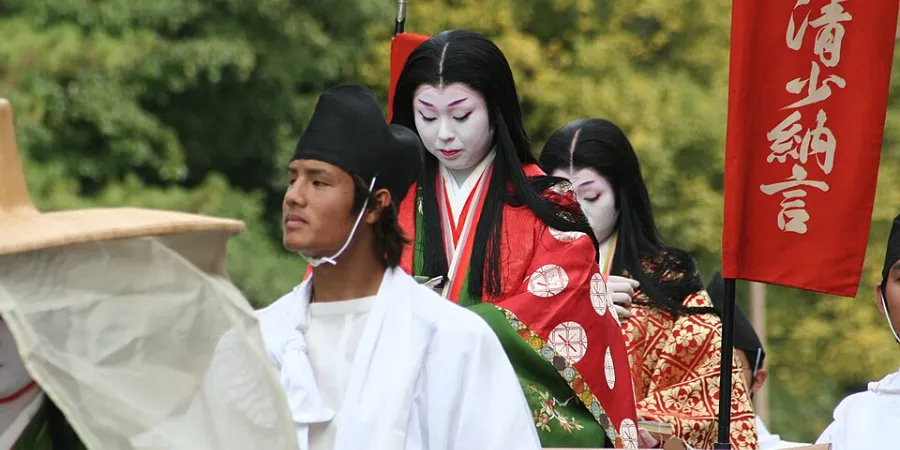
Kyoto’s festival calendar is one of the richest in Japan, closely tied to its history as the imperial capital. The Gion Matsuri in July is the city’s most famous event and one of Japan’s top three festivals, running for the whole month with elaborate float processions through the centre. The Aoi Matsuri in May and the Jidai Matsuri in October, known as the Festival of Ages, both feature costumed processions rooted in different periods of the city’s history. In August, the Gozan no Okuribi sees giant bonfires lit on the hillsides surrounding the city, while spring and autumn bring hanami and leaf-viewing crowds to temples and gardens across Kyoto.
Kyoto Itinerary and Travel Tips
Kyoto rewards a longer stay than most Japanese cities, with two to three days covering the highlights and closer to a week needed to explore beyond the main landmarks. A typical visit splits mornings between temple-hopping in areas like Higashiyama or Arashiyama, when sites are quietest, and afternoons or evenings exploring downtown Kawaramachi for food and shopping. For a detailed day-by-day plan, our 7-day Kyoto itinerary breaks the city down by district and pace, and Kyoto also slots naturally into a two-week Kansai itinerary alongside Osaka, Nara and Kobe.
Because Kyoto’s attractions are spread across several districts rather than one compact centre, it is worth planning by area each day rather than trying to see landmarks in different parts of the city on the same trip. A few etiquette points also matter more here than elsewhere in Japan: Gion’s private lanes are closed to tourist photography, with fines for ignoring the signs, so photograph geiko and maiko only from public streets and always without blocking their way. Carry some cash for temple admissions and smaller shops, and keep luggage off the city buses at busy times, using a coin locker or luggage forwarding instead.
Temple Hours, Cash and the New Year Slowdown
Most temples open at about 9am and stop admitting visitors between 4pm and 5pm, which is earlier than the shops and earlier than most people plan for. Temple mornings and downtown afternoons is the pattern that works, and it is the wrong way round for anyone who treats sightseeing as an afternoon activity.
Carry cash. Cash machines at post offices and at 7-Eleven take foreign cards, and small restaurants, market stalls and traditional inns often take nothing else. Tipping is not done in Japan, and change left on a table will usually be run after you and handed back.
Temples expect modest dress, with shoulders covered, and shoes come off wherever you see a step up and a rack of slippers waiting. Kyoto itself slows down from 31 December to 3 January, when shops shut or cut their hours while the shrines fill up instead, because hatsumode, the first shrine visit of the year, is when the whole city goes out.

Kyoto Travel Questions Answered
How many days do you need in Kyoto?
Two to three days cover the major landmarks across Higashiyama, Arashiyama and Fushimi at a reasonable pace. A five to seven day stay lets you add day trips, quieter districts and the slower mornings that suit the city best.
Is Kyoto worth visiting?
Few cities in the world concentrate this much cultural heritage in one place: over a thousand years as the imperial capital, 17 World Heritage sites and an intact prewar cityscape. If your interest in Japan runs to temples, gardens, crafts, tea or traditional food, Kyoto is the single most rewarding city in the country.
How much is the Kyoto tourist tax?
From March 2026, Kyoto’s accommodation tax runs from ¥200 to ¥10,000 per person, per night, depending on your room rate. Most mid-range travellers pay ¥400 a night; the ¥1,000 band starts at room rates of ¥20,000.
What is the best way to get around Kyoto?
City buses reach most temples and shrines the two subway lines miss, on a flat ¥230 fare, and an ICOCA card works across buses, subway and trains. Plan each day around one district to keep journeys short.
Should you stay in Kyoto or Osaka?
Kyoto suits temple-focused, slower-paced trips and atmospheric evenings; Osaka suits nightlife, street food and a livelier base. The two are around 15 minutes apart by rapid train, so on longer trips many visitors split their stay.
Final Thoughts
Kyoto offers a travel experience built around history, seasonal change and a local culture shaped by centuries as Japan’s imperial capital. From its temple-filled districts and traditional craft shops to its quieter food culture and calendar of festivals, the city rewards visitors who take the time to explore its quieter corners as well as the most photographed landmarks. Whether you are visiting for a couple of days or building a longer trip around it, understanding how Kyoto is laid out will help you get the most from your time here.
For a closer look at single temples, districts and day trips, browse all our Kyoto guides.