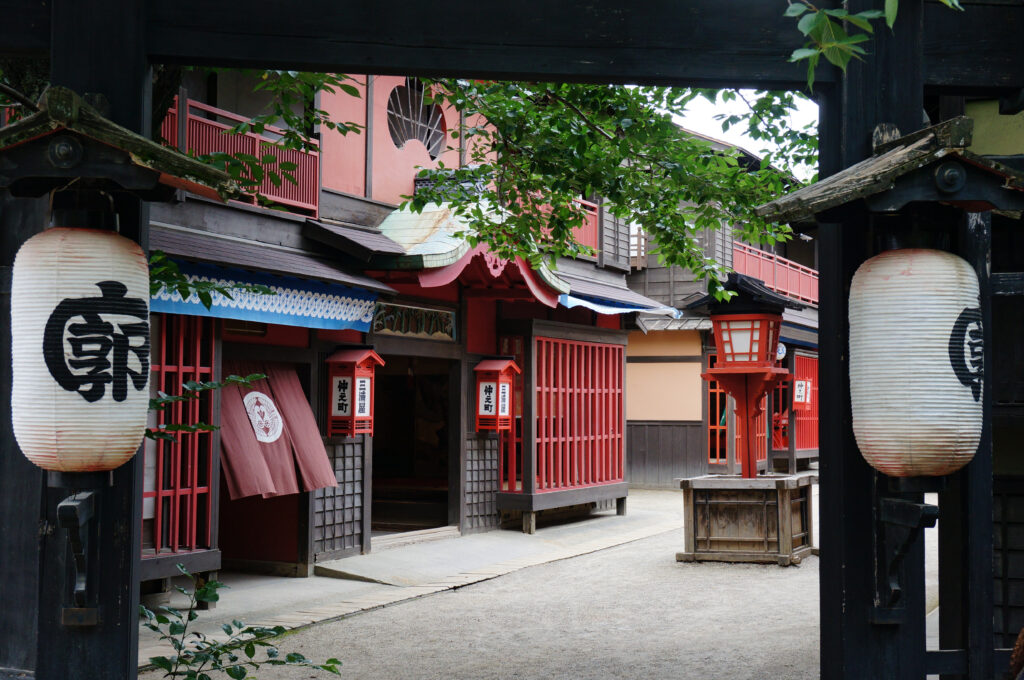
Kyoto is well-known for its rich heritage and stunning scenery, but let’s not forget its mouthwatering cuisine! In Kyoto, you are given a diverse array of culinary experiences, from fine dining to modern eateries that are guaranteed to bring you comfort.
Join us as we take you on a journey through Kyoto’s best culinary stops that capture the essence of the city’s food culture. While you’re at it, check out our Kyoto Travel Guide to see what else you can do on the streets of Kyoto!
Culinary Stops in Kyoto
Exploring Kyoto’s Unique Culinary Scene
Kyoto’s local dishes are known for their delicate flavours and are often based on seasonal ingredients native to the region. However, Kyoto’s cuisine is also a delightful mix of traditional and contemporary dishes.
The city’s culinary scene is diverse, from home-style cooking to aristocratic multi-course dinners. Kyoto houses a variety of eateries, including fusion restaurants, fine dining restaurants, fresh food markets, and izakayas (traditional Japanese pubs). Each of these restaurants embraces timeless ingredients of Kyoto such as matcha, yuba (tofu skin), and fresh river fish.
Whether it’s breakfast, lunch, dinner, or even dessert, your tastebuds are in for a treat! Kyoto offers different kinds of culinary experiences no matter what time of the day.
Home-Style Traditions
At the heart of Kyoto’s comfort food lies a deep respect for simplicity. These home-style dishes capture the warmth of everyday life, shaped by generations of quiet tradition.
Obanzai
Obanzai is the traditional style of home-cooked dinner native to Kyoto. It’s characterised by simple and comforting meals made with care, using locally sourced ingredients like vegetables, fish, and tofu. The dishes in Obanzai are served in small bowls and plates with a variety of dishes such as simmered vegetables, fish, tofu dishes, pickles, and salads.
Yudofu (Tofu Hot Pot)
As one of the most famous foods in Kyoto, Yudofu is a classic and staple dish in Kyoto consisting of small blocks of soft tofu gently boiled in kombu (mild kelp) broth. Locals describe yudofu as simple, natural, and delicate. The tofu is served warm and dipped into soy sauce or ponzu (a citrus-soy sauce), enjoyed for its gentle flavours and silky texture.
Tamagoyaki (Rolled Omelette)

Simple yet delicious, tamagoyaki is a traditional Japanese dish made by rolling together several thin layers of lightly seasoned beaten eggs. In Kyoto, the eggs are usually mixed with dashi (Japanese soup stock), soy sauce, mirin, and sugar. This creates a custardy texture with a delicate umami taste. Tamagoyaki is usually served with other breakfast dishes like grilled fish and miso soup!
Saba-Zushi

In Japan, there are many different kinds of sushi dishes. One of them is Saba-Zushi: a type of oshizushi (pressed sushi) where salted and vinegared mackerel fillets are placed on top of vinegared rice, which is often infused with yuzu vinegar for added aroma. Saba-Zushi has a taste that is rich and savoury, but also tangy and slightly salty.
Ceremonial Dining
Dining in Kyoto can feel almost spiritual, and nowhere is this more evident than in its ceremonial cuisine, meals designed as a celebration of harmony, balance, and the passing seasons.
Kyo Kaiseki

If there’s one meal that truly encapsulates the essence of Kyoto’s culinary culture, it’s Kyo Kaiseki. It’s a traditional multi-course meal that typically consists of 5 to 8 carefully crafted dishes that typically include assorted appetisers, soup, raw fish, grilled fish or meat, steamed or boiled vegetables, rice served with pickles, and a light dessert. This lunch experience is elegant and truly showcases the local specialities of Kyoto in a refined manner.
Street Snacks & Cafés
Onigiri (Rice Ball)
You’ve probably seen an onigiri before being sold in convenience stores or food stalls in Japan. It’s a traditional and easy-to-eat dish made by shaping steamed white rice into triangles, cylinders, or ovals. They’re often wrapped with a strip of nori (seaweed) and are filled with ingredients like grilled salmon or tuna. In Kyoto, onigiri is widely enjoyed as a quick and portable breakfast snack for those on-the-go in the morning.
Kyobaum
More on the modern side of the city’s café dessert scene, Kyobaum is a cake from Kyoto inspired by the traditional Baumkuchen, a German layered cake. Kyobaum is baked with two types of green tea powder, matcha and sencha. Creamy soy milk is also added for that moist and fluffy texture. With a delicate balance of bitter and sweet, Kyobaum is highly regarded for its elegant flavour profile that showcases the fusion of Japanese and Western sweets.
Senju Senbei
Sweet, creamy, and crunchy: Senju Senbei is a traditional snack from Kyoto that consists of thin, wavy rice crackers sandwiched with a butter-flavoured sugar cream. Although it is influenced by Western confectionery, it has become a beloved part of Kyoto’s local snack culture since its creation in 1963.
Sweet Souvenirs
Nama Yatsuhashi

Made from glutinous rice flour, sugar, and cinnamon, Nama Yatsuhashi is an unbaked mochi that is steamed and rolled out into thin sheets. Although it is typically filled with anko (sweet red bean paste), Nama Yatsuhashi has other variations like matcha and sakura. This traditional and iconic Kyoto dessert is loved by both locals and tourists for its delicate cinnamon aroma and lightly sweet flavour.
Ajari Mochi

Another popular confectionery snack in Kyoto is Ajari Mochi, a type of mochi that has a moist and chewy dough made from rice flour, eggs, sugar, and red bean paste. It’s a beloved treat in Kyoto mainly because of how well-balanced the flavours of Ajari Mochi are, the fragrance of the dough combines perfectly with the sweetness of the red bean paste!


Where to Eat: Top 10 Kyoto Restaurants
Kyoto’s dining scene spans elegant ryotei (料亭) to homely tofu houses, but a handful of restaurants stand out for capturing the city’s refined spirit and seasonal artistry.
For Fine Dining
When it comes to Kyoto’s high-end dining, each restaurant feels like a quiet performance, where presentation, seasonality, and precision take centre stage.
Kikunoi Honten

Located in the serene Higashiyama district, Kikunoi Honten holds three Michelin stars and has done since the Kyoto Osaka guide of 2024. It is a ryotei, founded in 1912 and now in the hands of its third-generation owner-chef, Yoshihiro Murata. As you enter, you’re greeted by tradition and elegance with tatami mats, shoji screens, and a zen garden.
In their kaiseki menu, expect only the finest and freshest ingredients featuring delicacies such as hamo (pike conger eel), matsutake mushrooms, various seasonal sashimi, and different kinds of vegetables. Kikunoi Honten is one of Kyoto’s most long-established ryotei, so you could imagine how much history this restaurant has.
Location: 459 Shimokawaracho, Higashiyama Ward
Price Per Head: lunch kaiseki from 16,500 JPY, dinner kaiseki from 22,000 JPY and rising to 77,000 JPY for the top course. Prices include tax, with a 15 per cent service charge added on top.
Hyotei

Another Michelin-starred kaiseki restaurant in Kyoto is Hyotei, which started as a teahouse near Nanzen-ji Temple 400 years ago. The restaurant area includes a garden and private dining rooms for an intimate dining experience.
Up to this day, Hyotei continues to serve customers with a menu that changes with the seasons. The famous morning porridge is served from 8:00 to 11:00, with last orders at 10:00, so it rewards an early start. The Annex serves it from 16 March to 30 November at 5,445 yen, while the Main Store serves it in July and August at 7,590 yen. Quail porridge takes its place from 1 December to 15 March. One of Hyotei’s most iconic dishes is the Hyotei Tamago, a soft-boiled egg where the white is fully cooked while the yolk stays soft.
Location: 35 Nanzenji Kusakawacho, Sakyo Ward
Price Per Head: porridge from 5,445 JPY, kaiseki lunch from 31,625 JPY and kaiseki dinner from 37,950 JPY, tax and service included. Kaiseki bookings take a minimum of two people.
For Casual Eating
Kyoto Onimaru

When in Japan, it’s only necessary for you to eat some onigiri, which you can find in Kyoto Onimaru. As a speciality onigiri shop, Kyoto Onimaru offers more than 20 kinds of onigiri, showcased in large woven trays at the front of the shop. Most customers order takeaway, but you can still sit down and eat your onigiri on the second floor.
The types of onigiri they sell vary, with classic flavours like yakiniku, eel, shrimp, and tempura. Others are a bit more unique, such as the ones that have cod roe with brie, spam, salmon avocado, and even chestnut sweet potato. Their servings are huge, most customers say that Kyoto Onimaru’s onigiri are large enough to serve as a full meal!
Location: 33-4 Daikokucho, Nakagyo Ward
Average Price Per Head: 1,000 JPY
Miyako Yasai Kamo

Miyako Yasai Kamo is a well-known restaurant chain in Kyoto that focuses on a cuisine that mainly consists of vegetables. When you enter a Miyako Yasai Kamo branch, you’ll see a buffet-style setup. There’s counter and table seating, ideal for solo travellers or families with kids. Of course, Miyako Yasai Kamo is one of the top-rated Kyoto vegetarian restaurants out there!
The menu of Miyako Yasai Kamo has an abundance of vegetarian-friendly options, including obanzai home-cooked dishes with steamed vegetables, vegetable curry, and shabu-shabu. They even have a salad bar! By request, Miyako Yasai Kamo also has a vegan-friendly menu.
Location: 429-1 Kizuyacho, Shimogyo Ward
Average Price Per Head: 1,000 to 2,000 JPY
Kikyo Sushi
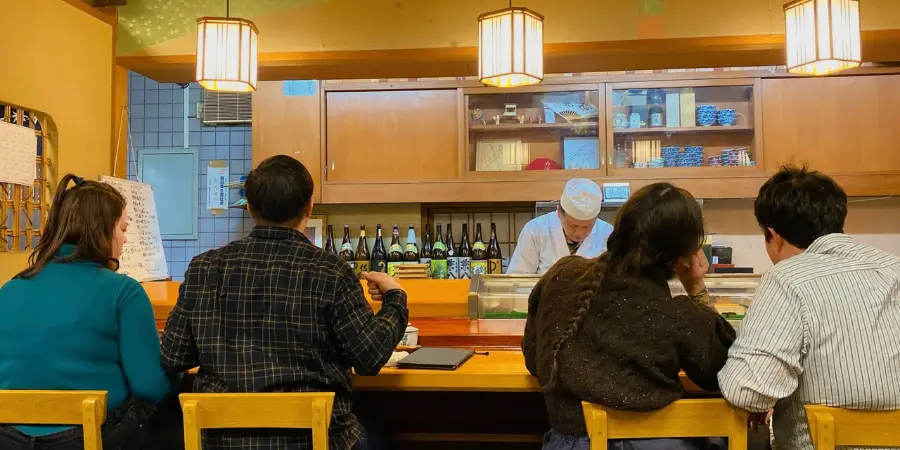
Established in 1960, Kikyo Sushi is a family-owned restaurant that specialises in all types of sushi. It has a warm and cosy atmosphere, featuring counter seats and table seats for families, solo diners, and tourists alike. Kikyo Sushi has a mix of modern and traditional architecture, creating a relaxed and welcoming vibe.
The menu at Kikyo Sushi offers a variety of sushi, including Kyoto’s Saba-Zushi. All their sushi is made with fresh fish sourced from central markets. Besides sushi, they also serve other dishes such as tempura and grilled fish. Plus, they’ve got a good selection of beverages too, alcoholic and non-alcoholic.
Location: 43 Daimonjicho, Nakagyo Ward
Average Price Per Head: 500 to 6,000 JPY
Kiyomizu Junsei Okabeya

For all things tofu: Kiyomizu Junsei Okabeya is the place. It occupies a traditional machiya townhouse on the approach to Kiyomizu-dera, with views back over the city from inside, and it belongs to the Junsei group, whose sister restaurant at Nanzen-ji sits in Junsei Shoin, a nationally registered cultural property built in 1839.
Okabeya takes pride in its bestseller, the local delicacy yudofu. The Yudofu Fuji set at 2,500 yen brings boiled tofu, a simmered dish, sesame tofu, tofu dengaku, vegetable tempura, rice and pickles. The Yuba Fuji set at 2,750 yen swaps in freshly made tofu skin with awa-fu and yomogi-fu. There is also an aji-soroe set of fu, Kyoto vegetables and obanzai, a domestic rib-eye steak, and à la carte tofu dishes. Doors open at 10:30 and last orders are at 15:00, so this is a lunch stop rather than a dinner one.
Location: 2 Chome-239 Kiyomizu, Higashiyama Ward
Average Price Per Head: 2,000 to 3,000 JPY
For Kyoto Sweets
Kyoto’s confectionery scene is a world of its own, where centuries-old wagashi traditions meet playful modern flavours, each treat crafted with quiet precision.
Kyo-Baum Kiyomizu Store

For those interested in trying out Kyobaum, check out the Kyo-Baum Kiyomizu Store in Higashiyama and experience the taste of a traditional German Baumkuchen cake with a Kyoto twist. This dessert store is a bit more on the modern side of Kyoto restaurants, with a café space on the third floor for visitors.
Their main bestseller is the classic Kyobaum made with Uji matcha and soy milk. You should also try their homemade gelato and latte drinks. Kyo-Baum also has limited products, including their unique variations of Baumkuchen, like hojicha (roasted green tea). Kyo-Baum is the perfect dessert spot to enjoy the sweetness of Kyoto!
Location: 2 Chome-229 Kiyomizu, Higashiyama Ward
Average Price Per Head: 1,500 to 2,000 JPY
Shogoin Yatsuhashi Sohonten Main Store

If you want to get your sweet treat fix in Kyoto, visit the main store of Shogoin Yatsuhashi! It’s a traditional confectionery shop famous for its signature sweet “yatsuhashi” treats. An interesting feature about this store is that it still uses traditional methods of production, utilising mixing kettles made in the early Showa period.
Shogoin Yatsuhashi sells a range of seasonal yatsuhashi flavours, such as cherry blossom, black sesame, strawberry, and green tea. Of course, they sell Nama Yatsuhashi here as well. Recently, they’ve been experimenting with newer variations of yatsuhashi, such as Kanéru: thinly baked yatsuhashi rolled one sheet at a time into slim sticks, sold in cinnamon and coffee flavours at 702 yen for a box of twelve. The name comes from the French cannelle, meaning cinnamon.
Location: 6 Shogoin Sannocho, Sakyo Ward
Average Price Per Head: 300 – 2,500 JPY
Mangetsu Main Store

Founded in 1856, the Mangetsu Main Store is a traditional sweets shop that shows a glimpse of Kyoto’s confectionery heritage through its carefully crafted sweets. Take note that the Mangetsu Main Store serves mostly as a confection shop rather than a typical restaurant with dining seating.
The Mangetsu Main Store’s most famous product is Ajari Mochi, which came later than the shop itself: it was created in the Taisho era by the second-generation owner, roughly sixty years after the business opened. You can buy them in individual pieces or in gift sets. Other than Ajari Mochi, Mangetsu Main Store offers other kinds of traditional Japanese confectionery and seasonal sweets.
Location: 139 Tanaka Oicho, Sakyo Ward
Average Price Per Head: 150 to 1,500 JPY
Kogetsu

In Kyoto, competition is intense when it comes to traditional confectionery, but Kogetsu doesn’t need to worry about being at the top, because it is already there. This Japanese confectionery company has been selling sweets and desserts since 1945 with an aim to evolve classic Japanese sweets for the modern customer.
Kogetsu’s products typically include wagashi and the long-selling favourite Senju Senbei. Kogetsu’s establishments are less like a restaurant and more like a food stall, serving their desserts boxed as packages and gift sets. They’re meant to be brought home, a sweet souvenir from Kyoto’s finest.
Location: 681 Takannacho, Nakagyo Ward
Average Price Per Head: 500 to 9,000 JPY
Kyoto Food Guide: Tips and Tricks
Dining in Kyoto can be a wonderful and enriching experience, but sometimes, it can be a challenge. Think of overcrowded restaurants, long lines, limited payment options… It’s best to be prepared for any dining difficulties. Now that you know where to eat in Kyoto, here are some helpful tips to navigate local culinary customs and practicalities in the city.
First, if the restaurant you have your eye on has a website, check it. They include a lot of relevant information there, such as operating hours, accepted payment methods, and other FAQs like if pets are allowed or if they offer vegan or gluten-free options. A restaurant’s website also typically contains their contact number and the location of the establishment.
Next, it’s advisable to book or reserve tables in advance whenever possible, especially for popular or high-end restaurants, as many places fill up quickly. For example, some kaiseki restaurants require you to reserve days before. This will avoid waiting in long walk-in lines since you’re sure to have a seat. Just make sure you arrive a few minutes before your reservation time to guarantee your slot!
At the restaurant itself, expect language barriers with waiters and chefs. Although some restaurants have English-speaking staff, it’s more convenient for everyone if you have Google Translate prepared or utilise pointing to menu photos. Here is what apps to have ready on your Japan trip.
Practising proper Japanese dining etiquette is important as well to show respect to the locals. For instance, wait until everyone’s dishes have arrived before beginning your meal, and say “itadakimasu” to express gratitude before eating. When using chopsticks, avoid pointing them at others or sticking them upright in rice.
Lastly, don’t tip the waiters after your meal. Tipping is not customary in Kyoto or anywhere in Japan, so there’s no need to leave extra money. The Japanese mindset is that excellent customer service is a standard and does not need any extra compensation. Instead, just simply thank the chefs and the waiters with a bow and an “arigato gozaimasu!”
While Kyoto is known for its traditional dishes, the city caters well to different dietary needs. The tofu and yuba houses around Kiyomizu-dera and Nanzen-ji are built on plant-based cooking, and vegetable-led restaurants such as Miyako Yasai Kamo, above, are an easy starting point.
Final Thoughts
No matter how long you stay in Kyoto, you will never miss a meal here. And whatever you’re craving, we’re sure the city has a unique dish for you. Whether you want something elegant, simple, or extraordinary: Kyoto’s culinary scene tells a story steeped in tradition, history, and creativity.
Explore these restaurants to your stomach’s content and enjoy the unforgettable flavours of Kyoto! With our recommendations, you can already come up with a mini-itinerary for your Kyoto food trip, breakfast at Kyoto Onimaru for onigiri, lunch at Kiyomizu Junsei Okabeya with yudofu, afternoon snack at Kyo-Baum, and a kaiseki dinner at Hyotei.
Satisfy your hunger, savour each bite, and connect to Kyoto’s culture through their food… before setting off to a series of adventures in the city!
References
Enjoy Osaka Kyoto Kobe. (2025). 7 best breakfasts in Kyoto | Japanese-style and more. Retrieved September 27, 2025, from https://enjoy-osaka-kyoto-kobe.com/article/a/kyoto-breakfast/
Kyoto Globetrotter. (n.d.). A local’s guide to lunchtime delights in Kyoto. Retrieved September 27, 2025, from https://kyotoglobetrotter.com/kyoto-lunch-options/
Kinabal. (n.d.). Kyoto lunch. Retrieved September 27, 2025, from https://kinabal.co.jp/en/gokyoto/Kyoto/Kyoto-Lunch/
Live Japan. (n.d.). Kyoto station Toji temple guide. Retrieved September 27, 2025, from https://livejapan.com/en/in-kansai/in-pref-kyoto/in-kyoto-station_to-ji-temple/article-a2000860/
Tsunagu Japan. (n.d.). 30 food souvenirs from Kyoto. Retrieved September 27, 2025, from https://www.tsunagujapan.com/30-food-souvenirs-from-kyoto/
ByFood. (n.d.). What to eat in Kyoto. Retrieved September 27, 2025, from https://www.byfood.com/blog/kyoto/what-to-eat-in-kyoto
Magical Trip. (2024, September 1). Kyoto best sweets & snacks 2024: Recommended souvenir shops and restaurants. Retrieved September 27, 2025, from https://www.magical-trip.com/media/kyoto-best-sweets-snacks-2024-recommended-souvenir-shops-and-restaurants/