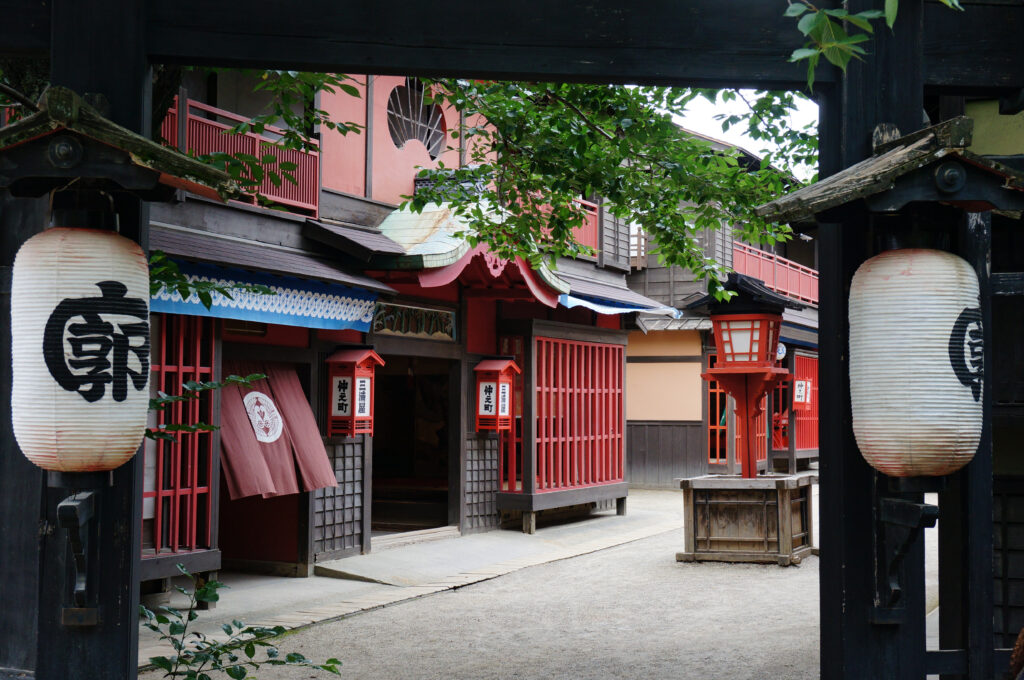
Hidden within the quiet neighbourhood of Kyoto, Funaoka Onsen is a cultural experience that blends history with a touch of old-world charm. Unlike the sleek, modern spas found in hotels or resorts, this sentō, or public bathhouse, feels like stepping back in time, offering a glimpse into Kyoto’s bathing culture as it has been for over a century.
Funaoka Onsen opened in 1923 as Funaoka-ro, a ryokan and restaurant, and later became the public bathhouse it is today. It is credited with installing Japan’s first electric bath in 1933, and its intricate woodwork, traditional murals, and nostalgic atmosphere have made it a favourite stop for both locals and curious travellers.
While it may not be a luxury onsen resort, Funaoka Onsen has a unique appeal. This bathhouse is a slice of Kyoto’s living history, a reminder of a time when public bathing was as much about community as it was about cleanliness. For those visiting Kyoto, especially those looking to experience something distinctly Japanese and far removed from the tourist-heavy spots, this is a must-visit destination.
Experience Funaoka Onsen
A Historic Gem in Kyoto
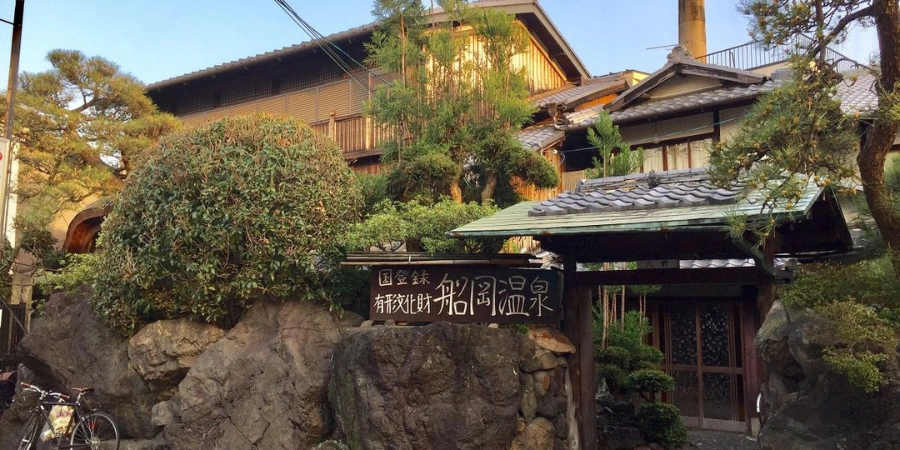
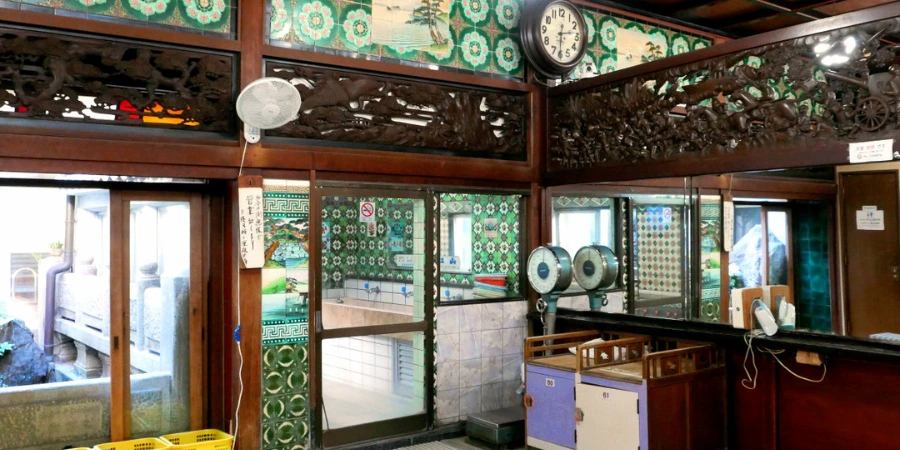
Funaoka Onsen’s history alone makes it worth visiting. Located near the base of Mount Funaoka, the bathhouse stands as a cultural landmark, showcasing Kyoto’s architectural elegance from the early 20th century. Its entrance is adorned with a beautifully crafted karahafu roof, a style that can often be found in castles, which immediately sets the tone for the experience inside.
Once you step through the doors, you will find stunning wooden carvings depicting mythological figures, including Ushiwakamaru and a tengu, the long-nosed mountain spirit of Japanese folklore, and intricate tile work showcasing Japan’s Shōwa period. There are also intricate lattice screens, vibrant tiles, and a small pond that add charm and interest for bathers.

Bathing Rules and Etiquette

Like all Japanese bathhouses, Funaoka Onsen operates under strict etiquette to maintain cleanliness. Before entering the baths, you must first shower and wash thoroughly at the provided stations. Soap, shampoo, and other amenities are available, but it is customary to bring your own small towel.
Bathing suits or clothing are not allowed inside the baths, and guests are expected to be fully nude while bathing. This might feel intimidating for first-time visitors, but it is completely normal in Japanese culture, and usually, guests are very respectful.
Another important rule is to keep your towel out of the water. Guests typically place their towel on their head or leave it by the edge of the bath. Talking should be kept quiet and respectful, and photography is strictly prohibited to preserve privacy. Following these customs ensures a pleasant experience for everyone and reflects the deep-rooted bathing culture that Japan takes pride in.
Are Tattoos Allowed in Funaoka Onsen?

Many traditional Japanese bathhouses enforce strict no-tattoo policies due to historical associations with the yakuza, or members of transnational organised crime syndicates in Japan. Despite this traditional stereotype, Funaoka Onsen is known to be tattoo-friendly. This makes it a great choice for foreign travellers who might otherwise struggle to enjoy Japanese bath culture because of tattoos.
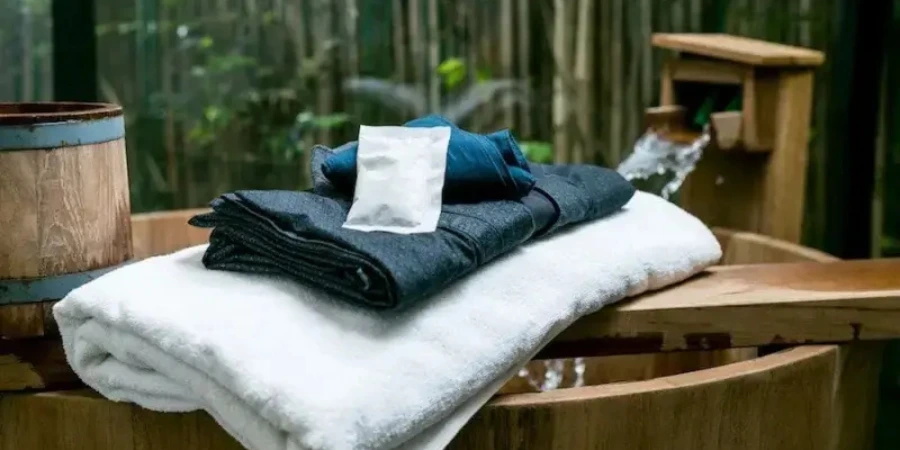
Funaoka Onsen’s welcoming stance reflects a slow but steady shift in attitudes towards tattoos in Japan, particularly in tourist-friendly areas. While some older establishments remain strict, places like Funaoka Onsen help open doors for travellers to experience authentic Japanese bathing culture without worry or exclusion. Being discreet still helps, and waterproof tattoo cover patches, sold in Japanese pharmacies and online, will hide a smaller piece if you would rather not draw attention.
The Electric Bath, the Herbal Water and the Kibune Stone Pool

Despite being more than a century old, Funaoka Onsen offers a surprisingly wide variety of baths and facilities. There are multiple indoor and outdoor pools, including a herbal bath with tannin-coloured water, a jet bath, and even the first electric bath in Japan set up in 1933. The outdoor bath, surrounded by natural garden rocks called Kibune-ishi, is especially peaceful, and the stone shifts through seven colours as the water runs over it.
There is also a sauna, a mizuburo, or cold plunge pool, and one outdoor bath that rotates gender each day. While the building retains its traditional charm, the facilities are well-maintained and modernised enough to feel comfortable.



The Price, the Welcome and the Nudity
Funaoka Onsen holds 4.2 out of 5 from 160 Tripadvisor reviews. Many reviewers highlight its authentic atmosphere and affordable price, and the baths themselves draw comment. Andrea P counts five pools at different temperatures, “one is even electrified”, while fredfougerat describes water “ranging from hot, very hot, boiling to ice cold”. Others appreciate its welcoming attitude towards foreign visitors, as the staff are known to be kind and patient, even if you do not speak Japanese.
On Google Reviews, travellers often describe it as one of Kyoto’s essential cultural experiences, especially for those seeking something beyond temples and tourist attractions. While some note that it can feel intimidating at first due to the nude bathing customs, most agree that it is a rewarding experience once you embrace the tradition.
Admission Cost, Open Times, and Directions
Admission cost
Adult admission is ¥550, the standard rate across Kyoto’s member bathhouses, with junior high school students paying ¥400 on production of a student ID, primary school children ¥200, and infants ¥100. Soap, shampoo, and towels can be rented or bought at the entrance for a small fee. Coin lockers are available, so bring some spare change.
Kyoto City is running a free bathing scheme for children between 1 April 2026 and 31 March 2027. Primary school children and infants bathe free at member bathhouses, Funaoka Onsen among them, when they come with an adult aged 18 or over who scans the QR code at the front desk using a smartphone. Adults still pay the ¥550 rate.
Open times
- Monday to Saturday: 3:00pm to 11:30pm
- Sunday: 8:00am to 11:30pm
Directions
From Kyoto Station, take City Bus #206 to Senbon-Kuramaguchi, then walk east for about five minutes.
Alternatively, take the Karasuma Subway Line to Kuramaguchi Station and walk west for around 20 minutes. A taxi from central Kyoto takes about 15 minutes, show the driver this address: 京都市北区紫野南舟岡町82-1.
A Local Experience Worth Trying

For travellers looking to connect with Kyoto beyond its famous landmarks, Funaoka Onsen offers a quiet, intimate way to experience the city’s culture. Bathhouses like this are deeply woven into Japan’s social fabric, and stepping into one gives you a unique perspective on how locals relax and rejuvenate.
Whether you are winding down after a day of sightseeing or are simply curious about Japanese traditions, Funaoka Onsen is a warm and welcoming place to start. With its rich history, tattoo-friendly policy, and affordable price, it is definitely a must-visit spot that embodies Kyoto’s ability to blend the old and the new.