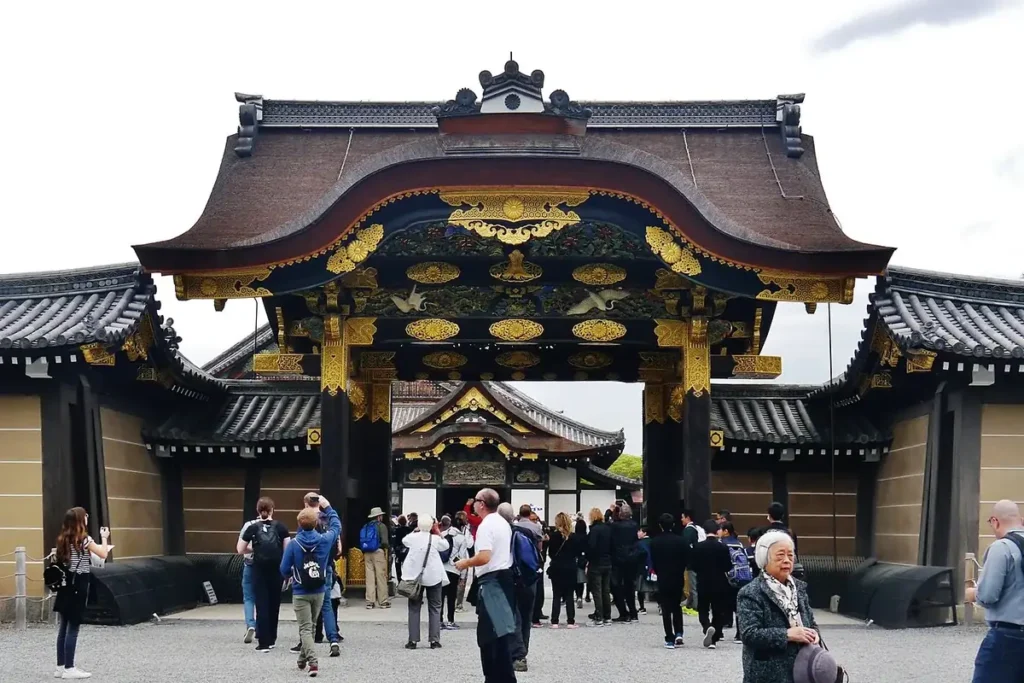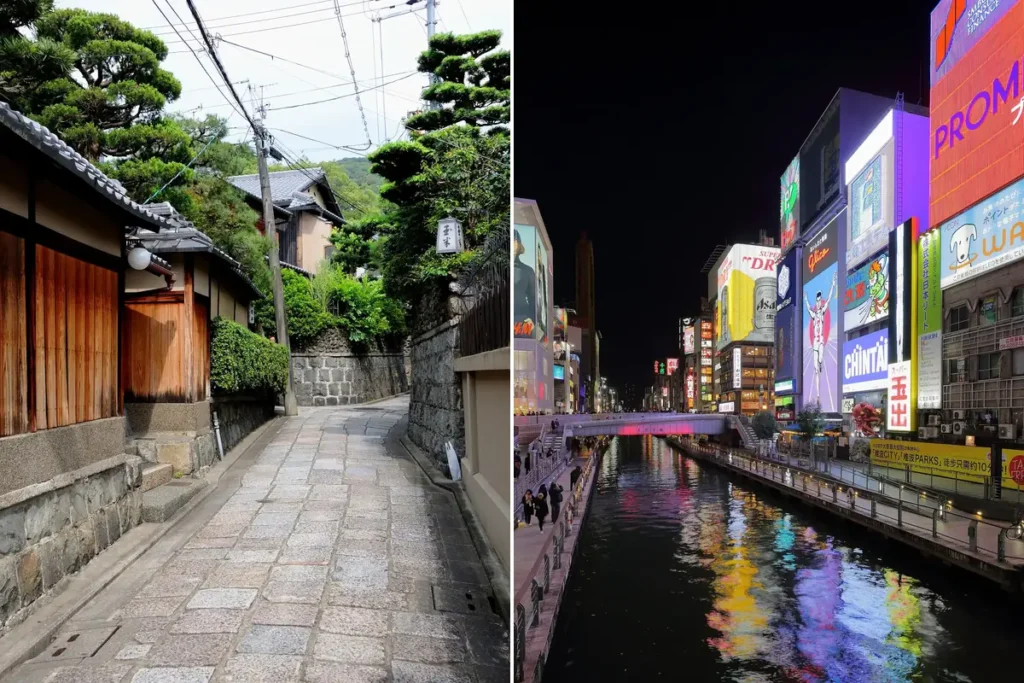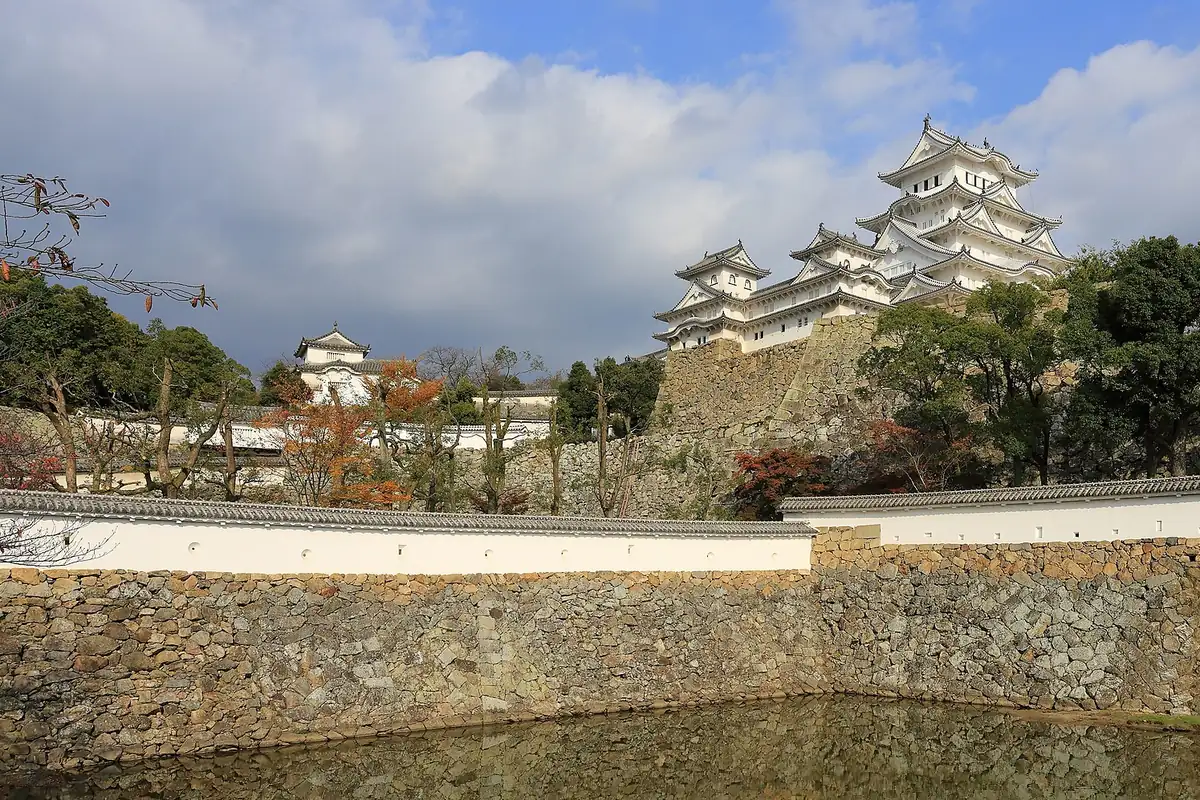
The best day trips from Kyoto are Nara for its deer and the Great Buddha, Uji for green tea and the Phoenix Hall, and the mountain walk from Kurama to Kibune. Arashiyama and the Kiyotaki valley sit on the city’s western edge, Ohara is a farming valley an hour north by bus, and Himeji Castle and the sandbar at Amanohashidate make longer days out.
The table compares all eight by route and journey time from Kyoto Station, followed by a short guide to each and the tickets that cover them.
Kyoto Day Trips by Distance, Time and Cost
| Day trip | Best for | From Kyoto Station | Journey time | Main ticket to budget |
|---|---|---|---|---|
| Uji | Tea, Byodo-in and a gentle half day | JR Nara Line to Uji | About 20 minutes | Byodo-in ¥700 (Phoenix Hall interior ¥300 more) |
| Arashiyama | Bamboo grove, Tenryu-ji, river boats | JR Sagano Line to Saga-Arashiyama | About 11 minutes by rapid, then 8 minutes on foot to Togetsukyo Bridge | Bamboo grove free, Tenryu-ji garden ¥500 |
| Nara | Deer, Todai-ji and Kasuga Taisha | JR Nara Line to JR Nara, or Kintetsu limited express to Kintetsu Nara | About 45 minutes (JR) or 35 minutes (Kintetsu) | Nara Park free; deer crackers on sale in the park |
| Kurama and Kibune | A forest walk between two mountain villages | JR to Tofukuji, Keihan to Demachiyanagi, Eizan Railway to Kurama | About 3 + 12 + 30 minutes of travel, plus changes | Kurama-dera mountain entry ¥500; Kifune Shrine free |
| Kiyotaki and Kuya Falls | A quiet riverside walk to a waterfall | JR to Saga-Arashiyama or Hankyu to Arashiyama, then Kyoto Bus 62 to Kiyotaki | Bus about 15 minutes from Hankyu Arashiyama, then a 2.5 km walk | Free |
| Ohara | Moss gardens and temples in a farming valley | Kyoto Bus 17 from stop C3 | About 1 hour | Sanzen-in ¥700 |
| Himeji | A World Heritage castle | JR Special Rapid via Osaka, or shinkansen via Shin-Osaka | About 30 minutes to Osaka, then about 1 hour on to Himeji; or 30 minutes by shinkansen from Shin-Osaka | Himeji Castle ¥2,500 for adults, free under 18 |
| Amanohashidate | A pine-covered sandbar on the Sea of Japan | Direct limited express from Kyoto into the Tango area | More than 2 hours each way | Allow for the limited express fare |
Journey times are from each operator’s or attraction’s own pages and Kyoto City’s official guide; see the sources at the end. Rail fares change by route and ticket, so pay as you go with an ICOCA card or check the pass section below.
Uji: tea, Byodo-in and the Tale of Genji, 20 minutes away
Uji is the easiest day trip of all: about 20 minutes south on the JR Nara Line, with the Phoenix Hall of Byodo-in, the hall on Japan’s 10 yen coin, ten minutes’ walk from the station. Byodo-in costs ¥700 for adults, with another ¥300 for a timed visit inside the Phoenix Hall. The rest of the day is tea: Tsuen, beside Uji Bridge, has traded since 1160.
Our Uji day trip guide has the full route, the tea houses, Ujigami Shrine and the summer cormorant fishing. It also gives the Keihan route from Osaka, so Uji works from either city.


Arashiyama: the bamboo grove 11 minutes from Kyoto Station
Strictly, Arashiyama is inside Kyoto city, but it feels like a trip out. Kyoto City’s official guide recommends the JR Sagano Line, about 11 minutes by rapid train to Saga-Arashiyama, then about 8 minutes on foot to Togetsukyo Bridge. It warns that the Sagano Line platform at Kyoto Station is a long walk from the others and that the front cars are the most crowded.
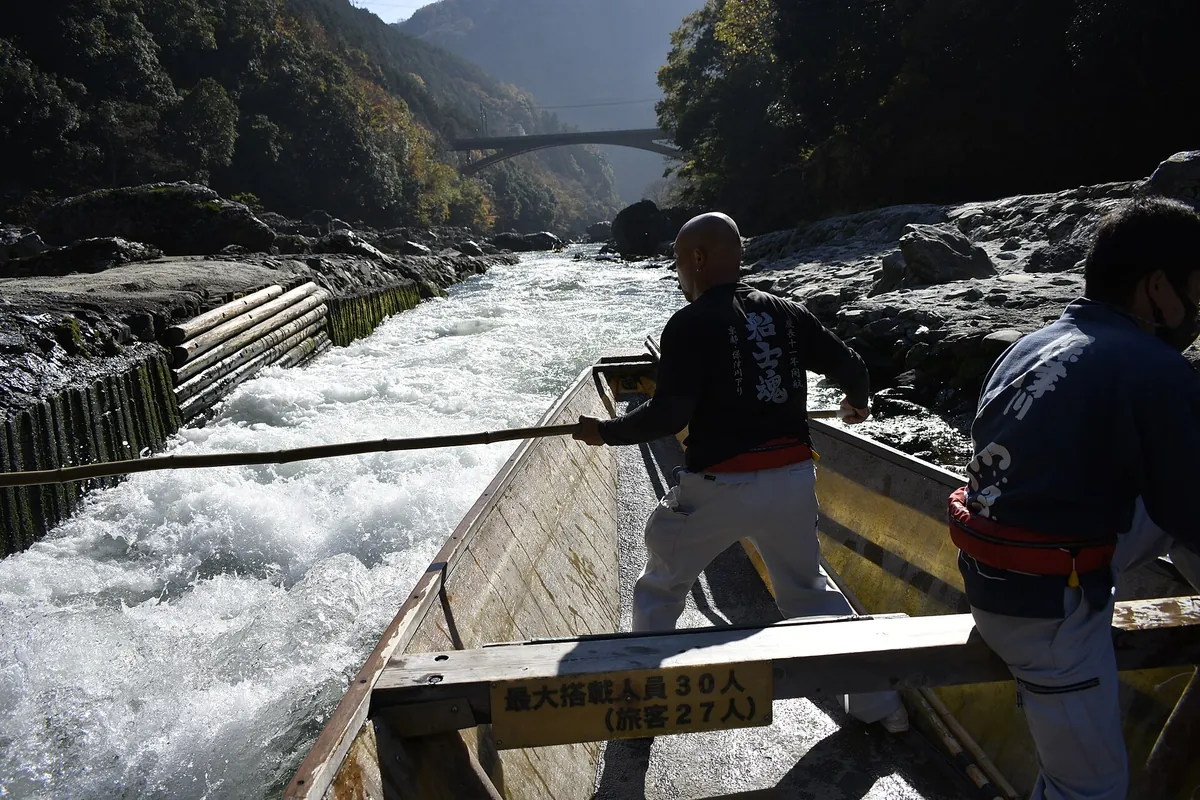
The bamboo grove is a public path with no ticket. Tenryu-ji’s garden, at its southern end, is ¥500. Our Arashiyama guide covers the grove, Togetsukyo Bridge, Nonomiya Shrine and Matsuno’o Taisha, and the Hozugawa river boats and the Sagano Romantic Train make it a full day.
Nara: deer, the Great Buddha and two railways to choose from
Nara was Japan’s capital before Kyoto, and its temples, shrines and free-roaming deer fill a day easily. There are two ways from Kyoto. JR’s Nara Line runs to JR Nara Station in about 45 minutes on a rapid train. Kintetsu’s limited express from Kintetsu Kyoto Station takes about 35 minutes to Kintetsu Nara, which is closer to the deer and the temples, but carries a seat surcharge.
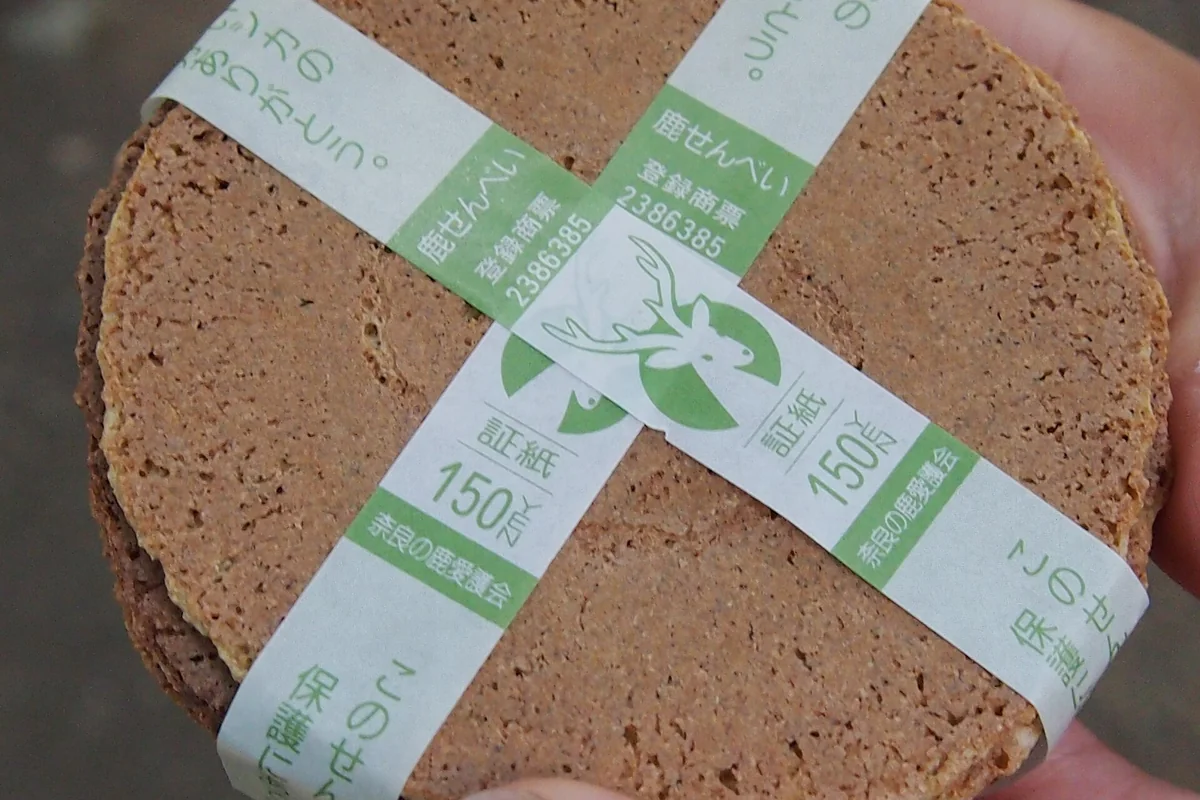
Our Nara day trip guide covers which station to use, Todai-ji, Kasuga Taisha, Naramachi and the deer rules. Nara is also an easy day from Osaka, a point worth knowing if you are still choosing a base.
Kurama to Kibune: a mountain temple, a forest path and a water shrine
Kurama and Kibune are two villages in the forested hills north of the city, a valley apart, joined by a walking path over Mt Kurama. Kyoto City’s official route from Kyoto Station is the JR Nara Line one stop to Tofukuji (about 3 minutes), the Keihan Line to Demachiyanagi (about 12 minutes), then the Eizan Railway’s Kurama Line to Kurama (about 30 minutes). From Kurama Station it is about 5 minutes to the gate of Kurama-dera, founded in 770 according to Kyoto City’s guide.
Mountain entry to Kurama-dera is ¥500. The temple puts the walk from its Main Hall over the mountain to Kibune at about 50 minutes, with steep steps and tree roots across the path, and our 7-day Kyoto itinerary gives the walk a whole day, with lunch on the river platforms in Kibune.
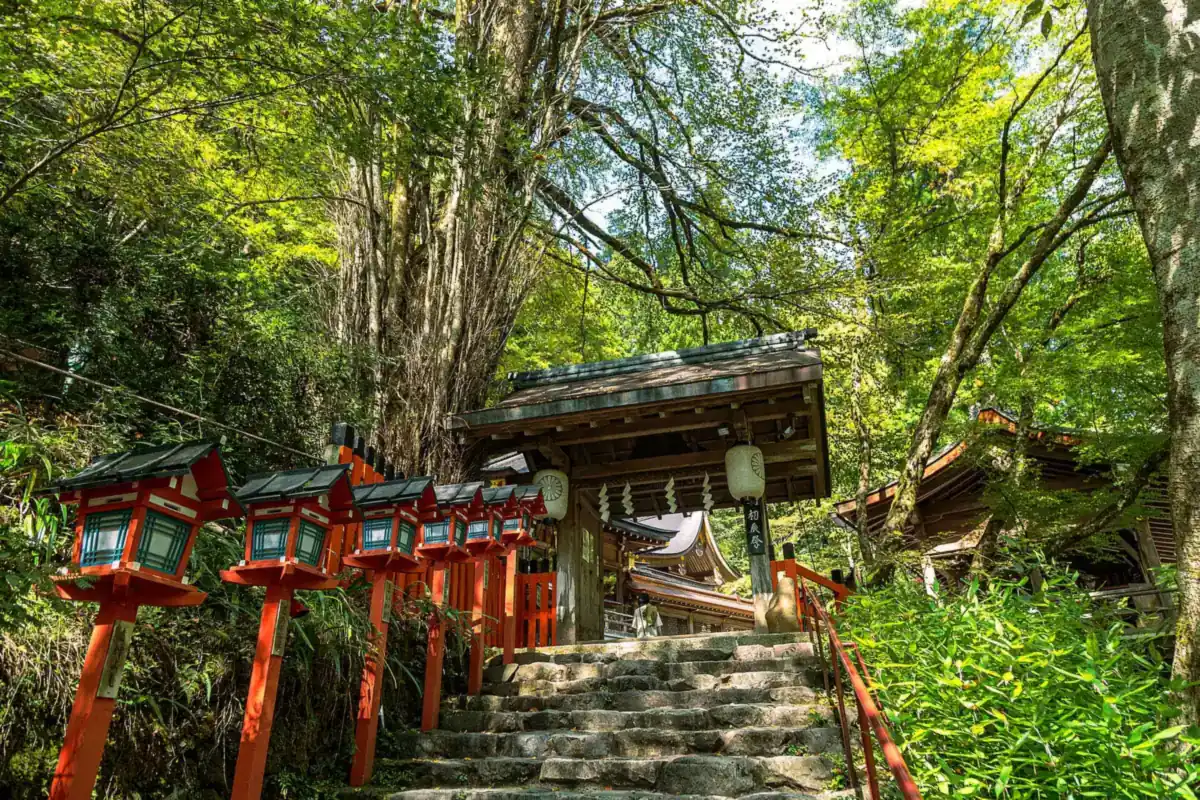
Kifune Shrine, dedicated to the god of water, is free and open from 6am to 8pm, and calls itself the head shrine of some two thousand water shrines across Japan. If you skip the walk, ride the Eizan Railway to Kibuneguchi (about 28 minutes from Demachiyanagi) and take Kyoto Bus 33 about 7 minutes up the valley. That bus is outside the area covered by the Subway and Bus One-Day Pass, so have the fare ready.



Kiyotaki and Kuya Falls: the waterfall walk beyond Arashiyama
North-west of Arashiyama, the hamlet of Kiyotaki sits on the Kiyotaki River at the foot of Mt Atago. Kyoto Bus 62 runs there from Hankyu Arashiyama in about 15 minutes, and Kuya Falls, the waterfall many visitors call the Kiyotaki waterfall, is about 2.5 kilometres further up a shaded path. It is still used for ascetic training, so you may find someone standing under the water.
Our Kuya Falls hiking guide has the route, what to wear and how to link the walk with Takao’s temples, which Kyoto City says are about 48 minutes from Kyoto Station by JR Sagano Line to Enmachi and the West Japan JR Bus.
Ohara: Sanzen-in’s moss garden an hour north by bus
Ohara is a farming valley in the mountains north-east of Kyoto, with a handful of temples. Sanzen-in is the one most people come for, with its old hall set in a garden of moss under tall cedars, as Kyoto City describes it. The temple says Kyoto Bus 17 from stop C3 in front of Kyoto Station takes about an hour, followed by a 10 minute walk from the Ohara stop. Kyoto City suggests the subway to Kokusaikaikan and Kyoto Bus 19 as a quicker alternative, about 56 minutes in all.
- Sanzen-in: ¥700 for adults, ¥400 for junior and senior high school pupils, ¥150 for primary pupils.
- Hours: 8:30am to 5pm from March to 7 December, then 9am to 4:30pm from December to February.
- Ticket tip: Kyoto City says the Subway and Bus One-Day Pass (¥1,100) is valid on Kyoto Bus as far as Ohara.
Himeji Castle: a long day, now ¥2,500 for adult visitors
Himeji Castle is a World Heritage Site and makes a long but straightforward day out from Kyoto. The castle’s own website gives the route from Osaka: about an hour on the JR Kobe Line Special Rapid, or about 30 minutes by Sanyo Shinkansen from Shin-Osaka. From Kyoto, add the JR Special Rapid to Osaka, which Kyoto City puts at about 30 minutes.
- Tickets: ¥2,500 for adults aged 18 and over (¥1,000 for Himeji residents), free for under 18s. A combined ticket with Kokoen Garden costs ¥2,600.
- Hours: 9am to 5pm, last entry 4pm.
- Closed: 29 and 30 December.
Himeji is closer to Osaka than to Kyoto. If you are splitting your stay, it fits better on an Osaka day, as our Kyoto or Osaka comparison explains.
Amanohashidate: the pine sandbar on the Sea of Japan
Amanohashidate is a sandbar covered in pine trees across Miyazu Bay in the north of Kyoto Prefecture. The local tourism association calls it one of Japan’s three great views, with Matsushima and Miyajima. Limited express trains run from Kyoto into the Tango area, and Kyoto Prefecture’s “Kyoto by the Sea” tourism board puts the train journey from Osaka at about 2 hours 22 minutes, so plan on well over two hours each way from Kyoto and start early.
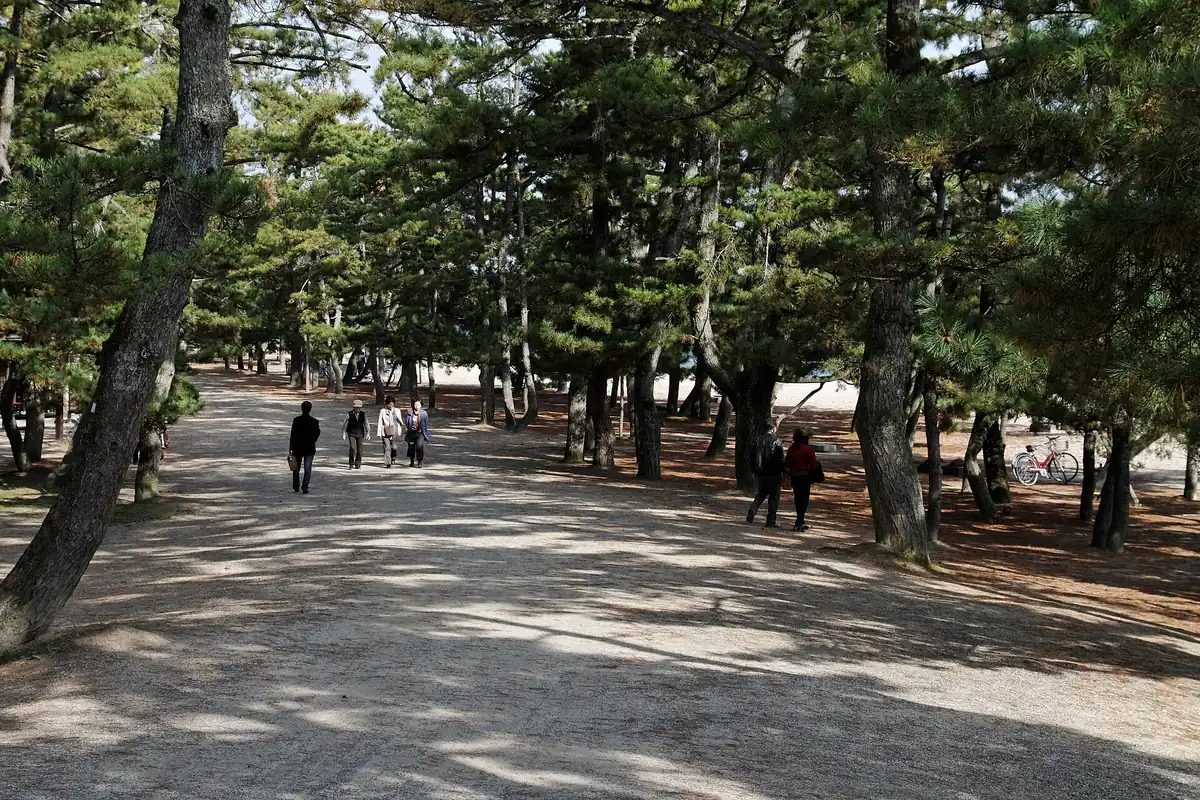
It is the one trip on this list worth an overnight stay if you can, both for the travel time and for the Ine fishing village further round the bay, which the tourism association is linking with a trial express bus this autumn.
Passes and tickets for Kyoto day trips
- Subway and Bus One-Day Pass (¥1,100): covers Kyoto City Bus, the subway and Kyoto Bus within the flat-fare area and as far as Yase and Ohara. It does not cover the bus between Kibuneguchi and Kifune Shrine.
- Japan Rail Pass: covers the JR lines to Uji, Nara (JR Nara Station), Saga-Arashiyama and Himeji. Our Japan Rail Pass guide explains what else it covers. The Keihan, Eizan, Kintetsu and Hankyu lines are private railways it does not cover.
- Kyoto-Osaka Sightseeing Pass, Greater Kurama and Kibune area (¥2,100): one day on all Keihan lines plus the Eizan Railway, for overseas visitors on a short-stay visa, valid until 30 April 2027. It covers the whole Kurama trip from Gion-Shijo or Demachiyanagi.
- ONE KANSAI Kyoto Mankitsu 3-Way Pass (¥1,800): one day on Keihan, Hankyu and the JR lines to Uji and Saga-Arashiyama, bought in the KANSAI MaaS app.
Kyoto City asks visitors not to take large suitcases onto city buses. Use the hands-free luggage counters at Kyoto Station or a coin locker before heading out. For more on the city itself, the Kyoto travel guide covers each district.
Day trips from Kyoto questions answered
What is the best day trip from Kyoto?
For most first-time visitors, Nara: about 35 to 45 minutes away, with the deer park, Todai-ji’s Great Buddha and Kasuga Taisha all within walking distance. For something shorter, Uji is 20 minutes on the JR Nara Line. For a walk in the hills, Kurama to Kibune is the classic choice.
Is Nara or Uji better as a day trip from Kyoto?
Nara has more to see and fills a full day, with its deer, temples and shrines. Uji is smaller and quieter, built around tea and Byodo-in, and works as a half day. They are on the same JR line, so with an early start some people do Uji in the morning and continue to Nara.
Can you do Himeji as a day trip from Kyoto?
Yes. Take the JR Special Rapid to Osaka (about 30 minutes) and continue about an hour to Himeji, or use the shinkansen from Shin-Osaka (about 30 minutes). The castle is open 9am to 5pm with last entry at 4pm, and adult tickets cost ¥2,500. Leave Kyoto by mid-morning.
How long is the Kurama to Kibune hike?
Kurama-dera puts the walk from its Main Hall over the mountain to Kibune at about 50 minutes. Add about 30 minutes to climb from Kurama Station to the Main Hall, or ride the small cable car part of the way. The path has steep steps and roots, so wear proper shoes.
How far is Amanohashidate from Kyoto?
More than two hours each way by limited express train. Kyoto Prefecture’s tourism board gives about 2 hours 22 minutes from Osaka by train. It is possible as a long day trip with an early start, but it is the one trip on this list that suits an overnight stay.
Can you use the Kyoto bus day pass for day trips?
For some. The ¥1,100 Subway and Bus One-Day Pass covers Kyoto Bus to Ohara and Yase, and city buses across Kyoto. It does not cover trains to Uji, Nara, Arashiyama or Himeji, the Eizan Railway to Kurama, or the bus up to Kifune Shrine.