
There are two things in Kyoto genuinely worth a half day if you want to get near the samurai rather than read about them. The first is Uzumasa Kyoto Village, the working film studio park in the west of the city, which relaunched under that name in March 2026 after fifty years as Toei Kyoto Studio Park. The second is the Samurai and Ninja Museum, a few minutes from Nishiki Market, where an hour long guided tour puts you in armour and hands you a sword.
They do very different things and the choice between them depends on how much time you have. There is also a reason all of this sits in Kyoto rather than Tokyo, which is worth understanding before you book anything.
Samurai Experiences in Kyoto
Uzumasa Kyoto Village
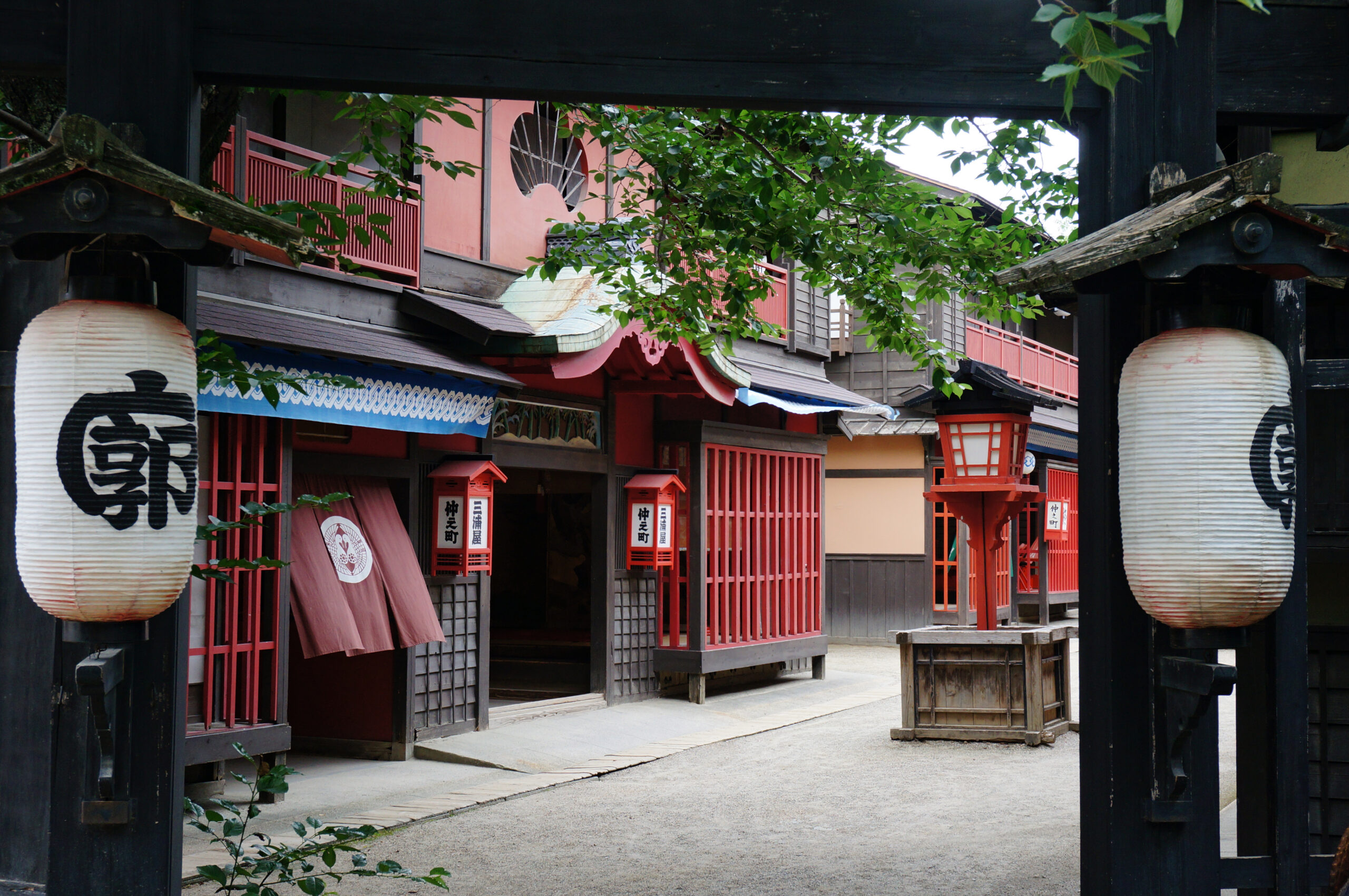
This is the one most people mean, and it has just changed considerably.
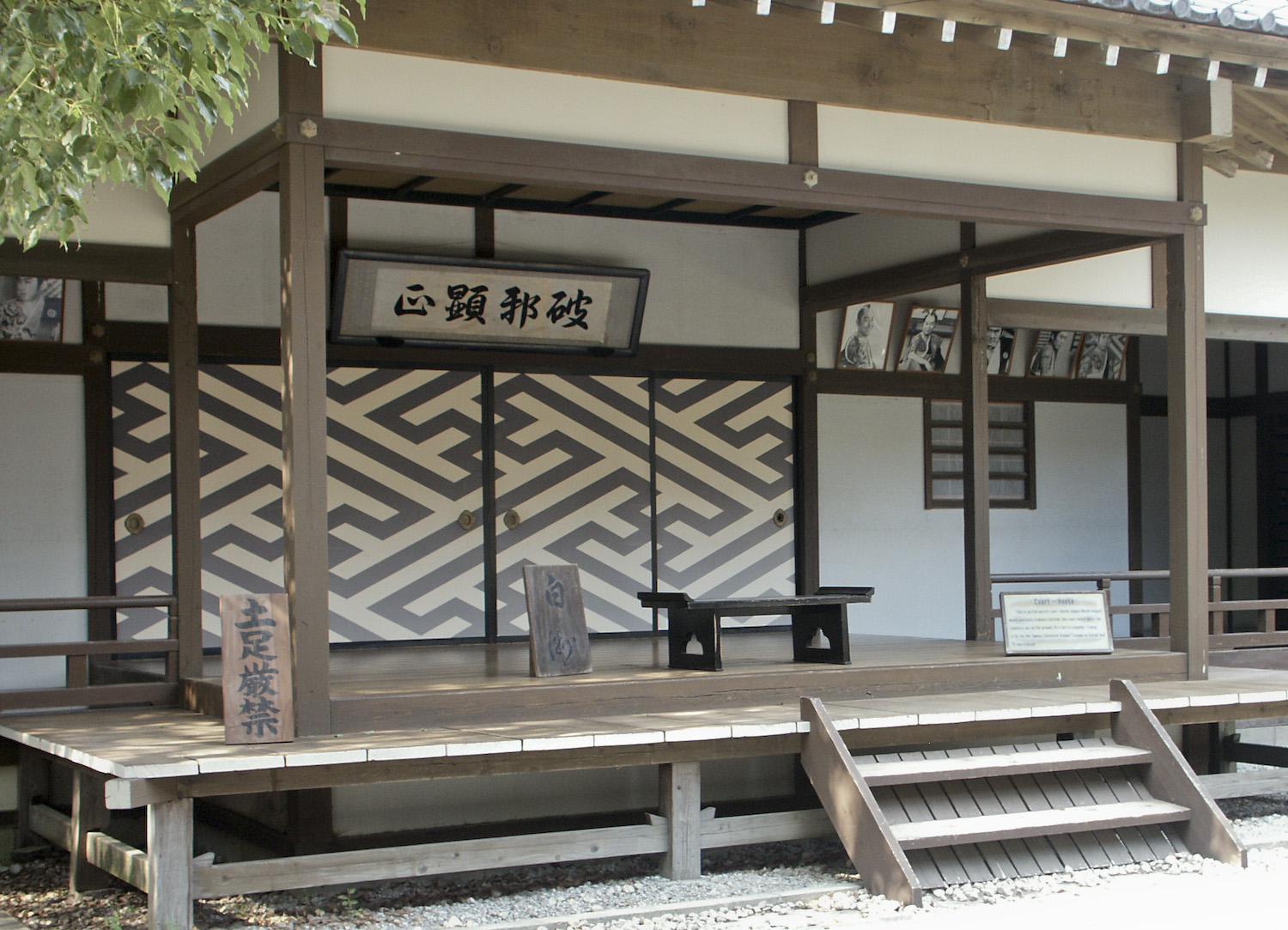
Toei opened its Kyoto studio park to the public in 1975, on the back lot where the company had been shooting period drama for decades. What visitors got was the real thing: standing Edo period streets, a bridge, a magistrate’s office, a red light district facade, all of it built for cameras rather than for tourists, and all of it still in use. Films are shot there while the public walks around.
In March 2026 the first phase of a full relaunch opened under the name Uzumasa Kyoto Village. The stated theme is getting lost in Kyoto during the Edo period, and the practical changes are significant. Ten new restaurants. Shops selling crafts rather than plastic swords. Most importantly the park now stays open until nine in the evening, where it used to close at five, so the sets can be lit and walked at night. Phase two arrives in 2027 with a nightlife district, phase three adds a theatre, and a hot spring is planned after that.
What you can actually do there, beyond walking the sets: dress in full period costume and be photographed, sit a tea ceremony or a flower arranging session, take on a ninja escape room, and if the timing is right, stand and watch a television crew work.
Practical details
- Hours. Typically 10.00 to 21.00, with last admission an hour before closing. Closed on some Tuesdays, so check before travelling.
- Admission. Around 2,800 yen for a full day, or 2,000 yen for entry after 5pm. Individual attractions inside cost a further 400 to 800 yen, and the cultural experiences run to roughly 2,700 yen.
- Getting there. About thirty minutes from Kyoto Station on city bus 75, 73, 76 or 83. Alternatively take the Keifuku Arashiyama Line, ten minutes, and walk five minutes from Uzumasa Koryuji Station.
- Time needed. Half a day comfortably, a full day if you are doing several of the paid experiences.
Prices and hours here are correct as of September 2026 and are worth checking directly, because the park is mid redevelopment and things are still moving.


The Samurai and Ninja Museum
Central, small, and hands on. This is the better option if you have one afternoon and no appetite for a bus ride across the city.
The museum sits at 109 Horinouecho in Nakagyo Ward, about four minutes on foot from Nishiki Market, which makes it easy to fold into a day you were already spending in the centre. The core offering is a guided tour of roughly an hour, run in English, with tours departing every fifteen minutes through the day.
Inside that hour you handle things. Visitors try on samurai armour, practise drawing a replica katana under instruction, and throw shuriken at a target range. Blowgun practice and a costume photography session are available as add ons, and there is a separate tameshigiri upgrade, which is cutting with a live blade on a rolled target. That last one is the closest most people will get to using a real sword properly.
Practical details
- Hours. 10.30 to 17.30, last entry at 17.00.
- Admission. Around 2,400 yen for adults, 1,900 yen for students and 1,200 yen for children, with the sword cutting upgrade charged separately.
- Booking. Advisable. Weekend slots fill up.
- Time needed. An hour, or a little more with add ons.
Why Kyoto and Not Tokyo

This is the part the booking sites leave out, and it explains why the samurai tourism clusters here.
Japanese cinema operated a formal geographic split for decades. Films set in the modern world were made in studios around Tokyo. Films set before 1868 were made in Kyoto. The reason was entirely practical. Kyoto had been the capital until the Edo period, so it still had the temples, the shrines, the streets and, crucially, the surviving craft trades that could produce period clothing, armour and props to a standard a camera would accept.
Uzumasa is where that industry settled, and it has been making period drama continuously since the 1920s. Toei became the most commercially successful studio in Japan on the back of it. So the studio park is not a theme park that borrowed a theme. It is the actual place, still working, with sets that have appeared in hundreds of films. Anyone who has read our guide to samurai cinema will recognise more of it than they expect.
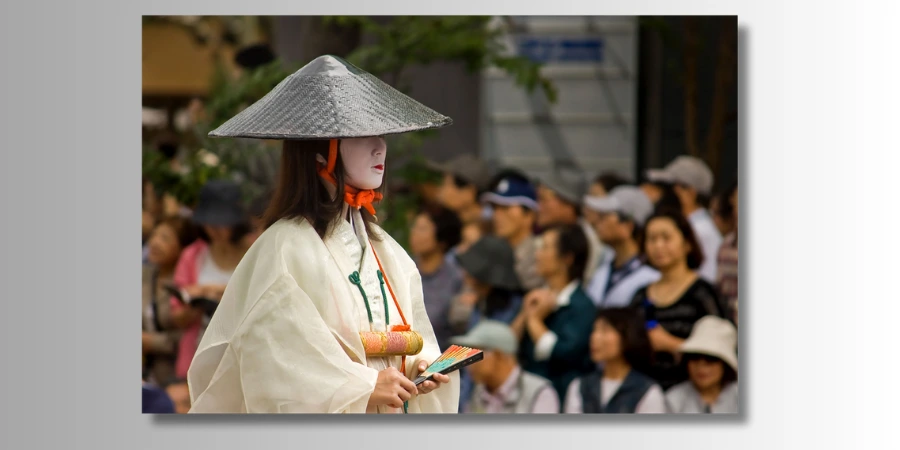
The city keeps the connection alive outside the studio too. The Jidai Matsuri, the Festival of the Ages, runs every 22 October, and sends a procession of around two thousand people in accurate period costume from the Imperial Palace to Heian Shrine, working backwards through twelve centuries of Japanese dress. If your trip lands near that date it is the single best samurai sight in Kyoto and it is free.
Fitting It Into a Trip
Uzumasa sits in the west of the city, one stop along from Arashiyama on the Keifuku line. That makes the obvious plan a single western day: the studio park in the morning, then the bamboo grove and Tenryu-ji in the afternoon, which are ten minutes away and in completely the opposite register.
With the new nine o’clock closing there is a second option worth considering. Do Arashiyama first thing while it is quiet, then arrive at Uzumasa in the late afternoon on the reduced evening ticket and walk the sets after dark, which is when they look most like the films.
The museum needs no planning at all. It is central, it takes an hour, and it slots into a Nishiki Market morning without disturbing anything else. If you are building a longer stay, our seven day Kyoto itinerary shows where a western day fits, and the Kyoto travel guide covers the basics of getting around.
One honest note. Neither of these is a historical site. The studio park is a film set and the museum is a visitor attraction with a good collection. For actual samurai history in Kyoto, Nijo Castle is the serious answer, and it is a very different sort of afternoon.
Frequently Asked Questions
Is Toei Kyoto Studio Park still open?
Yes, under a new name. It relaunched as Uzumasa Kyoto Village in March 2026 following a redevelopment, and further phases are due in 2027 and beyond. Older guidebooks and signage still use the Toei Kyoto Studio Park name, and the Japanese name Toei Uzumasa Eigamura is still widely used.
Can you wear samurai armour in Kyoto?
Yes, at both venues. The Samurai and Ninja Museum includes armour as part of its standard hour long tour. Uzumasa Kyoto Village offers full period costume dressing and photography as a paid experience.
Can you use a real katana?
The Samurai and Ninja Museum offers a tameshigiri upgrade, which is cutting a rolled target with a live blade under supervision. The standard tour uses replica swords for the drawing practice.
How much does a samurai experience in Kyoto cost?
Budget roughly 2,400 yen for the museum tour and around 2,800 yen for a full day at Uzumasa Kyoto Village, with individual experiences inside the park adding 400 to 2,700 yen depending on what you choose. Prices correct as of September 2026.
Which is better for children?
Uzumasa Kyoto Village, comfortably. It has the ninja attractions, the escape rooms, the costumes and the space to run about. The museum tour is an hour of standing and listening, which suits older children and adults better.
Do you need to book in advance?
For the museum, yes, particularly at weekends, since tours run on fifteen minute departures with limited places. For Uzumasa Kyoto Village you can usually buy on the day, though the park is newly relaunched and busier than it was.


