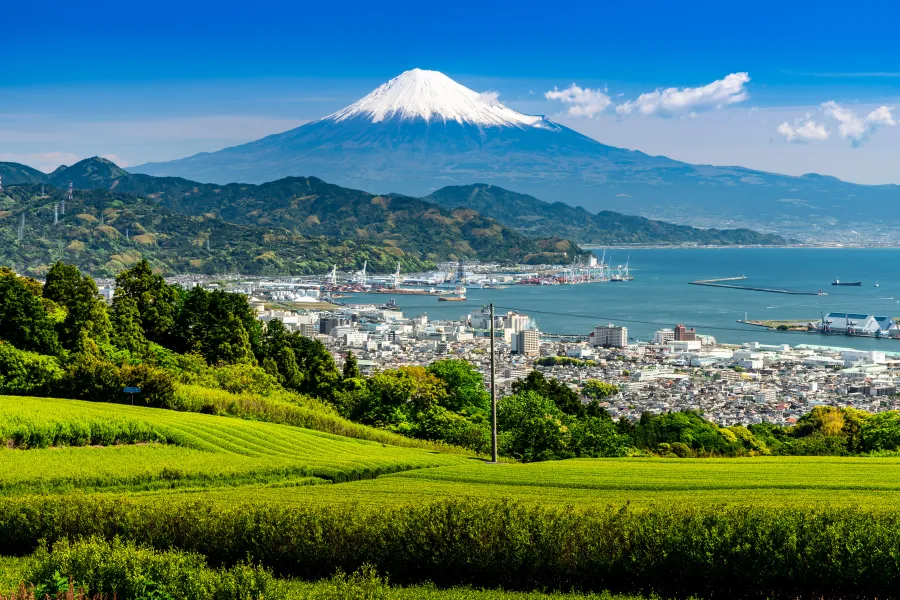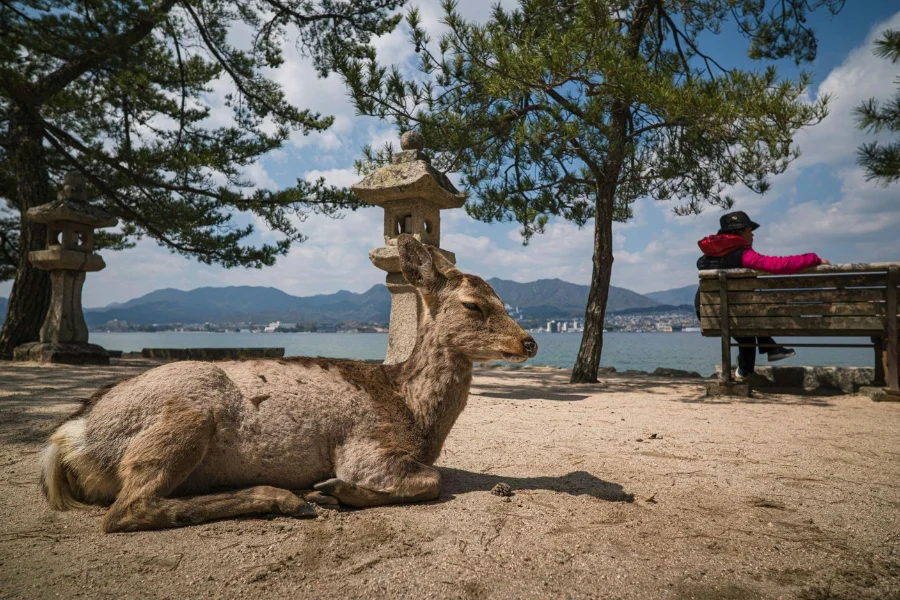
In the heart of the Kansai region lies a serene city of deer and ancient temples: Nara. A city where history and nature intertwine, Nara serves as the living history book of Japan as the country’s first permanent capital and much more.

Image Credit: Huu Huynh
Step back in time to Nara and relive its timeless traditions, explore historic monuments, and enjoy the city’s natural beauty! Let this guide help you learn more about Nara and how to make the most out of your trip when visiting this captivating city.
Getting Your Bearings: Nara at a Glance
A Brief History of Nara
Before Tokyo became Japan’s capital, there was Kyoto. And before Kyoto became Japan’s capital, there was Nara! From 710 to 794 AD, Nara City served as the country’s first permanent capital when Empress Genmei moved the imperial seat to Heijō-kyō (present-day Nara), marking the start of the Nara period.
During this period, significant Chinese influence was very strong in Japan, with the city’s layout modelled after Chang’an, the capital of China’s Tang dynasty. Nara was laid out on a rigorous grid and became one of the country’s first urban centres.

Image Credit: World History Encyclopedia
Chinese customs and practices were adapted by the Japanese elite during the Nara period, adopting Chinese systems such as governance, writing, fashion, and religion. Buddhism thrived during this era as it spread throughout the country, with Nara serving as a main hub for devout Buddhists. The Tōdai-ji Temple is the most important landmark in Nara as it was once the head temple of all the provincial Buddhist temples in Japan.
Eventually, the Nara period ended when Emperor Kanmu moved the Japanese capital to Nagaoka-kyō and then Heian-kyō (modern Kyoto) in 794 AD. The reason for the move was said to be the imperial court’s way of distancing itself from Buddhist institutions based in Nara, which they thought were a threat to their power.
Now, Nara City takes pride in being Japan’s first permanent capital and holds historical significance in laying the foundation for the nation’s political structure, culture, and religious traditions that still continue to influence Japan today!
Nara’s Significance in Japan
We already know how significant Nara City is to Japan based solely on the fact that it was the country’s first permanent capital. Prior to Nara, it was common for each new emperor to move his residence to a different city. This is why Japan has had many capitals over time.
Eventually, Nara was established as the first major city with a fixed and long-lasting seat of power. From here, it became the political heart of Japan and the centre of Buddhist temples and practices that have shaped Japanese spirituality and culture. The next permanent capital of Japan was Kyoto, lasting for over 1,000 years until the Meiji Restoration.
The Nara period also holds a lot of significance in relation to arts, architecture, and literature that have been influenced by continental Asia. The Kojiki, the oldest surviving book in Japanese history, was completed in 712 during this period, and the Nihon Shoki followed in 720. Together they record myths and legends on Shinto gods and stories of early emperors which show insights into the mythology, customs, and politics of ancient Japan.
In modern Japan, Nara City continues to proudly serve as a living museum of ancient Japanese history and culture. Many of the city’s temples and shrines remain remarkably preserved, making it the perfect hub for historical and archaeological research! We can all agree that Nara City’s cultural heritage is a pillar in shaping Japan’s identity.
Neighbourhoods in Nara
Similar to other cities in Japan, Nara City follows a grid-like layout inspired by the Chinese Tang dynasty capital of Chang’an. Thanks to this organised design, travelling around Nara City is relatively easy with different kinds of districts and neighbourhoods that you can explore.

Image Credit: Kanpai Japan
To truly witness the essence of traditional Japan, check out the neighbourhoods that are known for maintaining its “historical” vibes, Naramachi, Yoshinoyama, and Asuka. Naramachi is a former merchant district of Nara, Yoshinoyama is a mountain town with thousands of cherry trees, and Asuka is the home of the first emperor and the roots of Buddhism.
Of course, we can’t forget the popular commercial areas of the city! Higashimuki Shopping Street is a great place to sample local street food and enjoy Nara specialties. Downtown Nara refers to the urban area around JR Nara Station and Kintetsu Nara Station filled with many hotels, restaurants, and shops unique to the city.
For those wanting to explore the nature of Nara Prefecture, Totsukawa is a village nestled deep within the mountains of southern Nara that offers a peaceful retreat from city life. You can sightsee rivers, relax in hot springs, and enjoy outdoor activities here. There is also the Nara-koen Area, famously known for its Nara Park, which is a major nature attraction in the city for its free-roaming deer and accessible green spaces.
Getting to Nara

From Kyoto to Nara
There is one simple way to get to Nara from Kyoto: train. Thankfully, Japan has excellent public transportation, so make use of their rail lines! To get from Kyoto to Nara, there are two lines that connect the two cities which are JR Nara Line and Kintetsu Line.
The JR Line trains operate every 30 minutes between Kyoto Station and JR Nara Station. The Kintetsu Line, on the other hand, has direct limited express trains. The former takes around 45 minutes to Nara for JPY 720, while the latter takes about 35 minutes for JPY 1,280 (a JPY 760 fare plus a JPY 520 limited express charge). It’s your choice!
From Osaka to Nara
Did you know that Nara is even closer to Osaka than it is to Kyoto? So, if you happen to be in Osaka before your trip to Nara, you can choose between the JR Line and the private Kintetsu Line as well.
The JR Kanjo-Yamatoji Lines cost JPY 780 to get you to JR Nara Station in 50 minutes. The Kintetsu Nara Line costs JPY 680 to get you to Kintetsu Nara Station in Nara in 40 minutes.
From Kansai International Airport to Nara
Getting to Nara from Kansai International Airport (KIX) is a breeze. All you need to do is choose between the train and the limousine bus. KIX offers limousine buses for JPY 2,400 that stop at Kintetsu Nara Station and JR Nara Station. The ride takes about 1 hour 25 minutes to 1 hour 45 minutes, depending on the service.
On the other hand, the train (JR Line) costs around JPY 2,180 to get you to Nara in about 70 minutes. If you choose this route, take the JR Haruka Airport Express to Tennoji Station, then transfer to JR Yamatoji Rapid Service to JR Nara Station.


Getting Around Nara
Once you’ve arrived, navigating the city is straightforward thanks to its well-connected transport options, from trains and buses to taxis, bicycles, and even leisurely walks.
Exploring Nara via Train
In Nara, two important rail lines rule the city: the Kintetsu Railway and the West Japan Railway (JR West). Their rail services operate all throughout Nara, plus they’re affordable, making trains the most recommended way of travelling around Nara.
Exploring Nara via Bus
Another popular mode of transportation in Nara is the bus. The Nara Kotsu is the city’s main bus network, making it possible to travel to many of the more remote areas not served by rail.
Rides within the central Nara city area cost a flat JPY 250, and day passes are available for convenience. To keep your Nara trip stress-free, you can book sightseeing buses offered by Nara Kotsu or Nara Visitor Center and Inn… perfect for big groups!
Exploring Nara via Taxi
Although most travellers in Japan prefer taking the train or bus, it’s always good to see taxis as a third option just in case the first two are unavailable. Taxis are readily available at both stations and major attractions, plus you get the convenience of travelling in a private car.
Take note though, most Japanese taxi drivers don’t speak English fluently. Base fare for taxis is around JPY 600 but can cost more depending on how far you go.
Exploring Nara via Bicycle
A unique alternative to exploring Nara is renting a bicycle. The city’s roads are relatively flat and smooth so it’s the perfect place to cycle around and discover Nara’s charm. Numerous businesses and tourist information facilities offer bicycle rental services throughout Nara, so do check this mode of transportation out.
For bicycle rental recommendations, Docomo Bike Share is a good option. A one-day pass costs approximately JPY 1,500 and you can easily rent a bicycle with your smartphone. Other bicycle rental options in Nara are Yamato Sightseeing Bicycle Rental, and the Nara Information Center.
Exploring Nara via Foot
If your feet are up for it, perhaps walking is the best way to truly immerse yourself in Nara’s culture and atmosphere. The city’s layout is perfect for strolls and provides areas for rest in case your feet start to hurt. Make sure you wear comfortable shoes and drink water!
You can easily wander through Nara City with the help of Google Maps or any other navigation app that can help you figure out the best routes for walking. Guided walking tours are also available for travellers who would prefer a local guide showing them around.
Where to Stay in Nara
In order to fully experience Nara’s charm, it’s important to choose the best place to stay in the city. Lucky for you, Nara offers accommodations to suit every traveller’s style, it depends on what kind of trip you want!
Here are a few recommendations for you, from hotels to traditional ryokans to guesthouses.
Hotels
Nara Hotel
Nara Hotel is a historic and elegant hotel known for its refined rooms, including a flat screen TV, air conditioning, unlimited Wi-Fi, and a minibar. The Nara Hotel is ideal for travellers seeking a luxurious experience and proximity to some of Nara’s top attractions like Nara Park. The room rates start at JPY 14,000 a night.
Location: 1096 Takabatakecho, Nara
Shisui Hotel
This high-end accommodation is described as a “Luxury Collection Hotel,” designed to symbolise a crossroad of tradition and modernity. The hotel boasts of its scenic views and its convenient location surrounded by Nara’s famous shrines. Shisui Hotel has its own restaurant, spa, and fitness centre. The room rates start at JPY 44,000 a night.

Image Credit: Marriott
Location: 62 Noboriojicho, Nara
Traditional Ryokans
Ryokan Hakuhou
For a more authentic experience, spend your nights in Nara at a place like Ryokan Hakuhou! This traditional Japanese inn is known for their bathhouses which guests can enjoy. They even have an artificial hot spring called Komeishi Onsen! Their rooms can accommodate up to 10 people, making this ryokan ideal for big groups. The room rates start at JPY 5,000 a night per person.

Image Credit: Wisata
Location: 4-1 Kamisanjocho, Nara
Ryokan Matsumae
This traditional Japanese inn is considered a hidden gem, blending in between bars and eateries. Ryokan Matsumae features simple rooms with tatami floors, futons, and traditional short-legged tables. The facilities within the ryokan are worth checking out such as their café lounge, a library, an art gallery, and even a communal indoor bathhouse! The room rates start at JPY 16,000 a night.
Location: 5 Imamikadocho, Nara
Budget-Friendly Accommodations
Nara Backpackers Guesthouse
Nara Backpackers Guesthouse is your go-to accommodation if you’re looking for something affordable that still gives you a taste of old Japan. The guesthouse is a traditional 100-year-old Japanese tea house with a beautiful garden and multiple rooms. The starting costs of a private room here is JPY 2,900 while the dormitory rooms cost JPY 2,400 a night.

Image Credit: Tripadvisor
Location: 31 Yurugicho, Nara
B&B Nara An
B&B Nara An is a bed-and-breakfast accommodation that has everything you need, from the essential amenities to welcoming hosts (this place is run by a husband-wife team!). This guesthouse is relatively new but still feels like an original Japanese home with tatami mats and futon sets. The room rates here start at JPY 4,400 a night.
Location: 1-11 Saidaiji Takaragaoka, Nara
Best Time to Travel to Nara: Seasons and Festivals

Image Credit: Reddit
Nara City is a year-round destination, but the best season to visit depends on what you want to experience.
Spring (March to May)
Certainly, the spring season brings out the best in Japan’s iconic cherry blossoms. Imagine Nara Park during this time… temple grounds and gardens covered in pink and white blooms! The weather during this season has mild temperatures and blue skies which make for pleasant sightseeing.
In March, the Tōdai-ji Temple holds the two-week long Omizutori Festival which marks the arrival of spring. Witness nightly light-torching and water-drawing rituals to welcome this bright and vibrant season!
Summer (June to August)
Don’t let the hot and humid weather stop you from enjoying the summer season in Nara! During this time of the year, Nara City is filled with lively festivals and fireworks. Occasional rain also occurs in June, so carry an umbrella with you just in case.
Check out the Nara Tokae Lantern Festival (mid-August) where you can see Nara Park light up with over 20,000 candles arranged in beautiful patterns. The Basara Festival (end of August) is held throughout Nara City and celebrates expressive dance with vibrant performances and colourful costumes!
Autumn (September to November)
With comfortable temperatures, low humidity, and clear skies: Nara City’s parks and mountains transform with vibrant red, orange, and yellow leaves in autumn. This is the perfect season to enjoy nature’s best, so visit areas like Nara Park, Isuien Garden, and Mount Yoshino.
Enjoy Nara’s seasonal specialties in autumn such as Kakinoha-zushi, chestnut rice cakes, and sweet potato desserts. If you’re looking for a festival to see, check out the Takatori Castle Festival (mid-November) which features a costume parade, taiko drum performances, and even a ninja show!
Winter (December to February)
For travellers seeking a quieter experience, we recommend visiting Nara during the winter season. With cool temperatures and occasional snow, winter in Nara is a more peaceful season for tourists, giving you a more intimate experience of the city. Use this season to try out activities that’ll warm you up, onsen (hot spring) bathing, eating hot soup, and sake tasting!
When going out, dress up warmly and prepare for light snow. Winter festivals do exist in Nara, such as the Kasuga-taisha Shrine Onmatsuri (mid-December) which is a historic festival where participants put on authentic costumes from Japan’s Heian to Edo periods. This festival is a highlight of the winter season in Nara, so be sure to put it on your trip checklist.






Things to Do in Nara: Nara’s Must-See Spots
Nara has popular tourist attractions and cultural landmarks worth visiting, and for good reason! Here are the city’s essentials you wouldn’t want to miss.
Nara Park
It’s not a Nara travel guide without mentioning Nara Park and how it’s a must-see! This iconic park in the heart of Nara City is famous for its free-roaming deer, natural scenery, and access to temples and shrines.
There are a bunch of fun activities that you can do in Nara Park, such as walking, cycling, and birdwatching. Souvenir shops, tea houses, and food stalls are also available throughout the park. However, without a doubt, the top recommendation in Nara Park is interacting with the deer!

Image Credit: PJH on Unsplash
Around 1,700 sika deer (1,687 in the July 2026 count) roam freely throughout the park, and you can feed them special deer crackers (shika senbei) sold by vendors for JPY 200 for a pack of ten. Just be gentle and cautious when feeding deer, they can be persistent!
Tōdai-ji Temple
Another must-see spot in Nara is the Tōdai-ji Temple, one of Japan’s most famous temples. Its massive wooden architecture is enough to make your jaw drop in awe, along with its temple grounds and array of temple halls. Entry to the Great Buddha Hall costs JPY 800 for adults, and it is open 7:30 to 17:30 from April to October and 8:00 to 17:00 from November to March.

Image Credit: Radomir Brkovic on Unsplash
The main attraction in Tōdai-ji Temple is the Daibutsuden or the Great Buddha Hall which houses a colossal bronze statue of Buddha. Here, you can learn more about the history of Buddhism in Japan and how it has impacted Japanese culture and religion.
Meoto Daikokusha
In Japan, Shinto shrines are built to worship certain deities in hopes of receiving a blessing, whether it’s for protection, good health, or prosperity. Nara is home to the Kasuga Taisha Shrine known for its beautifully painted vermillion buildings, lush forests, and the thousands of stone and bronze lanterns that line its paths and hang from its eaves.
However, we want to highlight a part of Kasuga Taisha Shrine that we think is very interesting to see. Going a little bit deeper into the shrine’s complex is a unique sub-shrine called Meoto Daikokusha, also known as a “love shrine!” People visit this popular shrine seeking blessings in marriage, relationships, and even in matchmaking.

Image Credit: Obsessed with Japan
The Meoto Daikokusha Shrine is free to visit and is open daily from 9:00 AM to 4:30 PM. When visiting the shrine, make sure you avail of a heart-shaped ema (wooden wish plaque) and write down your wishes if you’re looking to upgrade your love life!
Naramachi District
To see what it’s like to blend tradition and modernity together, visit Naramachi District. Many of the original machiya (traditional wooden townhouses) in Naramachi have been preserved and transformed into museums, restaurants, and shops. What used to be Nara’s historic merchant district is now an area filled with cultural landmarks, shopping spots, and local cuisine.
You can spend hours in Naramachi District! Visit museums, check out specialty stores, and replenish your energy in one of the district’s restaurants, such as Kuruminoki Shikanofune Kamado. Experience a nostalgic atmosphere as you wander the narrow maze-like streets of Naramachi.
Kōfuku-ji Temple
Another popular temple to visit in Nara is Kōfuku-ji Temple, one of Japan’s oldest temples with a history spanning over 1,300 years. This temple features a five-storey pagoda, standing at about 51 metres tall, which serves as a symbol of Nara. The pagoda is undergoing major repairs inside a large protective covering, with the work scheduled to finish in March 2034, so for now you will not see its outline from the grounds. Within the temple grounds is a National Treasure Museum that has a rich collection of Buddhist art, including sculptures and artefacts.
You can explore the temple grounds for free, but the National Treasure Museum costs JPY 900 and the Eastern and Central Golden Halls cost JPY 500 each for adults (all open 9:00 to 17:00, cash only). Kōfuku-ji Temple also holds seasonal events and festivals such as the Oni Oshi Festival in February and Buddha’s Birthday Festival in April.
Isuien Garden
In Nara, you can never have too much nature. This city is brimming with beautifully preserved gardens like the Isuien Garden located in central Nara. With an admission fee of JPY 1,200, you can explore the garden’s unique layout along with the Neiraku Art Museum. The garden is open 9:30 to 16:30 (last entry 16:00) and closes on Tuesdays.

Image Credit: Libur Mulu
Isuien Garden features mossy paths, a tea house called Sanshutei Tea House, and an abundance of foliage and greenery that change with the seasons, offering year-round natural beauty. It’s a must-visit for travellers seeking a peaceful retreat amidst the hustle and bustle of Nara City’s centre.
Unique Things to Do in Nara
Beyond Nara’s popular cultural landmarks are lesser-known experiences that reveal its authentic charm. Here are some unique activities and local secrets to enrich your Nara adventure!
Climb Mount Wakakusa
Located just east of Nara Park, this 342-metre-high grassy hill consists of lush slopes that offer panoramic views of the beauty of Nara City. The hill consists of cherry blossom trees, foliage, and abundant greenery. This is why Mount Wakakusa is a popular spot during spring and autumn. Admission fee is only JPY 150 too!

Image Credit: Bigfoot Traveller
Mount Wakakusa is considered an easy to moderate climb, as it only takes 15 minutes to get to the midway observatory of the hill, and another 20 minutes to reach the summit. The trails are well-maintained and suitable for most fitness levels.
A few tips when climbing up Mount Wakakusa, wear comfortable shoes, bring water, and arrive early. The hill is only open from the third Saturday of March to the second Sunday of December, 9:00 to 17:00. Once you’ve reached the top of the hill, you’ll see what Nara has in store for you from above.
Drink Sake Made from Nara’s Water
Narazake, also known as Nara’s sake, is renowned for its fresh and smooth flavour. Nara is the birthplace of refined sake, using pure underground water from Nara’s forests combined with high-quality rice to make the perfect sake blend.
Nara has about 30 sake breweries, each with their own unique blends and brewing techniques. Breweries like Imanishi Sake Brewery, Gojo Sake Brewery, and Umenoyado Sake Brewery offer tours and tastings where you can interact with locals and sake experts.
Check out Nara Sarashi Workshops
Indulge in a traditional Nara craft by attending a Nara Sarashi workshop! Nara Sarashi is a traditional, high-quality bleached hemp fabric that is washed, doused in lye, boiled in a cauldron, and dried. Through a Nara Sarashi workshop, you will learn how to hand-spin and hand-weave Nara Sarashi fabrics.

Image Credit: Tablin News
Although there has been a decrease in the number of Nara Sarashi craftsmen, you can still experience the tradition in Nakagawa Masashichi, a long-running fabric shop that has been selling Nara Sarashi since 1716. The workshop starts off with a short lecture on the history of the company, followed by the workshop itself of combining and weaving the threads.
Try Out Akahada Ware Pottery
Another traditional craft of Nara that you can experience is Akahada Ware pottery, a traditional type of Japanese pottery originating from the Nara Prefecture. Akahada Ware has become popular with tourists because of how cute the pieces look! Akahada Ware ceramics are admired for their soft, milky-white clay with a subtle reddish tint combined with delicate hand-painted designs.

Visitors can participate in Akahada Ware pottery-making at kilns such as Akahada-yaki Masaha Pottery Studio where you can try hand-building or wheel-throwing your own piece under a skilled instructor. A session costs around JPY 6,300 per head. The best part of this type of activity is that you can bring your Akahada Ware souvenir home! The kiln and firing process of the ceramics usually takes two to three days, so you can choose to either pick up your piece at the shop afterwards or request to have it shipped to your lodging before you leave.
Visit Hana Hana Small Animals Pet Cafe
For all the animal lovers out there, this one’s for you! Take a moment to drop by the Hana Hana Small Animals Pet Café on Sanjo Street and interact with a delightful variety of small animals in a cosy café. Here, you can get up close and personal with cute little creatures such as owls, dogs, rabbits, ferrets, hamsters, and even reptiles!
At Hana Hana, guests can spend an hour playing with the animals for a basic fee of JPY 1,800 which already includes one drink (coffee, tea, soda, or juice). Open from 12:00 to 19:00, this café is family-friendly and offers an unforgettable experience of relaxing and interacting with small animals in the heart of Nara.
Stay Overnight at a Nara Temple
If you truly want to experience a unique and immersive cultural experience in Nara, book a shukubo (temple lodging) and learn more about the culture of temples and religion in Japan! In this type of accommodation, you get a glimpse of what it’s like being a Japanese Buddhist monk. You may witness them do their daily rituals in the temple like praying and chanting.
Guests in a shukubo are usually accommodated in a ryokan beside the temple, featuring traditional tatami rooms but still provide modern amenities like Wi-Fi and air conditioning. The room rates vary per temple, but can cost around JPY 10,000 to 30,000 per head for a night. Staying overnight at a Nara temple will definitely be a memorable highlight for travellers who want to enjoy the tranquillity and natural appeal of Nara’s temples.
What to Eat in Nara
Prepare to embark on a delicious adventure as Nara introduces you to its local cuisine filled with subtle flavours and refreshing textures. Read on further to discover the city’s signature dishes.
Kakinoha-zushi
What is local Nara cuisine without the mention of Kakinoha-zushi? Also known as Persimmon Leaf Sushi, this iconic dish from Nara is a type of pressed sushi (oshizushi) consisting of vinegared rice topped with slices of slightly salted or pickled fish (mackerel or salmon) wrapped carefully in a Japanese persimmon leaf.

Image Credit: KANSAI Tourism
You can find Kakinoha-zushi in specialty shops and restaurants like Hiraso and Izasa-Nakatani-Hompo Yumekaze-Hiroba. Prices at these restaurants range from JPY 1,000 to 2,000, and they also offer other menu options that you can check out.
Narazuke
Narazuke is a traditional type of Japanese pickled dish that also has its roots in Nara. It is made by pickling fresh vegetables or fruits (commonly white melon, cucumber, eggplant, or ginger) in sake lees or the sediment leftovers from sake brewing. Combined with salt and mirin (sweet rice wine), this dish packs a rich flavour with a subtle mix of sweetness and umami.
Most local restaurants in Nara like Shirozakeya sell Narazuke and each of these establishments usually have their own recipes for the dish. Narazuke is also widely available at local markets, souvenir shops, and department stores. A small pack of Narazuke usually costs around JPY 400 to 600.
Miwa Somen
We all know that Japan takes pride in their noodle dishes, think of ramen, udon, and soba! But have you heard of Miwa Somen? Miwa Somen is a traditional noodle dish from Nara that is typically served cold with a dipping sauce. Somen, the noodles themselves, are known for their ultra-thin, thread-like consistency.
Miwa Somen is best enjoyed during the summer, but you can have it any time of the year. Many restaurants around Nara specialise in serving Miwa Somen like Miwa Somen Nagashi and Miwa Yamamoto Somen so you know you’re in good hands. Typically, a bowl of Miwa Somen costs between JPY 1,000 and 2,000 per serving.
Tenri Ramen
A beloved local specialty from Tenri City in Nara is Tenri Ramen, known for its hearty broth consisting of spicy garlic soy sauce. People who have eaten Tenri Ramen describe its flavour to be slightly spicy yet savoury with a hint of sweetness from the cabbage in the soup. Along with the cabbage, the ramen is enriched with pork, chicken bones, garlic, and chilli bean paste.
A good bowl of Tenri Ramen costs around JPY 700 to 1,200 depending on the restaurant and portion size. We recommend Tenri Stamina Ramen and Saika Ramen for this dish. Instant ramen versions inspired by Tenri Ramen are also available for purchase at souvenir shops and supermarkets.
Kuzu Mochi
For those who are more interested in something sweeter, Kuzu Mochi is a must-try. It falls under wagashi, the term that refers to traditional Japanese confectionery. While typical mochi is made from glutinous rice, Kuzu Mochi is made primarily from kudzu starch derived from the kudzu root.

Image Credit: Bokksu
What makes Kuzu Mochi special is that it has a distinctive soft, jelly-like, and translucent texture combined with a subtle sweetness. You can enjoy Kuzu Mochi in specialty shops like Nakatanidou, a famous mochi shop in Nara City where you can watch the fastest mochi pounders in Japan make mochi! On average, Kuzu Mochi can cost anywhere from JPY 500 to 2,000 per piece.
Kakigori
Another dessert worth trying out in Nara is Kakigori, a beloved Japanese shaved ice dessert known for its pillowy texture. Kakigori shops in Nara use junpyō, pure ice that is slow-frozen over 48 to 72 hours for a crystal-clear, slow-melting texture.
Kakigori is usually flavoured with syrup and a sweetener (often condensed milk) but shops like to experiment with other kinds of toppings and syrups. Expect seasonal fruits, matcha, azuki beans, yogurt foams, and even custards!

Image Credit: Tatler Asia
There are dozens of shops and cafés in Nara that serve Kakigori in different styles and flavours! A bowl of Kakigori usually costs around JPY 900 to 1,500 per serving. We recommend Housekibako, Kakigori Kashiya, and Patisserie Karaku.
Two-Day Nara Travel Itinerary
Most tourists treat Nara as a day trip, which is ideal, but exploring the nooks and crannies of the city may require more than one day. Here’s a two-day itinerary for Nara if you’re interested in truly seeing the city inside and out.
Day 1
- Morning: Start your day by having breakfast at one of Nara’s local cafés. We recommend Café Zuccu, which opens as early as 8:00 AM. They serve sandwiches, tarts, and other breakfast favourites!
- Walk through the early morning streets of Nara City and make your way to Kōfuku-ji Temple. Entrance to the temple grounds is free, except for certain buildings with fees of JPY 500 to 900.
- Take a short stroll to Nara Park and bask in the natural beauty of its trees, gardens, and foliage. Of course, hand-feed the deer at Nara Park with crackers you can buy at special cracker stands nearby for JPY 200.
- Lunch: Try out local cuisine at Rokkan Room and order their Nyumen noodles, a regional dish of Nara prefecture. This café makes use of a former okiya (a house where geisha used to live), featuring traditional Japanese interior design.
- Afternoon: Take another stroll through the streets of Nara and find yourself at Tōdai-ji Temple. Afterwards, walk a little bit further to Isuien Garden, pay the admission fee of JPY 1,200, and wander through the greenery and the Neiraku Museum found within.
- Evening: Have an early dinner at Naramachi District (Quick resto recommendation: Yamatoan Honten) then walk to Renjo-ji, a small temple on the edge of Naramachi whose old Showa-style house in the temple grounds takes one group a night (up to five people, from 12,000 yen for one or 20,000 yen for two, cash at check-in). Check-in is 15:00 to 18:00, the gate closes at 21:00, meals are not included, and you can ask to join the morning service.
Day 2
- Morning: As you leave Renjo-ji, enjoy a quick cup of coffee and a light breakfast at Komeda’s Coffee. They sell different kinds of breads, salads, and egg dishes.
- Travel back to the area of Tōdai-ji Temple and visit Kasuga Taisha Shrine before climbing up Mt. Wakakusa. There is a small fee of JPY 150 to enter one of the two main climbing trails. The hike to the summit only takes around 35 minutes!
- Lunch: As you finish your Mt. Wakakusa hike, you’ll find a teahouse called Mizuya Chaya down the road. Bask in the natural scenery and have lunch here; we recommend their soba noodles and kakigori.
- Afternoon: Immerse yourself in Nara culture by visiting Akahada-yaki Masaha Pottery Studio and try your hand at Akahada Ware Pottery! You can book a session (costs around JPY 6,300 per head) here. Keep the creative juices flowing by signing up for Nara Sarashi Workshop as well at Nakagawa Masashichi and learn Nara’s ancient weaving technique!
- If you still have time, experience sake tasting at Harushika Sake Brewery and discover different kinds of rare rice wines. For just JPY 500, you can try five types of sake and even keep your tasting glass as a souvenir!
- Evening: Explore Higashimuki Shopping Street and end your trip with dinner in any of the restaurants located here. We recommend Okaru for okonomiyaki, Yamazakiya Narazuke Honten for Narazuke, and Kakinoha Sushi Honpo Tanaka for Kakinoha-zushi.
This itinerary is simply a suggestion as everyone travels differently. You can modify this timetable to your own preference; swap a few activities or remove some for rest. Most of the time, travellers visit other regions of Japan before and after Nara, like Osaka or Kyoto.
Check out our Osaka and Kyoto Travel Guides if you need help navigating these two major cities as well!
Practical Travel Tips
Visit Early to Avoid Crowds
Nara is a popular tourist destination, so expect large numbers of visitors (especially in Nara Park and Tōdai-ji Temple) by midday. You wouldn’t want to get lost in the crowded chaos so it’s better to arrive early in the morning when the temples and parks have fewer visitors. Most of these sites are already open by 8:00 AM, so visit them before the afternoon rush for a more pleasant and peaceful experience.
Take Note of Payment Options
Although many shops, restaurants, and attractions in Nara accept credit cards and even mobile pay, it’s still best to keep cash with you at all times for smaller establishments like food vendors. ATMs in Japanese convenience stores like 7-Eleven and train stations usually accept international cards.
Always Check Hours of Operation
In Japan, hours of operation vary per establishment, whether it’s a temple, museum, or restaurant. Some of them may even have seasonal or special holiday opening hours. Always check official websites or tourist information centres before your visit to avoid disappointment.
Download Google Translate
While many tourist spots in Nara provide English signage and English-speaking staff, you may still encounter language barriers especially in local restaurants or rural areas. Download a translation app like Google Translate before your trip so that you can understand the locals better, read signs in Japanese, and ask questions without any hassle.
Avoid Tipping
Tipping is a big no in Japan, and it’s simply because it’s part of their culture. It can even be considered rude or offensive to offer tips to waiters and cashiers in the country. Instead of tipping, you can show your appreciation by being polite and saying thank you. In Japan, bowing is a sign of respect, so make sure you do so when expressing gratitude! Best to read up on common travel mistakes in Japan to avoid any misunderstandings among the locals.
Always Stay Connected
When it comes to navigating, translating, and accessing travel information, having reliable internet access is a must. It’s a common practice for tourists to rent out portable Wi-Fi devices at the airport, but these devices tend to be inconvenient because of their bulkiness and confusing rental procedures. It’s best to purchase an eSIM card from a trustworthy brand like Jetpac to ensure fast and consistent connectivity while you’re on-the-go in Nara.
Final Thoughts
Nara is a captivating city in Japan rooted in history, nature, and religion. It’s a city that values the importance of tranquillity, offering travellers a glimpse of the quieter side of Japan. Nara’s traditions, temples, and historical landmarks invite us to slow down and connect with Japan’s timeless heritage.
From bowing deer in Nara Park to slurping up Miwa Somen, Nara welcomes you with open arms as you travel through its charming neighbourhoods and learn more about Japan’s diverse culture. Enjoy every step of your Nara journey!
References
- Facts and Details. (n.d.). Nara. Retrieved July 8, 2025, from https://factsanddetails.com/japan/cat25/sub168/item977.html
Japan Inside. (n.d.). Best things to see and do in Nara. Retrieved July 8, 2025, from https://japaninsides.com/best-things-to-see-and-do-in-nara-36513 - Japan in Me. (n.d.). How to get to Nara. Retrieved July 8, 2025, from https://japaninme.com/blog/nara/how-to-get-to-nara
- Japan Wonder Travel. (n.d.). Best places to visit in Nara. Retrieved July 8, 2025, from https://blog.japanwondertravel.com/best-places-to-visit-in-nara-18425
- Learn Japanese 123. (n.d.). City spotlight: Nara, Japan. Retrieved July 8, 2025, from https://learnjapanese123.com/city-spotlight-nara-japan/
- MS Travel Solo. (n.d.). Best Nara food. Retrieved July 8, 2025, from https://www.mstravelsolo.com/best-nara-food/
Nara Sightseeing. (n.d.). Akahada ware: A traditional craft of Nara. Retrieved July 8, 2025, from https://nara-sightseeing.com/blog/akahada-ware-a-traditional-craft-of-nara/ - Places in Japan. (n.d.). Districts in Nara. Retrieved July 8, 2025, from https://www.placesinjapan.com/en/nara-travel-tips/districts-in-nara/
- PlanetWare. (n.d.). Nara tourist attractions. Retrieved July 8, 2025, from https://www.planetware.com/tourist-attractions-/nara-jpn-ks-nara.htm
- Trip Jive. (n.d.). Explore Nara’s unique neighbourhoods & local charm. Retrieved July 8, 2025, from https://tripjive.com/explore-naras-unique-neighbourhoods-local-charm/
- Visit Nara. (n.d.-a). Getting around Nara. Retrieved July 8, 2025, from https://www.visitnara.jp/getting-around-nara/
- Visit Nara. (n.d.-b). History. Retrieved July 8, 2025, from https://www.visitnara.jp/history/