

Osaka
Osaka is one of Japan’s most vibrant and dynamic cities, known for its energy, food culture, and distinct local character. Blending modern cityscapes with historic landmarks, it offers everything from neon-lit entertainment districts and street food hotspots to cultural sites and green spaces. Whether you’re visiting as part of a wider Kansai itinerary or using the city as a base to explore nearby destinations, Osaka provides a diverse and accessible travel experience. This guide covers everything you need to know, from key districts and top attractions to food, transport, and travel tips.
History of Osaka
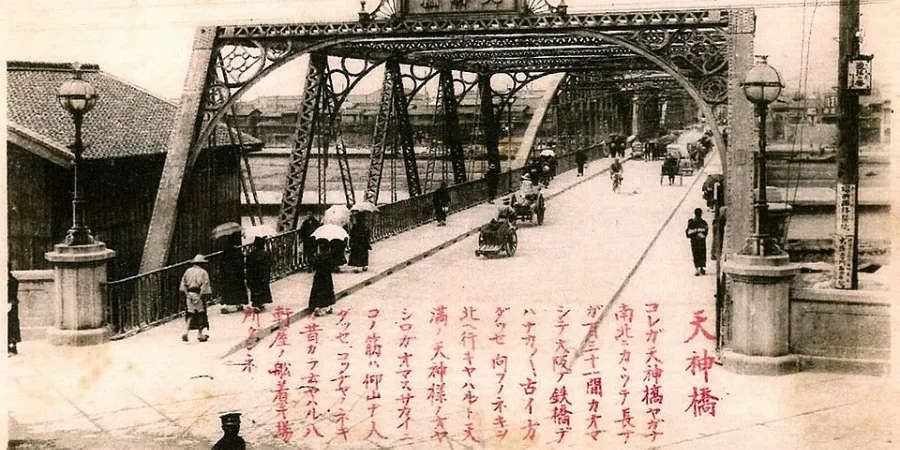
With a history rooted in trade and commerce, Osaka developed early on as one of Japan’s key economic and cultural centres. It rose to prominence in the 16th century with the construction of Osaka Castle and became known as the “nation’s kitchen” during the Edo period, when it was a major hub for rice distribution and merchant activity. After suffering extensive damage during World War II, Osaka rebuilt into a modern metropolis, and today is recognised for its vibrant food scene, commercial districts, and role as a gateway to the Kansai region.
Modern Osaka: City Overview
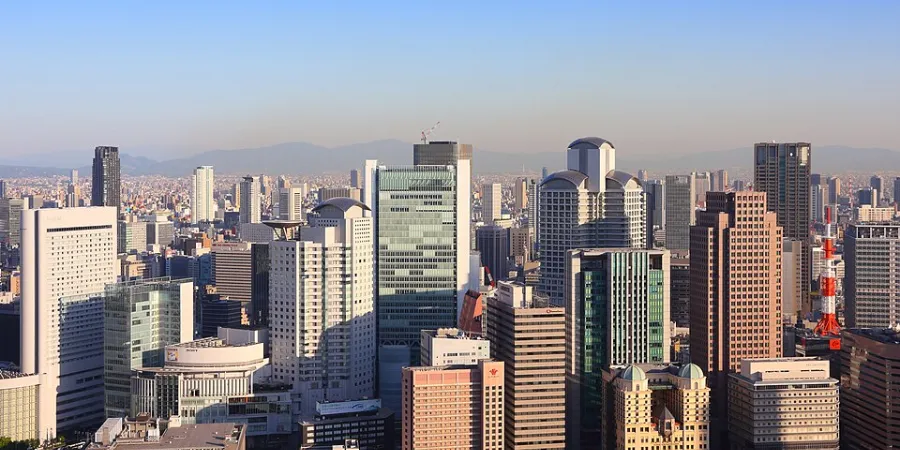
Today, the city of Osaka is a dynamic urban centre known for its mix of modern infrastructure, entertainment districts, and strong economic influence, with a population of around 2.7 million and over 19 million across the wider Kansai region. Major hubs like Umeda and Namba drive business, shopping, and nightlife, supported by key industries including manufacturing, finance, trade, and tourism. Fresh from hosting Expo 2025 on the reclaimed island of Yumeshima, the city retains a distinct local culture, known for its informal, outgoing character, street life, and food-focused identity often described as kuidaore (eating until you drop), making it one of Japan’s most recognisable and influential cities.
How to Get to Osaka
Osaka is well connected to the rest of Japan and internationally, making it easy to access by air and rail.
By air
The city is served by two main airports: Kansai International Airport (KIX), which handles most international flights, and Osaka Itami Airport (ITM), which primarily serves domestic routes.
From Kansai International Airport, travellers can reach central Osaka via the JR Kansai Airport Rapid Service to Osaka Station or the Nankai rapi:t, which reaches Namba in as little as 34 minutes. Airport limousine buses and taxis are also available for direct transfers.
By train
By train, Osaka is a major stop on the Shinkansen (bullet train) network, with Shin-Osaka Station serving as the main high-speed rail hub. This provides direct connections to cities such as Tokyo, Kyoto, and Hiroshima.
Within the Kansai region, Osaka is easily accessible via local and rapid train services, making it a convenient base for travel to nearby destinations including Kyoto, Nara, and Kobe.
How to Get Around Osaka
Getting around Osaka is straightforward thanks to its efficient and well-connected public transport system.
Metro & trains
Osaka is primarily served by an extensive network of trains and subways, with the Osaka Metro covering most central areas and major attractions. Key lines like the Midosuji Line connect major hubs such as Umeda, Shinsaibashi, and Namba, making it one of the most useful routes for visitors.
JR train lines, including the Osaka Loop Line, provide easy access to districts like Tennoji, Osaka Castle, and Universal Studios Japan. Private railway companies such as Hankyu, Hanshin, and Nankai also connect the city to surrounding areas and nearby destinations in the Kansai region.
For convenience, rechargeable IC cards like the ICOCA card can be used across trains, subways, and buses, eliminating the need to buy individual tickets. For a day of heavy sightseeing, the Enjoy Eco Card gives unlimited Osaka Metro and city bus travel for ¥820 on weekdays and ¥620 at weekends and on holidays.
Bus
Buses operate throughout the city but are generally less commonly used by visitors due to the efficiency of the rail network.
Taxi
Taxis are widely available and reliable, though more expensive compared to public transport.
Osaka Districts Guide
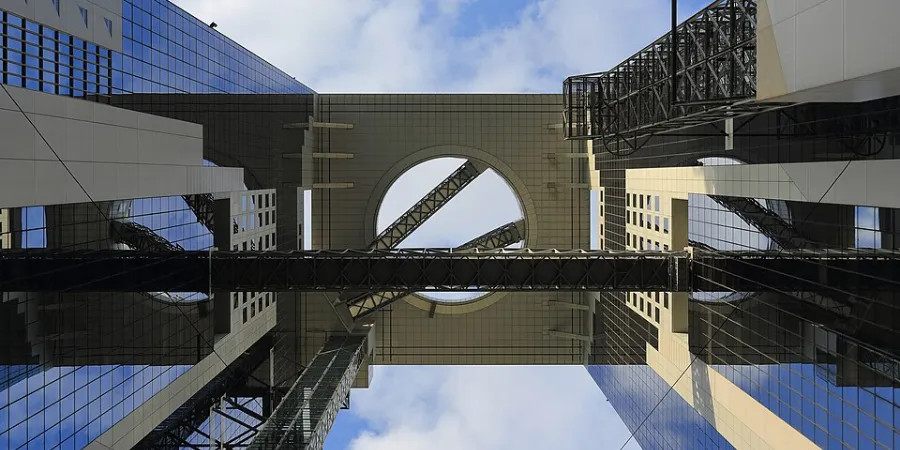
Osaka is made up of several key districts, each centred around major attractions and transport hubs. In the north, Kita (Umeda) is the main business and shopping area, home to Osaka Station City, Grand Front Osaka, the Umeda Sky Building, and extensive underground malls.
To the south, Minami (Namba) is the city’s entertainment hub, covering Namba, the neon-lit Dōtonbori canal, Shinsaibashi, the street fashion hub of Amerikamura, and Nipponbashi (Den Den Town).
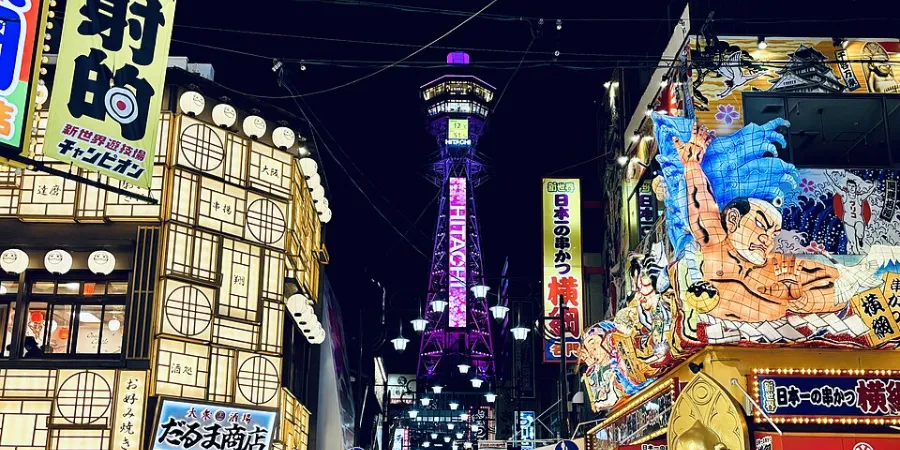
Further south, the Shinsekai and Tennoji area blends old and new Osaka, from the retro streets around Tsūtenkaku Tower to the modern developments of Tennoji and Abeno.
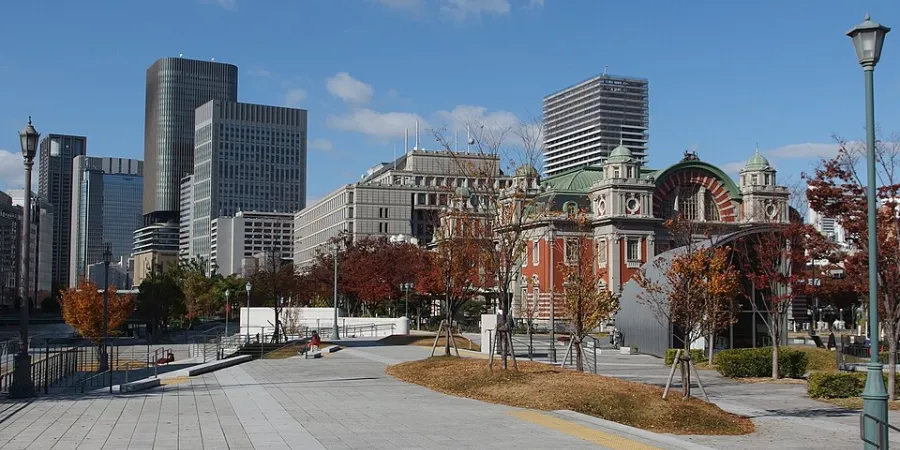
In the centre, Nakanoshima is a cultural district, home to spaces like Nakanoshima Park, while the Osaka Castle Area includes Osaka Castle, Nishinomaru Garden, and Osaka Castle Park.
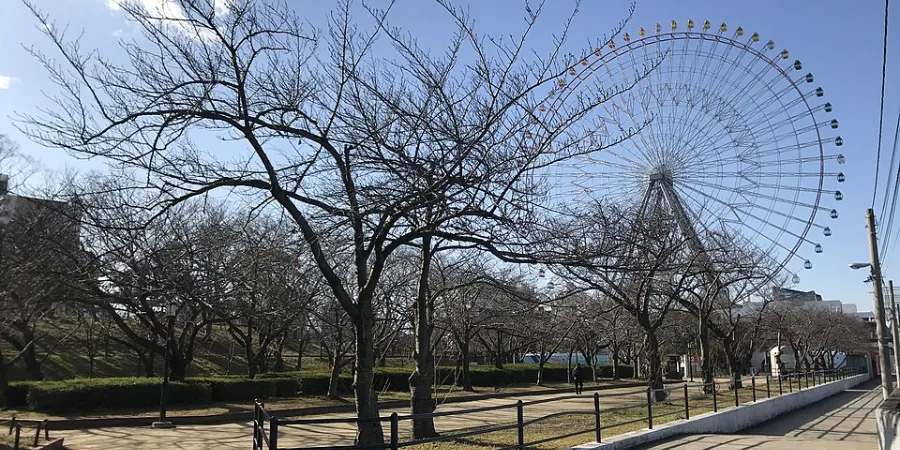
Along the waterfront, the Osaka Bay Area features major attractions like Universal Studios Japan, Tempozan Harbor Village, and the Osaka Aquarium Kaiyukan. The bay is also where the city’s next chapter is taking shape: the reclaimed island of Yumeshima hosted Expo 2025 and gained its own metro station on the Chuo Line in January 2025.
Things to Do in Osaka
Osaka offers a wide range of experiences, from historic landmarks to modern attractions, making it easy to plan an itinerary around your interests. Whether you’re exploring cultural sites, enjoying the outdoors, or taking day trips beyond the city, each category highlights a different side of Osaka.
Temples & Shrines
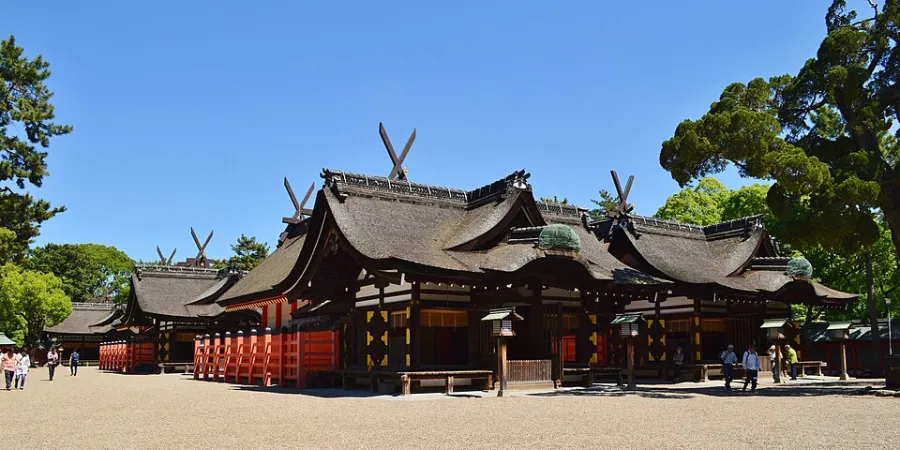
Osaka’s temples and shrines provide a glimpse into the city’s spiritual heritage, from well-known sites to quieter neighbourhood spots such as Sumiyoshi Taisha Shrine and Namba Yasaka Shrine. These locations are often tied to seasonal events and traditional practices, offering a contrast to the city’s modern districts.
Nature & Outdoors
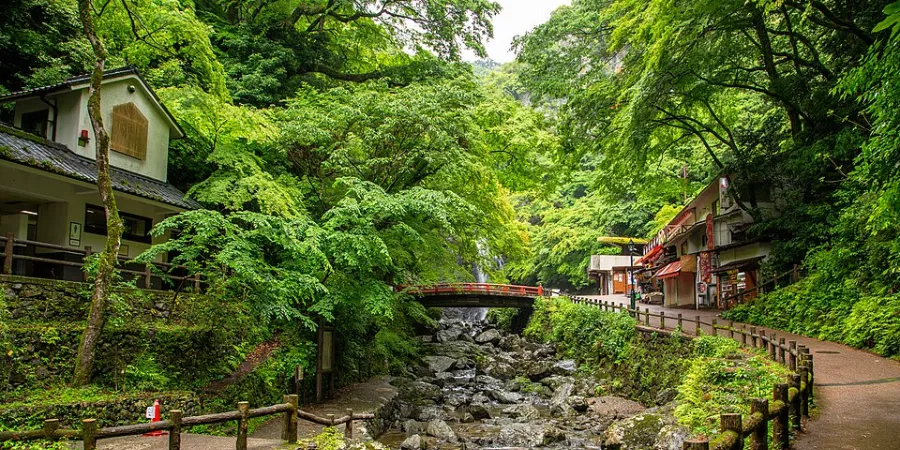
Despite its urban setting, Osaka has a variety of green spaces and waterfront areas. Parks, riverside walks, and gardens offer a slower pace, including scenic escapes like Minoo Park, where a forested valley trail leads to a 33-metre waterfall, especially rewarding during cherry blossom and autumn foliage seasons.
Museums & History
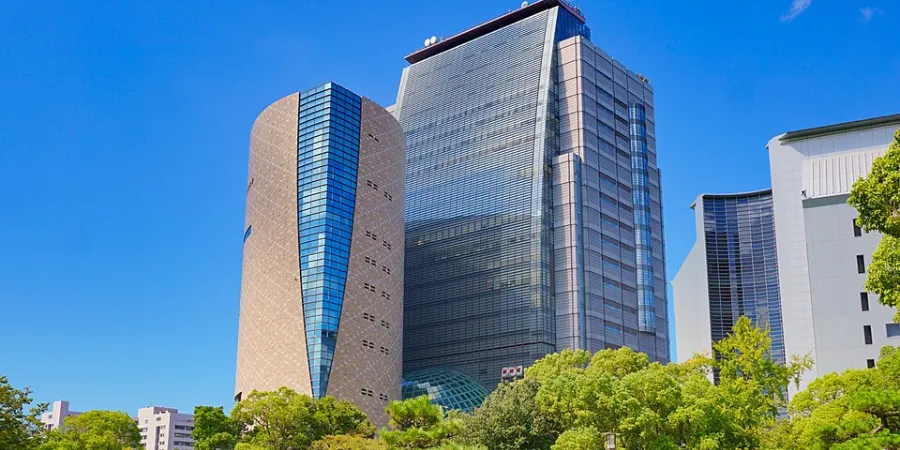
The city’s museums and historical sites cover everything from samurai-era history to modern industry and art. Notable examples include the Osaka Museum of History and the Osaka Science Museum, alongside key areas like the Osaka Castle grounds.
Universal Studios Japan

On the bay in Konohana ward, Universal Studios Japan is one of the country’s most visited attractions and home to the world’s first Mario themed area. Weekends and school holidays sell through quickly, so book dated tickets ahead and arrive before the gates open if a headline area is the priority. The park sits on the JR Yumesaki Line, a short ride from the Osaka Loop Line.
Culture & Experiences
Osaka is known for its food culture and local experiences, including street food, markets, and hands-on activities. From cooking classes to guided tours, these experiences give a more immersive look at everyday life in the city.
Day Trips From Osaka
Osaka is well connected to nearby destinations, making it a convenient base for exploring the wider Kansai region. Popular day trips include the deer park and temples of Nara, the port city of Kobe, the great white castle at Himeji, and the historic streets of Kyoto, all reachable within an hour or so by train.
Food and Drink in Osaka
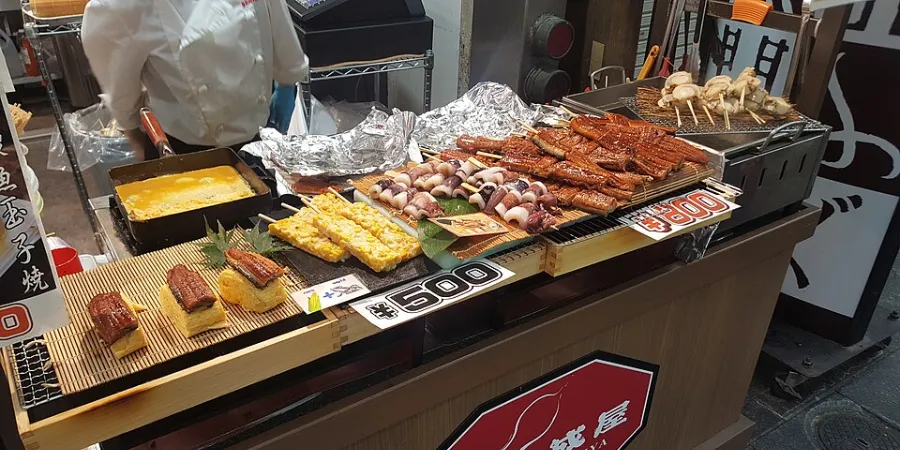
Osaka is widely known as Japan’s food capital, with a dining scene that ranges from casual street food to high-end restaurants. Local specialities like takoyaki and okonomiyaki are staples of the city’s food culture, especially in busy areas like Dōtonbori, while markets and side streets offer a more local, everyday dining experience. The best single stop for grazing is Kuromon Ichiba Market, the covered market long known as Osaka’s kitchen.
Beyond street food, Osaka has a strong restaurant scene covering sushi, ramen, and regional Japanese cuisine, alongside international options. The city is also known for its lively drinking culture, with izakaya (Japanese pubs) and bar districts concentrated in areas like Namba and Umeda, and retro pockets like the Shin-Umeda Shokudougai, a lantern-lit warren of tiny counters under the tracks at Osaka Station.
Food and drink are central to the Osaka experience, making it one of the best places in Japan to explore both traditional flavours and modern dining. See our full Osaka food guide for the best places to eat and what to try.
Shopping in Osaka
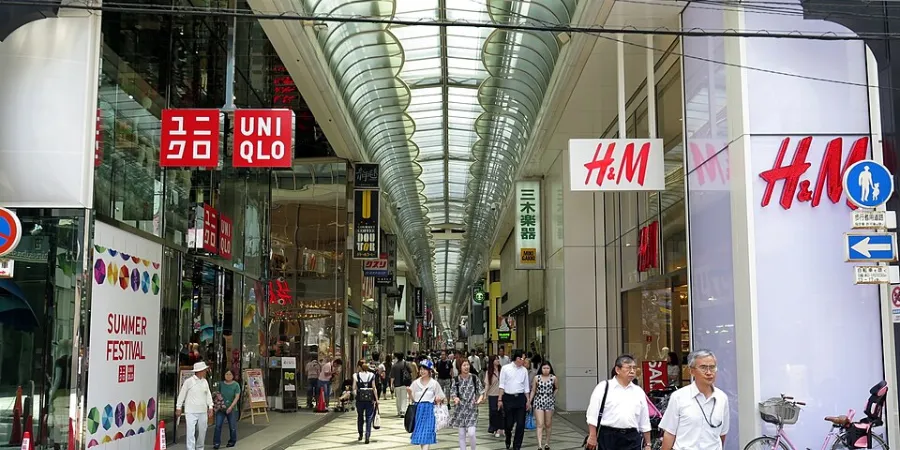
Osaka is one of Japan’s top shopping destinations, offering everything from large department stores to local shopping streets. Major areas like Shinsaibashi and Umeda are known for their malls, fashion boutiques, and flagship stores, from the rooftop gardens of Namba Parks to Umeda’s underground shopping labyrinth, while covered arcades such as Tenjinbashisuji, Japan’s longest shopping street, provide a more traditional, local experience.
The city also caters to niche interests, with districts like Nipponbashi (Den Den Town) specialising in electronics, anime, and gaming. From luxury brands to independent shops and street markets, Osaka’s shopping scene is diverse and easy to navigate, making it a key part of any visit.
Where to Stay in Osaka
Osaka offers a range of accommodation options, with each district suited to different travel styles. Areas like Kita (Umeda) are ideal for transport access and a more business-oriented, upscale stay, while Minami (Namba and Shinsaibashi) places you in the heart of nightlife, shopping, and street food.
For a quieter atmosphere, areas like Tennoji or near Osaka Castle provide a more relaxed base with good connections to the rest of the city. The Osaka Bay Area is popular for family-friendly stays, especially for those visiting major attractions like Universal Studios Japan.
Choosing where to stay depends on your itinerary and priorities. See our full guide on where to stay in Osaka to find the best accommodation for your trip.
Osaka Accommodation Tax: What Your Stay Costs
Osaka Prefecture revised its accommodation tax on 1 September 2025, and it is charged per person, per night, on top of the room rate. Stays under ¥5,000 a night are exempt, stays from ¥5,000 to ¥14,999 carry a ¥200 tax, stays from ¥15,000 to ¥19,999 carry ¥400, and stays of ¥20,000 or more carry ¥500. The rates are published by the official Osaka tourism bureau.
The practical takeaway: Osaka’s tax tops out at ¥500 per person per night, while Kyoto’s now climbs as high as ¥10,000 at the luxury end. On a longer Kansai trip, basing in Osaka and day-tripping can make a real difference to the final bill.
Best Time to Visit Osaka
The best time to visit Osaka is generally in spring (March to May) and autumn (October to November), when the weather is mild and conditions are ideal for sightseeing. Spring is particularly popular for cherry blossom season, with parks and riversides in full bloom, while May offers warm temperatures, lower rainfall, and fewer crowds after the peak Sakura period. Autumn brings cooler air and seasonal foliage, making it another comfortable time to explore the city. Summers can be hot and humid with occasional heavy rain, while winters are relatively mild but quieter, with fewer tourists and lower accommodation prices.
Festivals and Events in Osaka
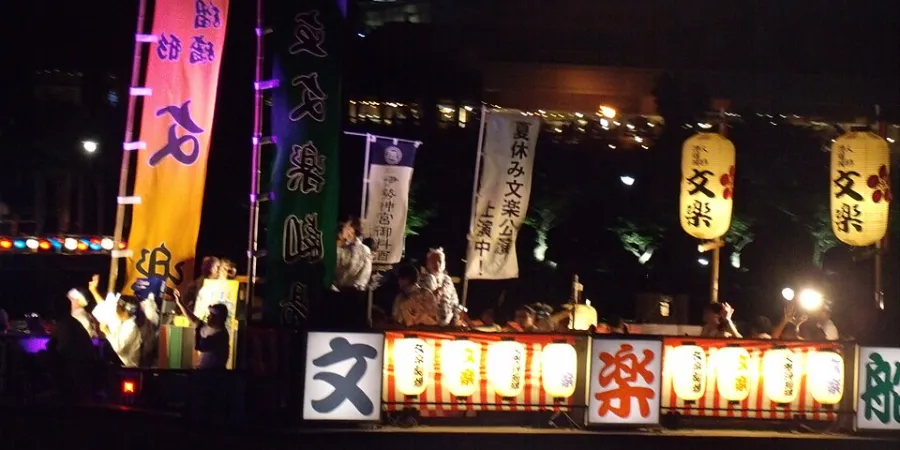
Osaka hosts a number of major festivals and seasonal events throughout the year, many rooted in local tradition. The most famous is the Tenjin Matsuri, held every year on 24 and 25 July and considered one of Japan’s top three festivals, with the land procession, the river procession of lantern-lit boats and the dedicatory fireworks all falling on the evening of 25 July. In spring, cherry blossom season brings hanami gatherings across parks like Osaka Castle, while autumn is marked by cultural events and food festivals. Winter highlights include illuminations across districts such as Namba and Umeda, along with New Year celebrations at temples and shrines, making festivals an important part of the city’s yearly calendar.
Osaka Itinerary and Travel Tips
Osaka can be explored in one to two days, with most itineraries focusing on a mix of major landmarks, key districts, and the city’s well-known food culture. A typical visit includes time in central areas like Kita (Umeda) and Minami (Namba), alongside highlights such as the Osaka Castle Area and the lively streets of Dōtonbori.
Days are usually split between sightseeing and shopping, followed by evenings spent exploring food and nightlife districts. Thanks to its compact layout and excellent transport links, Osaka is easy to navigate and also works well as a base within a wider Kansai trip, as our two-week Japan itinerary shows in practice.
Osaka or Tokyo: Which City Suits Your Trip
The two cities reward different trips. Tokyo is the bigger canvas: more neighbourhoods, more museums, more of everything, and the natural first stop on a first visit to Japan. Osaka is the better base for eating your way through a trip, for a compact and walkable few days, and for day-tripping across Kansai, with Kyoto, Nara, Kobe and Himeji all within easy reach. Costs also lean Osaka’s way: hotel rates run lower than central Tokyo’s and the accommodation tax is capped at ¥500 a night. On a first one-week trip, most visitors are best served by both, split via the shinkansen. With only three or four days and a priority on food, street life and side trips, Osaka makes the stronger single base.
Frequently Asked Questions About Visiting Osaka
How many days do you need in Osaka?
One to two full days cover the major landmarks and districts, and a third day is well spent at Universal Studios Japan or on a day trip. Many visitors base themselves here longer and explore Kansai by train.
Is Osaka worth visiting?
Yes, particularly if food matters to you. Osaka is Japan’s street food capital, its people are famously outgoing, and it sits within an hour of Kyoto, Nara and Kobe, making it as practical as it is entertaining.
How much is the Osaka accommodation tax?
Since 1 September 2025 it runs from ¥200 to ¥500 per person, per night, depending on the room rate, and stays under ¥5,000 a night are exempt. It is charged on top of your room bill at check-in or check-out.
What is the best way to get around Osaka?
The Osaka Metro and the JR Loop Line cover almost everything a visitor needs, and an ICOCA card works across all of it. For a packed sightseeing day, the Enjoy Eco Card day pass costs ¥820 on weekdays and ¥620 at weekends.
When is Tenjin Matsuri?
Every year on 24 and 25 July. The main spectacle, the river procession and fireworks, takes place on the evening of 25 July around the Okawa River.
Final Thoughts
Osaka offers a well-rounded travel experience, combining history, modern city life, and a strong local culture shaped by food, commerce, and everyday street life. From exploring its distinct districts and major landmarks to experiencing its dining scene and seasonal events, the city is both easy to navigate and rich in variety. Whether you’re visiting for a short stay or as part of a wider Kansai itinerary, understanding how Osaka is structured will help you make the most of your time here. Explore the detailed guides above to plan your trip more effectively.