At a glance
West of Kyoto, beside the quiet Katsura River, lies one of Japan’s finest surviving examples of courtly architecture. Katsura Imperial Villa isn’t ostentatious; its beauty lies in proportion, restraint, and an intimacy with landscape. Built in the early 17th century for the Hachijō-no-miya, a branch of the Imperial House, it later became a blueprint for what the world now calls Japanese aesthetics.
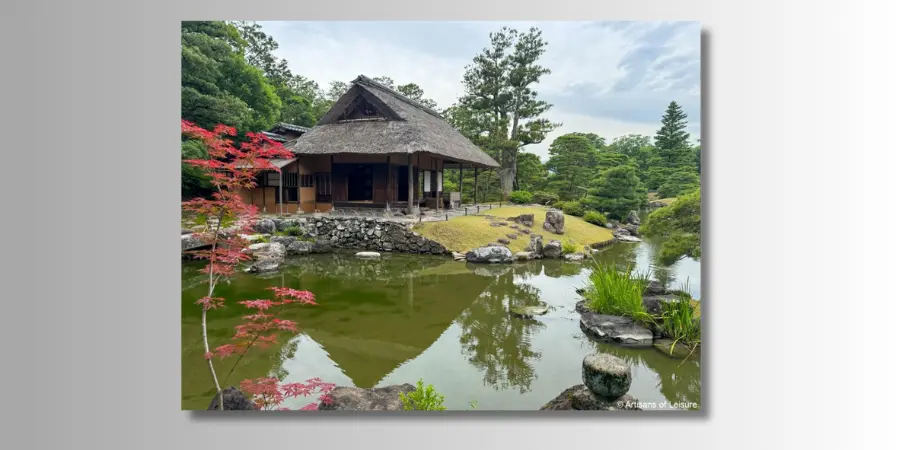
The villa’s thatched roofs, sliding screens, and shōji-lit verandas open onto strolling gardens threaded by stepping-stone paths. Seasonal changes were planned as carefully as the structures themselves: plum blossoms in spring, maples in autumn, a silvered moon reflected across the central pond.
History
Construction of Katsura Imperial Villa began around 1615 under Prince Hachijō Toshihito, a member of the Imperial family educated in classical poetry and tea culture. Drawing inspiration from The Tale of Genji, he designed a retreat shaped by literary ideals rather than royal grandeur.
The Ko-shoin, first of the three linked shoin, was his. His son Prince Toshitada later added the Chu-shoin, and then the Shin-goten for a visit by the retired Emperor Go-Mizunoo, along with new pavilions and tea houses. Katsura has never burned down, which is rare among Kyoto’s historic buildings, and it survives largely as it was built. Between 1976 and 1991 every shoin and teahouse was dismantled and rebuilt in a full restoration.
From the Meiji period (1868 onwards), the villa ceased to be a royal residence but remained under Imperial Household Agency care. The agency still manages it today. The enthronement ceremonies of Emperors Taishō and Shōwa took place at the Shishinden of the Kyoto Imperial Palace, across the city.

Architecture & Design
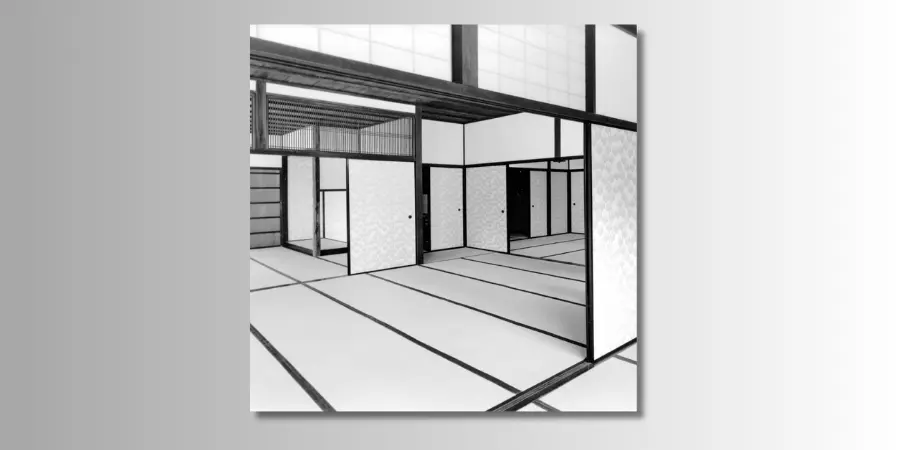
The villa’s architecture is celebrated for embodying the ideals of sukiya-zukuri, the refined simplicity associated with tea ceremony culture. Every beam, lattice, and tatami mat follows deliberate asymmetry, encouraging calm observation.
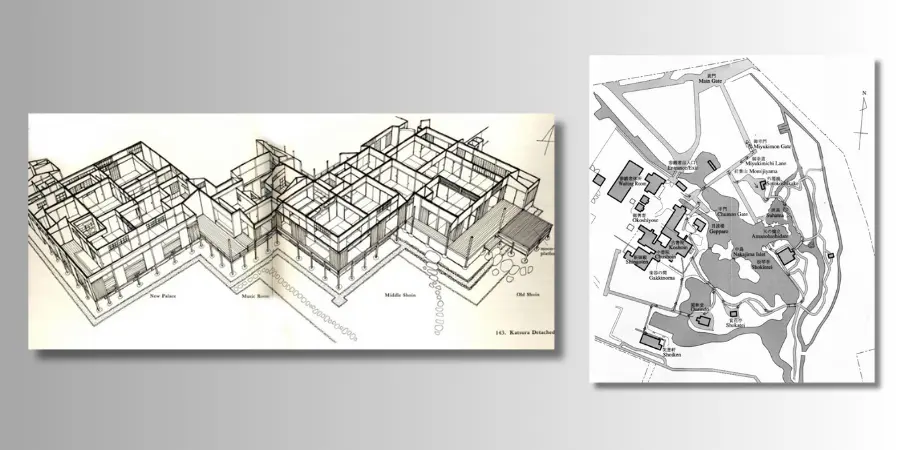
Architectural Plan of the Imperial Villa. Source: Hidden Architecture
The site contains several main buildings, connected by covered walkways overlooking a central pond. Four celebrated tea houses punctuate the landscape:
- Shōkin-tei, famous for its rustic interior and moon-viewing deck.
- Geppa-rō, “Moon-Wave Pavilion,” where poets once gathered to watch reflections on water.
- Shōka-tei and Shigure-tei, each positioned to capture a specific seasonal view.
While you can no longer step inside the villas, walking the grounds reveals how geometry, shadow, and texture merge seamlessly with moss and water. The design later influenced Western architects, above all Bruno Taut, who championed Katsura to European audiences in the 1930s as a model of modern design.
Visiting Information
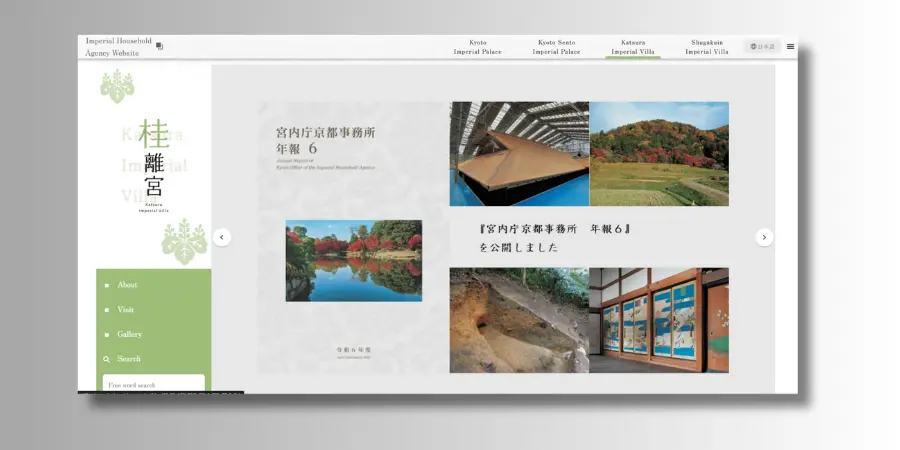
For years, visits were restricted to guided groups, but recent updates mean travellers can now book individual time slots through the Imperial Household Agency’s online reservation system (official site). Admission is ¥1,000 for visitors aged 18 and over, and free for middle and high school students who bring a student ID. Identification is required on arrival. Children of elementary school age and younger are not admitted at all, which is worth knowing before planning a family visit.
Visitors may stroll the garden paths and view buildings from the outside only. Photography is permitted at designated points, usually around the central pond and teahouses, but interior access is prohibited to protect fragile materials.
Each tour lasts roughly one hour, covering about a kilometre of gently winding paths. Comfortable shoes are recommended; the gravel walkways can be uneven.
Getting There
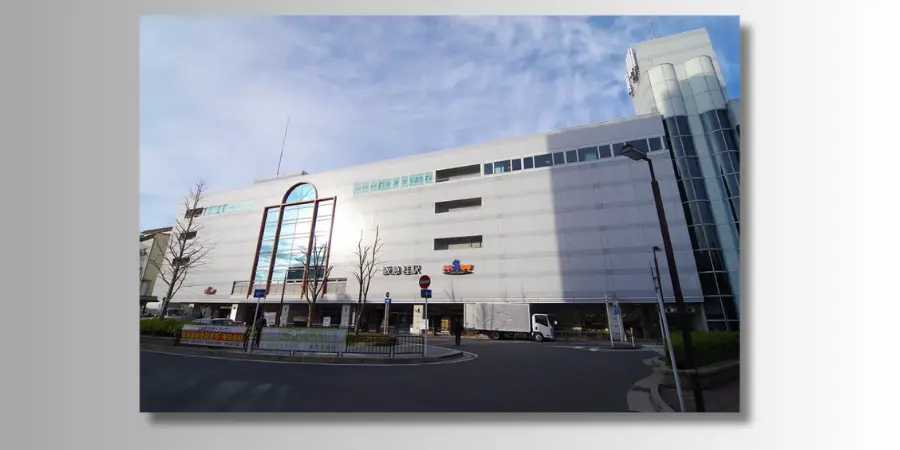
Location: Western Kyoto, near Katsura Station on the Hankyu Kyoto Line.
- From Kyoto Station: Take Bus No. 33 bound for Rakusaiguchi, get off at Katsura Rikyu-mae (approx. 20 minutes, ¥270).
- By train: From the city centre, the Hankyu Kyoto Line to Katsura Station (about 10 minutes); the villa is a 15-minute walk from the west exit.
Bicycle hire from Arashiyama or Nishikyō makes for an enjoyable approach along the riverbanks, especially in spring or autumn.

Nearby Attractions
- Kyoto Imperial Palace (京都御所): The former residence of the Emperor until 1868, still within Kyoto Imperial Park.
- Sento Imperial Palace: Another detached villa inside the same park, renowned for its gardens and seasonal ponds.
- Saihō-ji (Kokedera) Moss Temple: A UNESCO World Heritage site famed for its moss garden; requires advance reservation.
- Arashiyama District: A short train ride away, offering river walks, Tenryū-ji Temple, and the iconic Bamboo Grove.
An Architecture of Stillness
Katsura Imperial Villa isn’t simply an artefact; it’s a living lesson in how Japan conceives beauty. Its creators saw architecture not as display but as dialogue, a way for humans to align quietly with their surroundings. The measured placement of stepping stones, the half-open screen framing a pond, the sound of water against gravel: all of it designed to slow perception.
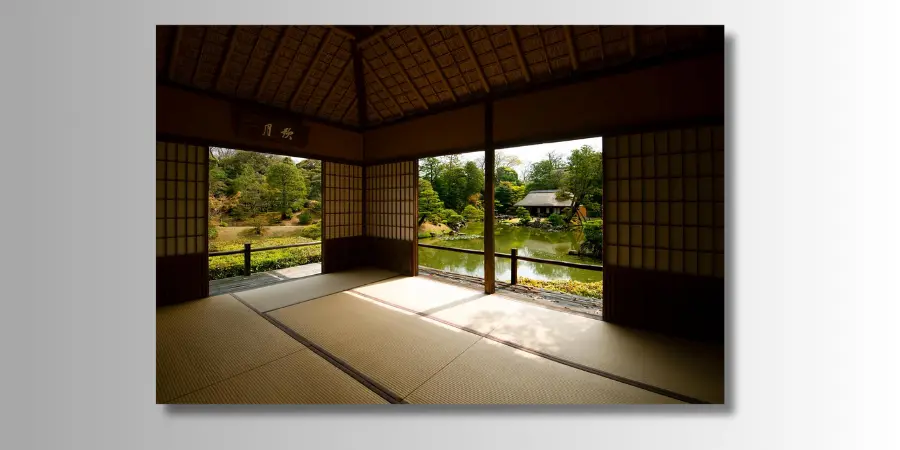
Even today, artists and architects from around the world study Katsura’s proportions. Bruno Taut, Walter Gropius and Kenzō Tange all wrote about the villa, and their essays did much to place it at the centre of twentieth-century arguments about modern design. For visitors, the experience is less analytical and more emotional, a gentle, wordless sense of balance.
Map of Katsura Imperial Villa 桂離宮
Final Reasons to Visit
If Kyoto’s temples reflect spiritual devotion, Katsura Imperial Villa expresses aesthetic contemplation. The complex invites you to wander rather than worship, to notice the subtleties of light, sound, and space that define Japanese sensibility.
Book ahead, walk slowly, and let Katsura reveal its quiet mastery, proof of how much restraint alone can achieve.