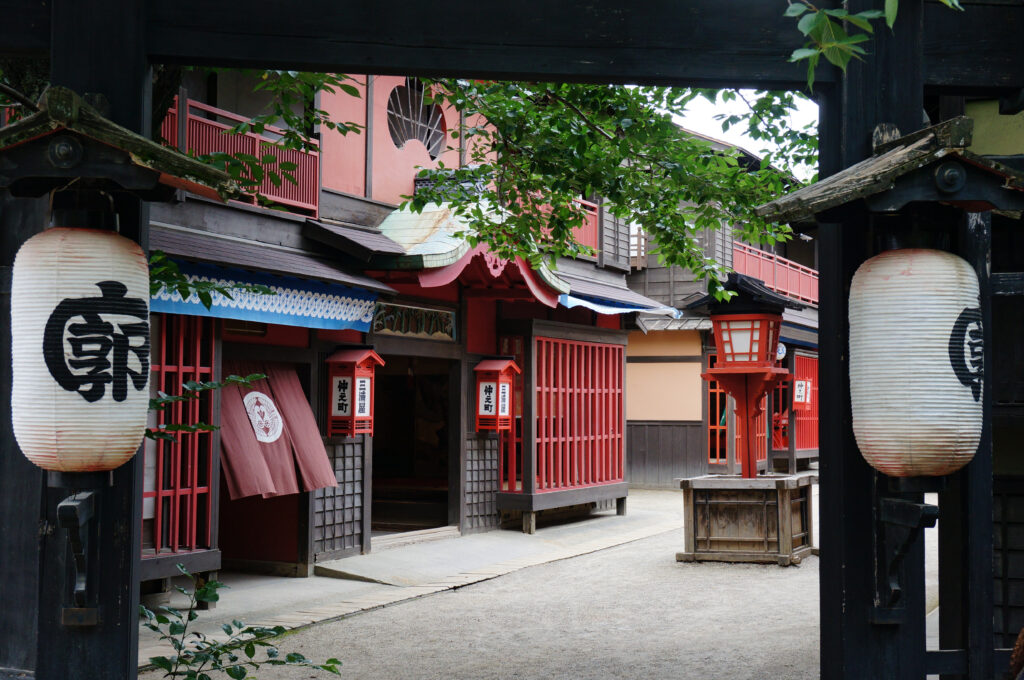
Inside Kyoto’s leafy Okazaki Park, the Kyoto City Zoo is a favourite destination for families and animal lovers. With around 500 animals across more than 100 species, held in well-designed habitats, it strikes a rare balance between entertainment, education, and conservation. It isn’t the largest in the country, but it is one of the oldest and most thoughtfully curated, a place where children learn, adults unwind, and the city’s cultural heartbeat hums just beyond the enclosures.
Overview
A brief history of Kyoto Zoo

The zoo opened on 1 April 1903, making it Japan’s second oldest after Ueno in Tokyo. Initially established as a leisure attraction, its role evolved through the decades, from an early showcase of exotic animals to a modern centre for education and research.
After a century of operation, the renovation project (2003 to 2015) transformed the zoo entirely. The redesign placed animal welfare and visitor experience at the core, with larger, more naturalistic habitats and accessible walkways. Today, the zoo focuses on sustainability, offering Kyoto residents and visitors a model of ethical animal care.


Exhibits and animals
The exhibits are divided into themed zones, allowing visitors to explore different ecosystems and species up close.
- African Savannah Zone: Lions, giraffes, and zebras roam wide enclosures designed to mimic open plains.
- Elephant Forest: The Asian elephants are one of the zoo’s highlights, and the area includes a raised observation deck for great viewing.
- Ape and Monkey Houses: Intelligent primates such as chimpanzees and gibbons are displayed in large, multi-level habitats encouraging natural play.
- Avian Zone: A colourful array of parrots, cranes, and owls, making it a favourite among photographers.
- Reptile and Small Animal House: Frogs, snakes, and smaller mammals, a hit with children who enjoy discovery at eye level.
The animals represent a broad global range, from native Japanese deer to African predators. There’s even a petting area where children can gently interact with goats and rabbits. During your visit, the guide provided at the entrance (and the downloadable Kyoto City Zoo map) outlines feeding times, educational talks, and the day’s zoo events.
Education and conservation focus
Following its renovation, the zoo shifted emphasis from pure entertainment to conservation and awareness. The facility now runs community initiatives, biodiversity research, and school visit programmes.

Through collaborations with Kyoto museums and local universities, it supports environmental education projects that connect urban residents with nature. There’s also a strong focus on animal rescue and rehabilitation, the zoo’s conservation unit cares for injured wildlife from surrounding regions.
Children can join the zoo’s junior membership club, which includes behind-the-scenes tours and workshops. The membership programme supports these efforts directly, making each visit part of an ongoing learning cycle.
Gardens, facilities, and café
Beyond the animal enclosures, the zoo’s gardens provide peaceful spaces shaded by cherry and maple trees, especially beautiful in spring and autumn.
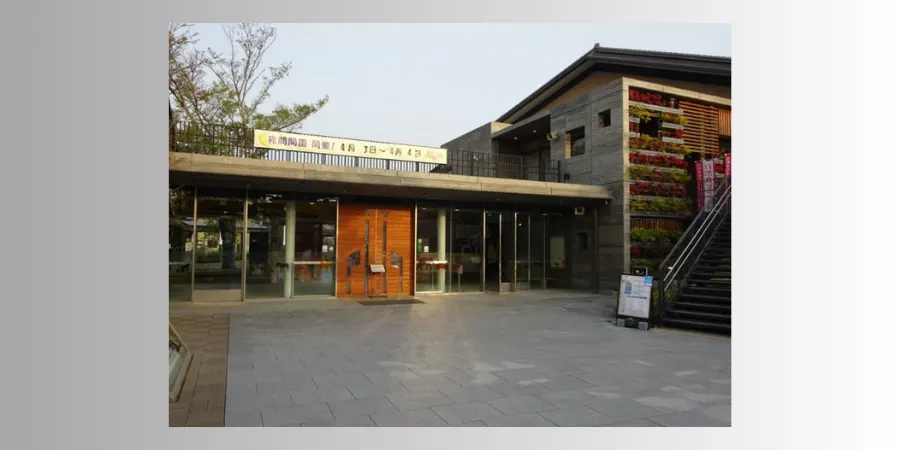
The zoo’s café serves light meals, drinks, and locally sourced treats, while picnic benches dot the grounds. Parents will appreciate rest areas, pram-friendly paths, and accessible toilets, making the zoo a genuinely child-friendly destination. The zoo’s modern facilities include an indoor learning hall, animal hospital viewing area, and a shop selling eco-conscious souvenirs.








Getting there
The zoo’s central location in the Okazaki museum area makes it easy to combine with nearby attractions such as the Heian-jingū Shrine, Nanzen-ji Temple, and the Kyoto City KYOCERA Museum of Art.
- Subway: Tozai Line to Keage Station (10-minute walk)
- Bus: Kyoto City Bus No. 5 or 100 to Okazaki Koen Zoo-mae stop
- Car: Limited parking at Okazaki Park
For convenience, the Kyoto City Zoo access page and Kyoto City Zoo map online offer directions, ticket details, and current exhibitions.
Practical information
- Opening hours: 9:00 to 17:00 from March to November (last entry 16:30), and 9:00 to 16:30 from December to February (last entry 16:00)
- Closed: Mondays (open if a national holiday, then closed the following day)
- Tickets: ¥750 for high school age and above, free for middle school age and under, ¥650 per person for groups of 30 or more, and ¥2,200 for an annual pass
- Address: Okazaki Park, Sakyo Ward, Kyoto
- Website: Kyoto City Zoo Official Site
The zoo also runs occasional evening openings until 8:00 PM, with last entry at 7:30 PM, so it is worth checking the official site before you travel.
Map of Kyoto City Zoo
A part of Kyoto’s cultural fabric
Situated among Kyoto’s major museums, the zoo plays a quiet yet vital role in the city’s cultural identity. While Kyoto is famed for temples and heritage sites, its zoo and nearby Kyoto museums showcase another side, a commitment to community education and living culture.
The zoo’s proximity to the Kyoto City KYOCERA Museum of Art and the Kyoto National Museum allows visitors to enjoy an easy itinerary mixing wildlife, art, and architecture. The zoo remains one of the most family-friendly corners of the city.
Final reasons to visit
Visiting Kyoto City Zoo offers more than an afternoon of animal watching; it’s an exploration of Kyoto’s evolving relationship with nature. The zoo’s century-long history and careful renewal embody the city’s balance between respect for heritage and progressive values.
For families, couples, or solo travellers planning a trip, this is a peaceful, educational stop with something for everyone, from the quiet appeal of its gardens to the curiosity of its diverse species.
A walk through the zoo’s zones provides not just a glimpse of global wildlife but a lesson in how cities can nurture life, learning, and empathy all at once.