Many travellers make the mistake of splitting limited time between Tokyo and Kyoto, but the ancient capital demands patience to truly appreciate its cultural depth. Dedicate a full week to Kyoto, and you’ll uncover the city’s layers of silence and subtle rhythms, far beyond the crowded tourist spots. This 7-day Kyoto itinerary shows you how to dive deep into Japan’s ancient capital, from serene early mornings to enchanting nights, revealing experiences that rushed visitors simply cannot access.
7-Day Kyoto Itinerary
What this 7-day Kyoto itinerary covers
- Complete exploration of Kyoto’s most significant temple districts and cultural sites
- Strategic early morning visits to popular sites like Arashiyama Bamboo Grove and Fushimi Inari before crowds arrive
- Hidden gems, including lesser-known sub-temples and neighbourhood backstreets
- Authentic experiences from traditional tea ceremonies to evening jazz bars
- Must-book experiences: Saiho-ji Moss Garden and Katsura Imperial Villa (require advance reservations)
- Day trip to the rural escape of Kurama and Kibune


Who This Itinerary Is For
Before committing to this schedule, understand the physical and logistical demands. This is an urban expedition through an ancient city, not a leisurely resort vacation. You’ll need decent fitness, cultural curiosity, and a willingness to adapt to early morning starts and extensive walking to make the most of this comprehensive plan.
Best for
- Experienced international travellers who value atmosphere over ease
- Photographers seeking clean frames without crowds
- Cultural enthusiasts willing to trade convenience for authenticity
- History lovers interested in Japan’s ancient traditions and architecture
- Active travellers are comfortable with extensive walking
Not ideal for
- Travellers seeking a relaxed, low-impact holiday
- Those with limited mobility or who dislike early morning starts
- Families with very young children who need flexible schedules
- Visitors whose primary interest lies in modern pop culture and shopping (Tokyo offers more in these areas)
What To Expect
- Early Starts: To avoid the crowds, you’ll need to wake up before sunrise on several days to experience places like the Bamboo Grove in Arashiyama at their most serene.
- Extensive Walking: Expect to walk between 15,000 and 25,000 steps daily. Kyoto is a city best explored on foot, with many areas inaccessible by vehicle.
- Transport Complexity: Navigating Kyoto’s patchwork of subways, private railways, and buses can be more challenging than Tokyo’s hyper-efficient system. Allow extra time for transfers.
- Temple Etiquette: Many sites require removing shoes, maintaining quiet, and observing photography restrictions. Some temples charge separate entrance fees for different areas.
- Weather Variations: Depending on the season, be ready for heat, humidity, rain, or cold. The itinerary includes both indoor and outdoor activities.
- Budget: Mid to premium, depending on dining choices and accommodation.
Day 1: The Philosopher’s Path

Ease into Kyoto’s contemplative rhythm through the peaceful temples of the northeast, culminating in the iconic Philosopher’s Path. This first day balances activity with mindful exploration, allowing you to adjust to Kyoto’s pace while experiencing significant cultural sites.
Morning: Okazaki District
- Okazaki District (岡崎): Begin at Nanzen-ji (南禅寺), a sprawling Zen Buddhist temple complex dating to 1291. The Sanmon (山門) gate is a separate ¥600 ticket, and worth it for the panoramic view across Kyoto’s eastern mountains. The Hojo garden is another ¥600. Allow 1.5 hours to explore the main temple, massive gate, and aqueduct.
- Walking from Nanzen-ji, head north along small canals to find the entrance to the Philosopher’s Path (哲学の道), a 2km stone walkway following a cherry tree-lined canal. This path takes its name from philosopher Kitaro Nishida, who practised meditation while walking here daily.
- If you want optional cultural stops nearby, the Heian Shrine, the KYOCERA Museum of Art and Kyoto City Zoo all sit within the same district, a few minutes’ walk from Nanzen-ji.
Afternoon: Ginkaku-ji to Shimogamo
- Follow the Philosopher’s Path northward, taking time to explore the small temples and shops along the route. The journey itself is the experience here, notice how the atmosphere changes as you progress along the canal.
- When you reach the northern end, you’ll arrive at Ginkaku-ji (銀閣寺), the Temple of the Silver Pavilion. Despite its name, this temple was never actually covered in silver but represents the height of wabi-sabi (侘び寂び) aesthetic, finding beauty in imperfection. The meticulously maintained sand garden and moss gardens are worth the ¥1,000 entrance fee, which doubled on 1 April 2026 after 32 years unchanged. Allow 1 hour.
- After Ginkaku-ji, take a leisurely walk down through Jodoji and Shishigatani, the quiet residential streets immediately below the temple, where you can observe local Kyoto life away from tourist crowds. Small bakeries, laundrettes and neighbourhood shrines sit among the houses, and almost no guidebook sends anyone here.
Evening: Izakaya and Sanjo Ohashi Bridge
- For dinner, avoid tourist-heavy areas on your first night. Instead, find an Izakaya (居酒屋) near Sanjo station for a more local dining experience. Look for restaurants with mostly Japanese patrons for more authentic options and better value.
- Consider stopping at Sanjo Ohashi bridge on your way back, this historic bridge marks the end of the ancient Tokaido Road from Tokyo and offers lovely evening views of the Kamo River.
- Return to your accommodation early to rest up for tomorrow’s pre-dawn start. Setting your alarm now is essential, as Day 2 begins with one of the earliest starts of the week.








Day 2: The Grand Temple Complex

Experience Kyoto’s most photogenic historic district in perfect morning light before the tour buses arrive, then explore the grand temple complex overlooking the city. This day leverages early rising to transform typically crowded experiences into serene encounters with Kyoto’s heritage.
Morning: Yasaka Pagoda and Coffee
- 6:00 AM to 7:30 AM: Begin at Yasaka Pagoda (八坂の塔), officially part of Hokanji Temple. This five-storey structure dates to 1440 and is one of the few remaining original wooden buildings in Kyoto. In early morning light, with empty streets, it’s a photographer’s dream.
- From the pagoda, walk up the atmospheric lanes of Sannenzaka (三年坂) and Ninenzaka (二年坂), two preserved historic streets with traditional wooden machiya houses. Without daytime crowds, you can appreciate the architecture and imagine old Kyoto as it once was.
- 7:30 AM to 9:00 AM: After your peaceful morning walk, reward yourself with coffee at % Arabica near Yasaka Pagoda or find a traditional Kissaten (喫茶店) for a morning set breakfast. These Japanese coffee houses often serve thick toast, eggs, and coffee in a retro atmosphere.
Afternoon: Kiyomizu-dera
Continuing your exploration, head to Kiyomizu-dera (清水寺), a UNESCO World Heritage temple perched on the hillside with spectacular views over Kyoto. The complex opens at 6:00 AM every day of the year, which is unusually early for a Kyoto temple and the reason an early Higashiyama morning works so well. Closing time shifts with the season, so check before you go. Kiyomizu-dera Official Website
- Take your time exploring the various sub-temples and shrines within the Kiyomizu complex. The Jishu Shrine, dedicated to love and matchmaking and Otowa Waterfall (where visitors drink from three streams for longevity, success in studies, and love) are particularly noteworthy.
- After fully experiencing Kiyomizu, walk north through the Higashiyama district, stopping at smaller temples like Kodai-ji (高台寺) and Entoku-in (圓徳院), which offer peaceful garden experiences away from the main tourist flow.
Evening: Maruyama Park and Dinner
As daylight fades, visit Maruyama Park (円山公園), where locals gather for relaxation and seasonal festivities. The park takes on a magical quality at dusk when lanterns begin to illuminate the paths.
- For dinner, try Gion Kappa, a casual izakaya serving Kyoto specialities at reasonable prices, or explore the side streets of Gion for less touristy dining options.
- Evening option: If visiting during spring or autumn, check if Kodai-ji Temple is hosting evening illuminations. The temple gardens are transformed after dark with contemporary light projections that create a mesmerising modern interpretation of traditional spaces. Check the Kyoto Tourism Official Website for current illumination schedules.
Day 3: Arashiyama

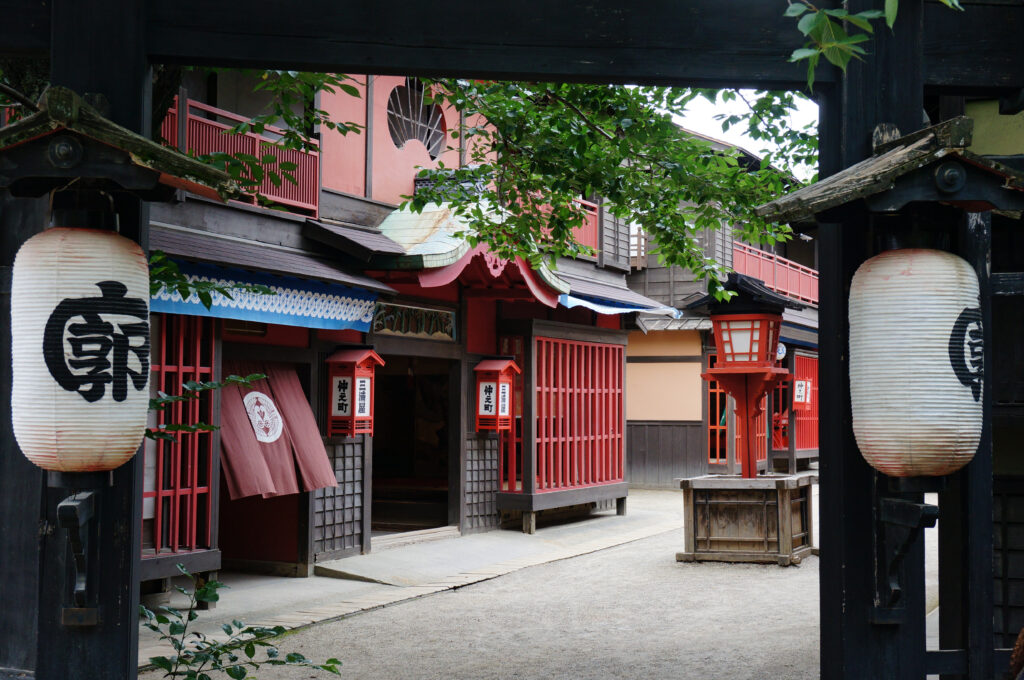
Discover Kyoto’s western district of Arashiyama, famous for its bamboo forest and scenic river views, while learning how to avoid the Instagram crowds. One stop further west on the Keifuku line sits the old Toei back lot, now Uzumasa Kyoto Village, which stays open until nine and pairs well with an early Arashiyama morning. This day balances natural beauty with cultural heritage in one of Kyoto’s most picturesque areas.
Morning: Bamboo Grove and Tenryu-ji Temple
- Bamboo Grove (竹林): Arrive by 7:00 AM to experience the otherworldly atmosphere of this bamboo forest in early light. The sound of bamboo stalks creaking in the wind and sunlight filtering through the towering green canopy creates a magical experience impossible to capture when crowded. Enter from the north end (near Okochi Sanso) for the best approach.
- Tenryu-ji Temple (天龍寺): When it opens at 8:30 AM, visit this UNESCO World Heritage Zen temple adjacent to the bamboo grove. The gardens, designed by master landscaper Muso Soseki, are a masterpiece of shakkei (借景), “borrowed scenery”, incorporating the mountains beyond into the garden design. Allow 1 hour to appreciate both the temple and its gardens.
- Pause at Nonomiya Shrine along the bamboo grove.
Afternoon: Lunch
- As midday approaches, head toward the river area for lunch. For a traditional experience, try yudofu (boiled tofu), a Kyoto speciality particularly associated with Arashiyama. Yudofu Sagano offers this simple, meditative meal with seasonal vegetables in a serene setting.
- After lunch, choose your afternoon adventure based on your interests and energy levels:
- Option 1: Ride the Sagano Scenic Railway (嵯峨野観光鉄道) along the Hozugawa River gorge for spectacular views of nature changing with the seasons (25-minute ride). This “Romantic Train” offers open-air cars during good weather, and seats sell out in autumn, so book ahead through the Sagano Scenic Railway.
- Option 2: Hike to Otagi Nenbutsu-ji (愛宕念仏寺), a temple featuring 1,200 whimsical stone figures, each with unique expressions. It is about an hour on foot from JR Saga-Arashiyama Station through Saga-Toriimoto, a preserved street of thatched merchant houses that almost no visitor reaches, or roughly 25 minutes on Kyoto Bus route 94 towards Kiyotaki. Admission is ¥1,000, it opens 9:00 AM to 4:00 PM, and it closes every Wednesday and Saturday, which catches people out.
Evening: Togetsukyo Bridge and back to central Kyoto
- As the afternoon light softens, cross the iconic Togetsukyo Bridge (渡月橋) for beautiful views of the Arashiyama mountains. The bridge has been a landmark here since the Heian period and offers wonderful sunset photography opportunities.
- If visiting in summer, consider booking a kawadoko riverside dining experience where platforms extend over the Katsura River, offering a cool evening atmosphere. These are typically available from May through September.
- Return to central Kyoto by JR or Hankyu railways (approximately 15 to 20 minutes). Both stations are within a 10-minute walk from the Togetsukyo Bridge area.
- If returning with energy to spare, consider visiting Kyoto Station in the evening to see its dramatic modern architecture illuminated, providing a striking contrast to the day’s traditional experiences.
Day 4: Katsura and Central Kyoto

Access Kyoto’s most exclusive and spectacular sites that require advance reservations, offering insight into the highest expressions of Japanese aesthetics. This day focuses on Japan’s most refined artistic traditions, from moss gardens to imperial villas and castle architecture.
Morning: Saiho-ji
- Saiho-ji (Moss Garden) (西芳寺): Often called Kokedera (Moss Temple), this extraordinary garden features over 120 varieties of moss, creating a verdant, otherworldly landscape. Booking is compulsory and there are two routes. Online, through the temple’s own portal at intosaihoji.com, or by return postcard, which has not been discontinued and must be postmarked between two months and one month before the date you want. The donation is ¥4,000 or more per person, and visitors must be 13 or over.
- Upon arrival, visitors participate in shakyo (写経), copying Buddhist sutras with ink brush, before entering the garden.
- The two-tier garden represents the Pure Land Buddhist paradise and includes a heart-shaped pond.
- Allow 1.5 to 2 hours for the full experience, including the sutra copying.
Midday: Katsura Imperial Villa
- After your moss garden experience, take a taxi or bus to your next destination. The journey between these exclusive sites offers a chance to rest and reflect on the morning’s experience before your next cultural encounter.
- Katsura Imperial Villa (桂離宮): This 17th-century villa represents the pinnacle of Japanese architecture and garden design. Guided tours are conducted by the Imperial Household Agency and must be booked in advance through their official website: Imperial Household Agency.
- The garden exemplifies the concept of miegakure (見え隠れ), “hide and reveal,” where vistas unfold gradually as you walk along the path.
- The buildings showcase the restrained elegance of sukiya-zukuri architecture, influencing modernist architects like Bruno Taut.
- Tours last approximately one hour and are guided and compulsory; arrive 30 minutes early for security procedures.
- Admission is ¥1,000 for visitors aged 18 and over, free for 12 to 17 year olds. Under-12s cannot join a tour at all. Online applications open three months ahead, from the first day of that month, and close three days before the visit. English-guided slots run at 9:20, 11:20, 13:20, 15:20 and 16:20.
Afternoon: Nijo Castle
- From Katsura, travel to central Kyoto to visit Nijo Castle (二条城): This UNESCO World Heritage site was the residence of the Tokugawa shoguns in Kyoto. The “nightingale floors” (uguisubari) were designed to squeak when walked upon, alerting guards to potential intruders.
- Explore the Ninomaru Palace with its spectacular painted screens and the surrounding gardens designed by landscape master Kobori Enshu.
- Allow 2 hours to fully appreciate both the palace buildings and gardens.
- Admission is ¥800 for the grounds alone, or ¥1,300 for the grounds plus Ninomaru-goten Palace, which is the ticket you want. Honmaru-goten Palace is a separate ¥1,000 and needs booking in advance. Last admission is 4:00 PM and the grounds close at 5:00 PM. Ninomaru-goten shuts on Tuesdays in January, July, August and December, so check the official site before you build the day around it.
Evening: Traditional Dinner
- For dinner, try obanzai ryori, Kyoto’s traditional home-style cooking focusing on local, seasonal ingredients. Menami (めなみ) on Kiyamachi-dori just north of Sanjo, five minutes on foot from Keihan Sanjo, offers excellent obanzai in a casual setting. Eight counter seats face the day’s dishes laid out in their bowls, so you order by pointing. Open 3:00 PM to 10:00 PM, closed Wednesdays.
- After dinner, take a stroll through the Kyoto Imperial Palace Park (京都御所), a vast green space in central Kyoto that’s particularly peaceful in the evening. The park remains open until around sunset and offers wide paths perfect for a reflective evening walk.
- Evening option: For a more musical end to your day, visit one of Kyoto’s atmospheric jazz listening bars, such as Jazz Spot Yamatoya, running since 1970 at the Kumano Jinja crossing in Sakyo-ku, a fifteen-minute walk east of Keihan Jingu-Marutamachi. These intimate venues feature vintage vinyl played on audiophile sound systems. Yamatoya asks groups to stay under four people and under two hours, and keep voices low, because these are listening rooms. Open noon to 10:00 PM, closed Wednesdays and Thursdays.
Day 5: Kurama to Kibune
Experience the mystical mountain villages just outside Kyoto, connected by a scenic forest trail and renowned for their spiritual energy and remarkable cuisine. This day offers a refreshing contrast to urban Kyoto, with mountain temples, forest hiking, and unique dining experiences.
Morning: Kurama-dera
- Take the Eizan Electric Railway from Demachi-Yanagi Station to Kurama (鞍馬), a 31-minute journey through northern Kyoto’s forested mountains. Trains typically run every 15 to 20 minutes, and the one-way adult fare is ¥470. Eizan Railway
- At Kurama (鞍馬), visit Kurama-dera (鞍馬寺), a Buddhist temple complex spread across a mountainside. Entry to the mountain costs ¥500, collected at the gate. Begin by taking the cable car partway up (¥200, which the temple treats as a donation rather than a fare, since it does not run the line for profit) to save energy for the hike ahead. The first car up leaves at 8:40 AM and the last down at 4:25 PM; the Main Hall is open 9:00 AM to 4:15 PM.
- The temple is believed to be protected by Sonten, a deity representing the power of the universe.
- Explore the Main Hall (Hondo) and take in panoramic views of the Kyoto basin.
- Allow 1 to 1.5 hours to explore the temple complex.
Afternoon: Kifune Shrine and Lunch
- From Kurama-dera, follow the mountain trail over the ridge to Kibune (貴船). Allow around two hours station to station if you stop at the halls and shrines on the way, or about an hour of steady walking over the pass if you do not. The trail is well-marked but involves steps and some steep sections, wear appropriate footwear and carry water.
- In Kibune, visit the atmospheric Kifune Shrine (貴船神社) dedicated to the water deity. The shrine features unique water fortune-telling where your fortune appears on paper placed in sacred spring water.
- For lunch, experience kawadoko (川床) dining, where restaurants construct platforms over the Kibune River. Hirobun is renowned for its nagashi somen (flowing noodles) in summer, while other restaurants offer seasonal kaiseki cuisine. Reservations are recommended during peak seasons, particularly weekends and national holidays.
Evening: Funaoka Onsen
- Kibune village sits about 30 minutes uphill from Kibuneguchi Station, so allow for the walk back down, or take Kyoto Bus route 33 from the stop outside the shrine approach. From Kibuneguchi the Eizan Railway runs back to Demachiyanagi in 28 minutes, ¥470.
- For a relaxing evening after your mountain adventure, consider visiting Funaoka Onsen (船岡温泉), one of Kyoto’s few remaining traditional public baths, with beautiful wooden architecture and various bath types. Bring your own towel or purchase one there. The bathhouse is about a 15-minute walk west of Kuramaguchi Station on the Karasuma subway line.
Practical Tips:
- Wear sturdy shoes suitable for hiking on sometimes slippery mountain paths
- Check weather conditions before departing, as the trail can be dangerous during heavy rain
- Carry water and snacks, as options are limited on the mountain
- During summer, this escape to higher elevations offers relief from Kyoto’s heat
Rainy Day Alternative: If heavy rain makes the mountain trail inadvisable, you can still visit both villages by train. From Kurama, take the Eizan Railway back one stop to Kibuneguchi, about three minutes, then walk or take Kyoto Bus route 33 up to Kifune Shrine. Many of the kawadoko restaurants have covered areas for rainy days, maintaining the riverside atmosphere while keeping guests dry.
Day 6: Southern Kyoto

Explore Kyoto’s sacred southern regions, from the iconic tunnels of red gates at Fushimi Inari to the tea capital of Japan, experiencing both spiritual traditions and culinary heritage. This day creates a powerful contrast between one of Japan’s most visited shrines and the refined tea culture of nearby Uji.
After Uji, balance tradition with modern culture at the Kyoto International Manga Museum.
Morning: Fushimi Inari Shrine
- Fushimi Inari Shrine (伏見稲荷大社): Arrive by 7:00 AM to experience the famous vermillion torii gate tunnels before crowds arrive. While most visitors only walk to the first viewing platform, commit to the full mountain loop (4km, approximately 2 to 3 hours) for a more complete experience.
- As you ascend, the crowds thin dramatically after the first kilometre.
- Look for the smaller sub-shrines and fox statues (Inari’s messengers) along the route.
- The summit offers sweeping views of southern Kyoto and numerous private worship spaces used by local businesses.
- Bring water and light snacks as the full hike involves significant elevation gain.
Afternoon: Byodo-in Temple and Tsuen Tea
- After completing your Inari hike, walk to JR Inari Station and take the JR Nara Line to Uji (宇治), a 15 to 20 minute ride from Inari Station. Trains run approximately every 15 minutes. JR West Timetable
- Upon reaching Uji, walk through this historic town toward Byodo-in Temple (平等院), a UNESCO World Heritage site dating to 1052. The Phoenix Hall is featured on the 10 yen coin and houses one of Japan’s most important Buddha statues.
- The recently renovated museum displays original temple treasures.
- Allow 1 hour to explore the temple, museum, and gardens.
- Admission is ¥700, which covers the grounds and the Hoshokan museum. Going inside the Phoenix Hall itself is a further ¥300 on timed entry, released in 20-minute slots between 9:30 AM and 4:10 PM with a cap of 50 people each.
- After admiring Byodo-in, it’s time to experience Uji’s famous tea culture. Sample high-grade matcha at Tsuen Tea (通圓茶屋), Japan’s oldest tea shop operating since 1160. Their tea ceremony experience offers insight into proper matcha preparation and appreciation.
- You might also visit the Tale of Genji Museum if interested in Japanese literature, as the final chapters of this world’s first novel were set in Uji.
Evening: Takemura Tea and Dinner
- Before leaving Uji, book a session at the Uji Tea Dojo, Takumi no Yakata (匠の館), the Kyoto Prefectural Tea Association’s own tea school three minutes from Keihan Uji station. Certified instructors take you through brewing gyokuro, sencha and matcha properly, and you can try chakabuki, the tea identification game. Closed Wednesdays. Then buy leaf to take home.
- Return to Kyoto for dinner at Pontocho Alley (先斗町), a narrow lantern-lit street along the Kamo River with restaurants ranging from casual yakitori to exclusive kaiseki. Some restaurants feature riverside terraces (kawayuka) during summer months.
- Evening option: After dinner, explore the Kiyamachi (木屋町) area parallel to Pontocho for its atmospheric nightlife. For something quieter, Bar Bunkyu (文久) sits in the back lanes off Kawaramachi-Sanjo, a seven-seat counter with no drinks menu at all. You say what you feel like and the bartender builds it. Cash only, open Tuesday, Friday and Saturday from 8:00 PM. Small bars like this typically add a seating charge of around ¥500 to ¥1,000, and offer an intimate glimpse into Kyoto’s after-hours culture.
Day 7: Zen Gardens

Contemplate Kyoto’s most profound Zen gardens and conclude your journey with carefully selected purchases that capture the city’s craftsmanship and aesthetic sensibility. This final day emphasises mindful appreciation of Zen aesthetics and thoughtful curation of memories to take home.
Morning: Ryoan-ji and Daitoku-ji
- Ryoan-ji (龍安寺): Begin at this temple, which houses Japan’s most famous rock garden, a masterpiece of abstraction featuring 15 stones placed so that at least one is hidden from any viewing angle. Admission is ¥600. Arrive when it opens at 8:00 AM, or 8:30 AM between December and February, to contemplate the garden in relative solitude.
- Sit on the viewing platform for at least 15 minutes to let the garden’s meaning gradually reveal itself.
- Also, explore the often-overlooked pond garden and surrounding grounds.
- Allow 1 hour for the complete experience.
- From Ryoan-ji, head for Daitoku-ji (大徳寺), a temple complex containing multiple sub-temples with extraordinary Zen gardens. It sits about 2.5km east, so take the bus rather than walking it. This compound represents the heart of Zen aesthetics in Kyoto, with each sub-temple offering distinctive interpretations of the tradition.
- Daisen-in: Features a dry landscape garden depicting a river from mountain source to ocean.
- Zuiho-in: Contains a dramatic modern rock garden representing Christian faith in hidden Japan.
- Each sub-temple charges separately. Daisen-in is ¥500, or ¥900 with matcha, and opens 9:00 AM to 4:30 PM. Zuiho-in is ¥400, open 9:00 AM to 5:00 PM. Allow 2 to 3 hours to visit several.
Afternoon: Shopping and Lunch
- For lunch, stay where you are. Izusen sits inside Daiji-in, one of Daitoku-ji’s own sub-temples, and serves teppatsu ryori, shojin courses arranged in stacked red lacquer bowls that nest back together when you finish. Courses run ¥4,500, ¥5,500 and ¥6,500, open 11:00 AM to 4:00 PM, year round. This cuisine, developed in Buddhist temples, emphasises seasonal ingredients and mindful preparation.
- If you would rather eat in Arashiyama, Shigetsu (篩月) inside Tenryu-ji is the equivalent, run by the temple itself: Snow ¥3,800, Moon ¥6,500, Flower ¥9,000, plus the compulsory ¥500 garden admission. Book two days ahead, and note Moon and Flower need two or more people. Open 11:00 AM to 2:00 PM, closed Thursdays.
- After lunch, travel to central Kyoto for a thoughtfully curated shopping experience that focuses on traditional craftsmanship:
- Teramachi (寺町) shopping arcade: Visit Kyukyodo for traditional incense, washi paper, and calligraphy supplies. This historic shop dates to 1663 and offers products that bring Kyoto’s aesthetic sensibility home.
- Aritsugu in Nishiki Market (錦市場) for handcrafted Japanese knives (they can engrave your name in Japanese). This venerable knife maker has been operating since 1560.
- Ichizawa Shinzaburo Hanpu for handmade canvas bags that are a Kyoto fashion staple, known for their functionality and timeless design.
- Kagizen Yoshifusa in Gion for traditional Japanese sweets that keep for several days, offering a taste of Kyoto to enjoy after returning home.
Evening: Kaiseki Ryori for Dinner
- For your final dinner, consider a splurge on kaiseki ryori, Kyoto’s refined multi-course cuisine. Giro Giro Hitoshina offers creative modern kaiseki at more accessible prices than traditional high-end establishments, with counter seating that lets you watch the chefs at work.
- End your week with a nighttime stroll through Gion, watching for geiko (Kyoto’s geisha) moving between appointments, particularly on Hanami-koji Street around 8 to 9 PM. Remember to be respectful if you encounter geiko or maiko, observe from a distance and avoid blocking their way.
- For a final memory of the city, walk along the Shirakawa Canal in Gion, where willow trees and traditional tea houses create one of Kyoto’s most picturesque evening scenes, especially when illuminated at night.
When reservations are released

To access the most sublime experiences in Kyoto, such as the moss gardens of Saiho-ji (Kokedera) or the Katsura Imperial Villa, reservations are essential. These high-demand locations do not accept walk-ins, and securing spots requires careful planning well before your arrival in Japan.
Most exclusive sites in Kyoto operate on what is commonly referred to as the “drop time” system:
- Reservations typically open exactly one month prior to your visit date, though some sites vary from 2 to 3 months ahead
- Most booking systems open at 10:00 AM Japan Standard Time (JST)
- Popular sites like Katsura Imperial Villa and Saiho-ji often fill quickly, sometimes within hours of opening
For imperial properties (Katsura, Shugakuin), book through the Imperial Household Agency website. Their online reservation system allows English-language bookings with your passport details. For temples with special access requirements, check their official websites or have your hotel concierge assist with bookings, which can sometimes be necessary for places like Saiho-ji.
Always verify current reservation procedures through official sources as systems can change:
Setting calendar reminders for exact booking dates is highly recommended.
Budget notes
This 7-day Kyoto itinerary can be experienced at different budget levels:
Budget (¥10,000 to 15,000/day excluding accommodation)
- Stay in a hostel or budget ryokan (¥3,000 to 6,000/night)
- Pay as you go with an IC card, or buy the Subway & Bus 1-Day Pass (¥1,100) on days with three or more journeys. Kyoto stopped selling its cheap bus-only day pass on 30 September 2023 and voided the last of them on 31 March 2024, deliberately pushing visitors onto the subway, so the combined pass is now the only unlimited option
- Eat lunch at noodle shops (¥800 to 1,200) and dinner at casual izakayas
- Be selective with temple entrance fees (typically ¥400 to 600 each)
- Skip paid experiences; focus on free gardens and walking routes
Mid-range (¥15,000 to 25,000/day excluding accommodation)
- Stay in a business hotel or mid-range ryokan (¥8,000 to 15,000/night)
- Mix public transport with occasional taxis when needed
- Include one special meal daily while keeping others moderate
- Visit most recommended temples and experiences
Premium (¥25,000+/day excluding accommodation)
- Stay in a luxury ryokan or boutique hotel (¥30,000+/night)
- Use taxis frequently for convenience
- Enjoy kaiseki dinners and special dining experiences
- Add private guides for select locations
- Include exclusive temple experiences with advance reservations
Money-saving tips:
- Buy the Subway & Bus 1-Day Pass (¥1,100) on heavy sightseeing days. There is no two-day version, and no bus-only pass
- Visit temples early when they’re less crowded (and often free before official opening hours)
- Stay in accommodations offering breakfast
- Have your main meal at lunch when set menus are more affordable
- Look for machiya guesthouses offering kitchen facilities to prepare simple breakfasts or late dinners
For final planning and future visits:
Dining inspiration: Restaurants in Kyoto.
Accommodation strategy: Where to stay in Kyoto.
Getting around Kyoto (quick notes)
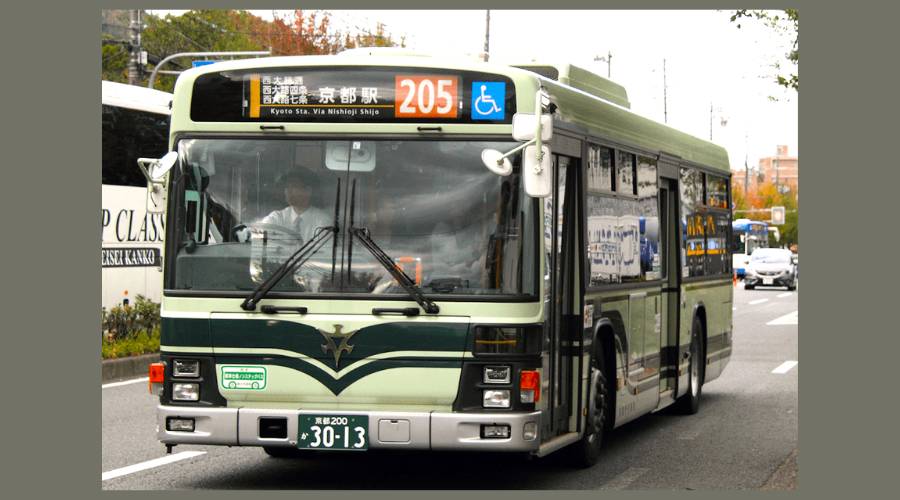
Kyoto’s transportation system is comprehensive but requires some planning to navigate efficiently. Understanding the various options will help you move through the city with confidence, as each mode of transport serves different areas and purposes.
- Subway: Limited to just two main lines, but useful for north-south and east-west travel through the city centre. These lines intersect at Karasuma Oike Station, making it a convenient transfer point. Kyoto City Subway
- City Buses: Extensive network covering most attractions; can be crowded during peak times. The sightseeing express services EX100 and EX101 skip the minor stops and run weekends and public holidays at a flat ¥500, free with the Subway & Bus 1-Day Pass. EX100 links Kyoto Station with Kiyomizu-dera, Gion, Heian Jingu and Ginkaku-ji; EX101 is a Kyoto Station to Kiyomizu-dera shuttle and goes nowhere else.
- Private Railways: Essential for reaching outlying areas like Arashiyama (Keifuku Line) and Kurama (Eizan Line). Each company operates independently of the city’s transport system.
- Taxis: Often a practical option for short distances, especially when travelling as a group of 3 to 4 people. A standard Kyoto taxi starts at ¥500 for the first 0.9km, then ¥100 for every 255m after that.
- Walking: Often faster than buses in central areas during traffic hours, and the best way to discover Kyoto’s atmospheric side streets and hidden corners.
The Subway & Bus 1-Day Pass costs ¥1,100 and covers the two subway lines, Kyoto City Bus, Kyoto Bus, Keihan Bus and West Japan JR Bus. It is a one-day ticket only; the two-day version and the old bus-only pass have both been withdrawn. It also covers the EX100 and EX101 sightseeing express buses, which otherwise charge a flat ¥500. Alternatives are the Subway 1-Day Pass at ¥800 and the Subway & Randen 1-Day Pass at ¥1,300, useful on the Arashiyama day. Verify current rates at the Kyoto City Official Travel Guide.
Best time to do this 7-day Kyoto itinerary
This itinerary works year-round but offers distinctly different experiences by season. Each period has its unique charm and practical considerations that will shape your Kyoto journey.
- Spring (March to May): Ideal for cherry blossoms but extremely crowded. Early morning starts become even more crucial to enjoy popular sites before the masses arrive. Late March to early April typically sees the peak bloom, but exact timing varies yearly and Weather Map publishes an English bloom forecast from January onwards, built on the Japan Meteorological Agency’s 58 official observation trees.
- Autumn (October to November): Spectacular fall foliage, moderate temperatures and cultural festivals such as the Jidai Matsuri. The vibrant reds, oranges and yellows transform temple gardens into breathtaking seasonal masterpieces. Book accommodations well in advance, as this is Kyoto’s second busiest season.
- Winter (December to February): Fewer crowds and potential for light snow creating magical scenes at temples. Some gardens may have limited viewing, but the tranquil atmosphere and occasional dusting of snow offer unique photography opportunities.
- Summer (June to August): Hot and humid with lush greenery. Many temples offer evening illuminations during this season, perfect for the night portions of this itinerary. The rainy season typically falls in June, bringing atmospheric misty scenes.
The shoulder seasons (late May/early June and late September/early October) offer pleasant weather with somewhat fewer crowds, making them excellent alternatives for visitors with flexible schedules.
Conclusion
Seven days in Kyoto is about seeing things properly. This comprehensive 7-day Kyoto itinerary allows you to wait out the rain, witness the sunrise over the pagoda, and linger in a rock garden until the design makes sense. By rejecting the common “Tokyo-Kyoto Split” where travellers allocate insufficient time to Kyoto, you gain the rare opportunity to truly inhabit this ancient city rather than merely passing through it.
What distinguishes an excellent Kyoto experience is the quality of attention you bring to each temple, and the moments between destinations. The empty morning streets, the chance encounter with a ceremony, the perfect cup of matcha after a long walk, these are the memories that will remain long after you’ve forgotten the names of the temples.
Kyoto reveals itself slowly to those patient enough to listen. Give it the time it deserves, and it will reward you with an experience that transcends tourism and approaches something closer to temporary residence in one of the world’s most carefully preserved cultural landscapes.