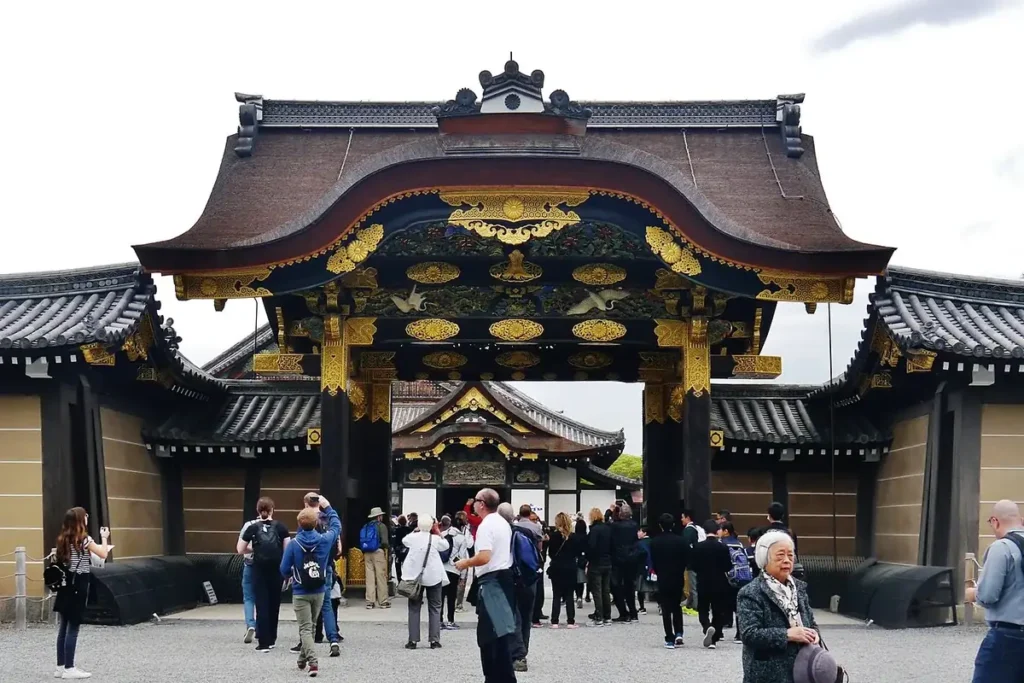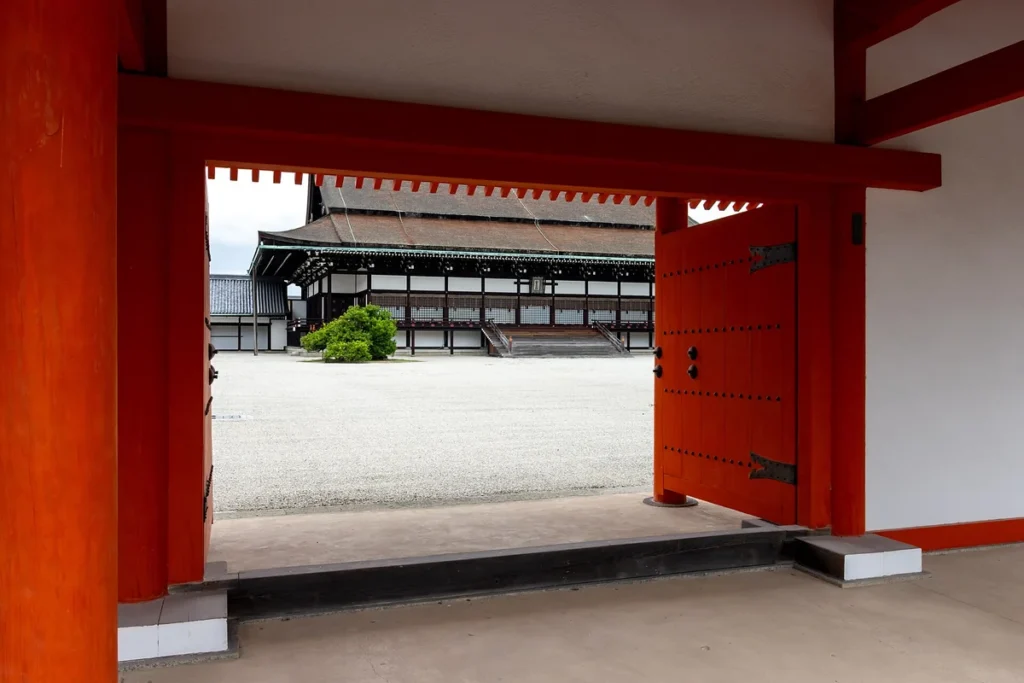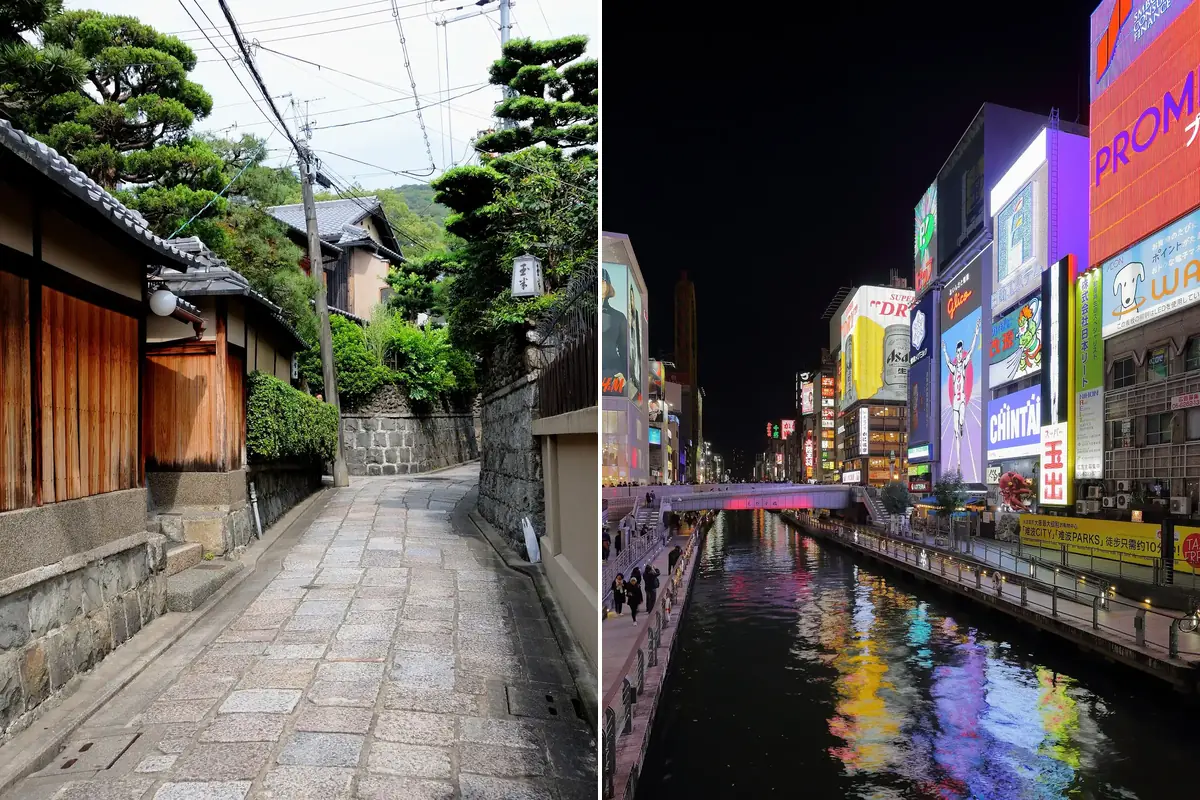
Stay in Kyoto if your trip is mostly temples, gardens and early mornings, and you want to walk out of your door into old streets. Stay in Osaka if you care more about eating, late nights, Universal Studios and a lower hotel tax, and are happy to ride a train to the temples. The two centres are only about 30 minutes apart by JR Special Rapid, so the choice is less about what you can see and more about where you want to come home to each night.
Many people split the stay. The table below sets the two cities side by side, followed by the details behind each line.
Osaka or Kyoto: Food, Sights, Nights and Costs Compared
| Kyoto | Osaka | |
|---|---|---|
| Feel | Quieter and more traditional, an old capital of temples, wooden townhouses and geisha districts | A big, outgoing commercial city of neon, covered shopping streets and food stalls |
| Food | Kaiseki, shojin ryori (temple vegetarian cooking), tofu, Nishiki Market | Takoyaki, okonomiyaki and kushikatsu; Dotonbori and Kuromon Market |
| Sights | Kiyomizu-dera, Fushimi Inari, Kinkaku-ji, Nijo Castle, Arashiyama, Gion | Osaka Castle, Dotonbori, Universal Studios Japan, the Kaiyukan aquarium, Shinsekai |
| Evenings | Pontocho and Kiyamachi; most temples stop letting people in by late afternoon | Namba and Umeda stay busy late |
| Getting around | Two subway lines and a lot of buses; city bus ¥230 a ride, ¥1,100 subway and bus day pass | A large metro network that reaches most sights by train |
| Accommodation tax | ¥200 to ¥10,000 per person per night since 1 March 2026 | Free to ¥500 per person per night since 1 September 2025 |
| Best day trips | Uji, Arashiyama, Kurama and Kibune, Ohara, Amanohashidate | Nara, Kobe, Himeji, and Kyoto itself |
| From Kansai Airport | JR Haruka limited express, about 80 to 100 minutes | Closer to the airport, on JR and Nankai lines |
Getting between Kyoto and Osaka: three trains, 30 to 48 minutes
Kyoto City’s official access guide lists three ways from central Osaka, and which one you want depends on where you are staying at each end:
| Train | From (Osaka) | To (Kyoto) | About |
|---|---|---|---|
| JR Special Rapid Service | Osaka Station (Umeda) | Kyoto Station | 30 minutes |
| Hankyu Kyoto Line | Osaka-umeda | Karasuma and Kyoto-Kawaramachi (downtown), or change for Arashiyama | 45 minutes |
| Keihan Main Line, limited express | Yodoyabashi or Kyobashi | Gion-Shijo and Sanjo, next to Gion | 48 minutes |
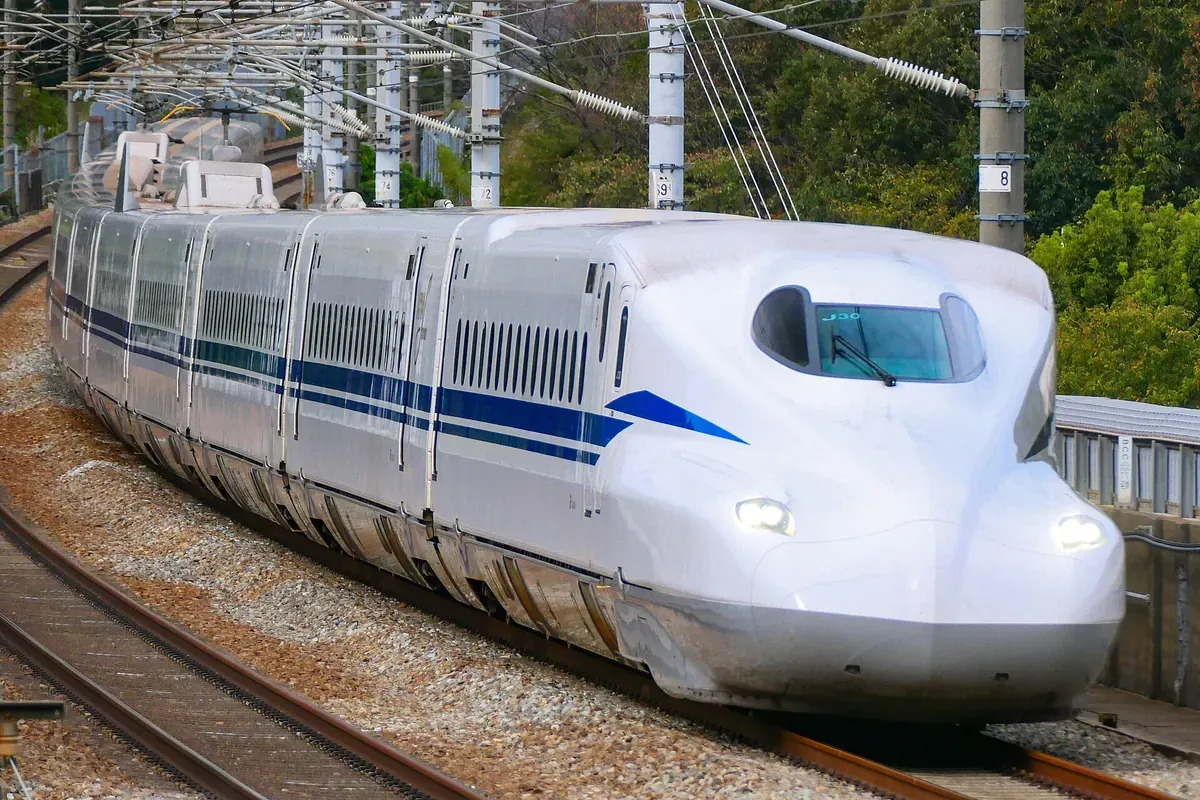
The shinkansen also links Kyoto Station with Shin-Osaka, but Shin-Osaka is north of the city centre, so for most trips between the two downtowns the ordinary trains are just as quick door to door. A Japan Rail Pass covers the JR Special Rapid; the Hankyu and Keihan lines are private railways that it does not cover.
If you will go back and forth on the same day, two one-day tickets listed by Kyoto City are worth knowing. The ONE KANSAI Kyoto Mankitsu 3-Way Pass costs ¥1,800 and covers the Keihan, Hankyu and JR lines between the two cities for one day, bought through the KANSAI MaaS app. The Keihan Kyoto-Osaka Sightseeing Pass, sold only to overseas visitors on a short-stay visa, costs ¥1,650 for one day on every Keihan line, including the branch to Uji.


Accommodation tax: up to ¥10,000 a night in Kyoto, ¥500 in Osaka
Both cities charge a tax per person, per night, on top of the room rate, and the gap between them is now large. These are the official bands, set by the price of the stay per person per night:
| Price per person per night | Kyoto (from 1 March 2026) | Osaka (from 1 September 2025) |
|---|---|---|
| Under ¥5,000 | ¥200 | No tax |
| ¥5,000 to ¥5,999 | ¥200 | ¥200 |
| ¥6,000 to ¥14,999 | ¥400 | ¥200 |
| ¥15,000 to ¥19,999 | ¥400 | ¥400 |
| ¥20,000 to ¥49,999 | ¥1,000 | ¥500 |
| ¥50,000 to ¥99,999 | ¥4,000 | ¥500 |
| ¥100,000 or more | ¥10,000 | ¥500 |
A worked example. Two people share a hotel room at ¥24,000 a night, which is ¥12,000 each. In Kyoto that falls in the ¥6,000 to ¥19,999 band, so each person pays ¥400 a night: for two people over four nights, that is ¥3,200 in tax. In Osaka the same price falls in the ¥5,000 to ¥14,999 band, so each person pays ¥200 a night: ¥1,600 for the same four nights. On a luxury ryokan at ¥60,000 per person per night, the Kyoto tax is ¥4,000 per person per night and the Osaka tax is ¥500.
Sources: Kyoto City’s tax rules and the Osaka Convention and Tourism Bureau. Our Kyoto travel guide and Osaka travel guide each explain their own city’s tax in more detail.
Sights: Kyoto’s temples and gardens, Osaka’s castle and nightlife
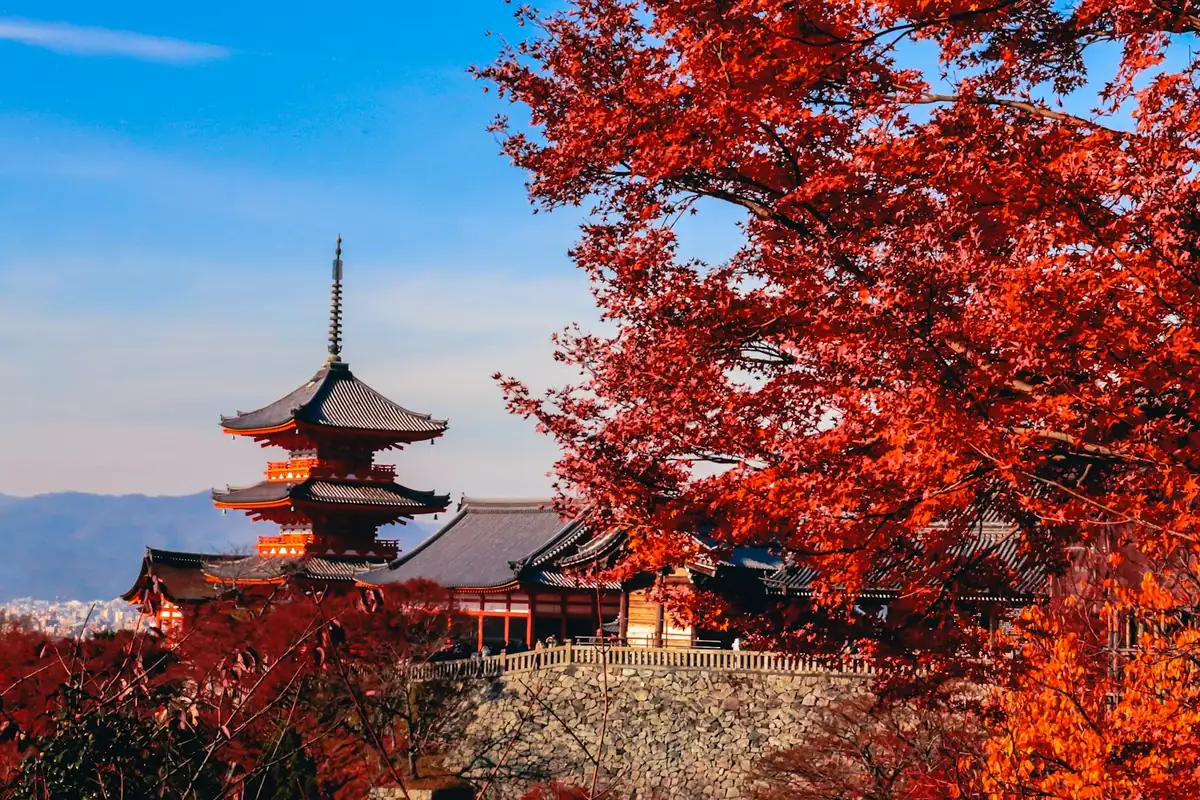
Kyoto has more of what most visitors come to Kansai for: the old temples, shrines and gardens that make up much of the Historic Monuments of Ancient Kyoto World Heritage listing. The catch is timing. Most temples open around 9am and stop letting people in during the late afternoon, which is why staying in Kyoto pays off: you can be at Kiyomizu-dera when its gates open at 6am, before the day-trippers’ trains arrive.
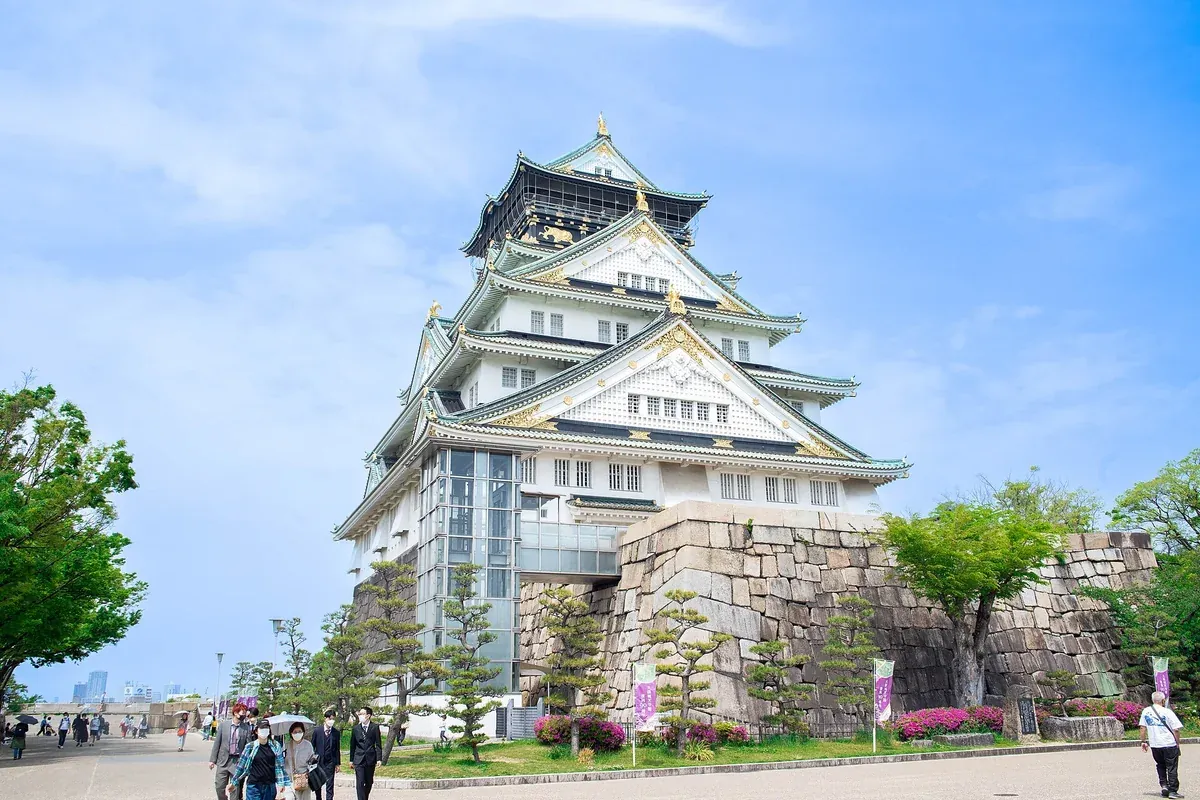
Osaka’s big sights are later and louder. Osaka Castle and its park, the neon of the Dotonbori canal, the retro streets of Shinsekai, the aquarium on the bay and Universal Studios Japan, which rewards being on the doorstep early.
Food: Kyoto’s kaiseki and market, Osaka’s kuidaore
Kyoto cooks quietly and seasonally: kaiseki courses, shojin ryori from the temple kitchens, tofu and yuba, and the stalls of Nishiki Market, where the market association asks you to eat at the counter rather than on the move.
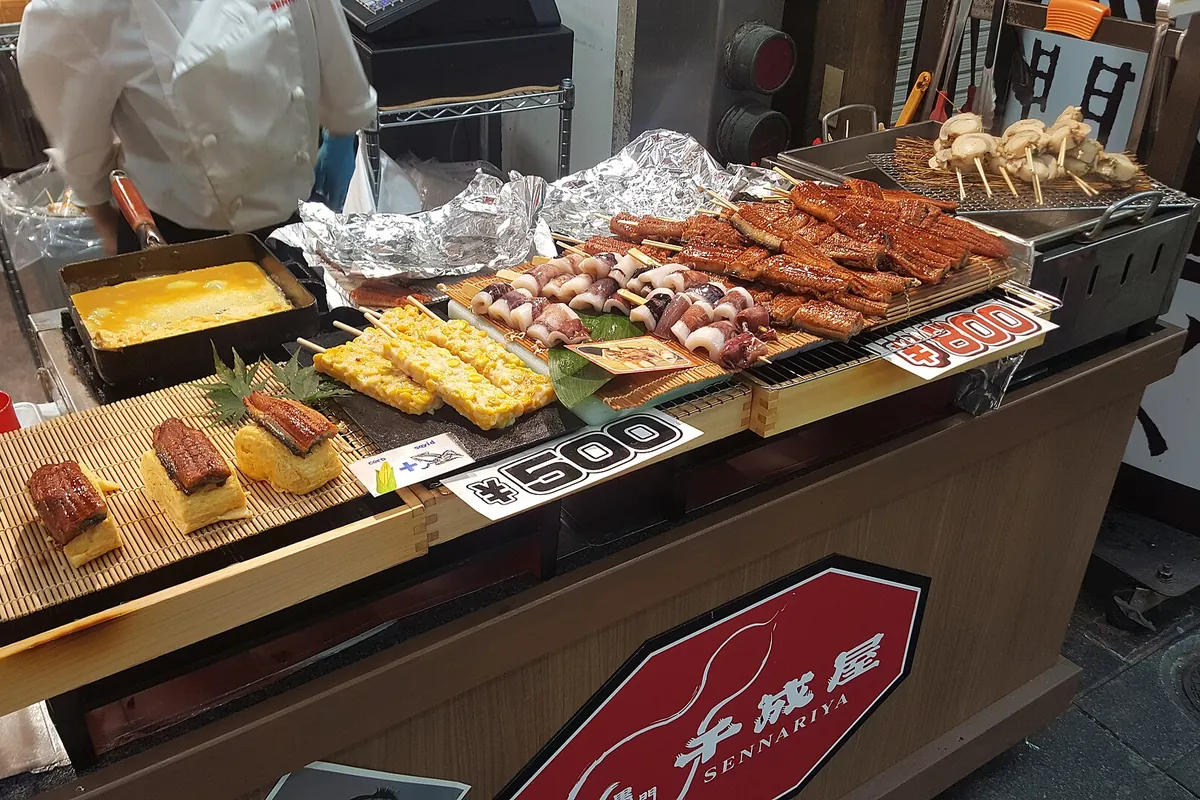
Osaka eats out loud. Its own word for it is kuidaore, eating until you drop, and its signature dishes (takoyaki, okonomiyaki, kushikatsu) are cheap, fast and best eaten standing up in Dotonbori or at Kuromon Market. Our Osaka food guide takes you through it dish by dish.


Evenings: Pontocho’s lanterns or Namba’s neon
Kyoto’s evenings are about a riverside dinner in Pontocho, a bar in Kiyamachi, or a walk through Gion’s lantern-lit lanes, where the residents’ rules on photographing geiko and maiko are set out in our Gion and Higashiyama walking guide. Late buses are limited: the Kawaramachi Yoru Bus runs back to Kyoto Station from 10pm to 10:50pm, and the Gion Yoru Bus from 8pm to 9:30pm.
Osaka’s Namba and Umeda are built for late nights, with bars, izakaya and food streets busy long after Kyoto has gone quiet. If evenings out matter most to you, that alone can decide it.
Getting around: Kyoto’s buses and the 2027 fare change
Kyoto has only two subway lines, so its buses do most of the work. The city bus fare is a flat ¥230 for adults, and the Subway and Bus One-Day Pass costs ¥1,100. On weekends and holidays the EX100 and EX101 sightseeing express buses run from Kyoto Station to Kiyomizu-dera and Gion at ¥500, or free with the day pass.
That is due to change. Kyoto City has announced a “citizen priority” bus fare for the 2027 financial year (April 2027 to March 2028), under which residents would pay ¥200 and the proposed fare for everyone else would rise to around ¥350 to ¥400 a ride. It still needs national approval, and the city says the day pass price is still under review. Osaka has no equivalent plan, and its metro reaches most of its sights by train.
Which city makes the better base for day trips?
Kyoto is the better base for the places north and west of it: Arashiyama, Kurama and Kibune, Ohara and the long trip to Amanohashidate on the Sea of Japan coast. Our guide to day trips from Kyoto compares eight of them with journey times.
Osaka is better placed for Himeji, whose castle is about an hour from Osaka Station by JR Special Rapid, and for Kobe and Nara. Uji sits between the two and is easy from either: about 20 minutes by JR from Kyoto, or by Keihan from Osaka with a change at Chushojima, as our Uji day trip guide explains.
Who should stay in Kyoto, who should stay in Osaka
- Stay in Kyoto if this is a temples and gardens trip, if you want early mornings before the crowds, if you are booking a ryokan, or if you have three days or more for Kyoto itself.
- Stay in Osaka if food and nightlife come first, if you are visiting Universal Studios, if you are flying in and out of Kansai Airport on a short trip, or if you are on a tighter budget and want to keep the hotel tax down.
- Split the stay if you have a week in Kansai: Kyoto for the temple days, Osaka for the food and the last night before a Kansai Airport flight.
Once you have chosen, our area-by-area guides take it from there: where to stay in Kyoto and where to stay in Osaka.
Kyoto or Osaka questions answered
Is it better to stay in Kyoto or Osaka?
It depends on what fills your days. Kyoto suits temples, gardens and early starts, and lets you reach the big sights before the crowds. Osaka suits food, nightlife, Universal Studios and a lower accommodation tax. The cities are about 30 minutes apart by JR Special Rapid, so either works as a base for the other.
How long is the train from Osaka to Kyoto?
About 30 minutes on the JR Special Rapid Service from Osaka Station to Kyoto Station, according to Kyoto City’s official guide. The Hankyu Kyoto Line takes about 45 minutes from Osaka-umeda to downtown Kyoto, and the Keihan limited express about 48 minutes from Yodoyabashi to Gion-Shijo.
Is Osaka cheaper than Kyoto?
On tax, clearly. Kyoto’s accommodation tax runs from ¥200 to ¥10,000 per person per night, Osaka’s from nothing to ¥500. For a room costing ¥12,000 per person per night, that is ¥400 a night each in Kyoto and ¥200 in Osaka. Kyoto’s planned bus fare rise for non-residents from the 2027 financial year would widen the gap.
Can you visit Kyoto as a day trip from Osaka?
Yes, and many people do. The train takes 30 to 48 minutes depending on the line. The drawback is timing: arriving mid-morning puts you at the most famous temples when they are busiest, and most stop admitting visitors by late afternoon. For a first visit with temples on the list, at least one night in Kyoto helps.
Which is better for a first trip to Japan?
For a first trip that also includes Tokyo, Kyoto usually gives the contrast people come for: old streets, temples and gardens. Osaka is the easier, cheaper base if your time in Kansai is short or you fly in and out of Kansai Airport. With five or more nights in the region, splitting the stay works well.