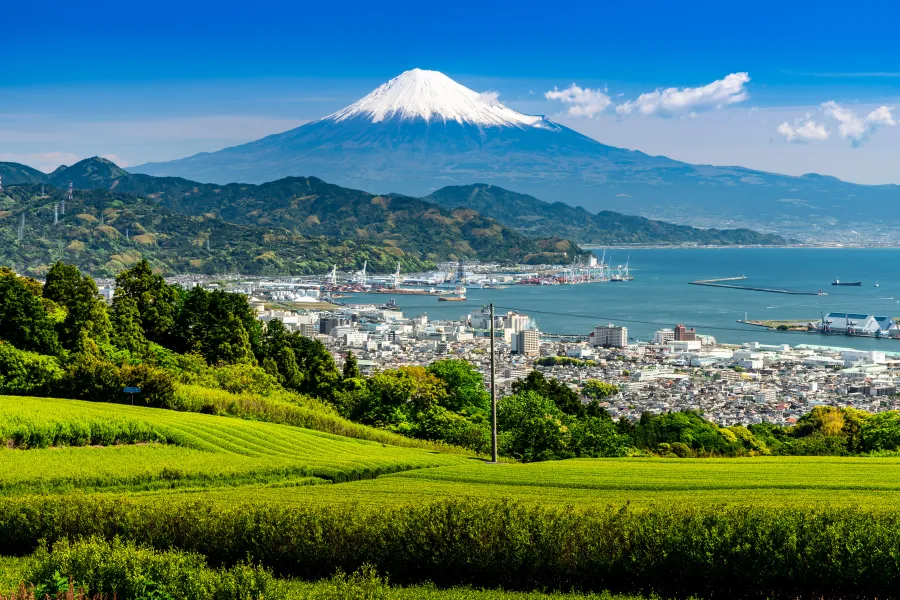
Japan is home to 26 UNESCO World Heritage Sites, comprising a diverse mix of historic landmarks, traditional villages, and protected natural areas. These sites represent the country’s efforts to preserve both its cultural heritage and its unique natural environments. Whether you’re planning your first visit or looking to explore beyond the usual tourist trail, these UNESCO sites offer a deeper, more meaningful way to experience the country… and maybe even discover a side of Japan you didn’t expect.
A Little Background
UNESCO stands for the United Nations Educational, Scientific, and Cultural Organization. One of its major initiatives is the World Heritage List, which identifies landmarks and areas around the world that hold outstanding cultural or natural value. These can include anything from ancient temples and castles to mountain ranges and forests.
For travellers, UNESCO recognition means that a place is globally acknowledged as worth visiting and preserving. Visiting them gives travellers access to authentic experiences with deeper historical and environmental context, often supported by clear infrastructure and visitor guidelines.
Japan joined the World Heritage Convention in 1992 and has since had 26 sites listed: 21 cultural and 5 natural. These include famous destinations like Himeji Castle, Mount Fuji, and Yakushima Island. For anyone planning a trip, UNESCO sites in Japan offer a great opportunity for choosing locations that are not just visually impressive but also historically or ecologically significant.
Key Cultural Sites to Visit
Now, let’s get into the list, starting with the cultural sites worth visiting.
Horyuji Temple (Nara Prefecture)
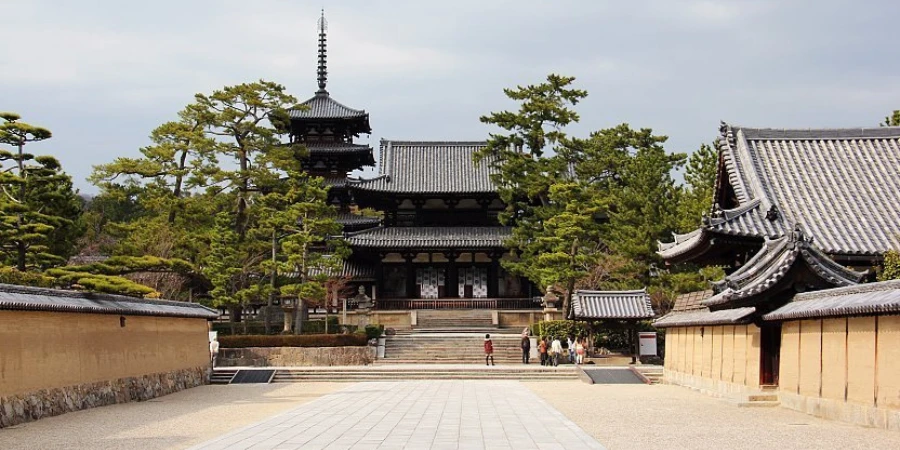
Image credit: Japan Guide
Horyu-ji Temple in Nara Prefecture is home to some of the oldest surviving wooden buildings in the world, originally built in the 7th century. As a key site in the introduction of Buddhism to Japan, it showcases early Japanese temple architecture and holds major historical value. The temple grounds span 46 acres, divided into Eastern and Western precincts filled with Buddhist artifacts. In the Eastern Precinct, you’ll find the iconic five-story pagoda, Main Hall, and Central Gate where Japan’s oldest guardian deity statues still stand. It’s a quiet, educational site perfect for history and architecture enthusiasts. Entry is ¥1,500.
Himeji Castle (Hyogo Prefecture)
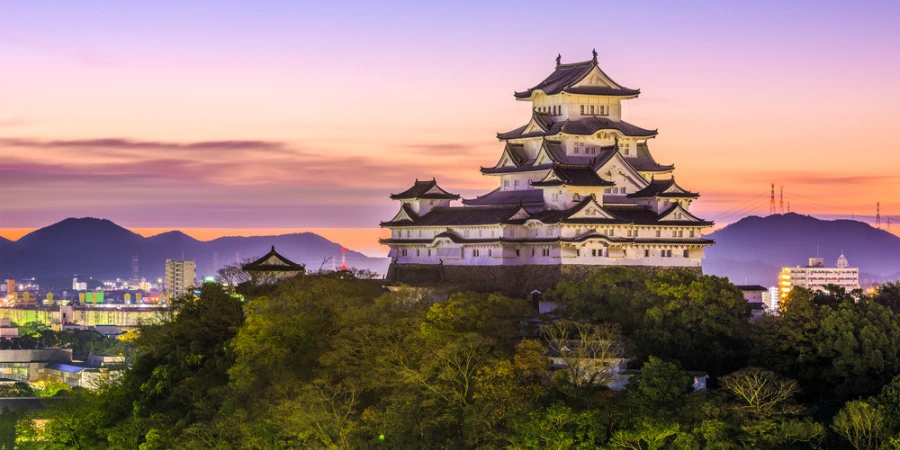
Image credit: Japan Rail Pass Now
Often called Japan’s best-preserved feudal fortress, this castle is a stunning white structure that’s withstood wars, earthquakes, and time for over 400 years. Nicknamed “The White Heron Castle” for its elegant, bird-like design, it survived WWII bombings and the 1995 Great Hanshin Earthquake without major damage. Visitors can explore all six floors of the castle, featuring tatami rooms, defence systems, and samurai-era architecture, or take a boat ride around its scenic moat.
Fun fact: it even appeared in a James Bond film! On weekends, you might spot actors dressed as samurai roaming the grounds. Entry costs ¥1,000, with an extra ¥1,000 for the boat ride, and it’s also one of the top cherry blossom viewing spots in spring.
Shirakawa-go & Gokayama (Gifu and Toyama Prefectures)
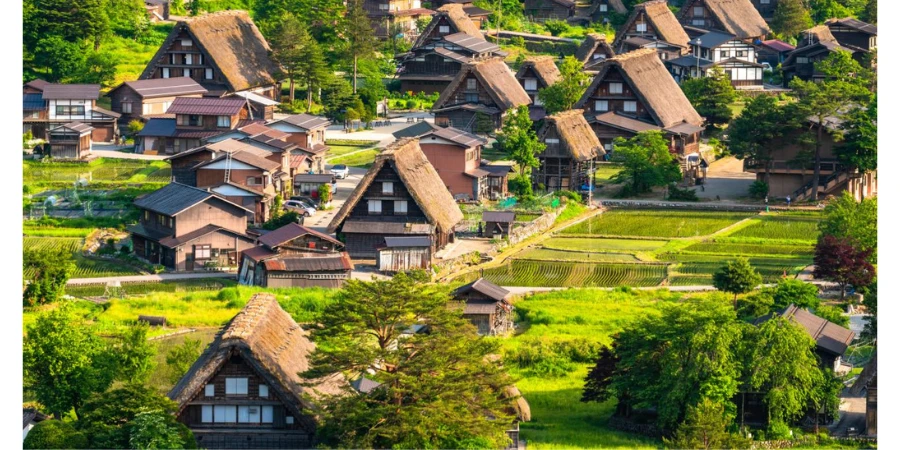
Image credit: Travel Rakuten
Separated in the mountains of central Japan, the villages of Shirakawa-go and Gokayama are known for their distinctive gassho-zukuri farmhouses, steep, thatched-roof homes built to withstand heavy snow by letting it slide off easily. The term gassho means “hands in prayer” which the roofs resemble, and many of these houses date back over 250 years.
Staying overnight in one of these traditional homes lets you experience rural Japan up close, complete with futon bedding, homemade meals, and quiet views of rice fields. Visitors can also take part in local workshops like soba noodle-making or washi paper crafting. In winter, the villages host popular light-up events where the snowy rooftops are illuminated, creating a picture-perfect mountain scene.
For the best panoramic view, head to the Shiroyama Viewpoint. From Kyoto, the trip takes about 3.5 to 4 hours via train to Kanazawa or Takayama, followed by a highway bus into the village.
Itsukushima Shrine (Hiroshima Prefecture)

Image credit: Expedia
Itsukushima Shrine, located on Miyajima Island just a 10-minute ferry ride from Miyajimaguchi Stationm, Hiroshima is famous for its iconic red torii gate that appears to float during high tide and can be approached on foot at low tide. This visually striking site is one of Japan’s most photographed landmarks and carries spiritual significance as a symbolic gateway between the human and spirit worlds.
While on the island, be sure to try Momiji Manju Tempura, deep-fried, maple leaf-shaped cakes filled with red bean, cheese, or chocolate, a local specialty you won’t find elsewhere.



Final Thoughts
If you’re looking to go beyond the usual tourist spots in Japan, UNESCO sites are a great place to start. They’re not just checkboxes on a list; they offer real insight into what makes Japan unique. Some are easy half-day trips from major cities, while others take serious effort to reach… but those often end up being the highlights. Whether you’re into castles, old pilgrimage routes, or forests that look untouched for centuries, Japan’s UNESCO locations give you access to the kind of travel experiences that actually stick with you. So if you want your trip to be more than just food photos and shopping, plan for at least one or two of these; they’re more than worth it.