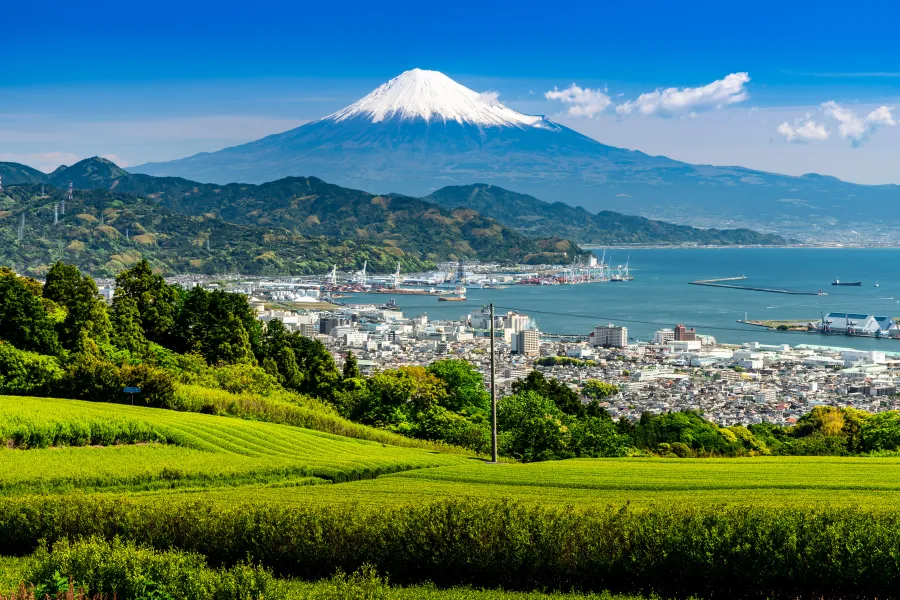
March is a magical time in Japan when the remnants of winter slowly make way for the highly anticipated springtime, marked by the pink hues that cascade from the array of cherry blossom trees across the horizon. Despite the unpredictable weather, there’s no shortage of things to do in Japan throughout March, from picking luscious strawberries in Tochigi to participating in flower festivals and catching the last bits of snow in Hokkaido.
Japan in March at a glance
What to Expect from Japan in March (Weather & Packing Guide)
March in Japan sits between winter’s final chill and the first signs of spring, making it one of the most changeable months to pack for. If you’re planning your outfits for Japan in March, flexibility is key. Below is exactly what to expect, and what to wear, broken down clearly for trip planning.
Weather
Average temperatures
- Typically range between 9°C and 15°C nationwide.
- Early March can dip as low as 1°C, especially in the mornings and evenings.
The first half of the month often feels similar to late February, with lingering winter chill, single-digit daytime temperatures and regular rainfall that can make conditions feel colder than forecast.
By mid to late March, temperatures begin to climb gradually, especially in central cities such as Tokyo, Kyoto and Osaka, where the arrival of cherry blossom (sakura) season signals the start of spring. Days become milder and brighter, with rainfall typically easing compared to the beginning of the month. Even so, cool starts and chilly evenings remain common, and layering is still necessary.
Regional differences are important to factor into your plans. While central Japan edges towards spring by late March, northern areas and alpine regions remain firmly in winter conditions. Ski resorts continue operating throughout the month, and snowfall is still possible in Hokkaido and mountainous areas.
What to wear
For early March travel:
- Pack multiple layers: thermals, sweaters, tights and scarves.
- Bring a warm winter coat, ideally insulated.
- A waterproof coat with a hood is strongly recommended for sightseeing in the rain.
- Consider a packable raincoat or umbrella for heavier showers.
- Choose closed, weather-resistant shoes for comfort on damp pavements.
For mid to late March:
- Swap heavy thermals for medium-weight knitwear or long-sleeved tops.
- Pair T-shirts or jumpers with a light jacket or waterproof puffer.
- Keep a warm outer layer for evenings and early starts.
- Comfortable walking shoes remain essential, especially during park visits and hanami outings.
If visiting northern Japan or ski areas:
- Bring full winter gear, including insulated jackets, gloves, and snow-ready footwear.
- Conditions can mirror peak winter, particularly in Hokkaido and mountainous regions.
Layers allow you to adjust throughout the day, whether you’re navigating rainy early-March streets or enjoying late-month sakura under clearer skies.


Events and Festivals in March
Hinamatsuri (雛祭り): Girls’ Day: March 3
Location: Nationwide
Opening times: Celebrated throughout the day
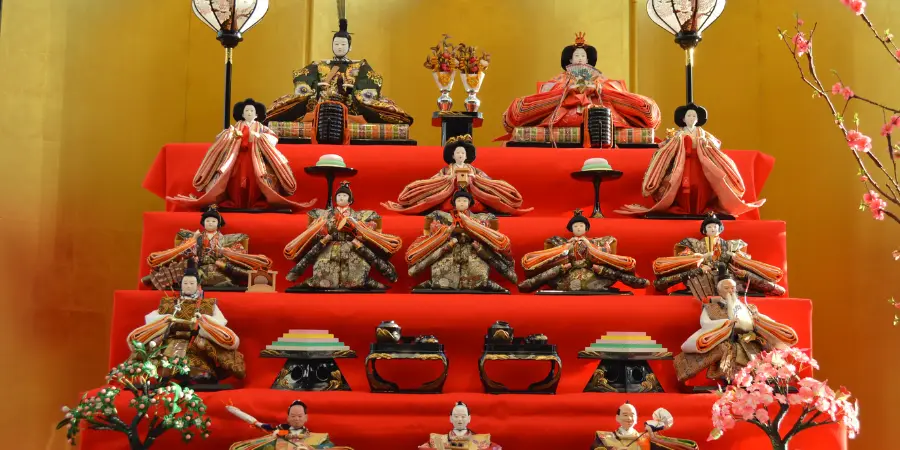
One of Japan’s five seasonal festivals (sekku), Hinamatsuri marks early March alongside peach and plum blossoms. Families display heirloom dolls representing the Heian-period emperor and empress to ward off misfortune. Traditional foods include chirashizushi and colourful rice cakes. Dolls are usually put away soon after March 3 due to folklore linking late removal with delayed marriage.
Hinamatsuri is celebrated to honour the daughters of the family.
Tsunan Snow Festival (津南雪まつり): Snow celebration: Early to mid-March
Location: New Greenpia Tsunan, Niigata Prefecture
Opening times: Dates vary yearly (March 14 for 2026)
Website: https://snowfes.info/yukimatsuri/
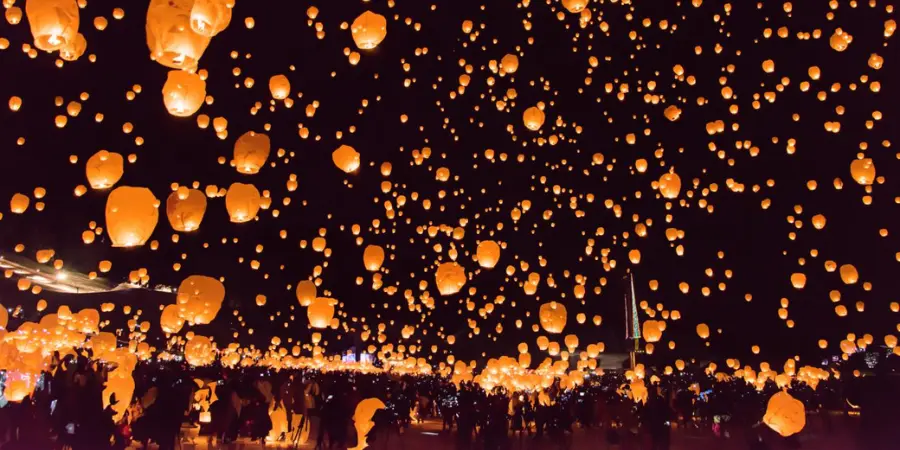
Held in one of Japan’s snowiest towns (up to three metres annually), this festival fills the snow with things to do. There is a tube slider, snowmobile and snow bike rides, hot air balloon flights, a kamakura snow hut shrine with its own torii gate and fortunes, and a run of food stalls serving local cooking. From 5.30pm the Dorokujin fire ritual burns the year’s New Year decorations, with the tengu dance of the local Akasawa Kagura troupe, and from 7.15pm around 2,000 sky lanterns go up over the snow. Full winter gear is essential. Getting into the venue is free, but taking part in the sky lantern release needs a ticket, and tickets are sold in advance only with none available on the day. Each one covers a single lantern, one car parking space and 500 yen of coupons to spend at the festival, and in 2026 they were 13,500 yen or 19,500 yen depending on which car park you booked. Both sold out. Anyone staying overnight in Tsunan can get a lantern through their accommodation instead.
Omizutori (お水取り): Fire and water rite: March 1 to 14

Location: Nigatsudo Hall, Todaiji Temple, Nara
Opening times: Otaimatsu torches from 7pm on March 1 to 11 and on March 13, from 7.30pm on March 12, and from 6.30pm on March 14
Website: https://www.todaiji.or.jp
Dating back 1,250 years, Omizutori combines purification rituals of fire and sacred water to welcome spring. Torch processions run every night from March 1 to March 14. The March 12 ceremony is the largest and draws the biggest crowds, so the approach fills up well before the start. In the early hours of March 13, at around 1.30am, priests draw sacred water from a legendary well believed to hold restorative properties.
Hiwatari-sai (火渡り祭): Fire-walking festival: Second Sunday of March

Opening times: From 1pm (ends around 3:30pm)
Website: https://www.takaosan.or.jp
The Hiwatari-sai is a traditional Buddhist ceremony that takes place on the second Sunday of March. While it is held across many parts of Japan in March, the best known version is held at the foot of the mountain, on the plaza beside the traffic safety prayer hall run by the Yakuoin Temple, about five minutes on foot from Takaosanguchi Station.
Thousands gather near Takaosanguchi Station to watch monks cleanse spirits and stride across hot coals. Afterward, visitors may walk across the warm embers themselves. Food stalls and festival activities run throughout the day.
Golden Dragon Dance (金龍の舞): Kinryu no Mai: March 18
Location: Sensoji Temple, Asakusa, Tokyo
Opening times: 11.30am, 2pm and 3pm. The procession leaves Kaminarimon at 11am
Website: https://www.senso-ji.jp
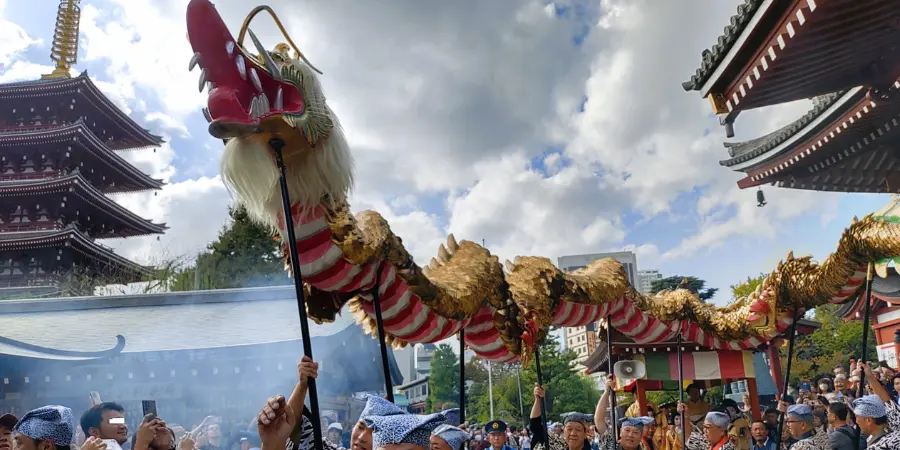
First performed in 1958, this 18-metre dragon dance honours the temple’s reconstruction and invokes prosperity. Eight performers animate the dragon before parading along Nakamise Street.
During the performance, eight men hold up the giant golden dragon and manipulate it to perform a dance commemorating the founding of Sensoji Temple, which is believed to bring prosperity and an abundant harvest to visitors. The number eight is particularly important in this event as it is a symbol of good luck.
The event is held in Asakusa Temple, easily accessible from any part of Tokyo. Due to the popularity of the event, plan to come early to get a good viewing spot.
Osaka Grand Sumo Tournament (大相撲三月場所): Spring basho: Throughout March

Location: EDION Arena Osaka (Osaka Prefectural Gymnasium), Namba, Osaka
Opening times: Daily approx. 8:30am to 6pm (top bouts from 4pm)
Website: https://www.sumo.or.jp
One of six annual Grand Sumo tournaments, this 15-day event determines wrestler rankings. Rooted in Shinto tradition, sumo bouts are brief yet intense.
Sumo is a sport with powerful significance in Japan, with roots tied to Shinto. It’s said to have been derived from a match between two gods to rule over the Japanese islands. Earlier renditions of Sumo were purely combative in nature, without the rules that maintain its peaceful nature today, so death was a common occurrence in heated matches. It was also used to train samurai during the Kamakura period. Over time, Sumo has turned into a competitive sport, where wrestlers dedicate much of their lives to training and maintaining their form. Do note that tickets are required to watch the event, and they can be purchased from the official website.
Shunbun no Hi (春分の日): Spring equinox: March 20 or 21

Location: Nationwide
Opening times: Public holiday
Shunbun no Hi celebrates nature and living beings during the spring equinox. Many families visit ancestral graves, while temples may hold public Higan services.
Nowadays, Shunbun no Hi is a secular public holiday. The law that sets out Japan’s national holidays describes the day as a time to admire nature and to cherish living things. It isn’t tied to any religion or political belief. It’s a family-centric holiday that usually evokes reunions, and families would traditionally visit the graves of ancestors to clean tombs and leave flowers, incense, and food.
Cherry blossom viewing (花見): Hanami season: Late March

Location: Nationwide (Tokyo, Kyoto, Osaka and beyond)
Opening times: Bloom dates vary by region
The main sakura bloom typically begins in the last week of March in central Japan (e.g. Tokyo around March 24). Popular viewing spots include Yoyogi Park, Meguro River, Mount Yoshino and Himeji Castle. Many parks host seasonal festivals.
Cherry blossoms open on different dates every year, so the table below gives the long-term averages recorded by the Japan Meteorological Agency across 1991 to 2020. Use them to plan roughly, then check the Japan Meteorological Corporation forecast published each January for the year you are travelling.
| Region | Average first bloom | Average full bloom |
| Tokyo | March 24 | March 31 |
| Osaka | March 27 | April 4 |
| Kyoto | March 26 | April 4 |
| Fukuoka | March 22 | March 31 |
| Nagoya | March 24 | April 2 |
| Kanazawa | April 3 | April 8 |
| Sapporo | May 1 | May 6 |
| Nagano | April 11 | April 16 |
Strawberry picking in Tochigi: Entire March
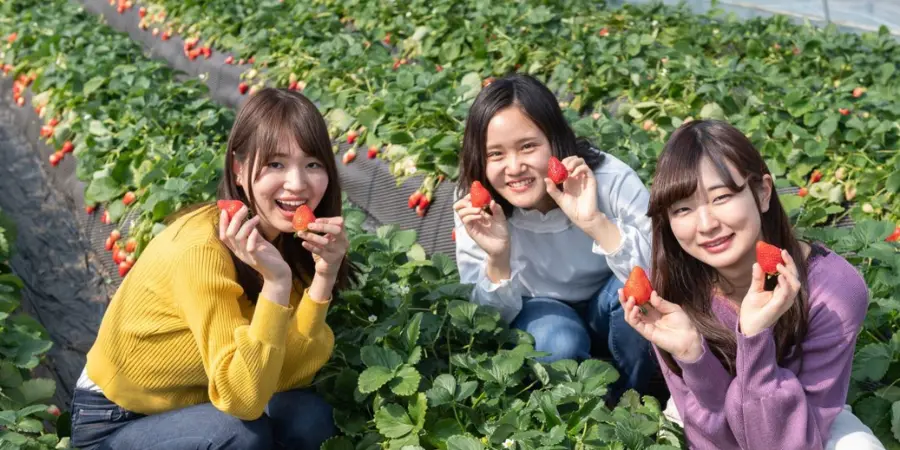
Location: Tochigi Prefecture
Opening times: Farm-dependent (Jan to April peak)
Website: https://www.tochigi-kankou.or.jp
March offers peak sweetness and abundance. Many farms operate all-you-can-eat sessions within a time limit. Popular spots include Yoshimura Strawberry Park and Mashiko Strawberry Farm.
Popular strawberry-picking spots that welcome visitors include the following:
- Yoshimura Strawberry Park (barrier-free; wheelchair-accessible)
- Mashiko Strawberry Farm
While the above are some of the most popular options among tourists, you can also check out other farms in the Tochigi Prefecture strawberry picking website. Schedules differ per farm, but some offer activities you can do when visiting Japan in early April to as late as June.
Sakura Fes Nihonbashi: Mid-March to early April

Location: Nihonbashi, Chuo, Tokyo
Opening times: March 18 to April 5 (2026 dates)
Website: https://www.nihonbashi-sakurafes.art
This urban spring festival features sakura-themed parfaits, wagashi, illuminations and tasting events, blending seasonal tradition with a contemporary city atmosphere.
Final thoughts
Japan in March is a season of flexibility. You might find yourself brushing snow from your coat in the north, then picnicking beneath early cherry blossoms a few days later in Tokyo or Kyoto. From centuries-old fire rituals and sumo tournaments to strawberry picking and sakura illuminations, the month bridges two seasons in a way few others do.
Pack smart and check regional forecasts. March in Japan is about catching the country in motion as winter gives way to spring.