November in Japan is a month when cities and countryside alike burn with red maples, golden ginkgo, and amber beech, creating some of the year’s most photogenic landscapes. Expect avenues lined with glowing trees, temple grounds draped in colour, and menus filled with warming, seasonal dishes.
It’s also one of the most culturally rich months on the calendar. From ancient harvest ceremonies and fire rituals to lively street fairs, events unfold from Hokkaido down to Kyushu. Communities give thanks for the year’s bounty, while visitors get front-row seats to some of Japan’s most atmospheric and tradition-heavy celebrations.
If you’re planning a trip, November is the ideal time to slow your pace, follow the seasons, and experience Japan at its most reflective and vivid. Below is what to expect from the top festivals and events that define November in Japan in 2026.
Japan in November at a glance
Planning Ahead: Weather, Packing, Crowds
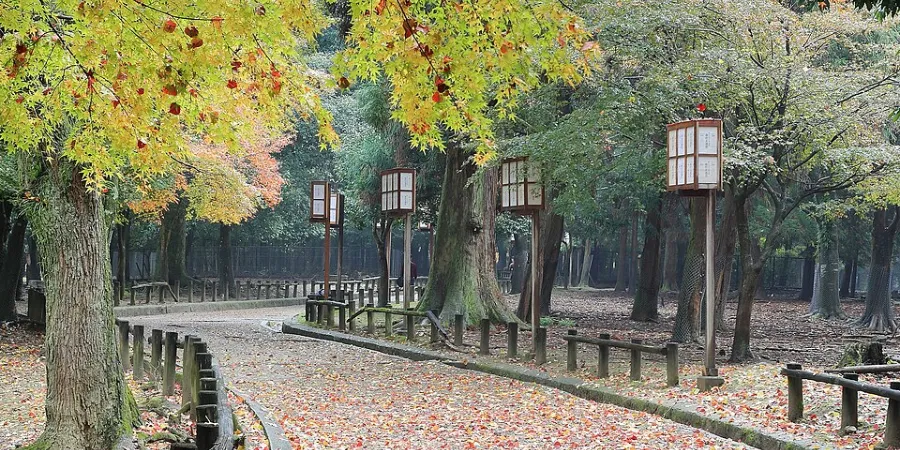
November brings crisp, stable weather that’s ideal for walking tours, temple-hopping, and long days outdoors. Across most of Honshu, daytime highs sit around 10 to 18°C (50 to 64°F), with colder conditions up north and pleasantly mild days in the south.
The main attraction is autumn foliage (kōyō), as Japan’s hills, parks and temple gardens reach their richest colour:
- In Hokkaido, most of the colour has peaked by the end of October. Onuma Park near Hakodate is usually the last big spot, from late October into early November.
- In Tokyo, Kyoto, and Osaka, the best viewing is usually mid to late November, when maples and ginkgo turn vivid red and gold.
- In Kyushu, colours hold strong into early December.
Autumn Leaves Forecast 2026 by Region
The Japan Weather Association’s third autumn leaves forecast of 2026, published on 28 October, expects the maples to peak at about the usual time or later than usual across most of the country, because November is forecast to stay warmer than average. Kyoto’s best-known temples are running particularly late this year. The table gives the date each spot’s best viewing is forecast to begin in 2026, next to its usual peak window.
| Region | Spot | 2026 forecast: best from | Usual peak |
|---|---|---|---|
| Hokkaido | Onuma Park, near Hakodate | 26 October | Late October to early November |
| Tohoku | Naruko Gorge, Miyagi | 25 October | Mid October to early November |
| Kanto | Mount Takao, Tokyo | 15 November | Mid November to early December |
| Kanto | Meiji Jingu Gaien ginkgo avenue, Tokyo | Late November to early December | Mid November to early December |
| Hokuriku | Yahiko Park maple valley, Niigata | 10 November | Late October to mid November |
| Tokai | Korankei Gorge, Aichi | 16 November | Mid to late November |
| Kansai | Arashiyama, Kyoto | 13 November | Mid November to early December |
| Kansai | Eikan-do, Kyoto | Late November to early December | Mid to late November |
| Kansai | Tofuku-ji and Tsutenkyo Bridge, Kyoto | Late November to early December | Mid November to early December |
| Kansai | Kiyomizu-dera, Kyoto | Early December | Late November to early December |
| Chugoku | Momijidani Park, Miyajima | 18 November | Mid to late November |
| Shikoku | Kankakei Gorge, Shodoshima, Kagawa | 12 November | Early to late November |
| Kyushu | Fukayabakei Gorge, Oita | 10 November | Early to late November |
| Kyushu | Takachiho Gorge, Miyazaki | 16 November | Mid to late November |
The main forecast follows the iroha maple, except in Hokkaido, where it follows local maples. The Meiji Jingu Gaien avenue is ginkgo, so its timing comes from the association’s own page for that spot, as do the forecasts for Eikan-do, Tofuku-ji and Kiyomizu-dera. Tenki.jp posts a colour report for each spot every day of the season, so check it on the morning you plan to go.
What To Wear
Think layers: light sweaters, a medium-weight jacket, and supportive walking shoes. Evenings can feel noticeably colder, especially around rivers, mountains and temple grounds. A small umbrella and scarf are useful for occasional rain and wind; add a thicker layer if you plan to visit mountain spots or night illuminations.
Crowd Level
November is less crowded than cherry-blossom season, but popular foliage destinations still draw big numbers on weekends. Kyoto, Nara, and Nikko see the heaviest traffic during peak colour, so reserve accommodation early if you’re visiting then. Rail passes, including the Japan Rail Pass or regional equivalents, work well for multi-city leaf-peeping itineraries.


9 Things to See and Do in Japan in November
From peak kōyō (紅葉) and shrine ceremonies to citywide light displays and family traditions, November is packed with colour and culture. Use this guide to choose your dates and shape your itinerary.
November 2026 Festival Dates and the 2027 Pattern
Two public holidays fall in November, Culture Day on the 3rd and Labour Thanksgiving Day on the 23rd. In 2026 the 23rd is a Monday, so the weekend of 21 to 23 November is a long one for people in Japan, and it is also the opening weekend of the Kiyomizu-dera night viewing. Expect the busiest Kyoto crowds of the month then.
| Event | Where | 2026 | 2027 |
|---|---|---|---|
| Tokyo Ramen Festa | Komazawa Olympic Park, Tokyo | 30 October to 3 November | 2026 is billed as the last edition at Komazawa; no 2027 venue or dates yet |
| Meiji Jingu Autumn Grand Festival | Meiji Jingu, Tokyo | 1 to 3 November, with the main rites at 10:00 on 2 and 3 November | 1 to 3 November every year |
| Karatsu Kunchi | Karatsu, Saga | 2 to 4 November | 2 to 4 November every year |
| Culture Day (public holiday) | Nationwide | Tuesday 3 November | Wednesday 3 November |
| Midosuji Illumination | Midosuji Avenue, Osaka | 3 November to 31 December, about 17:00 to 1:00; lighting ceremony 17:00 to 19:00 on 23 November, when part of the avenue is closed to traffic | Not yet announced |
| Arashiyama Momiji Festival | Oi River, upstream of Togetsukyo Bridge, Kyoto | Saturday 7 and Sunday 8 November, 11:30 to 17:00, called off in rain | The organiser holds it on the second Sunday of November, which is 14 November in 2027 |
| Tori-no-Ichi | Otori Shrine and Chokoku-ji, Asakusa, Tokyo | Saturday 7 and Thursday 19 November | The rooster days of November 2027 fall on 2, 14 and 26 November, worked out from the 12 day cycle; the organisers confirm the dates each New Year |
| Korankei Maple Festival | Korankei Gorge, Toyota, Aichi | 1 to 30 November, light-up from sunset to 21:00 | The 2026 festival is the 71st, held through November; 2027 dates not yet announced |
| Shichi-Go-San | Shrines nationwide | Sunday 15 November | Monday 15 November; many families go on the weekend before or after |
| Eikan-do autumn light-up | Eikan-do, Kyoto | 20 November to 6 December, 17:30 to 20:30 | Not yet announced |
| Kiyomizu-dera autumn night viewing | Kiyomizu-dera, Kyoto | 21 to 30 November, open to 21:30, last entry 21:00 | Not yet announced |
| Labour Thanksgiving Day (public holiday) | Nationwide | Monday 23 November | Tuesday 23 November |
Autumn Grand Festival at Meiji Jingu (Tokyo), Nov 1 to 3
Location: Meiji Jingu Shrine, Tokyo
Entrance Fee: Free
Opening Times: From 10:00 AM
Website: Meiji Jingu
Tokyo’s November begins with ceremony. The Autumn Grand Festival (Aki-no-Taisai) honours Emperor Meiji with Shintō rituals, bugaku court performances, and martial demonstrations ranging from archery (kyūdō) to swordsmanship (kendō). Aim to be there on November 3 (Culture Day) for yabusame horseback archery, then stroll through the shrine’s wooded approaches amid falling ginkgo leaves.
Karatsu Kunchi (Karatsu, Saga), Nov 2 to 4
Location: Karatsu City, Saga Prefecture
Entrance Fee: Free
Opening Times: Morning to evening
Website: Karatsu Kankō
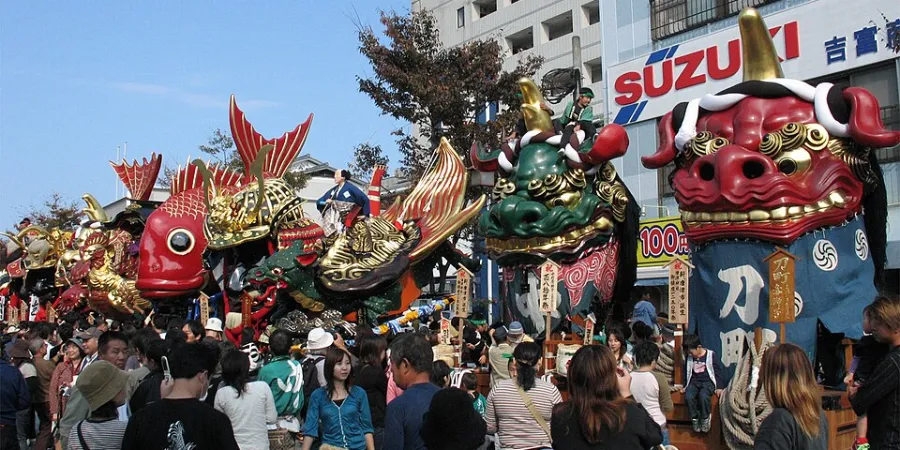
Karatsu Kunchi is a UNESCO-listed festival centred on massive hikiyama floats, lavishly decorated in gold and lacquer, dragged through Karatsu’s narrow streets to the beat of taiko drums and rhythmic chants. Dedicated to the deity of Karatsu Shrine, this celebration has run for more than four centuries and stands as one of Kyushu’s most spectacular autumn events. For more context on UNESCO sites, see the ultimate Japan UNESCO bucket list.
Midosuji Illumination (Osaka), Nov 3 to Dec 31
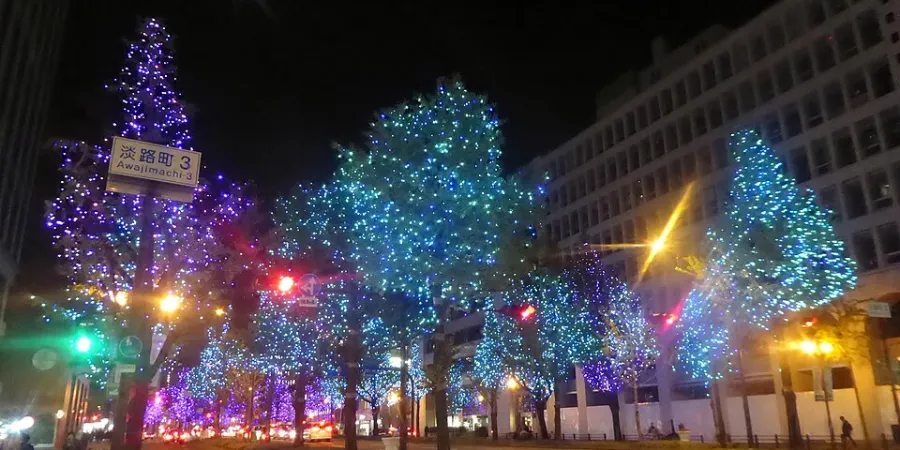
Location: Midosuji Avenue, Osaka
Entrance Fee: Free
Opening Times: Roughly 5:00 PM to 1:00 AM daily
Website: Osaka Hikari no Kyoen (official)
Osaka’s main boulevard transforms into a 4-kilometre corridor of light stretching from Umeda to Namba. Millions of LEDs shift through bands of colour as cars and pedestrians move beneath them. Begin among Umeda’s towers for elevated views, then head south for street-level photography and a late bowl of ramen. The 2026 edition runs from November 3 to December 31.
Arashiyama Momiji Festival (Kyoto), Nov 7 and 8
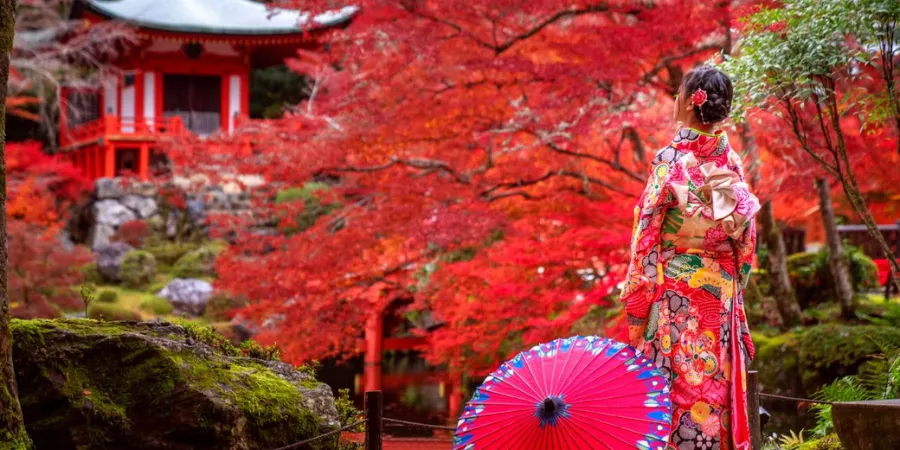
Location: Arashiyama, Kyoto
Entrance Fee: Free
Opening Times: 11:30 AM to 5:00 PM (called off in rain)
Website: Arashiyama Hōshōkai
The Arashiyama Momiji Festival celebrates Kyoto’s autumn foliage against the backdrop of the Togetsukyo Bridge and Katsura River. Participants in Heian-era costumes recreate elegant boat processions once performed for the imperial court, accompanied by traditional music and poetry recitals. In 2026 it takes place on Saturday 7 and Sunday 8 November on the Oi River just upstream of Togetsukyo Bridge, and it is called off if it rains. The organiser lists the festival as free, but its page also says a ticket is needed to take part, so check the Arashiyama Hōshōkai page before you go.
Spectators can watch from the riverbank or explore nearby temples cloaked in crimson and gold leaves.
Tori-no-Ichi Fair (Tokyo), Nov 7 & 19
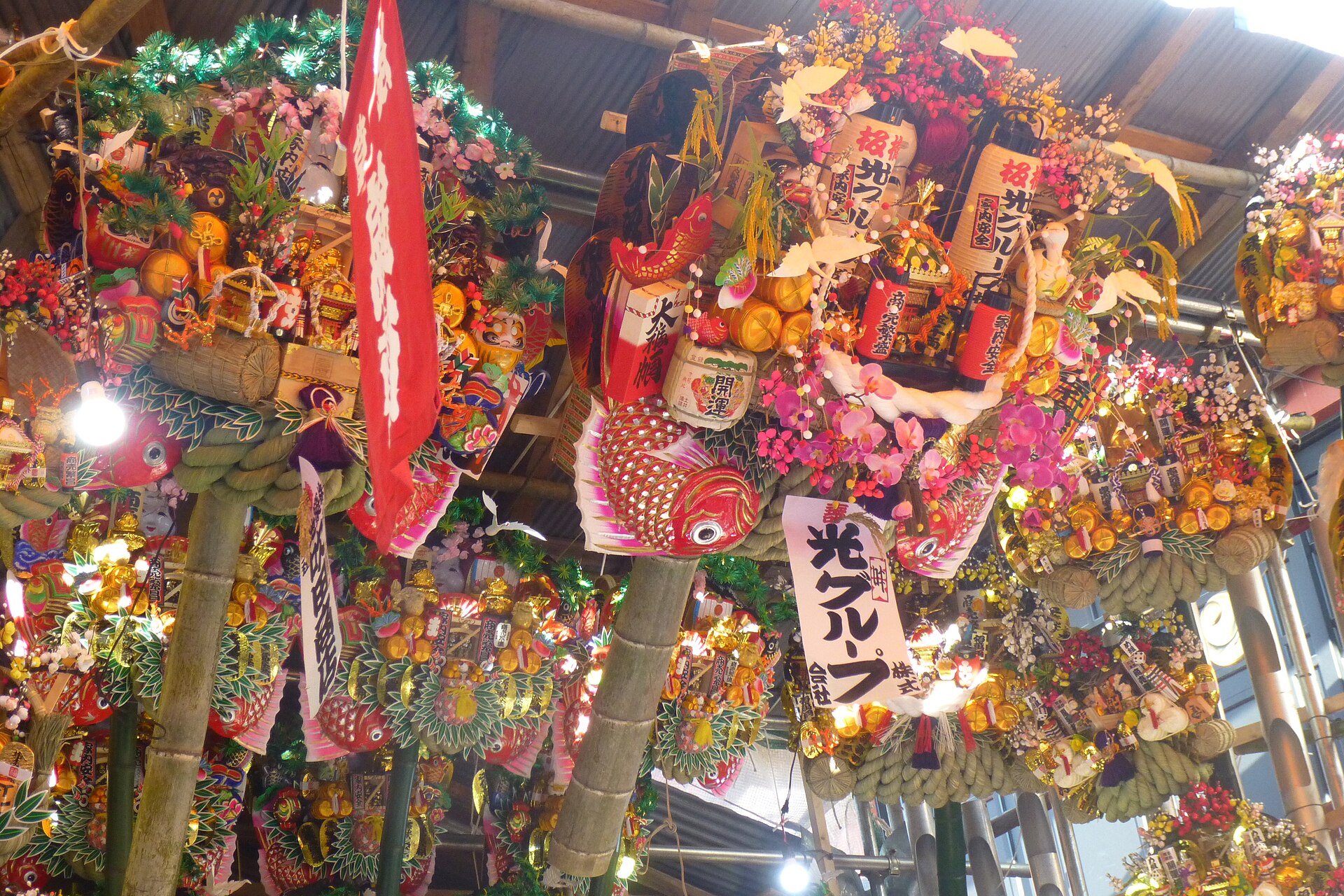
Location: Otori (Washi) Shrine, Asakusa, Tokyo
Entrance Fee: Free
Opening Times: All day and night
Website: Asakusa Tori-no-Ichi
The season of good fortune begins here. Stalls overflow with glittering kumade bamboo rakes believed to “rake in” luck for the year ahead. Vendors call out “Engi yōshi!” as bargains are struck. Carry small bills for charms and snacks, and shoot photos from the side to capture the layers of decorations. In 2026 the fair is held on Saturday, November 7 and Thursday, November 19 (the first and second “rooster days”); there is no third Tori-no-Ichi in November 2026.
Shichi-Go-San (Nationwide), Nov 15
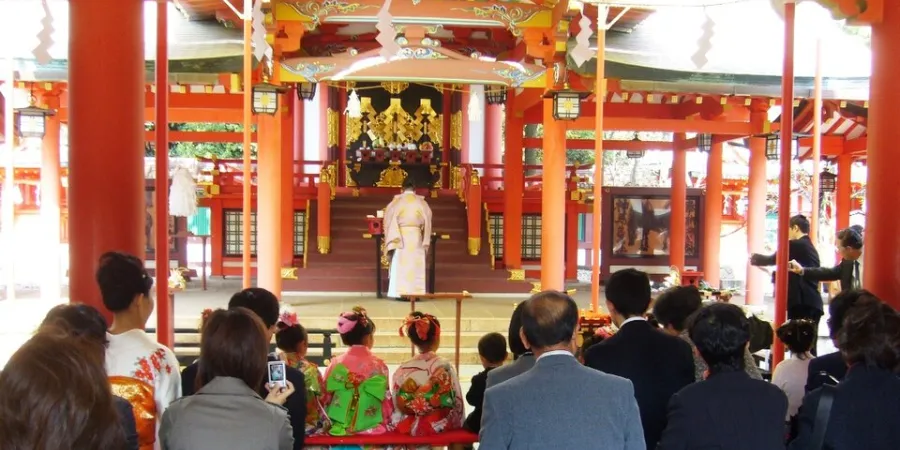
Location: Celebrated nationwide at local shrines
Entrance Fee: Free
Opening Times: Varies by shrine
Website: Web Japan
Families mark this day by bringing children aged three, five, and seven to shrines for blessings, formal photographs, and traditional footwear such as tabi. It isn’t a raucous festival, but it offers travellers a quiet glimpse into Japanese family life; be respectful around photo sessions and maintain a polite distance. In 2026, November 15 falls on a Sunday, so major shrines will be particularly busy.
Tokyo Ramen Festa (Tokyo), Oct 30 to Nov 3
Location: Komazawa Olympic Park, Setagaya, Tokyo (12 minutes’ walk from Komazawa-Daigaku Station on the Tokyu Den-en-toshi Line)
Entrance Fee: Free; each bowl costs one ¥1,100 meal ticket
Opening Times: 11:00 AM to 8:00 PM, last bowls at 7:30 PM (on November 3, closes at 7:00 PM with last bowls at 6:30 PM)
Website: GO TOKYO
Tokyo Ramen Festa brings ramen shops from across the country to one park, so you can try regional styles side by side without leaving Tokyo. The 2026 edition runs from October 30 to November 3, so it overlaps with the first days of November, and it is billed as the last one held at Komazawa Olympic Park. It goes ahead in the rain. There is more on the festival in our guide to festivals in Japan in October.
Korankei Maple Festival (Aichi), throughout November
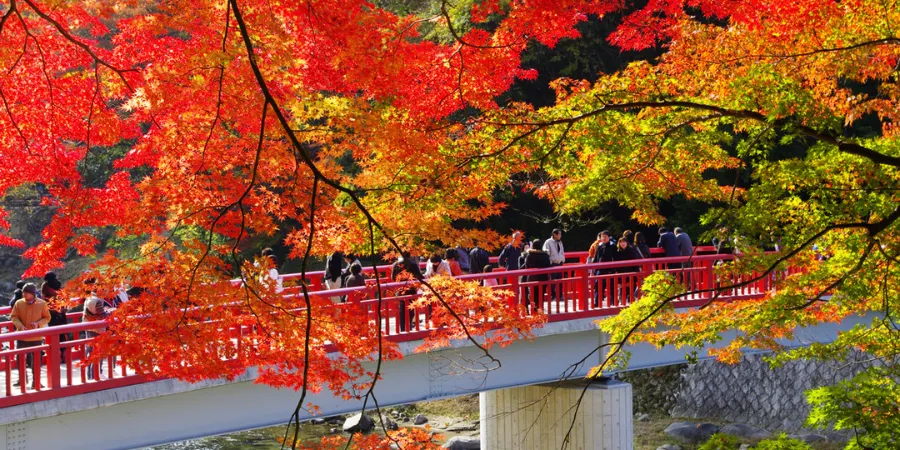
Location: Korankei Gorge, Toyota City, Aichi Prefecture
Entrance Fee: Free
Opening Times: 9:00 AM to 9:00 PM (illuminations from sunset)
Website: Tourism Toyota
The Korankei Maple Festival is among Japan’s best-known autumn foliage events, with more than 4,000 maple trees flaring red along the Tomoe River. Visitors can wander among food stalls and craft vendors by day, then return after dark for light-ups that set the valley aglow. It makes an excellent day trip from Nagoya and runs throughout November 2026.
Kiyomizu-dera Autumn Night Viewing (Kyoto), Nov 21 to 30
Location: Kiyomizu-dera, Higashiyama, Kyoto (about 25 minutes’ walk from Gion-Shijo Station on the Keihan Line)
Opening Times: Open until 9:30 PM, last entry 9:00 PM
Website: Kiyomizu-dera
For the last ten days of November, Kiyomizu-dera stays open after dark and lights up its famous wooden stage and the maples below it, while a beam of blue light from the temple, which the temple says embodies the compassion of Kannon, reaches out over the city. It is one of the most popular of Kyoto’s autumn light-ups, so expect crowds on the narrow lanes leading up to the temple. Eikando, across the city near the Philosopher’s Path, holds its own night illumination from November 20 to December 6 if you want a second temple.
Building a November Trip Around One or Two Headline Events
November in Japan suits both careful planners and spontaneous wanderers: ritual and reflection by day, glowing streets and illuminations by night, and foliage framing nearly every scene. Build your trip around one or two headline events, leave room for quiet walks, and you’ll experience the country at its most colourful and welcoming.
If your trip runs on into December, our Japan in December guide picks up with the Sapporo White Illumination, which lights up from 20 November 2026, and the Setagaya Boro-ichi market on 15 and 16 December.
All event details checked on 31 October 2026 against official organisers and 2026 event calendars (Meiji Jingū, Karatsu Tourism Association, Osaka Festival of Lights, Arashiyama Hōshōkai, Asakusa Tori-no-Ichi, Web Japan, GO TOKYO, Kiyomizu-dera, Tourism Toyota). Autumn leaves forecast: Japan Weather Association, third forecast of 2026, published 28 October 2026.
Japan in November: Questions and Answers
Yes. November is one of the driest and most settled months, and it brings the autumn leaves to Tokyo, Kyoto and the south. Tokyo averages 96.3mm of rain in November against 234.8mm in October, according to the Japan Meteorological Agency’s 1991 to 2020 averages. The trade-off is crowds at famous leaf spots, especially on the two public holidays.
Later than usual in many places. The Japan Weather Association expects Arashiyama in Kyoto to reach its best from 13 November, Mount Takao in Tokyo from 15 November and Miyajima from 18 November. Kyoto’s Eikan-do and Tofuku-ji are forecast for late November to early December, and Kiyomizu-dera for early December.
Cool and mostly dry. The Japan Meteorological Agency’s averages give Tokyo a high of 16.7°C and a low of 8.8°C, and Kyoto 17.3°C and 8.4°C. Sapporo is much colder, at 8.7°C and 1.6°C. Okinawa stays warm, with Naha averaging 25.0°C by day. Pack layers for chilly evenings at temple light-ups.
The big dated ones are Karatsu Kunchi in Saga from 2 to 4 November, the Tori-no-Ichi fairs in Asakusa on 7 and 19 November 2026, and Shichi-Go-San at shrines on 15 November. In Kyoto, Kiyomizu-dera opens at night from 21 to 30 November, and Osaka’s Midosuji Illumination runs from 3 November to 31 December.
No. Shichi-Go-San falls on 15 November but is not a national holiday, so many families visit their shrine on the nearest weekend. Boys go at three and five, girls at three and seven, often in kimono or hakama, and parents buy chitose-ame, a long stick of candy in a bag printed with cranes and turtles for long life.
Two. Culture Day falls on 3 November, which is also Emperor Meiji’s birthday and the last day of the Meiji Jingu autumn festival. Labour Thanksgiving Day falls on 23 November. In 2026 that is a Monday, so trains, hotels and Kyoto’s temples will be busier than usual from Saturday 21 to Monday 23 November.