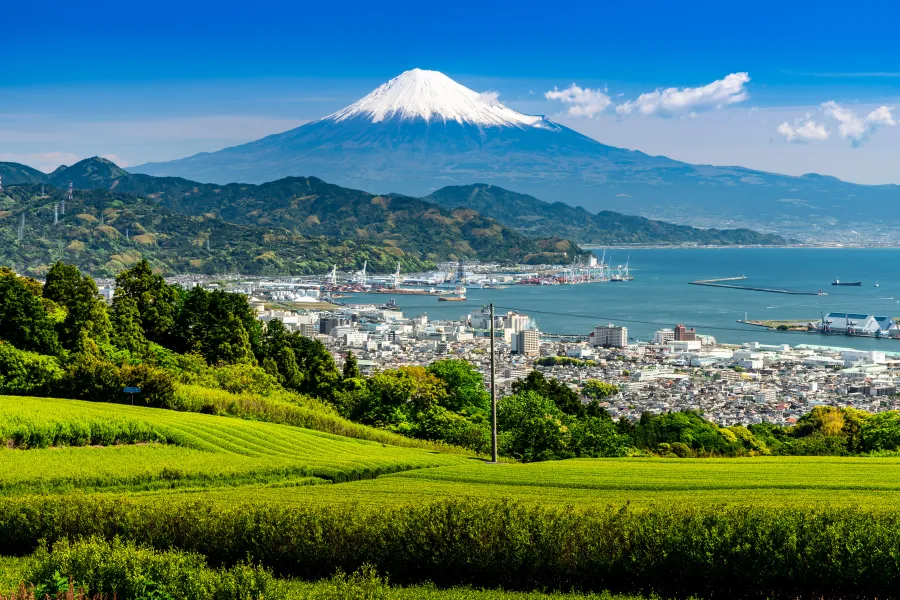
December in Japan is a month of quiet celebration and luminous nights. The calendar shifts from urban illuminations and Christmas markets to ancient year-end rites that mark the close of 2026 and welcome 2027. For travellers, the season offers a mix of festive gatherings, traditional fairs, and solemn rituals that reveal a different side of winter in Japan.
Japan in December at a glance
December weather, packing and year-end crowds in Japan
December brings crisp, dry weather and the first reliable snow across northern Japan. Average daytime temperatures range from 11°C to 12°C in Tokyo, Osaka and Kyoto, down to 1°C to 2°C in Sapporo, with lows often below freezing at night in Tohoku and Hokkaido.
Daylight is short. The sun sets at around 16:30 in Tokyo and between about 16:45 and 17:00 in Kyoto and Osaka, so plan festival visits and light-up viewing for late afternoon and evening.
Packing for December cold in Japan
- Thermal base layers, a warm mid-layer (fleece or wool), and a windproof, water-resistant outer jacket.
- Warm hat, gloves, scarf, and thick socks for evening events and outdoor markets.
- Non-slip soles or clip-on ice grips if you’re attending night events in snow-prone areas.
- Moisturiser and lip balm to combat dry indoor heating and cold winds.
Year-end crowds from 29 to 31 December
December starts quietly. Most cities stay spacious until mid-month, making it ideal for Tokyo’s winter lights, Setagaya Boro-ichi, and early-season illumination events. Crowds shift noticeably from 29 to 31 December 2026 as people prepare for the New Year (Oshōgatsu 2027). Transport and accommodation around Ōmisoka (Thursday, 31 December 2026) and the first days of January can be busy, especially at major shrines and temples for hatsumōde (first visit of the year).
If your trip touches the year-end period, book Shinkansen seats and lodging early, and expect some shops, museums and restaurants to close from the afternoon of 31 December through 1 to 3 January.


December 2026 illuminations, markets and New Year’s Eve in Japan
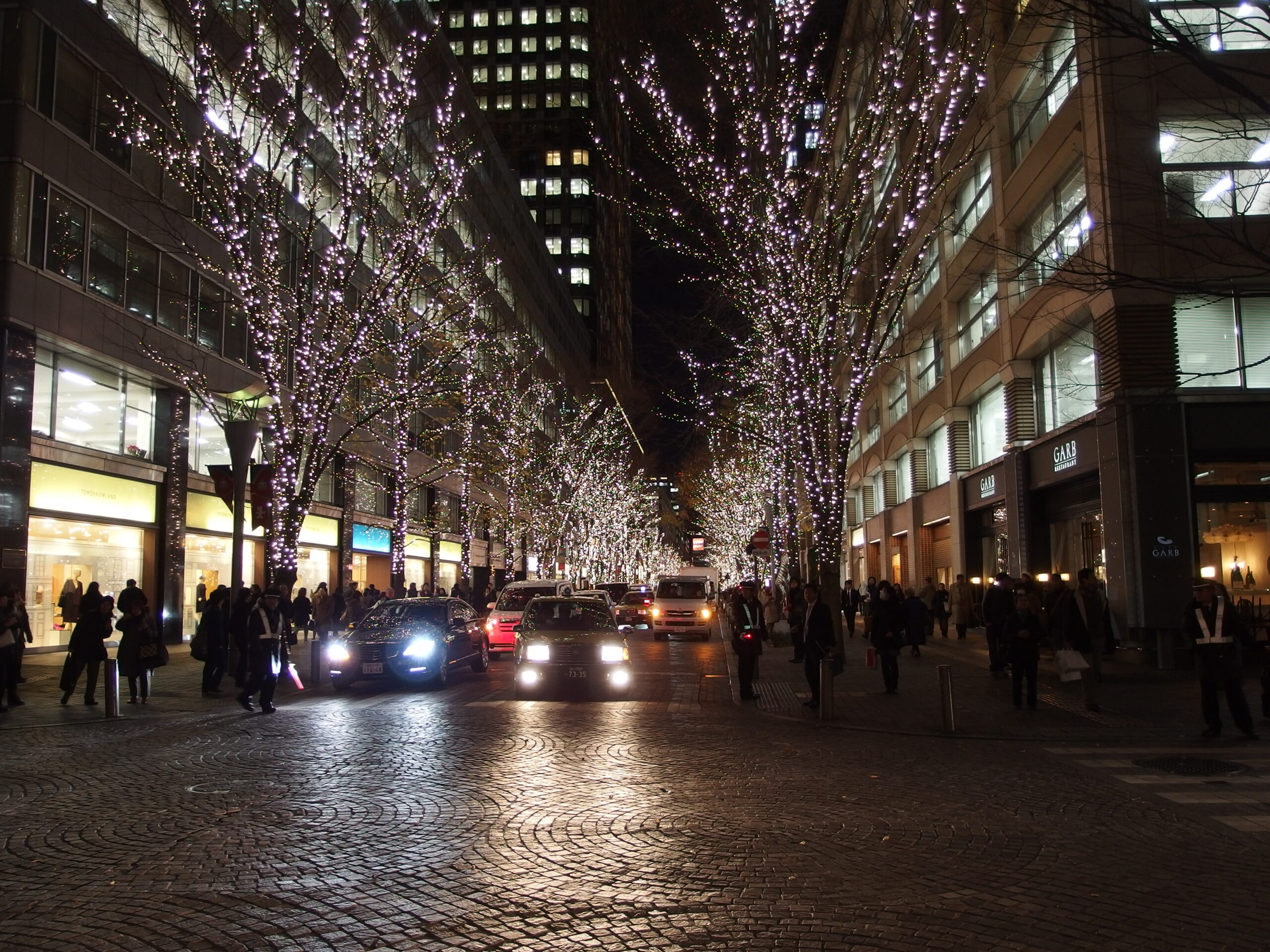
Roppongi Hills Christmas Market and Keyakizaka Illumination (Tokyo), November to 25 December
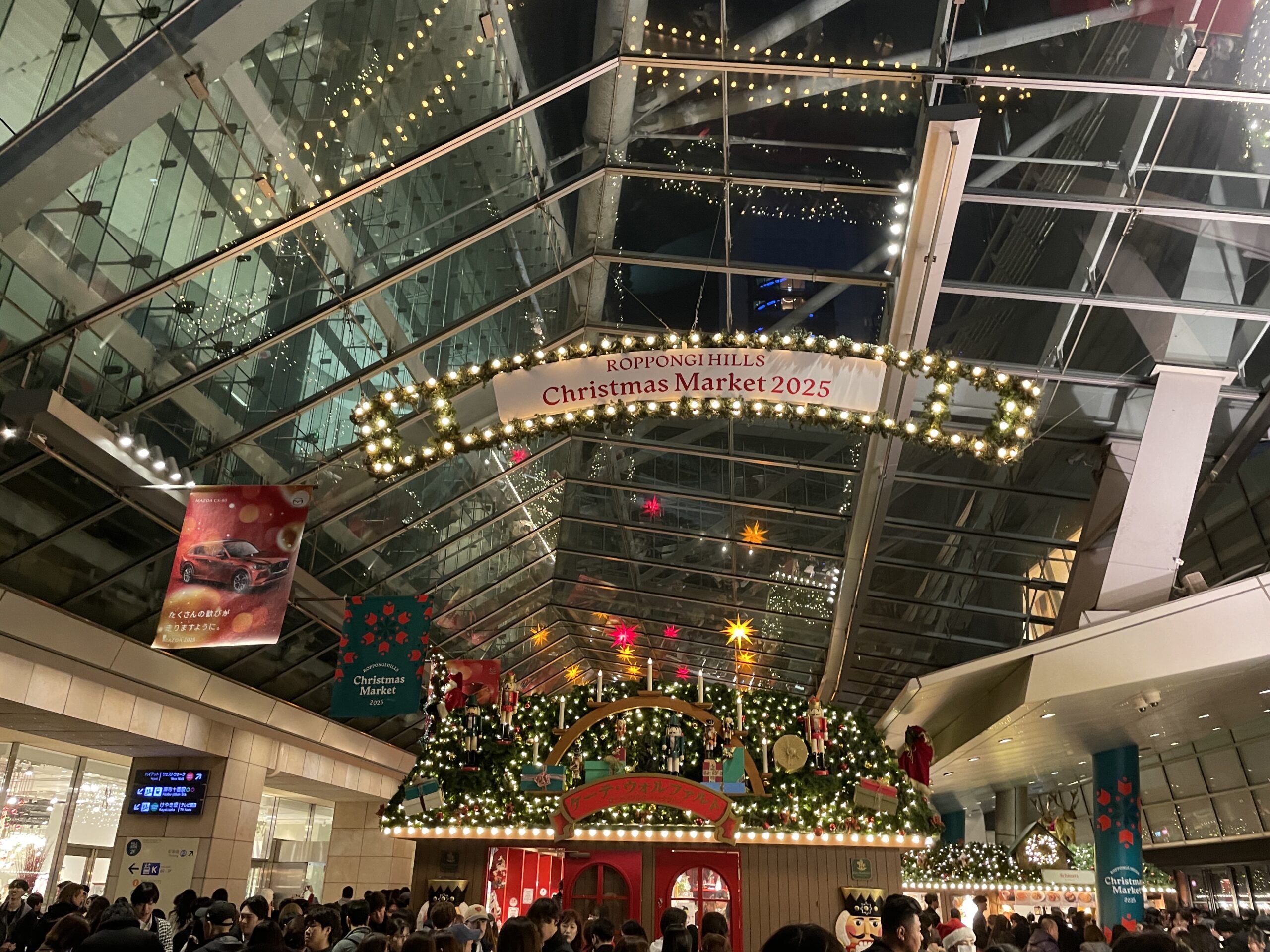
Where: Oyane Plaza (market) and Keyakizaka-dori (illumination), Roppongi Hills, Minato City, Tokyo
Cost: Free entry; food and drinks priced separately
When: In 2025 the market ran from 11:00 to 21:00 and the Keyakizaka Illumination from 17:00 to 23:00 (check the official site for 2026 hours)
Info: Roppongi Hills Christmas
Roppongi Hills hosts one of Tokyo’s longest-running Christmas markets, modelled on the Christmas market in Stuttgart, Germany. 2025 was its 19th year, with around ten stalls selling German Christmas ornaments (including Käthe Wohlfahrt), mulled wine and sausages. It’s ideal for a relaxed Christmas Eve stroll, since Christmas Eve in Japan is a night couples plan well ahead.
Roppongi Hills had not announced its 2026 dates at the time of writing. In 2025 the Keyakizaka Illumination ran from 4 November and the market from 22 November, both until 25 December, so expect a similar pattern and confirm on the official site. Arrive before 17:30 or after 20:00 to avoid the peak queue at the market and nearby photo spots.
Sapporo White Illumination (Hokkaido), 20 November 2026 to 14 March 2027
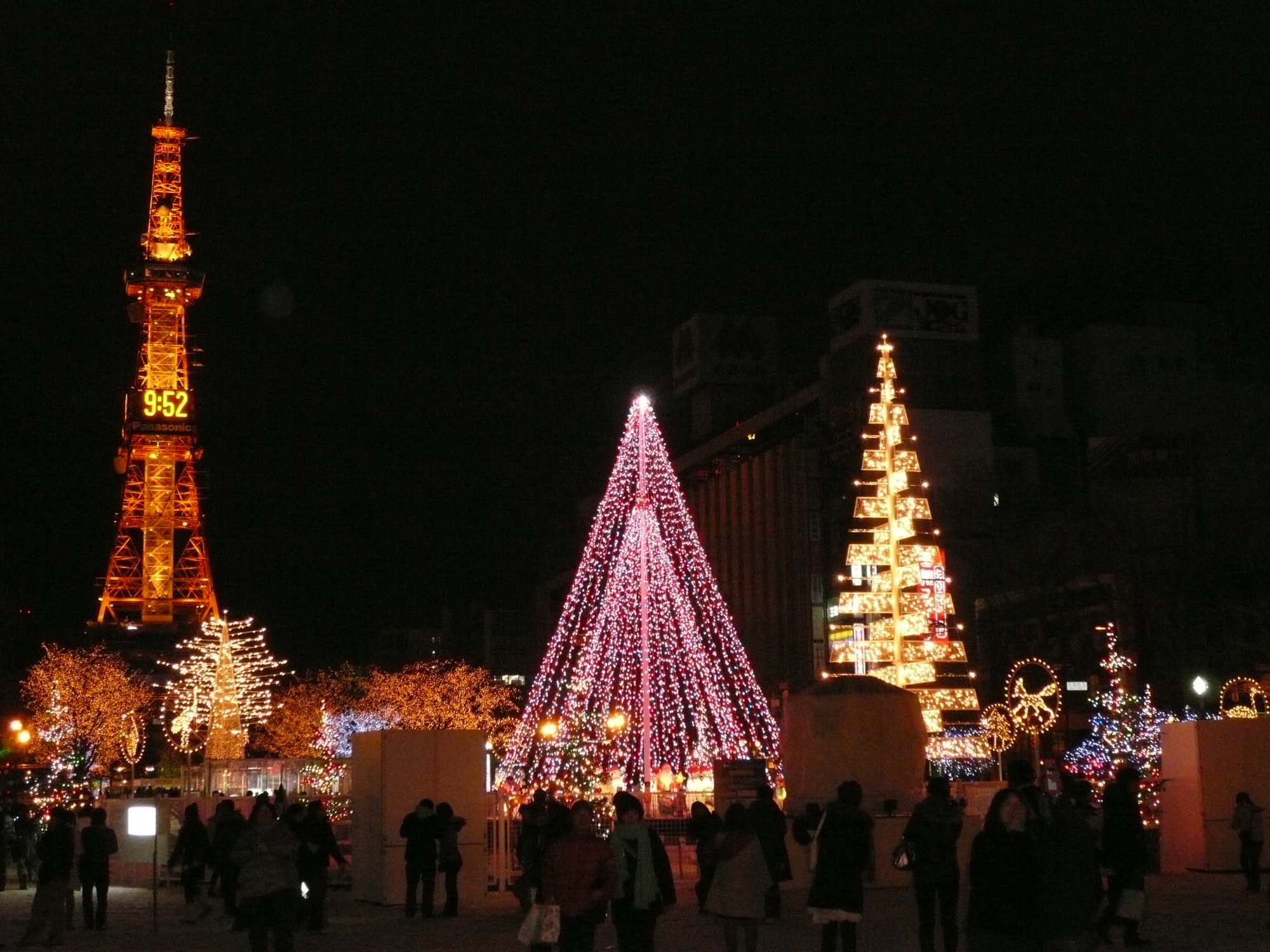
Where: Ōdōri Park, Ekimae-dori, Minami 1-jo-dori, Akapla (Kita 3-jo Plaza) and the Sapporo Station South Exit plaza, Sapporo, Hokkaido
Cost: Free
When: Ōdōri Park 20 November to 25 December 2026; Ekimae-dori 20 November 2026 to 11 February 2027; the other three venues 20 November 2026 to 14 March 2027. Lights typically 17:00 to 22:00, varying by venue
Info: Sapporo White Illumination
Sapporo’s White Illumination turns Ōdōri Park and surrounding streets into a glowing winter promenade, with sculptures, colour installations and snow-laden trees. The crisp, dry cold gives the lights a clarity you won’t find in warmer cities. The event began in 1981 with around 1,000 bulbs in Ōdōri Park, its organisers bill it as Japan’s first illumination, and 2026 is its 46th edition. A new Nakajima Park venue is planned for early to late January 2027.
Nabana no Sato Winter Illumination (Mie), 17 October 2026 to 31 May 2027
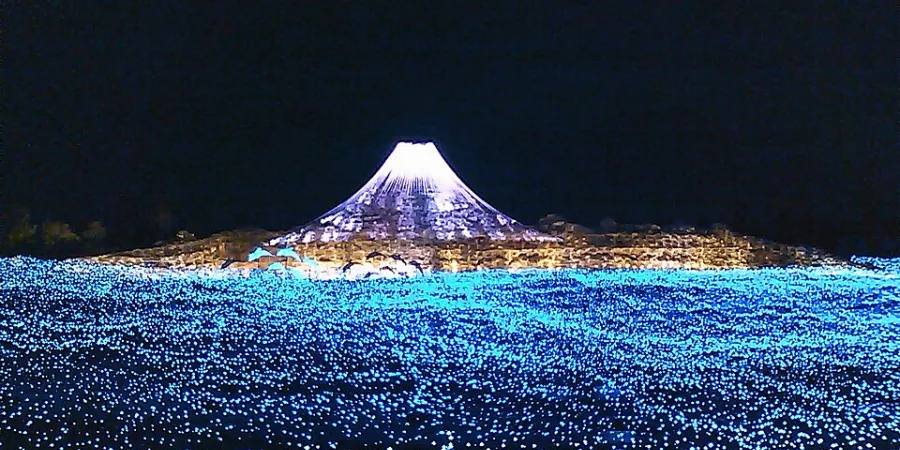
Where: Nabana no Sato, Kuwana, Mie Prefecture (near Nagoya)
Cost: In December ¥3,000 bought in advance at FamilyMart or Seven-Eleven, or ¥3,200 at the gate (¥2,500 in advance before 21 November). Every ticket includes a ¥1,000 voucher to spend on food and shopping in the park, plus entry to the Begonia Garden. Children below primary school age go free
Christmas: From 23 to 25 December the park opens from 15:00 only and needs a date-specific advance ticket (any left on the day cost ¥5,500 at the gate)
When: Opening and lighting times vary by date; check the calendar on the official site
Info: Nabana no Sato Illumination
Just outside Nagoya, Nabana no Sato hosts one of Japan’s grandest winter light events. Over 5.8 million LEDs animate botanical gardens with shifting landscapes, from golden tunnels to aurora-inspired scenes. Highlights include the 200 metre Tunnel of Light, a large water illumination and the main field display, whose theme changes each year.
Setagaya Boro-ichi (Tokyo), 15 and 16 December
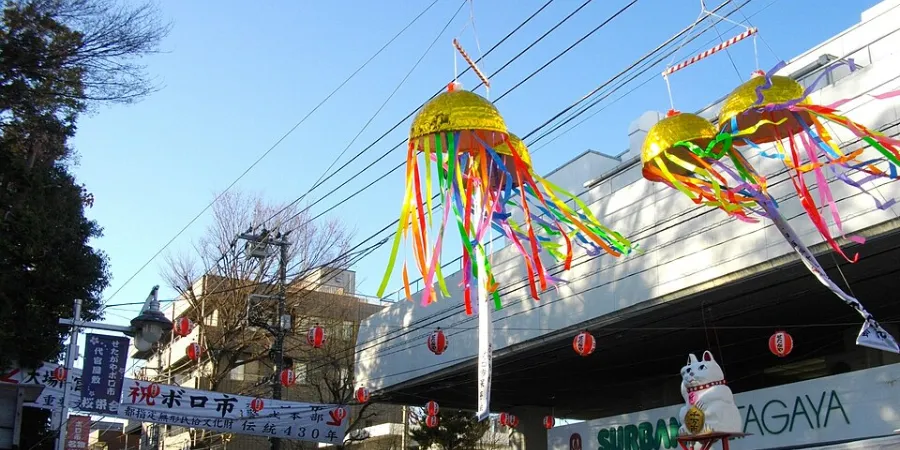
Where: Boro-ichi Street around the Daikan Yashiki, Setagaya 1-chome, Setagaya, Tokyo (3 minutes on foot from Setagaya or Kamimachi stations on the Tokyu Setagaya Line)
Cost: Free
When: 9:00 to 20:00 (some stalls close earlier; times can change with the weather)
Info: Setagaya City: Boro-ichi
Setagaya Boro-ichi grew out of a tax-free market first opened in 1578 and is now held on 15 and 16 December and 15 and 16 January every year. It remains one of Tokyo’s most atmospheric winter markets and draws around 200,000 people a day. The 2026 winter edition falls on Tuesday 15 and Wednesday 16 December, with hundreds of stalls selling everything from daily necessities and vintage clothing to antiques and handmade winter goods.
Ōmisoka (大晦日): New Year’s Eve, 31 December
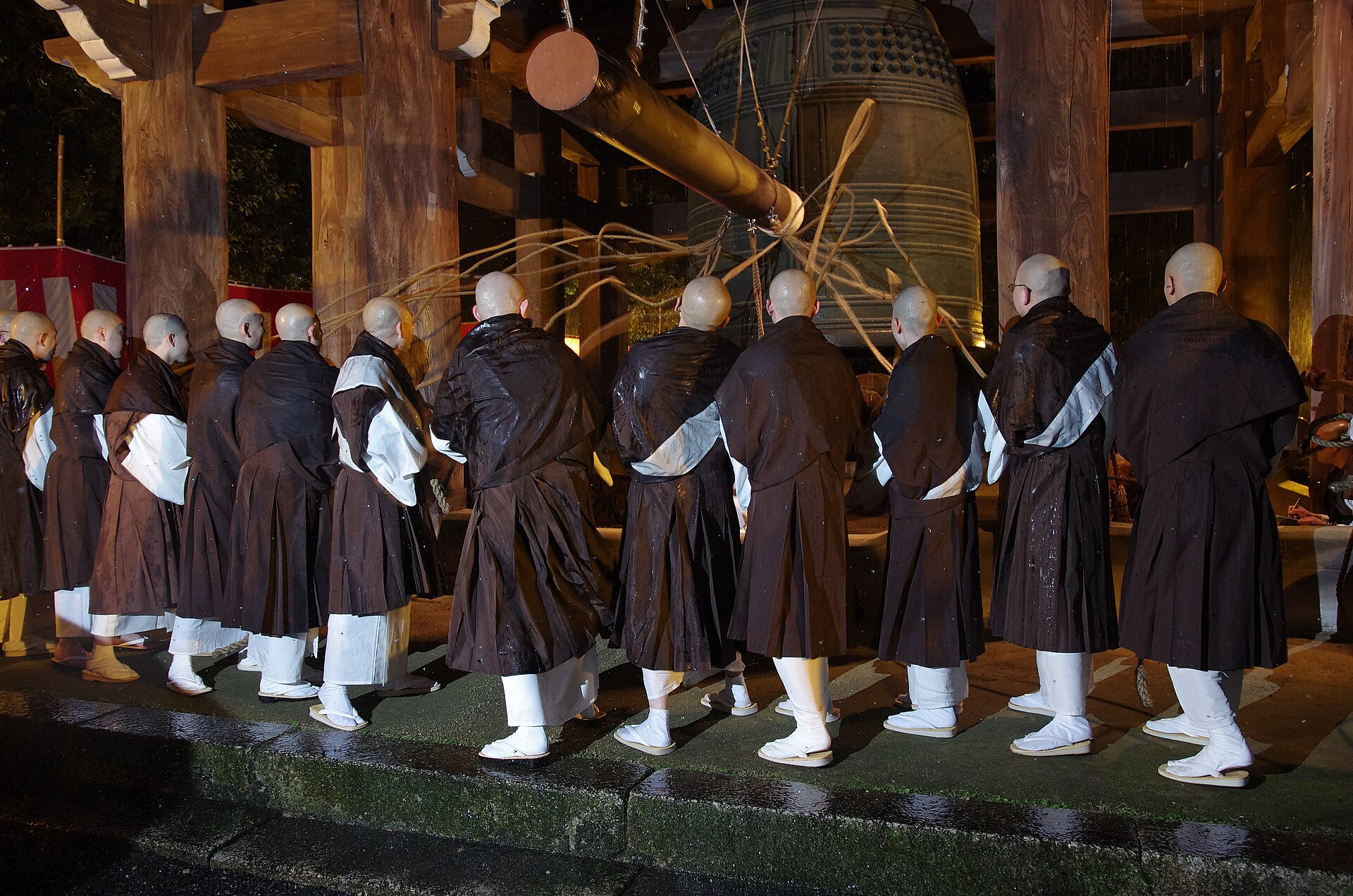
Where: Temples and shrines nationwide (notable examples below)
Cost: Free (some venues may request a small donation)
When: Evening of 31 December into early hours of 1 January
More culturally significant than Christmas, Ōmisoka marks the close of the year. On Thursday, 31 December 2026, temples across Japan ring joya-no-kane (除夜の鐘), 108 bell tolls symbolically clearing worldly desires, ahead of New Year (Oshōgatsu) 2027. Some temples allow visitors to participate in the bell-ringing; shrines prepare for hatsumōde (初詣), the first visit of the New Year, with yatai stalls and lantern-lit paths.
In Kyoto, Chion-in gives the ritual its grandest form. Seventeen monks work the temple’s Ōgane bell, cast in 1636 and weighing around 70 tonnes, with one monk on the parent rope and sixteen on the child ropes, and they strike it 108 times across midnight. Watching from inside the belfry needs a ticket, and Chion-in announces and sells those in early December on a first come, first served basis, so check from the start of the month. Visitors do not ring the bell themselves. If the tickets have gone by the time you look, the free test ringing on an afternoon in late December puts the same seventeen monks through the same routine in daylight.
Yasaka Shrine is the other Kyoto stop worth planning around. Its okera fire burns in lanterns hung through the precinct from about 19:30 on 31 December until roughly five the next morning, and a ¥200 okera-gi tablet lets you write a wish for a year free of illness and send it into the flames. Visitors are asked to put the fire out before boarding a train or bus. Bear in mind that Kyoto city buses and the subway do not run all night on New Year’s Eve, and last services are not put back either, so work out how you are getting home before you set off. Our Kyoto travel guide covers temple hours, cash and the New Year slowdown across the city.
Kenrokuen Garden and its yukitsuri rope cones (Kanazawa), all December
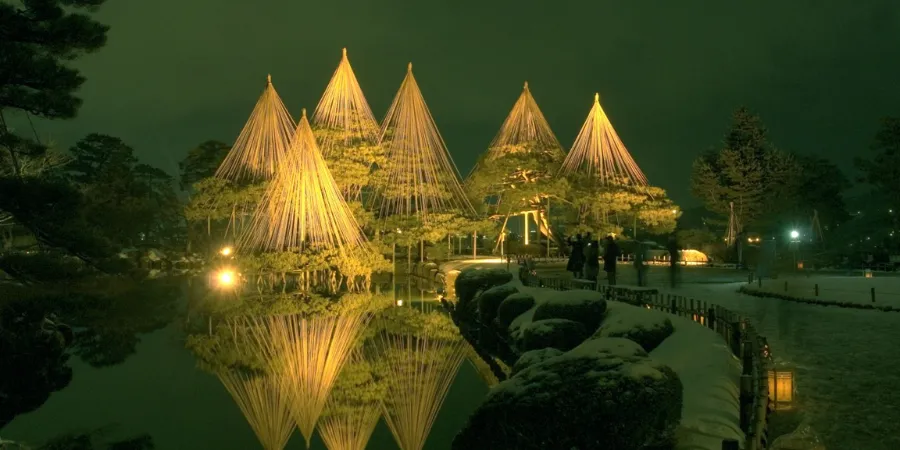
Location: Kenrokuen Garden, Kanazawa, Ishikawa
Hours: 8:00 to 17:00 from 16 October to the end of February (last entry 16:30)
Cost: ¥320 adults; ¥100 children aged 6 to 17; free for those aged 65 and over with ID; free for everyone from 31 December to 3 January
Light-ups: Winter light-up on 6 to 10, 13, 20 and 27 February 2027, 18:00 to 20:45, free entry
Website: Kenrokuen Garden official site
Kanazawa’s Kenrokuen Garden holds its evening light-ups on select nights in autumn, finishing in late November, and again in February, when the winter light-up returns for 2027 with free entry during illumination hours. There is no light-up in December, so plan a daytime visit.
December is still a good month for the garden, because the pine trees wear their yukitsuri (雪つり), cones of rope that hold up the branches under the weight of snow. Gardeners start fitting them in early November and they stay in place until mid-March, and they pair well with a winter visit to Kanazawa.
Shirakawa-go Winter Light-Up (Gifu), January 2027 (planning note for December travellers)
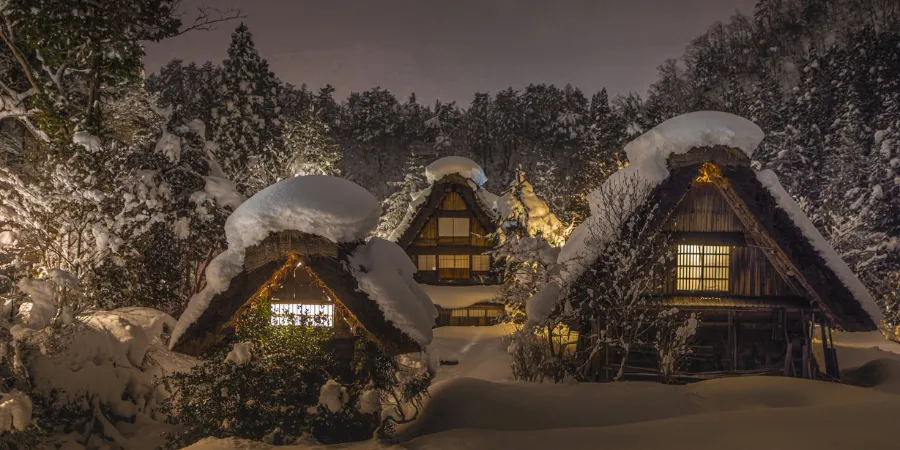
The UNESCO World Heritage village of Shirakawa-go hosts its famous winter light-up on select nights in January. For the 2026 to 2027 season the dates are 11, 17, 24 and 31 January 2027, from 17:30 to 19:30. Every visitor needs an advance reservation, whether arriving by bus, car or taxi, and anyone without one is turned away. Booking opened in September 2026 through the Shirakawa-go Tourist Association.
If you’re planning a December trip, note that there are no December light-up nights; the village remains open for day visits, but snow can restrict road and shuttle access. Use this as a forward-planning note if you’re extending your stay into early January 2027.
Splitting a December 2026 trip between the illuminations and Ōmisoka
December suits travellers who like an unhurried pace. The season’s charm sits in small details: lantern-lit paths, quiet temple courtyards, steaming bowls of noodles after a night illumination, and landscapes shifting from late-autumn colour to winter white. Whether you wander a centuries-old market, join a bell-ringing ceremony, or chase the year’s first snowfall at a light festival, each region offers its own version of winter celebration.
For the smoothest trip, use the first half of the month for city illuminations and cultural events in Tokyo, Nagoya and Sapporo, then plan around Ōmisoka (31 December 2026) and the New Year holiday if you want to experience year-end rituals. What stays with you are the rituals that close one year and open the next. Wrap up warm, book key legs early, and let December guide you; Japan saves some of its most memorable moments for this time of year, as 2026 gives way to 2027.