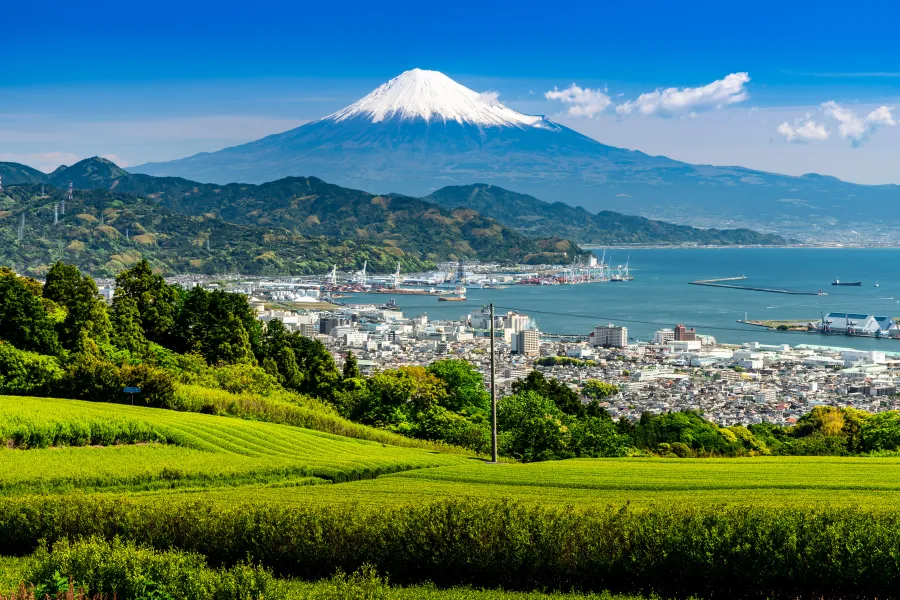
October in Japan is when summer finally lets go: the humidity lifts, the light softens, and the first waves of red and gold begin to move down from Hokkaido toward the rest of the archipelago. Streets fill with the scent of roasted chestnuts and grilling sanma, izakaya menus switch to sake brewed for autumn, and shrines gear up for some of the year’s most dramatic fire rituals and historical processions.
For travellers, this is one of the most rewarding times to visit. Days are comfortably cool, typhoon risks ease after mid‑month, and nearly every weekend brings a major cultural festival. If you’re planning a trip to Japan, here’s what to expect from the weather, crowds, and foliage, plus ten unique October festivals you won’t want to miss.
Japan in October at a glance
Planning Ahead: Weather, Packing, Crowds
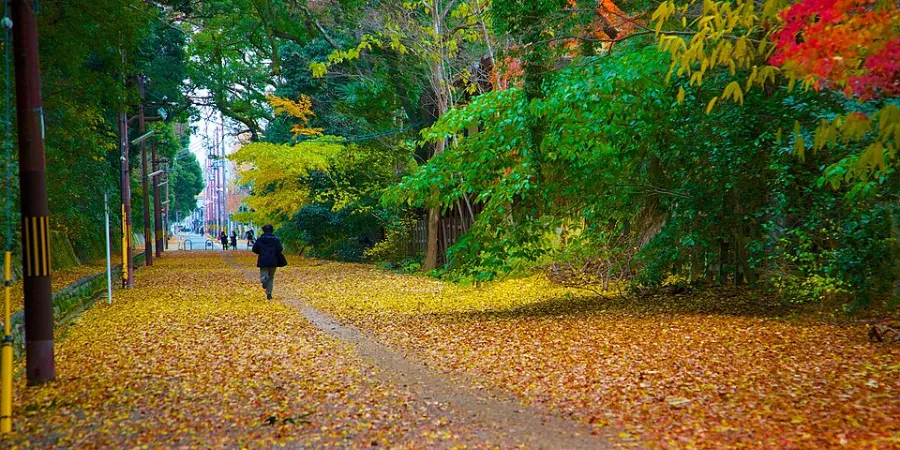
October marks the real beginning of autumn in Japan. Average temperatures range from about 12 to 22°C (54 to 72°F), depending on region: cooler in Hokkaido and the mountains, mild in Tokyo and Kyoto, and still warm in Kyushu and Okinawa. Humidity drops compared to September, and typhoon risks decrease by mid‑month, so outdoor festivals and hikes are far more comfortable.
Autumn foliage timing
Much like cherry blossoms in spring, the changing leaves follow a north‑to‑south wave:
- Mid to late October: Hokkaido (Daisetsuzan National Park, Sounkyo Gorge) sees peak colours, with brilliant reds and oranges. The Tohoku region (Aomori, Akita, Iwate) transforms next, making spots like Lake Towada and Hachimantai perfect for koyo (autumn leaf viewing).
- Late October onward: Colours begin to touch the Nikko and Nagano mountains, offering a stunning backdrop to October’s festivals. Kyoto and Tokyo remain mostly green in October, with peak foliage coming in November.
What to pack
Light layers work best: a sweater or jacket for evenings, breathable clothes for daytime walks, and good walking shoes for both city festivals and nature trails. If you’re heading to Hokkaido or the Japanese Alps, bring a warmer layer; for Kyushu and Okinawa, expect warmer, T‑shirt weather.
Crowds and booking
October is generally less crowded than spring or August, but popular events like the Takayama Autumn Festival and Jidai Matsuri in Kyoto can still draw big crowds. Plan accommodation early if your trip centres on specific festival dates, and consider arriving early on the day for good viewing spots.



10 Things to See and Do in Japan in October
Japan in October feels alive with change. From northern towns to Kyoto’s grand avenues, the month is rich with festivals and food gatherings that bring communities together. These ten events capture the spirit of the season.
Nihonmatsu Lantern Festival (Fukushima): Oct 3 to 5

Location: Nihonmatsu, Fukushima Prefecture
Entrance Fee: Free
Opening Times: Evening processions
Website: Nihonmatsu Travel Guide
The Nihonmatsu Lantern Festival fills the streets with towering floats decorated with hundreds of lanterns. Dating back to the 17th century, the event was established to pray for the prosperity and safety of the town. At night, the sight of illuminated floats parading through narrow streets creates an unforgettable atmosphere.
Nagasaki Kunchi Festival (Nagasaki): Oct 7 to 9
Location: Nagasaki City, Nagasaki Prefecture
Entrance Fee: Varies by venue – see ticket page
Opening Times: Parades and performances from morning to evening over three days
Website: Nagasaki Kunchi (English)
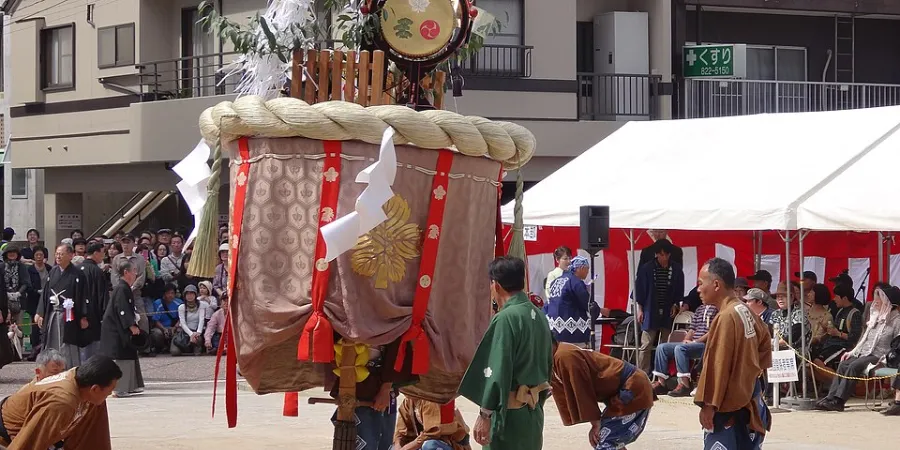
Nagasaki Kunchi is one of Japan’s most colourful autumn festivals. With a 400‑year history blending Japanese and Dutch‑Chinese influences, it reflects Nagasaki’s role as a historic trading port. Highlights include extravagant floats shaped like ships and energetic dances performed across the city.
Performances feature massive dragon dances, ornate floats shaped like ships, and music with a distinctly foreign flavour. Each year, different neighbourhoods (odori‑cho) take turns presenting their elaborate floats, making the festival a sight to behold.
Takayama Autumn Festival (Takayama, Gifu): Oct 9 to 10
Location: Hachiman Shrine, Takayama, Gifu
Entrance Fee: Free
Opening Times: Oct 9: 9:00–21:00; Oct 10: 9:00–16:00
Website: Hida Takayama Tourist Information
Witness one of Japan’s most beautiful festivals as Takayama’s autumn matsuri showcases ornately carved floats from the Edo period. Mechanical puppet performances (karakuri ningyo) add to the spectacle, while the backdrop of Takayama’s preserved old town enhances the atmosphere.
Asama Onsen Taimatsu (Matsumoto, Nagano): Oct 11 to 12
Location: Asama Onsen, Matsumoto, Nagano
Entrance Fee: Free
Opening Times: 19:00–21:30
Website: Visit Matsumoto (search “Asama Onsen Taimatsu”)
This torch festival has roots in a fire ritual to ward off epidemics. Locals carry giant flaming torches through the streets of Asama Onsen, creating a dramatic night procession as they make their way to the local shrine as an offering. The fiery spectacle is paired with drumming and chanting, giving visitors a glimpse of Japan’s folk traditions.
Otsu Matsuri (Otsu, Shiga): Oct 10 to 11
Location: Tenson Shrine, Otsu, Shiga
Entrance Fee: Free
Opening Times: Daytime parades, with floats lit up in the evening
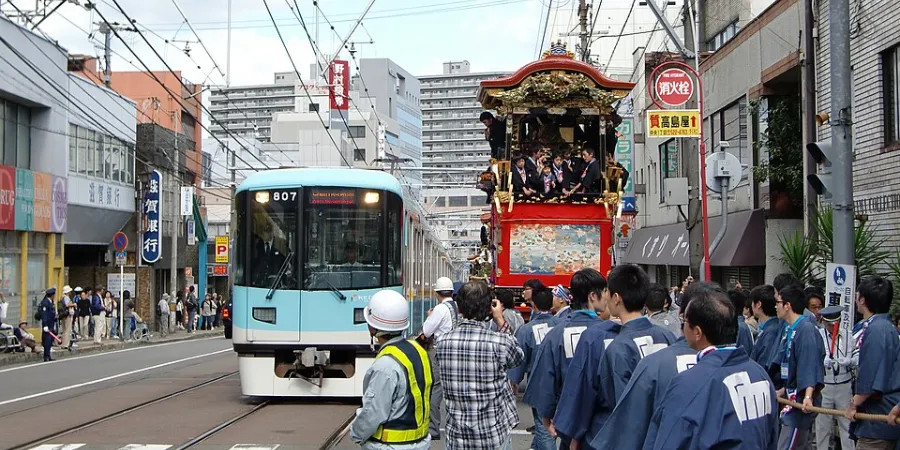
First celebrated in the early 1600s, Otsu Matsuri honours local deities with 13 tall floats (hikiyama) created during the Edo period, each decorated with elaborate tapestries and mechanical dolls. All floats are assembled using only tenons and ropes.
Each float carries 20-25 people, including musicians and karakuri puppeteers, and is pulled by around 20-30 people. Visitors can enjoy traditional festival music and street stalls lining the area near Lake Biwa.
Nada Kenka Matsuri (Himeji, Hyōgo): Oct 14 to 15
Location: Matsubara Hachiman Shrine, Himeji, Hyōgo
Entrance Fee: Free
Opening Times: Events run morning to evening; peak clashes in daytime
Website: Real Himeji
Known as Japan’s “fighting festival”, Nada Kenka pits massive mikoshi (portable shrines) against each other in vigorous clashes. The floats are carried by men from high school age to around 45. This event symbolises strength, fertility, and the hope for good harvests. For visitors, it’s a raw, energetic festival unlike any other in Japan.
Nikkō Tōshōgū Shuki Taisai (Nikkō, Tochigi): Oct 16 to 17
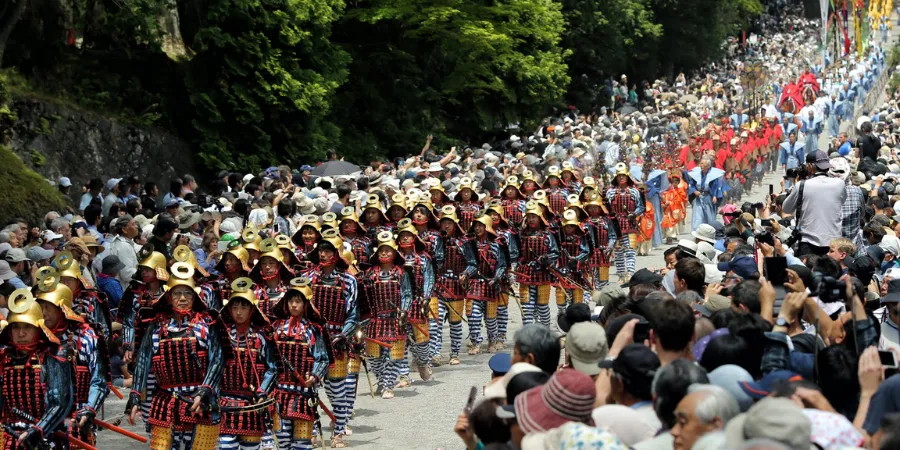
Location: Nikkō Tōshōgū Shrine, Tochigi
Entrance Fee: Shrine admission fees apply – check website
Opening Times: Main procession begins around 11:00
Website: Nikko Toshogu
This autumn ritual at Nikko’s famous Toshogu Shrine features the “Hyakumono Gyoretsu” (Procession of 1,000 Samurai). Participants in full armour reenact the transfer of Tokugawa Ieyasu’s spirit to Nikko. Combined with Nikko’s early autumn colours, it’s a festival steeped in history and pageantry.
Niihama Taiko Festival (Niihama, Ehime): Oct 15 to 18
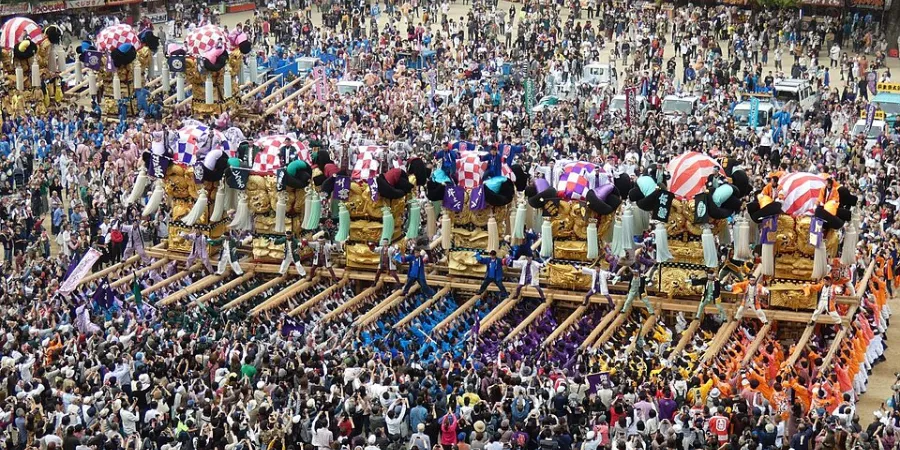
Location: Niihama City, Ehime
Entrance Fee: Free
Opening Times: Parades morning to night (varies by district)
This event centres on huge taiko drum floats carried by teams of men through the streets as a celebration of a bounty of fall crops and fishing. The floats, weighing over 2 tons, are paraded, lifted, and even “battled” in displays of stamina. It’s a thrilling and deeply local festival in Shikoku.
Jidai Matsuri (Kyoto): Oct 22
Location: Heian Shrine, Kyoto
Entrance Fee: Free to watch along route; paid seating available – see seat info
Opening Times: Procession starts around 12:00
Website: Kyoto Travel Navi
Jidai Matsuri (Festival of the Ages) is one of Kyoto’s three major festivals. The event is a grand parade of around 2,000 participants in costumes spanning 1,000 years of Kyoto history, from samurai to courtiers, keeping the city’s glorious history alive.
Tokyo Ramen Festa (Tokyo): Oct 30 to Nov 3
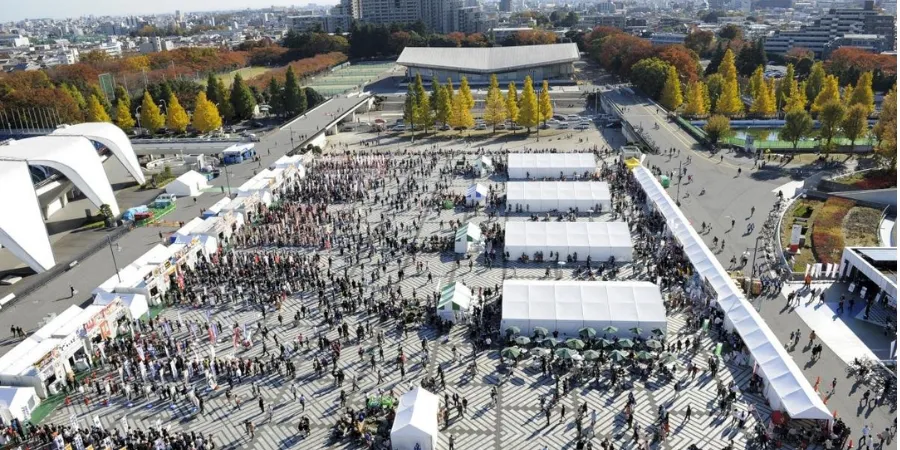
Location: Komazawa Olympic Park, Tokyo
Entrance Fee: Free entry; ramen bowls around ¥1,100 each
Opening Times: 10:30–21:00
Website: Tokyo Ramen Festa
For food lovers, Tokyo’s largest outdoor ramen festival brings together regional noodle shops from across Japan. Visitors can sample unique broths and toppings, from Hokkaido miso to Kyushu tonkotsu. It’s a great way to experience Japan’s culinary diversity in one place.
Final Thoughts
October is one of the most rewarding months to explore Japan, with a mix of crisp autumn air, fiery foliage in the north and mountains, and a festival calendar that blends pageantry, ritual, and sheer energy. From the torch processions of Nagano to Kyoto’s grand historical parade, each event offers a different lens into Japan’s regional character.
If your trip falls in this season, plan ahead: many festivals attract large local crowds, and the best vantage points often require arriving early.