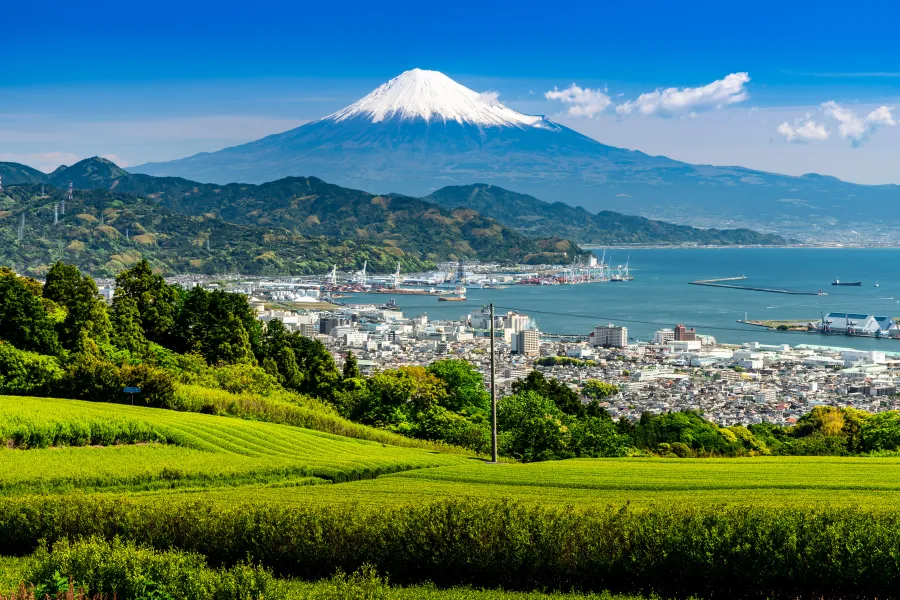
August in Japan is loud, luminous, and alive with movement. It is the month when the country leans fully into summer: with lanterns glowing after sunset, taiko drums echoing through city streets, and fireworks painting the night sky in bursts of colour.
However, August goes beyond spectacle. It is Obon season, one of Japan’s most meaningful times of year, when families honour their ancestors, hometowns fill up with return visits, and old rituals continue to shape modern life.
Japan in August at a glance
Planning Ahead

August in Japan is hot, humid, and often crowded, especially during the Obon travel period. Daytime temperatures can be intense, so lightweight clothing, a folding umbrella, a portable fan, sunscreen, and a refillable water bottle are all essential.
Book accommodation and transport early, ideally one to two months ahead, since trains and hotels fill quickly around Obon. For the biggest fireworks and parades, arrive early, bring cash for food stalls, and be prepared for large crowds at station exits and viewing areas.


10 things to do in Japan in August 2026
Hirosaki Neputa Matsuri (August 1 to 7)
Location: Hirosaki City, Aomori Prefecture
Entrance fee: Free to watch from the street, with reserved seats available on 1 to 6 August
Opening times: Evening parades, with a morning procession on the final day
Website: Hirosaki Tourism
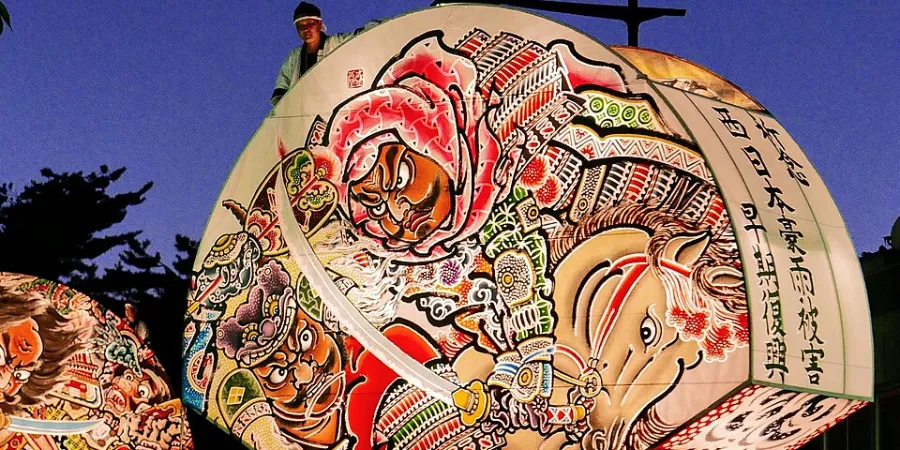
Hirosaki’s Neputa Matsuri is one of the loveliest ways to begin August, with elegant fan-shaped floats glowing through the streets of Aomori Prefecture. Compared with some of the larger, more high-energy Tohoku festivals, it has a graceful, almost poetic atmosphere.
The floats depict warriors, legends, and historical scenes, while the drumming and chanting give the nights a dramatic rhythm. If you enjoy festival culture with a strong artistic edge, this is one to prioritise.
Edogawa Fireworks Festival (August 1)
Location: Edo River banks, between Tokyo’s Edogawa Ward and Ichikawa City, Chiba
Entrance fee: Free, with some paid seating areas
Opening times: About 7:15 PM to 8:20 PM
Website: Edogawa City official site
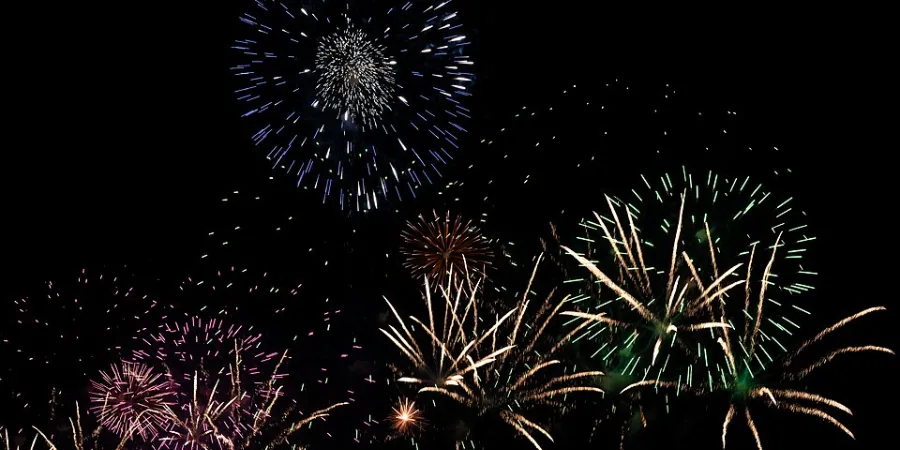
If you are in Tokyo at the start of the month, the Edogawa Fireworks Festival is a strong choice. In 2026 it takes place on Saturday, August 1, with about 14,000 fireworks launched over the Edo River between roughly 7:15 PM and 8:20 PM.
Nagaoka Fireworks Festival (August 2 to 3)
Location: Shinano River banks, Nagaoka City, Niigata Prefecture
Entrance fee: Free general viewing, with reserved seating available
Opening times: Around 7:20 PM
Website: Nagaoka Festival official site
Nagaoka is one of Japan’s most respected fireworks displays, and for good reason. The displays are famous for their grandeur and technical excellence, and the atmosphere is often deeply moving rather than simply flashy. If you want a fireworks show that feels like a true summer landmark, Nagaoka belongs at the top of your list.
Akita Kanto Matsuri (August 3 to 6)
Location: Akita City, Akita Prefecture
Entrance fee: Free, with reserved seating available for some events
Opening times: Daytime and evening sessions
Website: Kantou official site
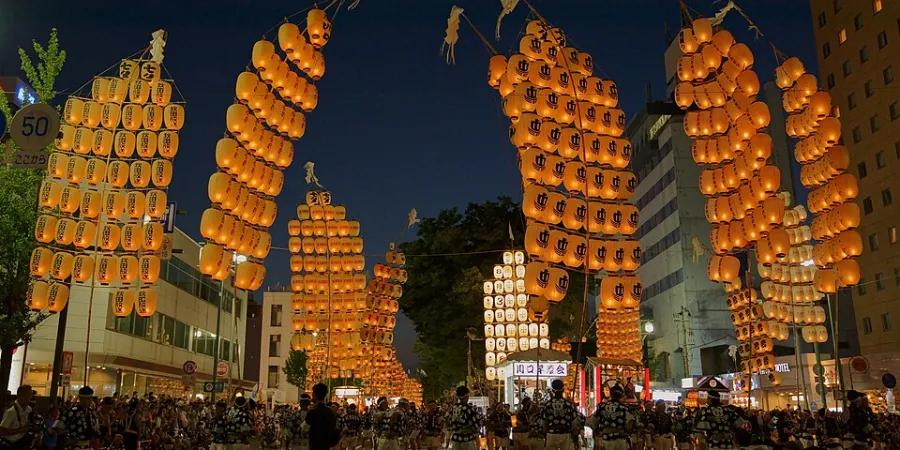
The Akita Kanto Matsuri is one of the most visually striking festivals in Japan, with performers balancing long bamboo poles loaded with glowing lanterns. In 2026, it runs from August 3 to 6 in Akita City.
The festival is rooted in prayers for a good harvest, and watching the poles sway and rise against the night sky is unforgettable.
Aomori Nebuta Matsuri (August 2 to 7)
Location: Aomori City, Aomori Prefecture
Entrance fee: Free, with some reserved seating options
Opening times: Evening parades from 7:00 PM on 2 and 3 August and from 6:45 PM on 4, 5 and 6 August, then a daytime parade from 1:00 PM on 7 August, followed by fireworks and the nebuta sea parade from 7:15 PM
Website: Nebuta official site
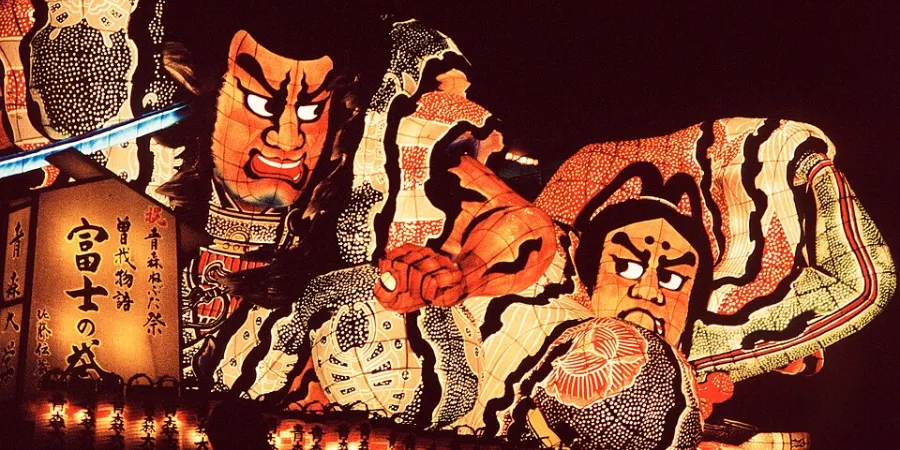
Aomori Nebuta is one of the signature festivals of summer in Japan, and its massive, illuminated floats are instantly recognisable. The 2026 event runs from August 2 to 7, bringing mythic figures, warrior scenes, and dramatic storytelling into the streets of Aomori City.
The scale is enormous, but what makes Nebuta especially memorable is the energy around it: dancers, musicians, and cheering crowds all feeding the momentum of the parade.
Awa Odori (August 11 to 15)
Location: Tokushima City, Tokushima Prefecture
Entrance fee: Free areas and paid seating available
Opening times: Indoor stage performances at 12:00 PM, 3:30 PM and 7:00 PM on 11 August, then street performances from 6:00 PM to 10:00 PM on 12 to 15 August
Website: Tokushima Awa Odori official site
Tokushima’s Awa Odori is Japan’s biggest dance festival, and one of the most joyful things you can see in August. In 2026, the main event runs from August 11 to 15, filling the streets with dancers, shamisen music, and the famous call of “Yatto-sa!”
What makes Awa Odori so appealing is its spirit of collective movement. If you want a festival that feels exuberant, social, and deeply traditional at the same time, this is it.
Bon Odori And Obon (August 13 to 16)
Location: Across Japan
Entrance fee: Usually free
Opening times: Varies by community
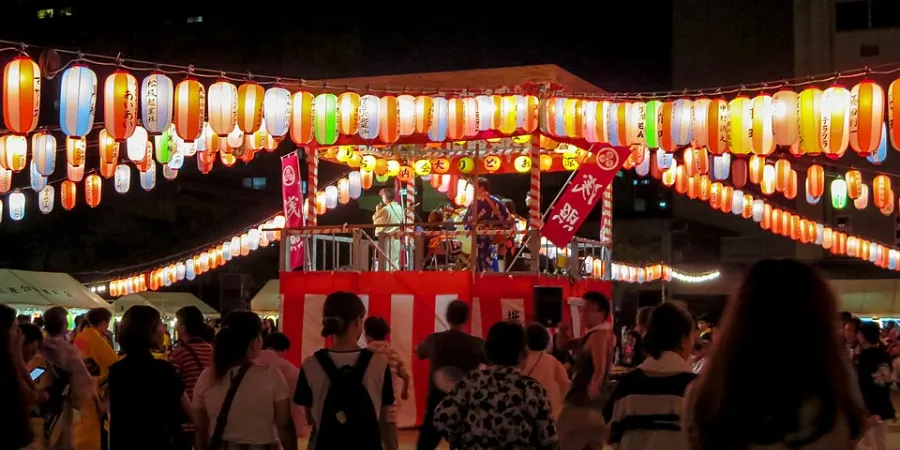
Obon is one of Japan’s most important seasonal observances, and it gives August its emotional centre. Families gather, visit graves, light lanterns, and honour ancestral spirits, while many communities also host Bon Odori dances in public spaces or temple grounds.
For travellers, this is a beautiful time to see a quieter side of Japanese summer. Bon Odori events are often welcoming to visitors, and they offer one of the most meaningful ways to join in the season.
Kyoto Gozan no Okuribi (August 16)
Location: Five mountains around Kyoto
Entrance fee: Free
Opening times: Fires begin at 8:00 PM
Website: Kyoto Travel
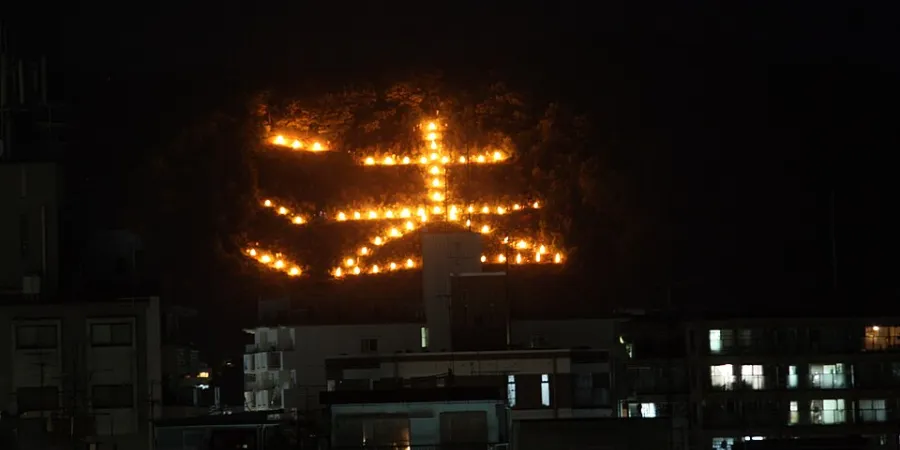
On the final night of Obon, Kyoto closes the season with Gozan no Okuribi, also known as the Five Mountain Send-Off Fires. In 2026, it falls on August 16, with the fires beginning around 8:00 PM.
The burning symbols across the mountainside create one of the most hauntingly beautiful scenes in Japan. It is quiet, solemn, and unforgettable: a fitting end to the Obon period.
Shinjō Matsuri (August 24 to 26)
Location: Shinjō City, Yamagata Prefecture
Entrance fee: Free, with paid seating options
Opening times: Float procession from 6:30 PM to 8:30 PM on 24 August, and the main procession from 10:00 AM to 4:00 PM on 25 August
Website: Yamagata Tourism
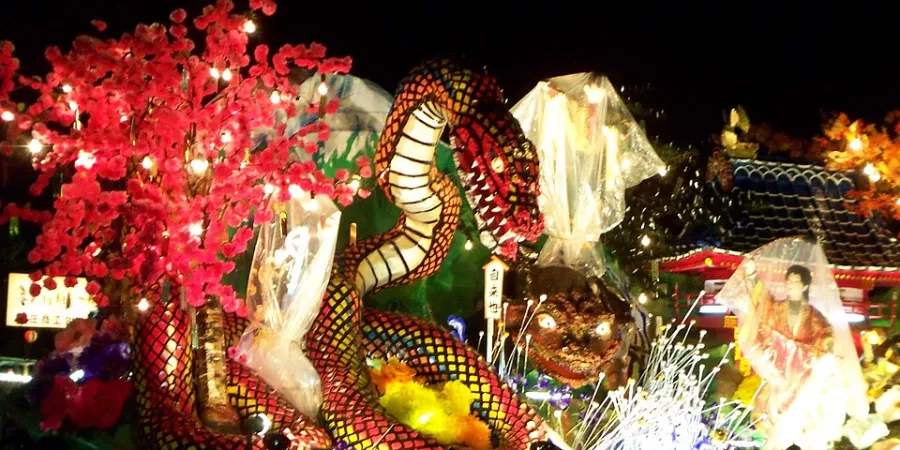
If you want a traditional festival that isn’t overrun by international tourists, Shinjō Matsuri is an excellent pick. The 2026 festival takes place from August 24 to 26 in Yamagata Prefecture, with elaborate yatai floats and historical pageantry.
The festival began in the 18th century and was created to lift spirits during hardship, which gives it a strong sense of local identity. It is a great reminder that Japan’s summer festivals are also about community resilience.
Omagari Fireworks Festival (August 29)
Location: Daisen City, Akita Prefecture
Entrance fee: Ticketed seats only, with no free viewing area inside the venue
Opening times: Daytime fireworks from 5:10 PM, nighttime fireworks from 7:00 PM to 9:30 PM
Website: Omagari Hanabi official site
Omagari is widely regarded as one of Japan’s premier fireworks competitions, and in 2026 it closes out the month on August 29. The event includes daytime fireworks from 5:10 PM and the main night display from 7:00 PM to 9:30 PM.
Unlike a more casual fireworks night, Omagari is a serious showcase of pyrotechnic artistry. If you stay in Japan until the end of August, this is the grand finale worth waiting for.
Food, crowds, and travel tips
Festival food is part of the fun, and August is full of yatai stalls selling takoyaki, yakisoba, kakigōri, candied apples, and regional snacks. Many people make a whole evening of eating their way through the festival grounds, so bring cash and come hungry.
Crowds are another story. Obon week, especially August 13 to 16, is one of the busiest travel periods of the year. Book trains and hotels early and expect packed platforms, busy roads, and long waits at major events.
August, July or September
Anyone with flexible dates is really choosing between three summer months, and they are not interchangeable.
July carries the same heat without the Obon peak. The rainy season is easing across much of the country and the festival calendar centres on Kyoto’s Gion Matsuri, which runs the length of the month, rather than the Tohoku giants. Trains and festival streets still fill up, but the nationwide travel surge that defines mid August does not apply. The July guide covers the month in full.
August is the bigger spectacle. Nebuta, Kanto, Awa Odori and the major fireworks competitions all fall inside four weeks, and Obon gives the month an emotional centre no other part of the year has. It is also the hottest and most crowded, and the only one of the three where the travel peak can genuinely reshape an itinerary.
September is the release. Heat eases through the month, the school holidays are over, and late September suits walking and festival-hopping better than anything in high summer. The trade-offs are typhoon risk, which peaks in Kyushu and Okinawa, and Silver Week, a five-day national break in 2026 that creates its own surge. The September guide covers it in detail.


Final thoughts
August in Japan is a season to linger in. Stand in the heat, follow the sound of drums, watch lanterns move through the dark, and let the pace of summer carry you somewhere memorable. Whether you are here for fireworks, dance festivals, or the quiet beauty of Obon, Japan in August offers a feeling that stays with you long after the season has passed.