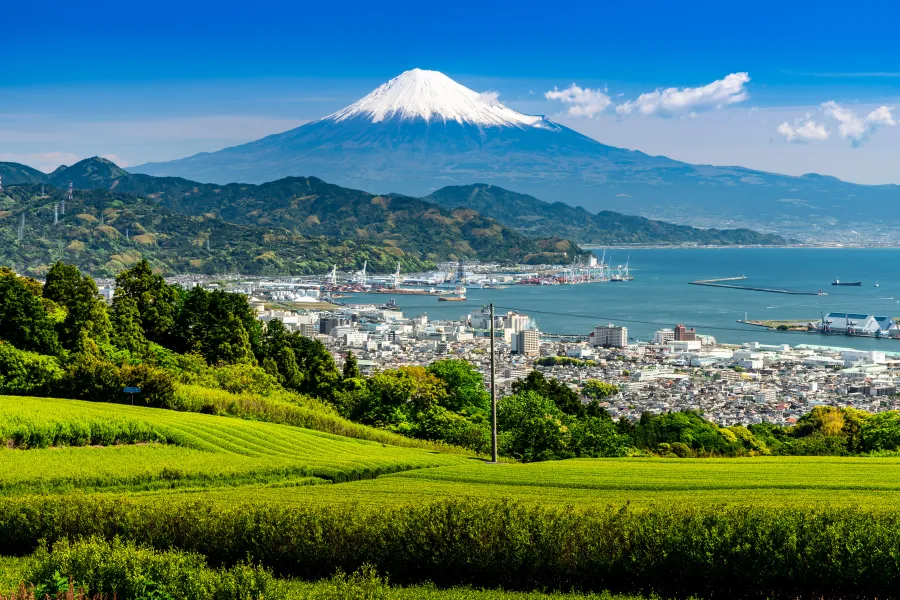
June in Japan signals the true onset of the rainy season, or tsuyu (梅雨). While most of Japan experiences increased rainfall, Hokkaido remains relatively dry, offering an ideal escape for travellers seeking less rain and warmer, sunnier days.
Despite humidity, June is less crowded than summer. It’s festival season with everything from Sapporo’s dance parades to Kyoto‘s nighttime Takigi Noh performances. Rain also triggers blooming hydrangeas and irises, especially along the Hakone railway and in Itako. Here’s what to see, do, and expect in June 2026.
What to expect in June
Planning Ahead: Weather, Outfits, Crowds

June marks the start of the rainy season in Japan, especially in central and southern regions. Expect occasional showers, particularly in Tokyo, Kyoto, and Osaka. However, rain is usually light and short-lived, and shouldn’t deter your travel plans.
- Rainy season dates: Early June to mid-July for most of Japan (Tokyo/Kyoto/Osaka start around June 6 to 7)
- Average Temperatures: 20°C to 27°C (68°F to 80°F)
- Humidity: High in central/southern Japan; lower in Hokkaido
- Hokkaido weather: Warm & sunny; 14 to 22°C (57 to 71°F); ~9 rainy days
- Rain Gear: Compact umbrella, light rain jacket
- Best Outfits: Breathable fabrics, water-resistant shoes, waterproof jackets/rain coats
June is a sweet spot before the summer holidays begin. Domestic travel is low, and international crowds are moderate. Booking accommodations in advance for major events like Tokyo Pride or Sannō Matsuri is highly recommended.


Things to See and Do in Japan in June
Suigo Itako Ayame Festival (Ibaraki): May 22 to June 21
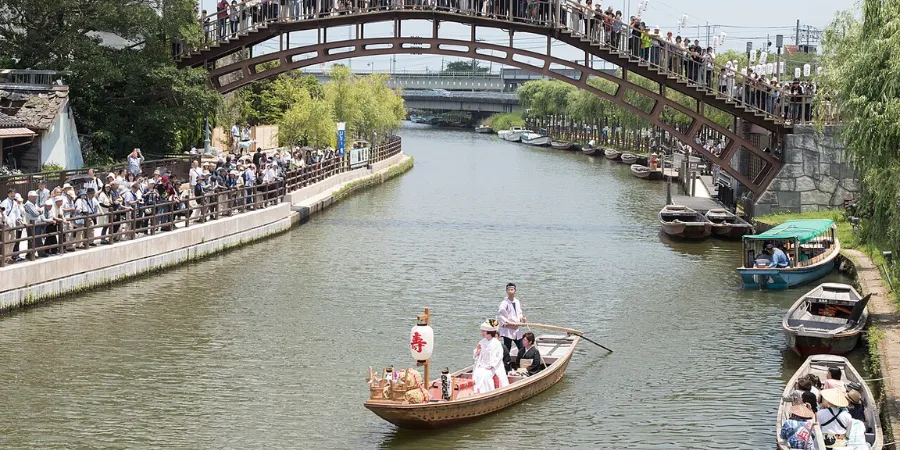
Location: Maekawa Ayame Garden, Itako City
Entrance Fee: Free (boat rides from ¥1,300 per adult)
Opening Times: 9:00 AM to 5:00 PM
Website: Itako City tourism
The 75th Suigo Itako Ayame Festival celebrates the blooming of over one million irises across the waterways of Itako. Visitors can enjoy traditional boat rides piloted by women in kimonos (yomeiribune), adding to the festival’s nostalgic charm. The event highlights the region’s natural beauty and cultural traditions.
Takigi Noh (Kyoto) – June 1-2
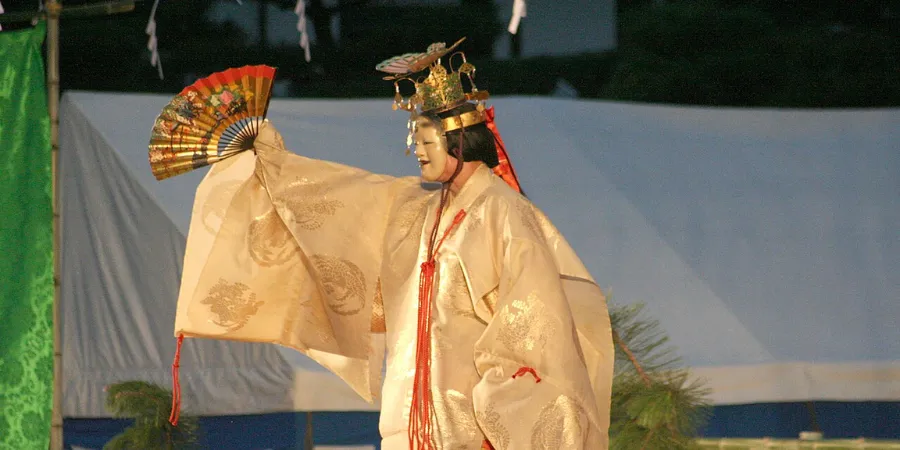
Location: Heian Shrine, Kyoto
Entrance Fee: Price varies according to venue, check it here (advance tickets recommended)
Opening Times: 6:00 PM to 8:40 PM (gates open at 5:00 PM)
Official Website: Kyoto Takigi Noh 2026
Takigi Noh is a traditional form of Noh theatre performed outdoors by torchlight, creating a mystical ambiance. The 75th annual performance is held at Kyoto’s Heian Shrine, dating back to 1950, aiming to make classical Noh more accessible to the public. The plays often depict tales from Japanese literature and folklore, offering a glimpse into the country’s rich cultural heritage.
Tokyo Pride Parade and Festival – June 6-7
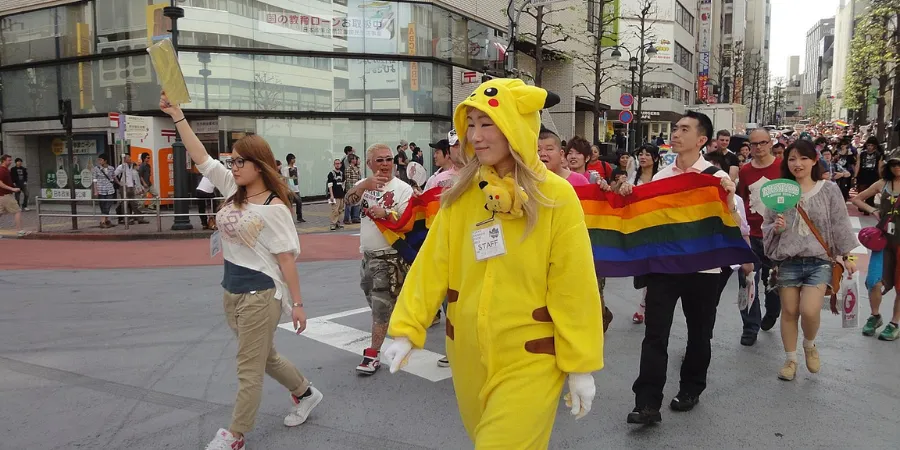
Location: Yoyogi Park, Tokyo
Entrance Fee: Free
Opening Times: Festival – 11:00 AM to 6:00 PM (June 6 to 7); Parade – Sunday, June 7 at noon
Website: Tokyo Pride
Tokyo Pride is Japan’s largest LGBTQ+ event, featuring a vibrant parade, live performances, and advocacy booths. The event was rebranded and moved to June to align with global Pride Month celebrations. It serves as a platform to promote diversity, inclusion, and human rights, attracting thousands of participants and supporters each year.
While the main festival takes place around Yoyogi Park, many related celebrations, community events, and after-parties continue in Shinjuku Ni-chōme, Tokyo’s historic LGBTQ+ district and one of the largest queer neighbourhoods in Asia. Additional events include Youth Pride (June 13 to 14), Pride Night (June 7), and the Queer Art Exhibition (June 3 to 28).
Sannō Matsuri (Tokyo): June 7 to 17
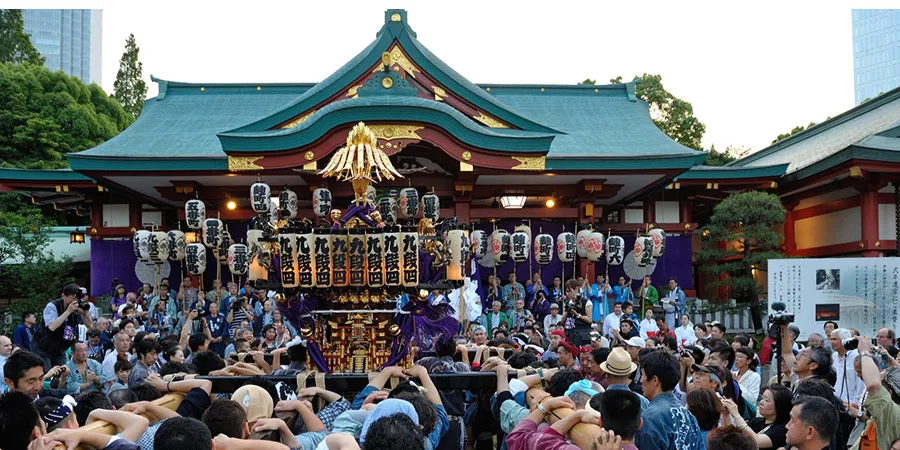
Location: Hie Shrine and central Tokyo
Entrance Fee: Free
Opening Times: Varies; main procession (Shinkosai) on 12 June
Official Website: Tenka Matsuri
The Sannō Matsuri is one of Tokyo’s three major Shinto festivals, dating back to the Edo period. Held in even-numbered years, a grand procession of mikoshi (portable shrines) and traditional floats winds through central Tokyo, honouring the deities of Hie Shrine and praying for the city’s prosperity and safety.
Yosakoi Soran Matsuri (Sapporo): June 10-14
Location: Odori Park and various venues across Sapporo, Hokkaido
Entrance Fee: Free (some premium seating may require tickets, purchase them here)
Opening Times: Daily events from 10:00 AM to 9:30 PM
Official Website: yosakoi-soran.jp
The 35th Yosakoi Soran Festival is a vibrant celebration combining traditional Yosakoi dance with modern music. Originating in 1992, it fuses Kochi Prefecture’s energetic Yosakoi style with Hokkaido’s folk song “Soran Bushi.” Thousands of dancers in elaborate costumes, holding wooden “naruko” clappers, transform Sapporo’s streets and stages into a dynamic showcase. Teams from across Japan perform highly choreographed routines, making it a major, spirited highlight among Japan’s June festivals.
Tsukiji Lion Dance Festival (Tokyo): June 10-14
Location: Namiyoke Inari Shrine, Tsukiji, Tokyo
Entrance Fee: Free
Opening Times: Varies; main procession (Togyo-sai) on Sunday, June 14, 9:00 AM to 3:40 PM
Official Website: Tsukiji Namiyoke Jinja
The Tsukiji Shishi Matsuri (Lion Dance Festival) is held annually at Namiyoke Inari Shrine. The spectacular lion-head floats are paraded on a cycle of festival years, and 2026 falls in a quieter year on that cycle, though two portable shrines are being carried to mark the 370th anniversary of Namiyoke Inari Shrine. Large lion floats are paraded through the streets to ward off evil spirits and pray for prosperity. The festival has deep roots in the local community, reflecting Tsukiji’s history as a bustling market district.
Chagu Chagu Umakko (Morioka): June 13
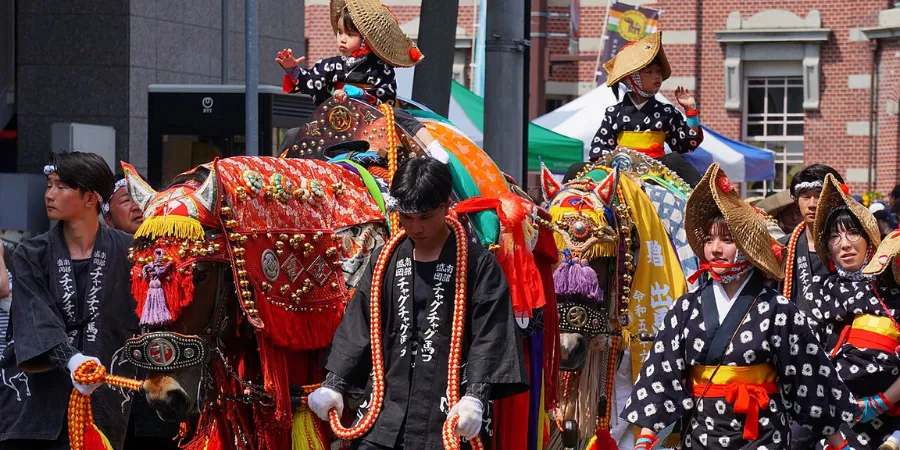
Location: From Onikoshi Sozen Shrine in Takizawa to Morioka Hachimangu Shrine
Entrance Fee: Free
Opening Times: Parade starts at 9:30 AM; arrives ~1:55 PM
Official Website: Chaguuma
Chagu Chagu Umakko is a colourful horse parade held annually to honour Sozen-sama, the guardian deity of horses. Approximately 70 horses adorned with bells and vibrant decorations march along a 14-kilometre route, creating a festive atmosphere. The event celebrates the region’s equestrian culture and agricultural heritage, typically occurring on the second Saturday of June.
Hakone Hydrangea Train (Kanagawa): Mid-June to Late July
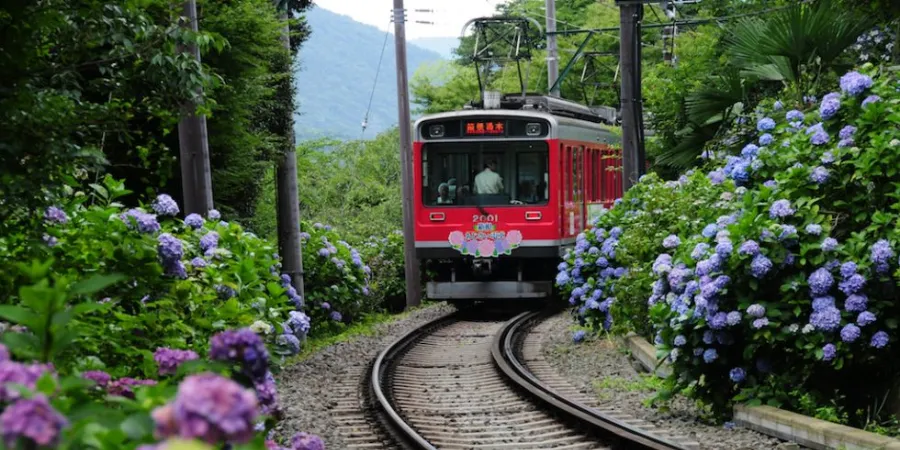
Location: Hakone Tozan Railway, between Hakone-Yumoto and Gora Stations
Entrance Fee: Visit the Hakone website for station guides and fees
Opening Times: Day and evening services; Night train (Yoru no Ajisai-go) – June 14 to 30, 6:30 PM to 10:00 PM
Website: Hakone Navi transport
The Hakone Hydrangea Train offers a scenic ride through blooming hydrangeas along the mountainside railway. During peak season, the train slows down to allow passengers to enjoy the vibrant flowers up close. Special night trains feature illuminated hydrangeas, creating a magical experience.
Hakone also features prominently in our 14-day Japan itinerary, where the region serves as a refreshing escape from Tokyo’s urban pace. Alongside the famous Hakone Loop, visitors can explore Lake Ashi, ride the Hakone Ropeway over volcanic landscapes, soak in traditional onsen baths, and enjoy some of Japan’s most iconic views of Mount Fuji. If you’re planning a broader journey through Japan, our detailed Hakone itinerary offers additional inspiration for making the most of your time in this beautiful mountain retreat.
Hokkaido’s Dry Weather & Summer Festivals
Since Hokkaido does not experience the rainy season, it’s the perfect June destination for travellers seeking sunshine and outdoor activities. Average temperatures range from 14 to 22°C (57 to 71°F) with only ~9 rainy days.
Here are some recommended activities should you wish to go the Hokkaido route:
- Attend the Yosakoi Soran Matsuri (June 10 to 14) in Sapporo
- Explore Maya Park and Furano lavender fields (early blooms start mid-June)
- Hike in Daisetsuzan National Park (trails open by June)
- Visit Lake Shikotsu and Onuma Quasi-National Park

Essential June 2026 Travel Tips
Keep these tips in mind for a smooth trip:
- Always carry a compact umbrella; a light rain jacket is also essential.
- Choose water-resistant shoes or waterproof boots; avoid canvas and suede.
- Pack breathable fabrics like cotton and linen.
- Book early for Tokyo Pride (June 6 to 7) and Sannō Matsuri (June 7 to 17).
- Peak hydrangea bloom runs mid-June to early July; night illuminations on the Hakone Hydrangea Train are June 14 to 30
- Most events are free, but premium viewing seats sell out fast (especially for Yosakoi Soran)
Final Thoughts
June’s rainy season brings humid days and sudden showers across much of the country, but it also gives Japan some of its most atmospheric seasonal scenes: hydrangeas beside mountain railways, irises along quiet waterways, and torchlit performances after dark.
Build June’s itinerary with flexibility. Keep Tokyo, Kyoto, Osaka, Hakone, and Ibaraki on the list for flowers, festivals, and cultural events, then look north to Hokkaido if you want drier skies and outdoor time. Big dates such as Tokyo Pride, Sannō Matsuri, Yosakoi Soran Matsuri, and the Hakone Hydrangea Train are worth booking around, especially with paid seats, night trains, or central accommodation.
Pack a compact umbrella, shoes that can handle wet pavements, and light layers for humid afternoons. With the right preparation, June becomes one of Japan’s best times for quieter travel, vivid seasonal flowers, and festivals that feel rooted in local life.