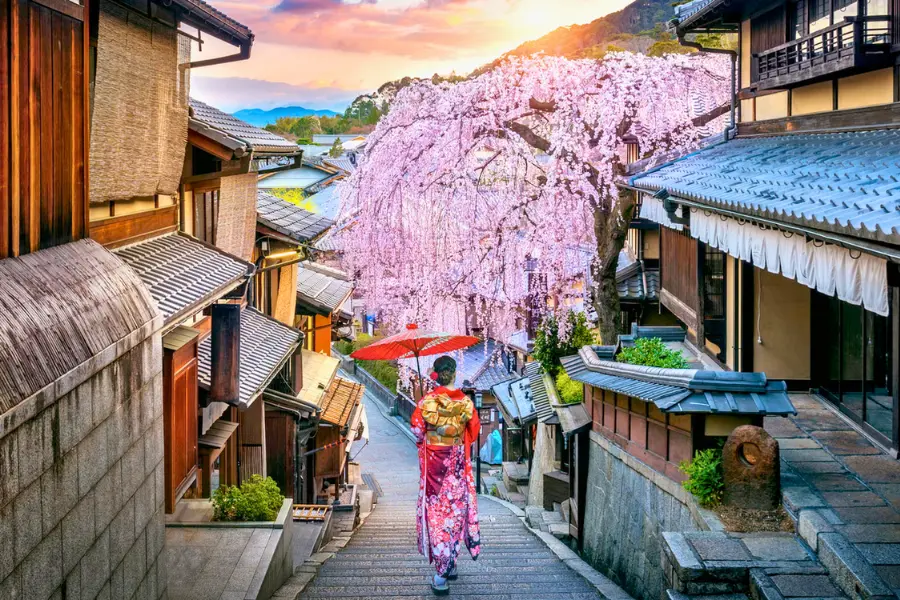
Japan is a beautiful country with a rich history and culture, making it one of the most popular destinations for tourists worldwide. Every month offers a unique charm, from festivals to natural beauty, meaning there is always a good time to explore the best cities to travel in Japan. To make your trip planning easier, here’s a month-by-month guide showcasing the best cities to travel to in Japan for tourists, along with must-see attractions and the best times to visit Japan.
Your Ultimate Month-by-Month Japan Travel Planner
January: Sapporo (Hokkaido)
Sapporo Snow Festival

Sapporo’s biggest winter event, the Sapporo Snow Festival, follows straight on from January in early February. The 2027 festival runs from 4 to 11 February, so a trip that starts in late January can take in the Hokkaido powder first and finish in Sapporo for the festival. This festival is a spectacle of ice and snow, where creativity and artistry come alive. As you step into the festival grounds, you’re greeted by colossal snow sculptures that seem to defy gravity, and at the Tsudome Site you can ride giant snow slides. While the cold might be nippy, the warm and welcoming atmosphere of the festival will quickly melt away any discomfort. Hot food stalls are dotted around every corner, offering delicious bites to warm you up. From steaming bowls of ramen to grilled meats and sweet treats, there’s something to satisfy every palate in one of the best cities to travel in Japan. You can also check out our guide on exploring the best Japanese food to explore more food options.
Five tips for the Sapporo Snow Festival
- Dress warmly: Sapporo in late January and February is freezing, so make sure you bundle up with layers of warm clothing, including a hat, gloves, and insulated boots.
- Plan your visit: The festival spans three sites, so plan your visit accordingly. The Odori Site in Odori Park is the main venue and features the biggest snow sculptures, the Susukino Site fills Sapporo’s nightlife district with ice sculptures, and the Tsudome Site is the place for snow slides and family activities.
- Arrive early: The festival is hugely popular, so arrive early to avoid the crowds and have plenty of time to explore.
- Take your time: Don’t rush your visit. Take your time to admire the sculptures, enjoy the food, and soak up the festive atmosphere.
- Stay hydrated: The cold weather can be deceptive, and it’s easy to get dehydrated. Make sure you drink plenty of water throughout the day.
The Sapporo Snow Festival is an unforgettable experience that will transport you to a winter wonderland. So bundle up, embrace the cold, and let the magic of ice and snow enchant you.
Skiing at Niseko
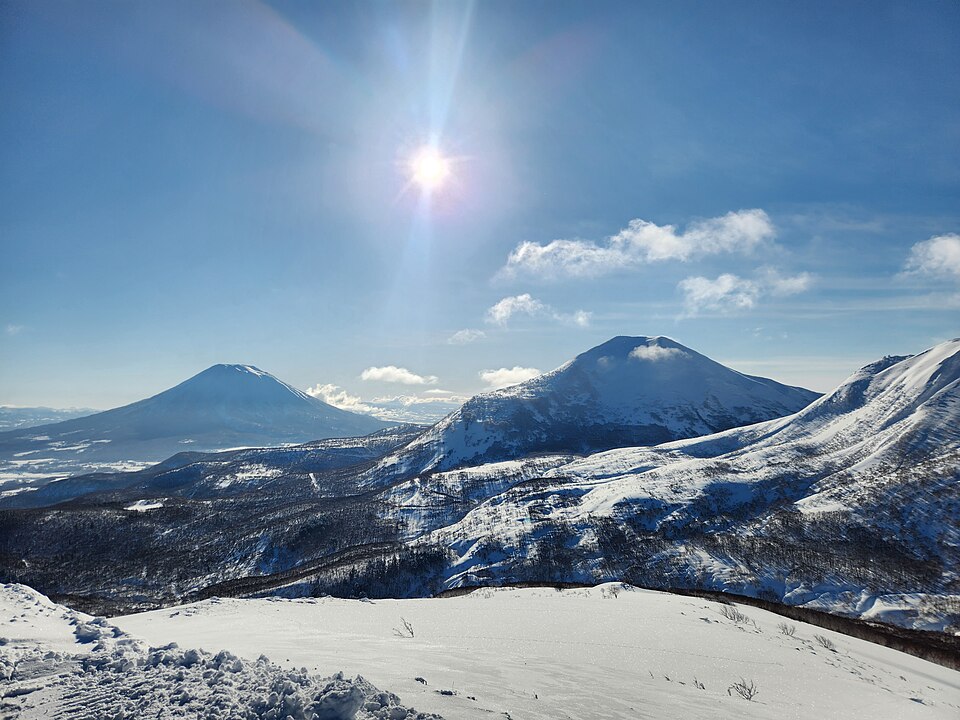
For those seeking adventure off the slopes, try snowshoeing or cross-country skiing to explore the breathtaking winter landscapes of Niseko. While Niseko offers an unforgettable experience, it’s essential to be mindful of a few things. January is the heart of Niseko’s peak season, with deep powder and the biggest crowds of the winter, so book lift passes, lessons and rental gear early. Additionally, ski equipment rental and lift tickets can be costly, so budgeting accordingly is crucial. Remember to pack warm clothes and sunscreen, as the sun’s reflection on the snow can be intense.
Niseko sits at the pricier end of Japan’s ski resorts, though the quality of the snow and the overall experience keep visitors coming back. The four Niseko United resorts open on 28 November 2026 for the 2026 to 2027 season, and peak season pricing runs from 24 December 2026 to 28 February 2027, when an adult one day All Mountain Pass costs 13,500 yen. A multi-day Niseko United All Mountain Pass covers Grand Hirafu, Hanazono, Niseko Village and Annupuri, which lets you explore the resort’s vast terrain. If you’re on a tighter budget, there are several affordable accommodation options available, such as guesthouses and hostels.
Winter seafood at Nijo Market
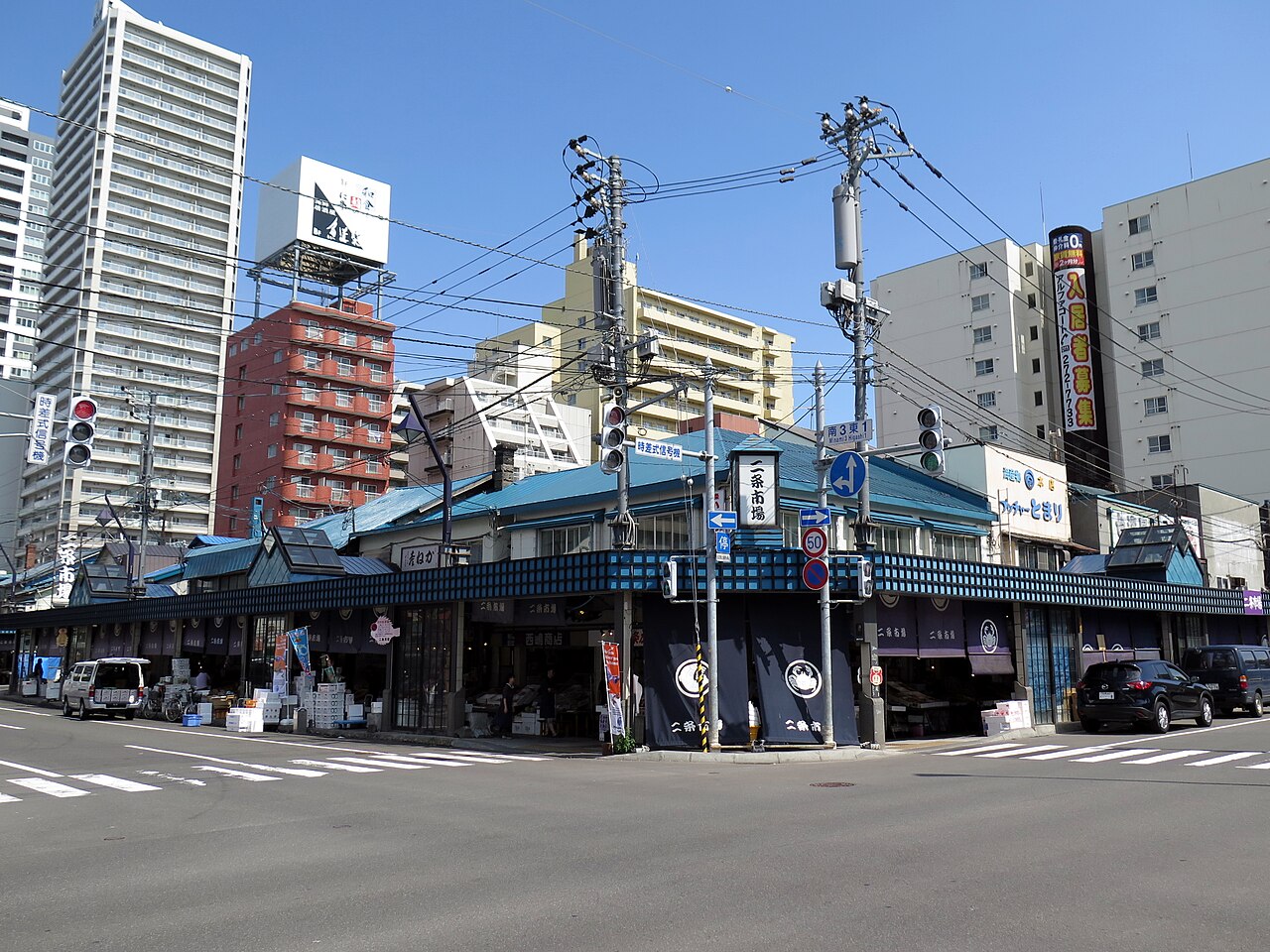
Sapporo’s local markets like Nijo Market are a must-visit. These markets offer an array of fresh Hokkaido seafood, from king crab to sea urchin, and the market’s small restaurants serve it over rice.
When visiting Nijo Market, remember to try some of the local specialities. One such dish is “Ishikari Nabe,” a hearty Hokkaido hotpot of salmon, vegetables and miso. Another must-try is “Kaisen Don,” a bowl of rice topped with an assortment of fresh local seafood.
Prices at Nijo Market vary from stall to stall and change with the season and the catch, so check the price before you order.


February: Nagasaki
Nagasaki Lantern Festival

The Nagasaki Lantern Festival radiates with an enchanting atmosphere, where vibrant colours and festive energy fill the air. It celebrates Chinese New Year and runs for 15 days from the start of the lunar new year, so the dates move each year with the lunar calendar. Around 15,000 lanterns light the city, with the main stage at Minato Park, a short walk from the Shinchi Chinatown tram stop. Nagasaki Shinchi Chinatown is one of Japan’s three major Chinatowns, and its streets are hung with lanterns for the whole festival.
Beyond Chinatown, lanterns stretch from Dejima Wharf to the Meganebashi stone bridge. Stages around the city host performances throughout the festival, including the jaodori dragon dance, lion dances and the mask changing shows that are a festival favourite.
To make the most of your festival experience, consider booking a room close to the action. The Hotel Nagasaki looks out over the city’s famous night view, so you can enjoy the lights from the comfort of your room. Alternatively, the Hotel JAL City Nagasaki sits in Shinchi-machi, a short walk from Chinatown and the festival’s main venues in one of the best cities to travel in Japan.
Glover Garden
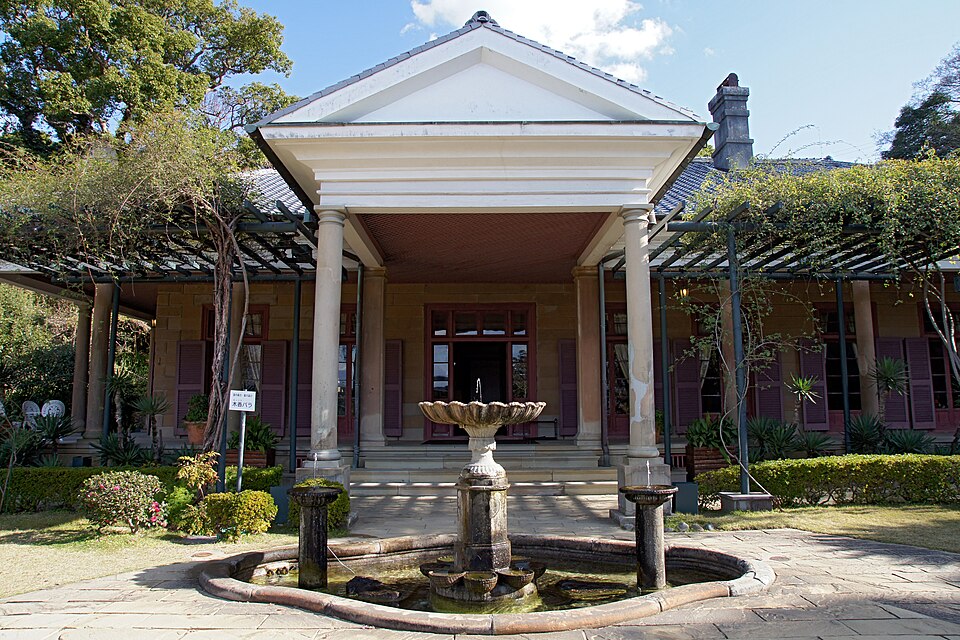
Once the residential enclave of prominent foreign traders, Glover Garden features nine historic buildings, including European-style houses that have been carefully preserved and restored. Stroll through the stone paths and admire the intricate architectural details of these historic buildings.
The garden sits on the hillside above Nagasaki Harbour, and its terraces look straight out over the water. Take a moment to sit and admire the cityscape spread around the harbour. As you gaze out over the water, you can imagine the sailing ships of old arriving from distant lands, bringing with them new ideas and cultures.
Glover Garden also works as a living museum that tells the story of Nagasaki’s past. Scattered throughout the park are informative plaques that provide historical context and anecdotes about the people who lived and worked here. Learn about the lives of Thomas Glover, a Scottish merchant who played a significant role in Japan’s modernisation, and other influential figures who shaped the course of history.
Dejima Trading Post
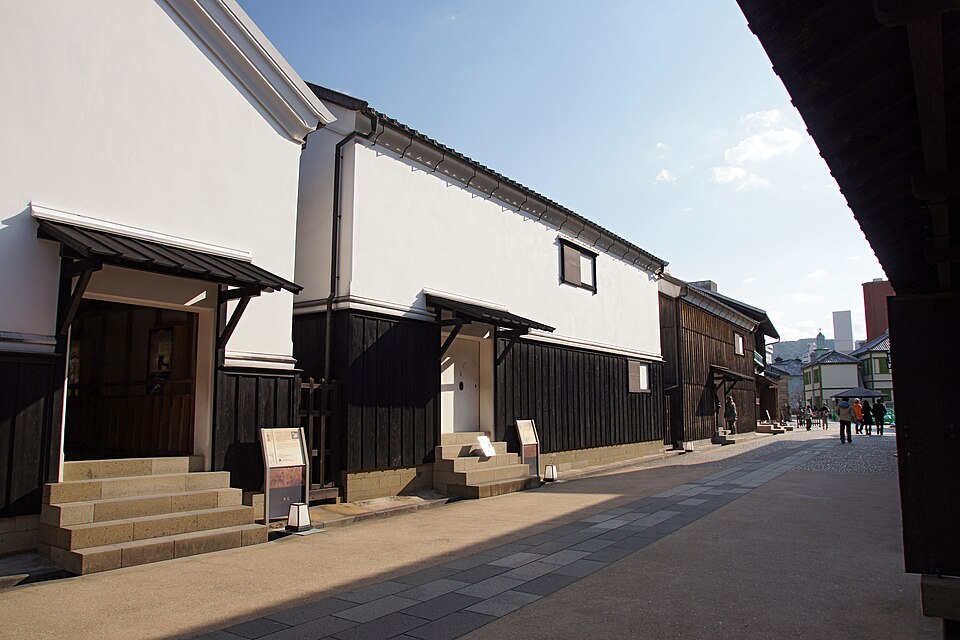
At Dejima, tourists can immerse themselves in Japan’s rich history and culture. This small artificial island was the Dutch trading post during the Edo period, when Japan kept trade with Europe to this one corner of Nagasaki. The restoration recreates Dejima as it looked in the early 19th century, when chief factor Jan Cock Blomhoff and physician Philipp Franz von Siebold were working here. Here are some of the activities and attractions available at Dejima:
- Explore Museum Exhibits: Take a step into the history of Dejima and its role in Japan’s foreign relations. Learn about the interactions between Japanese and foreign traders, the challenges faced by the Dutch East India Company, and the impact of Dejima on Japanese society.
- Visit Reconstructed Buildings: 16 buildings have been restored so far, giving a glimpse into the daily lives of those who lived and worked on the island. They include the Chief Factor’s Quarters and the warehouses where goods were stored.
- See Japanese and Western Architecture Side by Side: Dejima’s buildings mix Japanese construction with the furnishings and tastes of the Dutch who lived in them. Admire the woodwork, sliding doors and tiled roofs alongside Western interiors.
- Stay Into the Evening: The exhibition area is open from 8am to 9pm (last entry 8.40pm) all year round, so you can wander the old street after dark.
Dejima admission prices
- Adults: 1,100 yen
- High school, junior high and elementary school students: 550 yen
March: Kyoto
Plum Blossoms at Kitano Tenmangu Shrine
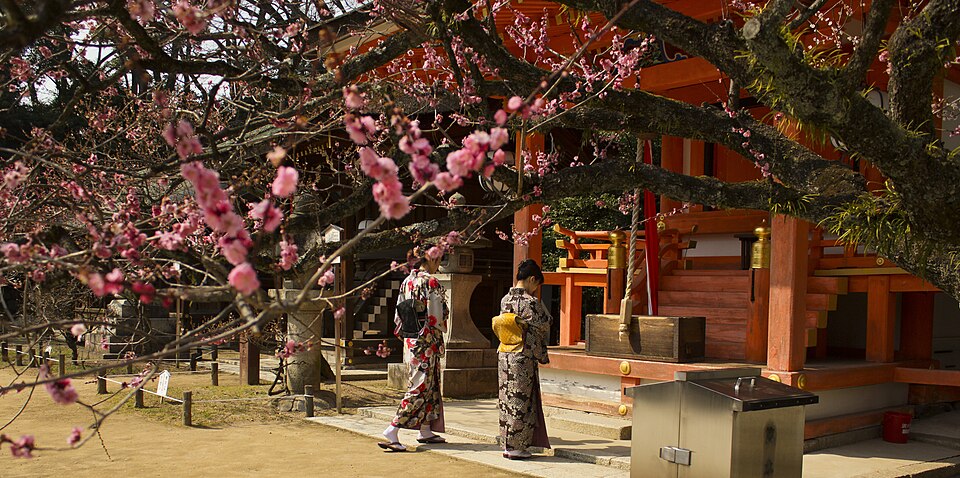
Other than being one of the best places for international students, Kyoto is especially pretty during this time because of all the flowers, which makes Kyoto one of the best cities to travel in Japan. Plum blossoms bloom for a longer time than cherry blossoms, so you have more chances to see them. Visit Gion to see plum blossoms next to traditional buildings. Or, go for a walk through Kitano Tenmangu Shrine, which is famous for its plum blossoms. The shrine grows around 1,500 plum trees of 50 varieties, the earliest open just after New Year, and the blossoms usually last until about the end of March. Its paid plum garden opens each year from early February to late March, with dates and ticket prices that change year to year.
Take pictures of the shrine’s gates and halls with plum blossoms in front of them. Or, find creative ways to photograph the plum blossoms in Gion’s charming backstreets. Try wagashi, which are traditional Japanese sweets with plum blossom designs. Or, taste umeboshi, which are pickled plums. Have a cup of green tea, or a glass of umeshu plum liqueur at a sake bar, to make your plum blossom experience even better.
Fushimi Inari Shrine
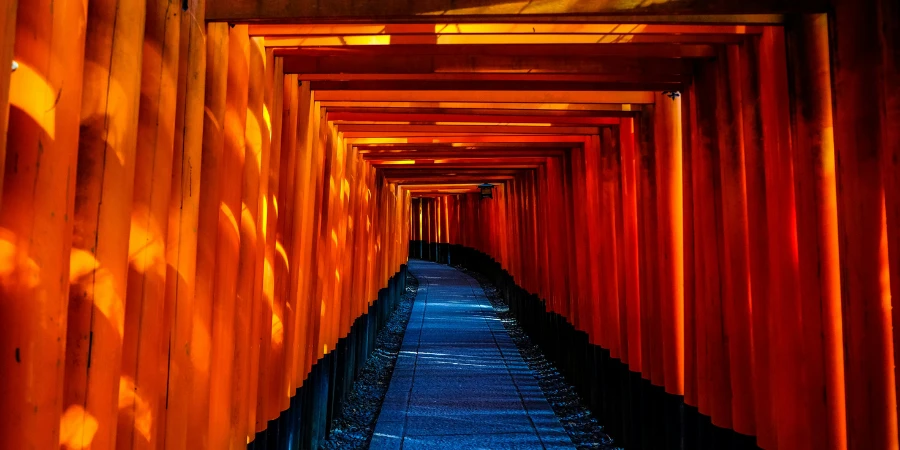
To fully immerse yourself in the beauty of Fushimi Inari Shrine, plan your visit during sunrise when the early spring sunlight casts a magical glow upon the vibrant red torii gates. Wander through the endless rows of gates, taking your time to appreciate the serene atmosphere and stunning surroundings. This spiritual journey will leave you feeling uplifted and connected to nature.
Capture the picturesque moments with your camera, ensuring you have enough memory space to capture the hidden gems nearby as there are quite a few. One such hidden spot is the Yotsutsuji Intersection, where four paths converge, offering a unique perspective and an opportunity for stunning photographs.
The shrine’s history dates back to the 8th century, and it’s dedicated to Inari Okami, the Shinto deity of rice and sake. Its significance as a sacred site adds to its allure, making it a must-visit destination in Kyoto. The entrance to the shrine is free, but donations are welcome. Remember to wear comfortable shoes as the walk through the gates can be quite long. Come prepared with water and snacks, as there are limited food options available within the shrine grounds.
Arashiyama Bamboo Forest
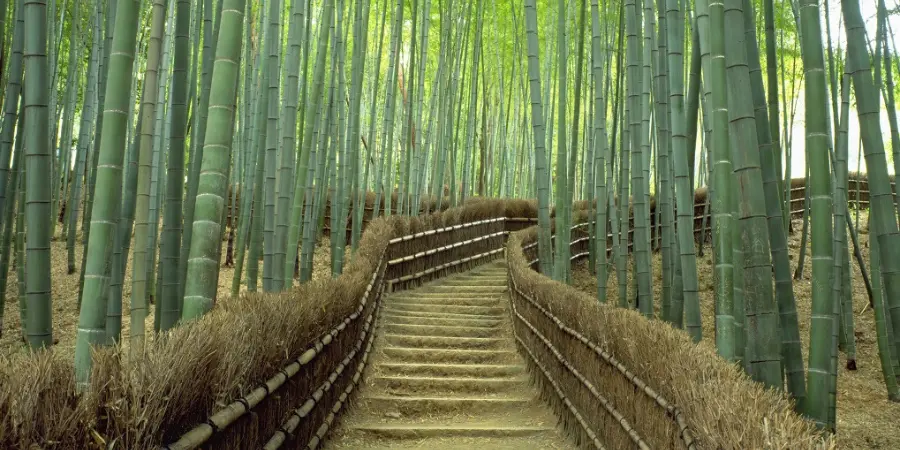
The Arashiyama Bamboo Forest, located on the west side of Kyoto, is a popular tourist destination renowned for its towering bamboo groves and peaceful, almost otherworldly atmosphere. It is part of the Arashiyama district, known for its natural beauty and numerous temples. Admission to the forest is free, and transport options to Arashiyama from Kyoto Station include train, bus and taxi.
Visitors can take the JR Sagano Line from Kyoto Station to Saga-Arashiyama Station or Kyoto City Bus number 28 from Kyoto Station to the Arashiyama Tenryuji-mae bus stop. Taxis are also available at Kyoto Station and other locations in the city, with fares that vary depending on distance and traffic conditions.
Tips and advice for visiting the Arashiyama Bamboo Forest include visiting in the early morning or late afternoon to avoid crowds, wearing comfortable shoes as the paths can be uneven, bringing a camera to capture the beautiful scenery, being respectful of the environment and other visitors, and combining your visit with other attractions in the Arashiyama district, such as Tenryuji Temple and the Arashiyama Monkey Park. Together they make Kyoto one of the best cities to travel in Japan.
April: Tokyo
Shinjuku Gyoen
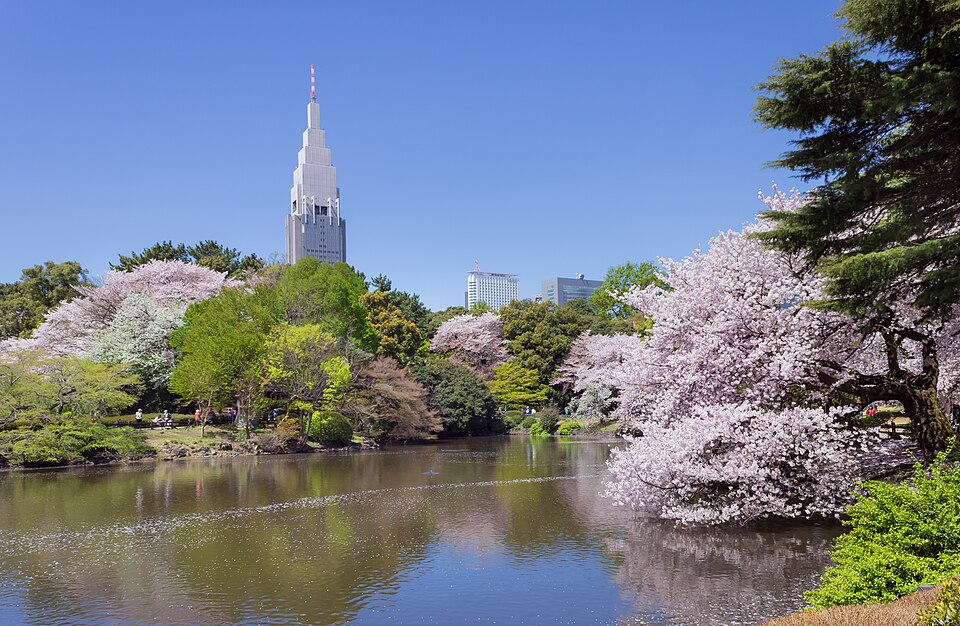
Tokyo is a must-visit destination for tourists in spring. Shinjuku Gyoen, a sprawling national garden in the heart of Shinjuku, offers a breathtaking view of the pink cherry blossoms. Around 900 cherry trees of about 70 varieties grow here, so the season runs from early flowering trees in February through the Somei Yoshino in late March to double blossoms in mid April. Adult admission is 500 yen, alcohol is not allowed in the garden, and the garden stays open on Mondays from 25 March to 24 April. The park’s vast space allows for leisurely walks and picnics, making it an ideal spot for sightseeing.
To reach Tokyo, tourists can fly into Narita International Airport or Haneda Airport. The city has an excellent public transport system, making it easy to get around. The Japan Rail Pass is a popular option for unlimited travel on trains operated by the Japan Railways Group. Shinjuku Gate is about a five minute walk from Shinjuku-gyoemmae Station on the Tokyo Metro Marunouchi Line or from Shinjuku-sanchome Station on the Toei Shinjuku Line.
While in Tokyo, be sure to sample the local cuisine. Popular dishes include sushi, ramen, and tempura. For a truly authentic experience, try visiting a traditional Japanese restaurant, Jazz kissas or izakaya. Tokyo also has a vibrant nightlife scene, with countless bars and clubs to choose from. For a unique experience, try visiting a karaoke bar or a traditional Japanese bathhouse and explore other hidden gems in the city.
Hanami in Ueno Park
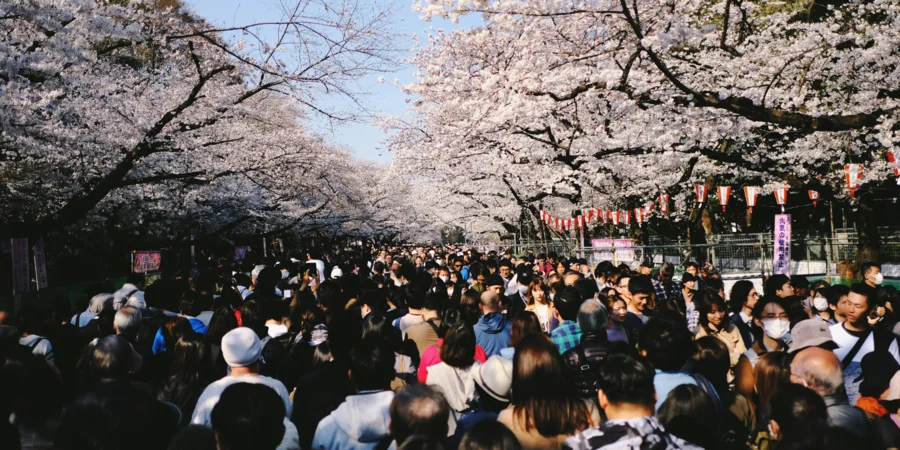
Ueno Park is one of the best places to experience and capture Tokyo’s cherry blossom culture. During the hanami season, the park comes alive with vibrant cherry blossoms and is a popular spot for picnics and flower viewing.
To reach Ueno Park, you can take the JR Yamanote Line to Ueno Station or the Tokyo Metro Ginza Line to Ueno-hirokoji Station. The park is also served by several bus lines.
Admission to Ueno Park is free, but some attractions within the park charge an entrance fee. For example, Ueno Zoo charges adults 600 yen and the Tokyo National Museum charges adults 1,000 yen for its collection galleries.
Here are some tips and advice for visiting Ueno Park:
- Visit during the cherry blossom season (late March to early April) to see the park in its full glory.
- Bring a picnic lunch or snacks to enjoy under the cherry trees.
- Be prepared for crowds, especially during the hanami season.
- Wear comfortable shoes as you will be doing a lot of walking.
- Take your time and explore the park’s many attractions, including Ueno Zoo, the Tokyo National Museum, and the National Museum of Nature and Science, which together make Tokyo one of the best cities to travel in Japan.
Sumida River Cherry Blossom Cruise

One of the must-visit places during spring is the Sumida River. A leisurely cruise along the river offers a breathtaking perspective of the cherry blossoms in full bloom. The gentle ride allows visitors to admire the city’s skyline and the vibrant pink and white hues of the blossoms lining the riverbanks. The cruise is a unique experience and a highlight of any visit to Tokyo in April, often considered the best season to visit the city.
Yakatabune Amitatsu runs its Sumida River cherry blossom course on a traditional yakatabune boat from late March to early April, boarding in the Harumi and Kachidoki area about five minutes on foot from Kachidoki Station on the Toei Oedo Line. Fares start at 12,000 yen for adults and 6,000 yen for children aged 4 to 12, and the exact meeting point is sent after booking. While on the cruise, enjoy the tranquil atmosphere and capture stunning photographs of the cherry blossoms. This also makes Tokyo one of the best cities to travel in Japan.








May: Hiroshima
Itsukushima Shrine
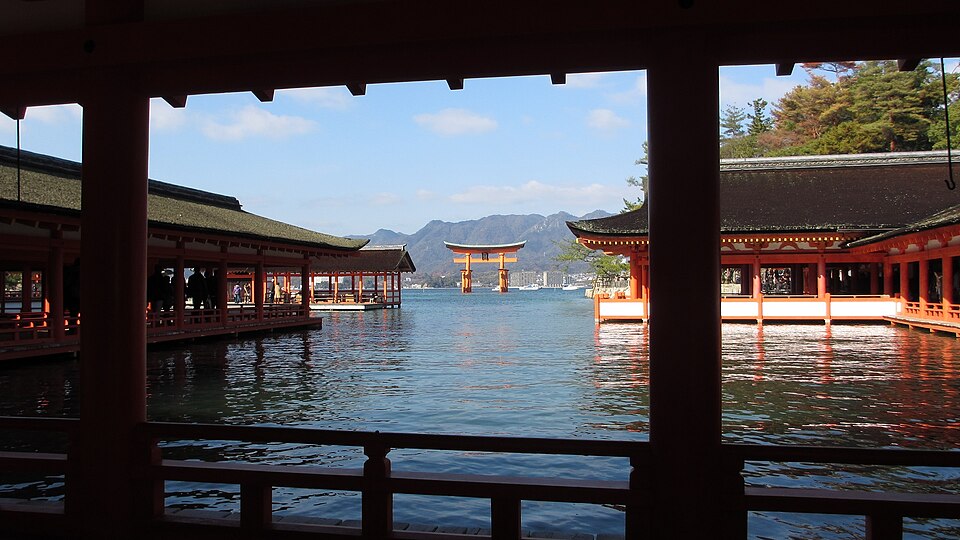
Hiroshima is one of the best cities to travel in Japan, and it draws travellers with its rich history and natural beauty. The star attraction of Hiroshima is the majestic Itsukushima Shrine on Miyajima Island. The shrine’s iconic red torii gate, which seems to float on the water at high tide, is a sight to behold and one of the most photographed spots in Japan.
To reach Hiroshima, travellers can fly into Hiroshima Airport (HIJ) or take the Sanyo Shinkansen, which runs direct to Hiroshima Station from Tokyo, Kyoto and Shin-Osaka for easy connections from Osaka. Trams and local JR trains cover the city and the run out to Miyajimaguchi for the Miyajima ferry. For accommodation, there are various hotels and guesthouses to choose from that cater to different budgets.
Hiroshima offers a range of dining experiences, from traditional Japanese cuisine to international fare. Must-try local specialities include Hiroshima-style okonomiyaki, a savoury pancake with various toppings, and the succulent Hiroshima oysters, known for their plump size and delicate flavour. Hiroshima also boasts a vibrant nightlife, with many bars, pubs, and live music venues scattered throughout the city centre. Popular spots include Bar 8 in Shintenchi and the Blue Live Hiroshima live hall by the harbour in Ujina for those seeking an upbeat atmosphere in one of the best cities to travel in Japan.
If you miss Hiroshima in May, you can travel to Hiroshima in Autumn, which is equally beautiful.
Hiroshima Peace Memorial Park and the Atomic Bomb Dome
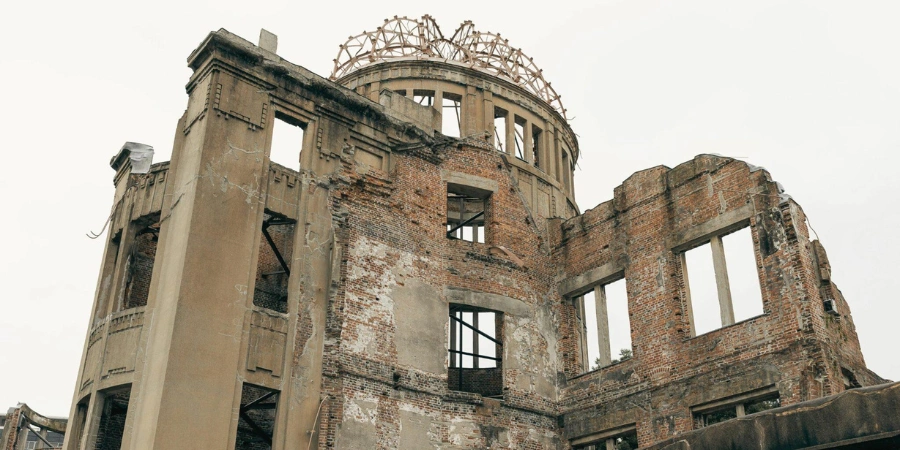
Immerse yourself in history and reflection at the Hiroshima Peace Memorial Park, dedicated to the victims of the atomic bombing. The park offers a serene and contemplative space surrounded by greenery and water. The Atomic Bomb Dome, a skeletal ruin preserved as a powerful reminder of the devastating event, stands across the river at the north end of the park and is the UNESCO World Heritage site here, listed as the Hiroshima Peace Memorial.
To reach the park, take a tram from Hiroshima Station to the Genbaku Dome-mae stop. Admission to the park is free, allowing visitors to explore its poignant memorials and statues at their leisure. The Hiroshima Peace Memorial Museum, located within the park, provides a comprehensive account of the bombing’s impact and its lasting legacy, and adult admission is 200 yen.
For a more immersive experience, consider a guided tour of the park. This will provide detailed insights into the history and significance of the memorials and monuments. The park also hosts various events throughout the year, including peace concerts, exhibitions, and ceremonies, which help make Hiroshima one of the best cities to travel in Japan.
Seto Inland Sea ferries from Hiroshima Port
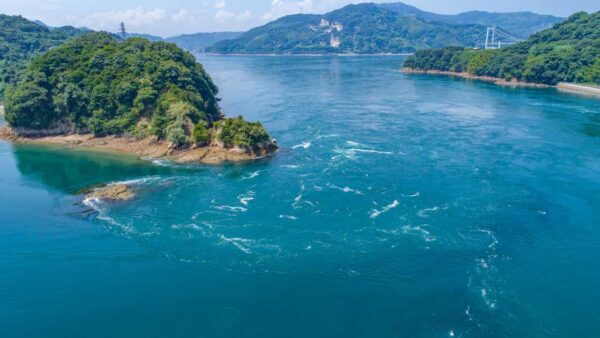
Embark on a scenic journey across the Seto Inland Sea by ferry to uncover the captivating islands around Hiroshima. This ferry ride promises breathtaking views of the blue water and serene island landscapes, offering a peaceful escape from the bustling city. Setonaikai Kisen sails from Hiroshima Port to Miyajima, to Etajima and across to Matsuyama on Shikoku, and Hiroshima Electric Railway trams run from Hiroshima Station to the port. The company revised its fares on 1 September 2026, so check the current fare for your route on its website before you travel.
Popular destinations include Miyajima Island, renowned for its iconic floating torii gate, and Etajima Island, home of the former Imperial Japanese Navy Academy. While on the islands, immerse yourself in the local culture and history. Visit the ancient temples, explore traditional villages, and savour the delectable seafood specialities.
Don’t miss the opportunity to indulge in Hiroshima’s famous okonomiyaki, a savoury pancake dish that’s a must-try. For an unforgettable evening, book a ferry ride at dusk to watch the sunset over the Seto Inland Sea.
June: Kamakura (Kanagawa)
Hydrangeas at Hasedera Temple
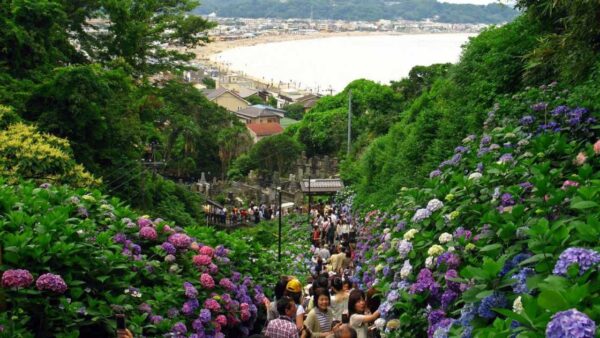
Hasedera Temple is a must-visit destination in Kamakura, Japan. Kamakura is known as one of the best cities to travel in Japan for its stunning display of hydrangeas during the month of June. The temple grounds are transformed into a vibrant sea of purple and blue flowers, creating a picturesque landscape that draws thousands of tourists each year. In hydrangea season the temple runs advance booking for its Hydrangea Path, so reserve a slot on the temple’s website before you go.
To reach Hasedera Temple, take the JR Yokosuka Line direct from Tokyo Station to Kamakura Station, which takes about an hour. From Kamakura Station, ride the Enoshima Electric Railway (Enoden) three stops to Hase Station, a short walk from the temple. Admission to the temple is 400 yen for adults and 200 yen for children aged 6 to 11, and from April to June the gates are open from 8am to 5.30pm, with last entry at 5pm.
While in Kamakura, be sure to explore other attractions such as the Tsurugaoka Hachimangu Shrine, the Kotoku-in Temple (home to the iconic Great Buddha statue), and the Hokokuji Temple (famous for its bamboo forest). For a unique experience, try wearing a traditional Japanese kimono and strolling through the streets of Kamakura. Also, don’t miss the opportunity to sample the local cuisine, including fresh seafood and traditional Japanese dishes.
Tsurugaoka Hachimangu Shrine
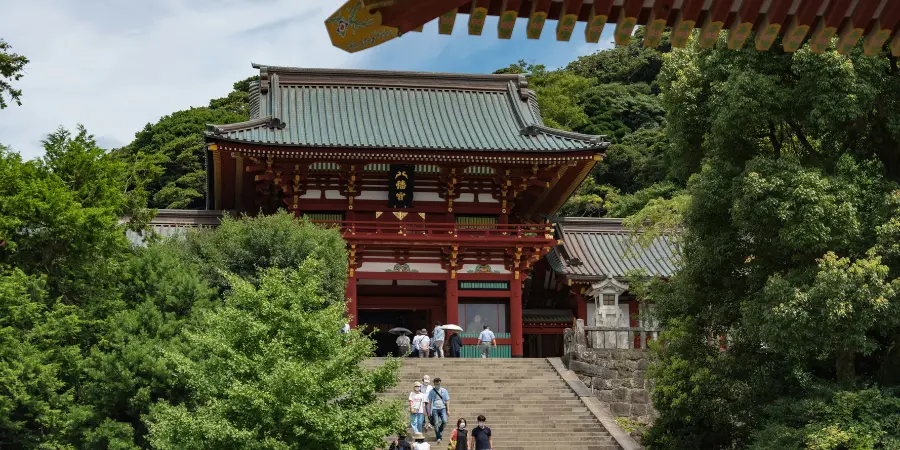
The Tsurugaoka Hachimangu Shrine stands as the city’s spiritual heart, captivating visitors with its ancient charm and serene atmosphere. During the rainy season, the shrine transforms into a mystical wonderland, with the wet surroundings adding a picturesque touch to the already beautiful location. Photographers and history enthusiasts will find endless inspiration within the shrine’s hallowed grounds.
For those arriving by car, there are several paid parking lots near the shrine. Entry to the shrine grounds is free, allowing visitors to explore at their leisure.
Komachi Street
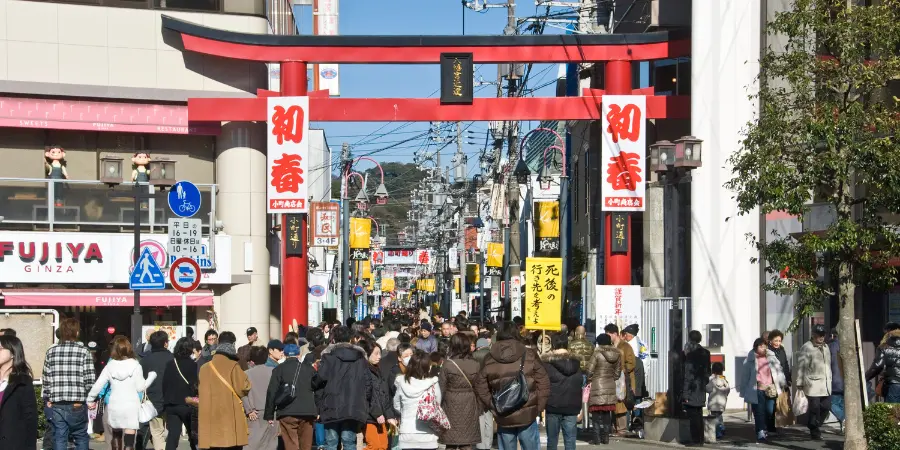
When visiting Kamakura, be sure to explore Komachi Street, a vibrant shopping and dining street that runs from Kamakura Station towards the Tsurugaoka Hachimangu Shrine. Stroll its length, browsing unique boutiques, souvenir shops, and cafes, and try local specialities like shirasu donburi (a whitebait rice bowl).
Prices range from budget-friendly street food to mid-range restaurant meals. Komachi Street starts a few minutes’ walk from the east exit of Kamakura Station, under a large red torii gate. For an authentic experience, try wearing a traditional kimono, available for rent at local shops.
Kamakura’s Great Buddha at Kotoku-in is a short ride from Kamakura Station on the Enoden, so Komachi Street, the shrine and the Great Buddha fit comfortably into one day. All of this makes Kamakura one of the best cities to travel in Japan.
Part 2: Nikko, Aomori, Kanazawa, Osaka, Kyoto and Hakone from July to December
Japan offers a captivating blend of rich history, diverse culture, and breathtaking natural beauty. Travelling in Japan can also be really hectic, which is why we have compiled this list of the best travel apps to make your travel easier. From ancient temples to lush forests and vibrant festivals, there’s something for everyone in this captivating country.
Part 2 of this article covers the best cities to travel to in Japan from July to December: Nikko in July, Aomori in August, Kanazawa in September, Osaka in October, Kyoto in November and Hakone in December. If you are weighing up the spring months instead, our guide to visiting Japan in May covers Golden Week and the late season blooms.