Tokyo is truly a bucket-list city, and Forbes Magazine agrees. The city mixes modern life with old traditions, and its art scene shows it, from ancient Buddhist treasures in Ueno Park to the digital rooms of teamLab and the Ghibli Museum in Mitaka. Whether you’re a seasoned art enthusiast or just curious, here are 11 of the best museums for art lovers in Tokyo, with the address, nearest station, admission price, opening hours and closed days for each.

Tokyo National Museum: Japan’s Oldest Museum, Founded in 1872 in Ueno Park
Mori Art Museum: Contemporary Art on the 53rd Floor of Roppongi Hills
teamLab Borderless: Digital Art Rooms at Azabudai Hills
Yayoi Kusama Museum: Five Floors of Kusama’s Work in Shinjuku
Ghibli Museum, Mitaka: Hayao Miyazaki’s Museum of Animation
teamLab Planets: Walking Through Water in Toyosu
Nezu Museum: Japanese and East Asian Art With a Garden in Minami Aoyama
Museum of Contemporary Art Tokyo: About 6,100 Works in Kiba Park
Sumida Hokusai Museum: Ukiyo-e in Hokusai’s Home District
21_21 Design Sight: Issey Miyake’s Design Gallery in Tokyo Midtown
Edo-Tokyo Museum: Tokyo’s History in Ryogoku, Reopened in 2026
1. Tokyo National Museum: Japan’s Oldest Museum, Founded in 1872 in Ueno Park
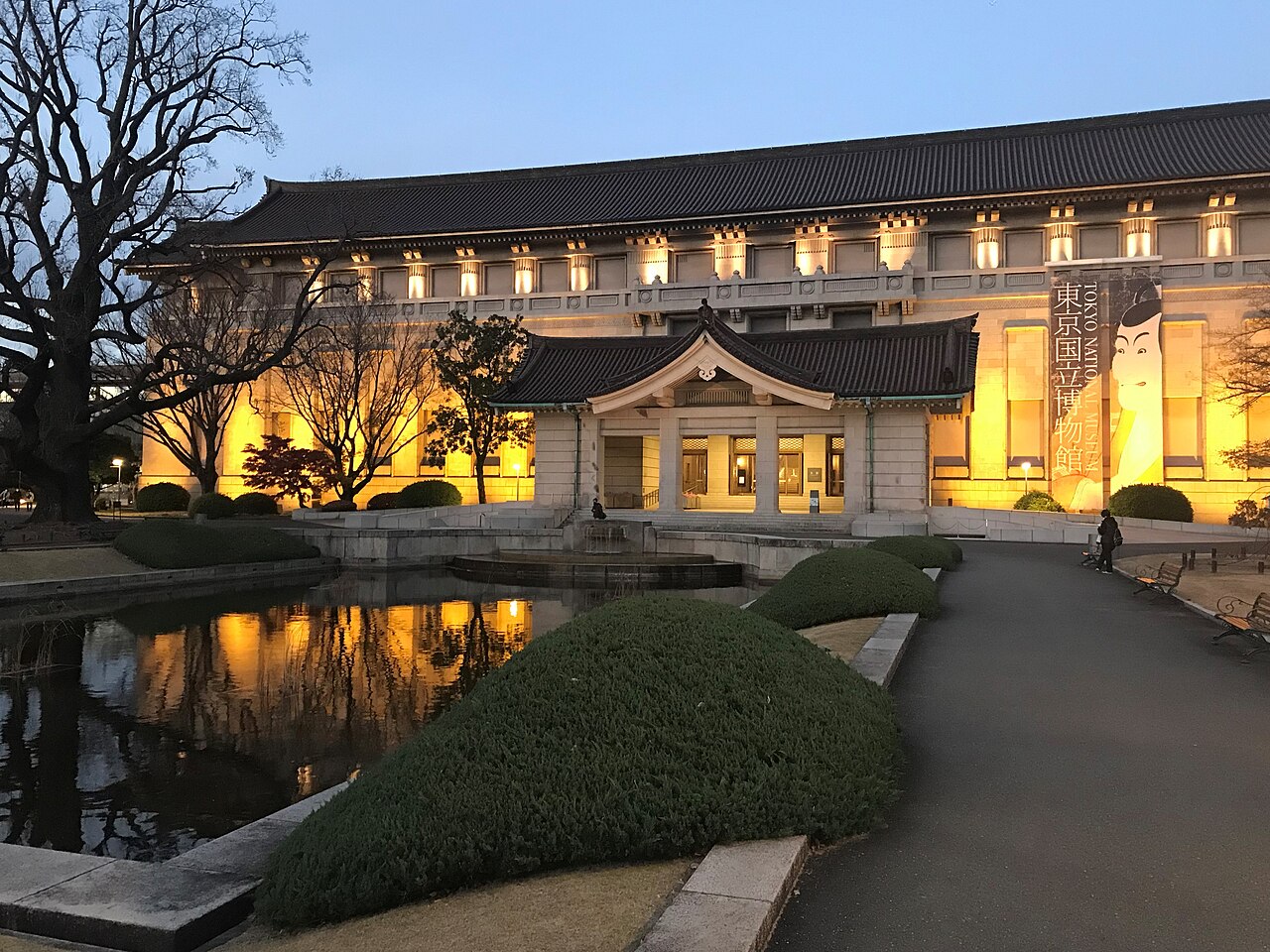
Image Credit: TPFUUT / Wikimedia Commons (CC BY-SA 4.0)
If there’s one museum you should visit in Tokyo, it’s the Tokyo National Museum. Founded in 1872, it is Japan’s oldest and largest museum, and its collection of over 120,000 pieces offers an unparalleled glimpse into the country’s rich artistic heritage.
The Japanese Gallery (Honkan) on the second floor is a must-see. Here, you’ll find a meticulously curated selection of artistic treasures, including ancient pottery, samurai swords, exquisite kimonos, and ukiyo-e woodblock prints. This gallery is perfect for those short on time, as it showcases the essence of Japanese art in one place.
For those with more time, the Gallery of Hōryū-ji Treasures is not to be missed. It houses Buddhist artefacts from one of Japan’s oldest temples, offering a deeper understanding of the country’s spiritual heritage. The Asian Gallery (Tōyōkan), home to an impressive collection of art from across Asia, is another highlight, showcasing the interconnectedness of Japanese art with its neighbouring cultures.
The museum’s history now spans more than 150 years, and it is one of the national museums run by the National Institutes for Cultural Heritage, alongside the Kyoto, Nara and Kyushu National Museums.
Practical Information:
- Address: 13-9 Ueno Park, Taito City, Tokyo
- Nearest Station: JR Ueno or Uguisudani Station, about 10 minutes on foot
- Admission: ¥1,000 for adults, ¥500 for university students, free for under-18s and over-70s (special exhibitions are ticketed separately)
- Opening Hours: 9:30 AM to 5:00 PM, until 8:00 PM on Fridays and Saturdays (closed Mondays, or the following day when Monday is a public holiday)
2. Mori Art Museum: Contemporary Art on the 53rd Floor of Roppongi Hills

Perched atop the 53rd floor of the Roppongi Hills Mori Tower, the Mori Art Museum offers a unique blend of contemporary art and breathtaking views of Tokyo’s skyline. Since its opening in 2003, it has become a premier destination for contemporary art lovers.
The museum is best known for its large rotating exhibitions of Japanese and international contemporary artists, shown alongside smaller displays from its own MAM Collection. Its main exhibition from 31 October 2026 to 28 March 2027 is Mariko Mori: All That Shines.
Past exhibitions have included solo shows by Ai Weiwei, Yayoi Kusama and Takashi Murakami. The museum closes between exhibitions and has announced a longer closure for renovation from September 2027 to April 2028, so check its calendar before you go.
Practical Information:
- Address: 53F Roppongi Hills Mori Tower, 6-10-1 Roppongi, Minato-ku, Tokyo
- Nearest Station: Roppongi Station (Hibiya Line), 3 minutes on foot from Exit 1C
- Admission: Varies by exhibition. For Mariko Mori: All That Shines, adults pay ¥2,800 on weekdays and ¥3,000 at weekends and on holidays, and junior high school students and younger go free
- Opening Hours: 10:00 AM to 10:00 PM, until 5:00 PM on Tuesdays (last entry 30 minutes before closing)


3. teamLab Borderless: Digital Art Rooms at Azabudai Hills

For a truly unique experience, visit teamLab Borderless Tokyo, a digital art museum that pushes the boundaries of what art can be. Created by the art collective teamLab, this museum offers an immersive experience that blurs the lines between art, technology, and the visitor.
teamLab Borderless opened at Azabudai Hills on 9 February 2024 and is one of Tokyo’s most popular attractions. The museum moved from its original Odaiba home, which ran from 2018 until August 2022. Its installations respond to visitors’ movements and change over time, so no two visits look quite the same.
In the Borderless World section, you can wander through ever-changing digital waterfalls and forests, and other named spaces include Bubble Universe, Light Sculpture and Future Park. For a more serene experience, visit EN TEA HOUSE, where digital flowers bloom in your cup, offering a peaceful break from the sensory overload.
Practical Information:
- Address: Azabudai Hills Garden Plaza B, B1, 5-9 Toranomon, Minato-ku, Tokyo
- Nearest Station: Kamiyacho Station (Hibiya Line), 2 minutes on foot from Exit 5
- Admission: ¥3,400 for adults (dynamic pricing, so the price changes by date), ¥2,800 for junior high and high school students, ¥1,500 for children aged 4 to 12
- Opening Hours: Vary by season (8:30 AM to 9:00 PM in autumn 2026), with occasional closed days, so check the official calendar
4. Yayoi Kusama Museum: Five Floors of Kusama’s Work in Shinjuku
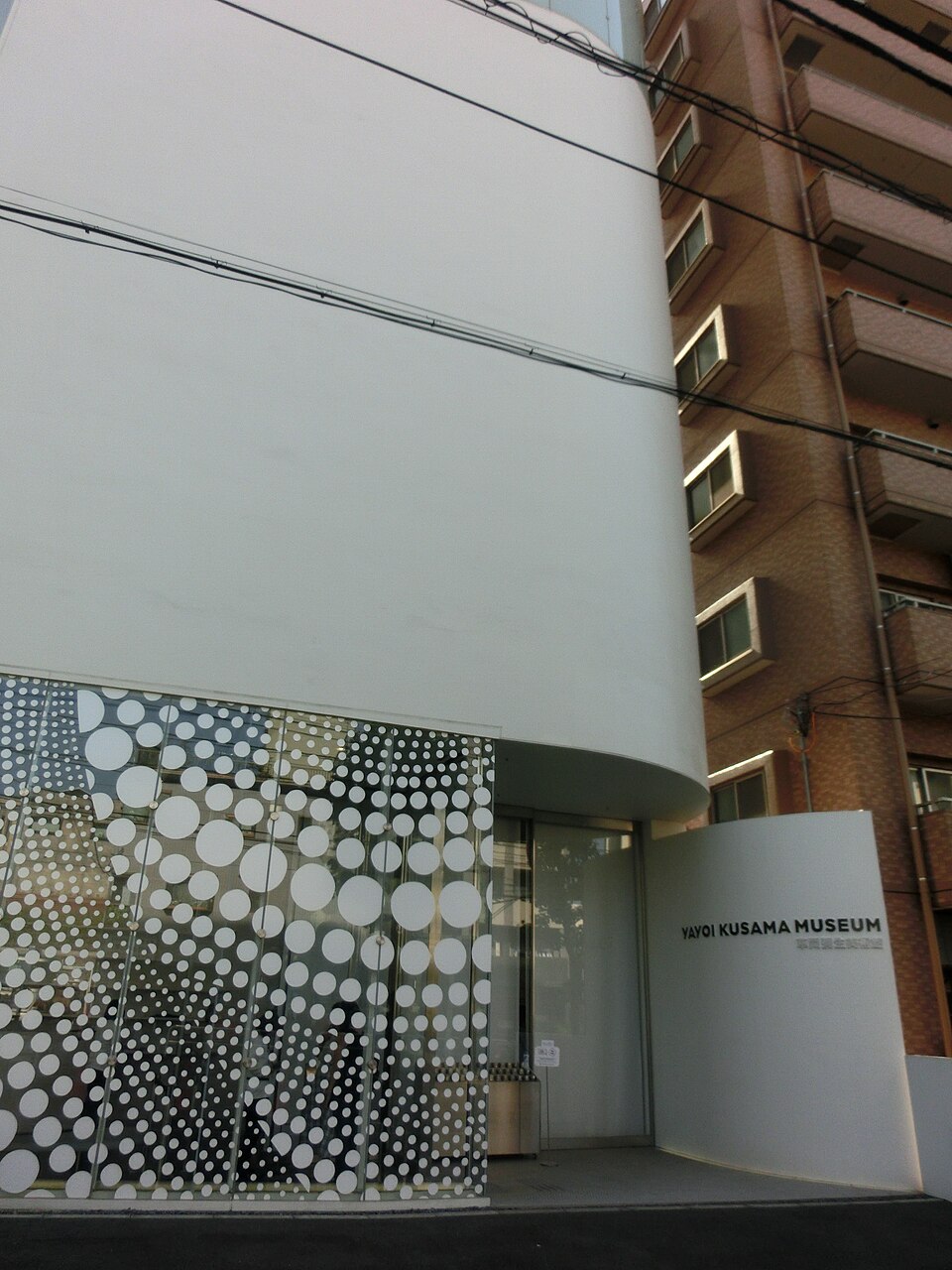
Image Credit: Bject / Wikimedia Commons (CC BY-SA 4.0)
The Yayoi Kusama Museum is dedicated to the works of one of Japan’s most famous contemporary artists. Yayoi Kusama, known for her polka dots, pumpkins, and immersive installations, creates art that both provokes thought and captivates visually.
The museum opened in Shinjuku in October 2017 and spans five floors, each dedicated to different aspects of Kusama’s work. Visitors can explore her iconic infinity mirror rooms, large-scale installations, and a rotating selection of her paintings and sculptures. The top floor features a reading room and a small outdoor space with one of Kusama’s famous pumpkin sculptures, offering a quiet space to reflect on her work.
Tickets are sold online only, in advance, for timed 90-minute slots. They go on sale at 10:00 AM Japan time on the first day of each month for entry in the month after next, and there is no ticket sale at the door.
Practical Information:
- Address: 107 Bentencho, Shinjuku-ku, Tokyo
- Nearest Station: Ushigome Yanagicho Station (Toei Oedo Line), about 6 minutes on foot, or Waseda Station (Tozai Line), about 7 minutes from Exit 1
- Admission: ¥1,100 for adults, ¥600 for ages 6 to 18, free for under-6s
- Opening Hours: 11:00 AM to 5:30 PM, Thursdays to Sundays and national holidays (closed Mondays, Tuesdays and Wednesdays)
5. Ghibli Museum, Mitaka: Hayao Miyazaki’s Museum of Animation
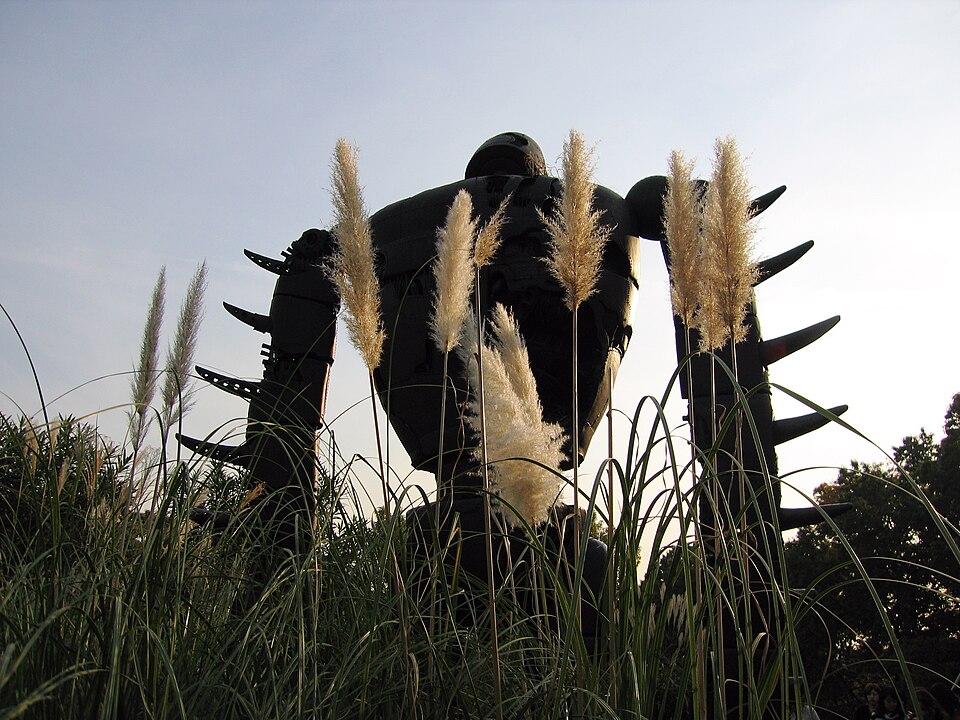
Image Credit: Kim Ahlström / Wikimedia Commons (CC BY 2.0)
The Ghibli Museum, Mitaka is a tribute to the magic of animation, designed by Studio Ghibli director Hayao Miyazaki himself. Opened in 2001, the museum is dedicated to the work of Studio Ghibli, the acclaimed Japanese animation studio behind classics like My Neighbour Totoro and Spirited Away.
Visitors can explore exhibits on the animation process, view exclusive short films in the Saturn Theater, and immerse themselves in the fantastical worlds of Studio Ghibli’s films. Highlights include a replica of Miyazaki’s studio, a rooftop garden featuring the robot soldier from Castle in the Sky, and a large Catbus from My Neighbour Totoro that children can play in.
All entry is by advance ticket for a set date and entry time, and nothing is sold at the museum. Tickets for overseas visitors go on sale through Lawson Ticket at 10:00 AM Japan time on the 10th of each month for the following month.
Practical Information:
- Address: 1-1-83 Shimorenjaku, Mitaka-shi, Tokyo
- Nearest Station: JR Mitaka Station, a 15-minute walk from the south exit, or a community bus that runs every 15 minutes
- Admission: ¥1,000 for ages 19 and over, ¥700 for ages 13 to 18, ¥400 for ages 7 to 12, ¥100 for ages 4 to 6, free for ages 3 and under
- Opening Hours: 10:00 AM to 6:00 PM (closed Tuesdays and on some maintenance days)








6. teamLab Planets: Walking Through Water in Toyosu

teamLab Planets in Toyosu is teamLab’s other large museum in Tokyo, best known as the museum where you walk through water. It opened on 7 July 2018 and is scheduled to run until the end of 2027, so plan your visit before then.
Visitors move through a series of large installations, including a room where koi swim across water that stretches out into infinity, and a soft floor that sinks under your feet and reshapes the sculpture around you. The artworks are rendered in real time by computer, so they change with the people inside them and never repeat.
Practical Information:
- Address: 6-1-16 Toyosu, Koto-ku, Tokyo
- Nearest Station: Shin-Toyosu Station (Yurikamome Line), 1 minute on foot from the north exit
- Admission: ¥3,800 for adults (dynamic pricing, so the price changes by date), ¥2,800 for junior high and high school students, ¥1,500 for children aged 4 to 12, free for ages 3 and under
- Opening Hours: Vary by season (8:00 AM to 10:00 PM in autumn 2026), with occasional closed days, so check the official calendar
7. Nezu Museum: Japanese and East Asian Art With a Garden in Minami Aoyama

Nestled in the upscale Aoyama district, the Nezu Museum is a tranquil haven that showcases an exquisite collection of Japanese and East Asian art. Its foundation was set up in 1940 following the will of Nezu Kaichirō, a businessman and avid art collector, and its current building, designed by architect Kengo Kuma, opened in 2009.
The museum’s collection of more than 7,400 works ranges from ancient calligraphy and ceramics to Buddhist statues, tea utensils and ancient Chinese bronzes. The outdoor garden, a highlight of the museum, provides a serene environment with its traditional tea houses, stone lanterns, and seasonal flora.
Practical Information:
- Address: 6-5-1 Minami-Aoyama, Minato-ku, Tokyo
- Nearest Station: Omotesando Station (Ginza, Hanzomon and Chiyoda lines), 8 minutes on foot from Exit A5
- Admission: Collection exhibitions ¥1,400 for adults booking a timed ticket online (¥1,600 at the door), special exhibitions from ¥1,600 online (¥1,800 at the door). University students pay from ¥600, and high school students and younger go free
- Opening Hours: 10:00 AM to 5:00 PM, last entry 4:30 PM (closed Mondays, or the following Tuesday when Monday is a national holiday)
8. Museum of Contemporary Art Tokyo: About 6,100 Works in Kiba Park

Located in Kiba Park, the Museum of Contemporary Art Tokyo (MOT) explores and promotes contemporary art in Japan and beyond. Since its opening in 1995, MOT has been a leading institution in showcasing cutting-edge works by both established and emerging artists.
The museum’s collection now holds about 6,100 works, ranging from paintings and sculptures to video art and installations, shown in rotating MOT Collection displays. MOT also hosts temporary exhibitions that explore current trends in contemporary art, making it a must-visit for those interested in the ever-evolving art world.
Practical Information:
- Address: 4-1-1 Miyoshi, Koto-ku, Tokyo
- Nearest Station: Kiyosumi-shirakawa Station (Hanzomon Line), 9 minutes on foot from Exit B2
- Admission: ¥500 for adults for the MOT Collection. Special exhibitions cost more, around ¥1,600 to ¥2,000 for adults, and include the MOT Collection
- Opening Hours: 10:00 AM to 6:00 PM (closed Mondays, or the following weekday when Monday is a holiday)
9. Sumida Hokusai Museum: Ukiyo-e in Hokusai’s Home District

The Sumida Hokusai Museum is dedicated to the life and work of Katsushika Hokusai, one of Japan’s most famous ukiyo-e artists. Located in Sumida, where Hokusai was born and spent much of his life, the museum opened in 2016 in a building designed by architect Kazuyo Sejima, and it offers an in-depth look at his prolific career and enduring legacy.
Visitors can explore a wide range of Hokusai’s works, including his iconic The Great Wave off Kanagawa and the Thirty-Six Views of Mount Fuji series. Ukiyo-e is fragile, so original prints go on show for no more than 30 days a year, and the permanent Education Room uses high-resolution replicas and touch-panel displays to explain Hokusai’s techniques and influence on both Japanese and international art.
Practical Information:
- Address: 2-7-2 Kamezawa, Sumida-ku, Tokyo
- Nearest Station: Ryogoku Station, on the JR Sobu Line and the Toei Oedo Line
- Admission: ¥400 for adults, ¥300 for high school and university students and over-65s for the Education Room. Special exhibitions are priced separately
- Opening Hours: 9:30 AM to 5:30 PM (closed Mondays, or the following weekday when Monday is a holiday)
10. 21_21 Design Sight: Issey Miyake’s Design Gallery in Tokyo Midtown

21_21 Design Sight sits in the garden of Tokyo Midtown in Roppongi. Founded by the fashion designer Issey Miyake with designers Taku Satoh and Naoto Fukasawa, it opened in March 2007 to explore the intersection of art, design, and everyday life.
The museum hosts a variety of exhibitions that challenge conventional ideas of design, often featuring collaborations between artists, designers, and scientists. Until 11 January 2027 it is showing Learning from “Hōjōki”: Tiny Architecture Reweaves Life. The space itself, designed by architect Tadao Ando, is a masterpiece of minimalist architecture, making it a must-visit for design enthusiasts.
Practical Information:
- Address: Tokyo Midtown, 9-7-6 Akasaka, Minato-ku, Tokyo
- Nearest Station: Roppongi Station (Toei Oedo and Hibiya lines) or Nogizaka Station (Chiyoda Line), 5 minutes on foot
- Admission: Varies by exhibition. For Learning from “Hōjōki”, adults pay ¥1,700, university students ¥800 and high school students ¥500, and junior high school students and younger go free
- Opening Hours: 10:00 AM to 7:00 PM, last entry 6:30 PM (closed Tuesdays, over New Year and between exhibitions)

11. Edo-Tokyo Museum: Tokyo’s History in Ryogoku, Reopened in 2026

The Edo-Tokyo Museum offers a fascinating journey through the history of Tokyo, from its days as a small fishing village to its transformation into one of the world’s largest metropolises. After a long closure for major renovation, it reopened on 31 March 2026. The permanent exhibition covers about 9,000 square metres across the fifth and sixth floors, with full-scale replicas, dioramas, and historical artefacts that bring the past to life.
Visitors can explore different periods of Tokyo’s history, starting with the Edo period, when the city was known as Edo and was the seat of the Tokugawa shogunate. The museum also provides insights into Tokyo’s modernisation during the Meiji Restoration and its rapid growth in the 20th century.
Practical Information:
- Address: 1-4-1 Yokoami, Sumida-ku, Tokyo
- Nearest Station: Ryogoku Station, 1 minute on foot from Exit A3 or A4 on the Toei Oedo Line, or 3 minutes from the West Exit on the JR Sobu Line
- Admission: Permanent exhibition ¥800 for adults, ¥480 for university students, ¥300 for high school students, ¥400 for over-65s, free for junior high school students and younger. Special exhibitions are ticketed separately
- Opening Hours: 9:30 AM to 5:30 PM, until 7:30 PM on Saturdays (closed Mondays, or the following weekday when Monday is a holiday)
Planning a Route Around Tokyo’s Art Museums by Neighbourhood
Several of these museums sit close together, which makes it easy to pair them in one day. In Roppongi, the Mori Art Museum and 21_21 Design Sight are a short walk apart, and teamLab Borderless is one stop away on the Hibiya Line at Kamiyacho. The Sumida Hokusai Museum and the Edo-Tokyo Museum are both close to Ryogoku Station, and the Museum of Contemporary Art Tokyo is a short ride south in Kiba Park.
The Tokyo National Museum can fill a day on its own in Ueno Park, the Nezu Museum pairs well with a walk around Omotesando, and the Ghibli Museum sits out west in Mitaka. Check closed days before you set off. Monday is the day off for most of the museums here, while the Ghibli Museum and 21_21 Design Sight close on Tuesdays and the Yayoi Kusama Museum only opens from Thursday to Sunday.
Questions About Visiting Tokyo’s Art Museums
What is the best time to visit art museums in Tokyo?
The best time to visit art museums in Tokyo is during weekdays and early mornings when they are less crowded. Avoid public holidays and weekends for a more relaxed experience.
Are there any free art museums in Tokyo?
Several museums are free for some visitors. The Tokyo National Museum’s collection galleries are free for under-18s and over-70s, the Nezu Museum is free for high school students and younger, and the MOT Collection at the Museum of Contemporary Art Tokyo is free for junior high school students and younger. The Tokyo National Museum also opens its collection galleries free to everyone on a few days a year, including 3 November in 2026.
How can I buy tickets for teamLab Borderless Tokyo?
Tickets for teamLab Borderless Tokyo can be purchased online through their official website or ticketing platforms. Book ahead, as popular time slots often sell out.
Is photography allowed in Tokyo’s art museums?
Photography policies vary by museum. While some museums allow non-flash photography, others may have restrictions. Always check the specific museum’s guidelines.
What is the most unique art museum in Tokyo?
teamLab Borderless is one of the most unique art museums in Tokyo due to its immersive digital art installations that blend technology with artistic expression.
Can I visit the Ghibli Museum without a ticket?
No, the Ghibli Museum requires advance ticket purchases, and tickets are not available at the door. Tickets go on sale on the 10th of each month for the following month, so it’s essential to plan ahead and secure yours before your visit.