Japan is an incredibly diverse country with a unique charm each month of the year. Whether you’re seeking lively summer festivals, scenic autumn foliage, or peaceful winter retreats, Japan offers unforgettable experiences no matter when you visit. This guide continues from Part 1, covering the best cities to travel in Japan from July through December, focusing on must-see attractions, travel tips, and insider advice to make your trip perfect.
Where to Travel in Japan
July: Nikko (Tochigi)
When going to Japan in July, Nikko in Tochigi is an ideal escape from the heat and one of the best cities to travel to in Japan in July. Surrounded by lush mountains and dense forests, the city has a cooler climate and is renowned for its cultural and historical significance. A UNESCO World Heritage site, Nikko boasts some of Japan’s most iconic attractions and scenic beauty.
Toshogu Shrine
The Toshogu Shrine is the crown jewel of Nikko’s attractions, famed for its elaborate design and intricate carvings. Built in the 17th century to honour Tokugawa Ieyasu, the founder of the Tokugawa shogunate, the shrine is both a historical and architectural masterpiece. The complex is home to more than a dozen buildings that are stunningly decorated with gold leaf and colourful paintings.
Visitors are often struck by the Yomeimon Gate, a dazzling entrance adorned with intricate carvings of mythical creatures, flowers, and birds. For deeper insights into the shrine’s history, an English audio guide covering 29 of the buildings can be rented for ¥500 a day just inside the Omotemon gate, or you can explore on your own. Admission is ¥1,600 for adults, and you can book your tickets here. For accommodation, the nearby Nikko Kanaya Hotel provides a luxurious stay in a historical setting, while more budget-friendly guesthouses and ryokan are also available.
Kegon Falls
A short trip from the shrine brings you to Kegon Falls, counted with Nachi Falls and Fukuroda Falls as one of Japan’s three great waterfalls. The falls drop 97 metres and are surrounded by vibrant greenery in July, making them a must-visit for nature lovers. For the closest view, a lift descends 100 metres to the lower observation deck, which costs ¥600 return for adults. For those who enjoy hiking, several trails lead from the falls to the surrounding Lake Chuzenji, offering scenic vistas of the waterfall and the lake. Pack a lunch and enjoy a picnic near the falls for a refreshing summer escape.
Oku-Nikko Hot Springs

End your day in Oku-Nikko, home to some of the best onsen (hot springs) in the region. These natural hot springs are set against a backdrop of stunning nature, making them an excellent way to relax and unwind after a day of sightseeing. Every place to stay in Okunikko Yumoto Onsen is a hot spring inn, known for milky, sulphur-scented water, and many of them welcome day visitors, with prices set by each inn.
For an authentic Japanese experience, stay overnight at an onsen ryokan such as Yumoto Itaya in Yumoto Onsen and enjoy a traditional dinner of seasonal dishes. The cool mountain air combined with the hot springs makes July a perfect time to visit one of the best cities to travel to in Japan.


August: Aomori (Tohoku)
August in Japan is known for its intense heat and humidity, but the cooler northern region of Aomori in Tohoku offers a refreshing escape. Known for its lush landscapes and rich cultural heritage, Aomori is the perfect destination to experience vibrant summer festivals and serene natural beauty.
Aomori Nebuta Festival, 2 to 7 August
The Aomori Nebuta Festival is the city’s most iconic event and is held every year from 2 to 7 August. This festival is famous for its giant, illuminated floats that depict warriors, gods, and historical figures, which parade through the city streets accompanied by dancers and musicians. The atmosphere is electric, with locals and tourists alike joining in the festivities. Be sure to book your accommodation early, as hotels in Aomori fill up quickly during this period.
Visitors can book reserved seats along the parade route for ¥4,000 per person, though watching from the pavement is free. If you want to truly immerse yourself in the festival, wear a haneto costume and join the parade as a dancer. Anyone can take part without registering, as long as they wear the full costume. Rental sets cost around ¥4,000, with tabi socks, sandals and the flower hat charged separately.
Hirosaki Castle
A short trip from Aomori City, Hirosaki Castle is a must-see for history lovers. This Edo-period castle is surrounded by expansive gardens and moats, offering visitors a peaceful retreat from the bustling festival. While Hirosaki is particularly famous for its cherry blossoms in the spring, the summer brings a lush, green landscape that is equally stunning.
Hirosaki Park is free to walk around, and entry to the Honmaru, the inner citadel where the castle keep stands, costs ¥320 for adults from 1 April to 23 November. The moats are perfect for a leisurely stroll, although the rowing boats on the west moat are only rented out during the spring cherry blossom festival. Stay at the Hirosaki Park Hotel, about 12 minutes on foot from both the station and the park, for easy access to the castle and the city’s other attractions.
Oirase Gorge
For those looking to immerse themselves in nature, Oirase Gorge offers one of the most scenic hiking experiences in Japan. The 14-kilometre trail runs along the Oirase River and is shaded by dense forests, providing a cool escape from the summer heat. The gorge is known for its cascading waterfalls and crystal-clear streams, making it a popular spot for photography enthusiasts.
The best way to experience Oirase is to start at Lake Towada, a caldera lake with deep blue waters surrounded by mountains. The Lake Towada sightseeing boat between Yasumiya and Nenokuchi, where the Oirase trail meets the lake, takes about 50 minutes and costs ¥1,760 for adults. Boats run from late April to early November, offering a serene way to take in the scenery.
September: Kanazawa (Ishikawa)
As the intense heat of summer begins to fade, Kanazawa becomes a perfect destination for those looking to experience Japan’s rich cultural heritage and stunning gardens in Japan during September. Located in Ishikawa Prefecture, Kanazawa is known for its historical districts, samurai culture, and beautiful landscapes, making it one of the best cities to travel in Japan.
Kenrokuen Garden
One of Japan’s three great gardens, Kenrokuen takes its name from “the garden of six attributes,” the six qualities of an ideal landscape: spaciousness, seclusion, artifice, antiquity, water courses and panoramic views. September is a calm, green month here before the autumn colour arrives later in the season, making it a peaceful time to explore.
Entry costs ¥320 for adults, and guided tours in English are available for those who want to learn more about the garden’s history and design. For accommodation, Hotel Kanazawa, a minute’s walk from Kanazawa Station, offers modern comforts with a traditional Japanese aesthetic.
Kanazawa Castle
Adjacent to Kenrokuen is Kanazawa Castle, a stunning remnant of Japan’s feudal past. Its white plaster walls and pale lead roof tiles make it one of the most visually impressive castles in Japan. Kanazawa Castle Park is free to explore, while the reconstructed Hishi-yagura turret and Gojikken-nagaya storehouse cost ¥320 for adults. There is no castle keep to climb, but inside these timber buildings you can see how the castle was built and learn about the history of the Kaga domain.
Many visitors recommend pairing a visit to the castle with a stop at the nearby 21st Century Museum of Contemporary Art, which contrasts Kanazawa’s historical side with modern creativity.
Nagamachi Samurai District
For a truly immersive experience, take a walk through Nagamachi, Kanazawa’s preserved samurai district. You’ll find traditional samurai houses, narrow streets, and earthen walls, offering a glimpse into the lives of Japan’s noble warriors. Some houses are open to the public, including the Nomura-ke, where entry costs ¥550 for adults (rising to ¥750 from 1 April 2027) and you can step inside to explore beautifully preserved rooms and gardens.
You can also visit Kazuemachi Chaya District, a more peaceful alternative to the busier Higashi Chaya District. Many cafes and tea houses in this area have retained their Edo-period charm, offering an authentic experience for visitors.
October: Osaka
As the weather begins to cool down, Osaka is an exciting city to visit in Japan in October. Known as Japan’s food capital and filled with both modern attractions and historical landmarks, Osaka is a lively destination with something for everyone.
Universal Studios Japan
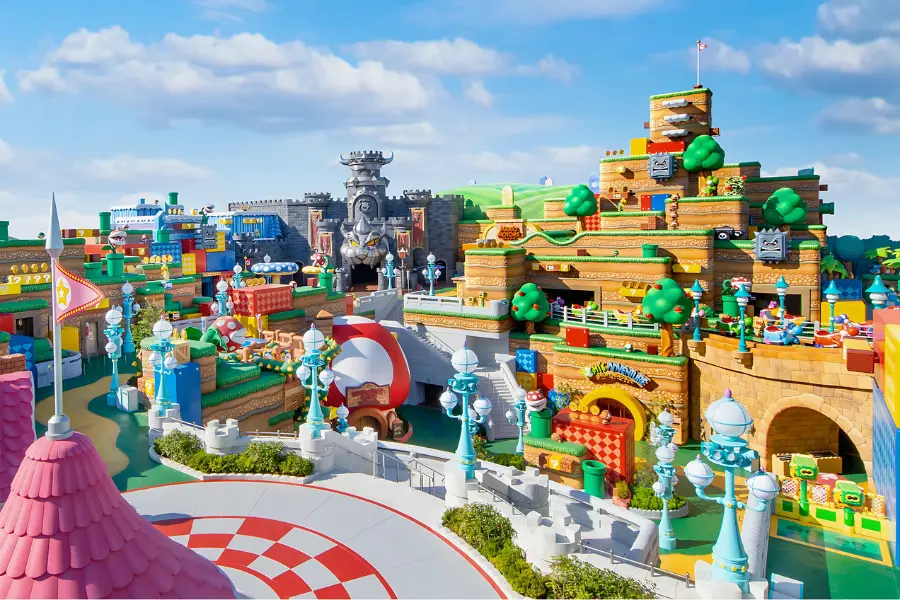
Universal Studios Japan (USJ) is a must-visit destination for thrill-seekers in October. Its Halloween Horror Nights season fills the park after dark with haunted attractions, roaming zombies and special shows; in 2026 it began on 11 September and runs through the autumn. Areas such as The Wizarding World of Harry Potter and Jurassic Park draw crowds year-round, so it’s best to arrive early in the day to make the most of your visit.
Tickets for USJ are priced by date, so check the official calendar for the day you want, and Universal Express passes are available for an additional fee if you want to skip the queues. Stay at Hotel Universal Port, located just a short walk from the park entrance, for maximum convenience.
Osaka Castle
One of Japan’s most famous landmarks, Osaka Castle is a pleasant visit in October, once the summer heat has eased, and the trees in the surrounding park turn later in the autumn. The castle itself offers panoramic views of the city, and the interior is a museum dedicated to the history of Osaka and the Toyotomi clan.
Admission to the main tower is ¥1,200 for adults, and the late afternoon is a good time to visit, when the light over the city softens. Afterwards, take a leisurely stroll through Osaka Castle Park, where families enjoy picnics and street performers add to the lively atmosphere.
Dotonbori Street Food
No trip to Osaka is complete without indulging in its world-famous street food. Dotonbori, the city’s neon-lit entertainment district, is the best place to sample local dishes such as takoyaki (octopus balls), okonomiyaki (savoury pancakes), and kushikatsu (deep-fried skewers). The bustling atmosphere of Dotonbori at night is an experience in itself, with giant billboards and animated signs lighting up the streets.
For a local recommendation, try Creo-ru, a popular takoyaki shop on Dotonbori that receives rave reviews from tourists and locals alike. Prices are reasonable, with eight takoyaki costing ¥803 at its Dotonbori branch.








November: Kyoto Autumn Leaves
By November, the autumn foliage season is in full swing, making Kyoto one of the most beautiful cities to visit in Japan during the month of November. The combination of vibrant red and gold leaves against traditional temples and gardens makes for unforgettable scenery. Kyoto is also a very student friendly city, and a good destination for international students, as it is home to some of the most reputed universities in Japan.
Autumn Foliage at Tofukuji Temple
Among the many temples in Kyoto, Tofukuji Temple stands out as one of the best places to see autumn colours. The temple is famous for its Tsutenkyo Bridge, which offers breathtaking views of the valley below filled with fiery red maple trees. Entry to Tsutenkyo Bridge and Kaisando costs ¥600 for adults for most of the year and ¥1,000 during the autumn viewing period, which runs from 14 November to 6 December in 2026 (the dates change each year). The Hojo garden, laid out by Mirei Shigemori, needs a separate ticket. The stunning views are worth the crowds.
If you plan on visiting in November, it’s best to arrive early in the morning to avoid the peak tourist rush. For accommodation, The Westin Miyako Kyoto in Higashiyama, beside Keage, offers luxurious rooms and a comfortable base for the eastern side of the city.
Hozugawa River Boat Ride to Arashiyama
For a unique way to experience Kyoto’s autumn beauty, take the Hozugawa river boat ride, which travels about 16 kilometres down the Hozu River, the upper stretch of the Katsura, from Kameoka to Arashiyama. Boatmen steer the boats past riverbanks lined with colourful trees. Tickets cost ¥6,000 for adults, and the trip takes about 100 minutes, depending on the water level.
After your boat ride, explore Arashiyama, a district known for its bamboo groves and charming shops. The combination of river views and historical sites makes Arashiyama one of the top destinations in Kyoto for autumn travellers.
Kyoto Gyoen (Imperial Palace Gardens)
Another must-visit in November is Kyoto Gyoen, the park around the Kyoto Imperial Palace. Its expansive grounds are filled with seasonal plants and trees, offering a serene environment for a leisurely walk. Best of all, entrance is free, making it a budget-friendly option for those who want to experience Kyoto’s natural beauty.
December: Hakone (Kanagawa)
As winter sets in, Hakone in Kanagawa Prefecture becomes an idyllic retreat for those seeking relaxation and scenic beauty. Known for its hot springs and breathtaking views of Mt. Fuji, Hakone is the perfect destination for a peaceful getaway in December. Motorsport fans can also add Fuji Speedway in neighbouring Oyama, Shizuoka Prefecture, which hosted the Formula One Japanese Grand Prix in 2007 and 2008 and offers circuit taxi rides.
Hakone Kowakien Yunessun and Ryokan Onsen
There’s nothing quite like soaking in an outdoor onsen with a view of snow-capped Mt. Fuji in the distance. Hakone Kowakien Yunessun is one of the most popular hot spring resorts in the area, combining a swimsuit spa zone for families with Mori no Yu, a traditional onsen area. Prices change by date: Mori no Yu costs ¥1,500 to ¥1,800 for adults, and the Yunessun swimsuit area costs ¥2,500 to ¥3,000. Staying overnight at a nearby ryokan offers the full experience, with private onsen and traditional Japanese meals.
Hakone Ropeway
To fully appreciate the scenic beauty of Hakone, take a ride on the Hakone Ropeway, which offers panoramic views of Lake Ashi and Mt. Fuji. The crisp winter air often brings clear skies, making December one of the best times to visit. The journey takes about 30 minutes, offering plenty of photo opportunities along the way, and the Hakone Freepass covers the fare.
Lake Ashi Cruise
Finish your Hakone trip with a cruise on Lake Ashi aboard one of the Hakone Sightseeing Cruise pirate ships, enjoying the tranquil waters and, on clear days, stunning views of Mt. Fuji from the deck. The lake is especially beautiful in winter, with the surrounding mountains dusted with snow. Cruises last around 40 minutes and are also covered by the Hakone Freepass, making them a perfect way to end your visit to Hakone.
Best Time to Visit Japan: Frequently Asked Questions
What is the best month to visit Japan for cherry blossoms?
Late March and early April. Japan Meteorological Agency averages for 1991 to 2020 put the first blossoms in Tokyo on 24 March, with full bloom on 31 March, and in Kyoto on 26 March, with full bloom on 4 April.
Which is the best season to visit Tokyo?
Spring (March to April) and autumn (October to November) are the best seasons to visit Tokyo for pleasant weather and beautiful foliage.
When is the best month to visit Osaka?
October is ideal for visiting Osaka, with cooler weather for exploring on foot, and the autumn colours follow later in the season.
Where is the best place to see autumn leaves in Japan?
Kyoto, particularly at Tofukuji Temple and Kyoto Gyoen, is a top destination for autumn foliage in November.
Is January a good time to visit Japan?
Yes, January is great for winter sports, especially in Hokkaido, and Sapporo’s famous Snow Festival follows in February.
What is the best month to visit Okinawa?
Late June, once the rainy season ends, is a good time to visit Okinawa for warm weather and less crowded beaches before the summer holidays. Japan Meteorological Agency averages for 1991 to 2020 put Okinawa’s rainy season at roughly 10 May to 21 June, so expect showers in much of May.
Japan offers a wide variety of experiences throughout the year. Whether you’re exploring ancient temples, indulging in delicious street food or soaking in a hot spring with views of Mt. Fuji, each city offers something unique in every season. Use this month-by-month guide to plan your itinerary around the best cities to travel in Japan, and enjoy the best that Japan has to offer, no matter when you visit.