
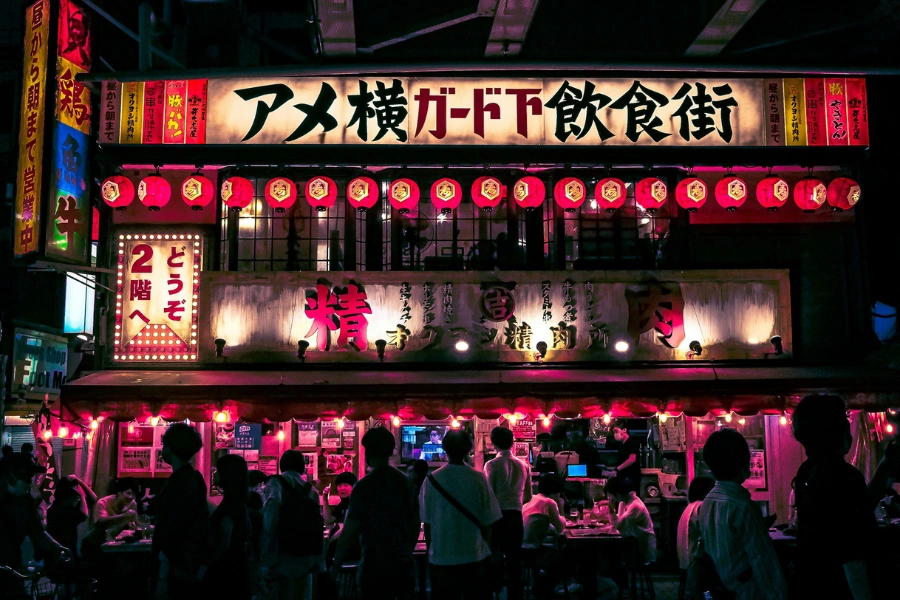
Ueno is one of Tokyo’s busiest rail hubs, and the area around the station is filled with history, art, and nature. Nestled in Taito City, Ueno is renowned for its historic sites, and the iconic landmarks like Ueno Park, which is particularly famous during the cherry blossom season.
For those planning a visit, Ueno offers a variety of accommodation options to suit every budget. Ueno is undoubtedly one of the most accessible neighbourhoods in Tokyo, making it perfect for first-time visitors to Japan. Its convenient location and excellent transportation links ensure a seamless travel experience throughout your trip. From the bustling shops and restaurants to the serene beauty of Ueno Park, this guide will help you navigate through the best that Ueno has to offer, including Ueno Park.
Explore the heart of Ueno to uncover its unique charm.
Ueno in Brief: Hotels, Museums, Ueno Zoo and Ameyoko
- The neighbourhood offers a variety of accommodation, dining, and shopping options, catering to diverse preferences and budgets.
- Visitors can explore top attractions, including renowned museums, historic sites, and the famous Ueno Zoo, making it an ideal destination for culture enthusiasts.
- With its great transport links and cultural attractions, Ueno is a perfect base for first-time visitors to Japan.
- Ueno’s history, from temple district to cultural hub, is reflected in Ueno Park, the neighbourhood’s heart, famed for its cherry blossoms and hanami parties.
- Accommodation options in Ueno range from budget-friendly hotels to stylish boutique experiences, ensuring comfort and convenience for all travellers.
- Ameyoko and Ecute Ueno offer bustling shopping experiences, perfect for bargain hunters and those seeking unique souvenirs.
The History of Ueno
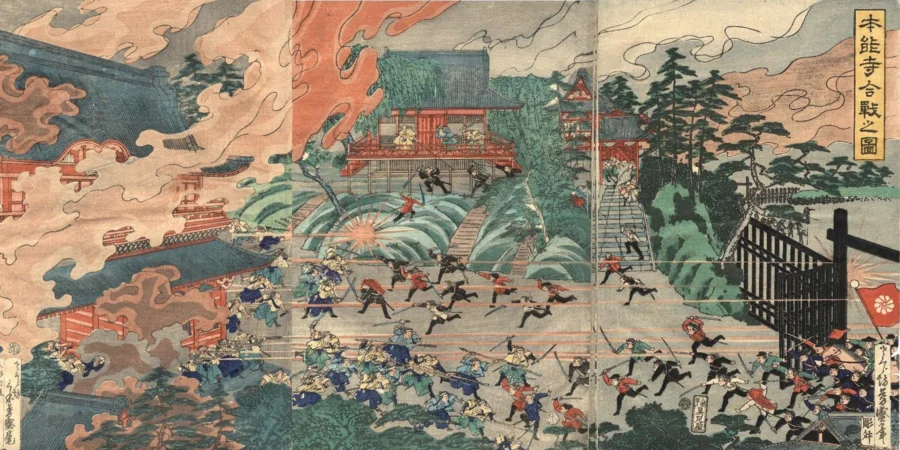
Artwork by Utagawa Yoshimori, 1869
Ueno’s history is rich and multifaceted, dating back to its origins as a temple district during the Edo period.
Tokugawa Shogunate
During the Tokugawa Shogunate (1603 to 1868), Ueno was home to Kanei-ji Temple, a key spiritual and political centre for the ruling Tokugawa clan. In 1868, during the Boshin War, Ueno became a battlefield as imperial forces clashed with Tokugawa loyalists in the Battle of Ueno. The temple was largely destroyed, marking the fall of the shogunate and ushering in the Meiji Restoration.
Meiji Restoration
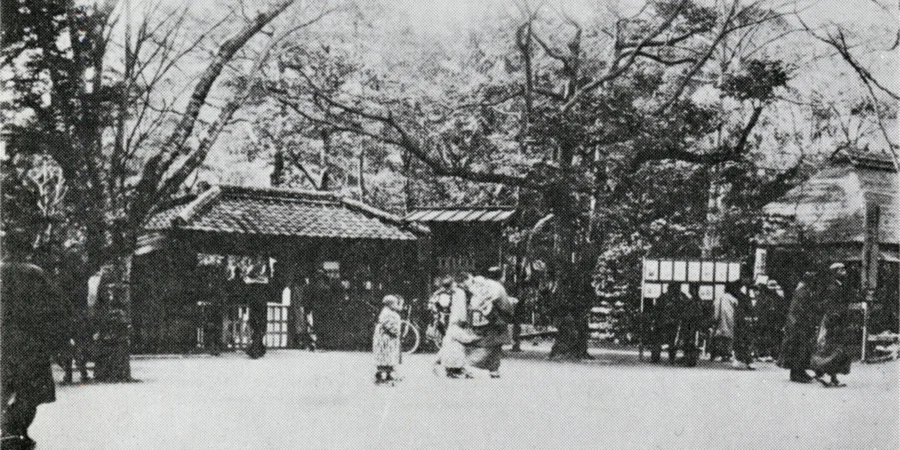
20 March 1882: Ueno Zoo opens
It became a significant cultural hub during the Meiji Restoration, hosting Japan’s first exposition and laying the groundwork for the Tokyo National Museum. This era marked Ueno’s transformation into a centre for cultural and educational institutions, including the establishment of the National Museum of Nature and Science and the Tokyo Fine Arts School, now part of Tokyo University of the Arts.
Over the years, Ueno has evolved into a “museum mecca,” housing some of Japan’s most renowned museums and galleries, solidifying its reputation as a cultural epicentre. This transformation has made Ueno a pivotal part of Tokyo’s cultural and historical landscape.
Post-War Rebuilding and 1,250 Cherry Trees
Following World War II, Ueno, which had suffered extensive damage, underwent a significant rebuilding process. The “Ueno Shosei Kai,” an organisation dedicated to restoring Ueno to its former glory, played a key role in this effort by donating 1,250 cherry blossom trees in 1948 to rejuvenate the scenic beauty of Ueno Park.


Getting to Ueno

Photo: Nesnad, CC BY 4.0, via Wikimedia Commons
Travelling to Ueno is straightforward due to its major transportation hub status. JR Ueno Station (上野駅) provides access to numerous Shinkansen, JR, and metro lines, making it easily accessible from different parts of Tokyo and beyond.
The Shinkansen lines at Ueno Station
🚄 Tohoku Shinkansen, connecting Tokyo with Sendai, Morioka, and Aomori.
🚄 Joetsu Shinkansen, linking Tokyo with Niigata.
🚄 Hokkaido Shinkansen, continuing from Shin-Aomori to Shin-Hakodate-Hokuto.
🚄 Akita Shinkansen, connecting Tokyo with Akita.
🚄 Hokuriku Shinkansen, running between Tokyo, Nagano, Kanazawa and, since March 2024, Tsuruga.
🚄 Yamagata Shinkansen, connecting Tokyo with Yamagata and Shinjo.

Photo: 運動会プロテインパワー, CC BY-SA 4.0, via Wikimedia Commons
Shinkansen on these lines start at Tokyo Station, and most stop at Ueno before continuing north, so you can board here without crossing the city first. Additionally, Keisei Ueno Station offers further connectivity for travellers.
Haneda Airport Links

Photo: Niiryoku2910, CC BY-SA 4.0, via Wikimedia Commons
Arriving from Haneda Airport, you can easily reach Ueno. Take the Keikyu Line to Shinagawa, then transfer to the Yamanote Line for a direct route to Ueno Station. With such convenient transportation options, Ueno is an ideal base for exploring Tokyo and its surroundings.
Where to Stay in Ueno
For those considering a stay in Ueno, the neighbourhood offers a range of accommodation options that combine comfort with convenience.
Hotel Resol Ueno
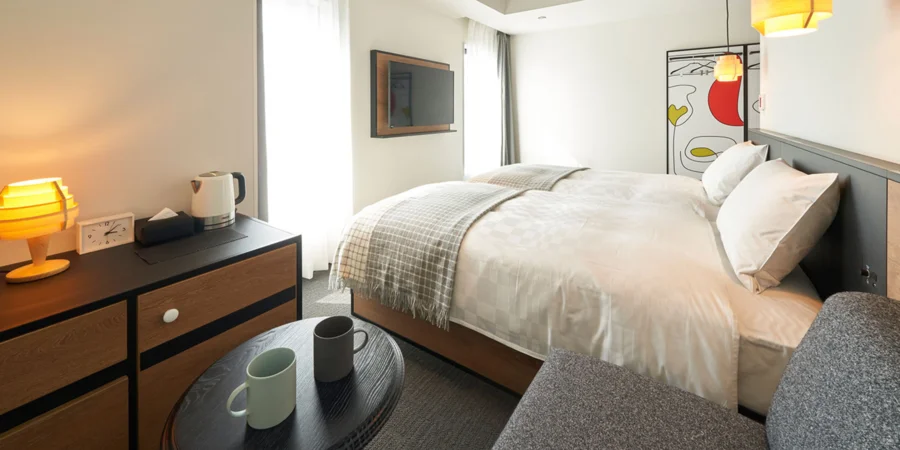
Hotel Resol Ueno offers a perfect blend of modern comfort and an unbeatable location, making it an ideal choice for both leisure and business travellers. The hotel features well-appointed rooms equipped with essential amenities to ensure a comfortable stay. Guests can enjoy conveniences such as free Wi-Fi, air conditioning, and a flat-screen TV in every room. Additionally, the hotel provides a relaxing space for guests to unwind after a day of exploring Ueno Park and other local attractions.
A unique feature of Hotel Resol Ueno is the Resol Gallery Ueno, which showcases a variety of art pieces that enhance the cultural experience for guests. This gallery offers a glimpse into the local art scene, providing an enriching experience that complements the hotel’s contemporary design. For more details on their offerings, visit their official website.
Instagram: https://www.instagram.com/resol_hotel_official
📍Google Maps: https://maps.app.goo.gl/wMdbB3iwUZ42FPEk8
Tosei Hotel Cocone Ueno

Tosei Hotel Cocone Ueno is another great option, favoured by both business and leisure travellers due to its excellent ratings and convenient access. The hotel is known for its peaceful ambience, making it a very quiet place to unwind.
Guests can enjoy a variety of complimentary toiletries and indulge in free coffee, tea, and snacks available in the lobby. Its proximity to various train stations, shops, and other amenities makes it an ideal location for exploring Ueno. The staff are particularly noted for their exceptional service, going above and beyond to assist guests.
Explore more about this hotel on their website.
📍Google Maps: https://maps.app.goo.gl/wUdkkqRdppYjt7yN7
Ueno Hotel
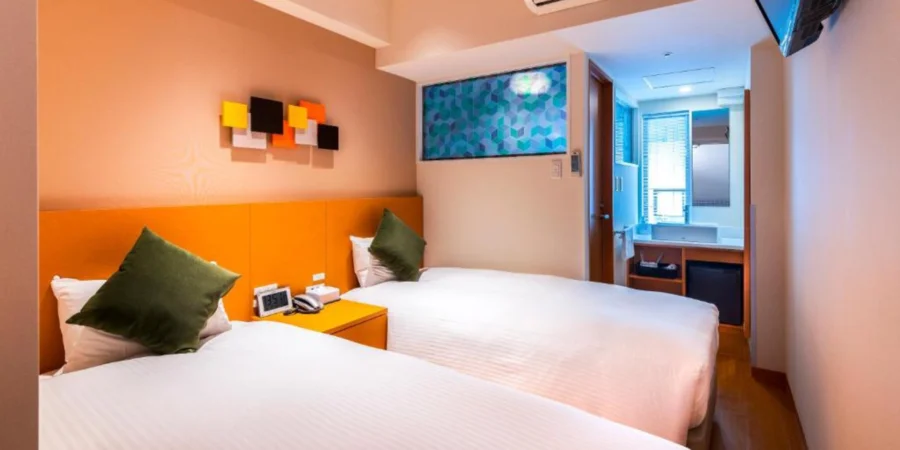
For budget-conscious travellers, Ueno Hotel offers affordable rooms close to local attractions. The hotel is known for its convenient location and friendly service. The staff are particularly helpful, always enquiring about your stay and if you need anything, ensuring a smooth experience even during peak seasons. Guests can enjoy a complimentary breakfast served directly to their rooms, adding to the convenience.
Additionally, the hotel provides massage and laundry services in-house, offering an extra layer of comfort and relaxation for travellers.
📍Google Maps: https://maps.app.goo.gl/A9Bcf5pi5mZJo8uq6
APA Hotel Ueno Ekimae
APA Hotel Ueno Ekimae offers a smooth check-in experience and is known for its convenient location and reliable amenities. While the rooms are compact, which is typical for many hotels in Japan, they are exceptionally clean and comfortable.

Guests can enjoy good WiFi access and climate control, ensuring comfort regardless of the weather. Additionally, the hotel provides a great movie selection for entertainment during your stay, making it a pleasant choice for exploring Ueno’s attractions.
📍Google Maps: https://maps.app.goo.gl/v3eoaVK7SgsGeiZE9
Hotel Sardonyx Ueno
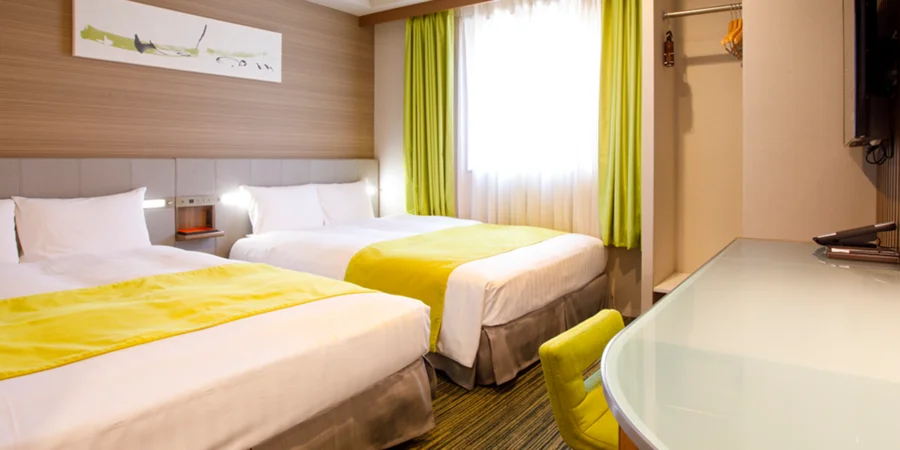
Hotel Sardonyx Ueno is also a popular choice, praised for its comfortable rooms and excellent service. Its location is convenient, being just a 5-minute walk from the metro, making it easily accessible for travellers.
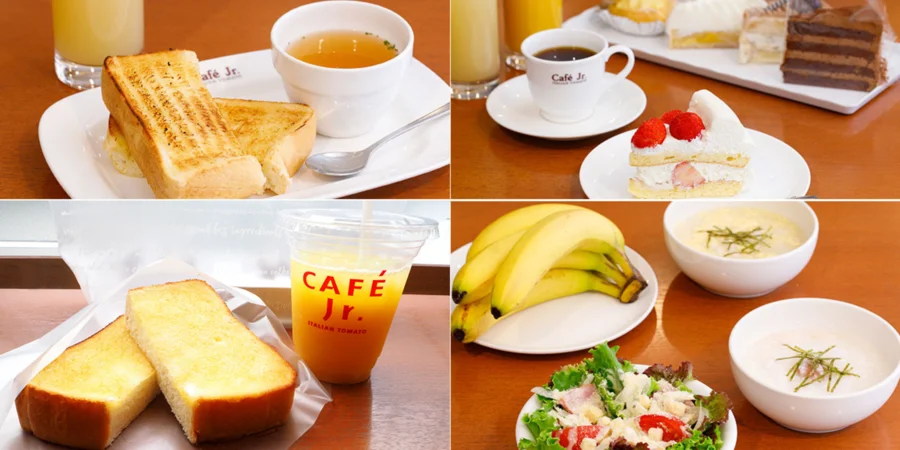
Hotel Sardonyx Ueno offers comfortable rooms and excellent service, and provides a complimentary breakfast set for all guests staying at the hotel.
📍Google Maps: https://maps.app.goo.gl/3gf89XjtoqUKjkWP9
Nohga Hotel

Nohga Hotel offers a stylish boutique experience, distinguished by its unique design and personalised service. Located very close to the subway and airport link at Ueno, it provides easy access for travellers. The hotel is perfect for those seeking a more intimate and bespoke stay, offering spacious and well-set-out rooms. The bathrooms are notably large, featuring a rain shower and a good-sized bath for added comfort.
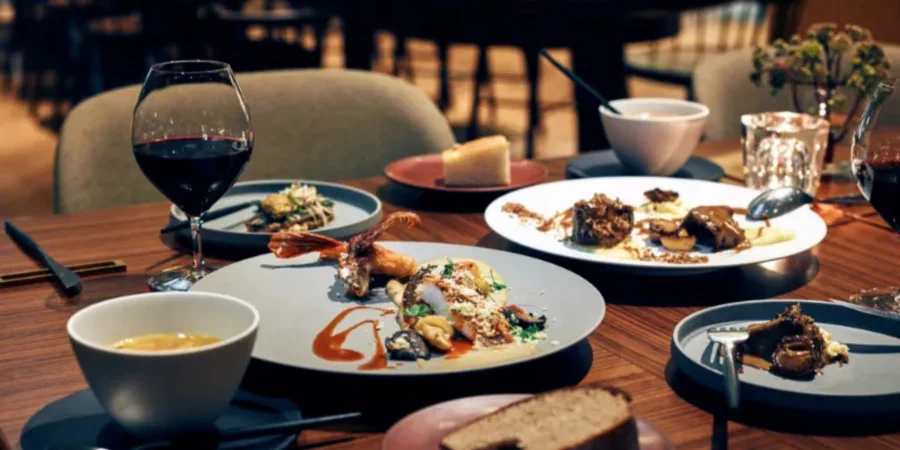 Guests can indulge in excellent food at the hotel’s bistro, which boasts a diverse and extensive wine list. The dining experience is so delightful that many choose to dine there multiple nights. Additionally, the hotel provides convenient amenities such as an onsite laundry and a microwave in the sitting room area, ideal for heating up food brought from outside. Learn more by visiting their site.
📍Google Maps: https://maps.app.goo.gl/BDFo75GmbLiS7m8A8
Where to Eat in Ueno
For those wondering what to try in Ueno, go for the sushi.
Ikina Sushi Hyakumangoku: Authentic Edomae Sushi

Ikina Sushi Hyakumangoku is a 45-year-old traditional sushi restaurant located in a hidden alley just a few metres from Showa Street, cherished by those in the know. The restaurant prides itself on offering an authentic Edomae sushi experience, using fresh seasonal seafood.

Alongside the sushi, the restaurant offers delightful sake snacks such as dried mullet roes pickled in miso, salmon roes and cod roes pickled in sake lees, sea-cucumber ovaries, and sillaginoid fish salted and dried overnight.
📍Google Maps: https://maps.app.goo.gl/MhhuqtA7kV1AADaF6
Maguro Basara Ueno Branch: Tuna Specialities
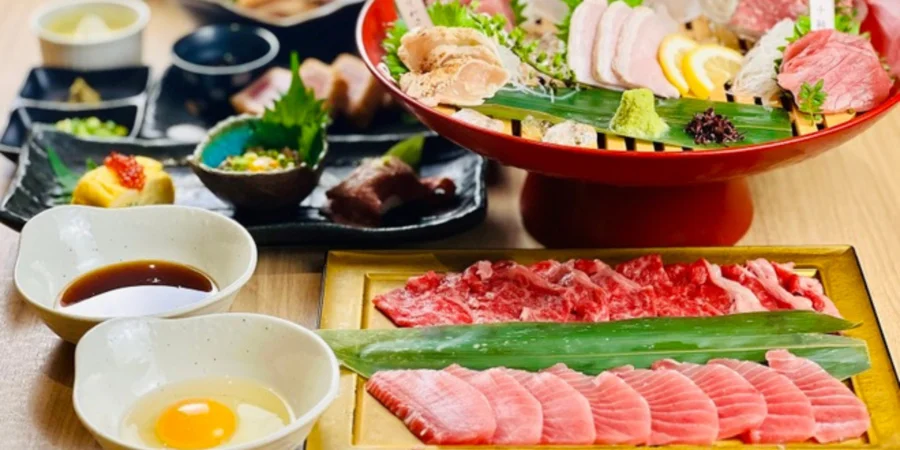
Maguro Basara Ueno Branch is for tuna enthusiasts, tucked away just a short walk from the bustling streets of Ueno. As an izakaya, it offers an exceptional experience with sashimi made from tuna that is incredibly fresh, sourced directly from Misaki Fishing Port. The restaurant takes pride in its signature dish, the Tuna and Japanese black beef sirloin shabu-suki, a delightful combination that tantalises the taste buds.
In addition to its standout dishes, Maguro Basara offers a must-try platter of six kinds of tuna that melts in your mouth. This spot is cherished by those in the know, making it a must-visit for anyone seeking authentic and high-quality seafood.
📍Google Maps: https://maps.app.goo.gl/rJZE89TFK7CGuvpT7
Sushiro: Conveyor Belt Sushi Experience

For a fun dining experience, SUSHIRO Ueno offers delicious conveyor belt sushi, known as Kaitenzushi. Renowned for its affordable prices and efficient self-service system, SUSHIRO has gained widespread popularity.
Originally starting as “Sushi Taro” in Osaka, it has expanded to various well-regarded locations under the name SUSHIRO. At SUSHIRO, you can choose from more than 100 kinds of delights, including sushi and side dishes.
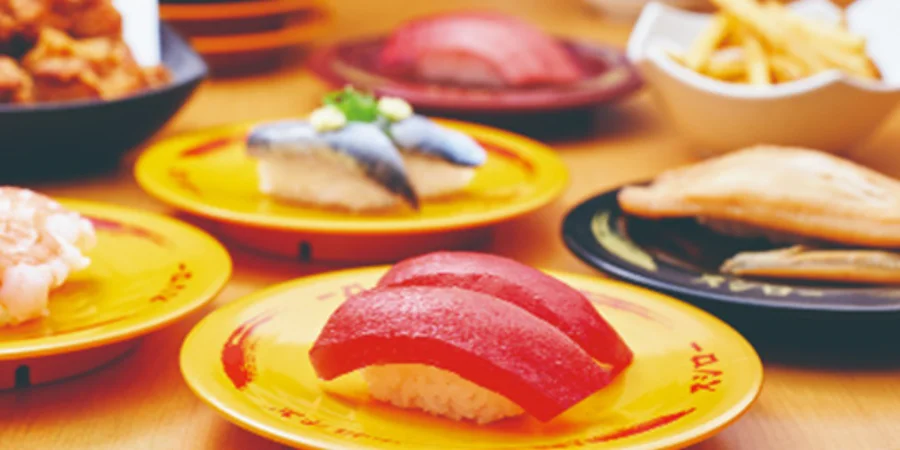
Celebrated as one of Japan’s top-selling conveyor belt sushi establishments, SUSHIRO boasts numerous branches across the country. They accept credit cards and cashless payments, making your dining experience smooth and hassle-free.
📍Google Maps: https://maps.app.goo.gl/dzeXAWinU1sFpxDT7
Beyond sushi, Ueno offers a variety of delicious dining options…
Kamadoka: Deep-Fried Half Chicken and Kamameshi

Kamadoka is an izakaya chain run by the REINS International restaurant group, and its Ueno branch is a short walk from Ueno Station. Chicken is the speciality here, cooked several ways, and one favourite is a whole chicken thigh grilled on a hot iron plate with a garlic and soy sauce.
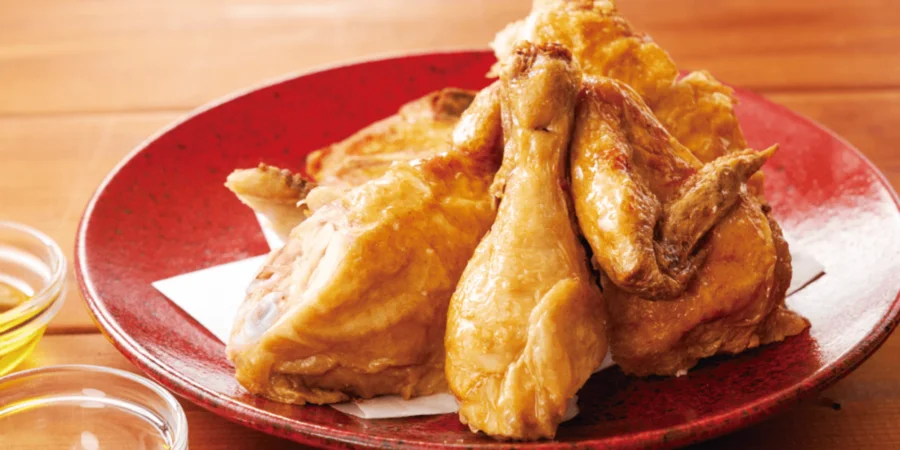
The signature dish is tori no suage, half a chicken fried slowly so the meat stays juicy, which lets you try several cuts at once. Leave room for the kamameshi, rice cooked to order in its own pot, which takes about 20 minutes. The house way to finish it is to pour over dashi and eat the last of the rice as ochazuke. Visit their website for more information.
📍Google Maps: https://maps.app.goo.gl/hww2HeJEk8N1FQ4s6
Gyukatsu Motomura Ueno Ten (牛かつ もと村): Breaded Beef Cutlet near Keisei Ueno

The Ueno branch of Gyukatsu Motomura is a short walk from Keisei Ueno Station. Known for its signature beef cutlet, Gyukatsu Motomura Ueno Ten offers a delightful culinary experience that combines traditional flavours with modern flair.

The crispy, golden-brown exterior of the cutlet perfectly complements the tender, juicy beef inside, creating a mouthwatering treat that has earned rave reviews. Guests can pay with credit cards or via their smartphones.
Instagram: https://www.instagram.com/gyukatsu_motomura
📍Google Maps: Gyukatsu Motomura Ueno
Tori Yakiniku Tori Hibiki-chan: Chicken Yakiniku by Ueno Station
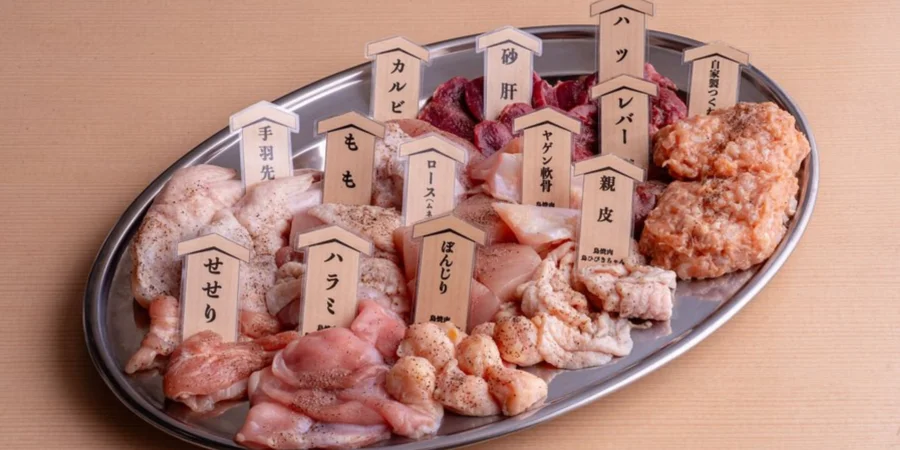
Tori Yakiniku Tori Hibiki-chan is a delightful BBQ restaurant in Ueno, specialising in mouthwatering chicken grill dishes that are well known across Tokyo.
Beyond the grill, they are also known for their Chicken Nabe, a hot pot dish that’s both comforting and flavourful. Ordering here is easy through their online system, and the friendly staff provide excellent service. The availability of foreign language menus makes it accessible for international visitors.

Don’t miss out on trying their delicious yakisoba, a fried noodle dish that perfectly complements their grilled offerings.
Instagram: https://www.instagram.com/toriyakinikutorihibikichan
📍Google Maps: https://maps.app.goo.gl/PqHsSyS5tBZxZuzf7
Menya Musashi Bukotsu: Three-Colour Ramen in Okachimachi
For a no-nonsense ramen experience in Tokyo, head to Menya Musashi Bukotsu in Okachimachi, open since December 2003 and renowned for its superior noodles and broth compared to other branches. This spot is considered by many to be one of the best ramen places in the city.
Upon arrival, simply grab a ticket from the machine, select your preferred ramen, tsukemen, or other dishes and toppings, and hand your ticket to the staff.
Menya Musashi Bukotsu offers a unique ramen experience with three different soup colours: the basic white, black infused with squid ink, and red with a special spicy soy sauce. Their pork slices, made from pork belly, are steamed and simmered in sauce for a rich flavour and are expertly sliced right in front of you!
📍Google Maps: https://maps.app.goo.gl/FFtgdwgQteReJRGAA
Izuei Honten: Edomae Unagi Since the Edo Period

Photo: Kentin, CC BY-SA 4.0, via Wikimedia Commons
Izuei Honten is one of the most renowned unagi (eel) restaurants in Tokyo, with a history going back about 300 years. Originating in Ueno, which was known for its high-quality eel, Izuei Honten began as a modest kabayaki restaurant, constructed like a simple hut. Over time, it has transformed from its humble beginnings into a beloved destination for eel enthusiasts, offering traditional Tokyo-style unagi, also known as Edomae.
The restaurant prides itself on using very good and fresh ingredients, ensuring each dish is a culinary delight. The preparation of their unagi involves grilling the eel first and then steaming it to remove excess fat, resulting in a fluffy and delicious texture.
📍Google Maps: https://maps.app.goo.gl/HsW38ARDw9G9Ftm66
Ueno Yabusoba: Handmade Soba Since 1892
Established in 1892, Ueno Yabusoba is a hidden gem tucked away in a back alley off Ameyoko Shopping Street, just a short stroll from JR Ueno Station toward JR Okachimachi Station. This quaint spot offers a peaceful escape from the bustling streets of Ameyoko, easily identified by the line of eager customers waiting outside during lunchtime.
The restaurant prides itself on its authentic handmade soba noodles, crafted with precision and care. On the first floor, diners can enjoy the unique experience of watching the chef skilfully prepare soba behind a glass partition. Made from premium Hokkaido buckwheat, the thin noodles boast a firm texture and rich flavour.
Ueno Yabusoba offers a delightful selection of hot and cold noodle dishes, making it a versatile spot for any noodle enthusiast. The soup stock, a harmonious blend of carefully selected dried bonito flakes and honjozo soy sauce, enhances the overall dining experience, ensuring each bowl is a testament to traditional Japanese culinary art. Whether you’re a local or a visitor, this charming restaurant provides an authentic taste of Japan, making it a must-visit for those exploring Ueno.
📍Google Maps: https://maps.app.goo.gl/nbKaUKp2XqCvw6m47
Mihashi Ueno Honten: Anmitsu and Japanese Sweets

Mihashi Ueno Honten is a beloved dessert destination in Ueno, renowned for its traditional Japanese desserts. Established in 1948, this shop has been delighting visitors with its signature anmitsu, a classic Japanese dessert made with agar jelly, sweet red bean paste, and seasonal fruits.
Patrons can also try a variety of other desserts, including shiratama dango and kuzumochi. A visit to this dessert haven promises a delightful experience filled with authentic Japanese flavours.
📍Google Maps: https://maps.app.goo.gl/N9mct1At61Nvn7pR8








Where to Drink in Ueno
Ueno offers numerous options for quenching your thirst.
Pastel Caffe

Pastel Caffe provides a cosy atmosphere for enjoying a relaxing drink. Known for its delightful desserts and vibrant ambience, the cafe offers a range of sweet treats and beverages.
It’s particularly famous for its creamy puddings and rich parfaits, making it a perfect spot for those with a sweet tooth. Stopping by for a quick coffee or indulging in their signature desserts, Pastel Caffe promises a pleasant and satisfying experience.
📍Google Maps: https://maps.app.goo.gl/cMrvbD7Av6tHYM829
Café Lapin
Café Lapin is a quaint, atmospheric little café tucked in the back streets of Ueno. It serves a wide range of drip and espresso coffee alongside morning sets, sandwiches, and cakes. The café prides itself on using high-quality ingredients, ensuring that each dish is both delicious and satisfying.
For those with a sweet tooth, their desserts are a must-try, featuring an array of cakes and tarts that pair perfectly with their expertly brewed coffee. The welcoming ambience and friendly staff make Café Lapin a popular choice.
📍Google Maps: https://maps.app.goo.gl/PiwgmyNdCvAM87bD9
Kayaba Coffee

Photo: Ximonic (Simo Räsänen), CC BY-SA 4.0, via Wikimedia Commons
Kayaba Coffee is a charming cafe with a rich history, perfect for coffee lovers. Established in 1938, it has become a beloved spot in the Yanaka area, maintaining its original architecture and nostalgic atmosphere. While we know we’re cheating a bit by including it here since it’s technically in Yanaka, it’s only a 7-minute walk from Ueno Park and totally worth the visit.
The café offers a selection of expertly brewed coffee and delicious homemade desserts, making it a delightful destination for both locals and visitors.
Instagram: https://www.instagram.com/kayabacoffee
📍Google Maps: https://maps.app.goo.gl/CQy9FYKofRivQMYy7
Yanaka Beer Hall

Photo: Ximonic (Simo Räsänen), CC BY-SA 4.0, via Wikimedia Commons
After a day of immersing yourself in the rich history and culture of Ueno’s museums, there’s nothing quite like getting a refreshing pint to unwind.
Located near Ueno Park and just a stone’s throw from Kayaba Coffee, Yanaka Beer Hall is a must-visit for beer enthusiasts exploring Taito, Tokyo. This charming venue offers a carefully curated selection of craft beers in a setting that seamlessly blends traditional and modern elements.
At Yanaka Beer Hall, you can try a variety of local and international brews, perfectly paired with delicious snacks that enhance the beer-tasting experience. Whether you’re a seasoned beer connoisseur or simply looking for a relaxing spot to unwind, Yanaka Beer Hall promises a delightful experience that captures the essence of Tokyo’s vibrant beer scene.
📍Google Maps: https://maps.app.goo.gl/p2AMarE2MnSQ1tSi7
Ameyoko
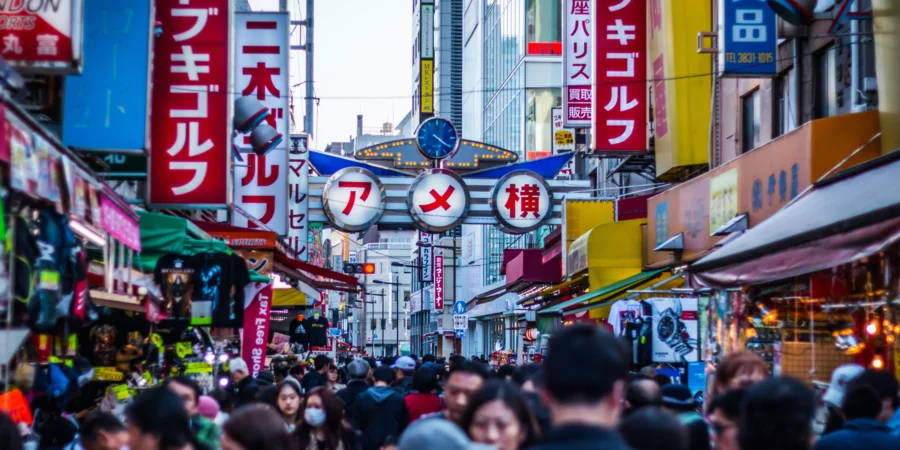
Image Credit: Koukichi Takahashi
When in Ueno, checking out Ameya-Yokocho is an absolute must. The name “Ameyoko” is a short form for “Ameya Yokocho” (candy store alley). It’s a bustling market that stretches between JR Ueno Station and Okachimachi Station. Perfect for bargain hunters and those looking to immerse themselves in the local Ueno neighbourhood culture.
The market’s history dates back to the post-war era when it served as a black market for imported American goods. Today, Ameyoko has evolved into a bustling shopping destination, offering a wide array of products including clothes, bags, cosmetics, fresh fish, dried food, and spices.
The street is lined with over 400 shops, each vying for attention with their unique displays and colourful vendors.
Ameyoko is also a paradise for foodies. Visitors can indulge in a variety of street food, including yakitori, takoyaki, and fresh sashimi. The enticing aromas wafting from the food stalls make Ameyoko a sensory delight.
📍Google Maps: https://maps.app.goo.gl/CoXC79DpCCftSHx98
Shopping for Souvenirs at Ecute Ueno
Ecute Ueno is a shopping arcade inside the ticket gates on the third floor of JR Ueno Station, with a variety of shops and restaurants. Because it sits inside the gates, you need a train ticket or IC card to get in. It’s perfect for some quick souvenir shopping before your next bullet train ride, or just to kill time.
Hanagataya Ueno: Food Souvenirs

Within Ecute Ueno is Hanagataya Ueno, a popular spot for food souvenirs. It’s an ideal place to pick up delicious treats and snacks that capture the essence of Japanese flavours. The store offers a wide variety of traditional Japanese candies and snacks.
Some of the most popular items include dorayaki, a sweet pancake filled with red bean paste, and the beautifully packaged senbei rice crackers. These treats not only make for delightful snacks but also serve as perfect gifts for friends and family.
In addition to its selection of traditional sweets, Hanagataya Ueno also offers seasonal specialities that reflect the changing tastes and ingredients of Japan.
Must-see Attractions in Ueno
Ueno Park
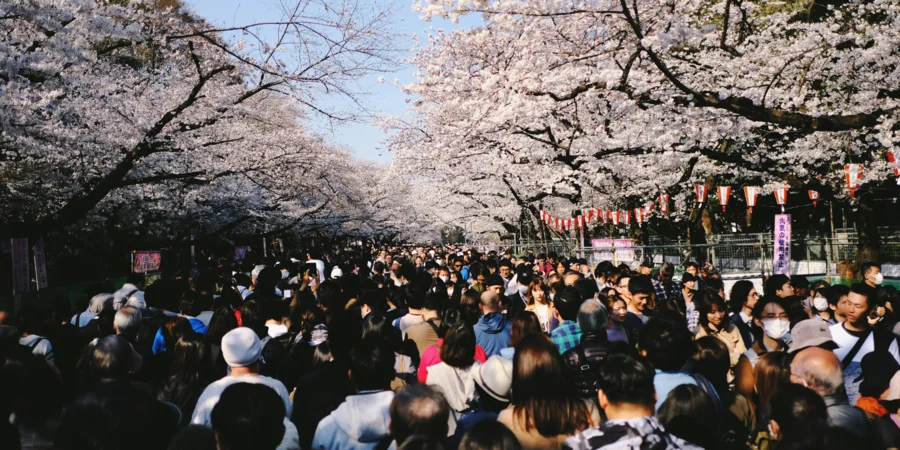
Image Credit: Trevor Paxton
Ueno Park, particularly famous during cherry blossom season, serves as the heart and soul of Ueno, making it the neighbourhood’s main attraction. The park’s origins trace back to 1625 with the establishment of the Kaneiji temple, which occupied the entire area and served as a spiritual guardian for Edo Castle.
The temple grounds were home to the mausoleums of the Tokugawa shoguns, making it a revered site. Much of the temple was destroyed in the Battle of Ueno in 1868, during the Boshin War. On the suggestion of Dr A.F. Bauduin, an influential Dutch military doctor who played a key role in introducing Western medicine to Japan, the land was kept as green space, and in 1873 it became one of Japan’s first designated public parks.
Today, Ueno Park is a beautiful spot, perfect for hanami parties and relaxing strolls, offering a picturesque setting throughout the year. Be sure to visit on Sundays if you can.
Ueno Toshogu Shrine
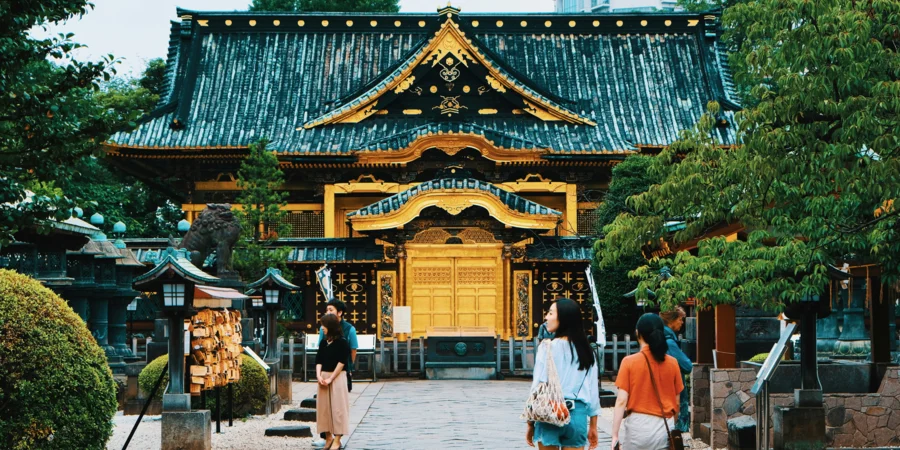
Image Credit: Juan Broullon
Besides Ueno Park, the Ueno Toshogu Shrine, dedicated to Tokugawa Ieyasu, the first shogun (or military leader) of the Tokugawa shogunate that ruled Japan from 1603 to 1868, features amazing Edo-period architecture.
The outer grounds of Ueno Toshogu Shrine are free to enter, allowing visitors to soak in the serene atmosphere without any cost. However, if you wish to explore beyond the Karamon Gate and get a closer look at the Honden, the main building, an entry fee of 700 yen for adults is required. The inner grounds open at 9am and close at 4.30pm from October to February and 5.30pm from March to September. The interior of the Honden is closed to the public, so visitors admire it from the outside.
Ueno Toshogu Peony Garden
Ueno Toshogu is also renowned for its beautiful peony garden, which boasts flowers that bloom twice a year, in winter and spring. The peony, originally introduced to Japan from China, represents a symbol of friendship between the two countries. Visitors can marvel at the vibrant peonies from 1 January to mid-February, and again in spring, when the 2026 peony festival ran from 4 April to 6 May.
In spring the garden shows more than 500 peony plants of over 110 varieties, from Japan, China, the United States and France. Entry to the 2026 spring festival cost 1,000 yen for adults, and children of primary school age and under go free.
Museums in Ueno
Ueno is the home of some of Japan’s most prestigious museums, all conveniently located within or around Ueno Park. This proximity makes it easy to explore multiple museums on foot, solidifying Ueno as Tokyo’s ultimate “one-stop” cultural district.
Tokyo Metropolitan Art Museum: Contemporary & Traditional Japanese Art

Opened in 1926, the Tokyo Metropolitan Art Museum was Japan’s first public art museum and continues to be a cornerstone for art lovers in Tokyo.
It hosts special exhibitions of Japanese and international art across a diverse range of styles and periods, alongside shows by Japan’s art societies. Entry to the building is free, and each exhibition is ticketed separately. The museum opens 9.30am to 5.30pm (last entry 5pm) and closes on the first and third Monday of each month, while its special exhibitions close every Monday.
A highlight of the museum is its commitment to accessibility and education, featuring workshops, lectures, and guided tours designed to engage people of all ages.
Tokyo National Museum
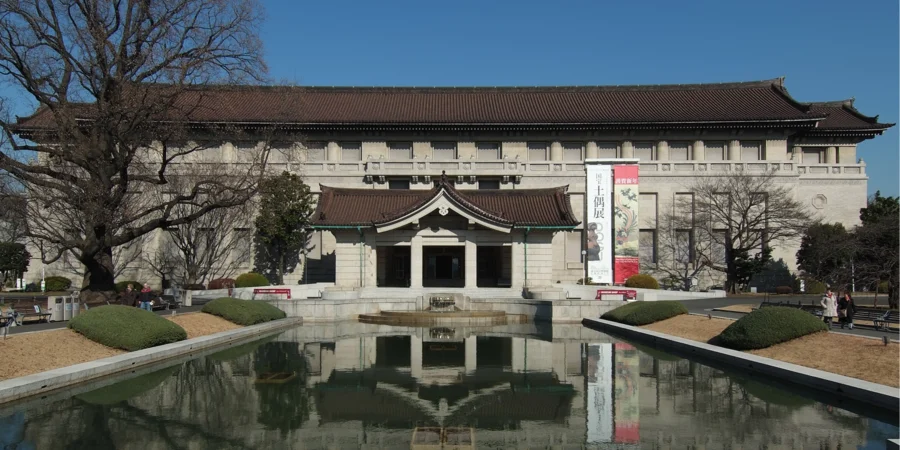
Photo: Wiiii, CC BY-SA 3.0, via Wikimedia Commons
The Tokyo National Museum is Japan’s oldest and largest museum, boasting an extensive collection of art and antiquities.

Established in 1872, it houses over 110,000 artefacts, including national treasures and important cultural properties. Its six exhibition buildings, from the Honkan (Japanese Gallery) to the Toyokan (Asian Gallery), each focus on different areas of Japanese and Asian art and archaeology.
Heiseikan: Japanese Archaeology and Special Exhibitions
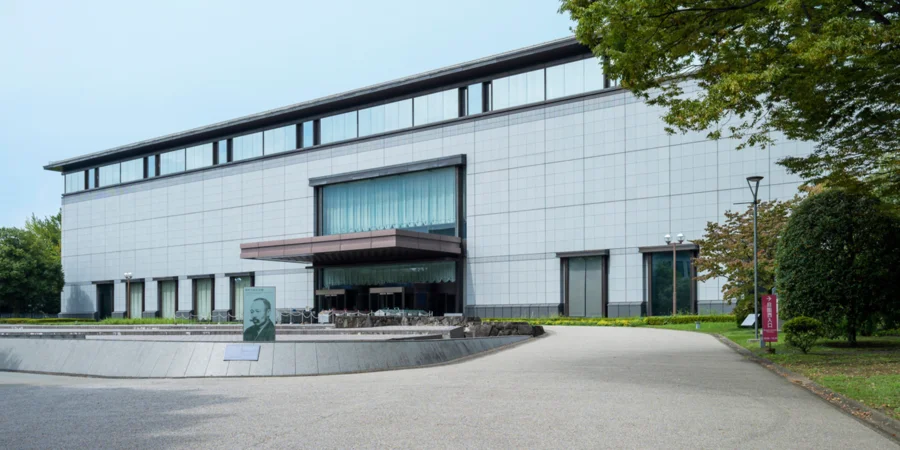
Part of the Tokyo National Museum complex, Heiseikan is dedicated to archaeological artefacts and cultural treasures of Japan. This museum wing opened in 1999 to commemorate the 1993 wedding of the then Crown Prince Naruhito and Crown Princess Masako.
Upstairs, the Heiseikan hosts the museum’s large special exhibitions. Its Japanese Archaeology Gallery covers the Jomon, Yayoi and Kofun periods, where you can explore a vast collection of pottery, tools, and ceremonial objects that offer insights into Japan’s prehistoric and ancient eras.
Tokyo National Museum Hours, Closing Days and Tickets
The Tokyo National Museum opens 9.30am to 5pm, staying open until 8pm on Fridays, Saturdays and Sundays before national holidays, with last entry 30 minutes before closing. It closes on Mondays; if Monday is a national holiday, the museum stays open that Monday and closes on Tuesday instead. It also closes for the year end.
Admission to the collection galleries is 1,000 yen for adults and 500 yen for university students, and free for under 18s and over 70s. You do not need to book the collection galleries, but queues at the main gate ticket counters can top 30 minutes on busy days, so buying online in advance saves time. Special exhibitions are ticketed separately, and a special exhibition ticket also gets you into the collection galleries on the same day.
Ueno Pavilion, University Art Museum, Tokyo University of the Arts
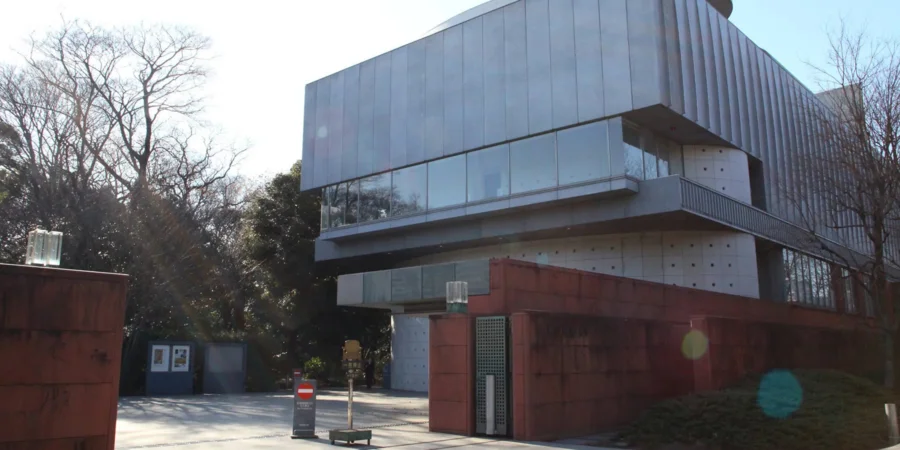
Image credit: 東京藝術大学大学美術館
Situated within the Tokyo University of the Arts campus in Ueno, the University Art Museum is a hub of creativity and innovation. It serves as an educational resource for students and a cultural destination for the public.
It’s a creative space that showcases works by students, faculty, and alumni, providing a platform for emerging artists to display their talents. The university venue hosts a wide array of exhibitions, from traditional Japanese art forms to avant-garde contemporary pieces, fostering artistic dialogue and collaboration within and beyond the university.
Ueno Royal Museum
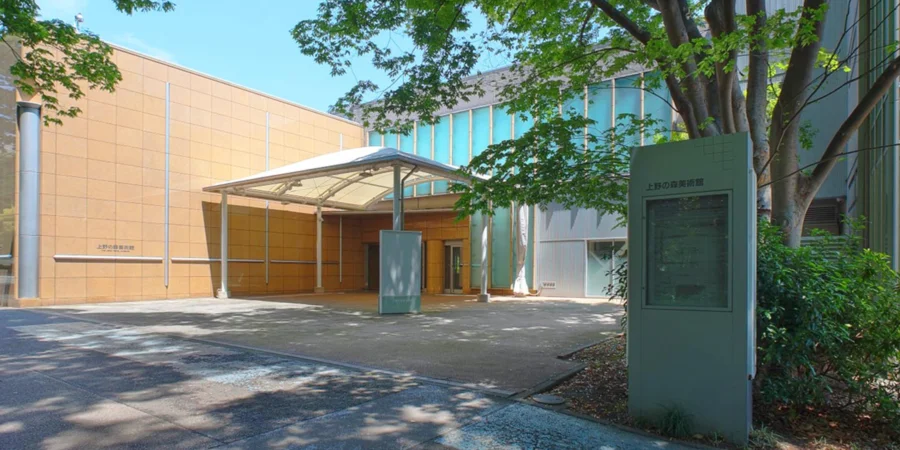
Image Credit: Go Tokyo
The Ueno Royal Museum is a private art museum that opened in 1972. It is renowned for its diverse range of exhibitions, featuring both Japanese and international artists.
The museum is particularly noted for its annual Ueno Royal Museum Grand Prize Exhibition, which highlights the work of emerging artists and provides a platform for new talent. This event is a significant draw for art enthusiasts looking to discover the next generation of artists.
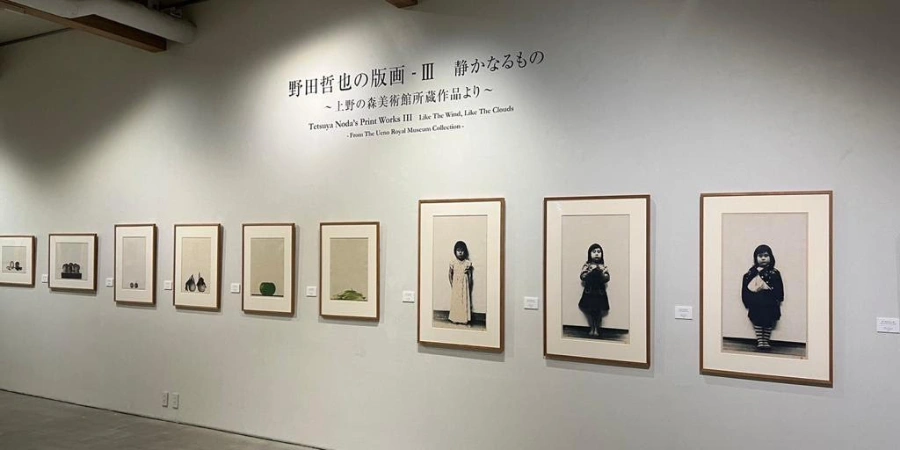
Tetsuya Noda’s Print Works III: Like the Wind, Like the Clouds, from the Ueno Royal Museum collection
In addition to its exhibitions, the Ueno Royal Museum offers educational programmes and workshops, making it a lively and engaging cultural venue as part of its commitment to promoting contemporary art and fostering artistic exchange.
National Museum of Nature and Science

The National Museum of Nature and Science was founded in 1877 and is one of Japan’s oldest and most comprehensive museums. It offers a fascinating exploration of natural history and science, making it a must-visit for anyone interested in the wonders of the natural world.
One of the unique features of the museum is the Japan Gallery, which showcases the rich biodiversity and geological history of the Japanese archipelago. Across the museum you can also check out an impressive collection of fossils, including dinosaur skeletons and prehistoric marine life.
A notable highlight is the preserved body of Hachiko, the loyal Akita dog known for his unwavering loyalty to his owner. This exhibit offers a touching tribute to one of Japan’s most beloved animals.
The museum also features interactive exhibits and hands-on activities, allowing visitors to engage with science in a fun, immersive way. The museum opens 9am to 5pm (last entry 4.30pm) and closes on Mondays, or on Tuesday when Monday is a national holiday. Admission is 630 yen for adults and university students, and free for high school students and younger.
The National Museum of Western Art

Opened in 1959, the National Museum of Western Art is a key cultural site designed by Le Corbusier. It was established to showcase the Matsukata collection, a significant array of European art acquired by Kojiro Matsukata in Europe in the 1910s and 1920s.

Seized by the French government after the Second World War, much of the collection was returned to Japan on condition that a museum be built to show it. In 2016 the main building was added to the UNESCO World Heritage List as part of The Architectural Work of Le Corbusier. The museum also hosts special exhibitions, showcasing works from private collections and museums worldwide. These exhibitions aim to promote cultural exchange and appreciation of Western art, making it more accessible to a broader audience in Japan.
The museum opens 9.30am to 5.30pm, until 8pm on Fridays and Saturdays, and closes on Mondays unless Monday is a national holiday. The permanent collection costs 500 yen for adults and 250 yen for university students, and is free for everyone on the second Sunday of each month.
Ueno Zoo
Japan’s oldest zoo, Ueno Zoo, opened in 1882 and is a beloved attraction in Ueno Park. Giant pandas were its most famous residents for decades, but the twins Xiao Xiao and Lei Lei left for China on 27 January 2026, so the zoo currently has no pandas. It is still home to elephants and various rare species, and its West Area keeps several kinds of lemur, including aye-ayes.
The zoo opens 9.30am to 5pm, with tickets on sale until 4pm. It closes on Mondays (or the Tuesday when Monday is a national holiday or Tokyo Citizens’ Day on 1 October) and from 29 December to 1 January. Adult admission is 600 yen, and children aged 12 and under go free.
However, the zoo has faced criticisms over small and outdated enclosures, raising ethical concerns.
Ueno as a Base for Museums, Food and Ueno Park
Ueno is a district that beautifully combines history, culture, and modernity. From its accessible transportation options to its diverse dining and shopping experiences, Ueno has something for everyone. The stunning cherry blossoms, rich historical sites, and vibrant cultural attractions make it a must-visit destination in Tokyo. Whether you’re exploring Ueno Park, visiting the museums, or enjoying a day at the zoo, Ueno promises an unforgettable experience.
Frequently Asked Questions
When is the best time to visit Ueno for cherry blossoms?
The best time to visit Ueno for cherry blossoms is in late March to early April when the beautiful blooms are at their peak. You’ll be captivated by the stunning scenery!
How do I get to Ueno from Haneda Airport?
You can easily reach Ueno from Haneda Airport by taking the Keikyu Line to Shinagawa, then transferring to the Yamanote Line straight to Ueno Station. It’s a simple and convenient journey!
Are there budget-friendly hotels in Ueno?
Absolutely! You can find budget-friendly hotels in Ueno, like Ueno Hotel, offering affordable rooms and great accessibility. Check out our list of accommodating and affordable hotels in Ueno for more options to suit your stay!
What are some popular attractions in Ueno Park?
Ueno Park offers delightful attractions like the Ueno Toshogu Shrine, Ueno Zoo and Shinobazu Pond, with the Ameyoko market just south of the park. Additionally, it is home to several renowned museums, such as the Tokyo National Museum, National Museum of Nature and Science, and the Tokyo Metropolitan Art Museum, making it a wonderful place to enjoy both nature and culture!


