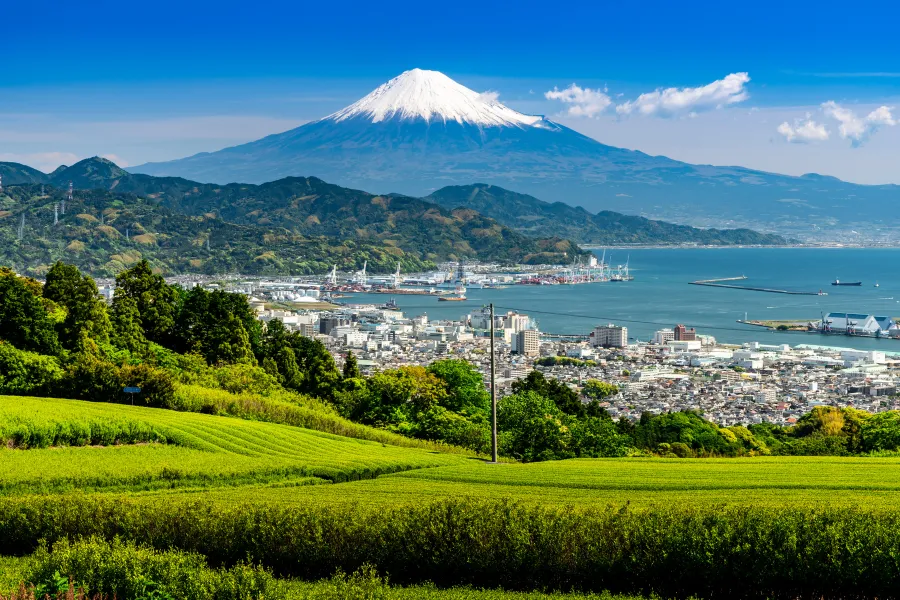
Hiroshima, a city steeped in history and resilience, offers a unique blend of poignant memorials, vibrant culture, and stunning natural beauty. From its tragic past to its remarkable recovery, Hiroshima has become a symbol of peace and renewal. Whether you’re a history buff, a nature enthusiast, or a food lover, Hiroshima has something for everyone. In this guide, we’ll explore the top things to do in Hiroshima, ensuring you make the most of your visit to this remarkable city. To fully enjoy your visit without the burden of carrying your belongings, consider using luggage storage London before embarking on your journey.
Hiroshima’s History Since 6 August 1945
Hiroshima Opening Hours and Prices at a Glance
Getting Around Hiroshima by Tram, Train and Ferry
Peace Memorial Park, Hiroshima Castle and Shukkeien Garden
Miyajima and the Hiroshima Museum of Art
Okonomimura, the Mazda Museum and Orizuru Tower
Hiroshima Nightlife in Nagarekawa and Hondori
Day Trip from Hiroshima to Onomichi
Day Trip from Hiroshima to Okunoshima, the Rabbit Island
Hiroshima Questions and Answers
Hiroshima’s History Since 6 August 1945
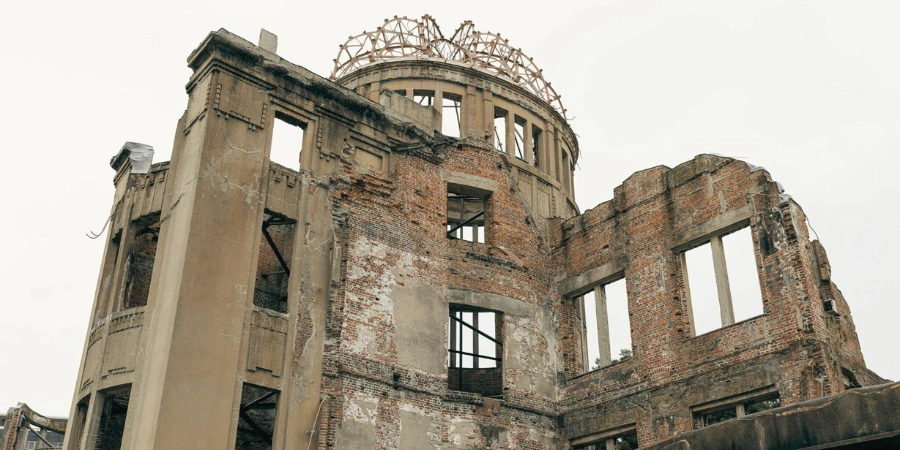
Genbaku Dome (Atomic Bomb Dome) / Hiroshima Peace Memorial. Image Credit: Suicasmo / Wikimedia Commons, CC BY-SA 4.0
Hiroshima’s history is forever marked by the events of 6 August 1945, when the city became the first to be devastated by an atomic bomb. Today, Hiroshima stands as a testament to the power of peace and the human spirit. The city’s cultural heritage, combined with its modern attractions, offers a diverse and enriching experience for visitors.
Hiroshima Opening Hours and Prices at a Glance
Most of central Hiroshima’s big sights are cheap or free. The Peace Memorial Museum costs 200 yen, the park around it costs nothing, and the most expensive stop on this list is the Orizuru Tower roof deck. Hours change by season, so check each venue’s site before you go.
| Sight | Opening hours | Adult price | Good to know |
|---|---|---|---|
| Hiroshima Peace Memorial Museum | 7.30am to 7pm (March to July, September to November), to 6pm (December to February), to 8pm (August) | 200 yen | High school students 100 yen, younger children free; closed 30 and 31 December |
| Peace Memorial Park and Atomic Bomb Dome | Open park | Free | Genbaku Dome-mae tram stop |
| Hiroshima Castle | Keep closed since 22 March 2026; Ninomaru 9am to 5.30pm (April to September), to 4.30pm (October to March) | Ninomaru free | New Sannomaru History Museum due to open in stages from 1 June 2027 |
| Shukkeien Garden | 9am to 6pm (16 March to 15 September), to 5pm (16 September to 15 March) | 350 yen | Closed 29 to 31 December |
| Hiroshima Orizuru Tower | 10am to 6pm, last tickets 30 minutes before closing | 2,200 yen | Closed 31 December; hours change for some months and events |
| Hiroshima Museum of Art | 9am to 5pm | Varies by exhibition | Closed Mondays except during special exhibitions |
| Mazda Museum | Weekday and selected Saturday tours, 120 minutes | Free | Reservation only; afternoon tour in English |
| Itsukushima Shrine, Miyajima | From 6.30am; closes 5pm in December to 6pm from March to mid October | 300 yen | Plus the 100 yen Miyajima Visitor Tax on the ferry |
| Okunoshima Poison Gas Museum | 9am to 4pm, last entry 3.40pm | 150 yen (19 and over) | Under 19s free; closed 29 December to 3 January |
Checked on 31 October 2026 against each venue’s official website, listed in the sections below.


Getting Around Hiroshima by Tram, Train and Ferry
Hiroshima’s trams, run by Hiroshima Electric Railway (Hiroden), reach almost every sight in this guide. You pay as you get off, and a ride within the city costs a flat 240 yen for adults and 120 yen for children, according to Hiroden’s fares page. Hiroshima Station to Genbaku Dome-mae costs the same 240 yen.
- 1 Day Streetcar Pass, 700 yen: unlimited tram rides for a day. It pays for itself on the third ride.
- 1 Day Streetcar and Ferry Pass, 1,000 yen: adds the Miyajima Matsudai Kisen ferry and includes the Miyajima Visitor Tax. It is not valid on JR trains or the JR Miyajima Ferry.
- Where to buy: the transport information centre at Hiroshima Station, on board from the driver or conductor, and at major hotels (Hiroden’s pass page).
If you hold a Japan Rail Pass, take the JR Sanyo Line from Hiroshima Station to Miyajimaguchi and cross on the JR Miyajima Ferry, which accepts the Japan Rail Pass and the JR West Rail Pass. You still pay the 100 yen visitor tax. Our Japan Rail Pass guide explains what else the pass covers.
Peace Memorial Park, Hiroshima Castle and Shukkeien Garden
Hiroshima Peace Memorial Park
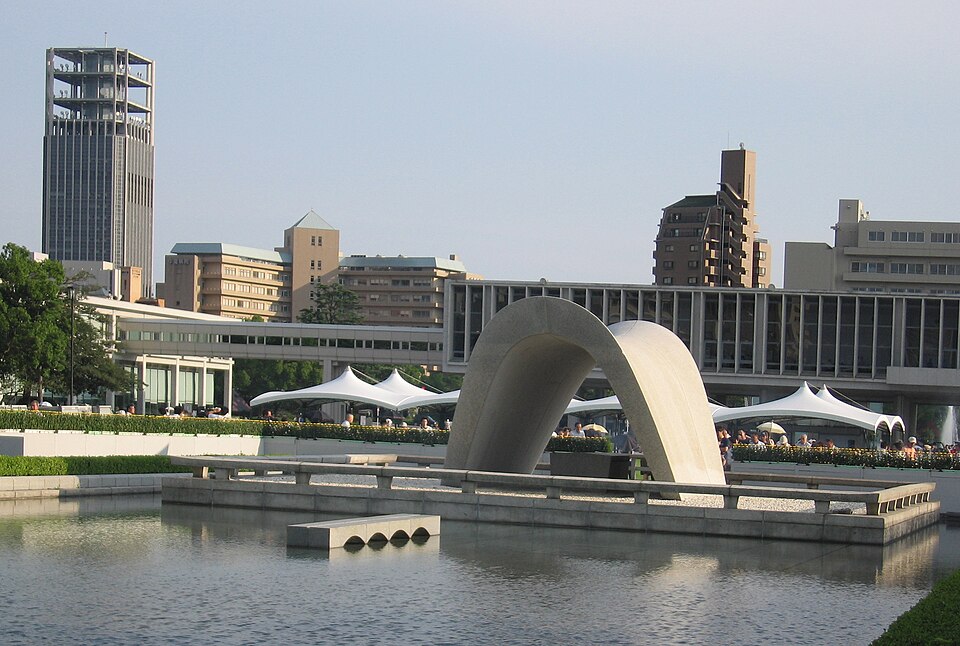
The Cenotaph for the A-bomb Victims, Hiroshima Peace Memorial Park. Image Credit: Netherzone / Wikimedia Commons, CC BY-SA 4.0
One of the most important sites in Hiroshima, the Peace Memorial Park, is a solemn reminder of the city’s past and a beacon of hope for a peaceful future. The park is home to several significant monuments, including the Atomic Bomb Dome, the Children’s Peace Monument, and the Peace Memorial Museum.
What to See and Do:
- Atomic Bomb Dome: The remains of the former Prefectural Industrial Promotion Hall, now a UNESCO World Heritage site, stand as a haunting reminder of the bombing.
- Children’s Peace Monument: This monument is a tribute to the children who perished in the bombing, adorned with thousands of paper cranes symbolising peace.
- Peace Memorial Museum: Offers a detailed account of the events of 6 August 1945 and the aftermath, featuring artefacts, photographs, and survivor testimonies. Admission is 200 yen for adults and 100 yen for high school students, and free for junior high school age and under. The museum opens at 7:30am and closes at 6pm from December to February, 7pm from March to July and from September to November, and 8pm in August. It is closed on 30 and 31 December (see the museum’s hours and admission page).
How to Get There: From Hiroshima Station, take tram line 2 or 6 to the Genbaku Dome-mae stop beside the Atomic Bomb Dome, or line 1 to Fukuro-machi. The tram ride takes about 25 minutes, and the park sits in the heart of the city, within walking distance of Hondori and the Hiroshima Museum of Art.
Hiroshima Castle
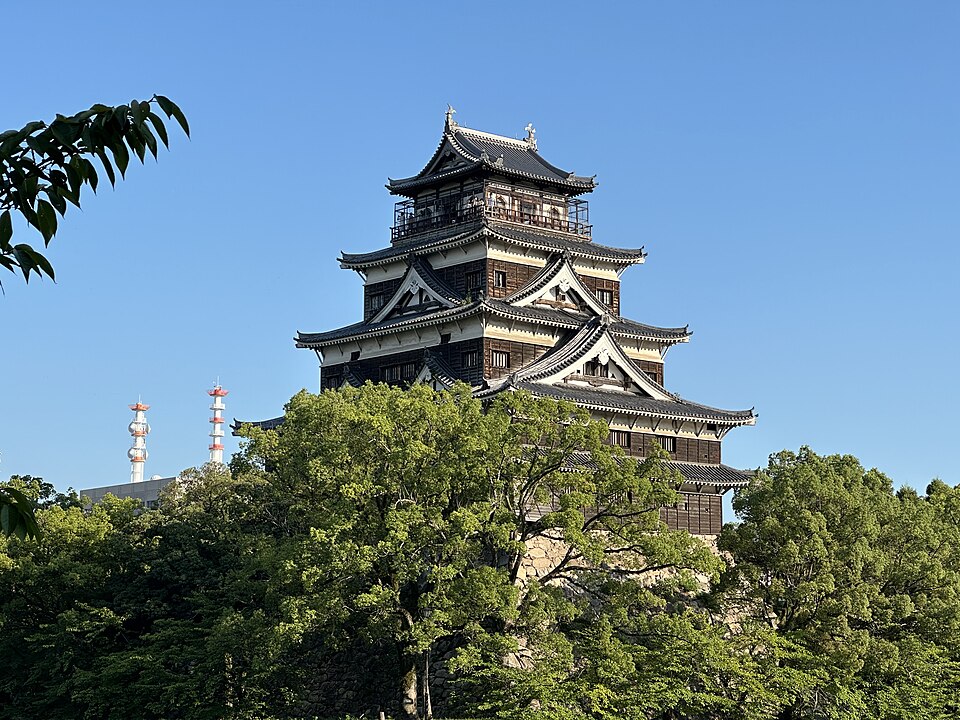
Hiroshima Castle, also known as “Carp Castle”. Image Credit: ノボホショコロトソ / Wikimedia Commons, CC BY 4.0
Known as “Carp Castle,” Hiroshima Castle is a reconstructed fortress that provides a glimpse into Japan’s feudal past. The castle was first built in the 1590s, and its original keep was destroyed by the atomic bomb in 1945. The concrete keep that stands today was rebuilt in 1958.
Keep Closed Since 22 March 2026: Hiroshima City closed the keep to visitors on 22 March 2026 because of deteriorating concrete and ageing equipment, and its museum displays closed with it. The exterior can still be admired from the grounds, and the city says there are no current plans to demolish it. The keep’s museum role is moving to the new Hiroshima Castle Sannomaru History Museum, which is due to open its first floor on 1 June 2027 and its exhibition rooms on 1 October 2027 (see the city’s notice).
Historical Background: The castle served as a significant military base and a symbol of power in the region. Until the 2026 closure, the keep housed a museum of Hiroshima’s history and culture, including samurai artefacts and exhibits on the castle’s construction.
Key Highlights:
- Main Keep: Closed to visitors since 22 March 2026, the five-storey keep is now a sight to photograph from outside, with the best views across the moat.
- Ninomaru: The reconstructed gate and turrets of the Ninomaru enclosure are free to enter, open 9am to 5:30pm from April to September and 9am to 4:30pm from October to March, with last entry 30 minutes before closing (details on the official Hiroshima Castle site).
- Surrounding Grounds: Beautiful gardens and moats that provide a peaceful escape from the city’s hustle and bustle.
- Accessibility and Visiting Tips: From Hiroshima Station, take tram line 1, 2 or 6 to Kamiyacho-higashi or Kamiyacho-nishi, then follow the underground passage and walk north to the castle. It’s advisable to visit early in the morning or late in the afternoon to avoid crowds. Don’t forget to explore the nearby Hiroshima Gokoku Shrine, which adds to the historical ambience of the area.
Shukkeien Garden
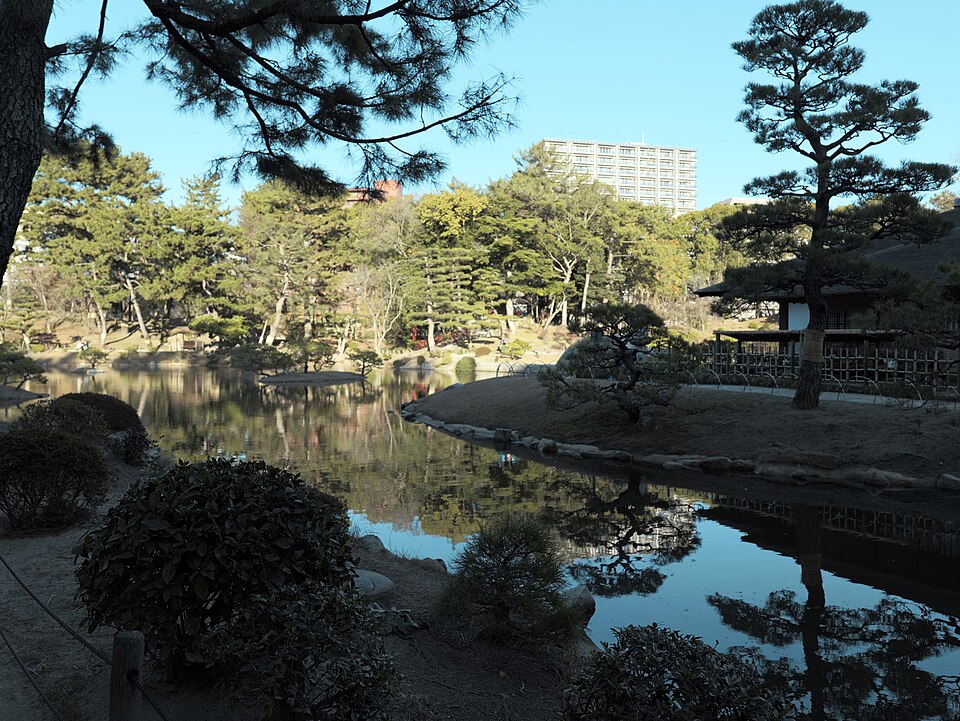
Shukkeien Garden. Image Credit: Hyppolyte de Saint-Rambert / Wikimedia Commons, CC BY 4.0
Shukkeien Garden is a historic Japanese garden that dates back to 1620, when it was laid out for Asano Nagaakira, lord of Hiroshima, by his senior retainer and tea master Ueda Soko. Designed to replicate scenic views in miniature, the garden features picturesque landscapes, tranquil ponds, and beautifully manicured plants.
Beauty and Tranquillity: Stroll through the winding paths, enjoy the seasonal flowers, and relax by the pond while watching the koi. Shukkeien Garden is a perfect place for photography enthusiasts and nature lovers.
Main Features and Activities:
- Tea Gatherings: Local tea schools hold tea gatherings in the garden on set dates through the year, including a cherry blossom gathering in April, a moon viewing gathering in September and an autumn leaves gathering in November. Check the garden’s events calendar for this year’s dates.
- Seasonal Events: The garden hosts a cherry blossom festival with evening illuminations in late March and early April, and a chrysanthemum show in early November, making each visit unique.
Directions and Visiting Hours: Shukkeien Garden is right beside the Shukkeien-mae stop on the Hakushima tram line; from Hiroshima Station, change trams at Hatchobori. It’s open from 9am to 6pm between 16 March and 15 September and from 9am to 5pm between 16 September and 15 March, with last entry 30 minutes before closing, and it closes from 29 to 31 December. Admission is 350 yen for adults and 150 yen for university students, and free for high school students and younger.
Miyajima and the Hiroshima Museum of Art
Miyajima Island
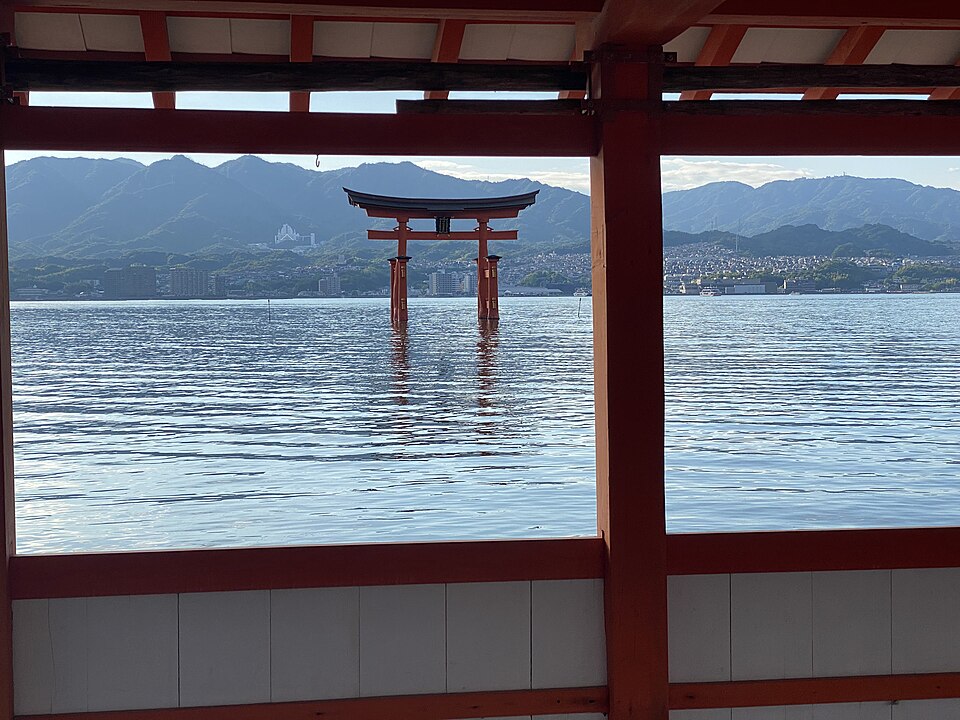
Torii Gate, Miyajima Island. Image Credit: Immanuelle / Wikimedia Commons, CC BY 4.0
Miyajima Island, also known as Itsukushima, is famous for its iconic floating torii gate and serene landscapes. A short ferry ride from Hiroshima, this island offers a perfect blend of natural beauty and cultural heritage.
Itsukushima Shrine: This UNESCO World Heritage site is renowned for its floating torii gate, which appears to float on the water during high tide. The shrine itself is an architectural marvel, reflecting the harmony between man and nature. Entry costs 300 yen for adults, 200 yen for high school students and 100 yen for younger schoolchildren. The shrine opens at 6:30am, and closing time moves with the seasons from 5pm in December to 6pm between March and mid October.
Mount Misen: For the adventurous, a hike up Mount Misen offers breathtaking views of the Seto Inland Sea. The Miyajima Ropeway does most of the climbing in two stages, from Momijidani Station up to Shishiiwa Station, leaving a final walk along the ridge to the summit. Consider using luggage storage London before embarking on this trek as it can get quite tiring.
Ferries and the Miyajima Visitor Tax: Two ferry companies, JR Miyajima Ferry and Miyajima Matsudai Kisen, cross from Miyajimaguchi to the island in about 10 minutes. JR Miyajima Ferry charges adults 160 yen each way, and its sailings from Miyajimaguchi between 9:10am and 4:10pm pass close to the great torii. Since 1 October 2023, every visitor also pays the 100 yen Miyajima Visitor Tax on top of the fare (see JR Miyajima Ferry for current fares and timetables).
Visitor Tax in Detail: Hatsukaichi City, which runs Miyajima, collects the tax from everyone who arrives by boat. You can pay 100 yen each visit or 500 yen for a full year, and preschool children are exempt (city’s official tax page, in Japanese). On most ferries it is added to your fare; the JR Miyajima Ferry lists it separately, so an adult crossing costs 160 yen plus 100 yen.
| Getting to Miyajima | How | Adult fare |
|---|---|---|
| JR train and JR ferry | JR Sanyo Line to Miyajimaguchi, then JR Miyajima Ferry (about 10 minutes) | Ferry 160 yen each way plus 100 yen tax; covered by the Japan Rail Pass apart from the tax |
| Tram and Matsudai Kisen ferry | Hiroden tram to Hiroden-miyajima-guchi, then Miyajima Matsudai Kisen | 1 Day Streetcar and Ferry Pass 1,000 yen, tax included |
| Direct boat | Setonaikai Kisen from Hiroshima Port | Fares revised on 1 September 2026; check the operator’s site |
Travel Tips and Best Times to Visit:
- Plan Ahead: The island can get crowded, especially during peak seasons. Arriving early in the morning or later in the afternoon can help you avoid the crowds.
- Stay Overnight: Experience the island’s tranquillity after the day-trippers leave. There are several traditional ryokans where you can stay and enjoy local hospitality.
Hiroshima Museum of Art

Aerial view of Hiroshima Museum of Art. Image Credit: Hiroshima Convention & Visitors Bureau
The Hiroshima Museum of Art houses a diverse collection of European and Japanese artworks, providing a rich cultural experience for art enthusiasts.
Collection Highlights:
- European Art: The museum boasts works by masters such as Monet, Van Gogh, and Picasso, offering a comprehensive look at Western art movements.
- Japanese Art: The collection covers modern Japanese painting in both the Western style, with artists such as Kuroda Seiki and Kishida Ryusei, and the Japanese Nihonga style, showcasing the evolution of Japanese art.
Special Exhibitions: The museum regularly hosts special exhibitions, featuring both international and local artists. These temporary exhibits provide fresh perspectives and new discoveries for repeat visitors.
Visitor Information: The museum stands in Central Park, about a five minute walk from the Kamiyacho-higashi tram stop and Hiroshima Bus Center. It’s open from 9am to 5pm (last entry 4:30pm), until 7pm on Saturdays during special exhibitions, and it closes on Mondays except during special exhibitions. Check the museum’s website for current exhibitions and changeover closures.








Okonomimura, the Mazda Museum and Orizuru Tower
Okonomimura

Okonomimura, also known as Okonomiyaki Village. Photo Credit: Dive Hiroshima
Okonomimura, or “Okonomiyaki Village,” is a food lover’s paradise where you can indulge in Hiroshima’s famous okonomiyaki, a savoury pancake filled with various ingredients.
Culinary Experience: With 23 okonomiyaki restaurants spread over the second to fourth floors of the Shintenchi Plaza building, each offering their unique twist on this classic dish, you’re sure to find a flavour that suits your taste. From seafood to cheese, the variety is endless.
Practical Tips:
- Opening Hours: Each restaurant sets its own hours and closing days, so it is worth walking all three floors before you choose a counter.
- Getting There: The building is about three minutes on foot from the Hatchobori tram stop and about 12 minutes from Hiroshima Bus Center.
Location and Recommendations: Located near the bustling Hondori Street, Okonomimura is a must-visit for anyone looking to experience authentic Hiroshima cuisine. Be sure to try different stalls to find your personal favourite.
How Hiroshima Style Okonomiyaki Differs From Osaka’s
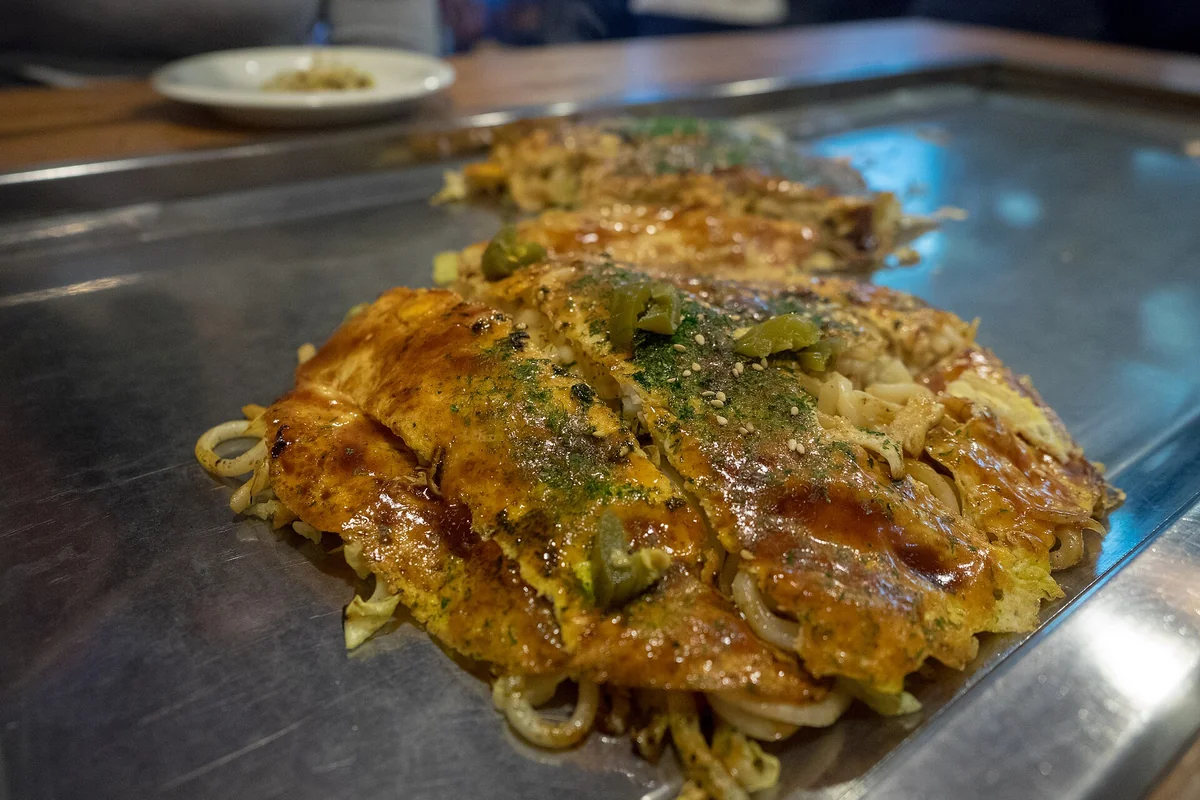
Hiroshima style okonomiyaki on the hotplate. Photo: Ajay Suresh, CC BY 2.0, via Wikimedia Commons
Osaka style okonomiyaki mixes everything into one batter. Hiroshima style is built in layers on the hotplate: a thin crepe of batter, a tall heap of cabbage with bean sprouts and pork, a layer of fried noodles, then an egg, finished with sauce, green nori and dried fish powder. Ask for soba or udon when you order; the counter cook will ask you anyway.
The dish grew out of issen yoshoku, a flour pancake sold as a children’s snack, which cooks bulked out with whatever they could find during the food shortages after the war, according to Otafuku Sauce, the Hiroshima company that created its thick okonomi sauce in 1952 for cooks whose runny Worcestershire sauce kept sliding off the grill. Otafuku’s Wood Egg Okonomiyaki Museum in Hiroshima’s Nishi ward tells the story; self guided visits need no booking, and paid cooking classes on a full size hotplate must be booked ahead.
Mazda Museum

Hiroshima’s very own Mazda Museum. Image Credit: Dan Froude/ Mazda
For automobile enthusiasts, the Mazda Museum offers an inside look at one of Japan’s most iconic car manufacturers.
History of Mazda: Learn about the company’s evolution, from its early days to its modern innovations. The museum provides an in-depth look at Mazda’s pioneering spirit and technological advancements.
Exhibition Highlights:
- Mazda Rotary Engine: A pioneering technology that revolutionised the automotive industry. The museum showcases various models that utilised this engine.
- Concept Cars: A glimpse into the future of Mazda design. These futuristic models highlight Mazda’s commitment to innovation and sustainability.
Tour Information and Booking: Visits are by reservation only through the Mazda Museum website, and the free 120 minute tour runs on weekdays and selected Saturdays, with the morning tour in Japanese and the afternoon tour in English. Visitors meet at Mazda’s head office in Fuchu, a five minute walk from the south exit of JR Mukainada Station, a short train ride from Hiroshima Station, and travel to the museum by shuttle bus. Be sure to book your tour in advance, as slots can fill up quickly.
Hiroshima Orizuru Tower
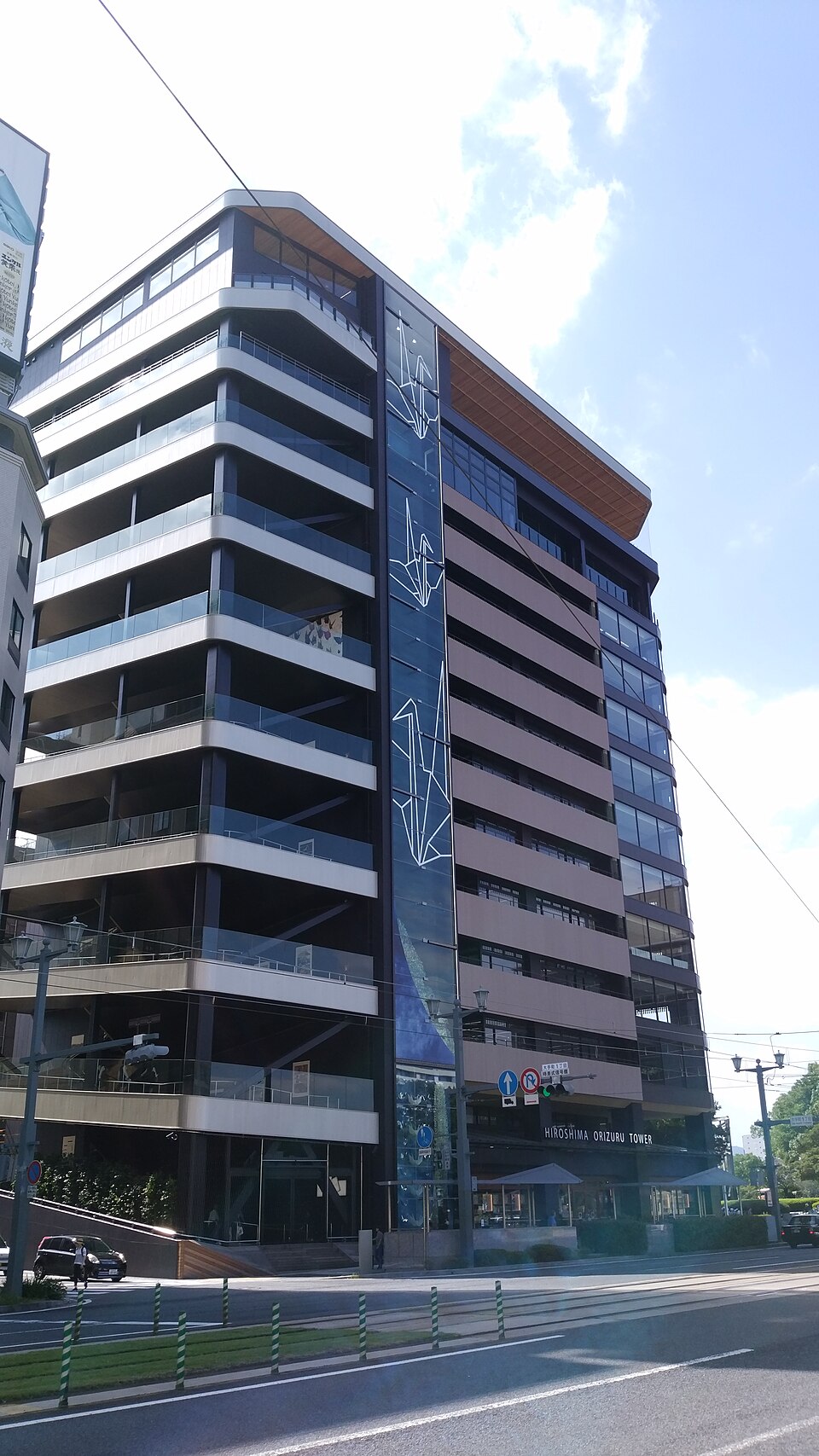
Hiroshima Orizuru Tower. Image Credit: Taisyo / Wikimedia Commons, CC BY 3.0
Hiroshima Orizuru Tower offers a modern perspective on the city’s history and culture, with interactive exhibits and stunning views.
Overview and Attractions:
- Orizuru Square: Fold your own paper crane and drop it into the Orizuru Wall, which costs 100 yen on top of admission. It is a small, personal way to share in Hiroshima’s message of peace.
- Observation Deck: The rooftop observation deck offers panoramic views of Hiroshima, including the Peace Memorial Park and the Atomic Bomb Dome, and on clear days reaches as far as Mount Misen on Miyajima. The deck is designed to provide a serene space for reflection.
Visiting Details: The tower’s regular hours are 10am to 6pm, with the last tickets sold 30 minutes before closing, and it closes on 31 December. Hours change for some months and events, so check the tower’s opening hours page before you go. Adult admission is 2,200 yen, and tickets can be purchased online or at the entrance. The tower’s unique architecture and thoughtful exhibits make it a standout attraction in Hiroshima.
Hiroshima Nightlife in Nagarekawa and Hondori
Nagarekawa District
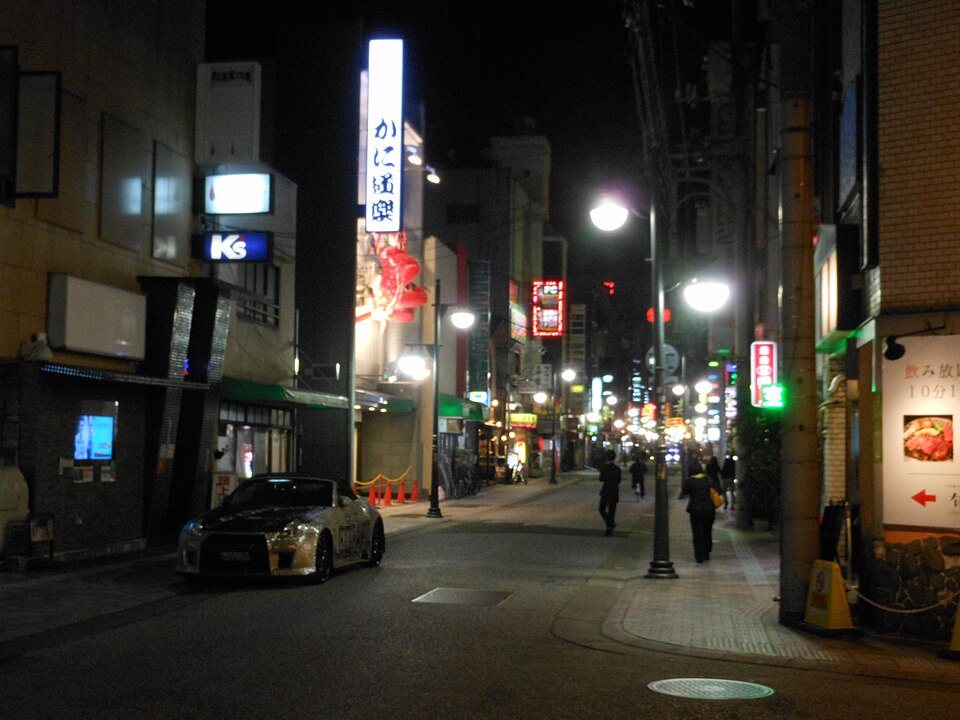
Nagarekawa District at night. Image Credit: Miyuki Meinaka / Wikimedia Commons, CC BY-SA 4.0
Nagarekawa is the heart of Hiroshima’s nightlife, offering a variety of bars, clubs, and entertainment options.
Popular Nightlife Spots:
- Molly Malone’s: An Irish pub on the fourth floor of the Teigeki Kaikan building in Shintenchi, a short walk from Nagarekawa. It’s a great place to meet fellow travellers and enjoy a pint.
- Club G: A trendy nightclub known for its energetic vibe and top DJs. Dance the night away to the latest hits and enjoy the vibrant scene.
Bars, Clubs, and Entertainment Options: From karaoke bars to live music venues, Nagarekawa has something for everyone. Whether you’re looking for a quiet drink or a night of dancing, you’ll find it here.
Safety Tips and How to Get There: Nagarekawa sits just east of Hondori, a few minutes on foot from the Ebisu-cho and Hatchobori tram stops, which are served by trams from Hiroshima Station. Always stay in well-lit areas and keep an eye on your belongings. It’s a good idea to plan your route home in advance, especially if you’ll be out late.
Hondori Street

Hondori Street. Image Credit: Aude / Wikimedia Commons, CC BY-SA 3.0
Hondori Street is a bustling shopping and dining area that comes alive at night. It’s the perfect place to experience Hiroshima’s urban culture.
Shopping and Dining Options:
- Parco: A multi-storey shopping complex with a wide range of stores. From fashion to electronics, you can find almost anything here.
- Local Eateries: Sample Hiroshima-style ramen and other local delicacies. The street is lined with restaurants and cafes offering a variety of cuisines.
Night Markets and Local Experiences: Hondori Street hosts occasional night markets where you can buy local crafts and street food. These markets offer a unique shopping experience and a chance to mingle with locals.
Directions and Best Time to Visit: Easily accessible by tram, Hondori Street is best visited in the evening when the shops and restaurants are in full swing. The vibrant atmosphere makes it a great place to start your night out.
Day Trip from Hiroshima to Onomichi
Onomichi
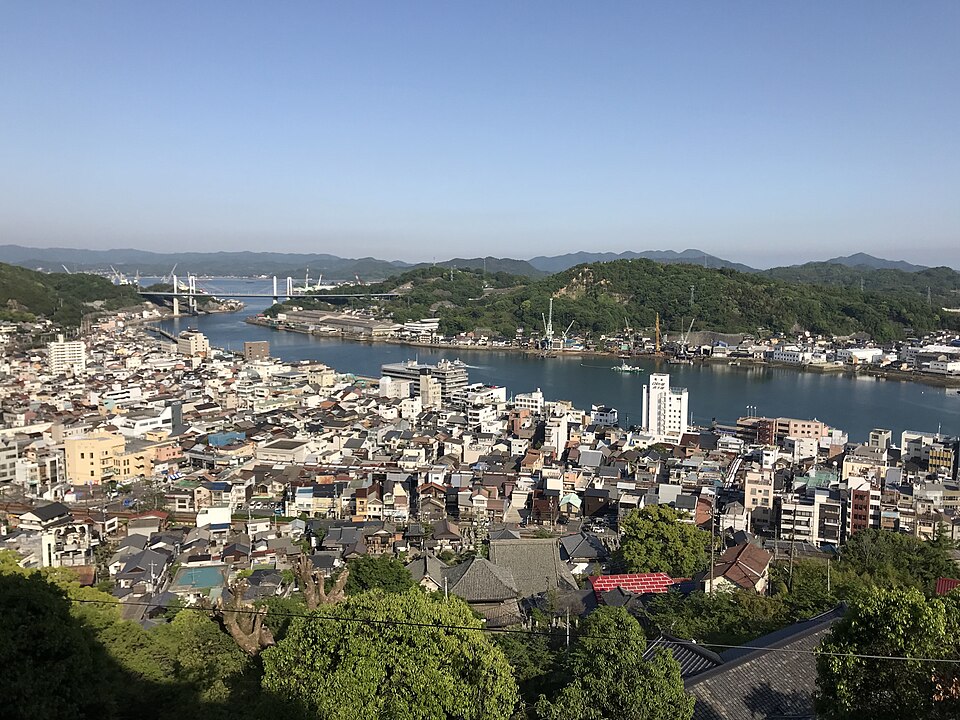
The port town of Onomichi from Senkoji Temple. Image Credit: そらみみ / Wikimedia Commons, CC BY-SA 4.0
Onomichi is a scenic coastal town famous for its temples and cycling routes.
Scenic Spots and Activities:
- Temple Walk: A route that takes you through 25 historic temples. Each temple offers unique architecture and serene surroundings.
- Shimanami Kaido: A popular cycling route that offers stunning views of the Seto Inland Sea. The route is well-maintained and suitable for cyclists of all levels.
Local Cuisine and Culture: Try the town’s famous Onomichi ramen, known for its soy sauce-based broth and chewy noodles. The town’s quaint cafes and local shops add to its charm.
Transportation Options: Local JR Sanyo Line trains run from Hiroshima Station to Onomichi Station, which sits on the waterfront at the start of the temple walk. On the Sanyo Shinkansen, only Kodama trains stop at Shin-Onomichi Station, a bus ride of about 15 minutes (190 yen) or a taxi of about 10 minutes from the centre, according to Onomichi City. For the Shimanami Kaido, Shimanami Japan rents cross bikes and city bikes for 3,000 yen a day, electric assist bikes for 4,000 yen and e-bikes for 8,000 yen, with a free helmet, and you can return most bikes at any of its ten terminals, including Onomichi and Imabari (Shimanami Japan rental fees, in Japanese).
Day Trip from Hiroshima to Okunoshima, the Rabbit Island

A rabbit beside one of the island’s wartime ruins. Photo: Tak H., CC BY-SA 2.0, via Wikimedia Commons
Okunoshima is a small island, about 4 kilometres around, in the Seto Inland Sea off Takehara, and it is home to hundreds of wild rabbits that come to meet the ferry. It belongs to Setonaikai National Park, and its only hotel is Kyukamura Okunoshima, which has a hot spring bath and restaurant (Takehara tourism, in Japanese).
Getting to Okunoshima from Hiroshima
- By train: JR from Hiroshima Station to Tadanoumi Station takes about 140 minutes via the Kure Line. From Mihara, on the shinkansen, it is about 20 minutes.
- By bus: the Kaguya-hime express bus runs from Hiroshima Station to the Tadanoumi Ekimae stop.
- Ferry: Tadanoumi Port is a short walk from the station. The crossing takes about 15 minutes and costs 360 yen each way for adults and 180 yen for children. Coin lockers at the port cost 500 yen.
Rules for Meeting the Okunoshima Rabbits
The rabbits are wild, and Takehara’s tourism office asks visitors to follow a short set of rules: do not pick up or stroke the rabbits, do not hand feed them, do not put food down on the roads, watch your feet, take any leftover food home, and never bring pets or take a rabbit off the island. Rabbits are most active at dawn and dusk and slow down in summer heat, so an overnight stay at Kyukamura gives you the liveliest hours (Takehara tourism rabbit guide, in Japanese).
Okunoshima’s Poison Gas Factory and Museum
The rabbits share the island with a darker history. From 1929 until the end of the war, the Imperial Japanese Army secretly made poison gases here, including mustard gas and lewisite, and the island was left off maps. The Okunoshima Poison Gas Museum, opened in 1988, tells that story and the cost to the workers. It opens from 9am to 4pm (last entry 3.40pm), costs 150 yen for visitors aged 19 and over and is free for anyone younger (museum listing, in Japanese). Ruined power station and storage buildings still stand around the island, and the Hokkori viewpoint, 100 metres up, looks out over the islands of the inland sea.
Hiroshima offers a diverse range of attractions and activities, from historical sites and museums to natural beauty and vibrant nightlife. Whether you’re visiting for a day or planning an extended stay, there’s always something new to discover. We hope this guide helps you make the most of your visit to Hiroshima, creating memories that will last a lifetime.
For luggage storage solutions while leaving for Hiroshima, check out Radical Storage.
Hiroshima Questions and Answers
How much is the Hiroshima Peace Memorial Museum?
Adult admission is 200 yen, high school students pay 100 yen and junior high school students and younger go free. Visitors aged 65 and over pay 100 yen with a passport. The museum opens at 7.30am every day except 30 and 31 December, and you need an online reservation to enter the main exhibition in the first and last hour of the day (museum hours and admission).
How much is the Miyajima visitor tax?
It is 100 yen per person each time you arrive by boat, or 500 yen if you pay for a full year in one go. Hatsukaichi City introduced it on 1 October 2023. Preschool children are exempt, as are school groups on official trips with a certificate. Most ferry companies add it to the fare, while the JR Miyajima Ferry charges it separately from the 160 yen crossing.
How do you get from Hiroshima to Miyajima?
The usual route is a JR Sanyo Line train from Hiroshima Station to Miyajimaguchi, then a ferry of about 10 minutes with JR Miyajima Ferry or Miyajima Matsudai Kisen. Hiroden trams also run to Hiroden-miyajima-guchi on the Miyajima Line. JR Miyajima Ferry sailings from Miyajimaguchi between 9.10am and 4.10pm pass close to the great torii, and Japan Rail Pass holders ride that ferry free apart from the tax.
Is Hiroshima Castle open?
The keep has been closed since 22 March 2026 because its 1958 concrete is deteriorating. You can still walk the grounds and moat and enter the reconstructed Ninomaru gate and turrets for free. The castle’s museum role moves to the new Hiroshima Castle Sannomaru History Museum, due to open its first floor on 1 June 2027 and its exhibition rooms on 1 October 2027.
Can you visit Okunoshima as a day trip from Hiroshima?
Yes. Take JR to Tadanoumi Station, about 140 minutes from Hiroshima via the Kure Line, or about 20 minutes from Mihara if you come by shinkansen, then walk a few minutes to the port for the 15 minute ferry, which costs 360 yen each way. Leave time for the Poison Gas Museum, which closes at 4pm, and check the last ferry back before you set off.
What is Hiroshima style okonomiyaki?
It is a savoury pancake cooked in layers rather than mixed: a thin batter crepe, cabbage, bean sprouts and pork, a layer of soba or udon noodles and an egg, topped with thick okonomi sauce, nori and fish powder. Okonomimura, near Hondori, gathers more than 20 okonomiyaki counters across three floors of the Shintenchi Plaza building, so it is the easiest place to compare styles.
What are the best day trips from Hiroshima?
Miyajima is the classic half day, reached by train and a 10 minute ferry. Onomichi suits a full day, with its temple walk, ramen and the start of the Shimanami Kaido cycling route to Imabari. Okunoshima’s rabbits and wartime ruins make a quieter day out by train and ferry. Further afield, Iwakuni and Kurashiki are both on the JR network.