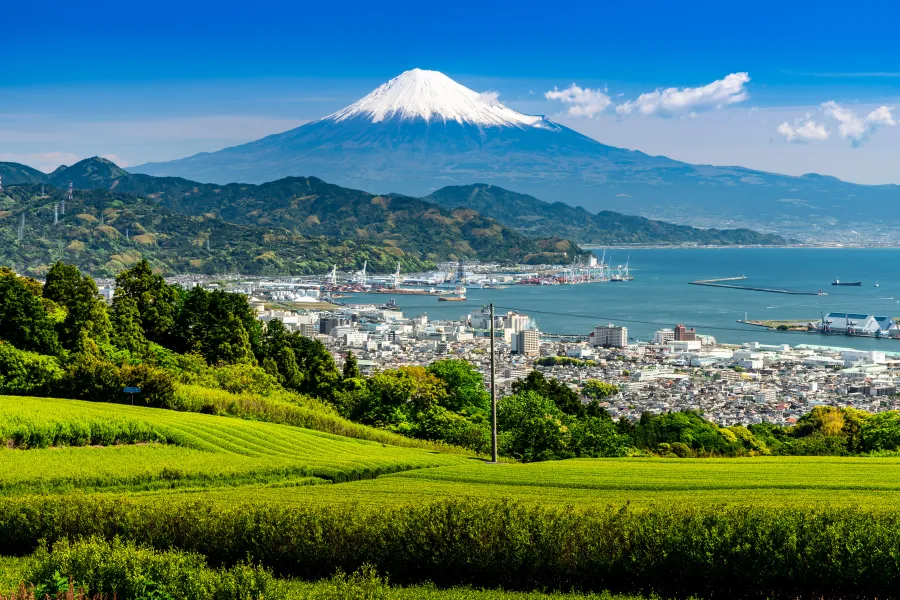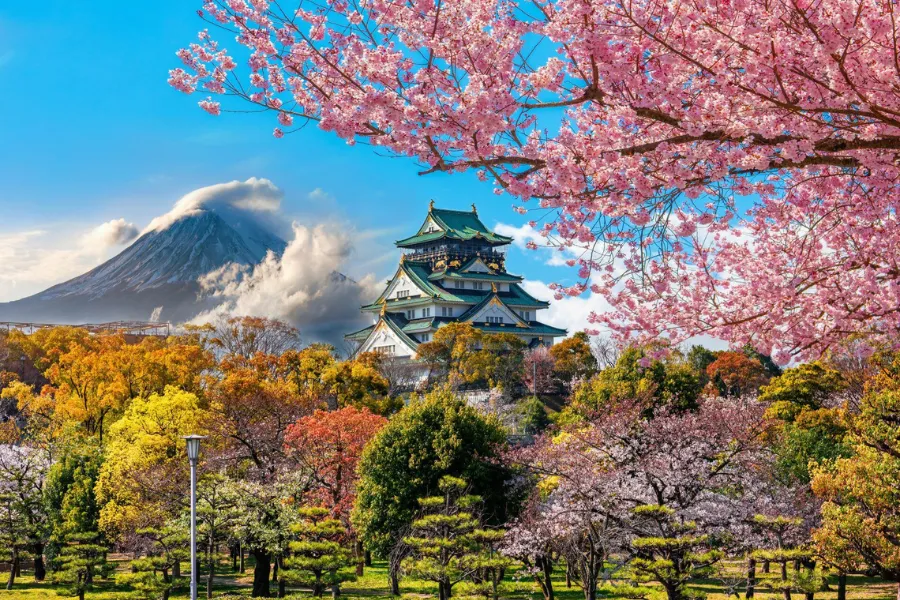
April is one of the best times to visit Japan, as spring reaches its peak and cherry blossoms sweep across the country. In 2026, travellers can expect vibrant hanami (花見) scenes from Tokyo’s parks to Kyoto’s temple gardens, alongside mild weather ideal for exploring on foot.
Beyond the sakura season, April is packed with standout events and festivals. You can watch centuries-old traditions at the Takayama Spring Festival (高山祭), take part in local celebrations across the country, and experience Japan at its liveliest as the new season begins.
This guide covers the best festivals, events, and things to do in Japan in April 2026, helping you plan where to go, what to see, and how to make the most of your spring itinerary, whether it’s your first visit or a return trip.
Visiting Japan in April
What to Expect from Japan in April (Weather, Packing, & Crowd)

April is one of the most comfortable months to visit Japan, with mild spring temperatures and clear skies. Across most regions, the weather is pleasantly warm during the day and cool at night, perfect for sightseeing.
Tokyo & Kyoto: Average temperatures range from 10°C to 20°C (50°F to 68°F).
Osaka & Hiroshima: Typically around 12°C to 21°C (54°F to 70°F).
Northern regions like Hokkaido or mountainous areas: It’s still chilly, hovering around 4°C to 13°C (39°F to 55°F).
Cherry blossom season varies by region, but by April, full bloom usually reaches areas like Tokyo, Kyoto, and Hiroshima, while Hokkaido’s sakura begins in late April and continues into early May.
What To Wear
Spring attire works best, but packing smart layers makes a noticeable difference day to day. Mornings and evenings can still feel cool, especially during late-night hanami (花見) gatherings. Bring a light jacket, cardigan, or trench coat that’s easy to carry.
During the day, breathable pieces like long-sleeve tops, skirts, or loose trousers are comfortable for walking between sights, particularly in cities such as Tokyo and Kyoto, where you’ll be on your feet for hours. Comfortable walking shoes are essential, as many popular viewing spots and festival areas involve parks, temple grounds, or uneven paths.
Crowds
April is one of the busiest months to visit Japan. The peak of the sakura season draws large crowds to parks, riverbanks, and temple grounds, particularly in major cities like Tokyo, Kyoto, and Osaka, where hanami gatherings fill popular viewing spots from morning through evening.
Early April is typically the most crowded, as blossom forecasts align with peak travel demand. Alongside this, the start of Japan’s school and fiscal year brings a noticeable shift in atmosphere.
From the third week of April, domestic travel begins to rise ahead of Golden Week (29 April to 6 May). While the public holidays fall at the very end of the month, trains and hotels can start filling up earlier, especially on key routes like Tokyo to Kyoto–Osaka. Booking accommodation and long-distance transport in advance is strongly recommended if you’re travelling in late April.


Must-Experience Events in April
Fuji-Kawaguchiko Cherry Blossom Festival: March 28 to April 12
Location: Lake Kawaguchiko, Yamanashi Prefecture
Entrance Fee: Free
Opening Times: 10:00 AM to 9:00 PM; food stalls typically open from 10:00 AM to 5:00 PM
This festival is one of the best ways to enjoy cherry blossom viewing in Japan. It’s a picturesque experience with blooming sakura lining Lake Kawaguchiko, accompanied by food stalls and local performances.
For more information, refer to the Tourist information site of Fuji-Kawaguchiko here.
📷 Tip: Check the visibility of Mt. Fuji and the cherry blossom bloom status before going! Arrive early to secure good photography spots with Mt. Fuji in the background.
Miyako Odori: April 1 to 30

Location: The Gion Kobu Kaburenjo
Entrance Fee: Starts at ¥4,000 to ¥7,000 depending on seat type
Opening Times: Multiple shows daily; usually 12:30 PM, 2:30 PM, and 4:30 PM
The Miyako Odori is one of the most iconic spring performances and a must-see cultural experience during April in Japan. This traditional dance show features Kyoto’s geiko and maiko (geisha and apprentice geisha) performing graceful dances in stunning seasonal kimonos.
✨ Tip: Book tickets in advance through their official website.
Seiryu-e Dragon Festival: April 3

Location: Kiyomizu-dera Temple, Kyoto
Entrance Fee: ¥400 temple admission
Opening Times: Parade begins around 2:00 PM
The Seiryu-e Dragon Festival honours the temple’s legendary blue dragon, believed to be its guardian spirit that wards off evil and brings good fortune. A stunning 18-metre-long dragon puppet is paraded through the temple grounds, accompanied by traditional music, monks, and dancers. The spectacle offers a rare fusion of spirituality and theatrical performance.
🐉 Tip: Arrive early to explore the temple before the parade begins. See the temple’s website for more details.
Inuyama Festival (Inuyama): April 4 to 5
Location: Haritsuna Shrine
Entrance Fee: Free
Opening Times: Parade begins around 8:00 AM; illuminated floats in the evening
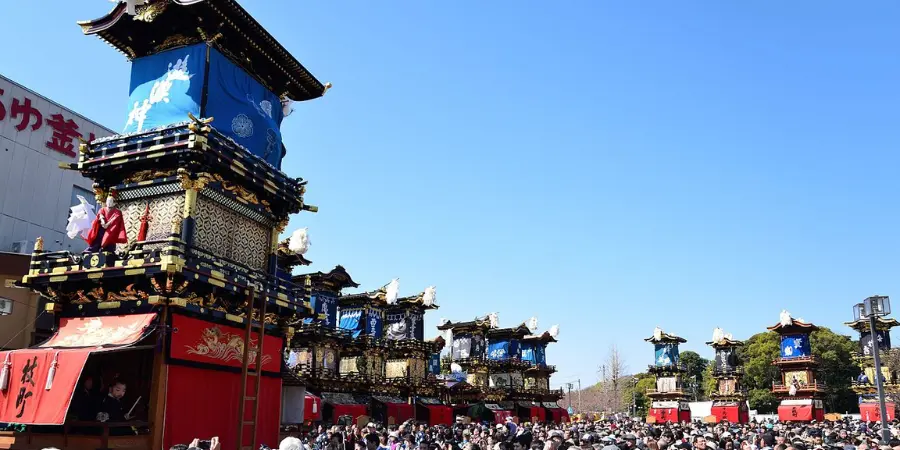
The Inuyama Festival, a UNESCO-listed cultural heritage event, is known for its thirteen ornate floats featuring karakuri (mechanical) puppets that perform to flute and taiko music. First held in 1635 to honour the deity of Haritsuna Shrine, it remains a standout April festival.
At night, the floats are lit with lanterns and parade beneath the cherry blossoms, creating an elegant, atmospheric scene. More information is available on the event website.
🎆 Tip: Visit Inuyama Castle (one of Japan’s oldest) while you’re there, spring views are breathtaking.
Kanamara Matsuri (Kawasaki): April 5
Location: Kanayama Shrine, Kawasaki, Kanagawa Prefecture
Entrance Fee: Free
Opening Times: Parade typically starts at 12:00 PM; festivities from 10:00 AM
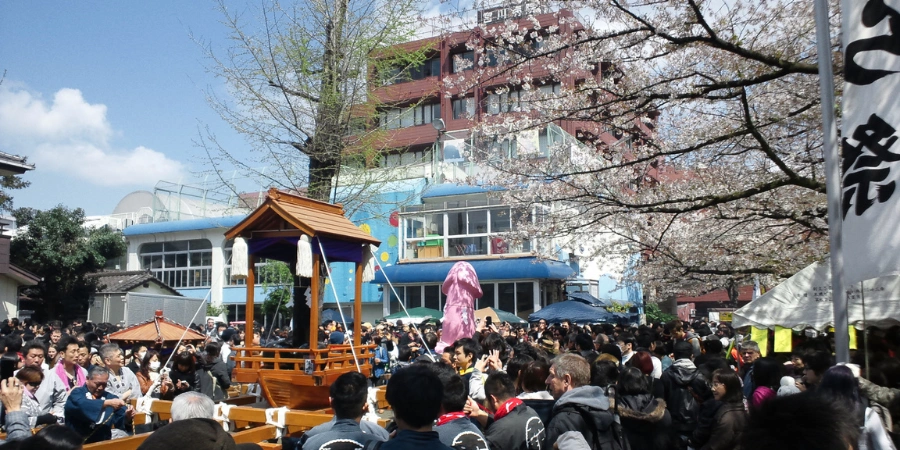
Kanamara Matsuri, often called the “Festival of the Steel Phallus”, is one of Japan’s most unusual spring events, celebrating fertility, safe childbirth, and strong relationships through a mix of humour and tradition.
The highlight is a parade of three phallic mikoshi (portable shrines): the black iron Kanamara Boat Mikoshi, the bright pink “Elizabeth” donated by a drag club, and the original wooden Kanamara Omikoshi.
Hanabi Illusion 2026: April 11

Location: Ginowan Seaside Park
Entrance Fee: ¥5,000 to ¥10,000 (Get your tickets through their official website!)
Opening Times: Gates open at 3:00 PM; Show starts at 7:00 PM
This amazing fireworks show mixes traditional Japanese fireworks with music and laser lights. It’s a modern twist on a classic event and a great way to enjoy a special night in Japan in April.
The Hanabi Illusion takes place at Ginowan Seaside Park and Tropical Beach and lasts for one exciting hour. You’ll see beautiful fireworks, live music, performances, and cool light effects. There are lots of food and drink stands, and you can relax by the ocean and enjoy a fun night under the stars.
🎆 Tip: Easily accessible from Tokyo. Plan a day trip and pair it with shopping at Makuhari Outlet Mall.
Yasurai Festival: April 12
Location: Imamiya Shrine, Kyoto
Entrance Fee: Free
Opening Times: Procession begins late morning
A Kyoto tradition, Yasurai Matsuri is said to help prevent illness and bring peace. Dancers with red and black umbrellas move rhythmically to taito drums and bamboo flutes in a small, intimate procession.
The umbrellas are symbolic, said to shelter participants from malevolent spirits carried on the spring winds. Though small and intimate, the event holds deep spiritual meaning and is one of the oldest festivals in the city.
Fuji Shibazakura Festival: Starts April 12

Location: Fuji Motosuko Resort, Yamanashi Prefecture
Entrance Fee: ¥1,000 to ¥1,300
Opening Times: 8:00 AM to 4:00 PM
Enjoy a visual feast with fields of shibazakura (pink moss phlox) with Mount Fuji in the background. The area also features local food stalls, souvenir shops, and panoramic viewing platforms to fully enjoy the floral scenery. Book tickets in advance on the resort’s official website.
🌸 Tip: There are food stalls and souvenir shops. Try the shibazakura-themed mochi and sweets!
Kamakura Matsuri: April 12 to 19
Location: Tsurugaoka Hachimangu Shrine, Kamakura, Kanagawa Prefecture
Entrance Fee: Free
Opening Times: 10:00 AM
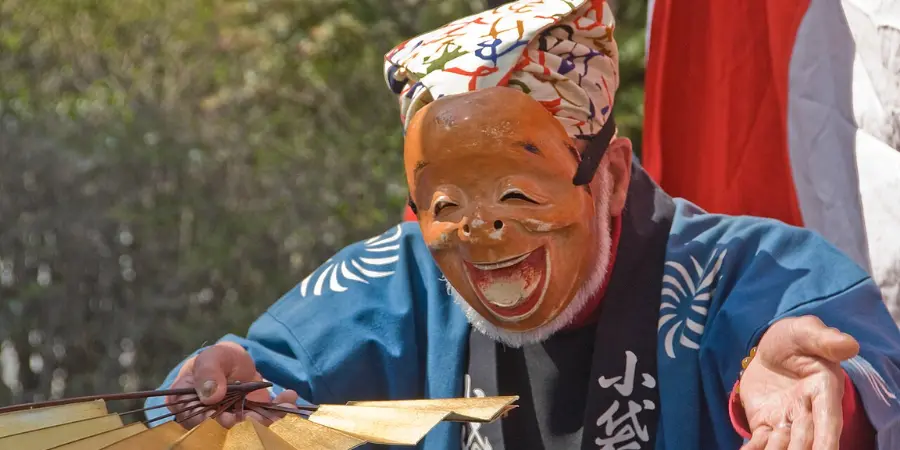
The Kamakura Festival celebrates the city’s samurai heritage and Shinto traditions. Its standout event is yabusame: archers in traditional dress shooting arrows from galloping horses, once used for warrior training. Week-long festivities include parades, rituals, and performances centred around Tsurugaoka Hachimangū Shrine. See more information on the official tourism site.
Takayama Spring Festival: April 14 to 15

Location: Hie Shrine, Takayama, Gifu Prefecture
Entrance Fee: Free
Opening Times: Floats parade from 9:00 AM; evening illumination around 6:00 PM
The Takayama Spring Festival (Sannō Matsuri), held at Hie Shrine in Takayama, is one of Japan’s most celebrated April events. It features 12 ornate yatai (floats) displayed around the historic town, some with karakuri (mechanical puppets) performing traditional stories.
Highlights include a two-day parade of floats, mikoshi (portable shrines), lion dances, and Edo-period costumes, moving between Hie Shrine and Otabisho. On the evening of 14 April, the floats are lit with lanterns for a short night procession.
Tateyama Kurobe Alpine Route: Opens April 15
Location: Between Tateyama (Toyama Prefecture) and Omachi (Nagano Prefecture)
Entrance Fee: Varies by segment. The full route between Tateyama and Ogizawa costs ¥10,940 one way for adults and ¥5,480 for children, or ¥19,680 and ¥9,840 return
Opening Times: Mid-April to late November; Snow Wall Walk: 9:00 AM to 3:15 PM (April to June)
The Tateyama Kurobe Alpine Route is a journey of awe and wonder through the majestic mountains of the Northern Alps. The route connects Toyama and Nagano prefectures by various modes of transportation such as cable car, ropeway, bus, and trolley bus.
The highlight? The Yuki-no-Otani (Great Snow Wall), a majestic corridor of snow reaching up to 20 metres high, which visitors can walk through. The route traverses through mountains via a combination of cable cars, ropeways, and buses.
❄️ Tip: April is the best time to see the snow corridor at its highest. Tickets can sell out fast, book online in advance. To take in the entire Tateyama Kurobe Alpine Route, it’s better to allocate a whole day.
Yayoi Matsuri (Nikko): April 16 to 17
Location: Futarasan Shrine, Nikko, Tochigi Prefecture
Entrance Fee: Free
Opening Times: 1:30 PM to 8:30 PM
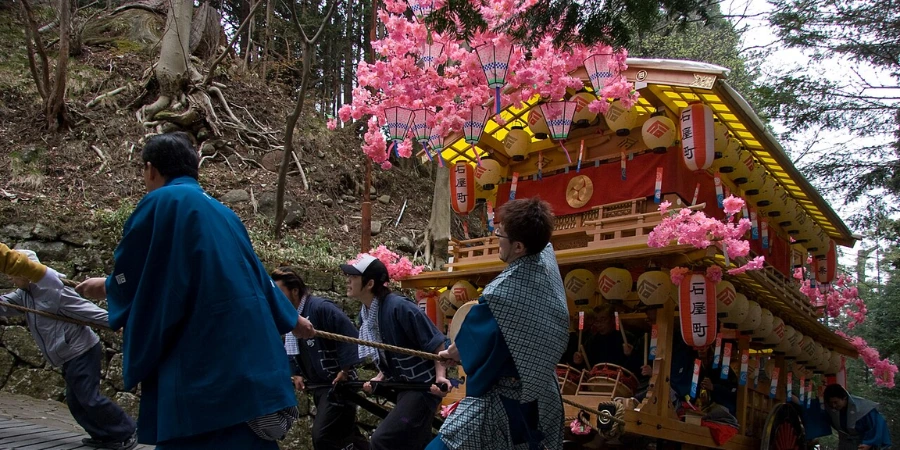
The Yayoi Festival in Nikkō, held at Futarasan Shrine, marks the arrival of spring with a parade of 11 to 12 hanayatai (flower floats) decorated with blossoms and pulled by locals in traditional dress.
Alongside music, dances, and food stalls, the festival unfolds against Nikkō’s UNESCO-listed sites. The final day is the highlight, as twelve ornate floats fill the town in a lively procession. See the shrine’s official site for more details.
🛕 Tip: Combine this with a visit to Toshogu Shrine for a full day of culture and history.
Hirosaki Cherry Blossom Festival: April 17 to May 5

Location: Hirosaki Castle Park, Hirosaki City, Aomori Prefecture
Entrance Fee: ¥320 (Honmaru or Botanical Garden), ¥520 (Combined ticket)
Opening Times: 9:00 AM to 9:00 PM (Botanical garden is only open until 5:00 PM)
This celebration is often ranked among the best cherry blossom festivals in Japan, offering more than just stunning views. The Hirosaki Cherry Blossom Festival is held at Hirosaki Castle, where over 2,600 cherry trees bloom alongside moats and historic architecture.
🌸 Tip: This is one of the best late-blooming sakura spots in Japan, perfect for those who missed earlier blooms in Tokyo or Kyoto. Expect cooler temps here (around 13°C / 55°F).
Rainbow Disco Club: April 17 to 19

Location: Higashi-Izu Cross Country Course
Entrance Fee: Around ¥27,000 (full 3-day pass)
Opening Times: Full-day event (Check out the official lineup and ticket details here!)
Rainbow Disco Club is an outdoor electronic music festival held in the forests of Higashi-Izu, Shizuoka, typically taking place over a three-day weekend in late April. Known for its laid-back atmosphere and carefully curated line-ups, it attracts both local and international music fans.
Expect continuous DJ sets and live performances across house, techno, and ambient, alongside food stalls, art installations, and chill-out spaces. Attendees can camp on-site or stay in nearby inns and onsen (温泉) resorts, making it a standout off-grid festival experience in Japan. See their official website for a complete list of performers.
🎧 Tip: Camping is available on-site, so make sure to book early. It’s a great offbeat addition to a Japan April itinerary if you enjoy underground music culture.
Matsumae Cherry Blossom Festival: Starts April 18

Location: Matsumae Castle Park, Matsumae Town, Hokkaido
Entrance Fee: Free
Opening Times: 9:00 AM to 5:00 PM (Castle museum)
Matsumae Park, located in Hokkaido’s only castle town, celebrates spring a bit later due to the colder climate. The park features over 10,000 cherry trees of 250 varieties, making the festival bloom longer than anywhere else in Japan.
🌸 Tip: Perfect for late-April or early-May travellers. Pair this visit with a trip to Hakodate, a scenic port city nearby.
Nagano Marathon 2026: April 19

Location: Nagano City, Nagano Prefecture
Entrance Fee: ¥12,000 (race entry; registration closes early)
Opening Times: Race starts at 8:30 AM
Held in the scenic city of Nagano, this marathon takes you through Olympic sites and natural backdrops. It’s a popular spring event that attracts runners from all over the world and is ideal for those combining fitness with travel.
Golden Week 2026: April 29 to May 6
Location: Nationwide
Entrance Fee: N/A: National Holiday
Opening Times: All-day closures in government offices; events vary by region
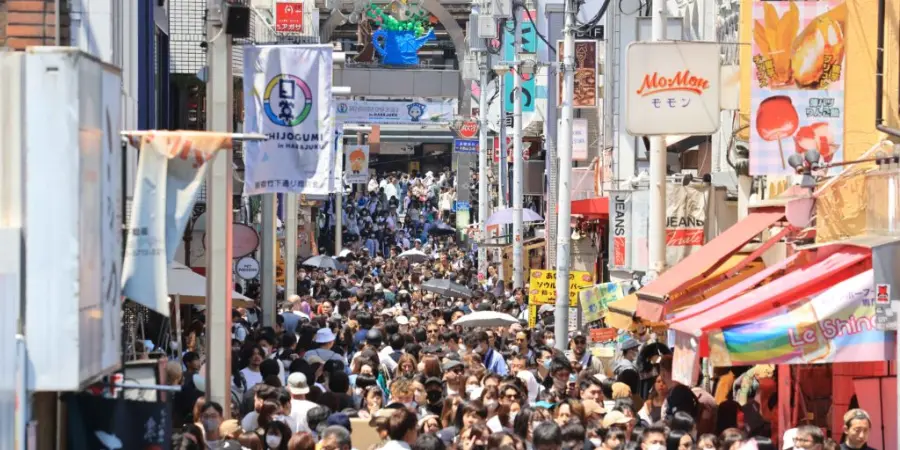
Golden Week begins with Showa Day on 29 April and marks one of Japan’s busiest travel periods. Millions of people travel across the country, filling bullet trains, airports, and popular tourist areas as they take holidays or return to their hometowns.
Expect crowded transport and higher accommodation prices, especially from late April onwards. At the same time, the atmosphere is lively: cities host shopping events and seasonal promotions, while others head outdoors for festivals, hiking, and late-season cherry blossoms. Booking trains and hotels in advance is essential if you’re travelling during this period.
📅 Tip: If you’re travelling during this period, book transportation and accommodations well in advance. Expect crowds at major attractions but also a more festive vibe across cities.
Final thoughts: Is April a good time to visit Japan?
April is one of the best times to visit Japan, offering a rare mix of cherry blossom season, comfortable weather, and a packed cultural calendar. From hanami in Tokyo and Kyoto to iconic events like the Takayama Spring Festival, the country is at its most vibrant.
However, it’s also one of the busiest months, especially in early April and leading into Golden Week. Planning is key. With the right timing and itinerary, you can experience everything from historic festivals and seasonal landscapes to late-blooming sakura in northern regions.
If you’re deciding when to visit Japan, April stands out as the ultimate spring month, balancing natural beauty, cultural depth, and unforgettable travel moments across the country.