

Has travelling ever made you feel melancholic? That feeling often comes from isolation and disconnection in new and unfamiliar surroundings, and it can leave travellers yearning for moments of solace and familiarity away from the busiest tourist sights. Welcome to our Taito City Travel Guide, where the exciting and the seemingly mundane sit side by side. In Taito City, the discovery of small, intimate open spaces takes on real significance.
These hidden gems, whether a secluded park bench, a quiet alleyway or a small cafe tucked away from the crowds, offer a sense of home. They give travellers a break from the constant stimulation of a trip and a reminder of the beauty found in the simplicity of everyday life.
Explore Taito City
Tokyo’s Smallest Ward, East Of The Ueno Heights
The name “Taito” (台東) is made of two characters: “tai” (台), meaning high ground or a plateau, and “to” (東), meaning “east.” According to Taito City, 台 stands for the Ueno heights and 東 for Asakusa, which lies to the east of them. The ward was created in 1947, when the old Shitaya and Asakusa wards were merged, and the name describes that pairing of upland Ueno and low-lying Asakusa.
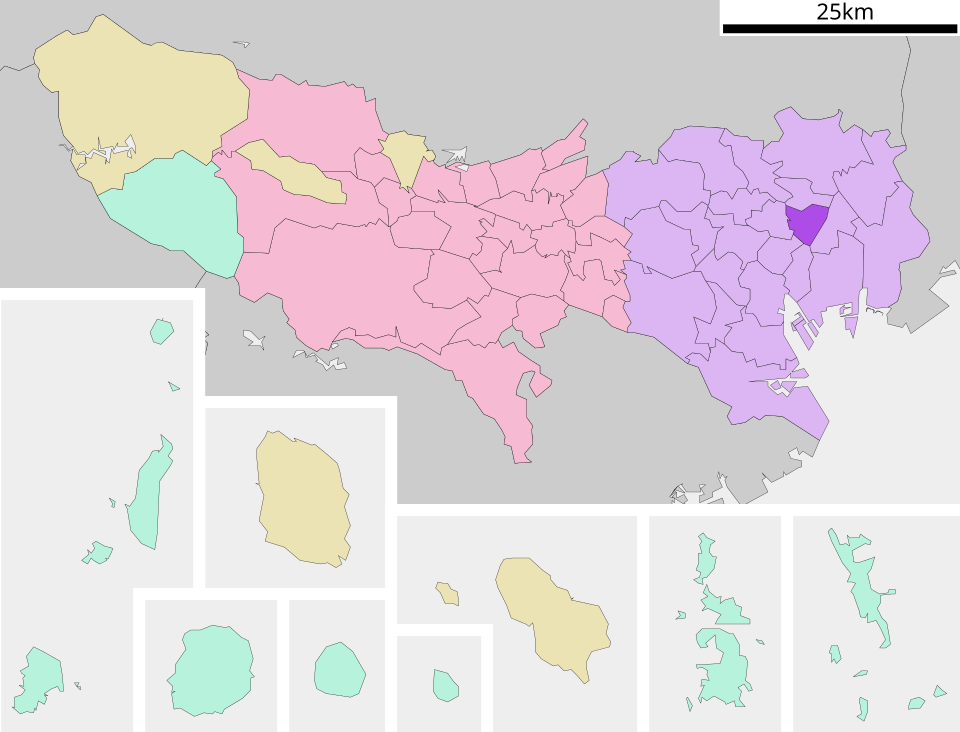
Image Credit: Lincun / Wikimedia Commons, CC BY-SA 3.0
Taito is one of Tokyo’s 23 special wards and, at 10.11 square kilometres, the smallest of them. The Sumida River forms its eastern border, with Sumida Ward on the far bank. On 1 October 2026 the ward had 217,429 registered residents, 21,339 of them foreign residents, which works out at roughly 21,500 people per square kilometre. It is characterised by its vibrant atmosphere, historic neighbourhoods and packed commercial districts.
Taito is also a popular destination for tourists, offering a wealth of cultural attractions and entertainment options. With its rich history, diverse population and central location, it remains one of the liveliest parts of Tokyo.


Senso-ji, Ueno Park, Yanaka And The Tokyo Skytree
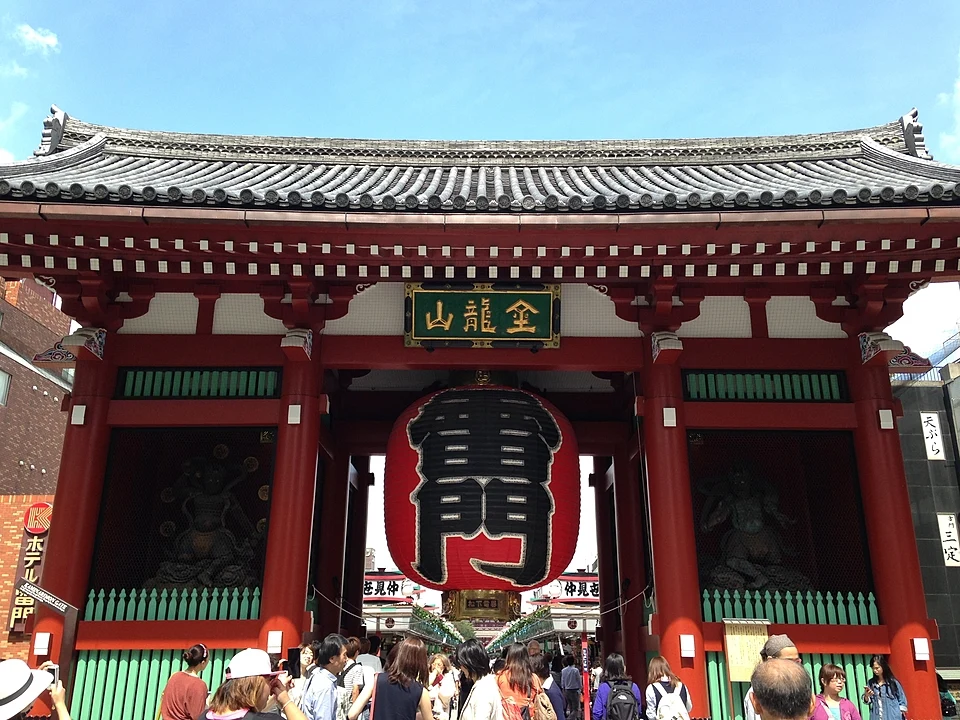
Image Credit: Soramimi / Wikimedia Commons, CC BY-SA 4.0
Visitors can immerse themselves in famous cultural and historical landmarks. Senso-ji in Asakusa, whose story begins in 628, is Tokyo’s oldest temple, and it draws crowds through the Kaminarimon Gate and along Nakamise, a shopping street of about 90 shops selling crafts, souvenirs and snacks.
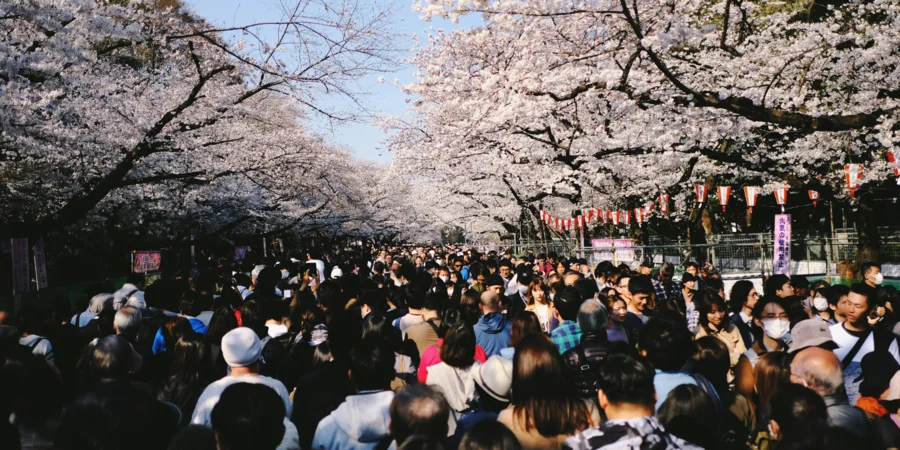
Image Credit: Trevor Paxton / Unsplash
Nearby, Ueno Park offers a green retreat with its gardens, museums and Ueno Zoo. Adult entry to the Tokyo National Museum costs 1,000 yen, and Ueno Zoo costs 600 yen for adults.
History enthusiasts can explore the historic Yanaka district, known for its preserved Edo-era atmosphere, traditional architecture, and tranquil cemetery.
For panoramic views of the city, the Tokyo Skytree, located just beyond Taito’s borders in Sumida Ward, offers observation decks with stunning vistas. If you are interested in more hidden gems, you can check out our article about hidden gems found in each Tokyo ward.
Alleyways, Doorsteps And Kaiwai In Taito’s Neighbourhoods
From Narrow Lanes To Kototoi-dori And Asakusa-dori
The streets of Taito range from narrow pedestrian lanes, which wind through residential areas and historic districts, to wider thoroughfares that accommodate traffic and public transport.
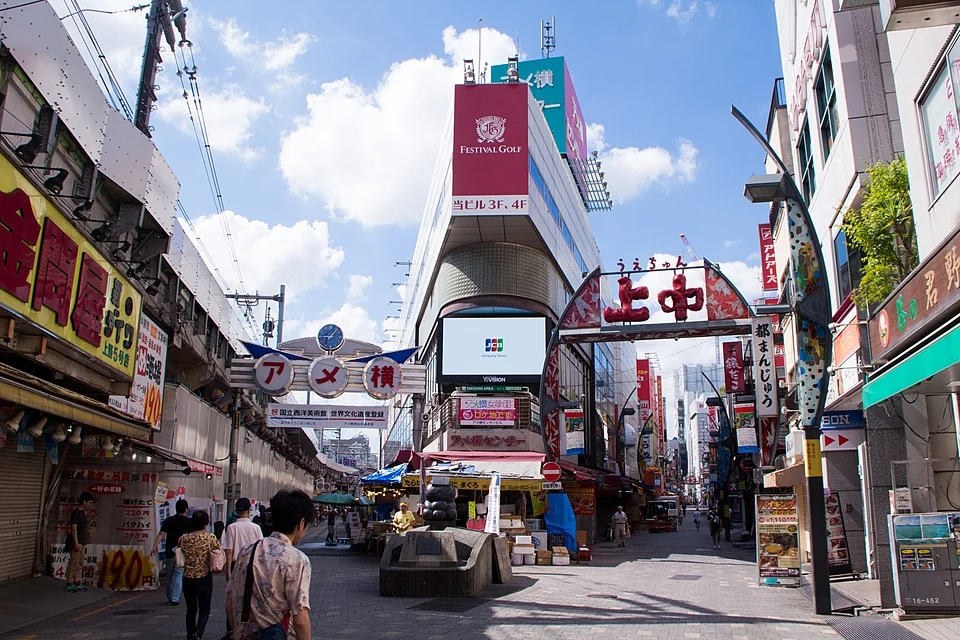
Image Credit: Dick Thomas Johnson / Wikimedia Commons, CC BY 2.0
Alongside these main roads, alleyways and footpaths let pedestrians explore the neighbourhood’s hidden spots and local attractions. Shopping streets such as Nakamise in Asakusa and Ameyoko in Ueno show the energy of city life, with crowds, bright storefronts and eclectic street vendors lining the pavements. Continue reading our Taito City Travel Guide to get to know more of its character.
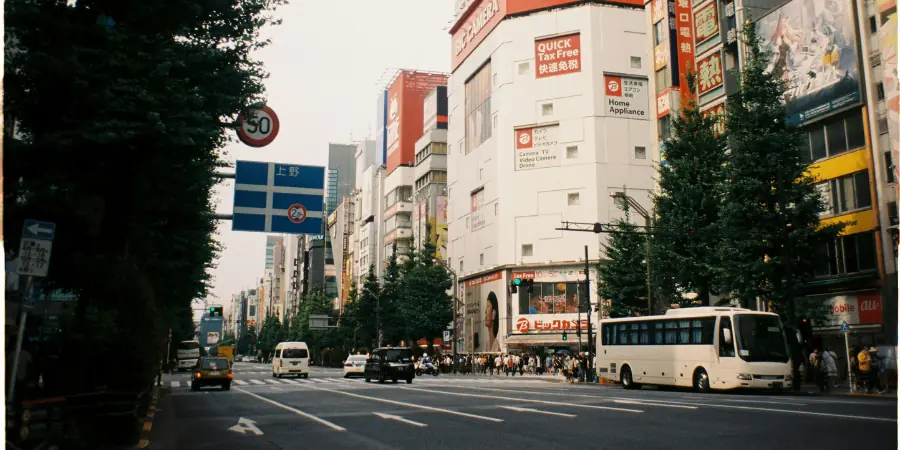
Image Credit: Chou Vu / Unsplash
Taito is well served by a network of major roads and avenues, including arterial routes like Kototoi-dori and Asakusa-dori, which connect the ward to other parts of Tokyo and keep traffic moving through the city.
City streets and buildings provide a multitude of environments and opportunities for all kinds of activity. Even with the busy main roads, pavements and smaller paths see more everyday activity than the highways. Traces of earlier activity are always there, even in seemingly empty spaces.
The majority of people’s time is spent on the smallest of streets. These locations are thought to be the most private and intimate areas in Taito that are open to the public.
Kaiwai And Bukken: The Doorsteps And Objects Of Taito’s Alleyways
Urban artefacts can be found within the typical low-rise building clusters and placed around the walkways and footpaths, inside spaces that neighbours share.
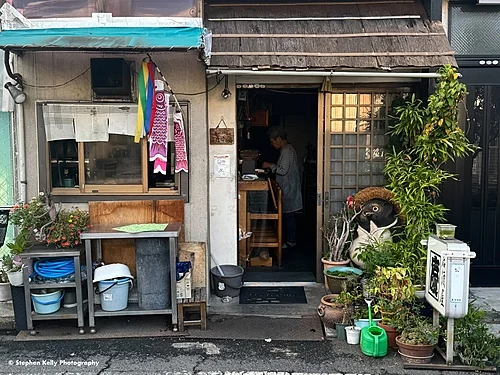
Image Credit: Stephen Kelly / Wikimedia Commons, CC BY 2.0
In Taito, the concept of ‘kaiwai,’ or the area immediately outside one’s home, plays a significant role in shaping the notion of intimate spaces within the neighbourhood. Kaiwai represents the threshold between the private realm of the home and the public domain of the street, serving as an extension of domestic life into the communal space. In traditional neighbourhoods such as Yanaka, and neighbouring Nezu just over the border in Bunkyo Ward, kaiwai often consists of small gardens, stoops, or entranceways adorned with potted plants, lanterns, or seasonal decorations.
These intimate outdoor spaces provide residents with opportunities for personal expression, social interaction, and connection with nature within the confines of their homes. Whether it’s sharing a cup of tea with a neighbour on the stoop or tending to a small garden plot, kaiwai fosters a sense of community and belonging that enriches the fabric of everyday life in Taito.
Meanwhile, ‘bukken’ encompasses a diverse array of elements that enrich the urban landscape. These uncommodified objects provide moments of serenity and connection within the surroundings. The presence of bukken fosters a sense of authenticity and intimacy, inviting individuals to explore and appreciate the neighbourhood’s unique character beyond its commercial facades.
Redevelopment And Preservation In Taito’s Shitamachi
Rebuilding Pressure On Taito’s Old Wooden Streets
The city’s fast urbanisation is gradually consuming Taito’s alleyways, threatening the cherished private places of its residents. The drive for development, which has several causes, is changing these formerly peaceful pathways that once encouraged a sense of community among neighbours. Fire safety is one of those causes. In Yanaka 2, 3 and 5 chome, a Tokyo Metropolitan Government programme covering 28.7 hectares encourages owners to rebuild old wooden houses in fire-resistant materials and to widen narrow lanes.
The increasing demand for real estate in central Tokyo has led to the conversion of traditional residential properties into modern high-rise condominiums or commercial spaces, displacing longtime residents and altering the neighbourhood’s fabric.
Urban renewal projects aimed at revitalising ageing infrastructure often prioritise efficiency and modernisation over historical character and cultural heritage, and this is steadily reshaping Taito’s alleyways.
As a result, the pressures of urbanisation are gradually overshadowing the once-intimate spaces of Taito, which highlights the urgent need for thoughtful planning and community engagement to safeguard the neighbourhood’s unique identity and quality of life.
Yanaka’s 2020 District Plan: Height Limits And Townscape Rules
Taito Ward has undertaken various initiatives to preserve its intimate spaces.
Along Yanaka Ginza, the old shopping street near Nippori Station, small local shops work together through their own traders’ association, which is based in Yanaka itself. Zoning rules and townscape guidelines have also been introduced to protect traditional neighbourhoods from excessive development.
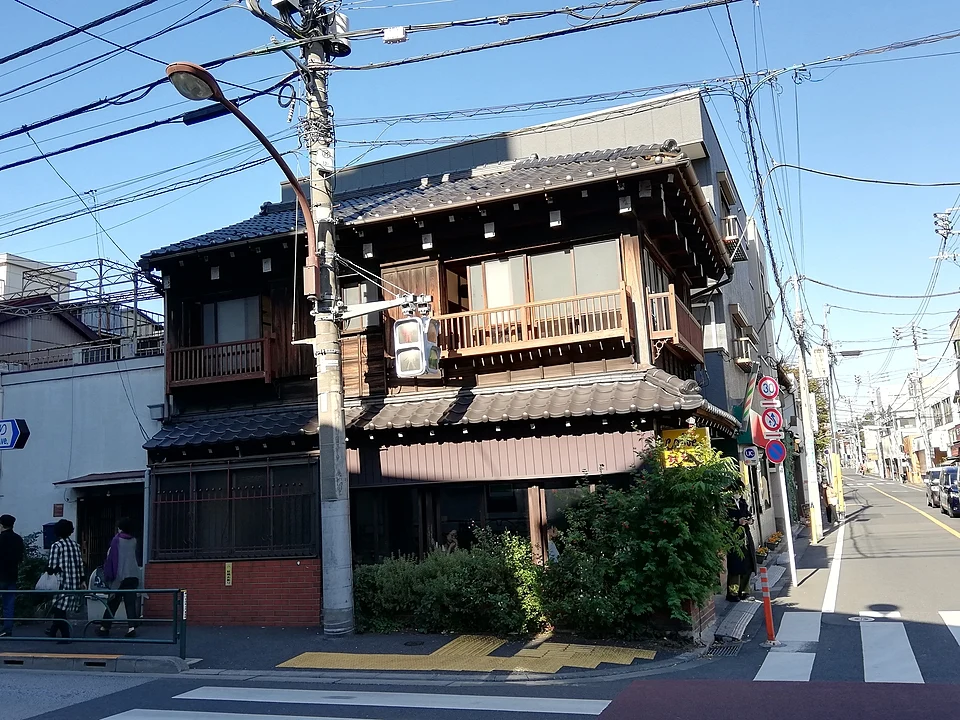
Kayaba Coffee, one of Yanaka’s old wooden buildings
Image Credit: 先従隗始 / Wikimedia Commons, CC0
The clearest example is Yanaka. Taito City’s Yanaka district plan, adopted on 27 October 2020, sets maximum building heights and limits on the form and colour of buildings so that new construction respects the area’s history and streetscape, and a Yanaka townscape guideline explains how those rules apply. These efforts show Taito Ward balancing modernisation with heritage preservation, so that its intimate spaces stay lively and open to residents and visitors alike.
These preservation efforts protect Taito’s intimate spaces and give travellers a refuge from the pace of Tokyo’s packed streets and tourist attractions. Visitors can find solace in the normal, everyday life of Taito’s neighbourhoods. Strolling through quiet alleyways, chatting with locals and savouring small moments of community life can ease the melancholy that often comes with unfamiliar surroundings, and help travellers rediscover the beauty in simplicity.
In Taito, the preservation of intimate spaces is a reminder of the enduring charm and resilience of Tokyo’s traditional neighbourhoods, and it offers a sanctuary where travellers can find a sense of belonging amid the bustle of the city.


