
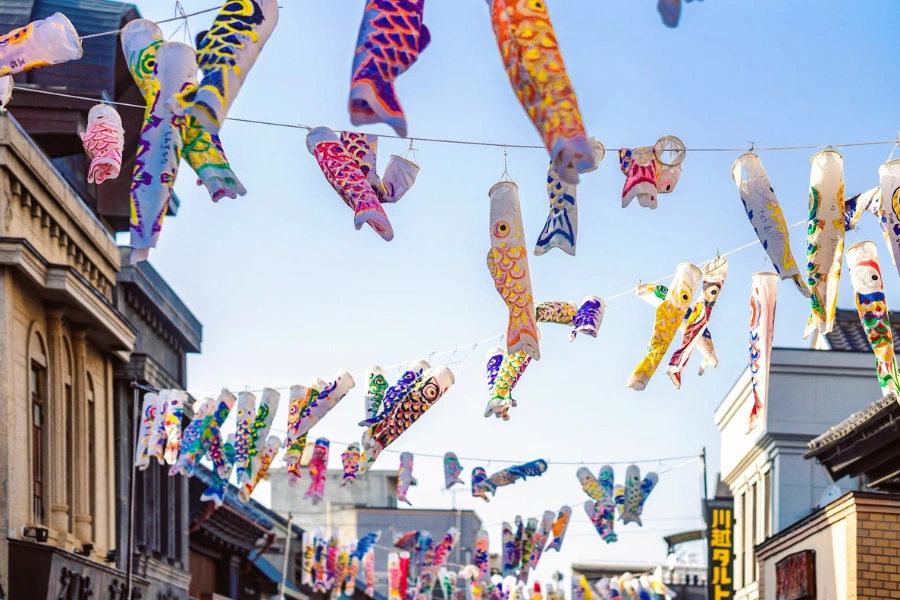
May is one of the best times to visit Japan: warm, dry weather, late sakura (桜) still blooming in the north, and fresh greenery everywhere else. It’s also Golden Week, so cities like Tokyo and Kyoto will be busy. But it’s always worth it, because it’s also the time for lively festivals and extended opening hours. If you’re planning a spring trip, May hits a sweet spot between cherry blossom crowds and the summer heat. Here’s how to plan your Japan trip in May, from where to see flowers to what to book early.
A Guide to Japan in May
What to expect (weather, packing, & crowds)
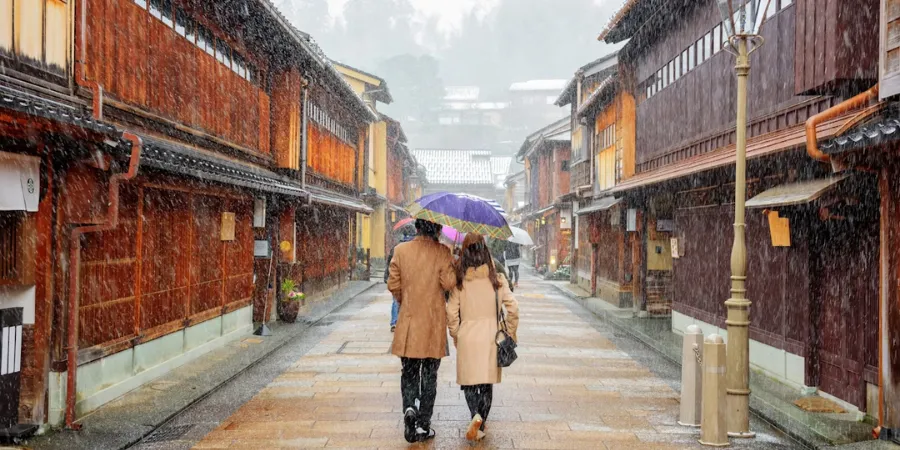
May sits between cherry blossom season and the summer. Early May is busy and expensive; while mid to late May feels noticeably calmer, with much more stable weather.
- Tokyo & Kyoto: Average temperatures range from 15°C to 24°C (59°F to 75°F). Days are often sunny with low humidity, ideal for long walks between neighbourhoods and temples.
- Osaka & Hiroshima: Slightly warmer at 17°C to 25°C (63°F to 77°F), with plenty of clear days for city exploring and day trips.
- Northern regions (Tohoku & Hokkaido): Cooler, around 10°C to 20°C (50°F to 68°F). Late sakura can still be seen here in early May, especially in Hokkaido.
Rainfall is relatively low compared to June’s rainy season, though brief showers can still happen. Overall, expect clear skies, fresh greenery, and good visibility for outdoor sights.
What to wear
Light layers work best in May. Daytime temperatures are warm enough for shirts, dresses, or breathable long-sleeve tops, but mornings and evenings can feel cooler, especially in northern areas or near the mountains.
Bring a light jacket, cardigan, or thin coat you can carry easily. If you’re visiting temples, gardens, or older districts like Kyoto’s Higashiyama, you’ll be walking a lot, so comfortable shoes are essential. Sunglasses and light sun protection are also worth packing, as UV levels rise in late spring.
Crowds
Golden Week (late April to early May) is one of Japan’s busiest travel periods. Domestic tourism surges, and popular areas like Tokyo, Kyoto, and Osaka see packed trains, higher hotel prices, and longer queues at major sights. Theme parks and headline attractions can reach peak capacity.
After roughly May 6, it shifts. Crowd levels drop, accommodation prices ease, and it becomes much easier to move between cities. Mid to late May is often considered a sweet spot for travel: good weather, manageable crowds, and seasonal events without the spring peak pressure.
If your trip overlaps with Golden Week, booking accommodation and long-distance transport one to two months in advance is essential.


Japan in May: What to see
May is one of the best months to travel across Japan, with clear skies, seasonal flowers, and major festivals happening nationwide. When you visit affects the experience: early May is shaped by Golden Week crowds, while mid to late May offers easier travel and better availability. Here are the top things to do in Japan in May, from festivals to nature spots.
Fuji Shibazakura Festival, mid-April to late May
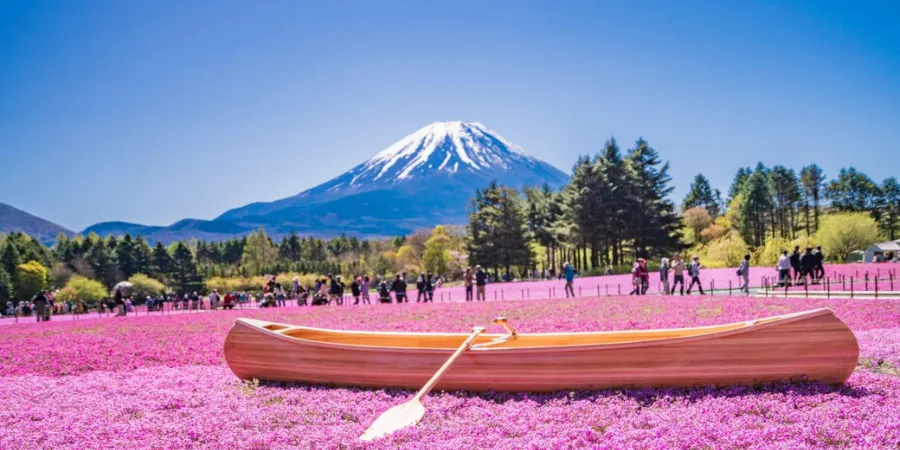
Location: Fuji Motosuko Resort, Yamanashi
Entrance Fee: ¥1,000 to ¥1,300
Opening Times: 8:00 AM to 4:00 PM
Website: https://www.fujimotosuko-resort.jp/en/
The Fuji Shibazakura Festival showcases over 500,000 blooming pink moss phlox (shibazakura) across vibrant fields. The festival also features local food stalls offering treats like Fujinomiya yakisoba and fresh strawberry mochi. Shuttle buses are available from Kawaguchiko Station, but arriving early is advisable to avoid midday crowds.
Kawachi Wisteria Garden: April 20 to May 6 (estimated peak)
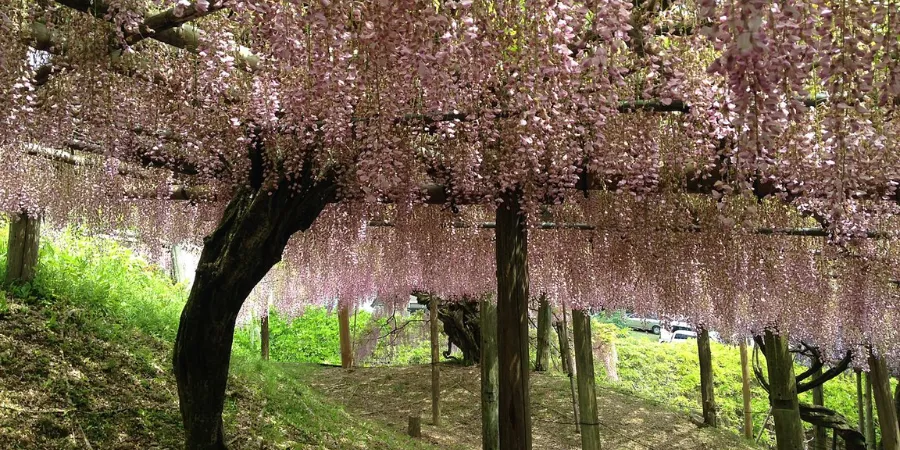
Location: Kitakyushu, Fukuoka
Entrance Fee: Approx. ¥1,500 (timed entry)
Opening Times: 8:00 AM to 6:00 PM
Website: https://kawachi-fujien.com/
Kawachi Wisteria Garden in Kitakyushu is one of Japan’s most magical floral spots, best known for its dreamy 100-metre-long wisteria tunnels. You’ll see wisteria varieties in shades of lavender, purple, pink, and white hanging overhead like natural chandeliers. Due to its global fame, timed entry tickets are mandatory during peak season. Visitors should book online in advance, especially for weekends and holidays.
Mount Fuji & spring hikes, all May
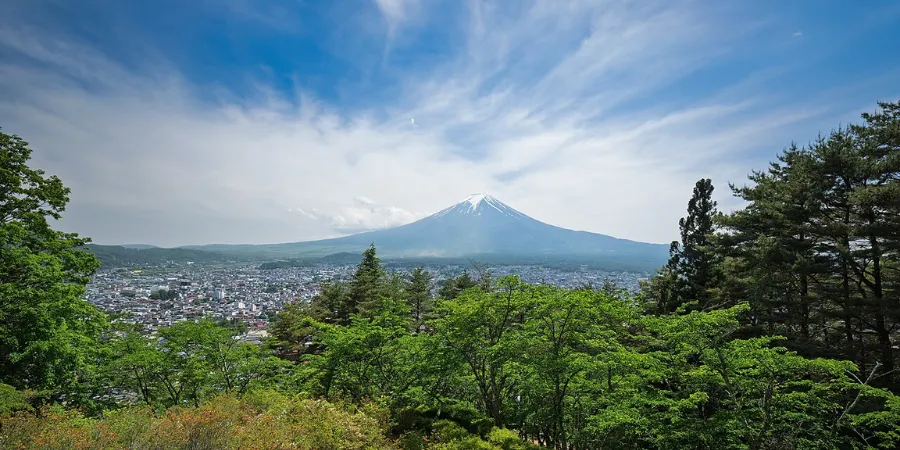
Location: Fuji Five Lakes (Kawaguchiko), Yamanashi
Entrance Fee: Free (viewpoints)
Opening Times: Accessible year-round
Website: https://www.fujisan-climb.jp/en/
May isn’t climbing season, but it’s one of the best times to see Mount Fuji. Snow still caps the summit, while the surrounding lakes and forests turn green. Head out before 9:00 AM for the clearest views before the clouds appear.
Golden Week Festivities, 29 April to early May
Golden Week is one of the most festive times of the year. During this week, cities host parades, cultural exhibitions, and street festivals.
Hakata Dontaku Festival: May 3-4
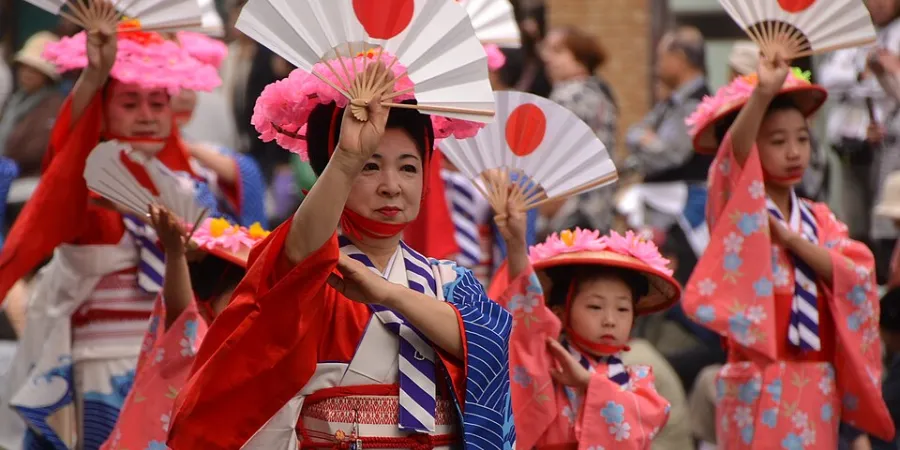
Location: Hakata Station area, Fukuoka
Entrance Fee: Free
Opening Times: Events run throughout the day
Website: https://www.dontaku.fukunet.or.jp/
One of Japan’s largest festivals, Hakata Dontaku draws over two million visitors. Expect citywide performances, colourful parades, and the shamoji dance, in which participants move through the streets with rice paddles.
Often considered part of the wider Hakata Dontaku celebrations, the Dontaku Port Festival focuses on Fukuoka’s waterfront. There are live performances, cultural showcases, and evening fireworks over Hakata Bay. The combination of sea views, food stalls, and illuminated night displays makes this one of the most atmospheric ways to experience Golden Week in Kyushu.
Kanda Matsuri: May 11-17
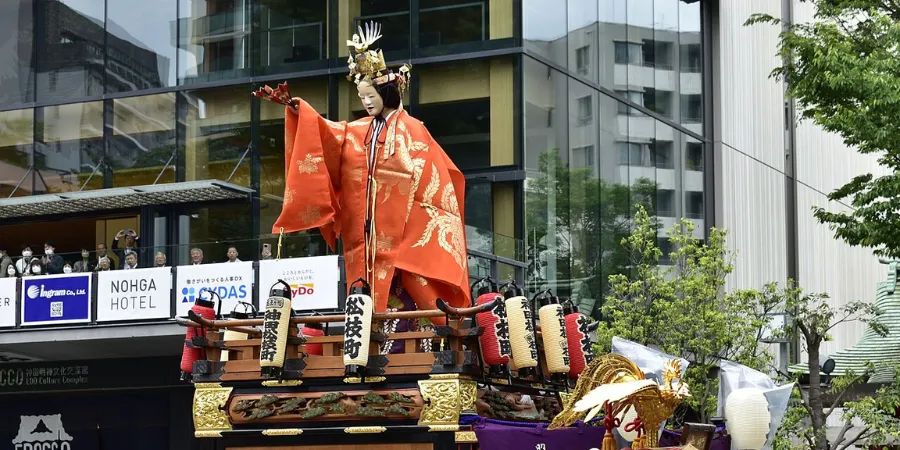
Location: Kanda Shrine, Tokyo
Entrance Fee: Free
Opening Times: Events held across the week
Website: https://kandamatsuri.com/
Kanda Matsuri is held on a full scale in odd-numbered years. 2026 is an off-year (kage-matsuri): Kanda Shrine holds its ceremonial rites, and the grand procession, the mikoshi shrine-entry and the street parades are all suspended until the next full-scale year.
Travel can be hectic during this time, but if you plan, experiencing Golden Week offers a dynamic glimpse into Japanese culture. Note that many domestic travellers will also be moving around, so advanced reservations for bullet trains and hotels are essential.
Late cherry blossoms in Hokkaido: May 1 to 10 (best window)
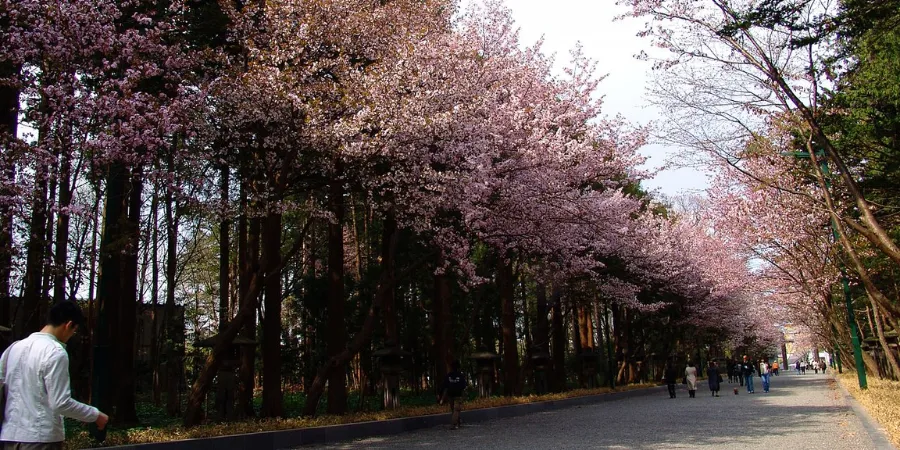
Location: Matsumae Park, Hokkaido
Entrance Fee: Free (castle approx. ¥360)
Opening Times: 9:00 AM to 5:00 PM (facilities)
Website: https://travel-matsumae.jp/
If you missed cherry blossom season further south, head to Hokkaido. Matsumae Park offers one of Japan’s longest bloom periods, with over 250 varieties flowering into early May.
Children’s Day (Kodomo no Hi): May 5
Location: Nationwide
Entrance Fee: Free
Opening Times: All day
Website: https://www.japan.travel/en/spot/
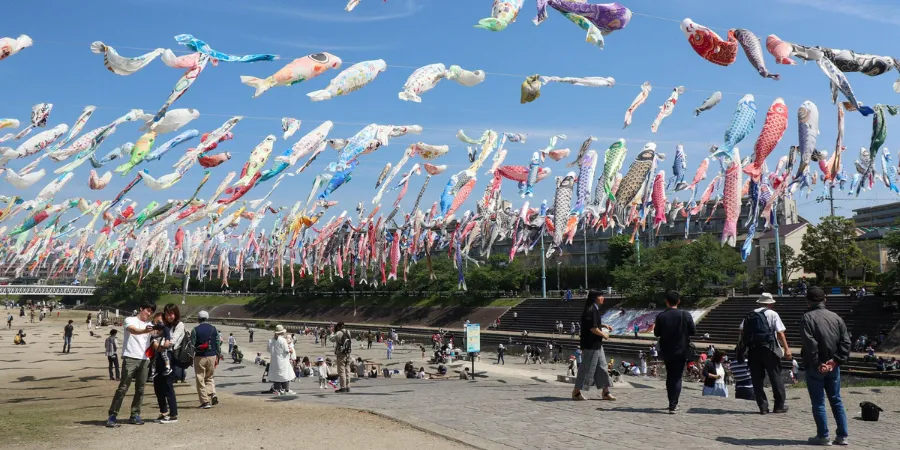
Children’s Day is a public holiday that’s held every May 5 of the year. It is a day to honour children’s individuality and happiness and to thank their mothers for their love and care. Some fun activities are yabusame (horseback archery), origami (paper folding), and kabuto origami (paper helmets). This occasion has its roots in an ancient ceremony called Tango no Sekku, which was celebrated on the fifth day of the fifth month in the old Chinese calendar.
Grand Sumo Tournament (Natsu Basho): May 10 to 24
Location: Ryogoku Kokugikan, Tokyo
Entrance Fee: From approx. ¥3,000+
Opening Times: Daily matches from morning
Website: https://www.sumo.or.jp/En/
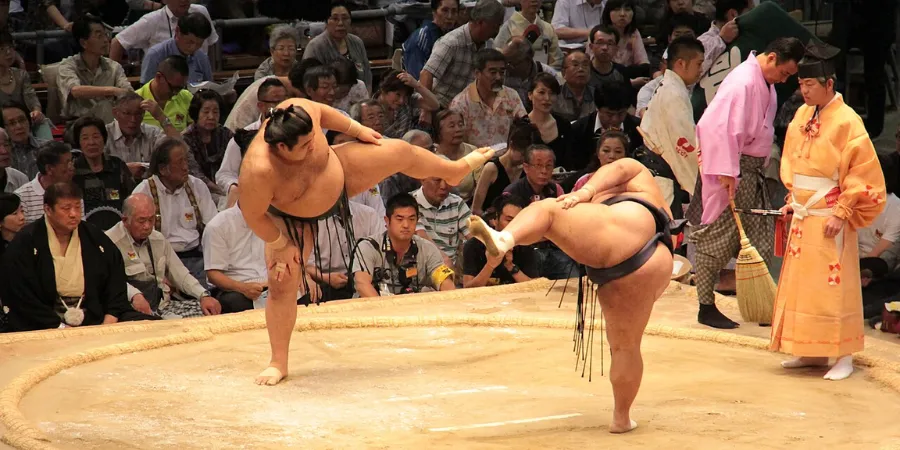
Sumo fans should not miss the May Grand Tournament held at Ryogoku Kokugikan in Tokyo. Tickets can be reserved online through the official website of the Japan Sumo Association, where you can also view tournament schedules.
Arriving early lets you watch the lower-division matches and soak in the arena’s vibrant energy. If you’re new to sumo, pamphlets in English are available at the venue.
Sanja Matsuri: May 15 to 17
Location: Asakusa Shrine, Tokyo
Entrance Fee: Free
Opening Times: All-day events across three days
Website: http://www.sanjasama.jp/
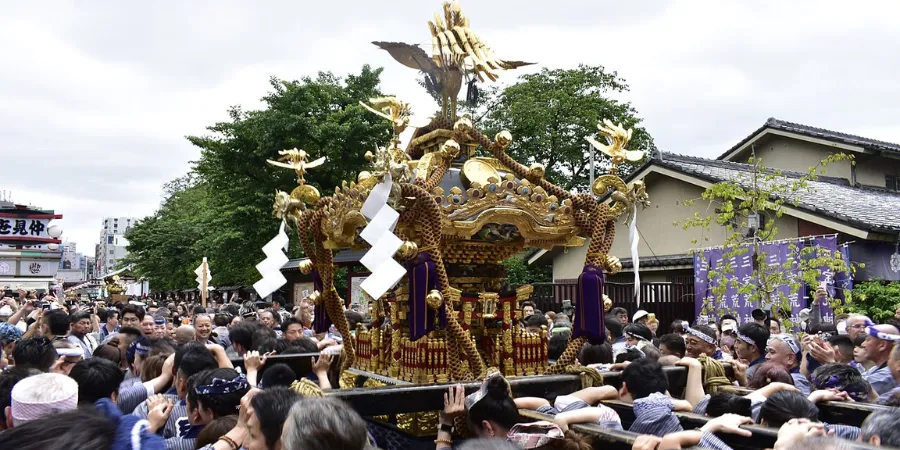
The Sanja Festival is one of Tokyo’s most exciting Shinto festivals, held every third weekend of May (May 16 to 18 for 2025). It celebrates the three founders of Senso-ji Temple and features vibrant parades with mikoshi (portable shrines) carried through the streets of Asakusa.
The festival’s highlight is the parade of three giant mikoshi on the second day, representing the three founders. The mikoshi believes in bringing good luck and prosperity to the area and its people.
Aoi Matsuri: May 15
Location: Kyoto Imperial Palace to Kamigamo Shrine
Entrance Fee: Free (reserved seats from ¥5,000)
Opening Times: Parade begins around 10:30 AM
Website: https://kyoto.travel/en/see-and-do/aoi.html
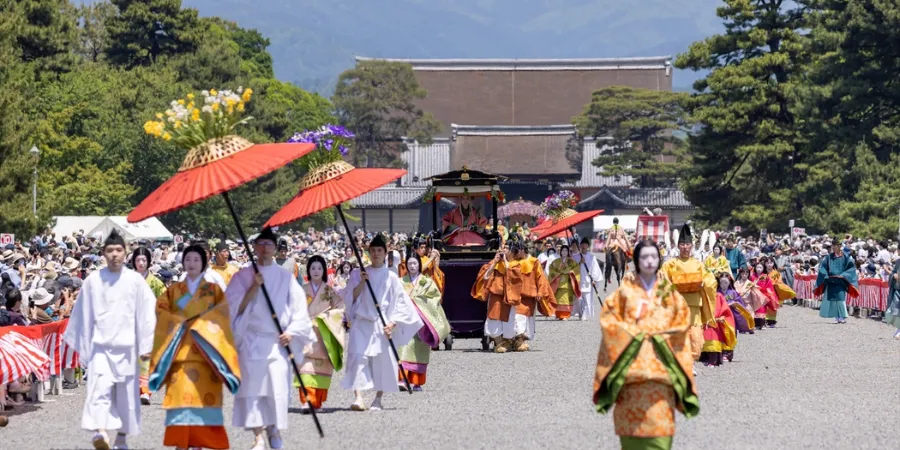
Kyoto’s Aoi Matsuri, held on May 15 annually, is one of Japan’s oldest festivals, dating back over 1,000 years. It was a way to pray to the gods for protection from natural calamities. It features a grand procession from Kyoto Imperial Palace to Shimogamo and Kamigamo Shrines, with participants dressed in elegant Heian-period costumes. Reserved seating is paid, while standing areas are free.
It’s advisable to arrive early, as prime viewing spots fill up quickly. Payment for reserved seats can be made online using major credit cards. Watching the parade amid Kyoto’s serene greenery provides an unforgettable connection to Japan’s imperial past.
Mifune Matsuri: May 17
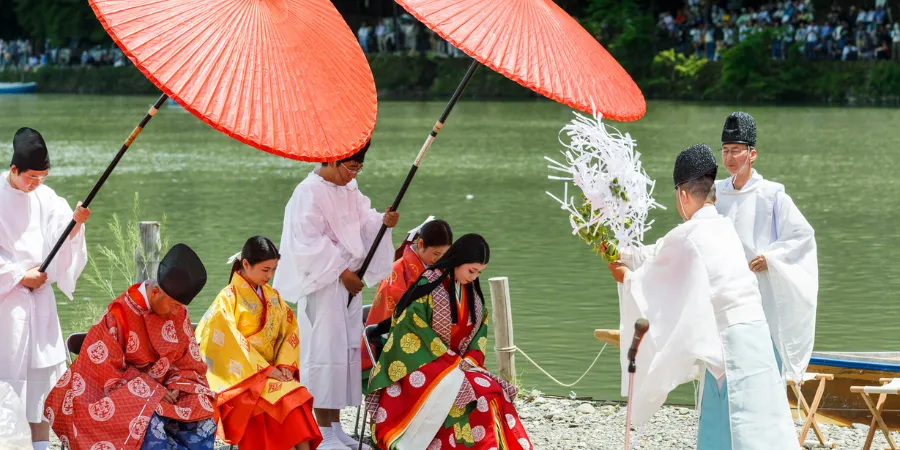
Location: Togetsukyo Bridge, Arashiyama, Kyoto
Entrance Fee: Free
Opening Times: Around 1:00 PM to 2:15 PM
Website: https://www.kurumazakijinja.or.jp/
The Mifune Festival transports visitors to the Heian Period with a grand re-enactment of imperial boating ceremonies on Kyoto’s Hozugawa River. The riverside setting near the famed Togetsukyo Bridge makes it especially scenic, and you can rent small boats for a closer view of the festivities (for an additional fee).
Final Thoughts
May offers a good experience for travellers who want variety without extreme weather. You can catch the tail end of sakura in the north, see spring flowers at their peak near Tokyo and Mount Fuji, and experience some of Japan’s most dynamic festivals, all within a single trip.
If you’re deciding when to visit Japan, May sits in a rare sweet spot: mild temperatures, long daylight hours, and a calendar full of events without the intensity of peak cherry blossom season. Plan around the holiday rush, book key transport in advance, and you’ll have one of the most balanced and rewarding months to explore the country.


