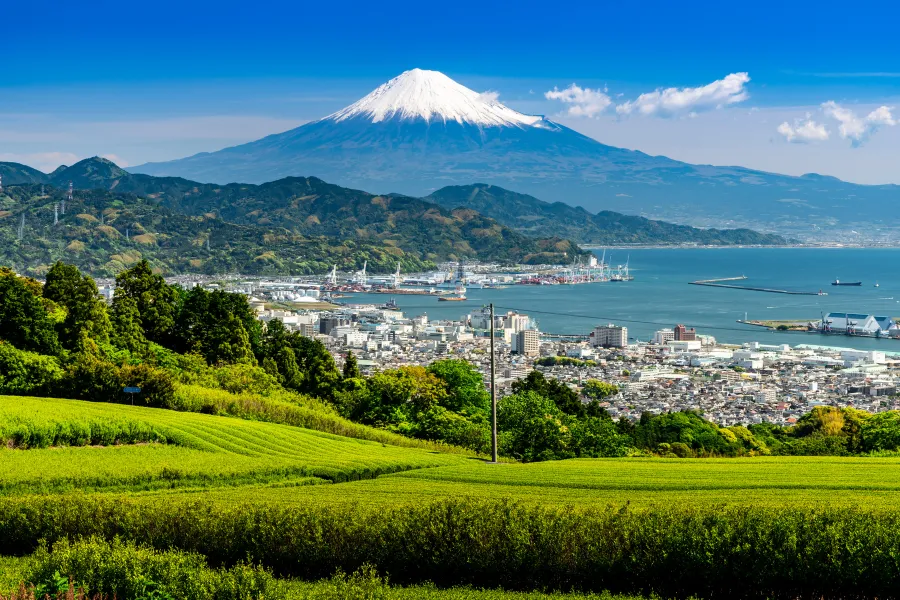
Tohoku, the northern region of Japan’s Honshu island, is an unsung treasure trove of history, nature, and culture. While most visitors flock to Tokyo, Kyoto, and Osaka, Tohoku travel offers a more tranquil, authentic and off-the-beaten-path experience.
The Tohoku region boasts stunning landscapes, vibrant festivals, and ancient temples, all just waiting to be discovered. If you’re planning to explore the Tohoku location, this guide will help you navigate the six prefectures that make up this captivating part of northern Japan.
1. Aomori: Gateway to the North
2. Iwate: A Land of Temples and Scenic Beauty
3. Miyagi: Sendai, the City of Trees
4. Akita: Festivals and Folklore
5. Yamagata: Snow Monsters and Hot Springs
6. Tsuruoka: The UNESCO Creative City of Gastronomy
7. Fukushima: Castles and Countryside
From Aomori’s Nebuta floats to Aizu-Wakamatsu’s samurai castle
Stay Connected with Jetpac eSIM During Your Tohoku Adventure
Jetpac eSIM Plans for Every Traveller
Map of Tohoku Region

Located in northern Honshu, it boasts dramatic mountains, lush forests, and serene coastal views. Historically, Tohoku was known for its fierce samurai clans and strategic importance, while today, it is cherished for its natural beauty and festivals.
Although many wonder “is Tohoku still recovering?” from the 2011 earthquake and tsunami, the good news is the northern Japan region has largely rebuilt, making Tohoku travel a must for those looking to go off the beaten track and check out more of what Japan has to offer beyond the Golden Route.

Image Credit: Rough Guides
1. Aomori: Gateway to the North
Aomori Prefecture is the northernmost part of Tohoku and is a region defined by its stunning natural beauty and rich cultural heritage. It’s a must-visit for any Tohoku travel itinerary.
Aomori City
Aomori City, the capital, is known for its Nebuta Matsuri, a summer festival held from 2 to 7 August each year and featuring enormous illuminated floats. The city also boasts impressive cultural spots such as the Sannai-Maruyama Archaeological Site and the Aomori Museum of Art, featuring contemporary works. If you’re seeking adventure, explore Oirase Gorge, a perfect destination for nature lovers.
For foodie travellers, do not forget about those delicious Aomori apples, Aomori city is renowned for its local apple production, offering tours and tastings.
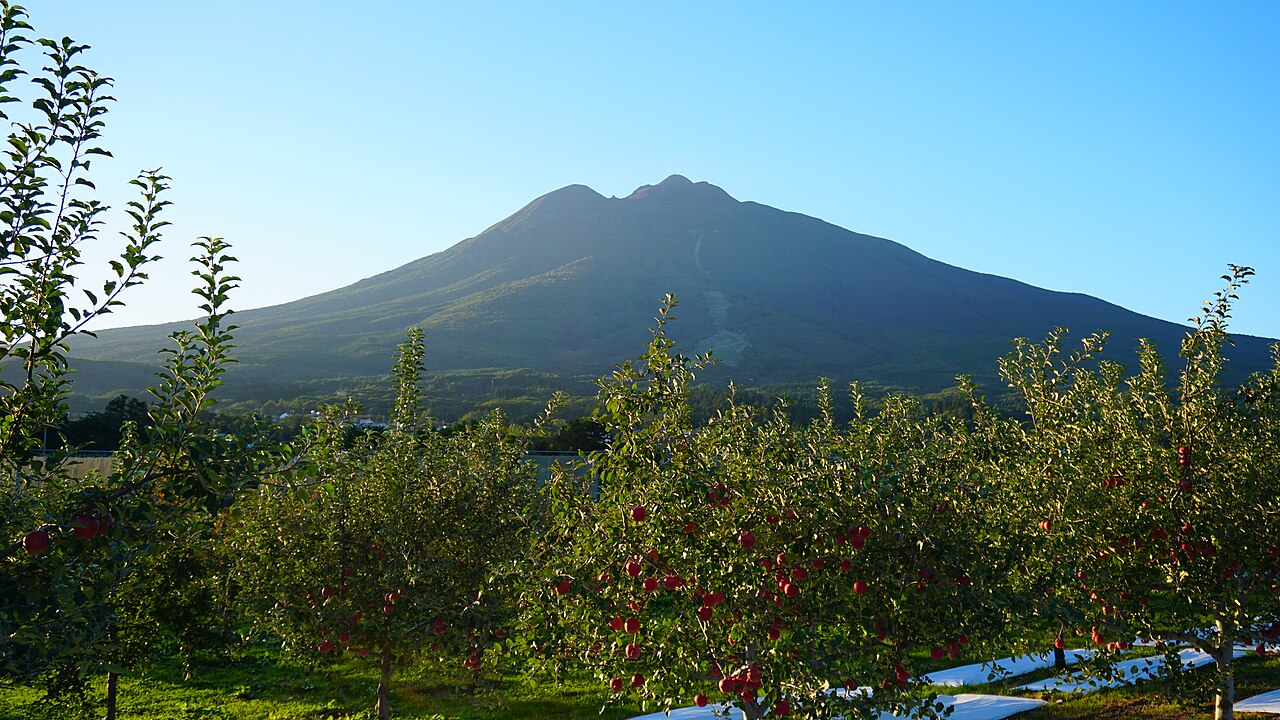
Image Credit: 掬茶 / Wikimedia Commons, CC BY-SA 4.0
Ranked high on the snowiest city in the world lists, Aomori City experiences heavy snowfall during the winter months, transforming it into a winter wonderland. This makes it a fantastic destination for those interested in winter sports and scenic snow-covered landscapes.
Things to do in Aomori City:
- Nebuta Wa Rasse Museum: Discover the history and artistry behind the floats used in Nebuta Matsuri.
- Aomori Museum of Art: A striking collection of contemporary art housed in an impressive modern building. The museum closes for renovation from 27 September 2027 to 14 April 2028.
- Oirase Gorge: A beautiful hike along a river, perfect for nature lovers.
- A-FACTORY: The ultimate destination to experience the authentic local flavours of Aomori. This bustling market showcases a diverse array of goods from across the region.
- Sannai-Maruyama Site: A historic site that came to light in excavations begun in 1992 ahead of a planned baseball stadium, which was cancelled in 1994 so the site could be preserved. Archaeological digs have found buildings and artefacts from a Jomon period settlement occupied from about 5,900 to 4,200 years ago.
Hachinohe
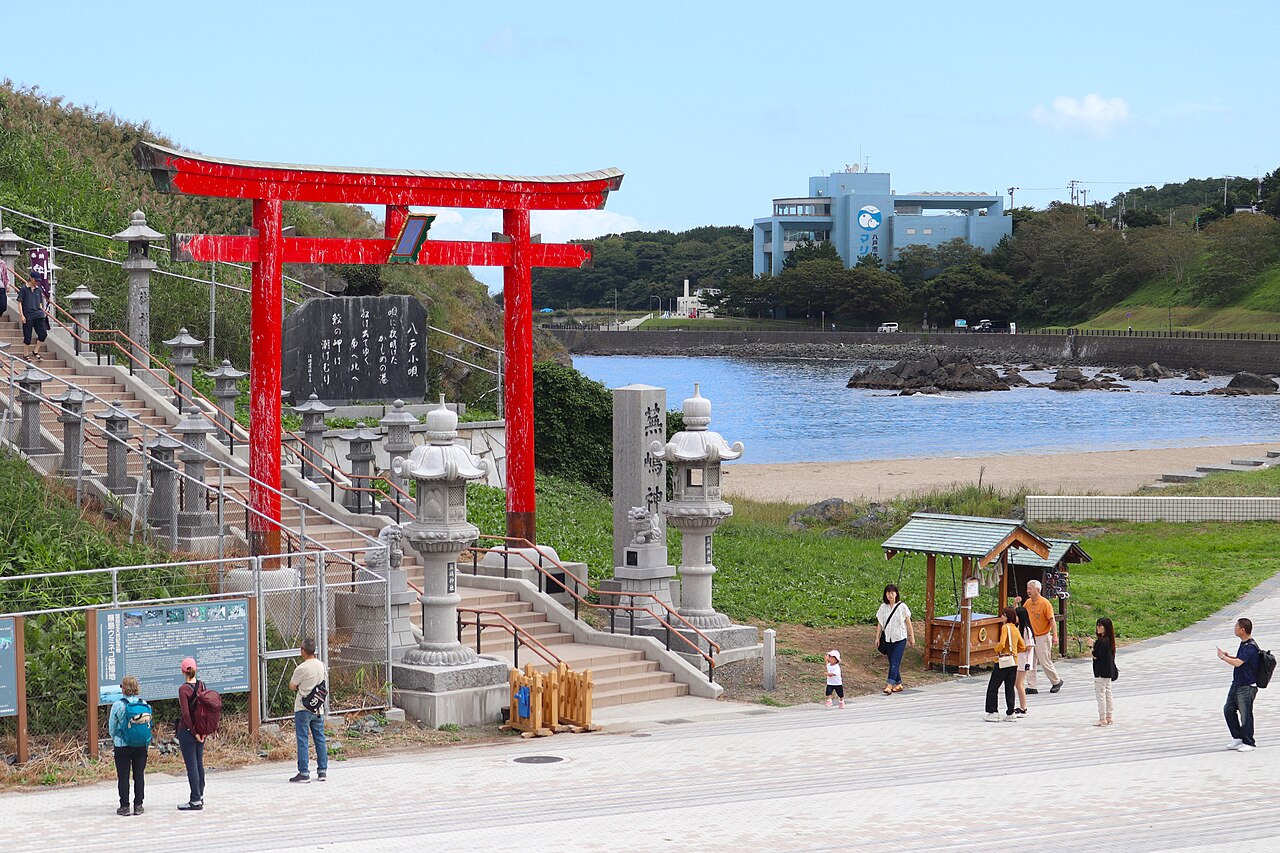
Image Credit: 七厩拓 / Wikimedia Commons, CC BY-SA 4.0
Located on the east coast of Japan, Hachinohe is an authentic Japanese fishing town, home to some of the freshest seafood in the Tohoku region!
Travellers can find comfortable stays near Hachinohe Station at top Hachinohe city hotels, ensuring easy access to these attractions.
Things to Do in Hachinohe:
- Hasshoku Center: A lively seafood market where you can sample sushi and other fresh catches.
- Kabushima Shrine: The shrine sits on top of Kabushima, a breeding ground for around 30,000 black-tailed gulls that has been a national natural monument since 1922. The gulls stay from February to August, which makes it a favourite spot for birdwatchers.
Kuroishi and Isabella Bird’s 1878 lantern procession
The small town of Kuroishi, in the Tsugaru area of Aomori Prefecture, holds one of the earliest outside descriptions of a northern summer lantern festival. The English traveller Isabella Bird stopped here in early August 1878 on her way north to Aomori, and described the town’s night procession in Unbeaten Tracks in Japan (1880). She watched drummers beating huge horsehide drums nearly as tall as the men carrying them, followed by hundreds of paper lanterns on poles around a central lantern about 20 feet high, painted with mythical creatures. She was told it was the tanabata festival but could find no one to explain it to her, and wrote: “I never saw anything more completely like a fairy scene.”


2. Iwate: A Land of Temples and Scenic Beauty
Iwate Prefecture is home to impressive historical sites and breathtaking landscapes that make it a key destination for Tohoku travel. The Tohoku location here offers breathtaking views of mountains, rivers, and ancient temples.
Morioka
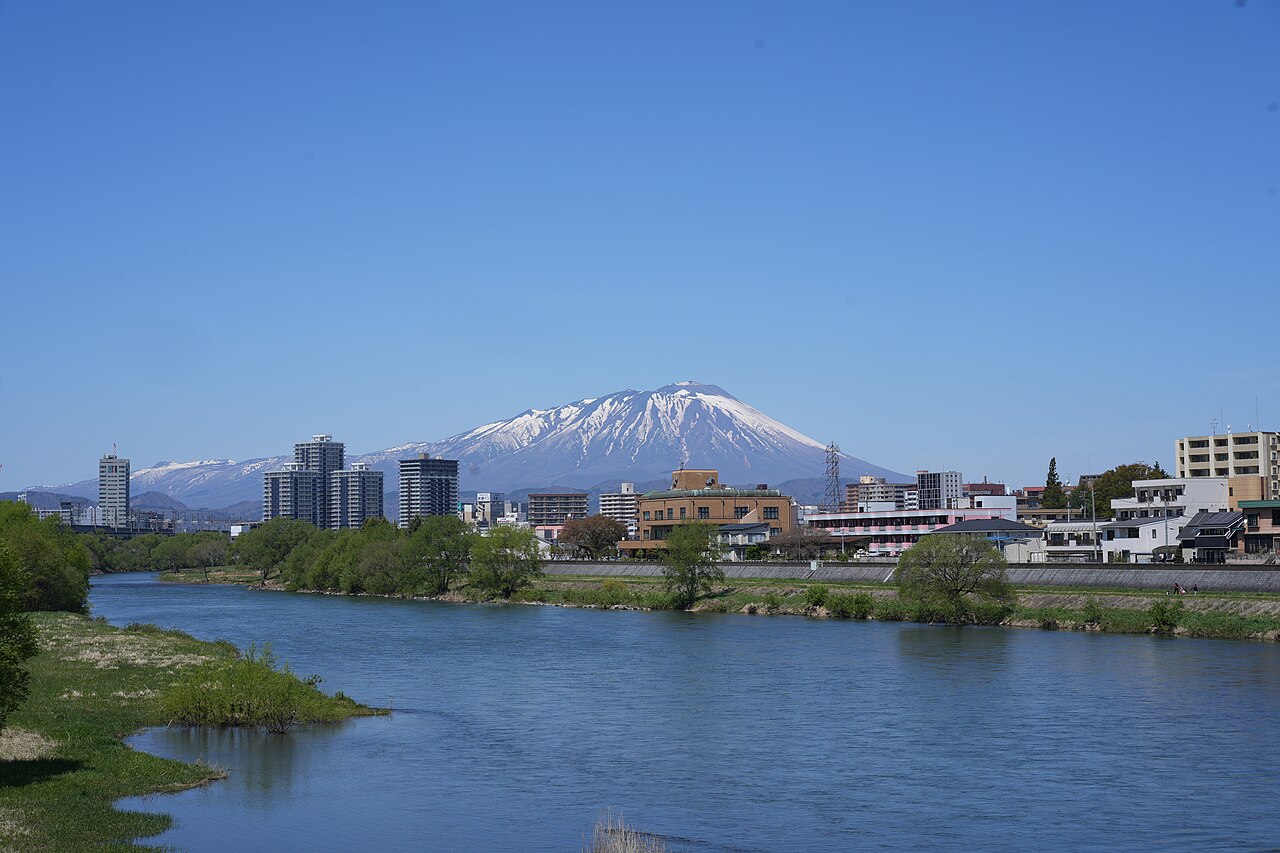
Image Credit: Yuichi Shiraishi / Wikimedia Commons, CC BY 4.0
As the capital of Iwate, Morioka is an excellent place to explore historical temples and enjoy the local cuisine. The city is renowned for its wanko soba, a unique noodle-eating experience.
In the Iwate Prefecture, locals have a deep love for wanko soba, a unique and fun way to enjoy soba noodles. The experience involves a server quickly refilling a small bowl (wanko) with bite-sized portions of hot soba as soon as it’s emptied, creating a fast-paced dining challenge that continues until the diner is full.
Rooted in Iwate’s Omotenashi spirit, which emphasises warm hospitality, wanko soba ensures guests are served generously and encouraged to eat to their heart’s content for the best possible experience.
Things to Do in Morioka:
- Morioka Castle Ruins: Stroll through the scenic park that remains of the old castle.
- Hoon-ji Temple: A quiet Buddhist temple with a hall of 499 surviving Rakan statues.
- Mount Iwate: For the adventurous, a hike up this volcano provides sweeping views across northern Tohoku.
Wolf down some wanko soba at Azumaya, Ekimae.
Hiraizumi
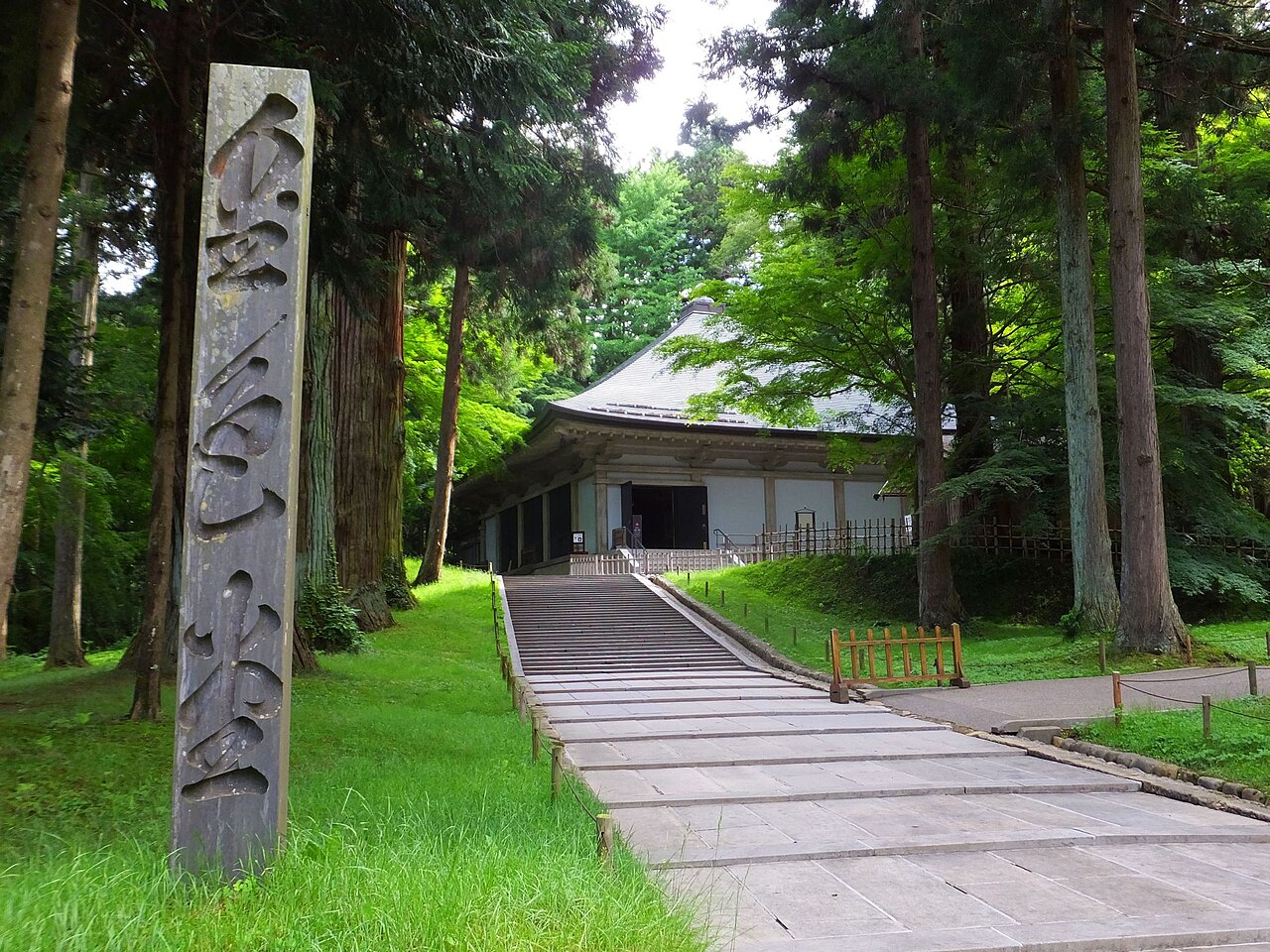
Image Credit: Tak1701d / Wikimedia Commons, CC BY-SA 3.0
For a deeper dive into Japan’s past, visit Hiraizumi, a UNESCO World Heritage site and once a major centre of power and culture in northern Japan. Hiraizumi now boasts historical temples and artefacts from 11th and 12th century Japan.
That golden age belonged to the Oshu Fujiwara, or Northern Fujiwara, who ruled much of northern Japan for about a century. Their first lord, Fujiwara no Kiyohira, developed Chuson-ji in the early 12th century to console the souls of everyone killed in the region’s two great 11th century wars, whichever side they fought on. The Konjikido, completed in 1124 and covered in gold leaf inside and out, is the only building at Chuson-ji to survive in its original form from that century, and it was the first structure in Japan to be designated a National Treasure. Kiyohira, his son Motohira and grandson Hidehira rest beneath its altars, together with the head of the fourth lord, Yasuhira. The dynasty fell in 1189, when Minamoto no Yoritomo conquered the north. As Frank Brinkley recorded in A History of the Japanese People (1915), the Fujiwara storehouses were found piled with gold, silver and precious goods, which Yoritomo shared out among his troops.
Things to Do in Hiraizumi:
- Chuson-ji Temple: Famous for its golden Konjikido hall (covered in gold leaf), this is a spiritual and historical highlight.
- Motsu-ji Temple: Surrounded by peaceful gardens, it’s a perfect place for reflection.
On a hill above the Kitakami River, Takadachi Gikeido, a small hall built in 1683, holds a carved wooden statue of Minamoto-no-Yoshitsune (a samurai of the Minamoto clan of Japan in the late Heian and early Kamakura periods), who is said to have died at this spot in 1189.
3. Miyagi: Sendai, the City of Trees
Miyagi Prefecture is home to Sendai, the largest city in the Tohoku region in Japan. It’s known as the “City of Trees” due to its green spaces and tree-lined streets.
Sendai
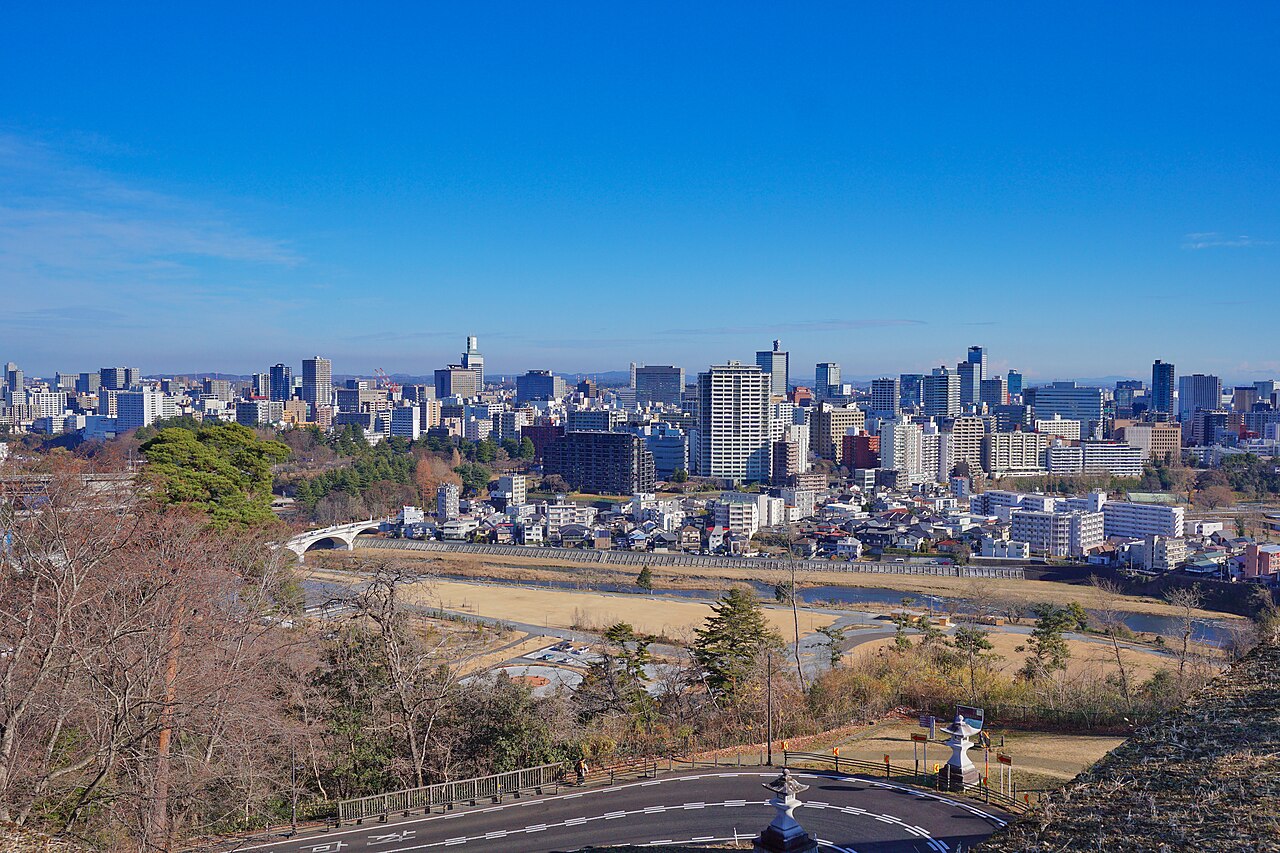
Image Credit: 掬茶 / Wikimedia Commons, CC BY-SA 4.0
Sendai is a vibrant city near the Pacific coast that mixes modern urban life with traditional culture. It’s also the main hub on the Tohoku Shinkansen, operated by JR East, with the fastest trains reaching Sendai from Tokyo in about 90 minutes, which makes it an easy base for exploring the rest of the region.
Sendai city was built on the foundations laid by warlord Date Masamune during the early Edo period. The area around the city and the ruins of Aoba Castle are full of historical places connected to the Date clan.
Masamune began building his castle here in 1600 and laid out the new city around it. His ambitions reached well beyond Tohoku: in 1613 he sent a mission to Europe led by his retainer Hasekura Tsunenaga, which travelled to Madrid and Rome, was received by Pope Paul V, and made its members the first Japanese to cross the Atlantic.
Sendai gets far less snow than Aomori or inland Yamagata, which makes it a comfortable stop in any season.
Things to Do in Sendai:
- Zuihoden Mausoleum: The ornate final resting place of Date Masamune, the famous samurai lord.
- Akiu Onsen: Just outside the city, this hot spring town offers a relaxing escape from the urban pace.
- Sendai Castle (Aoba Castle) Ruins: Offering panoramic views of the city, this hilltop site was naturally protected by the Hirose River to the north and east, Tatsunokuchi Gorge to the south, and dense forest to the west. It is a great starting point for a day in Sendai.
Matsushima
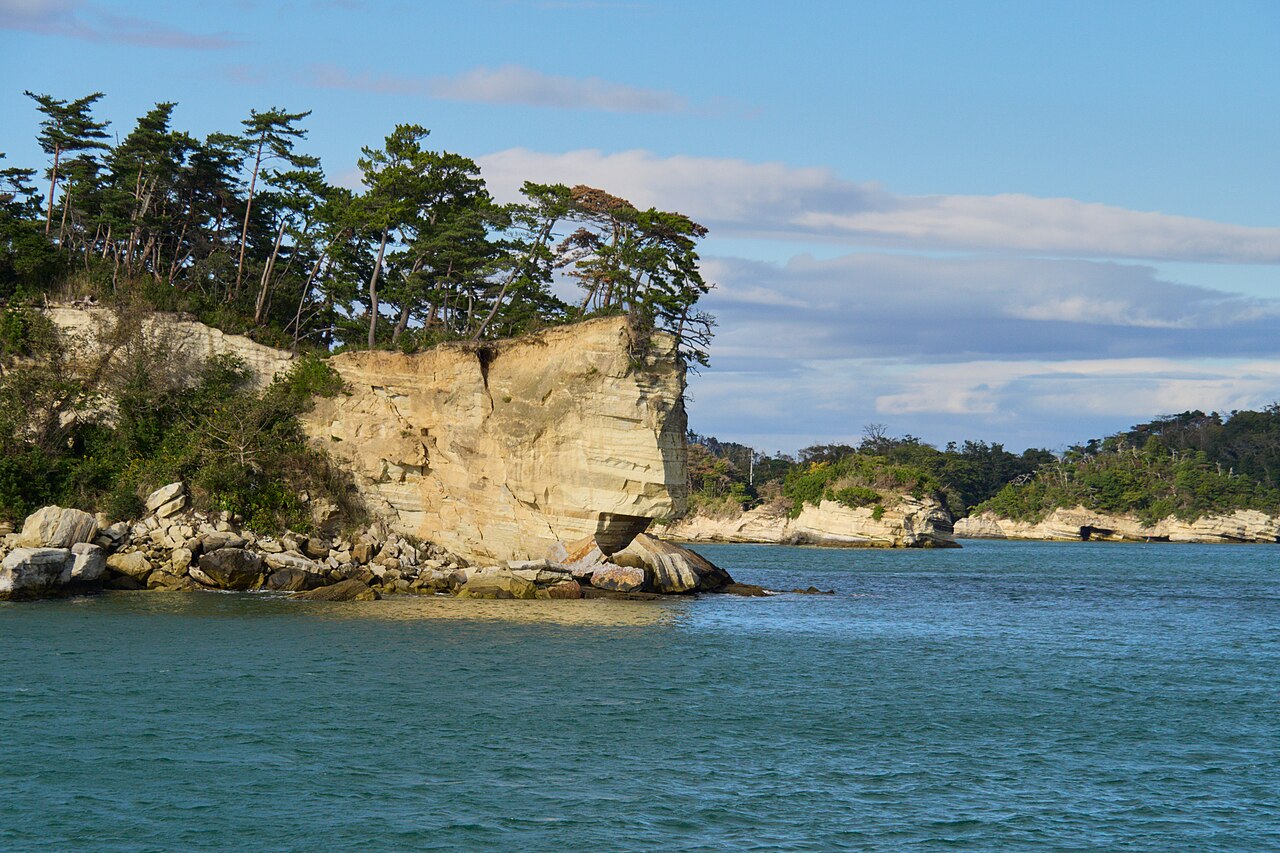
Image Credit: lumoplank / Wikimedia Commons, CC0
Matsushima Bay is renowned as one of Japan’s most breathtaking scenic spots, with over 260 pine-covered islands scattered across its serene waters. It’s the ideal destination for nature lovers, offering tranquil outdoor strolls and the chance to explore stunning landscapes, including bays and small islands.
Matsushima is one of the Nihon Sankei, the Three Views of Japan, alongside Amanohashidate in northern Kyoto Prefecture and Miyajima in Hiroshima. The trio goes back to the scholar Hayashi Gaho, who named them in 1643.
Date Masamune rebuilt Zuigan-ji here as a temple for the Date family. Its main hall was completed in 1609 by master craftsmen and materials he brought in from Kyoto and Wakayama, and it has been a National Treasure since 1953. Asataro Miyamori’s Tales of the Samurai (1920) retells a story in which Masamune, having restored the temple, searched for the most learned priest in the land to lead it and petitioned the emperor to release the Kyoto priest Ungo Zenji for the post. It is best read as a tale: Miyamori sets the restoration in Masamune’s old age, while the temple’s own history dates the main hall to 1609.
Things to Do in Matsushima:
- Zuigan-ji Temple: A striking Zen Buddhist temple nestled among cedar trees.
- Matsushima Bay Cruise: A leisurely way to see the picturesque islands that make this area famous.
- Oshima Island: The small, pine-covered Oshima island near Matsushima’s pier is accessible via a short bridge and offers scenic walks, shrines, and viewpoints. Once a retreat for monks, the island features meditation caves.
- Kanrantei: A Momoyama-style tea house, originally built in Kyoto by Toyotomi Hideyoshi, that now overlooks Matsushima Bay.
4. Akita: Festivals and Folklore
Akita Prefecture is known for its rich cultural traditions, making it a key stop for any Tohoku travel adventure. Its remote, rural landscape offers peace and an authentic Japanese experience.
Akita City
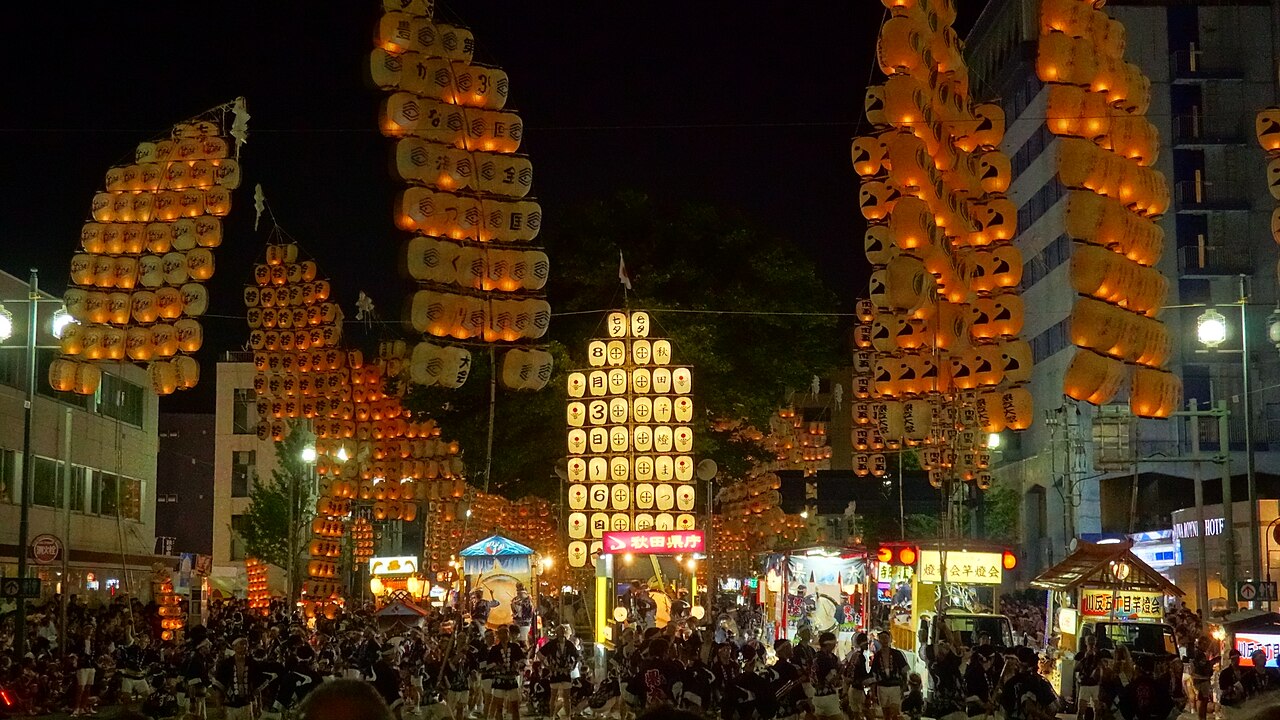
Image Credit: 掬茶 / Wikimedia Commons, CC BY-SA 4.0
The capital of Akita Prefecture, Akita City, is renowned for its vibrant Kanto Festival, held from 3 to 6 August each year, where participants balance giant bamboo poles adorned with glowing paper lanterns, illuminating the night sky.
For those looking for things to do in Akita, the festival is a must-see cultural experience. Visitors can also enjoy a comfortable stay in one of the many Akita city hotels, making it a great base to explore the region’s rich traditions, outdoor activities, and historical sites.
When Isabella Bird arrived in July 1878, the castle town was known as Kubota, after the castle whose remains now lie in Senshu Park. In Unbeaten Tracks in Japan she described it as “a very attractive and purely Japanese town of 36,000 people”, noted its weaving of striped silk for hakama and kimono, and was given a tour of its hospital. She liked it, she wrote, “better than any other Japanese town”.
Things to Do in Akita City:
- Senshu Park: Explore the remnants of Kubota Castle, surrounded by beautiful parkland.
- Akita Museum of Art: A modern museum housing both Japanese and Western artworks, including pieces by painter Léonard Foujita.
- Yokote Kamakura Festival: A winter spectacle in Yokote, south east of Akita City, where local children welcome visitors into igloo-shaped snow huts called kamakura, which are illuminated at night alongside snow sculptures and warming drinks. It runs over two evenings in mid February. From 2026 it moved from its fixed dates of 15 and 16 February to the second Friday and Saturday of the month.
Akita International University
Akita International University (AIU) is a leading Japanese university for international liberal arts. Founded in 2004, it teaches its undergraduate subject courses in English and sends every degree student to spend a year at a partner university abroad. Its tranquil campus, easily reached from Akita Airport, draws students from around the world and makes an unusual stop for travellers and scholars alike.
Oga Peninsula
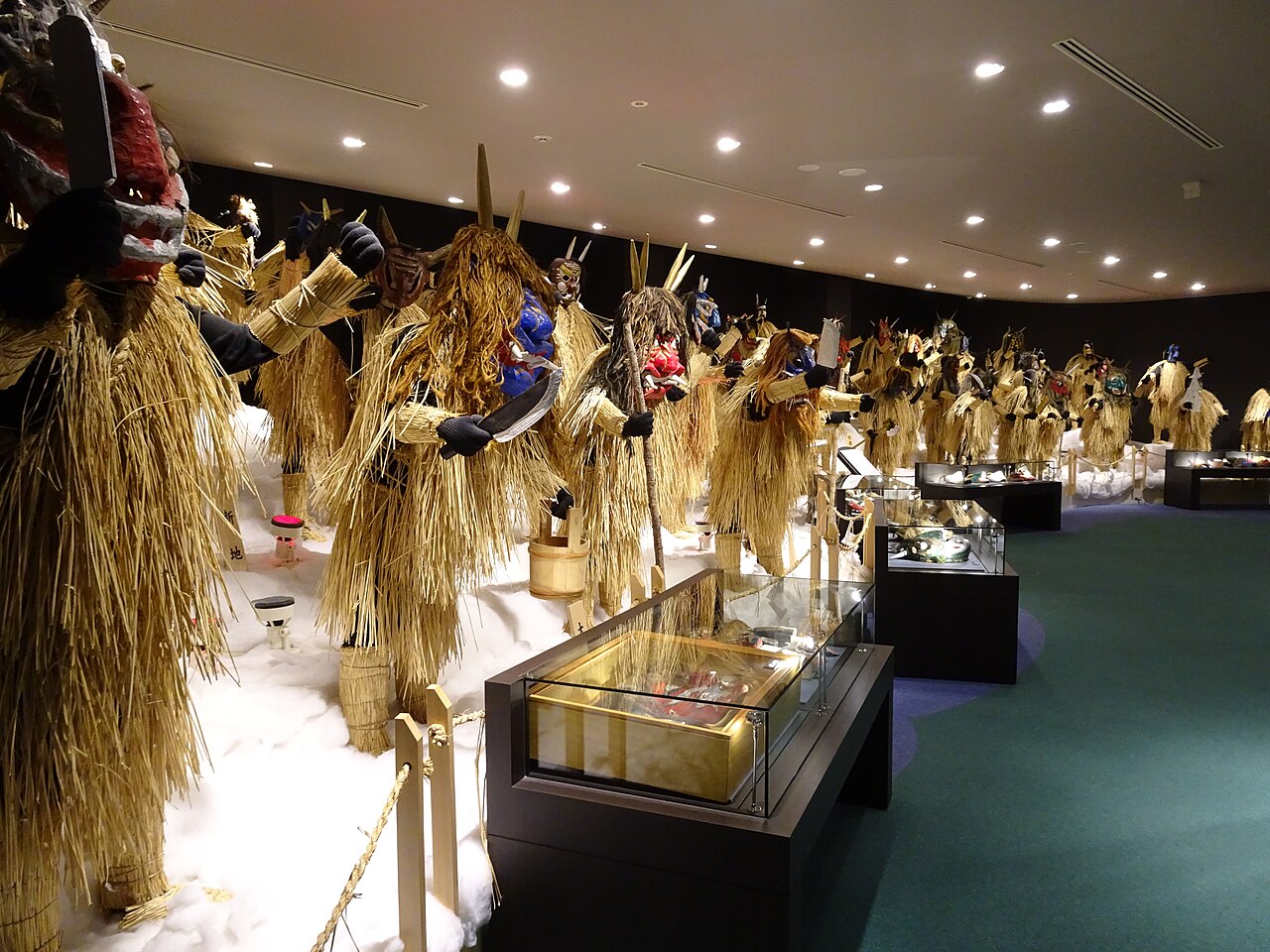
Image Credit: Wiki Taro / Wikimedia Commons, Public domain
Famous for its Namahage folklore, the Oga Peninsula offers cultural and scenic beauty.
Things to Do on the Oga Peninsula:
- Namahage Museum: Learn about the fascinating Namahage ritual, where locals dress as demon-like creatures to ensure good fortune for the year.
- Mount Kanpu: This mountain offers incredible 360-degree views of the Oga Peninsula and the Sea of Japan.








5. Yamagata: Snow Monsters and Hot Springs
Yamagata Prefecture is a winter wonderland, famed for its snow-covered mountains and rejuvenating traditional hot springs, making it an essential part of any Tohoku travel itinerary.
Among the must-visit spots is the charming Ginzan Onsen Yamagata, a picturesque hot spring town with historic inns nestled along the river. Yamagata in Japan also offers a wealth of natural beauty and cultural experiences, from skiing in winter to exploring peaceful onsen retreats, making it an ideal destination for those seeking both adventure and relaxation.
Yamagata City

Image Credit: Japan Airlines
Yamagata City is famous for its winter sports and hot springs. It’s also home to Risshaku-ji, the mountain temple better known as Yamadera, founded in 860.
Things to Do in Yamagata City:
- Zao Onsen: This popular ski resort is known for its “snow monsters”, trees covered in heavy snow, creating otherworldly shapes.
- Risshaku-ji Temple (Yamadera): Climb the 1,015 stone steps of this ancient mountain temple, north east of Yamagata City, for a spiritual experience and breathtaking views. Its halls and lookouts make it a perfect day trip.
6. Tsuruoka: The UNESCO Creative City of Gastronomy
For something quieter, head to Tsuruoka, a city with a deep history in Japan’s Buddhist traditions.
Tsuruoka, recognised as a City of Gastronomy, boasts a unique food culture shaped by its diverse geography in Yamagata, Japan, from mountains to the sea. This vibrant culinary heritage combines traditional recipes passed down for generations with fresh, seasonal ingredients, reflecting the deep connection between the people of Tsuruoka Yamagata Japan and their land, while honouring the region’s “slow food” philosophy through local events and practices.

Image Credit: Web Japan
Things to Do in Tsuruoka:
- Mount Haguro: One of the Three Sacred Mountains of Dewa, it’s a revered pilgrimage site for those seeking peace and spirituality.
- Haguro Five-Storey Pagoda: A National Treasure on the slopes of Mount Haguro, this elegant structure is a symbol of Tsuruoka’s rich history.
- Tsuruoka Culture Hall: A multipurpose cultural centre that serves as a hub for artistic and cultural events in the region. Surrounded by lush natural scenery, it sits in the cultural district of Tsuruoka.
7. Fukushima: Castles and Countryside
Rounding out our Tohoku travel guide is Fukushima Prefecture, a region known for its historic castles and beautiful countryside. It’s an ideal destination for those seeking a more rural experience.
Aizu-Wakamatsu
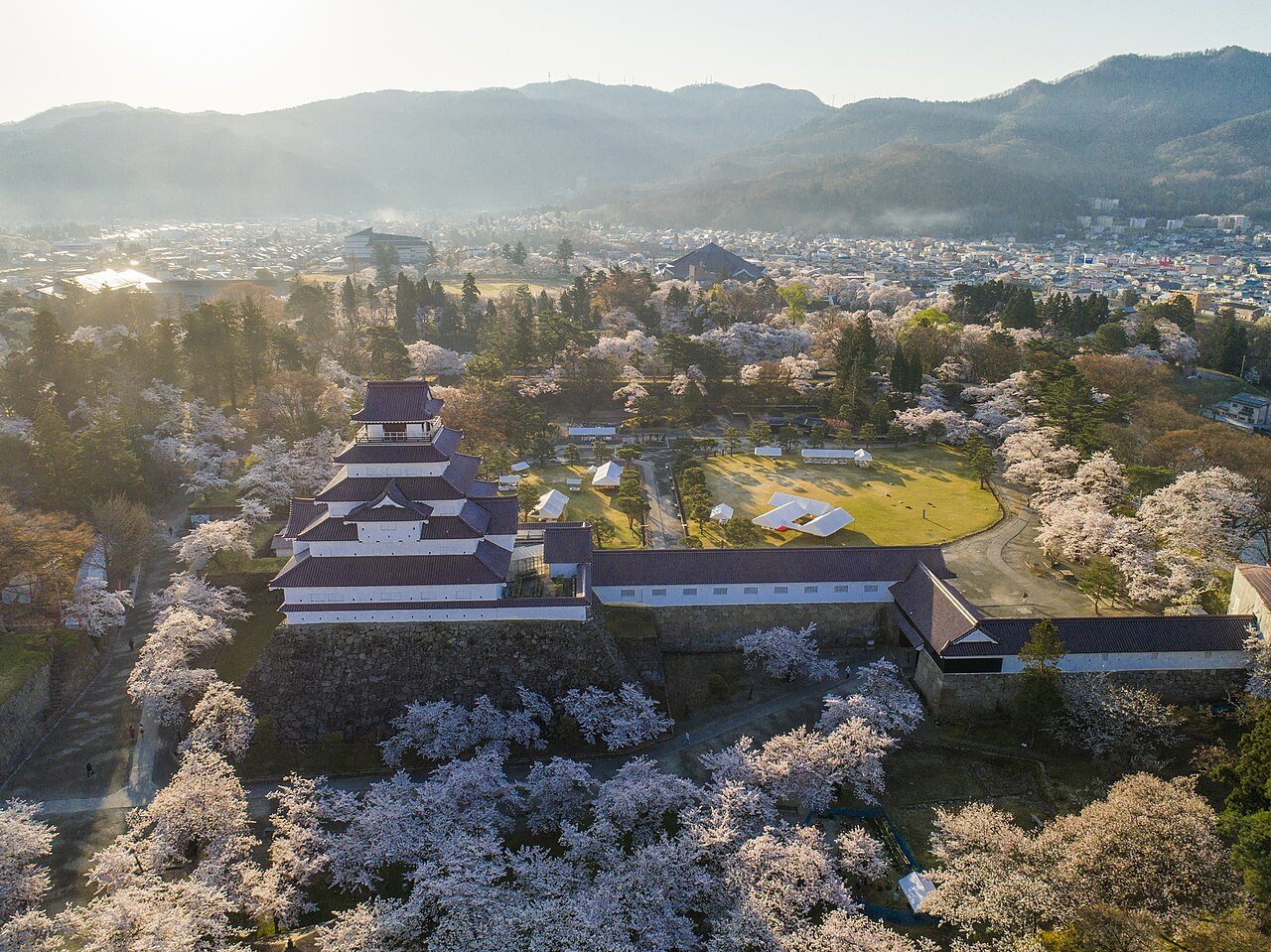
Image Credit: SQZ / Wikimedia Commons, CC BY 4.0
The city of Aizu-Wakamatsu is steeped in samurai history and remains a popular spot for history enthusiasts.
Things to Do in Aizu-Wakamatsu:
- Tsuruga Castle: One of the most famous castles in the north of Japan, offering stunning views and fascinating exhibits on the region’s samurai past.
- Ouchi-juku: This beautifully preserved Edo-period post town in neighbouring Shimogo offers a glimpse into traditional rural life.
- Oyakuen: Around 600 years ago this was a villa for the lord of the Aizu Domain, and in the 17th century it became a medicinal herb garden to protect citizens from epidemics. Today, it remains a beautifully preserved traditional garden and an important national asset, where visitors can still enjoy a cup of green tea beside its pavilion.
Iizaka Onsen
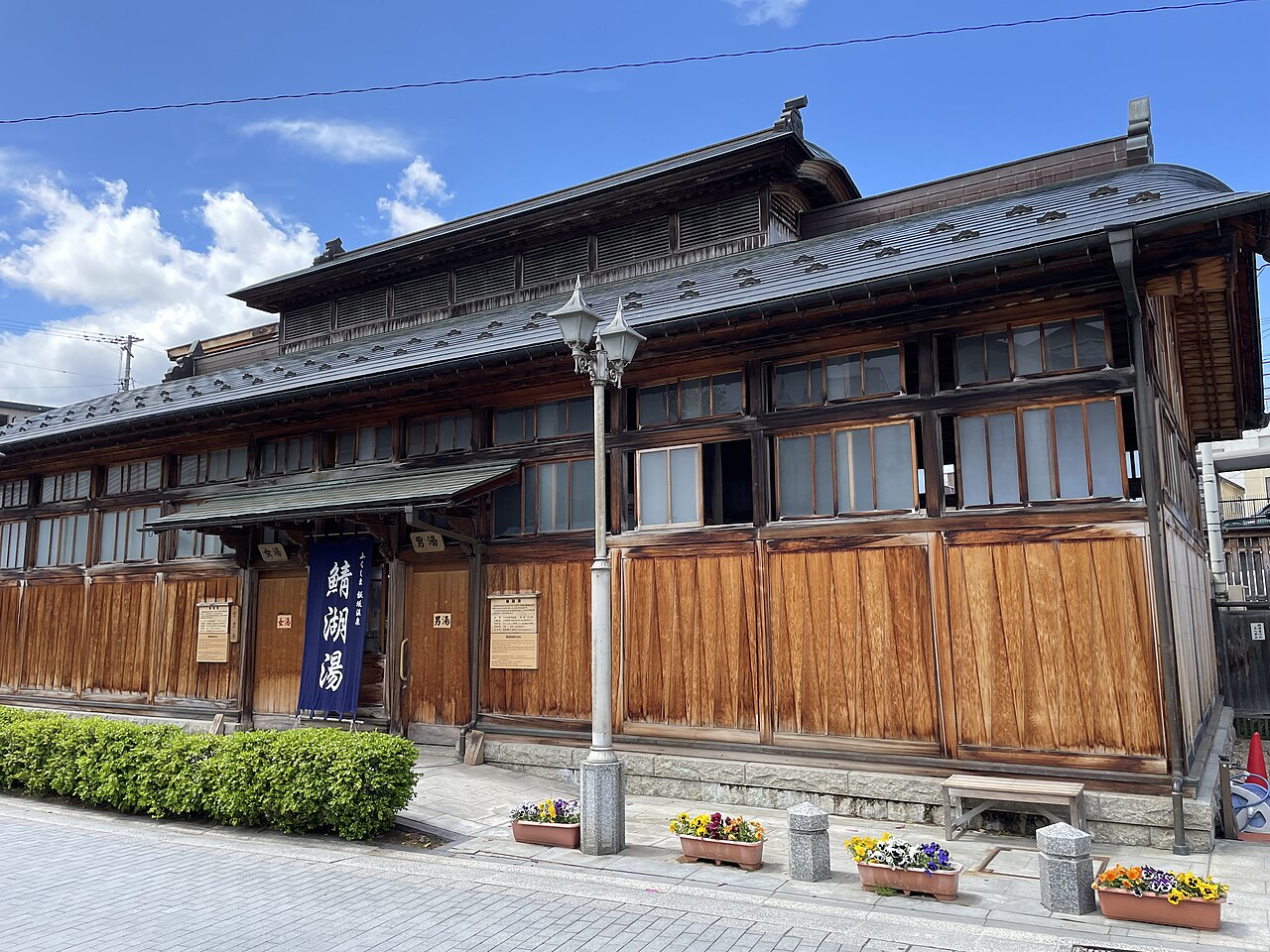
Image Credit: Higa4 / Wikimedia Commons, CC0
For some relaxation, head to the town of Iizaka Onsen, one of Japan’s oldest hot spring towns.
Things to Do in Iizaka Onsen:
- Sabako-yu: Iizaka’s oldest public bath, long known as Japan’s oldest wooden public bathhouse until it was rebuilt to its original design in 1993.
- Fukushima Fruit Line: A scenic road lined with orchards, where you can pick seasonal fruits.
- Oncafé hot spring cafe: The perfect place for lunch and tea when taking a break from sightseeing. Be sure to try the Moniwakko Soup Curry!
From Aomori’s Nebuta floats to Aizu-Wakamatsu’s samurai castle
Whether you’re exploring the best places to visit in Tohoku, from historic temples to scenic bays, or indulging in the local food, this Tohoku travel guide offers a comprehensive look at this enchanting region.
Each city and prefecture offers its own unique flavour of northern Japan, ensuring your trip is filled with adventure, culture, and unforgettable experiences.
From summer lantern festivals to snowbound onsen towns, samurai castles and some of the freshest seafood in Japan, Tohoku rewards the trip north.
Stay Connected with Jetpac eSIM During Your Tohoku Adventure

Enjoy JetFlex with more added benefits
When exploring the wonders of Tohoku, reliable connectivity is essential, and Jetpac eSIM provides the perfect solution. Forget the hassle of finding a local Japan SIM card. Jetpac eSIM allows you to preorder a Japanese eSIM online, ensuring you’re ready to go the moment you arrive.
With coverage across all of Japan, including rural areas, you won’t have to worry about losing connection. Jetpac is one of the best eSIMs for Japan travel, offering convenience, affordability, and seamless data service throughout your journey.
Jetpac eSIM Plans for Every Traveller

Enjoy exclusive benefits only with JetFlex
Jetpac offers flexible plans tailored to meet the needs of every traveller.
The JetFlex plan is perfect for multi-destination trips, allowing you to top up as you go and stay connected in over 100 countries.
For frequent travellers, the JetPro plan includes 7GB of global data per month, plus VIP perks like lounge access and Fast Track passes. Whether you’re exploring Japan’s cultural gems or embarking on a broader international adventure, Jetpac has a plan to keep you connected in style.
Sources and further reading
- Isabella Bird, Unbeaten Tracks in Japan (1880), Project Gutenberg
- Frank Brinkley with Dairoku Kikuchi, A History of the Japanese People (1915), Project Gutenberg
- Asataro Miyamori, Tales of the Samurai (1920), Project Gutenberg