In recent years, inbound tourism, when foreign travellers come to visit one’s country, has been gradually increasing in Japan. The country’s cultural history, technological wonders and unmatched hospitality have no doubt contributed to this phenomenon. Millions of tourists from around the world have let themselves be seduced by Japan, with its rich history, vibrant culture and varied landscapes. Tokyo and Kyoto have long been favoured as tourist destinations; however, in recent memory, Okinawa Prefecture has emerged as one of Japan’s most remarkable travel spots.
Once part of the Ryukyu Kingdom, Okinawa offers a unique experience different from the one found in mainland Japan. Centuries as an independent kingdom, trading with China as well as Japan, gave Okinawa a cultural identity of its own. With so many cool things to do in Okinawa, the best time to visit it is always right now.
This being said, why has Okinawa gained notoriety? What changed? What made it Japan’s newest tourist base? How much does it have to do with the Battle of Okinawa? How much was it influenced by the nation’s tourist development policies? Has Okinawa influenced them? All of these questions and more are what we attempt to answer in the following article.
The Origins of Tourism in Japan
Before we delve into Okinawa’s unique history with this phenomenon, a quick dive into the origins of tourism in Japan might be necessary.
As with most countries, the first tourist practices in Japan took the form of pilgrimages. These date back to at least the 7th century, and their reasons could be either religious or political. In the first case, pilgrims visited some noteworthy religious sites, with some examples of Japanese pilgrimage trails being Dewa Sanzan and Aizu Kannon. It should be noted that, back then, these pilgrimages weren’t as established as they would later become. Regarding the second point, Japanese emperors and lords were moved amidst political change, with their travels revealing high places of Japanese culture. To give an example: when the nation’s capital was set at Nara in the 8th century, sites like Yoshino attracted a growing number of pilgrims.
The Edo Period
In a similar manner, the arrival of the Edo Period meant significant change, as the capital of the country was moved to Edo (current-day Tokyo). The compulsory migration of feudal lords and Japanese soldiers to the city led to the development of five main roads, known as the Gokaido.
With these roads in place, a new capital in the east and an old capital in the west, Japanese travellers became more common. This, eventually, caused the further democratisation of places of worship, especially those located between the cities. The Ise Shrine, for example, became easily accessible, leading to the rise of religious pilgrims in the region.
As pilgrims became more common, hostels were set up along the main roads, and whole districts called shukuba-machi (or monzenmachi, near places of worship), started gaining notoriety. These places would serve as accommodation for the pilgrims, but this is only one of the services they provided. Depending on the place, shukuba-machi could offer meals, lodgings run by monks, pilgrim associations, restaurateurs’ associations and even prostitution. Eventually, the business model proved successful, and its secularisation became inevitable, with most hostels being set around Onsen (hot springs).
Tourism practices in Japan began, therefore, as the result of a double process of secularisation and democratisation of pilgrimages, as well as therapeutic stays at hot springs. Tourist areas were once concentrated in the Kansai region, around Kyoto, Ise and Kumano. However, migrations then affected the entire Japanese territory, which at the time consisted of the islands of Honshu, Kyushu, and Shikoku.
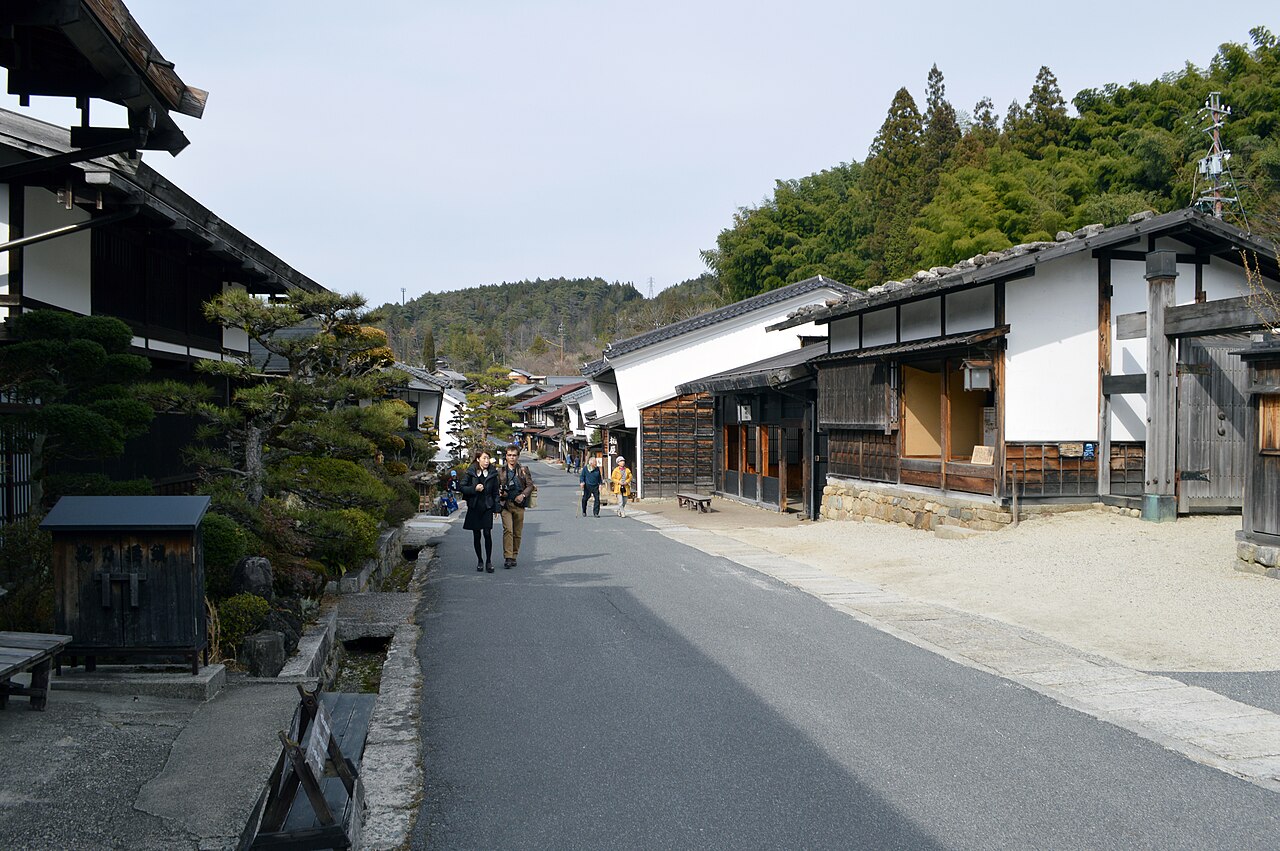
Image credit: Photo: DimiTalen, CC0, via Wikimedia Commons
Modernisation in the Meiji Era
The Meiji Era (1868 to 1912), which followed the forced opening of the country to foreigners and brought the rapid Westernisation of techniques and social practices in Japan (the Meiji Restoration), saw the appearance of the modern version of tourism.
To be more specific, travel regulations were lifted; infrastructure such as railways was built; Western-style hotels built from brick started appearing; and, finally, the first guidebooks in other languages started printing. All of these, needless to say, led to the rise in the inbound tourism we are now well familiar with.
It’s with this context that we shall direct our attention to Okinawa Island.
The Rise of Tourism in Okinawa Prefecture
From the point of view of the international tourist, Okinawa is experiencing the most notable growth in the country. Outside the Golden Route (the classic first-trip itinerary linking Tokyo, Mount Fuji, Kyoto and Osaka), Okinawa Island is one of the clearest examples of Japan’s tourism boom. Its growth as a destination has been remarkable, and it has had a real influence on the rest of the country.

Image credit: Kadena Air Base
Nationalised Exoticism
One of the most agreed upon theories of how this came to be has to do with the concept of “nationalised exoticism.” Even though it’s not a scientifically precise concept, nationalised exoticism refers to the incorporation of foreign elements into a nation’s cultural identity. Okinawa, for the Japanese, was the perfect place for this to develop: a familiar but uniquely flavoured place. Back when it was part of the Ryukyu Kingdom, the Okinawa Islands traded with China as much as they did with Japan, taking heavy influence from both countries. Some Okinawan civilians even consider themselves to be ethnically different from the Japanese. So, to the tourist eye, it felt distinct in a way few places could.
Between the 1920s and 1940s, the first phase of tourism in Okinawa was triggered by modernisation. In it, we see an increase in transport links between mainland Japan and Okinawa. It’s here where we see the nationalised exoticism show its worth, as tours and publications describing Okinawa’s culture began increasing in volume.
War Memorial Tours, the 1972 Reversion and the Resort Hotel Boom
In January 1960, a second phase of tourism began. This one was started by visitors from mainland Japan returning to Okinawa, mainly to pay their respects at the graves and memorials of soldiers who died during the Battle of Okinawa. These, it should be noted, included both Japanese troops and Allied soldiers. By then, the prefecture was still controlled by the United States following World War II and the Japanese surrender. Tourism began with bus tours to the battle sites of southern Okinawa, the area known as Nanbu, and later spread to the capital, Naha, around Kokusai Dori, the main shopping street.
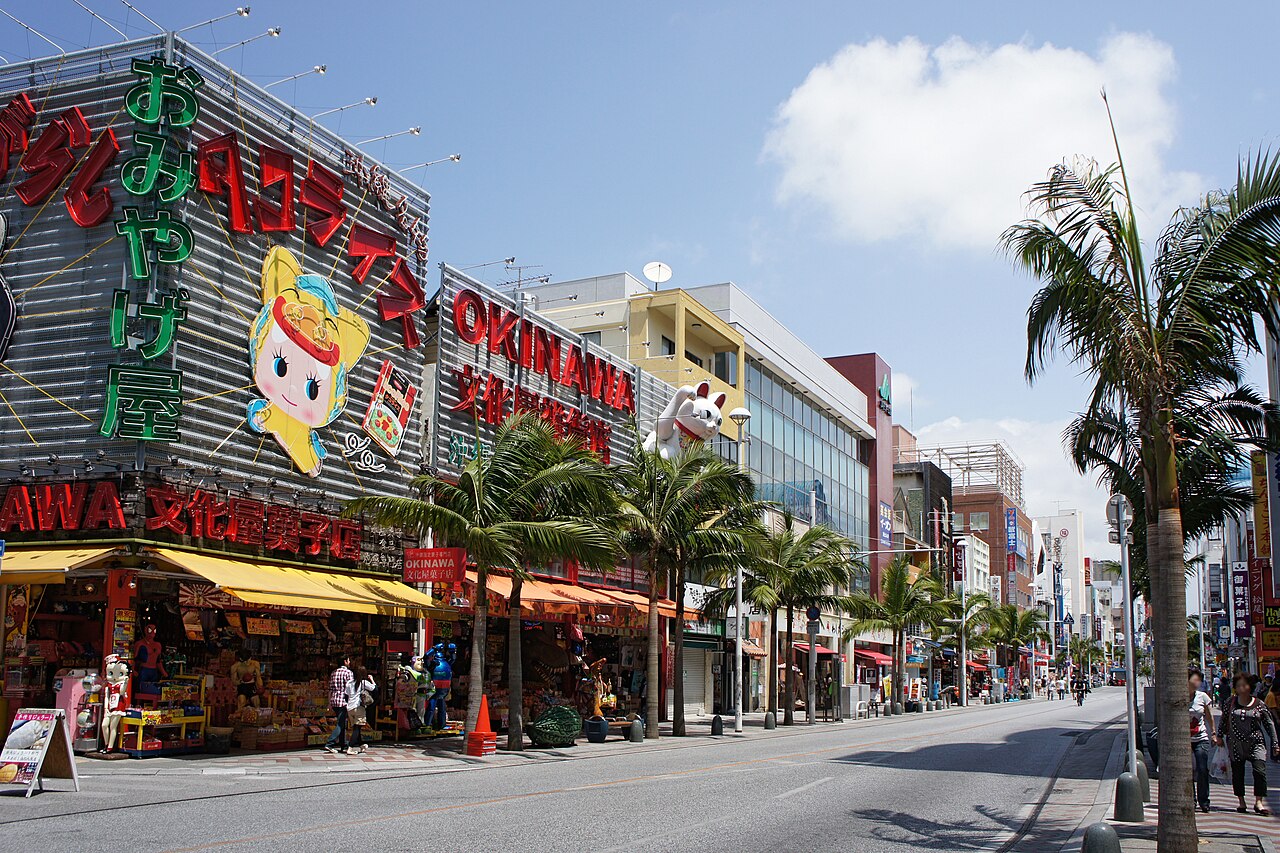
Image credit: Photo: 663highland, CC BY 2.5, via Wikimedia Commons
In 1972, the United States returned Okinawa Prefecture to Japan, an event commonly referred to as the Reversion of 1972. With this and the additional influx of people, the first wave of large hotel building began around 1975, the year Okinawa hosted the International Ocean Exposition on the Motobu Peninsula. Resort building spread through Naha, Motobu, Nago and the west coast in the decades that followed, and today’s best-known names include Hotel Nikko Alivila in Yomitan, The Ritz-Carlton Okinawa in Nago and Hyatt Regency Naha.
To encourage private investment in the hotel industry, the state also offered tax incentives, which we look at in the section on tourism law below.
The hotel industry currently stands as the central driver of the tourist sector in Okinawa. The monopoly situation of large hotels (more than 100 beds) was caused by the massive construction of resort-type hotels. In 2010, these establishments were concentrated around major urban centres (Nanbu, Nago) and near American Military bases. Based on the success of these hotels, tourism has become Okinawa’s leading economic sector.


A brief history of international travel in Okinawa
Despite the fact most of the tourism development in Okinawa is fairly recent, leading some to believe it’s all due to modernisation and the major battle fought there, the prefecture itself possesses a deep history regarding international travel. The region, historically, has long served as a key location for East Asian trade and cultural exchange. The main reason for this has to do with its location, as the Ryukyu Islands were, and still are, a strategic spot for trading.
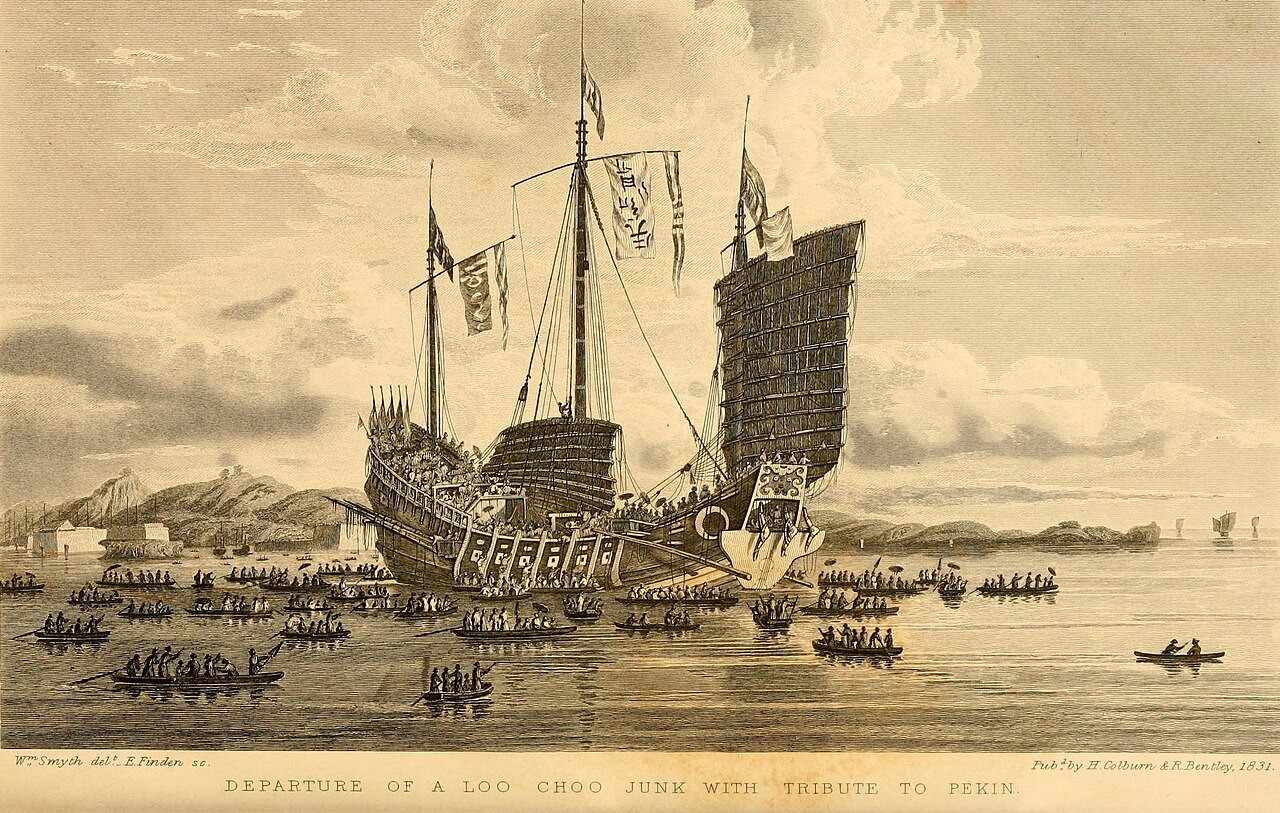
As early as the 14th century, the kingdoms of the Ryukyu Islands, unified as the Ryukyu Kingdom in 1429, traded with China, Korea, and other nearby nations. As previously stated, this thriving trading network led to the nationalised exoticism that made it appealing to tourists. The distinctive fusion of local traditions and foreign influences established the foundation for its eventual attraction as a cultural melting pot.
Without these elements, Okinawa might not be the leading tourism destination this article is focused on showcasing.
How the Battle of Okinawa and US Bases Shaped Tourism
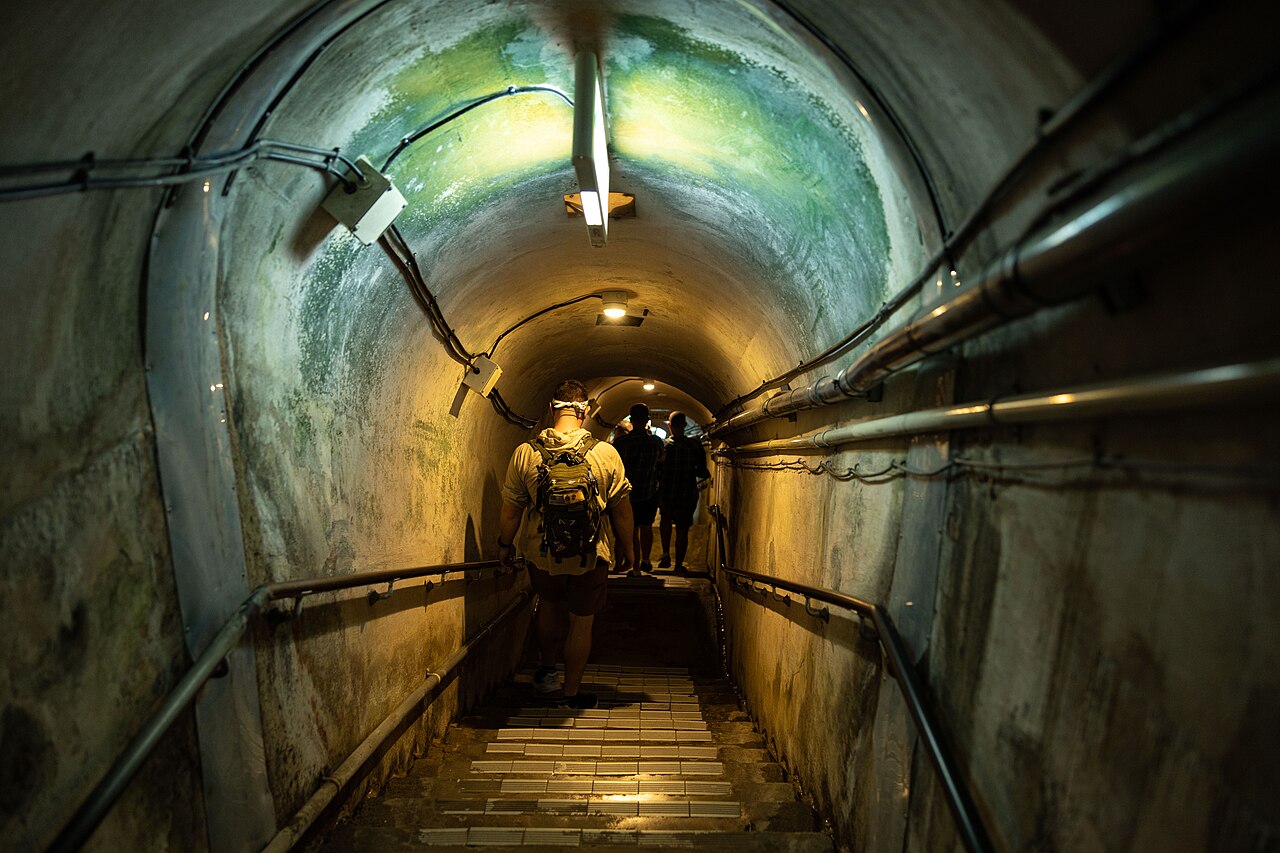
That being said, the influence of World War II in the development of tourism in Okinawa is undeniable. The Battle of Okinawa and the Okinawa occupation, led by American forces, changed everything for Okinawan civilians for years to come. It’s thanks to these events, and the American Military Bases that were set because of them, that Okinawa was exposed to a variety of different cultures.
Suddenly, the region had a steady flow of foreign servicemen (mostly US marines) and their families, increasing demand for tourism-related services. Once the modern infrastructure that allowed these services to function was set up, Okinawa’s tourism sector could only grow. Hotels, restaurants, and other services catering to international preferences were, therefore, built to capitalise on the increasing influx of people.
Additionally, once mundane places of the region turned into historic sites. The west coast could now conjure images of the Battle of Okinawa, with US forces fighting the Japanese army on the island of Ie Shima. A similar thing could be said about Sugar Loaf Hill, with the Japanese resistance, the Japanese losses, the American task force, the presence of allied ships and the subsequent artillery bombardment that came from them. This all became part of the region’s psyche. This has, and will continue to, attract people interested in history from around the world.
The 1963 Tourism Basic Act and Investment After 1972
Thus far, we’ve been given reasons that might lead someone to believe the tourism sector in Okinawa grew somewhat organically, but this isn’t completely true. Going back to the tax incentives mentioned earlier, let’s talk about tourism law. Following Japanese control of the region in 1972, the Japanese government recognised the islands’ potential as a tourism destination. Its subtropical climate, unique culture, and the stark reminders of one of the last major battles in World War II no doubt contributed to this decision. As such, it made the islands easier to reach, investing in airports and in roads such as the Okinawa Expressway.
Additionally, as it was now part of Japan, Okinawa was subject to the Tourism Basic Act, enacted in 1963 (it was revised and renamed in 2007). One of the many measures of this law was promoting private investment in the tourism industry, which led to the rise of hotels in the region.
Promoting Ryukyuan Culture After 1972
This being said, Japan also recognised Okinawa’s unique culture as potentially attractive to tourists. As such, promoting Okinawa’s distinctive history became a priority in drawing people from abroad. Travellers were treated to a unique experience by the old Ryukyuan culture, which was separate from that of mainland Japan.
It should also be noted that these reforms had an impact on Okinawa’s civilian population, as their once oppressed culture started being celebrated. The heavy losses of the Battle of Okinawa, in which tens of thousands of Okinawan civilians died, also became a central part of that regional identity.
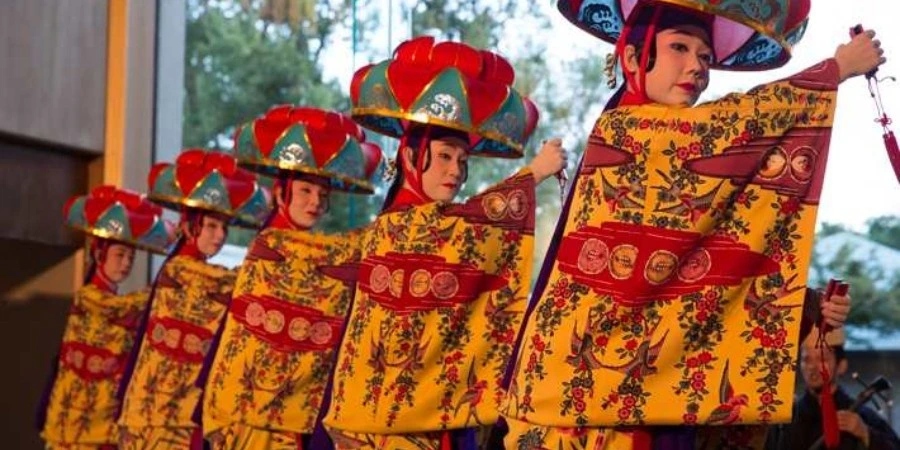
Image credit: GW Today
Shuri Castle, Karate, Okinawan Food and Other Reasons to Visit Okinawa
To finish this article, it’s only fitting that we list, discuss and celebrate some of the things that make Okinawa special. Firstly, for its own history as part of the Ryukyu Kingdom. And, secondly, for its ability to adapt and celebrate cultural mixing.
Shuri Castle, Karate and the Naha Tug-of-War
As with most things in Okinawa, things always go back to the Ryukyu Kingdom. Besides the previously mentioned cultural exchange it had with other East Asian countries, the Ryukyu islands themselves were well known for their vibrant traditions. Here, we mean vibrant in a literal sense, as music, dances, colourful ceramics and textiles are among some of their most famous living traditions.
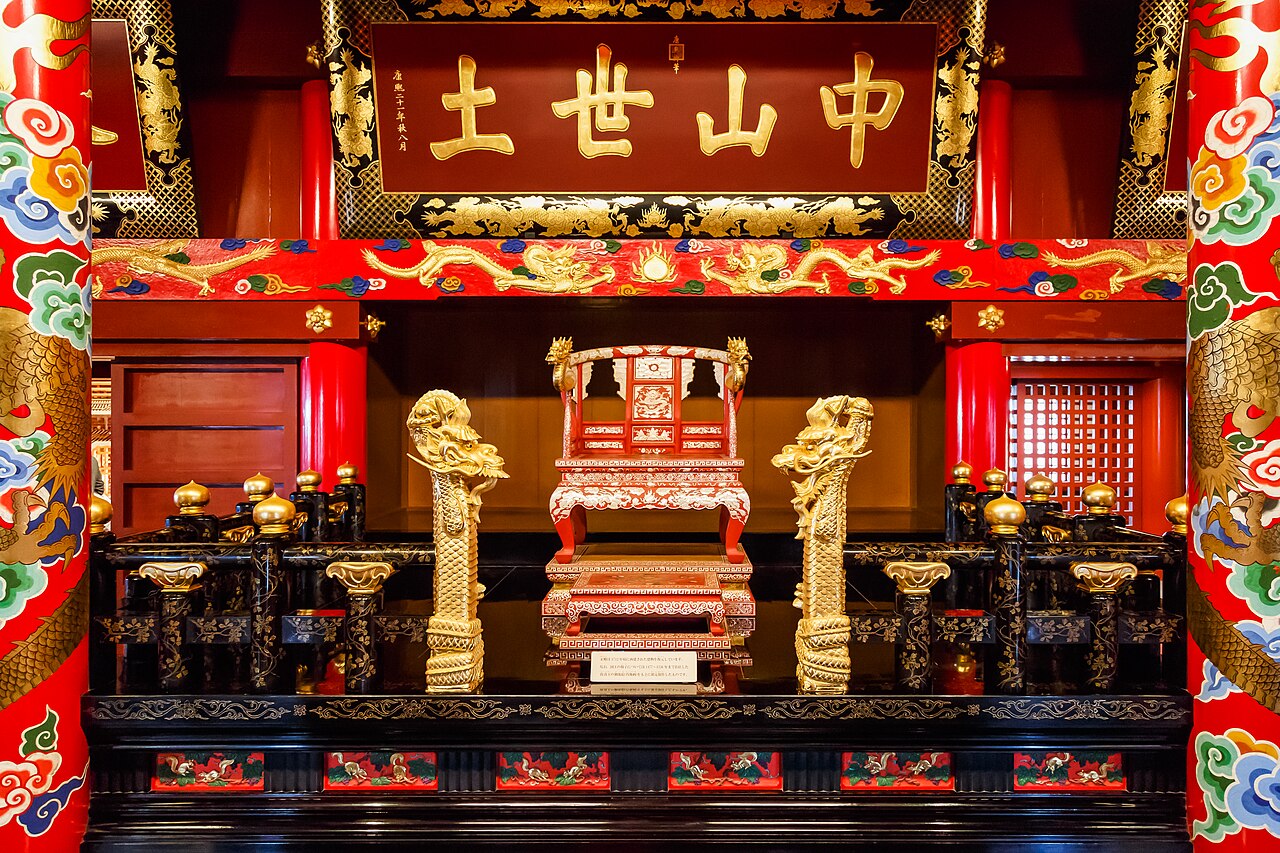
Mesmerising displays of Okinawa’s culture can be found at Shuri Castle, which was inscribed as a UNESCO World Heritage Site in 2000. The castle was the royal palace of the Ryukyu Kingdom and, as such, is host to the famous Shuri Castle festival. Usually held at the end of October or the start of November, the festival celebrates the kingdom’s court traditions. Most of the castle’s main buildings, including the Seiden main hall, were destroyed by fire on 31 October 2019. The rebuilt Seiden is due to reopen to the public on 23 November 2026, the day after its completion ceremony.
Of course, we must not forget Okinawa’s most famous cultural export: Karate. Okinawa Karate was born in the Ryukyu Kingdom, shaped by the kingdom’s trade and exchange with its neighbours. To this day, Okinawa is the best place to truly learn the discipline, and the Okinawa Karate Kaikan is a good first stop for visitors.
Finally, to end on a lighthearted note, there’s the famous Naha Tug-of-War Festival. Held in Naha every October, this is a tug-of-war taken to gigantic proportions: tens of thousands of people pull on a rope 200 metres long and weighing 43 tonnes, laid across the Kumoji intersection on National Route 58. Needless to say, the festival is adrenaline-pumping and, overall, fun in a way only Okinawa could achieve.

Image credit: Visit Okinawa
Chanpuru, Churaumi Aquarium, Gusuku Castles and Uchinaaguchi
Following in the footsteps of the late and great Anthony Bourdain, the best way to introduce Okinawa’s culture mixing is with its food. The obvious dish to highlight is chanpuru, which literally translates to “something mixed”, and is a stir-fried meal. While on topic, Okinawan tacos shouldn’t be left behind, as they were born out of the mixing of local tastes and Tex-Mex cooking during the US occupation. To this day they are a favourite with Okinawans and American service members alike.
It’s also important to highlight that the appreciation of local resources goes beyond food and, to prove it, look no further than the Churaumi Aquarium. Opened in November 2002 on the site of an earlier aquarium dating from 1976, the Churaumi Aquarium is one of the biggest and most fascinating in the whole world. As one of the few aquariums that exhibit whale sharks, it shows Okinawa’s commitment to preserving its wildlife.
Architecture wise, Okinawa’s style is a mixture of Japanese and Chinese elements. Additionally, buildings were created to accommodate Okinawa’s subtropical climate and, as such, they are open-ended and full of courtyards and gardens. The previously mentioned Shuri Castle is a great example, but the Nakagusuku Castle, another UNESCO World Heritage Site, shows how versatile and varied the style was.
Finally, let’s look at language. Uchinaaguchi, the language native to the island, is one of the Ryukyuan languages, a family that shares a common ancestor with Japanese. Currently, thanks to the influx of international tourism and the existence of military bases, English has become more common in Okinawa. Because of this, local speech has changed, with Okinawans utilising code-switching, English pronunciation and even some loanwords from English in their daily life.
How Tourism Has Shaped Okinawa’s Economy and Culture
Tourism has significantly impacted Okinawa, both then and now. The region’s culture, economy and reputation worldwide have been greatly and positively impacted by it. With careful management and environmentally friendly procedures, Okinawa’s appeal is certain to enthral tourists for many years to come.