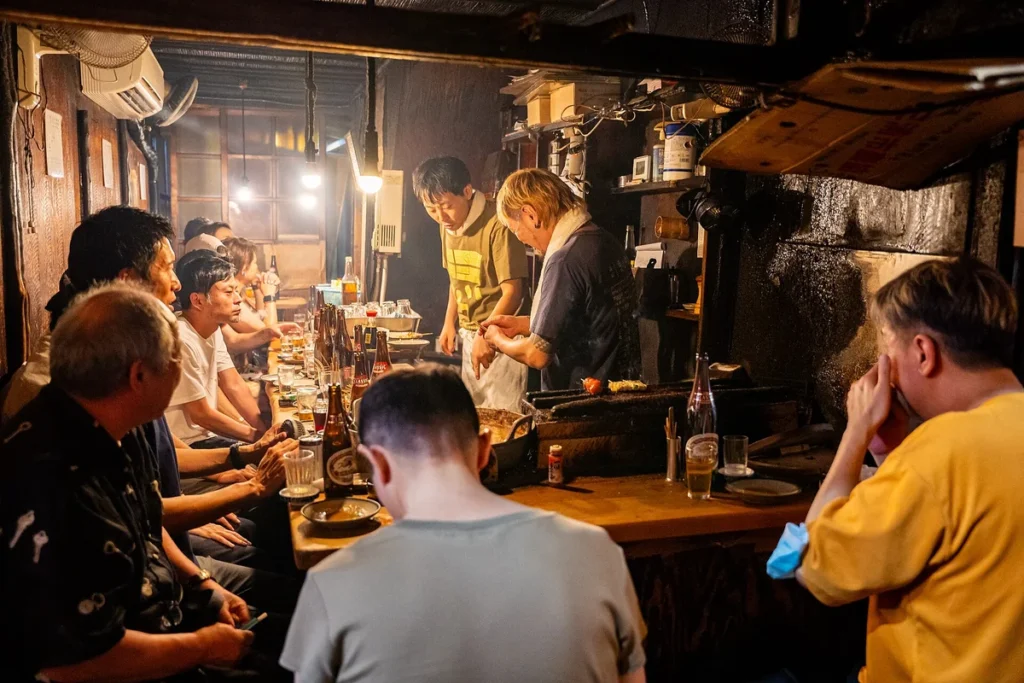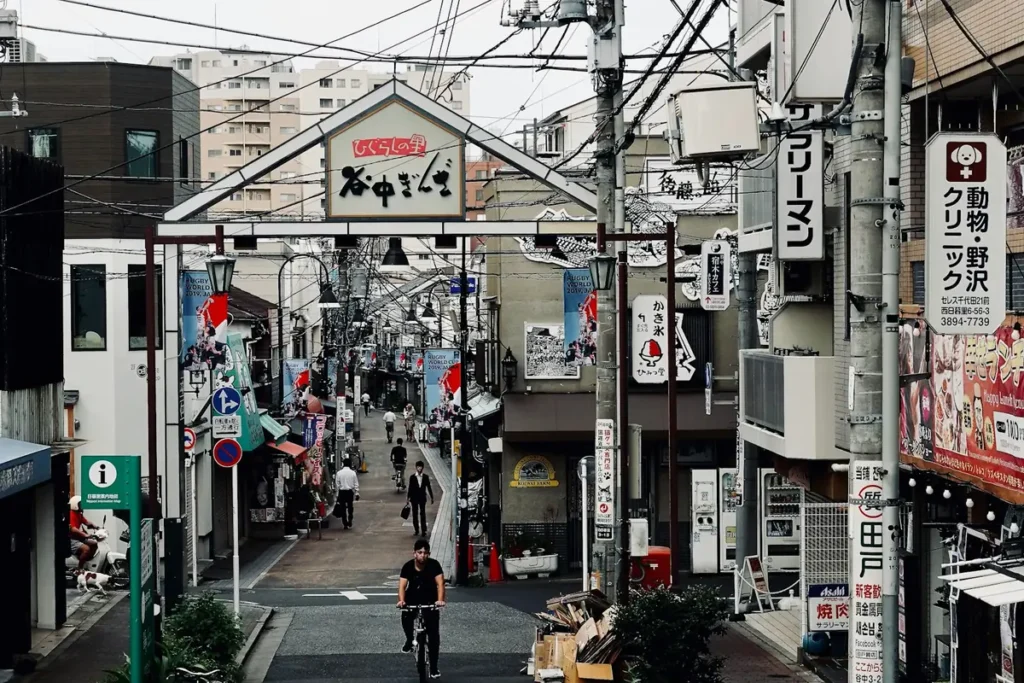
The easiest day trips from Tokyo are Kamakura, Yokohama and Kawagoe, each under an hour by train. Hakone, Lake Kawaguchi under Mount Fuji, Chichibu and Nikko take one and a half to two hours each way, so leave early. Which one suits you depends on what you want, and on which side of Tokyo you are staying, because each trip leaves from a different station.
The table below compares all seven on departure station, fastest journey time, cost and best season, with fares and times taken from the rail operators and official tourism sites on 31 October 2026. Each destination then gets a short section, with a link to our full guide where we have one.
Day Trips from Tokyo, Destination by Destination
| Day trip | Leave from | Fastest one way | Cost | Best season |
|---|---|---|---|---|
| Kamakura | Tokyo or Shinagawa (JR Yokosuka Line); Shinjuku (Odakyu) | About 1 hour | ¥1,034 each way on JR with an IC card; ¥1,640 Enoshima-Kamakura Freepass from Shinjuku | June hydrangeas; late October to early December maples |
| Yokohama | Shibuya (Tokyu Toyoko Line) | About 30 minutes on an express | Pay as you go with Suica or PASMO | All year |
| Kawagoe | Ikebukuro (Tobu Tojo Line); Seibu-Shinjuku (Seibu) | 26 minutes from Ikebukuro | ¥1,200 KAWAGOE DISCOUNT PASS Premium, return from Ikebukuro plus local buses | October festival; spring cherry blossom |
| Hakone | Shinjuku (Odakyu Romancecar) | About 80 minutes to Hakone-Yumoto | ¥7,100 two-day Hakone Freepass from Shinjuku, plus ¥1,200 each way for the Romancecar | Spring cherry blossom; autumn leaves |
| Lake Kawaguchi (Mount Fuji) | Busta Shinjuku (highway bus); Shinjuku (JR) | Just under 2 hours by bus | ¥2,200 by bus each way | December to February for clear views of Fuji; autumn leaves in November |
| Chichibu | Ikebukuro (Seibu Laview limited express) | About 90 minutes | Regular fare plus a ¥900 limited express ticket | Mid spring moss phlox; the Night Festival on 2 and 3 December |
| Nikko | Asakusa (Tobu); Shinjuku (JR limited express) | About 1 hour 50 minutes from Asakusa | ¥3,000 NIKKO PASS world heritage area, plus limited express tickets | October to early November autumn colour |
If you have not booked a hotel yet, the departure stations can decide it for you: our guide to where to stay in Tokyo compares Shinjuku, Ikebukuro, Asakusa and four other bases.
Kamakura: the Great Buddha and the coast, one hour from Tokyo Station
Kamakura was the seat of Japan’s first shogunate from 1185 to 1333, and it packs temples, a seaside and a bronze Buddha more than 11 metres tall into a small coastal town. The JR Yokosuka Line runs direct from Tokyo and Shinagawa stations in about an hour, for ¥1,034 with an IC card. From Shinjuku, Odakyu’s Enoshima-Kamakura Freepass (¥1,640) covers the return trip and unlimited rides on the little Enoden coastal train.
Go in June for the hydrangeas at Hasedera, or from late October to early December for the maples at the Zen temples. Our full guide, Kamakura in a day, has a timed route, opening hours and fees for each temple, and where to eat.

Yokohama: Chinatown and the harbour, 30 minutes from Shibuya
Yokohama is the closest of these trips and the most like a city break. A Tokyu Toyoko Line express from Shibuya reaches Yokohama Station in about 30 minutes, and many trains continue on the Minatomirai Line to Minatomirai and Motomachi-Chukagai stations for the waterfront, Chinatown and the Red Brick Warehouse. JR trains from Shinjuku and Ikebukuro on the Shonan-Shinjuku Line also run direct. Our guide to things to do in Yokohama covers the history, the ramen, the hotels and Noge’s bars, if you decide to stay the night.
Kawagoe: Little Edo’s warehouse street, 26 minutes from Ikebukuro
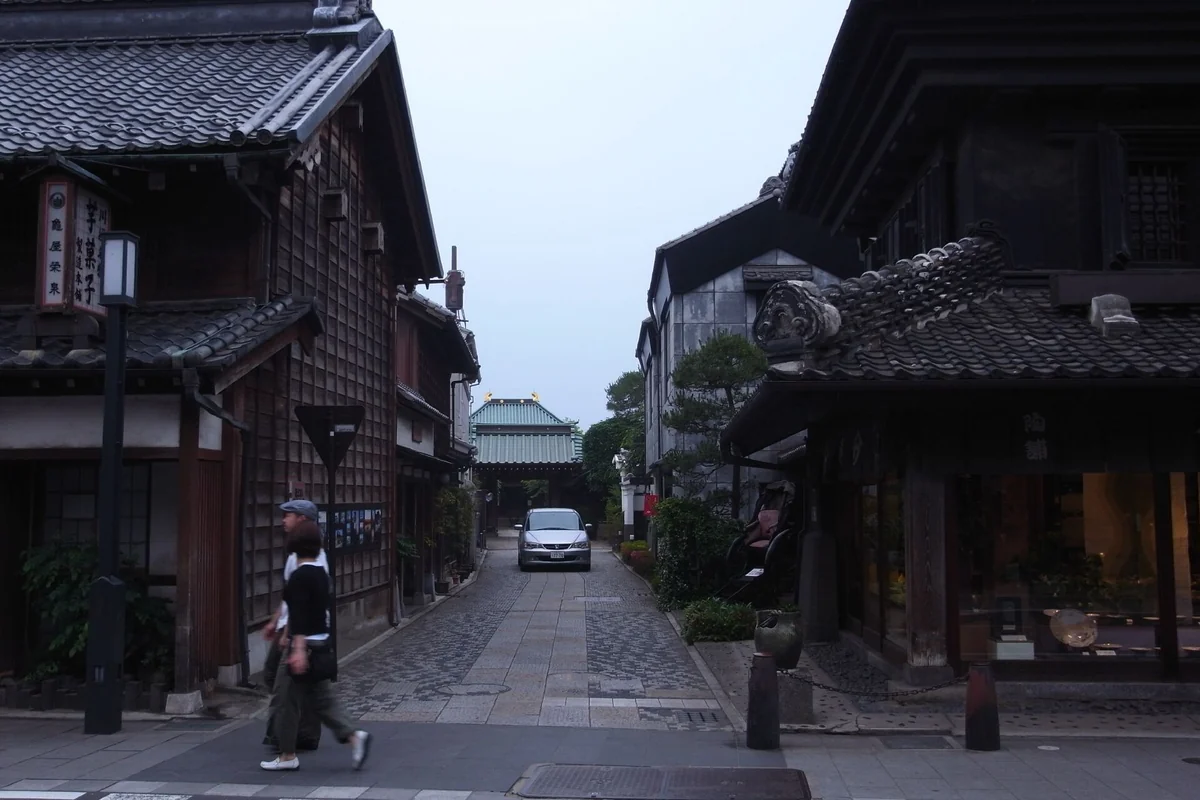
Kawagoe calls itself Koedo, “Little Edo”. Its main street, Kawagoe Ichibangai, is lined with kurazukuri, clay-walled buildings in the style of traditional storehouses, and the town was a castle town long before Tokyo was a capital: the historian Frank Brinkley, in A History of the Japanese People (1915), records Uesugi Mochitomo fortifying Kawagoe in the 15th century, in the same period that Ota Dokan built the first castle at Edo.
According to the Koedo Kawagoe Tourism Association, the fastest Tobu Tojo Line trains reach Kawagoe Station from Ikebukuro in 26 minutes. From Seibu-Shinjuku, the Red Arrow limited express Koedo takes as little as 44 minutes to Hon-Kawagoe, and the JR Saikyo Line takes about 50 minutes from Shinjuku. Tobu’s KAWAGOE DISCOUNT PASS Premium costs ¥1,200 for adults and covers the return from Ikebukuro plus Tobu buses around town, including the Koedo Loop Bus.
The Kawagoe Festival, a nationally designated folk cultural property, fills the warehouse street with floats each October; in 2026 it ran on 17 and 18 October with 26 floats.
Hakone: hot springs and Lake Ashi on the Hakone Freepass
Hakone is the classic hot spring escape, a loop of mountain railway, cable car, ropeway and lake boat in the hills below Mount Fuji. The Odakyu Romancecar from Shinjuku reaches Hakone-Yumoto in about 80 minutes, with every seat reserved. Odakyu’s Hakone Freepass costs ¥7,100 for two days from Shinjuku, covering the return to Odawara and the transport around Hakone; the Romancecar adds ¥1,200 each way. Odakyu says the pass is worth it even for a single day.
It makes a full day, and Hakone’s ryokan make it an easy overnight too. Our guide to Hakone in a day has the route round the loop, the museums, the ryokan and when to go.

Lake Kawaguchi: Mount Fuji from Tokyo by bus or train
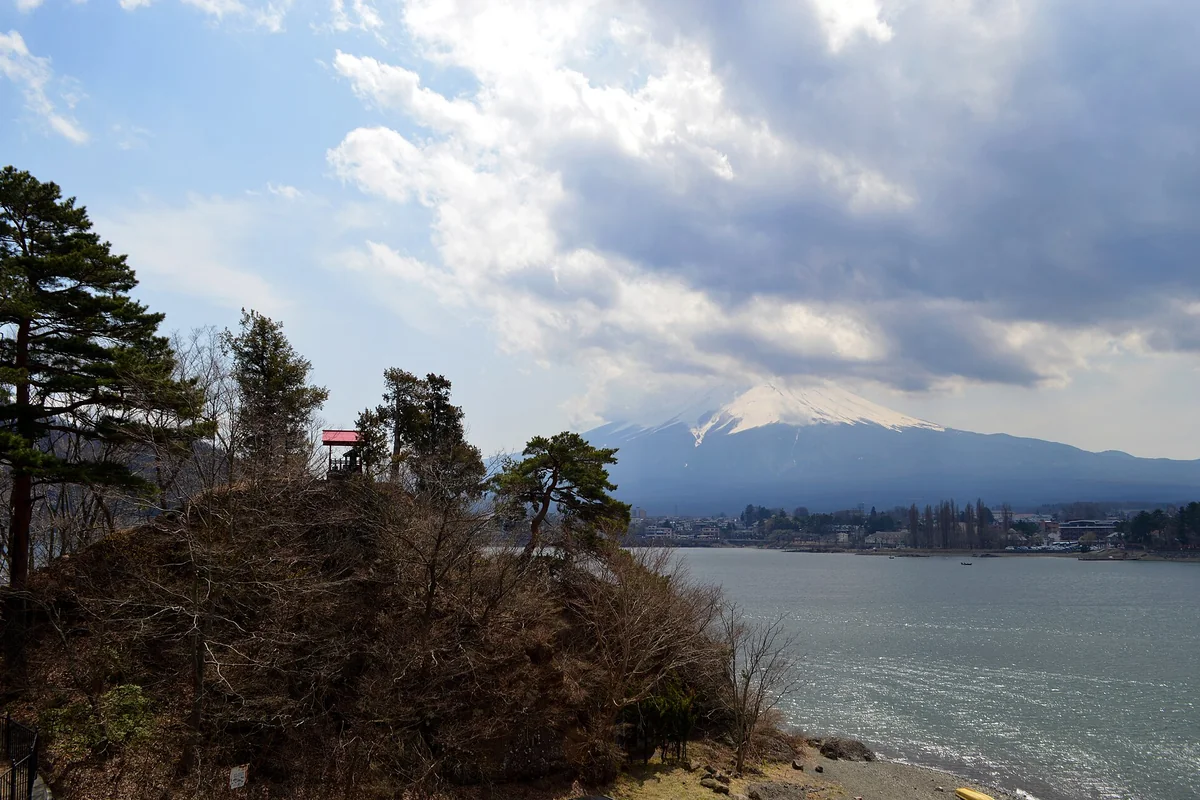
For the classic view of Mount Fuji across water, go to Lake Kawaguchi, one of the Fuji Five Lakes. Fujikyu and Keio run about two buses an hour from the Busta Shinjuku bus terminal to Kawaguchiko Station, taking just under two hours for ¥2,200 one way, according to japan-guide’s access guide. By train, take the JR Chuo Line to Otsuki (70 minutes on a limited express) and change to the Fujikyu Railway for the last 55 minutes, which costs ¥1,170 from Otsuki; a few direct limited express trains each day run from Shinjuku in about two hours. The Japan Rail Pass does not cover the Fujikyu section.
Fuji is often hidden by cloud. The Tokyo Metropolitan Government says its observation deck in Shinjuku sees the mountain on the most days from December to February, when the air is cold and clear, and the same season is the best bet at the lake. In autumn, the Fuji Kawaguchiko Autumn Leaves Festival is held around the lake.
If Kawaguchiko’s crowds put you off, our guide to the Mt Fuji day trip by the Mishima route explains a quieter alternative on the Shizuoka side.
Map of Kawaguchiko Station
Chichibu: shrines, moss phlox and the December Night Festival
Chichibu is a mountain town in western Saitama, about 90 minutes by train from central Tokyo. Seibu’s Laview limited express runs from Ikebukuro to Seibu-Chichibu; you pay the regular fare plus a ¥900 limited express ticket, and every seat is reserved. Seibu also sells a Chichibu Free Ticket that bundles the return trip with local travel around Chichibu and Nagatoro.
The town has been on the map for a very long time. Brinkley records that copper found in the Chichibu district in 708 was important enough for the court to rename the era Wado, “refined copper”, and to begin minting Japan’s first regular coins.
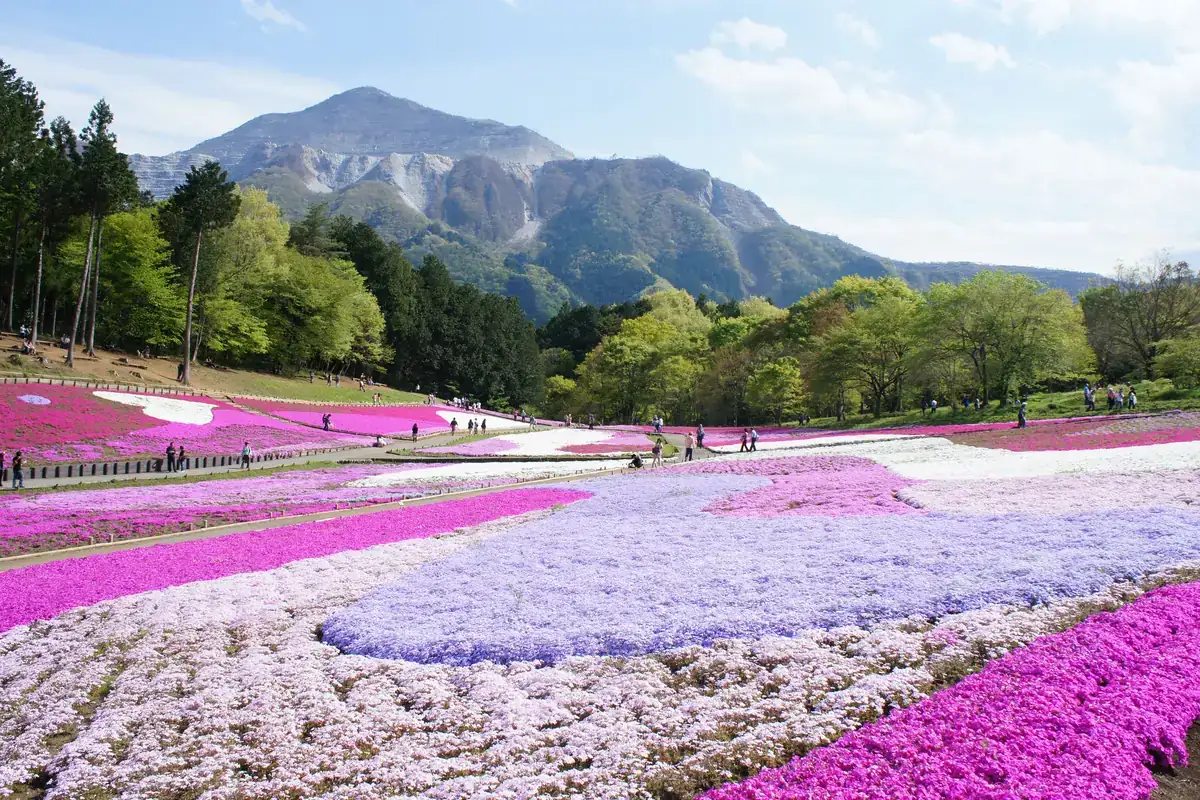
- Spring: Hitsujiyama Park, below Mount Buko, is carpeted with shibazakura, moss phlox, in pink, white and purple.
- Autumn: Tsukinoishi Momiji Park in nearby Nagatoro turns red from early November to early December, five minutes from Kami-Nagatoro Station.
- 2 and 3 December 2026: the Chichibu Night Festival, a UNESCO-listed float festival counted among Japan’s three great float festivals, with fireworks on both nights. Seibu runs extra Laview trains on both days.
Whisky fans should know that Chichibu’s famous distillery does not open to the public; our Japanese whisky tour guide lists the distilleries that do welcome visitors.
Nikko: Toshogu Shrine and the mountain autumn, 1 hour 50 minutes from Asakusa
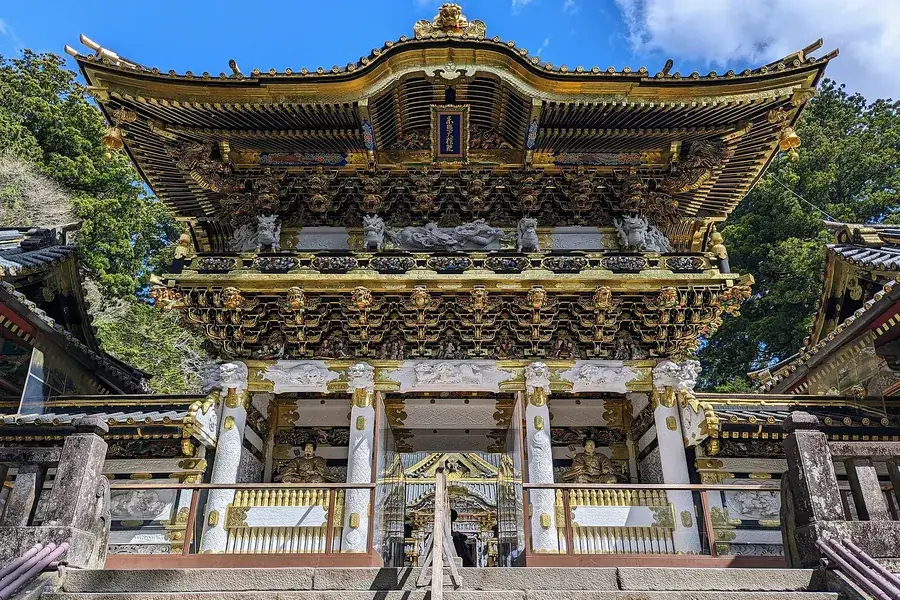
Nikko is the furthest of these trips and the grandest. Its centrepiece, Nikko Toshogu, was founded in 1617 as the shrine of Tokugawa Ieyasu, the first Tokugawa shogun. When Eliza Scidmore made the trip in the 1880s, described in Jinrikisha Days in Japan (1891, chapter XIV), the last stretch ran up an avenue lined “for twenty-seven miles with tall and ancient cryptomerias”, planted when the shoguns chose Nikko as their burial place.
Today, Tobu Railway limited express trains reach Tobu-Nikko from Asakusa in about 1 hour 50 minutes, and JR runs a direct limited express from Shinjuku in about 2 hours. Tobu’s NIKKO PASS world heritage area costs ¥3,000 for adults, valid for two days, and covers the return from Asakusa (as far as Shimo-Imaichi) and Tobu buses around the shrines; limited express tickets cost extra. Toshogu itself charges ¥1,600 for adults and opens from 9am to 5pm from April to October, and 9am to 4pm from November to March.
Nikko’s autumn colour starts in early October at Yumoto Onsen, high in the mountains, peaks around Lake Chuzenji and the Irohazaka road in mid to late October, and reaches the town and shrines in the first half of November. One thing to plan around: the Akechidaira Ropeway, which looks down on Lake Chuzenji and Kegon Falls, is closed for works from 16 January 2026 to 31 August 2027.
Which day trip from Tokyo should you choose?
- Half a day, or a first trip out of the city: Kawagoe or Yokohama.
- Temples and the sea: Kamakura.
- A hot spring and mountain scenery: Hakone, ideally with a night in a ryokan.
- Mount Fuji close up: Lake Kawaguchi, on a clear winter day.
- Festivals and flowers off the usual circuit: Chichibu.
- Ornate shrines in the mountains: Nikko, with an early start.
If you want somewhere less visited than Fuji itself, our guide to alternatives to Mount Fuji for outdoor exploration has more ideas.
Day trips from Tokyo: questions and answers
What is the easiest day trip from Tokyo?
Kawagoe and Yokohama. The fastest Tobu Tojo Line trains reach Kawagoe from Ikebukuro in 26 minutes, and a Tokyu Toyoko Line express reaches Yokohama from Shibuya in about 30 minutes. Both are cheap enough to pay as you go with a Suica or PASMO card, and Tobu sells a ¥1,200 Kawagoe pass that includes local buses.
Can you see Mount Fuji on a day trip from Tokyo?
Yes. Lake Kawaguchi is just under two hours by highway bus from Busta Shinjuku (¥2,200 one way) or about two hours by train. Fuji is often in cloud, so go on a clear day; the cold months from December to February give the best odds. Hakone also has Fuji views from Lake Ashi in clear weather.
Is Nikko worth a day trip from Tokyo?
Yes, with an early start. Tobu limited express trains take about 1 hour 50 minutes from Asakusa, and the ¥3,000 NIKKO PASS world heritage area covers the return and local buses for two days. Allow a good half day for Toshogu and the shrines and temples around it, and note that Toshogu closes at 4pm from November to March.
Is the Japan Rail Pass worth it for day trips from Tokyo?
Not on its own. JR covers Kamakura on the Yokosuka Line and the JR route to Nikko, but Hakone is easiest on Odakyu, Kawagoe and Chichibu on Tobu and Seibu, and the last leg to Lake Kawaguchi is on the Fujikyu Railway, which the pass does not cover. Our JR Pass guide explains when it pays.
Which day trip from Tokyo is best in winter?
Lake Kawaguchi, for the clearest views of Mount Fuji, and Chichibu in early December for the Night Festival on 2 and 3 December. Hakone’s hot springs suit a cold day too. Nikko is further north and higher, and Toshogu closes an hour earlier, at 4pm, from November to March.
How early should I leave Tokyo for a day trip?
For Kamakura, Yokohama and Kawagoe, mid-morning is fine. For Hakone, Lake Kawaguchi, Chichibu and Nikko, aim to be on a train or bus by about 8am: they are one and a half to two hours away, and Toshogu, for example, closes at 4pm or 5pm depending on the season.