For a first trip, the best areas to stay in Tokyo are Shinjuku, for its trains and nightlife, and the Tokyo Station, Marunouchi and Ginza area, for the bullet train and the easiest airport links. Shibuya suits shoppers and night owls, Asakusa and Ueno are the budget pick with the most old Tokyo atmosphere, and Shinagawa is the most practical base for Haneda Airport and Kyoto. Roppongi and Ikebukuro each have their fans.
This guide compares all seven on train lines and airport journey times, then names hotels in each, from a capsule bed to a five-star suite, with links to their official websites. It also explains Tokyo’s accommodation tax, which changes on 1 April 2027.
Best Areas to Stay in Tokyo, Area by Area
Best neighbourhoods to stay in Tokyo at a glance
Journey times by train from the airports are the figures given by GO TOKYO, the city’s official tourism site, and are the fastest normal route.
| Area | Best for | Main lines | From Haneda by train | From Narita by train | Hotels listed below |
|---|---|---|---|---|---|
| Shinjuku | First-timers, nightlife, trips to Hakone and Mount Fuji | JR Yamanote and Chuo, Odakyu, Keio, Marunouchi, Oedo | 55 minutes | 1 hour 35 minutes | ¥ to ¥¥¥ |
| Shibuya | Shopping, bars, young crowd | JR Yamanote, Tokyu Toyoko (to Yokohama), Keio Inokashira, Ginza, Hanzomon, Fukutoshin | 45 minutes | 1 hour 40 minutes | ¥ to ¥¥¥ |
| Tokyo Station, Marunouchi and Ginza | Shinkansen, Imperial Palace, department stores | JR Yamanote and all Shinkansen lines, Narita Express, Marunouchi, Ginza, Hibiya | About 50 minutes (to Ginza) | 53 minutes on the Narita Express (to Tokyo Station) | ¥¥ to ¥¥¥ |
| Asakusa and Ueno | Budget stays, temples, museums, Narita by Skyliner | Ginza, Hibiya, Toei Asakusa, Tobu Skytree, JR Yamanote at Ueno, Keisei Skyliner | 50 minutes | 1 hour 20 minutes to Ueno; 41 minutes on the Skyliner to Keisei Ueno | ¥¥ |
| Roppongi and Akasaka | Nightlife, art museums | Hibiya, Oedo, Chiyoda (Nogizaka); not on the Yamanote Line | 50 minutes | No direct train; change once | ¥ to ¥¥¥ |
| Ikebukuro | Lower prices, anime shops, trips to Kawagoe and Chichibu | JR Yamanote and Saikyo, Tobu Tojo, Seibu Ikebukuro, Marunouchi, Yurakucho, Fukutoshin | 1 hour | 1 hour 30 minutes | ¥¥ |
| Shinagawa | Haneda Airport, Shinkansen to Kyoto and Osaka | JR Yamanote, Tokaido Shinkansen, Keikyu (to Haneda), Yokosuka (to Kamakura) | 35 minutes | 1 hour 40 minutes | ¥¥ |
Price bands used below: ¥ is a dormitory bed, capsule or cabin; ¥¥ is a mid-range or business hotel or a small ryokan; ¥¥¥ is a luxury hotel. Tokyo room rates change daily with demand, so check the hotel’s own site for your dates.

Where to stay in Tokyo for the first time: Shinjuku
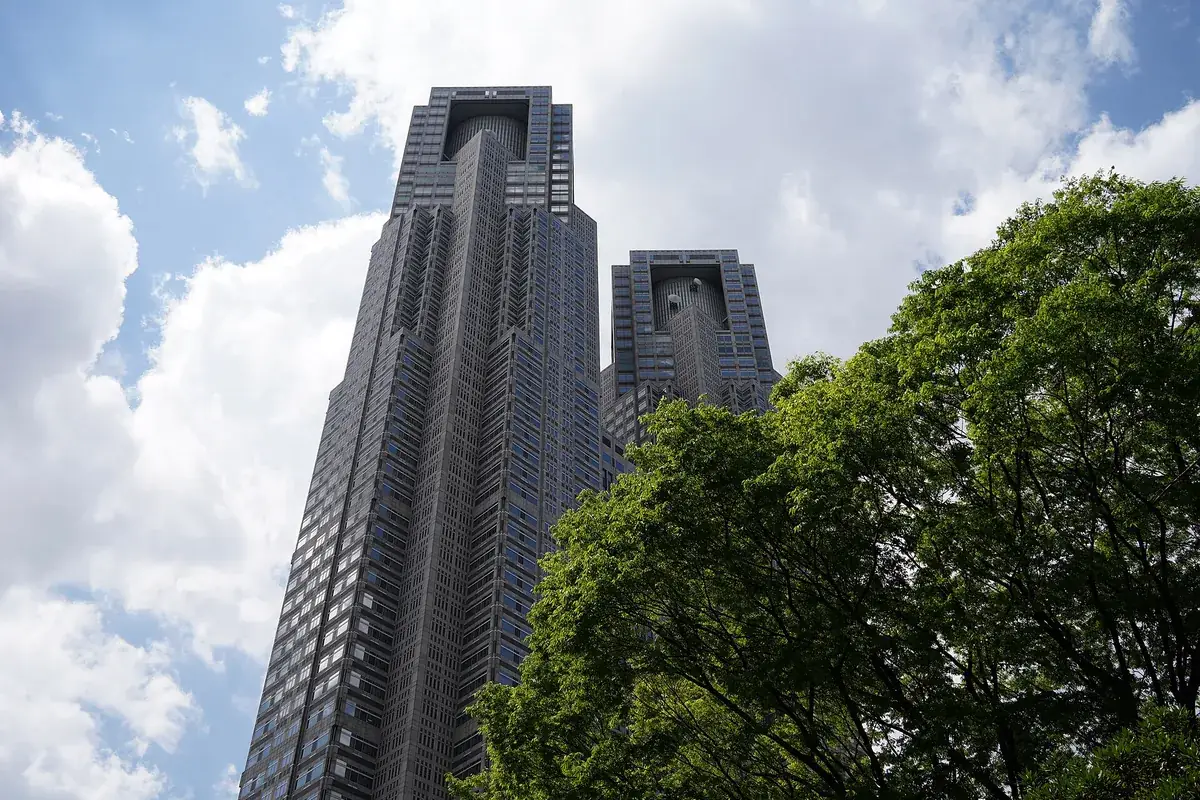
Shinjuku is the easiest base for a first visit. Its station is served by the JR Yamanote and Chuo lines, the Odakyu and Keio private railways and three subway lines, so almost anywhere in the city is one ride away. The Odakyu Romancecar to Hakone and the highway buses to Lake Kawaguchi leave from here too. The skyscraper hotels sit west of the station, near the free observation decks of the Tokyo Metropolitan Government Building; cheaper hotels cluster east of the station and around Kabukicho, the nightlife district, where you should walk past any street tout who offers to take you to a bar.
- Keio Plaza Hotel Tokyo (¥¥¥). A large skyscraper hotel at 2-2-1 Nishi-Shinjuku, a 5-minute walk from the West Exit through the underground passage and a minute from Tochomae Station.
- Hotel Gracery Shinjuku (¥¥). The hotel with the Godzilla head on its terrace, in the Shinjuku Toho Building at 1-19-1 Kabukicho, 5 minutes from the JR East Exit and 3 minutes from Seibu-Shinjuku. It sells Godzilla-themed rooms and a “Godzilla floor” on the top, 30th, floor.
- UNPLAN Shinjuku (¥). A hostel with dormitory beds and semi-private rooms, 8 minutes from Shinjuku-sanchome Station and close to Shinjuku Gyoen and Golden Gai.
For what to do on your doorstep, see our guide to things to do in Shinjuku, organised by station exit.
Shibuya: for shopping, bars and the Inokashira Line
Shibuya is the other big western hub, on the JR Yamanote Line, three subway lines, the Tokyu Toyoko Line to Yokohama and the Keio Inokashira Line, which runs to Shimokitazawa and on to Kichijoji. It is busier and younger than Shinjuku, and its hotels are mostly within a few minutes of the station.
- Shibuya Stream Excel Hotel Tokyu (¥¥¥). In the Shibuya Stream building at 3-21-3 Shibuya, a short walk from the station.
- sequence MIYASHITA PARK (¥¥). A hotel at the Miyashita Park complex, 3 minutes from Exit B1 of the Tokyo Metro station and 7 minutes from the JR Hachiko Exit.
- Hotel Graphy Shibuya (¥ to ¥¥). A hotel with a rooftop terrace and both private rooms and dormitory beds; we stayed there and wrote up what Hotel Graphy Shibuya is like.
Our Shibuya guide lists more hotels in the area, along with what to see and eat. If you would rather sleep somewhere quieter on the same line, our Shimokitazawa guide covers the vintage shops and live music a few stops out on the Inokashira Line.
Tokyo Station, Marunouchi and Ginza: for the Shinkansen and Narita Express
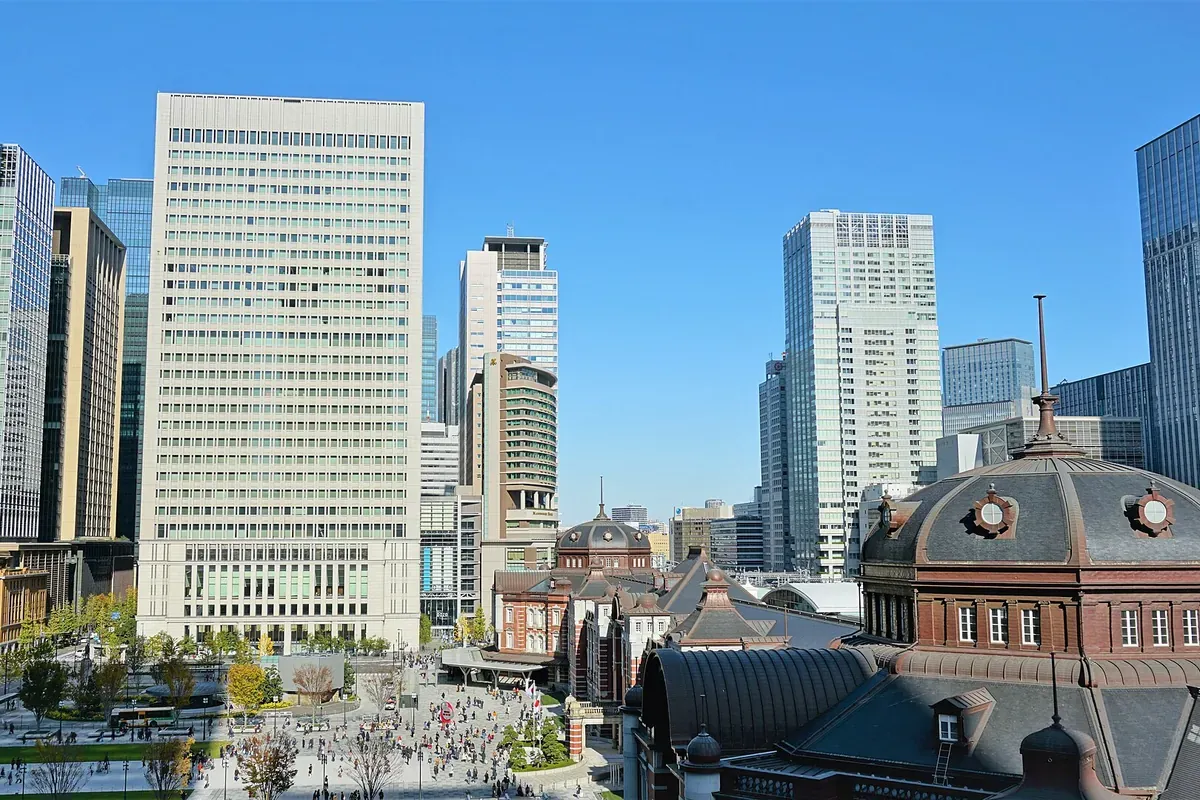
The area around Tokyo Station is the most convenient place to stay for long-distance travel. Every Shinkansen line starts here, and the fastest Narita Express takes 53 minutes from Narita Airport. The Imperial Palace is a short walk west through Marunouchi, and Ginza’s department stores are a walk south. The catch is price: japan-guide’s hotel guide notes that low-budget options are not available right by the station.
- Palace Hotel Tokyo (¥¥¥). 266 rooms and 18 suites facing the moats and gardens of the Imperial Palace.
- The Tokyo Station Hotel (¥¥¥). Inside the historic red-brick Marunouchi station building at 1-9-1 Marunouchi, and open for more than a century.
- MUJI HOTEL GINZA (¥¥¥). The lifestyle brand’s own hotel, from the 6th floor of its Ginza flagship at 3-3-5 Ginza.
- Hotel Ryumeikan Tokyo (¥¥). A 3-minute walk from Tokyo Station.
- Dormy Inn Premium Ginza (¥¥). A business hotel chain known for its in-house hot spring baths, 4 minutes from Exit 4 of Higashi-ginza Station and 11 minutes from JR Shimbashi.
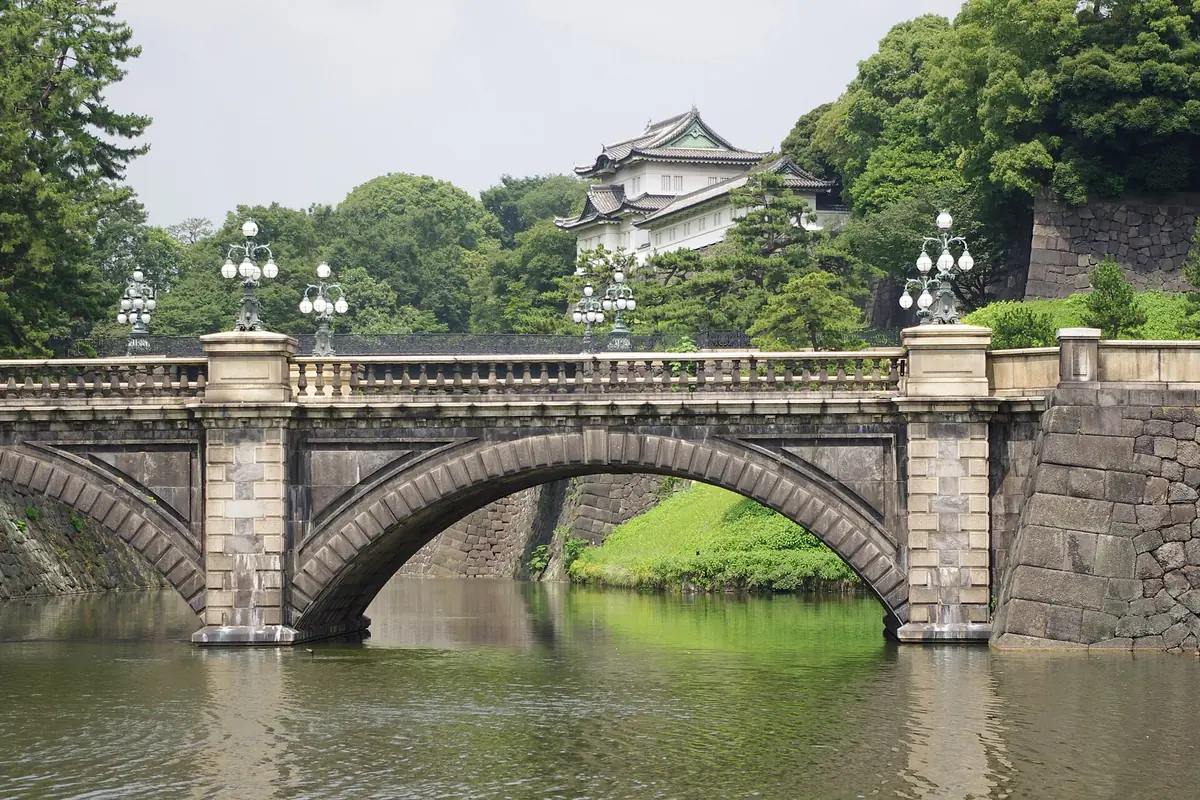
For the area’s sights, see our guides to the Tokyo Imperial Palace and to Ginza, which lists more hotels there.

Asakusa and Ueno: budget stays, old Tokyo and the Skyliner
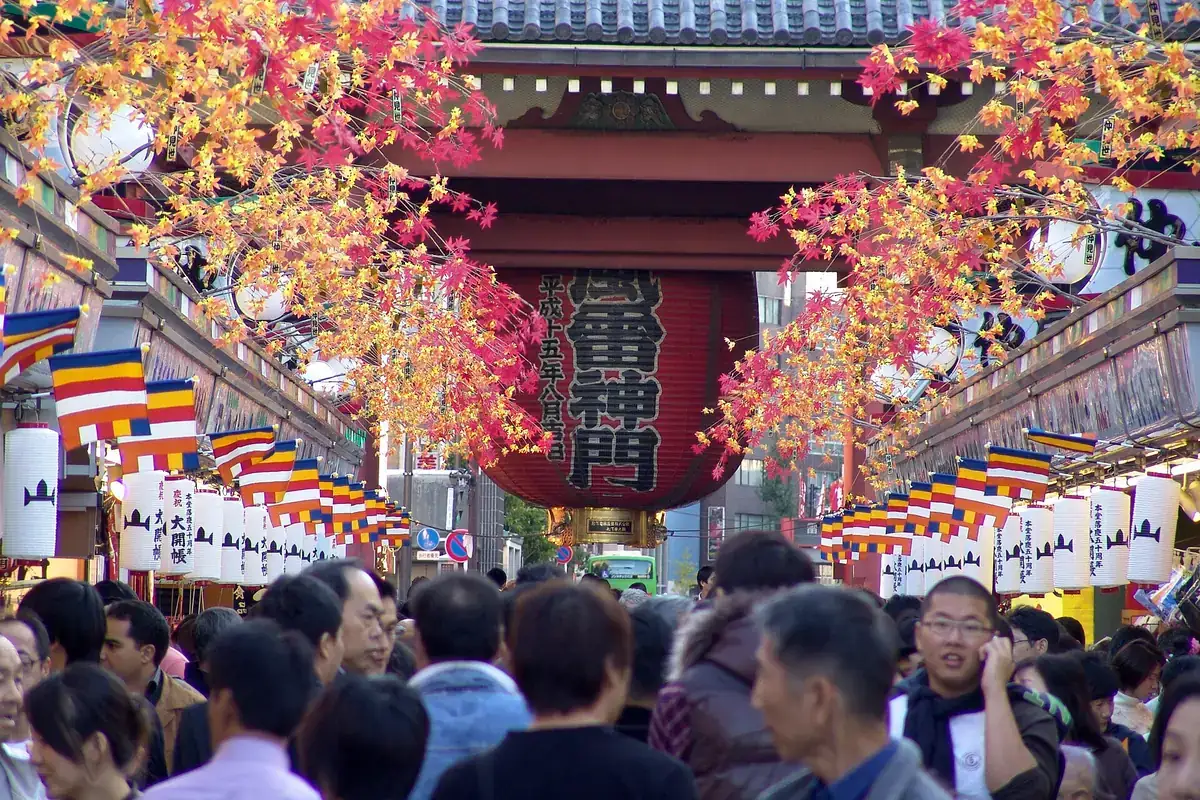
East Tokyo is where the money goes furthest. Asakusa has Senso-ji temple, the Sumida River and views of Tokyo Skytree; Ueno has its park, its museums and the Ameyoko market street. Both are a few stops from the Yamanote Line or on it. For Narita, this is the best side of the city: the Keisei Skyliner reaches Nippori in as little as 36 minutes and Keisei Ueno in 41.
- Asakusa View Hotel (¥¥). A tower hotel at 3-17-1 Nishi-Asakusa with rooms on a Skytree view side and a city view side looking towards Shinjuku and, on clear days, Mount Fuji.
- Ryokan Kamogawa Asakusa (¥¥). A small ryokan 3 minutes on foot from Senso-ji and the Kaminarimon gate. Our Ryokan 101 guide explains the etiquette before you book.
- NOHGA HOTEL UENO TOKYO (¥¥). A design hotel at 2-21-10 Higashi-Ueno, east of Ueno Station.
Our Ueno guide lists more hotels there and covers the museums and Ueno Zoo.
Roppongi and Akasaka: nightlife and art, off the Yamanote Line
Roppongi is one of Tokyo’s best-known nightlife districts and home to several of its major art museums. Its drawback as a base is that it is not on the JR Yamanote Line: you rely on the Hibiya and Oedo subway lines, and on the Chiyoda Line at nearby Nogizaka. There is no direct train from Narita.
- The Ritz-Carlton, Tokyo (¥¥¥). In Tokyo Midtown at 9-7-1 Akasaka, near Roppongi Station.
- Mitsui Garden Hotel Roppongi Tokyo Premier (¥¥). At 3-15-17 Roppongi, 5 minutes from Exit 5 of Roppongi Station.
- First Cabin Akasaka (¥). A step up from a capsule, with separate men’s and women’s floors, a minute from Exit 2 of Akasaka Station.
For the galleries within walking distance, see our guide to the best art museums in Tokyo.
Ikebukuro: lower prices and the trains to Kawagoe and Chichibu
Ikebukuro is one of the city’s biggest stations and among the cheaper places to stay on the Yamanote Line. It is the start of the Tobu Tojo Line to Kawagoe and the Seibu Ikebukuro Line to Chichibu, and the Sunshine City complex is a short walk east.
- Hotel Metropolitan Tokyo Ikebukuro (¥¥). 3 minutes from the West Exit (South).
- Sunshine City Prince Hotel (¥¥). A 1,085-room tower in the Sunshine City complex, with a themed floor for fans of Japanese pop culture.
Shinagawa: closest to Haneda and the Kyoto bullet train
Shinagawa has little sightseeing, but it is one of the most practical bases in Tokyo. GO TOKYO puts Haneda Airport 35 minutes away by train, the Tokaido Shinkansen to Kyoto and Osaka stops here, and the JR Yokosuka Line runs straight to Kamakura. It suits a last night before an early flight, or a first night after a late one.
- Shinagawa Prince Hotel (¥¥). A large hotel two minutes from the station’s Takanawa Exit, with an airport bus.
- Keikyu EX Inn Shinagawa-Ekimae (¥¥). A business hotel about 3 minutes on foot from Shinagawa Station.
Getting from Narita and Haneda to your Tokyo hotel
| From | Route | Fastest time | Best for |
|---|---|---|---|
| Narita | Narita Express (JR) | 53 minutes to Tokyo Station; some trains continue to Shinjuku | Tokyo Station, Shinjuku |
| Narita | Keisei Skyliner | 36 minutes to Nippori, 41 minutes to Keisei Ueno | Ueno, Asakusa, Yanaka |
| Narita | Airport Limousine and other coaches | About 1 hour 20 minutes to Tokyo Station; about 2 hours to Shinjuku | Heavy luggage; hotels on the bus routes |
| Haneda | Keikyu Line | 35 minutes to Shinagawa (GO TOKYO) | Shinagawa |
| Haneda | Airport Limousine and other coaches | 30 to 55 minutes to Tokyo Station, depending on the service and terminal | Tokyo Station, Shinjuku |
JR East sells a N’EX Tokyo Round Trip Ticket for ¥5,200, valid for one trip each way within 14 days. If you arrive in Japan by Shinkansen instead, base yourself at Tokyo Station or Shinagawa. Travelling around the city, a Suica or PASMO card saves buying single tickets: see our guide to Suica and PASMO.
Tokyo accommodation tax: ¥100 or ¥200 now, 3% from 1 April 2027
Tokyo charges its own accommodation tax on top of the room rate. Hotels and ryokan collect it, and some ask for it separately at the front desk. The Tokyo Metropolitan Government Bureau of Taxation sets the rates:
| Until 31 March 2027 | From 1 April 2027 | |
|---|---|---|
| Who pays | Guests at hotels and ryokan | Guests at hotels, ryokan, hostels and other simple lodgings, and registered private rentals (minpaku) |
| Rate per person per night | ¥100 if the room rate is ¥10,000 to ¥14,999; ¥200 if ¥15,000 or more | 3% of the room rate |
| Exempt | Room rates under ¥10,000 per person per night | Room rates under ¥13,000 per person per night |
As an example, a room at ¥20,000 per person per night pays ¥200 tax today and ¥600 from April 2027.
If you book a private rental, GO TOKYO advises checking that it is legal. A registered Tokyo listing shows a registration number beginning “M13”, or a permit number written with kanji or hiragana. Unregistered places risk sudden cancellation and poor fire safety, and they are still listed on some well-known booking sites.
Areas to think twice about: Odaiba and the far suburbs
Odaiba, on reclaimed land in Tokyo Bay, has resort-style hotels, but both japan-guide and Lonely Planet describe it as an inconvenient base for seeing the rest of the city. The same goes for cheap hotels a long way out on suburban lines: the money you save goes on fares and time. Kabukicho in Shinjuku is fine to stay in, but read our Kabukicho guide on touts and bar scams first.
Combining Tokyo with Kyoto and Osaka
Most first trips to Japan pair Tokyo with Kyoto and Osaka. If you are planning those legs too, our guides to where to stay in Kyoto and where to stay in Osaka do the same job for those cities. And if you are using Tokyo as a base for excursions, our guide to day trips from Tokyo shows which station each trip leaves from, which can decide the area for you.
Where to stay in Tokyo: questions and answers
What is the best area to stay in Tokyo for first-timers?
Shinjuku or the Tokyo Station and Ginza area. Shinjuku has the most train lines, the widest range of hotels and easy trips to Hakone and Mount Fuji. Tokyo Station has every Shinkansen line and the Narita Express, at higher hotel prices. Asakusa and Ueno are the better choice on a tight budget or for Narita by Skyliner.
Is it better to stay in Shinjuku or Shibuya?
Both are on the JR Yamanote Line, seven minutes apart. Shinjuku has more lines and hotels, including skyscraper hotels and budget hostels, and direct services to Hakone and Lake Kawaguchi. Shibuya is busier with shoppers and bars and has the Tokyu Toyoko Line to Yokohama and the Inokashira Line to Shimokitazawa and Kichijoji.
Where should I stay in Tokyo for Haneda Airport?
Shinagawa. GO TOKYO puts it 35 minutes from Haneda by train, and it is a Tokaido Shinkansen stop for Kyoto and Osaka. For a very early flight, the airport has hotels in its terminals. For Narita, Ueno is better, with the Keisei Skyliner reaching Keisei Ueno in 41 minutes.
How much is the hotel tax in Tokyo?
Until 31 March 2027, ¥100 per person per night on room rates of ¥10,000 to ¥14,999 and ¥200 on rates of ¥15,000 or more, with nothing to pay below ¥10,000. From 1 April 2027 the rate becomes 3% of the room rate, with stays under ¥13,000 exempt, and it extends to hostels and private rentals.
Is Asakusa a good place to stay in Tokyo?
Yes, especially on a budget. Asakusa has many inexpensive hotels, ryokan and hostels, Senso-ji on the doorstep, and GO TOKYO puts both airports within about 1 hour 25 minutes by train. It is a few subway stops off the Yamanote Line, so allow a little longer to reach Shinjuku (about 35 minutes, GO TOKYO) or Shibuya.
Is it safe to stay in Kabukicho?
Kabukicho is busy, brightly lit and heavily policed, and many visitors stay in its hotels without trouble. The UK Foreign Office warns about drink spiking and card fraud in its bars. Never follow a street tout, check prices before you sit down, and keep track of what you order.