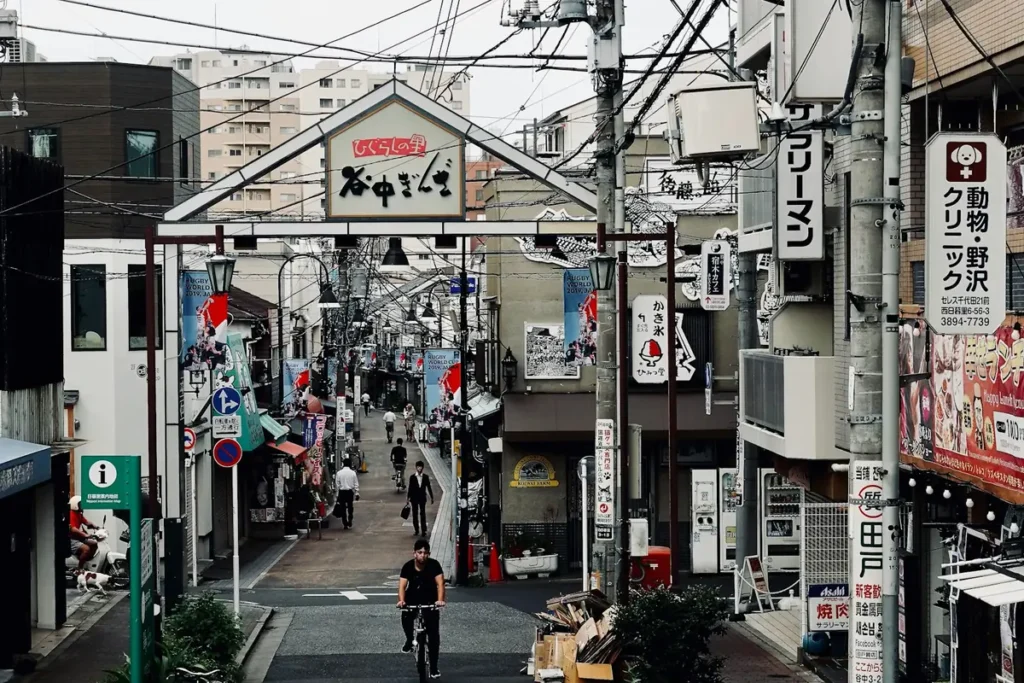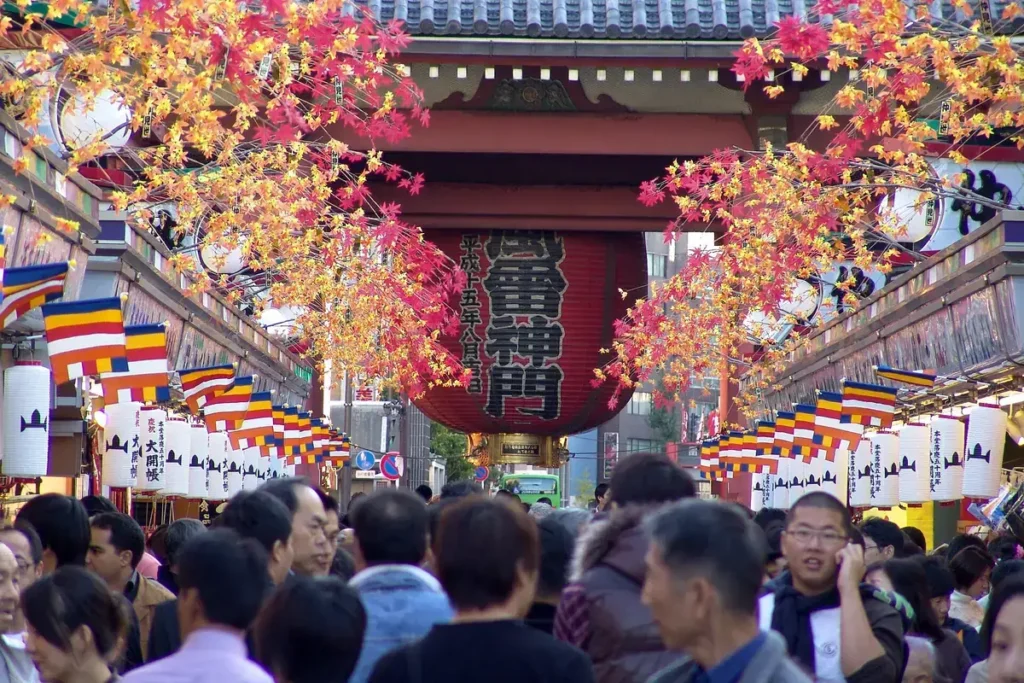
The best things to do in Nagoya are the gold-screened Hommaru Palace at Nagoya Castle, Atsuta Jingu shrine, the 1,200 shops of Osu and a meal of the city’s own dishes, from hitsumabushi eel to miso katsu. It is 1 hour 37 minutes from Tokyo and 53 minutes from Shin-Osaka by Shinkansen, which makes it an easy stop between the two, and it is the base for Ghibli Park and the original castle keep at Inuyama.
One thing to know before you plan: Nagoya Castle’s famous keep is closed inside, and has been for years, while the city works out how to rebuild it in wood. The Hommaru Palace beside it is open, and it is the reason to go.
Nagoya Castle, Food and Day Trips at a Glance
| Where | Aichi Prefecture, central Japan, on the Tokaido Shinkansen between Tokyo and Osaka |
| By Shinkansen | Tokyo 1 hour 37 minutes, Shin-Osaka 53 minutes, both to Nagoya Station |
| From the airport | Chubu Centrair International Airport to Meitetsu Nagoya Station: 28 to 35 minutes on the Meitetsu μSKY or Limited Express |
| Nagoya Castle | 9am to 4:30pm, ¥1,000 adults from 1 October 2026, junior high age and under free. The keep is closed inside; the Hommaru Palace is open |
| Eat | Hitsumabushi (grilled eel on rice), miso katsu, tebasaki (chicken wings), kishimen (flat noodles) |
| Time needed | Two days for the city, plus a day for Ghibli Park or Inuyama |
Nagoya Castle and the Hommaru Palace
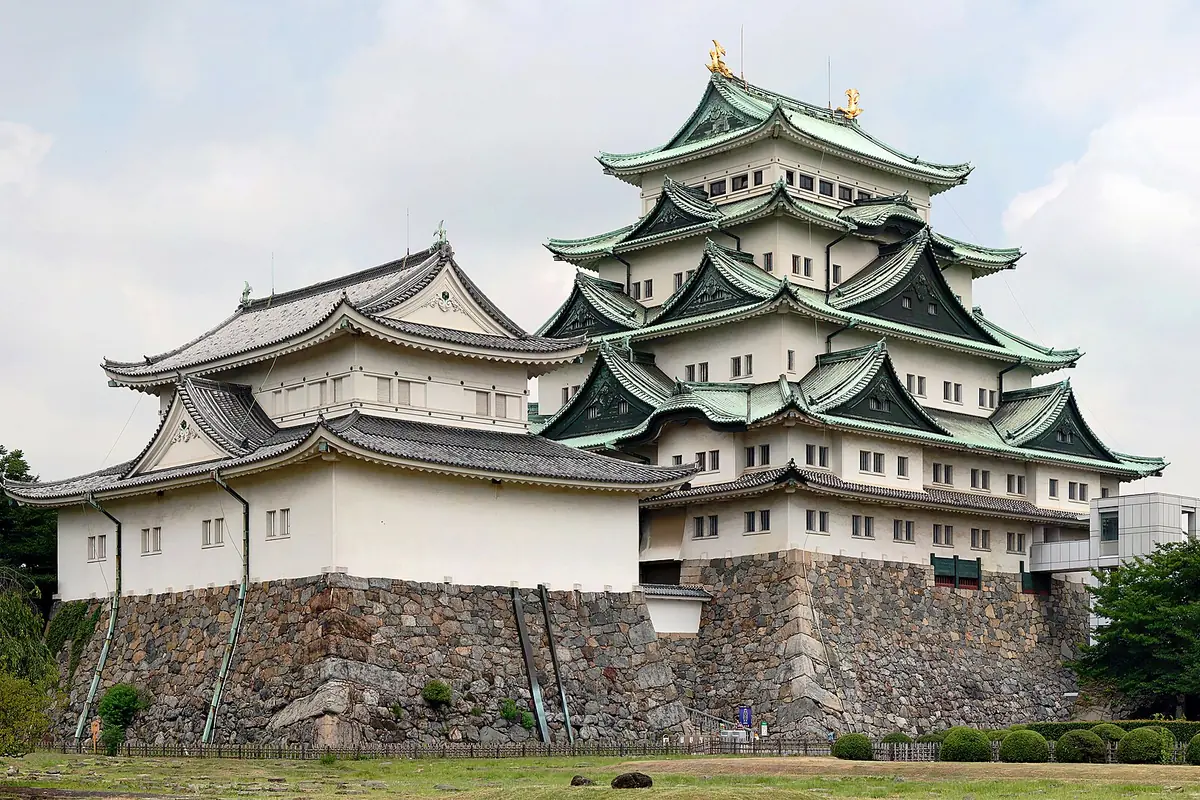
Tokugawa Ieyasu completed Nagoya Castle in 1615, with a keep that had the largest floor space of any in Japan, topped with golden shachihoko, the tiger-headed fish that sit on its roof. Frank Brinkley’s A History of the Japanese People (1915, chapter XXXVIII) records that twenty great lords took part in building it. In 1930 it became the first castle designated a National Treasure. Air raids destroyed the keep and many other buildings in 1945, and the keep you see today is a steel and reinforced concrete rebuild from 1959.
That 1959 keep is now closed inside because of its weak earthquake resistance. Nagoya City plans to rebuild it in wood from the castle’s detailed surviving records, but no date has been set. In May 2025 the city published a review of how the project had been run, after a public debate on step-free access to the new keep ended in controversy. You can still walk around it and photograph the golden shachihoko from the grounds.
The golden fish have their own story. The writer Eliza Scidmore, visiting in the 1880s, heard how one shachihoko was taken down and sent to the Vienna Exposition of 1873, sank with the steamer Nil on the way home, and was hauled up from the seabed months later to go back on the roof (Jinrikisha Days in Japan, 1891, chapter XX).
Hommaru Palace, rebuilt and reopened in 2018
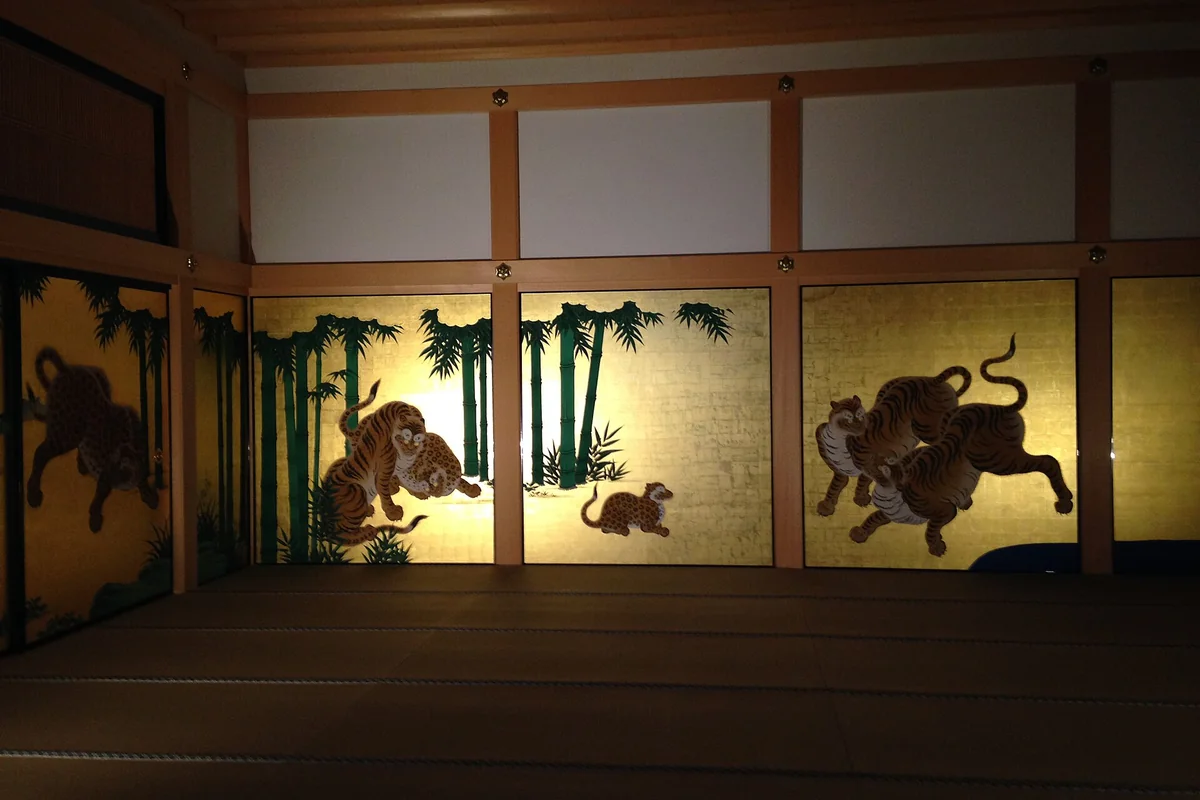
The Hommaru Palace was home to Tokugawa Ieyasu’s son, the first lord of Owari, who received the shogun’s envoys there. Scidmore found its rooms “musty and gloomy from long neglect” but still glowing with gold-leaf paintings. Destroyed in 1945, it has been rebuilt in Japanese cypress, with its painted sliding doors and metal fittings recreated by master craftsmen and artists, and it was completed and opened in 2018. Entry is included in your castle ticket.
- Shoes come off at the entrance, and there are free lockers for large bags.
- No flash photography, no food or drink and no phone calls.
- There are no toilets or air conditioning inside, to keep the Edo-period feel.
- It opens 9am to 4pm. It is about a 10-minute walk from the Main Gate or East Gate, so be at the palace door before 4pm.
- On Saturday 31 October 2026 the castle’s own website showed a 40-minute wait for the palace, so arrive early at weekends.
Nagoya Castle tickets, tours and getting there
| Ticket | Price from 1 October 2026 |
|---|---|
| Adult | ¥1,000 (was ¥500) |
| Junior high school age and under | Free |
| Combination ticket with Tokugawaen garden (cash only) | ¥1,040 |
| One year pass | ¥4,000 |
The castle opens 9am to 4:30pm (last entry 4pm) and closes 29 December to 1 January. You can pay by card or transport IC card at the gate. Volunteer guides from the Aichi Goodwill Guides Network run free English tours at 12:30pm every day from the Main Gate and East Gate, except 29 December to 4 January. Take the Meijo subway line to Nagoyajo Station, Exit 7, and walk five minutes. Ticket details are on the official visitor information page.
In spring the grounds hold about 1,000 cherry trees of 10 varieties, lit up and open after dark during the Cherry Blossom Festival, and in autumn the Ninomaru Garden turns red and gold until early December.


Map of Nagoya Castle
Atsuta Jingu: the shrine of the Kusanagi sword
Atsuta Jingu’s history begins with the enshrining of Kusanagi no Tsurugi, the grass-cutting sword that is one of the three sacred treasures of the imperial regalia. Locals call it “Atsuta-san”, close to 7 million people visit a year, and it stands in Atsuta Forest, a wooded shrine grove in the south of the city. The shrine is open around the clock to pray, and entry is free.
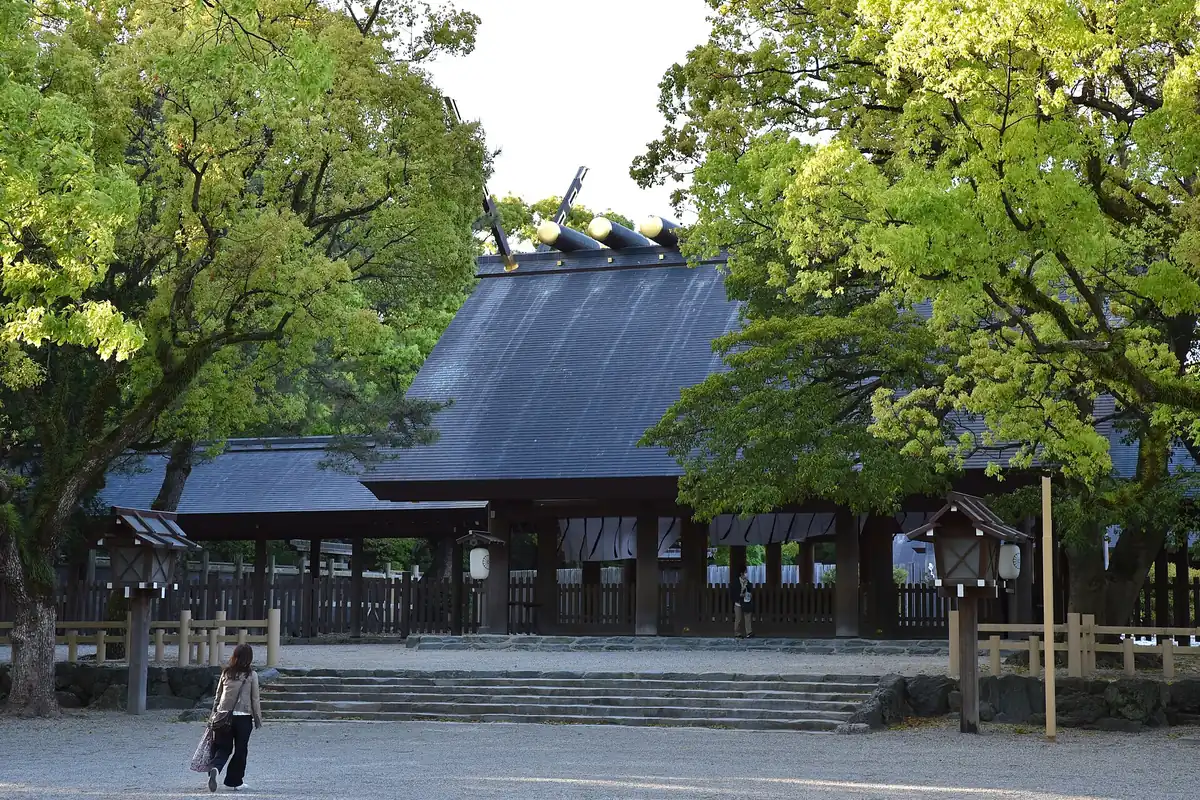
Warlords prayed here too. Frank Brinkley’s 1915 history describes Oda Nobunaga’s troops worshipping at Atsuta before the surprise attack that killed the invading warlord Imagawa Yoshimoto (chapter XXXIV).
- Treasure Hall: 9am to 4:30pm (last entry 4:10pm), ¥500, closed on the last Wednesday of each month and the day after, and 25 to 31 December.
- Getting there: Jingu Nishi Station on the Meijo subway line, or Jingu-mae Station on the Meitetsu line.
- Eat here: Miya Kishimen, a noodle maker founded in 1923, has a shop inside the shrine grounds, and Atsuta Horaiken’s Jingu branch is a 3-minute walk from Jingu-temmacho Station (more on both below).
Map of Atsuta Jingu



Osu: Osu Kannon and 1,200 shops
Osu is a huge shopping district with more than 1,200 shops and restaurants: electrical shops, second-hand clothing stores, restaurants and cafes side by side, and always crowded. It grew up around Osu Kannon, a temple that Tokugawa Ieyasu had moved here from Mino Province in 1612.
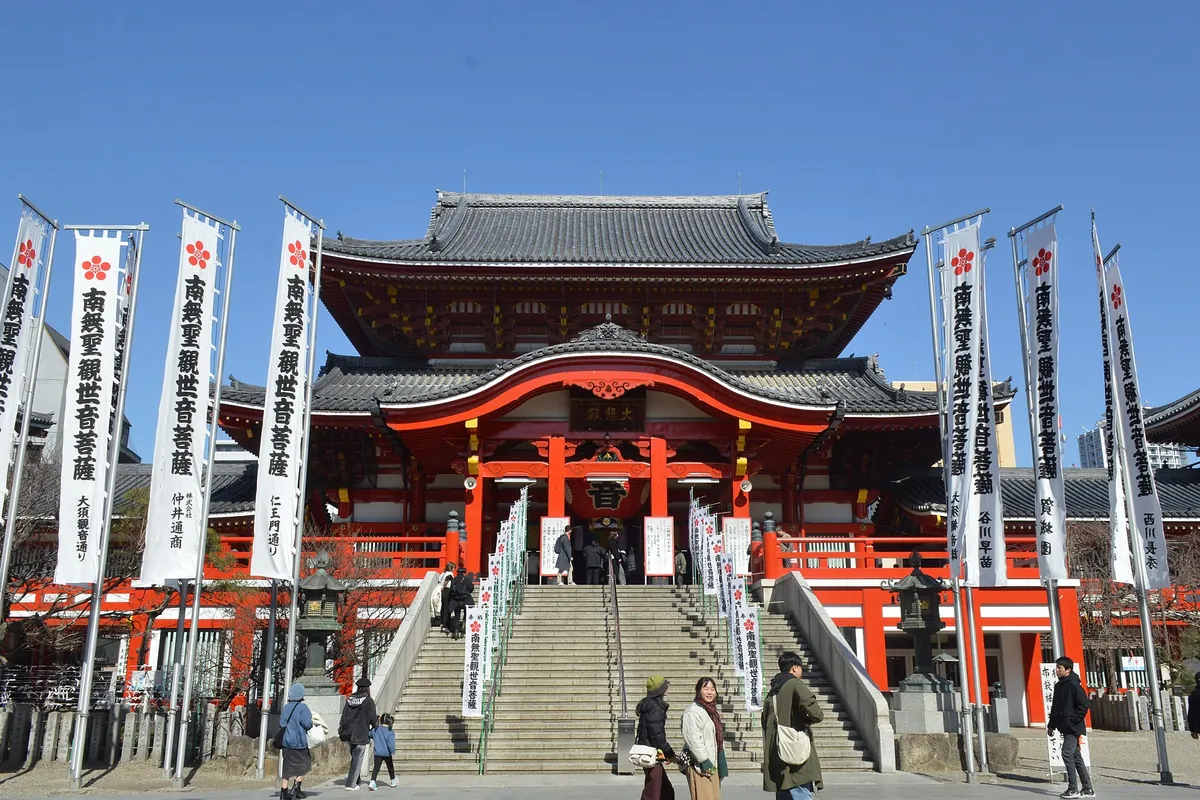
Come on the 18th or 28th of any month for the antiques market in the temple grounds. The main hall is open 6am to 7pm. The district holds the Osu Summer Festival in August and the Osu Daido-chonin Festival, a street parade, in October. Get off at Osu Kannon Station on the Tsurumai line or Kamimaezu Station on the Tsurumai and Meijo lines. Yabaton’s original miso katsu restaurant is in the district too.
Nagoya food: four dishes and where to eat them
Nagoya has its own food culture, known as Nagoya meshi. These are the four dishes to try, each with a restaurant that has a real claim to it. For more on Aichi’s miso dishes, see our regional food map of Japan.
| Dish | What it is | Where to eat it |
|---|---|---|
| Hitsumabushi | Grilled eel cut into strips over rice in a wooden tub, eaten plain, then with condiments, then as ochazuke with broth or tea poured over | Atsuta Horaiken, founded in 1873, which holds the trademark on the name. Main restaurant at 503 Godo-cho, Atsuta Ward, 7 minutes from Jingu-temmacho Station; closed Wednesdays and the second and fourth Thursdays |
| Miso katsu | A breaded pork cutlet covered in a dark miso sauce | Yabaton, using a secret miso sauce recipe since 1947. Yabacho main restaurant at 3-6-18 Osu, Naka Ward, 11am to 9pm, open every day, 5 minutes from Yabacho Station Exit 4 |
| Tebasaki | Fried chicken wings | Furaibo, which says it created the dish in Nagoya in 1963, or Sekai no Yamachan, known for its peppery “Maboroshi no Tebasaki” |
| Kishimen | Nagoya’s flat noodles | Miya Kishimen, founded in 1923, which has a shop inside the grounds of Atsuta Jingu |
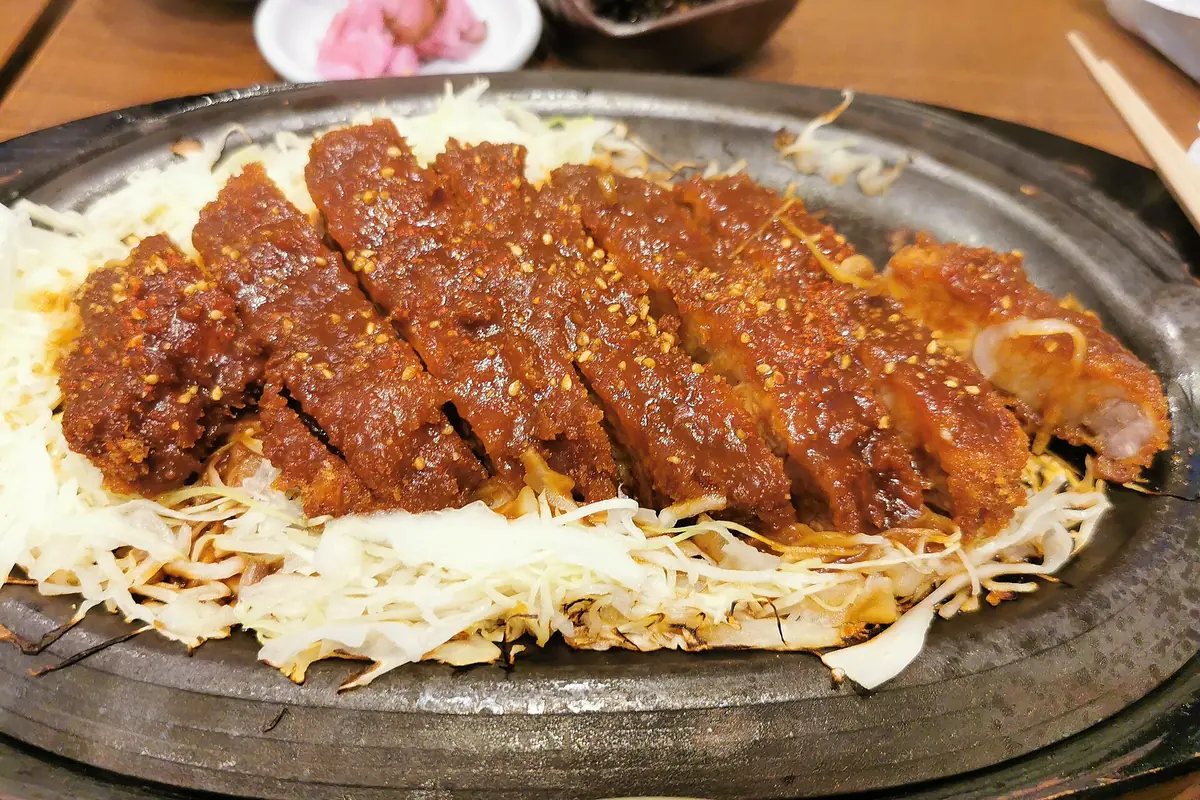
Atsuta Horaiken says the custom of eating hitsumabushi in stages, with condiments and then as ochazuke, dates from the Meiji period. Its Jingu branch, at 2-10-26 Jingu just south of the shrine, serves lunch 11:30am to 2:30pm and dinner 4:30pm to 8:30pm (last orders), and closes Tuesdays and the second and fourth Mondays. Another way to eat it, at Hitsumabushi Nagoya Bincho in the Dai Nagoya Building by Nagoya Station, is in our guide to Japan’s best local dishes.
Toyota Commemorative Museum and SCMAGLEV and Railway Park
Nagoya is a manufacturing city, and two museums tell that story.
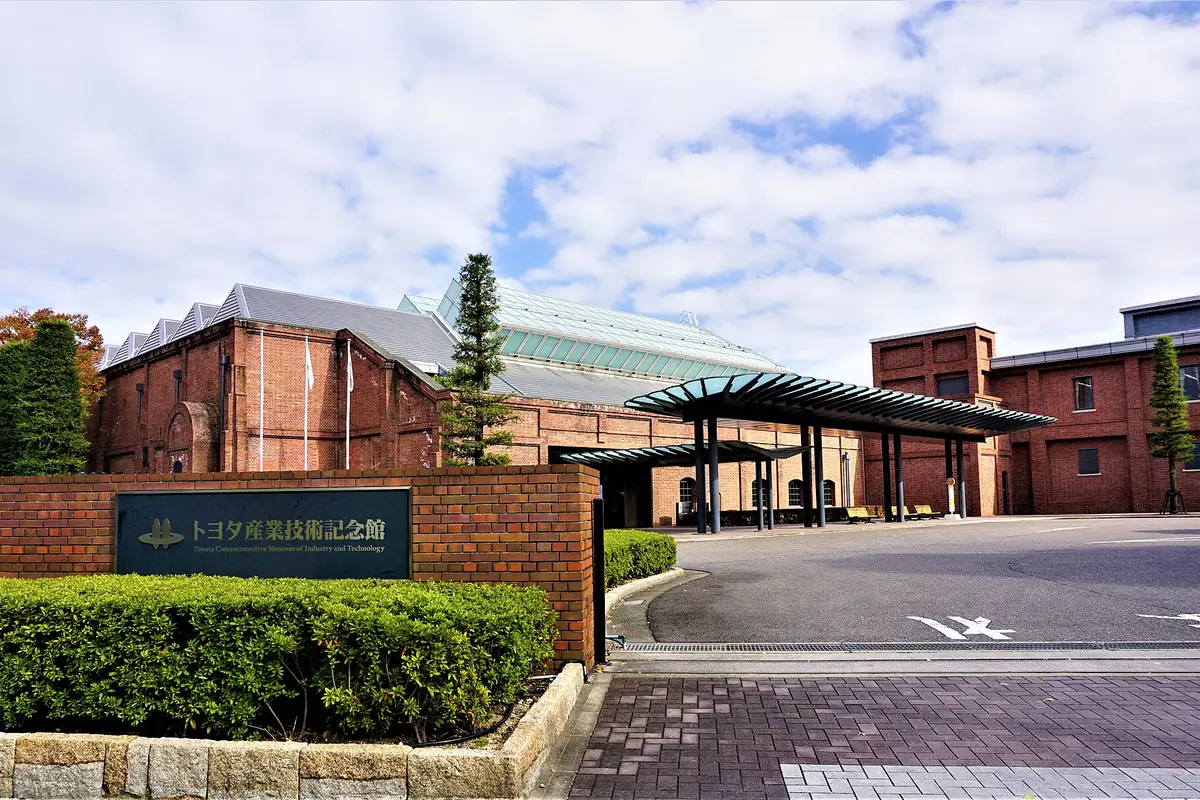
The Toyota Commemorative Museum of Industry and Technology fills the original early 20th century red-brick plant where the Toyota Group began. It covers the textile machinery the group started with and then its cars, with real machines demonstrated. Entry is ¥1,000 for adults, it opens 9:30am to 5pm (last entry 4:30pm) and it closes on Mondays. It is a 3-minute walk from Sako Station on the Meitetsu Nagoya Line (museum admission page).
SCMAGLEV and Railway Park is JR Central’s railway museum by the port, with 39 trains on display, from conventional trains to maglev test cars, train simulators and what it calls the largest railway diorama in Japan. Adults pay ¥1,200, it opens 10am to 5:30pm and it closes on Tuesdays. Take the Aonami Line from Nagoya Station to Kinjofuto, about 24 minutes, and walk two minutes (opening hours and fees).
Ghibli Park day trip from Nagoya
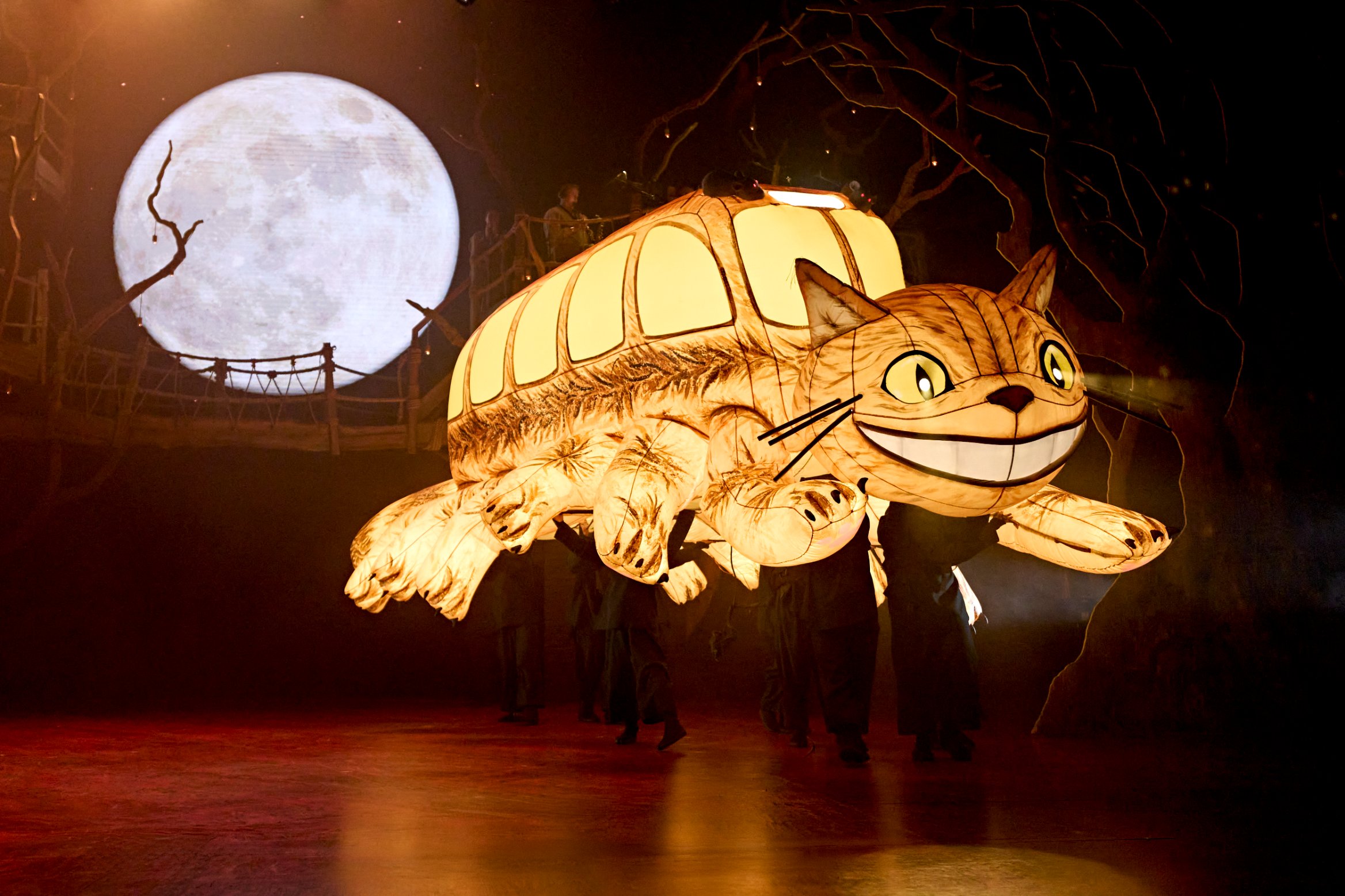
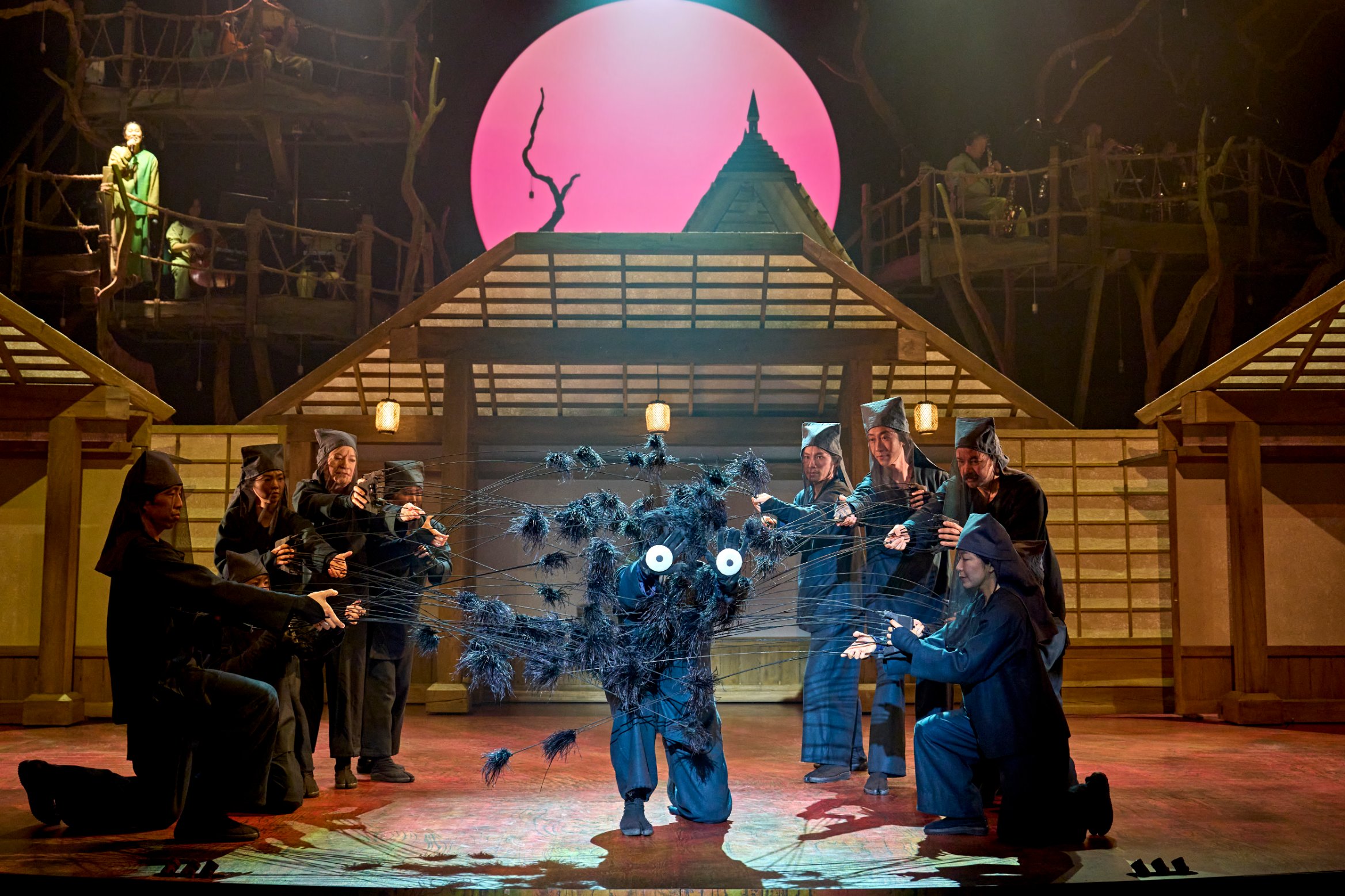
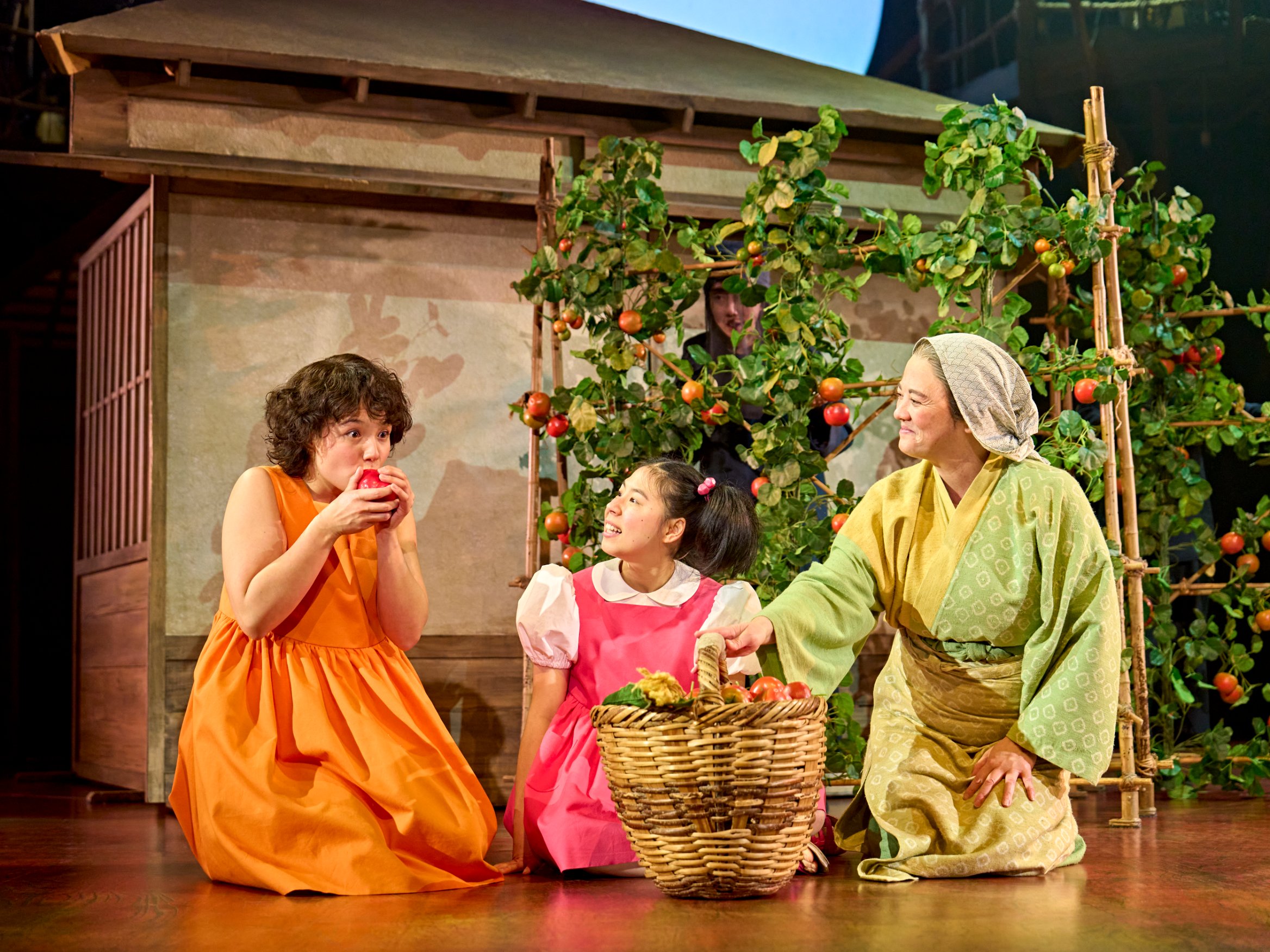
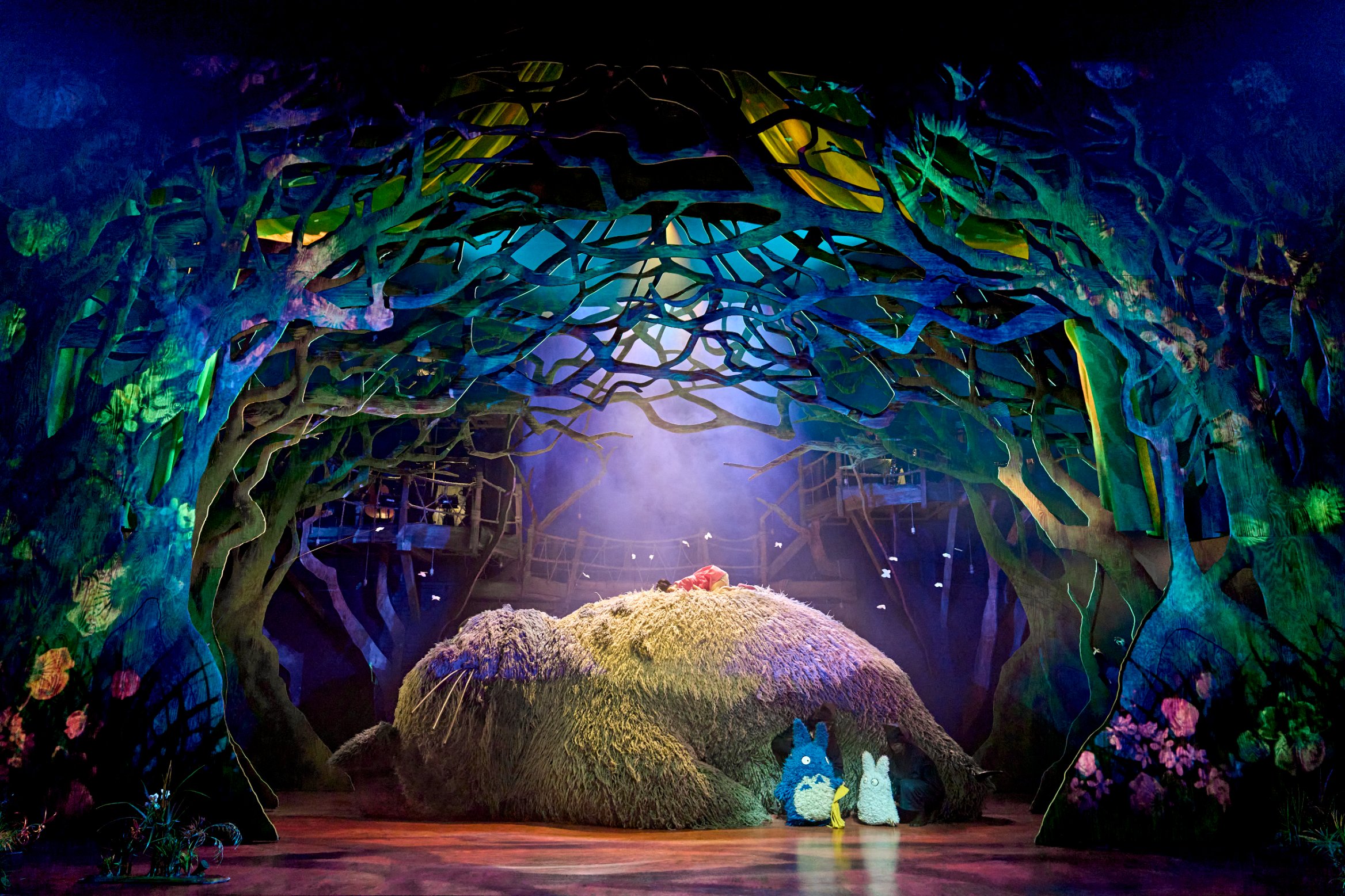
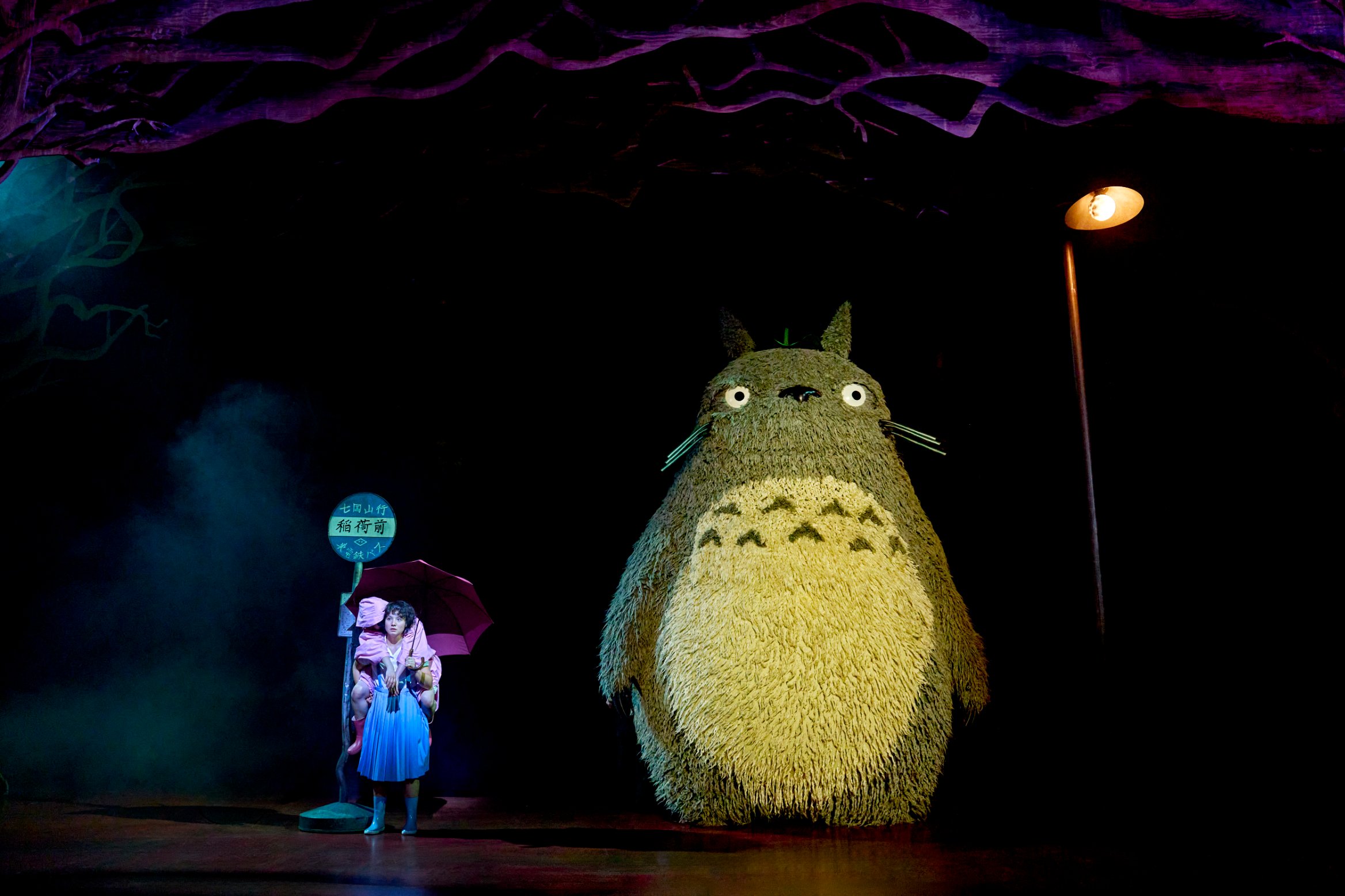
Ghibli Park sits inside Expo 2005 Aichi Commemorative Park in Nagakute. Take the Linimo line to Ai-Chikyuhaku-Kinen-Koen Station and the park is just outside Exit 2, or catch the Meitetsu bus from the Meitetsu Bus Center at Nagoya Station. Every ticket must be booked in advance. Tickets go on sale two months ahead, on the 10th of the month at 2pm Japan time, so January 2027 dates go on sale on 10 November 2026. Our Ghibli Park guide covers the five areas, the two day passes and how to book from overseas.
Inuyama Castle day trip: Japan’s oldest surviving keep
Inuyama Castle is a National Treasure, and the castle says its keep is the oldest surviving one in Japan. It is said to have been built around 1537 by Oda Nobuyasu, uncle of Oda Nobunaga, beside the Kiso River, and Oda Nobunaga, Toyotomi Hideyoshi and Tokugawa Ieyasu each held it in their time. Unlike the concrete rebuilds at Nagoya and Osaka Castle, the keep you climb is the original, and the top floor looks out over the Nobi plain.
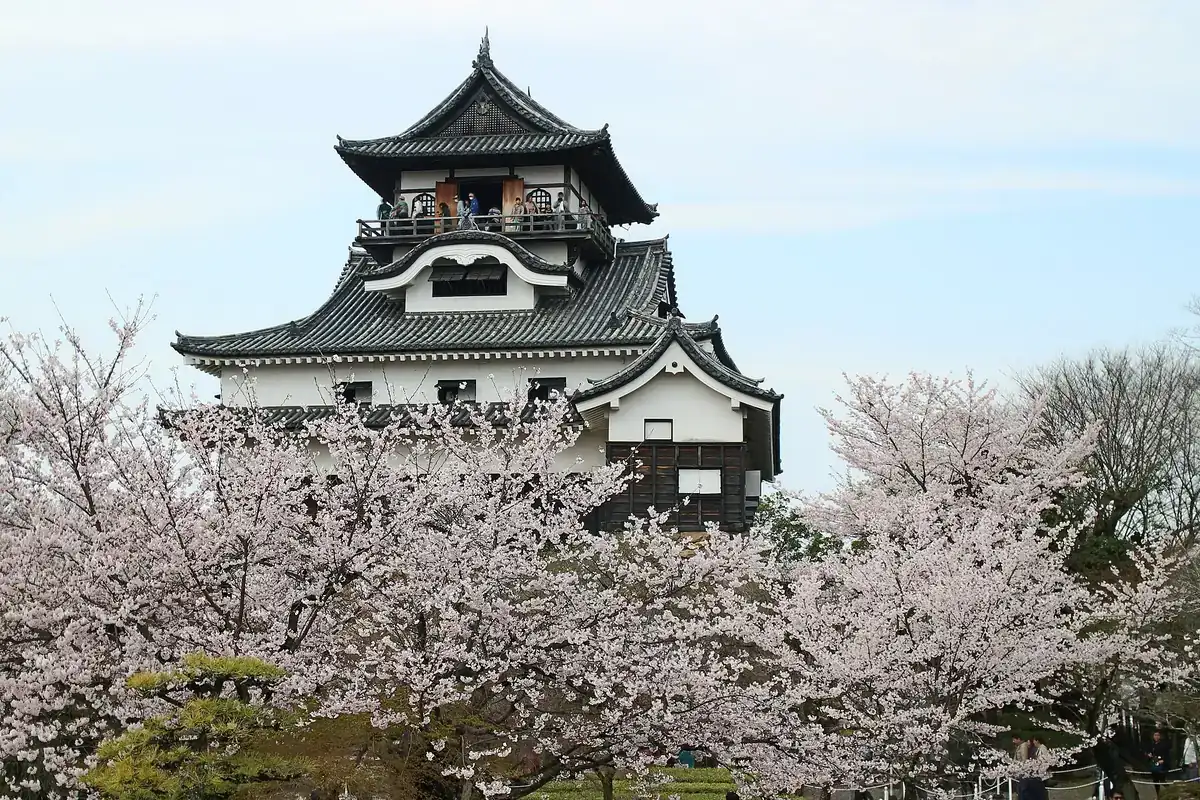
- Getting there: Meitetsu Inuyama Line from Meitetsu Nagoya to Inuyama Station, about 25 minutes, then about 20 minutes on foot from the West Exit through the old castle town.
- Tickets and hours: ¥1,000 adults, ¥200 primary and junior high school pupils. 9am to 5pm, last entry 4:30pm, closed 29 to 31 December.
- Queues: entry is limited when it is busy. On Saturday 31 October 2026 the castle’s own website showed a 90-minute wait, so go early or on a weekday.
- Repairs: from 4 January to 28 February 2027 part of the fourth floor, including the balcony, will be closed for repairs.
The town is busiest in spring for cherry blossom and the Inuyama Festival, and in summer for cormorant fishing on the Kiso River. Check the official Inuyama Castle site (in Japanese) for the live waiting time.
Nagoya is also the jumping-off point for the Kiso Valley and Shirakawa-go, both covered in our guide to Japanese villages worth visiting.
Map of Inuyama Castle
Getting to Nagoya by Shinkansen and from Chubu Centrair
- From Tokyo: Tokaido Shinkansen to Nagoya Station, 1 hour 37 minutes.
- From Osaka: Shinkansen from Shin-Osaka, 53 minutes, which makes Nagoya an easy day out if you are based in Osaka.
- From Kansai Airport: 49 minutes to Shin-Osaka by limited express, then the Shinkansen.
- From Chubu Centrair: Meitetsu μSKY or Limited Express to Meitetsu Nagoya Station, 28 to 35 minutes. All μSKY cars are first class and need a ¥450 μticket on top of the regular fare (Meitetsu airport access).
Around the city, the Meijo and Tsurumai subway lines reach the castle, Atsuta Jingu and Osu, and the Me~guru sightseeing bus links the castle and the Tokugawa Art Museum. All routes are on the official Visit Nagoya access page.
Best time to visit Nagoya, season by season
| When | What is on | Where |
|---|---|---|
| Spring | Cherry Blossom Festival with about 1,000 trees lit up after dark; Inuyama Festival | Nagoya Castle; Inuyama |
| Summer | Cormorant fishing on the Kiso River | Inuyama |
| August | Osu Summer Festival | Osu |
| October | Osu Daido-chonin Festival | Osu |
| Autumn to early December | Autumn leaves in the Ninomaru Garden | Nagoya Castle |
| 18th and 28th of every month | Antiques market | Osu Kannon |
If Inuyama is on your list for January or February 2027, remember the fourth-floor repairs.
Two days in Nagoya, plus a third for Ghibli Park or Inuyama
| Morning | Afternoon | Evening | |
|---|---|---|---|
| Day 1 | Nagoya Castle and the Hommaru Palace at 9am, before the queue | Osu Kannon and the Osu arcades | Miso katsu at Yabaton’s Yabacho main restaurant |
| Day 2 | Toyota Commemorative Museum or SCMAGLEV and Railway Park | Atsuta Jingu, with kishimen in the shrine grounds | Hitsumabushi at Atsuta Horaiken |
| Day 3 | Ghibli Park (tickets booked in advance) or Inuyama Castle and its old town | ||
Nagoya travel questions answered
Is Nagoya worth visiting?
Yes, for a day or two between Tokyo and Osaka. The Hommaru Palace at Nagoya Castle, Atsuta Jingu and the Osu arcades fill a day, the city has four dishes of its own, and it is the base for Ghibli Park and Inuyama Castle. It is 1 hour 37 minutes from Tokyo and 53 minutes from Shin-Osaka.
Can you go inside Nagoya Castle?
You can visit the grounds and the Hommaru Palace, rebuilt and reopened in 2018, but the main keep is closed inside because of its earthquake resistance and no reopening date has been set. One ticket, ¥1,000 for adults from 1 October 2026, covers the grounds and the palace.
What food is Nagoya famous for?
Nagoya’s best-known dishes are hitsumabushi (grilled eel on rice, eaten three ways), miso katsu (pork cutlet in dark miso sauce), tebasaki (fried chicken wings) and kishimen (flat noodles). Atsuta Horaiken (1873), Yabaton (1947), Furaibo (1963) and Miya Kishimen (1923) are the names behind them.
How long does it take to get from Tokyo to Nagoya?
The Tokaido Shinkansen takes 1 hour 37 minutes from Tokyo Station to Nagoya Station. A highway bus takes about 5 hours 9 minutes. From Shin-Osaka, the Shinkansen takes 53 minutes.
How do you get from Nagoya to Ghibli Park?
Take the Linimo line to Ai-Chikyuhaku-Kinen-Koen Station, where the park is just outside Exit 2, or the Meitetsu bus from the Meitetsu Bus Center at Nagoya Station. Advance reservations are required for every visit, with no exceptions.
How many days do you need in Nagoya?
Two days covers the castle, Osu, Atsuta Jingu, one of the industry museums and the four local dishes. Add a third day for Ghibli Park or for Inuyama Castle and its old town, which is about 25 minutes away by Meitetsu train.