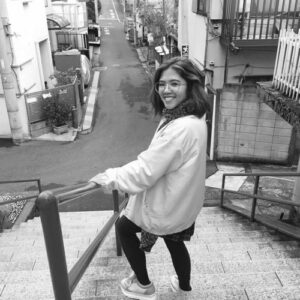
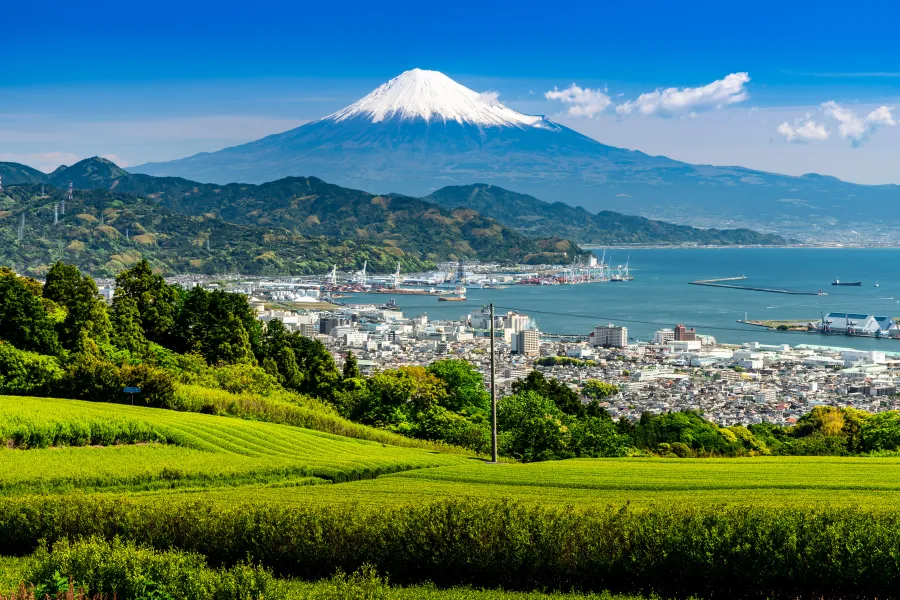
Only in Shibuya can chaos feel so soothingly rhythmic.
With its neon lights, trendy spots, and diverse crowds: Shibuya is the birthplace to many of Japan’s fashion and entertainment trends. As a district that never sleeps, Shibuya showcases the exciting energy of Japan’s vibrant atmosphere through its shopping malls, modern skyscrapers, and streets filled with nightlife.
Join us as we uncover the beauty of Shibuya, learning more about its history, must-see destinations, hidden gems, and more.
The History of Shibuya
Early Origins
Shibuya’s story begins long before it became the vibrant and electrifying urban hub of Tokyo. Its early origins trace back to the Heian Period (794-1185) when the area was simply an agricultural region with water sources near the Inokashira springs.
In the early 1160s, the Shibuya clan, a cadet branch of the Taira, came to control the area and built a fortress near the present-day Konno Hachimangu Shrine. The Shibuya clan ruled the area for centuries until the Later Hojo clan took over in 1524. During the Edo Period (1603-1868), Shibuya grew into a village and then became a town that served travellers with lodgings and shops. Throughout these periods, Shibuya remained as a rural district.
Meiji Restoration Era
What was once an agricultural village became an emerging, urban area. Shibuya experienced a massive transformation during the Meiji Restoration Era (1868-1912) when modernisation and Westernisation spread throughout Japan under a new government system.

Image Credit: Sabukaru
At the start of the Meiji era, Shibuya was still primarily farmland until the opening of Shibuya Station in 1885 on the Shinagawa Line (now the Yamanote Line). This was a pivotal moment for Shibuya as it connected the village to the growing capital, Tokyo, and initiated steady urban development and population growth.
Postwar Recovery and Urban Growth
During World War II, Shibuya suffered significant fire damage and destruction. The locals had to find ways to survive, so they set up lucrative black markets that sold produce and goods. Various gangs fought for control over them.

Image Credit: TenguLife
Eventually, the Shibuya Station was reconstructed postwar and advanced at a rapid pace. Around the station, new developments and facilities were built, such as the Tokyu Cultural Hall, which opened in 1956. From here, key infrastructure projects were rolled out, contributing to Shibuya’s rapid growth as an urban hub.
Pop Culture and Youth Movements
Throughout the late 20th century, the area around Shibuya Station continued to develop with high-rise buildings, department stores, and public spaces like parks. The constant cycle of redevelopment and renewal has made the district one of the most iconic urban areas of Tokyo.
With the rise of urbanisation and modernisation, Shibuya became the epicentre for youth fashion and culture in the 1970s. The opening of the iconic shopping tower Shibuya 109 attracted young people to check out the latest trends and even make new ones!
In the 1990s, Shibuya-kei was born, a microgenre of pop that originated largely from Shibuya’s record shops and boutiques. The music has a stylish blend of indie pop, jazz, soul, and 60s influence that further solidified the district’s branding as a hub for “cosmopolitan youth.”
Shibuya’s Significance Today
Now, Shibuya remains as one of the top tourist destinations of Japan. It has become a powerhouse of retail, entertainment, and dining, inviting both local and international tourists to experience the newest in fashion, tech, and pop culture.
With world-famous landmarks like the Shibuya Scramble Crossing, the district of Shibuya offers endless must-see spots that will leave you in awe. At the same time, Shibuya embraces the traditional aspect of Japan, maintaining its shrines, hosting traditional festivals, and holding cultural events for everyone to experience.
Shibuya and the Seasons: Best Time to Travel to Shibuya
Although most tourists say that spring and autumn are the best times to enjoy Shibuya, summer and winter have their own unique features and experiences as well. Here’s what it’s like to visit Shibuya during each season.
Spring (March – May)
One of the main reasons why spring is always crowned as the best season to visit Japan is because of the iconic cherry blossoms that bloom beautifully during this time. Spring in Shibuya becomes a dazzling spectacle when the pink Sakura petals loom over the streets of this district. The weather in spring is perfect too, expect mildly cool temperatures (11°, 25°C.) and breezy days!
Shibuya during this time hosts festivals that are worth your visit, like the Shibuya Cherry Blossom Festival (late March) or the Meiji Shrine Spring Grand Festival (late April). The former celebrates the beauty of Sakura while the latter dives deep into Japan’s classical arts and music. Nonetheless, both are filled with festivities, celebration, and fun!
Summer (June – August)
Summer in Shibuya is definitely a one-of-a-kind experience as it is a season of vibrant festivals but also requires good preparation for the heat. Temperatures during this time can range from 27° to 34° C with high humidity levels. At the same time, the transition from June to early July in Japan calls for a rainy season with sudden showers every so often.

Image Credit: @Tokyo Fahion/X
However, travelling around Shibuya during the summer still provides a lot of adventure and fun. A lot of festivals occur during this time of the year, such as the Sky Summer Festival (early-mid July) and the Shibuya Bon Odori Festival (early August). Shibuya’s legendary nightlife also comes alive during the energetic summer nights where the district’s bars and restaurants hold exciting events until late!
Autumn (September – November)
Another favourite season is autumn, and we’ll tell you why! As the summer’s heat fades, the city transforms with crisp air, stunning foliage, and a lively calendar of local festivals. The weather of autumn has mild temperatures of 20° to 30° C with very minimal showers. It’s the perfect time to walk around Shibuya as you immerse yourself in the colours of autumn.
For the Shibuya festivities that happen in autumn, there’s the Konno Hachimangu Annual Autumn Festival that takes place around mid-September. It’s one of Shibuya’s premier events with a portable shrine parade, stage performances, and a children’s fair! Besides this festival, expect art exhibitions, gourmet festivals, and even Halloween celebrations around Shibuya during this season.
Winter (December – February)
Tourists often overlook the beauty and charm winter brings to Shibuya… the city becomes a luminous and festive wonderland during this season! With chilly temperatures that can go as low as 5° C, Shibuya invites you to wear your favourite sweater and marvel at winter illuminations installed around the district’s streets.

Image Credit: Neo-Tokyo 2099
Experience the Shibuya Winter Festival in early January, featuring traditional performances, jolly music, street food, and festive energies. You can also witness what it’s like to celebrate the New Year in Japan with a mix of traditional and modern festivities. Celebrate the countdown at the Shibuya crossing or visit a shrine to get ready for your first prayer of the New Year!


Getting to and around Shibuya
To get to Shibuya, trains and subways are the most efficient and popular way to reach the district. If you’re already in Tokyo, there are several railway lines that can bring you to Shibuya Station such as the main JR Yamanote Line and Tokyo Metro Lines which are the Ginza Line, Hanzomon Line, and Fukutoshin Line.

Image Credit: Booked
The JR Yamanote Line is the easiest way to get to Shibuya since you can access it from either the Shinjuku and Tokyo Station. It takes 7 minutes from the former and 20 minutes from the latter. The Ginza Line takes about 15 minutes to get to Shibuya from Ginza.
Now that you’ve figured out how to get to Shibuya, let’s talk about how to navigate around the district itself. There are many options for you!
Train & Subway
There’s only one station in Shibuya, and it’s none other than the Shibuya Station. You don’t need to travel around Shibuya via train or subway since the district can easily be navigated using other modes of transportation. However, Shibuya Station is your go-to for fast connections within Shibuya and to nearby districts like Harajuku, Shinjuku, and Ginza.
Bus
There are regular city buses situated around Shibuya, with most of them at the Shibuya Station that can bring you to the district’s neighbourhoods and sight-seeing spots.

Image Credit: Bus Repo
Tourists can also witness spectacular panoramic street views of Shibuya through open-top bus tours called Shibuya Street Ride. It’s the latest bus tour provided by the bus company Tokyo Bus, and it takes passengers on an audio-guided tour through the streets of Shibuya! They offer different kinds of tour packages with various timeslots that cost around JPY 3,000 to 4,200. You can check the details here.
Taxi
Taxi services in Shibuya are highly recommended for travellers who are planning to stay up late and enjoy the nightlife since taxis are available 24/7. You can hail one at a taxi stand (near most station exits) or via apps like Uber and GO.
Taxi services are also best for travellers with big luggage since all taxi cars have trunks. Take note though that short rides within Shibuya average around JPY 3,000 and most drivers do not speak English. Make sure you have your destination written in Japanese to help them!
Walking
Most people say that the best way to navigate around Shibuya is by simply walking around. Shibuya is compact and pedestrian-friendly, with all major tourist attractions and destinations located near one another. Locations like Shibuya Scramble Crossing, Hachiko Statue, Shibuya 109, and Center-Gai are within a 5- to 20-minute walk from Shibuya Station.
Walking around Shibuya allows you to fully immerse yourself in Shibuya’s vibrant atmosphere as you explore and zigzag through crowds of locals, business owners, and fellow travellers. Just make sure you got your walking shoes worn comfortably!
The Shibuya Essentials: Must-See Attractions
Ready to witness the charm of Shibuya? Don’t leave Shibuya without visiting these popular landmarks and destinations!
Shibuya Scramble Crossing
No tourist would ever visit Shibuya without walking through the most iconic landmark of the district, the Shibuya Scramble Crossing! Known as the busiest pedestrian crossing in the world, Shibuya Scramble Crossing showcases Tokyo’s fast-paced energy as thousands of pedestrians cross from all directions simultaneously when the traffic lights turn red.

Image Credit: KCP International
For many visitors, crossing here is like a symbolic rite of passage. Walking through it gives you a very authentic feel of what it’s like to be a part of Tokyo’s rhythm and culture. The best part of Shibuya Scramble Crossing is that it’s nearby various shopping, dining, entertainment, and nightlife venues. It’s the perfect spot to explore the heart of Shibuya!
Hachiko Statue
Located nearby the Shibuya Scramble Crossing is another world-famous landmark, the Hachiko Statue. It tells the story of Hachiko, an Akita dog born in 1923 who became famous for his unswerving loyalty to his owner. For ten years, Hachiko would wait for his master to return from work at the Shibuya Station… even if his owner had passed away already.
Deeply moved by Hachiko’s devotion to his master, the people of Tokyo commissioned a bronze statue of Hachiko as a symbol of loyalty, love, and companionship. Just like the Shibuya Scramble Crossing, it’s not a trip to Shibuya without capturing a photo by the Hachiko Statue. It is also a popular meet-up point in Shibuya!
Shibuya Sky
If you want to see what Shibuya looks like from above, climb up Shibuya Sky and enjoy breathtaking 360-degree panoramic views of the sprawling Tokyo skyline. This outdoor observation deck features a rooftop park, lounge spaces, and illuminations. Here, you can take stunning images of Tokyo, enjoy drinks at the lounge area, and simply watch the hustle and bustle of the streets of Shibuya at a unique angle.

Image Credit: Tokyo Weekender
Shibuya Sky is open from 10:00 AM to 10:30 PM with timed entry tickets that can be purchased through Shibuya Sky’s official website. An adult ticket costs around JPY 2,200 while a child’s ticket costs from JPY 600 to JPY 1,700.
Shibuya Center-Gai
For visitors wanting to experience the vibrancy and trendiness of Shibuya, walk through the street of Shibuya Center-Gai. This pathway is one of the core hubs of Shibuya’s fashion, music, and nightlife scene for young people. Feel the electric energy of Shibuya as you walk down Shibuya Center-Gai, lined with a funky mix of fashion stores, record shops, cafés, arcades, and clubs!
There are no fees to enter or walk around Center-Gai, so strolling around and window-shopping is free! Prices vary individually for each of the establishments, but costs are generally reasonable around the area with many budget-friendly options for younger crowds and tourists.
Miyashita Park
Another must-visit in Shibuya is Miyashita Park, a complex known for its unique architecture and facilities. It has a shopping area, restaurants, sports facilities, and a rooftop park right smack in the middle of the bustling streets of Shibuya!

Image Credit: Architonic
What people enjoy the most about Miyashita Park is how it combines natural green spaces and modern facilities, allowing you to rest and relax in nature after exploring Shibuya’s crowded streets. It’s the perfect spot to lounge on green lawns and feel the energy of the district.
Access to the shopping mall and rooftop are free, but charges may apply for certain sports facilities or special events.
Shibuya’s Secrets: Fun Things to Do in Shibuya
After visiting the must-see spots of Shibuya, now’s the time to discover what else Shibuya has in store that not a lot of people know about. For a more authentic Shibuya experience, try out some of the activities below!
Learn the Art of Taiko Drumming
Ever heard of Taiko drumming? In Japan, Taiko is an ancient style of Japanese percussion performance using large drums. In Shibuya, you can learn the art of Taiko drumming through Taiko-Lab Aoyama, one of the largest Japanese Taiko drumming groups in the world!

Image Credit: DiGJAPAN!
Taiko-Lab Aoyama offers Taiko drumming workshops that last around 1-2 hours and are ideal for groups of all ages. No experience needed as these workshops focus more on the basics of Taiko drumming.
They offer workshops everyday, from 10:00 AM – 10:00 PM on weekdays and 10:00 AM – 6:00 PM on weekends and holidays. A workshop costs JPY 6,160 per person. Feel the energy and beat of Japanese music for yourself!
Take a Picture of the Myth of Tomorrow Mural
For those interested in Japanese art, it’s a must to visit the Myth of Tomorrow Mural displayed in Shibuya Station. Created by the remarkable Taro Okamoto, the Myth of Tomorrow artistically showcases the atomic bombings of Hiroshima and Nagasaki during World War II.

Image Credit: Pinterest
The mural, measuring at about 30 metres in length and 5.5 metres tall, is very hard to miss. Plus, the bright hues of blue, white, red, and orange of this art piece will definitely captivate you. When you’re in Shibuya Station, make sure you snap a few shots of the Myth of Tomorrow mural, taking a memory of Taro Okamoto’s greatest masterpiece with you.
Drink at at a Yokocho
One of the most exciting and fun things you can do in Shibuya is immerse yourself in the district’s nightlife by visiting a yokocho! A yokocho refers to narrow alleyways or backstreets lined with small drinking establishments such as bars and izakayas (Japanese pubs).
There are several yokochos around Japan, but in Shibuya, there are two yokocho areas you can visit after a long day of sightseeing: Nonbei Yokocho and Shibuya Yokocho. Since the 1940s, these yokochos have been retaining the authentic spirit of old Tokyo!
What’s unique about these yokochos is that most establishments seat between 5-10 people only, so you’re most likely to interact with not only the bartenders but fellow patrons as well. Expect to make some new friends here! Most bars open around 6:00 PM and stay open late, but hours and days off vary so checking individual establishments is recommended.
Interact with Owls at Café HOOT HOOT
For a truly fun and unique experience, Café HOOT HOOT in Shibuya invites visitors to interact closely with a variety of friendly owls while enjoying drinks such as coffee, tea, and even alcoholic drinks like wine and beer.
The café hosts about six different owl species that you can feed and take pictures with (just don’t use flash!) for a cute and memorable experience. They’re open on weekdays from 1:00 PM to 11:00 PM and on weekends from 12:00 NN to 11:00 PM.
For the prices, it’s JPY 1,500 for 30 minutes with a free drink while 60 minutes with a free drink costs JPY 2,500. You can avail of extra services such as an owl perching on your hand for JPY 500!
Explore the Shoto Museum of Art
In the quiet and peaceful residential area of Shoto lies a distinguished art museum known as the Shoto Museum of Art. You’ll notice the building immediately because of its unique architectural design showcasing an elegant facade with granite walls.

Image Credit: Magical Trip
The museum hosts special exhibitions about five times a year, featuring a diverse range of artworks including paintings, sculptures, and craft pieces spanning various periods and genres. Every so often, the museum organises open exhibitions that display paintings by local elementary and junior high school students, as well as residents of Shibuya.
For opening hours, the museum is open everyday from 10:00 AM to 6:00 PM except on Mondays. The admission fee varies per exhibition or screening, so check out their website for more details!
Sing Your Heart Out at Big Echo Karaoke Shibuya
We all know that Japanese people love to karaoke, so why not try it for yourself? Big Echo Karaoke in Shibuya is one of Japan’s largest and most popular karaoke chains, offering the best karaoke experience right in the heart of Tokyo’s bustling entertainment district!

Image Credit: Challenge 52
Big Echo provides a variety of private karaoke rooms (from smaller to larger rooms), a multilingual song selection (including English, Korean, and Chinese), and an extensive menu of food and drinks. The karaoke rooms even come with tambourines, maracas, and even penlights to enhance your karaoke performance!
Big Echo Karaoke Shibuya is open until 5:00 AM and offers different kinds of rates. Rooms are typically charged per person per half hour, with weekday rates costing around JPY 190 per 30 minutes. There is an “unlimited karaoke” plan for several hours at a set price of JPY 1,200 – 2,000 depending on the day and time.



Where to Stay in Shibuya
Shibuya has a variety of accommodations that you can explore that’ll match your traveller’s needs. Check out some of these hotels, hostels, and vacation homes and see which one suits your trip the most!
Shibuya Excel Hotel Tokyu
As a 4-star hotel, Shibuya Excel Hotel Tokyu offers spacious, clean, and comfortable rooms with beautiful views of Shibuya. The rooms are equipped with the essential hotel amenities such as air conditioning, refrigerators, kettles, flat-screen TVs, free Wi-Fi, bathrobes, slippers, and bathrooms with bathtubs.

Image Credit: Trip Advisor
The best feature of this hotel is that it is directly linked to Shibuya Station, making it ideal for both leisure and business travellers. With this, it is in close proximity to various shopping districts, restaurants, landmarks, and nightlife areas. The room rates here cost from JPY 12,000 to JPY 50,000 per night.
Location: 1 Chome-12-2 Dogenzaka
Hyatt House Tokyo Shibuya
For a more modern and upscale type of accommodation, Hyatt House Tokyo Shibuya is designed to cater to both short and long-term stays with their rooms styled like apartments. Each room is equipped with a fully-fitted kitchen, washer/dryer, and a desk workplace. On average, a room costs JPY 54,800 a night.

Image Credit: Hyatt
Hyatt House Tokyo Shibuya is also known for their facilities, including a 24/7 fitness centre, an indoor swimming pool, a rooftop garden, and even a lounge bar. If you’re looking for a “home away from home,” this hotel is perfect for you.
Location: 3-3 Sakuragaokacho
All Day Place Shibuya
All Day Place Shibuya offers a tranquil retreat in the middle of Shibuya’s creative and bustling environment. Located just minutes away from the Shibuya Station, guests can easily explore the streets of Shibuya whether it’s a leisure or business trip. A room here costs around JPY 40,000 a night.
The rooms of this stylish 4-star hotel offer the usual amenities, such as free Wi-Fi, air conditioning, standard toiletries, and a 24/7 front desk. All Day Place Shibuya takes pride in their eco-friendly initiatives, highlighting their recycling system, use of renewable energy, and minimising single-use plastics.
Location: 1 Chome-17-1
Wise Owl Hostels Shibuya
For those who’d prefer a more budget-friendly option, Wise Owl Hostels Shibuya is a unique hostel that focuses on connecting guests with local cuisine and experiences. This hostel offers a mix of private and dormitory rooms, usually with bunk beds and double beds.

Image Credit: Tokyo Art & Journey
Room and bed amenities include free Wi-Fi, USB jacks, electrical plugs, blackout curtains, room shoes, hangers, reading lights, lockers with keys, and bath towels. Wise Owl provides information and brochures on Shibuya’s culinary scene with local guide features and dining recommendations. The average rate of Wise Owl is around JPY 3,500 a night per person.
Location: 4 Chome-9-10 Aobadai
Pippin’s Inn
Pippin’s Inn is a charming and quaint vacation home located near Yoyogi Park. This accommodation is recommended for those who prefer a peaceful and cosy stay but still have access to the district of Shibuya. It consists of an entire first floor of a family home, including a kitchenette, bedroom, bathroom, and other home appliances.
The owners are very hospitable and friendly, ready to assist guests and provide a warm and inviting atmosphere. Who knows, you might meet their cat, Pippin! The rates of this accommodation are around JPY 17,000 per night.
Location: 5 Chome-42-8 Yoyogi
Must-Try Restaurants of Shibuya
Japan is popularly known for their cuisine, providing an extensive list of dishes and treats that’ll make you crave for more. While you’re hungry in Shibuya, check out these top-rated restaurants that will give you a glimpse of the district’s flavours!
Ichiran (Ramen)
Ichiran Ramen in Shibuya is a popular branch of the famous Japanese ramen chain specialising in tonkotsu (pork bone) ramen. However, what makes Ichiran Ramen truly extraordinary is the layout of their restaurants. Each branch is designed with individual eating stations so that customers can enjoy their ramen without any distractions.

Image Credit: NY Eater
Guests are instructed to fill out a menu sheet to customise their bowls, specifying preferences such as noodle firmness, broth richness, and spice level. A typical bowl of ramen in Ichiran costs around JPY 1,000 to JPY 2,000, so worth it!
Location: B1F 1 Chome−22−7 岩本ビル, Jinnan
Uobei (Conveyor Belt Sushi)
For a fun and fast-paced dining experience, Uobei in Shibuya offers a modern twist on the traditional conveyor belt sushi system. Instead of plates of sushi rotating around the customers continuously, Uobei lets customers choose their sushi on a tablet and have their orders delivered via superfast conveyor lanes directly to their seats!
Uobei’s menu is very extensive with sushi being their specialty. However, they also sell sushi rolls, sashimi, donburi, and even udon. Their prices are considered budget-friendly, with most dishes costing around JPY 500 to JPY 2,000.
Location: 1階, 2 Chome−29−11 Central Bldg. 6, Dogenzaka
Gyubei Souan (Yakiniku)
In Tokyo, it’s highly recommended to try out yakiniku, also known as Japanese BBQ. In Shibuya, Gyubei Souan is a high-end yakiniku restaurant that uses premium quality beef for their dishes. They specialise in Yamagata wagyu beef sourced directly from farms for freshness and top quality.

Image Credit: Gurunavi
Gyubei Souan offers over 40 different cuts of beef, such as sirloin and chateaubriand. Besides their yakiniku-grilled meats, the restaurant’s menu also features other wagyu dishes like premium seared wagyu sushi. Average prices here range from JPY 3,000 to JPY 8,000.
Location: Floor 8, A Building, 21-1 Udagawacho
Hakuritabai Hanbey Shibuya Dogenzaka (Yakitori)
Yakitori, or grilled chicken skewers, is another popular dish in Japan usually found in izakayas and late-night restaurants. Hakuritabai Hanbey Shibuya Dogenzaka is a highly recommended restaurant for yakitori and other dishes like oden, stews, and savoury pancakes.
The restaurant has a cosy basement setting with counter seating and tatami-style rooms. For those in the mood for a drink, they also offer a selection of alcoholic beverages such as sake, shochu, and cocktails. The prices here are very reasonable, with most skewers and dishes priced between JPY 50 to JPY 400.
Location: B1F, 1 Chome−6−8 楠本第2ビル, Dogenzaka
Gonpachi (Fine Dining)
For tourists who want to experience fine dining in Japan, Shibuya has Gonpachi, a fine dining restaurant known for its spectacular view of the Tokyo skyline. The restaurant specialises in handmade soba noodles, which are freshly ground and prepared daily.
Gonpachi has a menu suitable for all types of customers. They have sushi, yakitori, fresh sashimi, tempura, and more. Expect to spend at least JPY 2,000 here. This restaurant is the best opportunity to enjoy traditional Japanese cooking with a modern flair!
Location: Floor 14, E-Space Tower, 3-6 Maruyamacho
Freeman Café (Coffee)
Here’s a top recommendation for the coffee lovers out there, Freeman Café is a popular coffee spot known for its calm yet stylish atmosphere that invites customers to sit back and relax. It has a laid-back vibe, attracting locals and tourists alike who want a peaceful spot for a coffee or a light meal.
Freeman Café serves a variety of coffee drinks and tasty lunch sets that range around JPY 1,000 to 2,000 per person. They also have free Wi-Fi and power outlets available for those who may want to work or study in the café.
Location: Floor 2, METRO PLAZA, 1 Chome-16-14
KO-SO Café (Desserts)
If you’re looking for a dessert place in Shibuya, KO-SO Café offers a menu rich in desserts that are not only delicious, but healthy too! This café is well-known for its vegan and halal-certified dishes such as their soups, vegetable curry, and salads.

Image Credit: San-tatsu
For desserts, their pancakes and tiramisu dishes are a must-try. The price per person ranges from JPY 1,000 to JPY 2,000. Enjoy yummy, guilt-free desserts here!
Location: 1F, 3 Chome−25−3 Lions Plaza Ebisu, Higashi
Your One-Day Shibuya Travel Itinerary
Shibuya is a district in Tokyo that can be explored within one day only. It’s a perfect addition to your entire Tokyo trip while visiting other areas like Harajuku and Akihabara. Check out our one-day Shibuya travel itinerary below!
Morning
- Start your Shibuya adventure by enjoying a nice cup of coffee and a hearty breakfast at White Glass Coffee, which is just a 5-minute walk from the Shibuya Station. They open at 8:00 AM and have an extensive espresso and breakfast menu that ranges from JPY 1,000 to 2,000 per person.
- After the café, walk through the streets of Shibuya and cross the iconic Shibuya Scramble Crossing without the chaotic afternoon crowds. Take this opportunity to visit the Hachiko Statue as well since it’s right by the crossing.
Late Morning
- Walk a little further and you’ll find yourself at the Center-Gai Street in just five minutes. You’ll find many fast-fashion stores and chain restaurants here, as well as novelty shops and shopping centres like Shibuya 109 and Shibuya Tsutaya.
Lunch
- Once you’re done exploring Center-Gai, redirect your route and visit Miyashita Park. Check out its rooftop, snap a few pictures, and have lunch at a nearby restaurant. Slurp up some delicious noodles at Ichiran Ramen!
Early Afternoon
- Take another stroll around Shibuya and drop by the Myth of Tomorrow Mural to take a good picture with it. Afterwards, go around Shibuya even more until you end up in the Shoto Museum of Art. Check out whatever art exhibitions and screenings are open on that day and relax in the museum’s cosy atmosphere for a bit.
Late Afternoon
- If you’re craving a little snack, walk around Shibuya to find any street food stalls that serve different kinds of Shibuya treats that are on-the-go. Street food vendors in Shibuya often sell takoyaki (octopus balls), taiyaki (Japanese fish-shaped cake), and dango (Japanese dumplings).
- Depending on what kind of activity you’re searching for, you can choose to visit either Café HOOT HOOT (if you’re more interested in interacting with owls) or Shibuya Sky (if you want to experience a 360-degree open-air observation deck), it’s up to you! If time permits, you can even visit both before it gets dark.
Evening
- As the streets begin to glow in neon lights, delve into the friendly nightlife of Shibuya by having your dinner in Shibuya Nonbei Yokocho! There are tons of izakayas and late-night restaurants to choose from, but we recommend Nadaichi for their oden (Japanese fish cake stew). They also serve alcoholic beverages for the adults! Expect to spend around JPY 2,000 per person here.
Night
- Still got the energy for Shibuya’s nightlife? Take part in one of Japan’s most popular pastimes and sing your heart out at Big Echo Karaoke Shibuya! They’ve got a vast music selection, snacks, drinks, and a closing time of 5:00 AM.
Last-Minute Tips and Tricks for Shibuya
Learn How to Navigate Shibuya
Shibuya can feel like a maze, especially with all the crowds. It’s ideal to familiarise yourself with Shibuya by knowing where the Shibuya Station is since it’s the central hub of the district. Most buses and taxis are also stationed in this area.
A travel hack for Shibuya is to plan your routes by landmark. Shopping streets like Center-Gai are accessible within a short walk from the station, while easy-to-spot landmarks like the Hachiko Statue are good meet-up points for friends and family to regroup.
When in doubt, look for English signages and make use of a navigation app like Google Maps. Stay above ground when possible to help you get your bearings and see the charm of Shibuya from a higher point-of-view.
Visit Popular Destinations Early or Late
No matter what day of the year it is, Shibuya will always be packed with people. Visiting popular destinations during peak hours will not be an enjoyable experience for you, so strategise and go either early in the morning or towards the evening.
Landmarks that are public spaces (Shibuya Scramble Crossing, Shibuya Sky) are accessible 24/7 so you can visit them as early as 8:00 AM before it starts to get crowded by midday. Shopping centres and other establishments don’t open until around 10:00 AM.
Travel Light and Stay Comfortable
When you’re in Shibuya, you will do a lot of walking, especially on bustling sidewalks. That’s why it’s recommended to carry light and wear comfortable clothes for your convenience. A sleek daypack or crossbody bag with just the essentials will help you move quickly around
Many areas around Shibuya offer coin lockers to secure extra luggage for a few hours while you explore. We recommend Bounce since they have around 500 locker locations around Tokyo, plus it’s easy to book a locker in their app!
If you’re planning a full day or a night out, prioritise comfort over style. Opt for comfy walking shoes, carry a lightweight jacket just in case, and have a bottle of water with you to stay hydrated. An ultra-compact umbrella is a lifesaver as well for sudden rain showers!
Explore Side Streets
While Shibuya has a ton of popular tourist attractions, exploring its side streets is one of the best ways to experience the district’s authentic character. The narrow alleyways are where you’ll find hidden gems like quirky novelty shops, cosy cafés, and even secret Instagram-worthy spots.
Underrated areas that you can visit in Shibuya are Cat Street, Spain-zaka Slope, and Dogenzaka. There’s no wrong way to explore, just pick a lane and follow your curiosity! If you ever get lost, you can always retrace your steps or open up Google Maps.
Purchase an e-SIM
Getting an e-SIM like Jetpac is a game-changer when travelling around Shibuya. It’s easy to purchase, easy to set up, and easy to use. There’s no need to hunt for physical SIM cards or queue up at airport kiosks anymore since you can easily buy one through Jetpac’s website and get connected as soon as your plane lands in Japan.
When purchasing an e-SIM, make sure you download and activate it before you go. Invest in a data plan that suits your travel style and monitor your usage through the e-SIM’s app. With an e-SIM like Jetpac, you stay connected in Shibuya with ease!
Final Thoughts
There’s a reason why people always go back to Shibuya. Perhaps it’s the neon lights, the organised chaos, or the variety of activities to do, either way, Shibuya continues to develop into Tokyo’s top-rated destination for all things fun and entertainment.

Image Credit: Time Out
Shibuya invites you to not just witness the vibrant and youthful side of Tokyo, but also to become a part of its ever-evolving story. We hope that as you explore the streets of this lively district, you feel the magical energy of Shibuya flow through you.
References
- Motto Japan Media. (2020, March 18). Learning the history of Shibuya: Japan’s popular entertainment & shopping district. Motto Japan. https://motto-jp.com/media/lifestyle/shibuya-japans-popular-entertainment-shopping/
- Travelsetu. (n.d.). Best time to visit Shibuya Crossing (Tokyo) in 2025. https://travelsetu.com/guide/shibuya-crossing-tourism/best-time-to-visit-shibuya-crossing#:~:text=Seasonally%2C%20spring%20%28March%20to%20May%29%20and%20autumn%20%28September
- Time Out Tokyo. (n.d.). 50 things to do in Shibuya. https://www.timeout.com/tokyo/things-to-do/101-things-to-do-in-shibuya
- Tripzilla. (n.d.). Ultimate Shibuya guide for first-timers: What to eat, do, and buy. https://www.tripzilla.com/ultimate-shibuya-guide/165719
- LIVE JAPAN Travel Guide. (n.d.). Dining in Shibuya (Tokyo): Best restaurants for yakiniku, sushi, cafes & more. LIVE JAPAN. https://livejapan.com/en/in-tokyo/in-pref-tokyo/in-shibuya/article-a0005428/