In Japan, Suica and Pasmo are two of the most widely used IC (Integrated Circuit) cards for public transportation and various other services. These cards have become an essential part of daily life for residents and visitors alike, offering convenience and efficiency in accessing transportation, making purchases, and availing of other services.
A worldwide chip shortage halted sales of new physical Suica and PASMO cards in 2023, but both are fully back on sale. Personalised cards returned on 1 September 2024 and standard unregistered cards on 1 March 2025, and visitors can also choose from tourist versions and mobile options.
Suica or PASMO: which should you get? For a visitor, it makes no practical difference. Suica and PASMO open the same ticket gates and pay on the same buses and in the same shops across Japan, along with ICOCA and seven other regional cards. On a short trip, choose a no-deposit visitor card (Welcome Suica or TOURIST PASMO) at the airport, or skip the plastic with Welcome Suica Mobile or a Suica, PASMO or ICOCA card in Apple Wallet on an iPhone.
A Guide To IC Cards in Japan
Suica vs PASMO vs ICOCA: Deposits, Refunds and Where to Buy
Japan has ten major IC cards, and since 2013 they have worked on each other’s networks: Kyoto Bus, for example, takes Suica, PASMO, ICOCA, PiTaPa, Kitaca, manaca, TOICA, Hayakaken, nimoca and SUGOCA on the same reader. What changes from card to card is the deposit, whether you can get leftover money back, and how long the card lasts. This table compares every option a visitor is likely to meet in 2026.
| Card | Issued by | Deposit | Leftover balance | How long it lasts | Where to get it | Status, October 2026 |
|---|---|---|---|---|---|---|
| Suica (card) | JR East | ¥500, returned when you hand the card back | Refunded at JR East stations, minus a ¥220 handling fee | Expires after 10 years without use | Ticket machines at JR East stations | On sale, including unregistered cards since 1 March 2025 |
| PASMO (card) | PASMO and Tokyo’s private railways, subways and buses | ¥500, returned when you hand the card back | Refunded at PASMO operators’ stations, minus a handling fee | Expires after 10 years without use | Ticket machines at Tokyo Metro, Toei and private railway stations | On sale, including unregistered cards since 1 March 2025 |
| ICOCA (card) | JR West | ¥500, included in the ¥2,000 price | Refunded at JR West ticket counters, minus a handling fee | Expires after 10 years without use | Ticket machines at JR West stations in Osaka, Kyoto and across Kansai | On sale |
| Welcome Suica (card) | JR East | None | Not refunded | 28 days from the day you buy it | JR East Travel Service Centres at Narita, Haneda and major stations, and Welcome Suica machines at both airports | On sale |
| Welcome Suica Mobile (iPhone app) | JR East | None | Not refunded | 180 days | App Store, on an iPhone with Apple Pay (not Android) | Available since 6 March 2025 |
| TOURIST PASMO (card) | PASMO | None | Not refunded | 28 days from the day you buy it | Keikyu stations at Haneda (¥1,000 to ¥10,000) and Keisei information centres at Narita (¥2,000) | On sale since May 2026; replaced the PASMO PASSPORT, which was sold until 2024 |
| Suica, PASMO or ICOCA in Apple Wallet | JR East, PASMO, JR West | No plastic card to return | Stays on the phone | Lasts as long as you keep it | Wallet app on iPhone 8 or later and Apple Watch Series 3 or later | Available; Android only on phones bought in Japan |
For most visitors the choice comes down to two questions: do you want any leftover money back (choose a standard Suica, PASMO or ICOCA and return it before you fly), and do you have an iPhone (then Welcome Suica Mobile or Apple Wallet saves you the queue at the airport).


What is an IC Card in Japan?

An “Integrated Circuit” Card, better known as an IC Card, is a type of payment card in Japan that contains an embedded microchip used to store data like an EMV card. It is often used to pay public transportation fares such as trains, buses, and subways, but it can also be used for vending machines, shops, and restaurants. Besides financial transactions, some IC Cards can also be a form of an employee identification card.
As of 2021, 200 million IC Cards have been issued in Japan. Since 2001, the IC Card has been an integral part of a Japanese commuter’s life, as these cards have streamlined and simplified the payment process for public transportation in Japan, making it easier for locals and tourists to travel around the country. Additionally, you can check out our guide on How to Travel in Japan for more insights on the public transportation network.
The Different Kinds of IC Cards in Japan
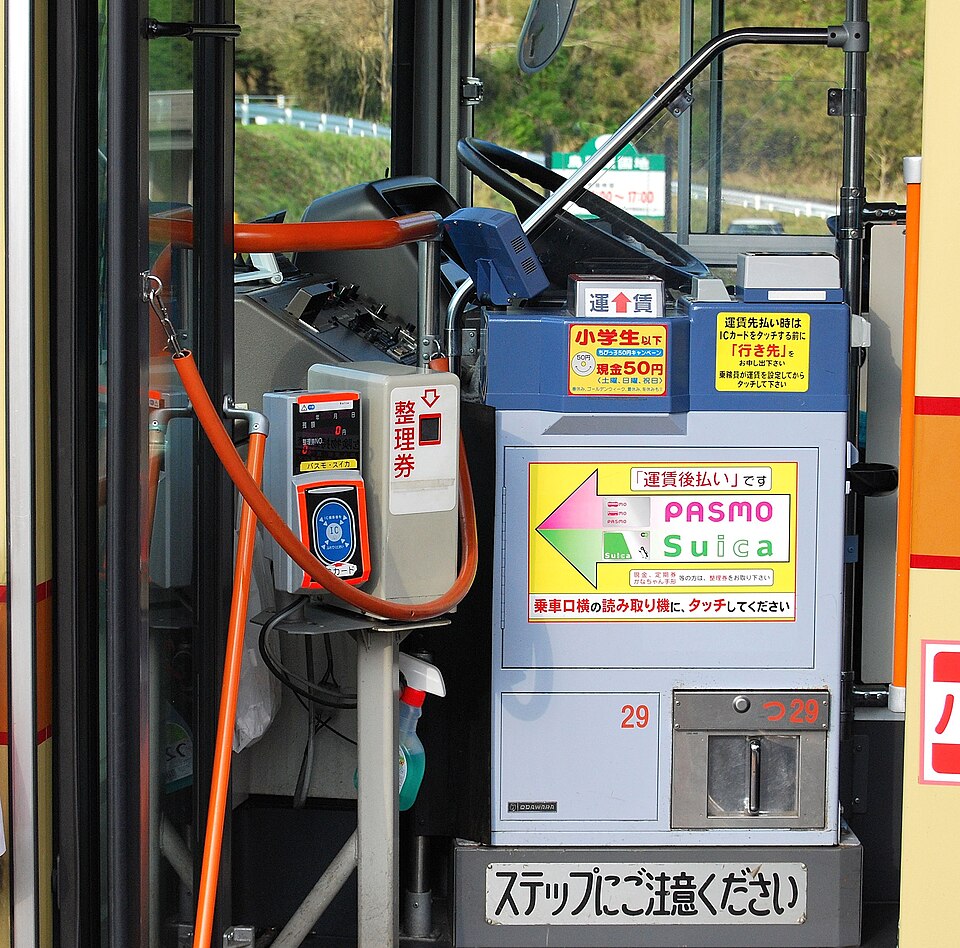
There are different kinds of IC Cards in Japan, but the top two major cards that the majority of the Japanese population use are Suica and Pasmo, introduced by two separate railway companies in Japan. Suica was launched by East Japan Railway Company (JR East) in 2001, while Pasmo was introduced by a group of private railway operators in the Tokyo metropolitan area in 2007.
Suica and Pasmo are the two IC Cards commonly used by tourists who are travelling around Tokyo, since Suica covers the JR East trains in Greater Tokyo, Niigata, and Sendai Regions while Pasmo handles Tokyo’s railway, subway, and bus operators that are not under JR East.
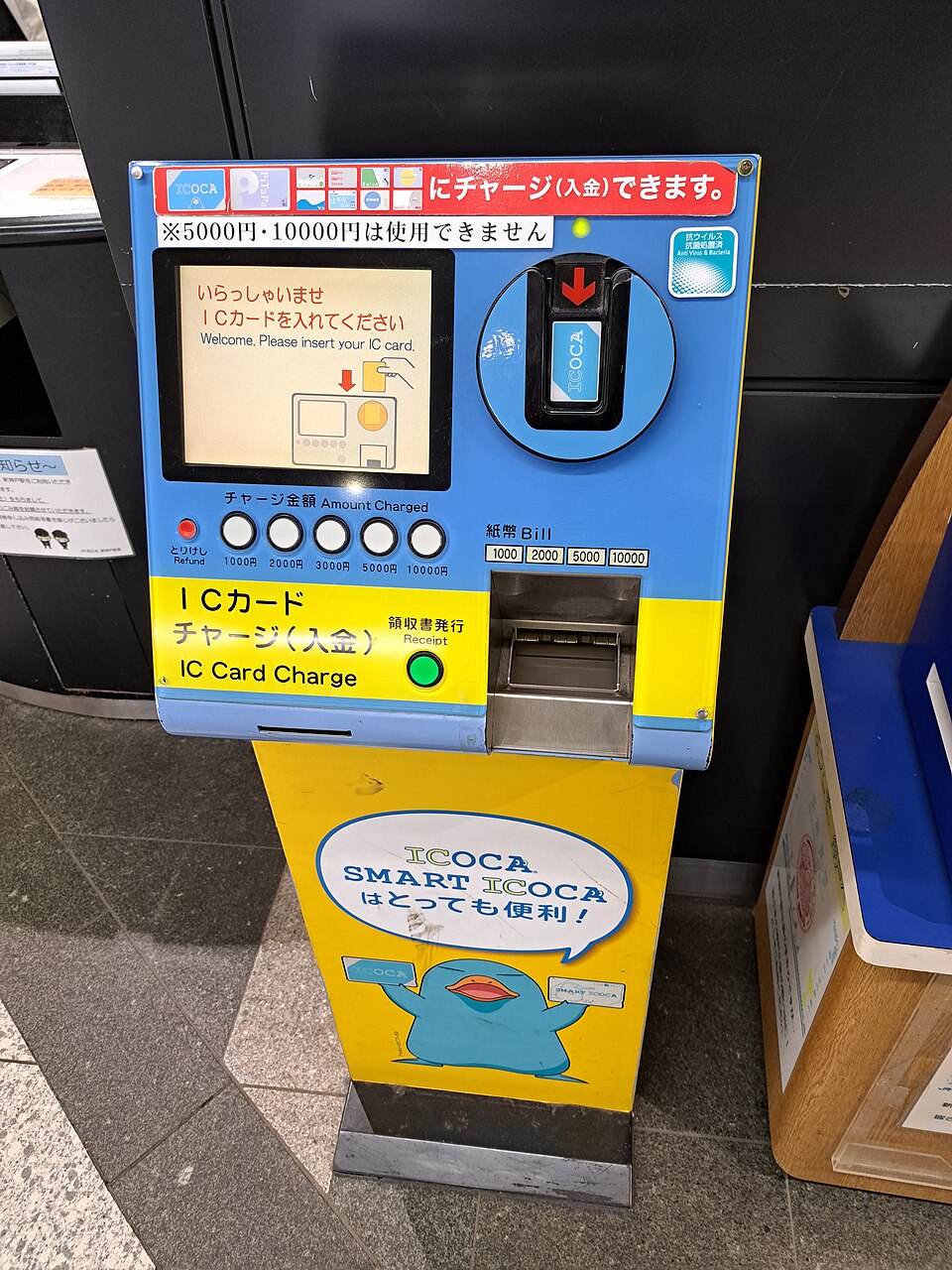
Besides Suica and Pasmo, there are other kinds of IC Cards such as ICOCA, PiTaPa, TOICA, manaca, Kitaca, SUGOCA, nimoca, and Hayakaken. Each IC Card has its own features and benefits, with certain cards only used in certain regions and cities in Japan. For example, Manaca covers the train, subway, and bus operators of Nagoya, while Hayakaken is the IC Card for the Fukuoka Subway of Fukuoka City.
The Suica and PASMO Card Shortage, 2023 to 2025
From 8 June 2023, JR East and PASMO suspended sales of new unregistered Suica and PASMO cards, because a worldwide semiconductor shortage made it difficult for their card manufacturers to get enough IC chips. This shortage was an effect of the COVID pandemic that affected various industries worldwide, including the electronics industry.
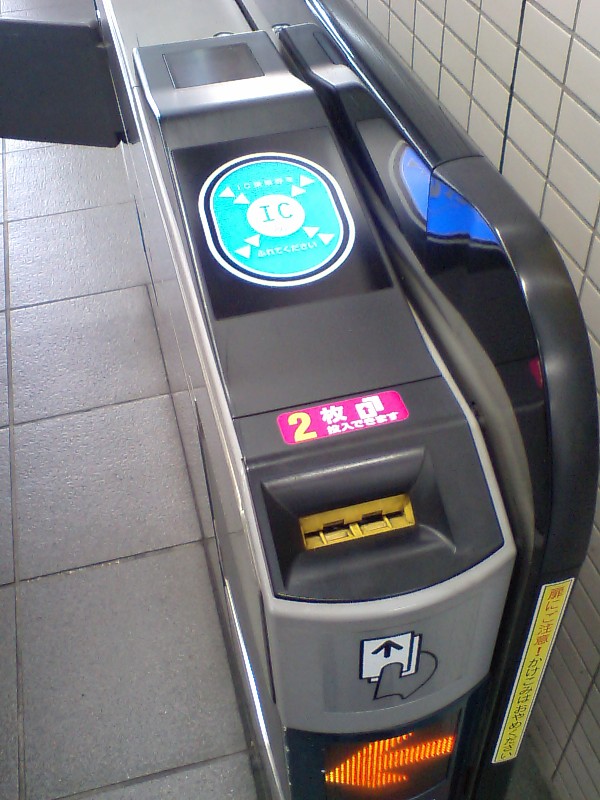
From 2 August 2023, sales of new personalised Suica and PASMO cards were suspended as well, to keep enough stock for commuter passes and replacements for lost cards, which stayed on sale throughout. Cards that were already purchased prior, and are still active (meaning they’ve been used in the past 10 years), can still be used.
Personalised Suica and PASMO Back on Sale from 1 September 2024
Sales of personalised Suica and PASMO cards were temporarily stopped due to a shortage of semiconductors. However, on Sunday 1 September 2024, these cards became available again.
Unregistered Suica and PASMO Back on Sale from 1 March 2025
For a while, purchasing an IC card in Tokyo required an extra step, travellers had to enter details like their name, gender, birthdate, and a phone number when buying a new card from vending machines. This was an unusual change, likely due to chip shortages, and added an unnecessary 30-second delay to the process. However, from 1 March 2025, this requirement has been officially removed, meaning that unregistered IC cards are back on sale just like before.
While this change might seem minor, it signals that IC card availability is fully back to normal, hopefully putting to rest concerns about lingering supply issues. More importantly, it restores the ease of grabbing a new IC card without unnecessary registration steps.
A Physical Card Keeps Working When Your Phone Battery Dies
For travellers, having a physical IC card like Welcome Suica or Tourist PASMO also offers a practical advantage: it doesn’t rely on your phone battery. With mobile-based payment methods becoming more common, it’s easy to forget that a drained phone can leave you stranded without a way to pay for transport. A physical IC card remains one of the most reliable and foolproof ways to navigate Japan’s public transit system.







Welcome Suica and Tourist PASMO: IC Cards for Visitors
For tourists visiting Japan, having a convenient and hassle-free way to pay for public transportation is essential. That’s where the Welcome Suica and Tourist PASMO cards come in, two special IC cards designed exclusively for non-residents. These prepaid travel cards function just like regular Suica and Pasmo cards but come with a 28-day expiration and no deposit requirement, making them perfect for short-term visitors.
Both cards are fully interchangeable across Japan’s extensive transit network, allowing you to hop on and off trains, subways, buses, and even some taxis with ease. They can also be used for small purchases at convenience stores, vending machines, and various shops around the country.

The Welcome Suica
The Welcome Suica, issued by JR East, is widely available at Narita and Haneda airports, where you can purchase one from Welcome Suica machines or JR EAST Travel Service Centers. A major advantage of the Welcome Suica is the ability to load money in thousand-yen increments at the time of purchase, making it flexible for different travel budgets. If you’re travelling with children between the ages of 6 and 11, you can also get a discounted child version, but you’ll need to show their passport at the JR ticket office to verify their eligibility. Since there’s no refund option for unused funds, it’s best to plan your balance carefully to maximise its use before departure.
At Haneda Airport Terminal 3, finding the Welcome Suica card machines is incredibly easy. From the Arrivals Hall, it’s only a few minutes’ walk to the machines, which are located next to the Monorail entrance, directly opposite the Tourist Information Office. This makes it convenient for travellers who want to grab a card quickly and hop on the monorail into central Tokyo.
Tourist PASMO, the Replacement for the PASMO PASSPORT
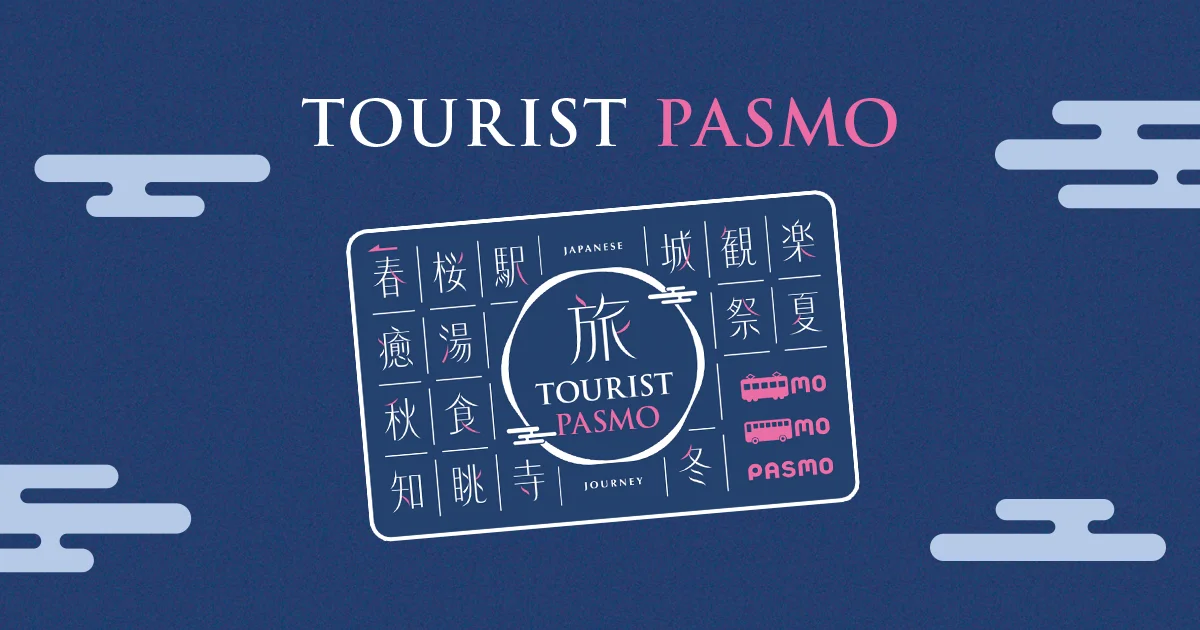
PASMO’s earlier card for visitors, the Sanrio-designed PASMO PASSPORT, sold out and was withdrawn in 2024. Its replacement is Tourist PASMO, a card for international visitors on short stays. It works on trains and buses across Japan that accept IC cards and at participating shops, it is valid for 28 days from the date of purchase, there is no deposit, and any value left on the card is not refunded.
Tourist PASMO is sold only at Haneda and Narita airports, and the price you pay is all loaded onto the card as travel credit. At Haneda, Keikyu sells it from ticket machines for travellers at the Terminal 1 and Terminal 2 station gates, and at Terminal 3 from a machine and the counter at the Keikyu Tourist Information Center. Cards there come in values from ¥1,000 to ¥10,000, and credit cards are accepted. At Narita, the Skyliner & Keisei Information Centers in the Terminal 1 and Terminal 2 stations sell a ¥2,000 card. You can top it up with cash at station ticket machines and at convenience stores.
Digital Suica & Pasmo IC Cards

Suica and PASMO have embraced mobile payment technology by creating apps that work as digital versions of their IC cards.
Suica, PASMO and ICOCA in Apple Wallet
Digital Suica, PASMO, and ICOCA cards can now be used on iPhone 8 or later and Apple Watch Series 3 or later (Suica also works on iPhone 7). They are also available for Android phones, but only if the device was purchased in Japan. This limitation makes it difficult for most tourists to use mobile IC cards on Android.
Visitors with an iPhone can also use Welcome Suica Mobile, JR East’s English-language app for international visitors, which launched on 6 March 2025. JR East’s main Suica app is in Japanese only.
If you have an iPhone, you can easily add a Suica, PASMO, or ICOCA card to Apple Wallet by opening the Wallet app, tapping the plus sign (+) in the upper right, and selecting “Transit Card” from the list. More detailed instructions can be found here. You can also transfer a physical Suica, PASMO, or ICOCA card to your iPhone, but once you do, the physical card will no longer work.
Unlike physical IC cards, mobile versions are recharged using a credit card linked to Apple Wallet. You can also add money at certain train station machines and convenience stores that support phone compatibility. Mobile Suica and PASMO function exactly like their physical counterparts.
Topping Up a Mobile IC Card with an Overseas Bank Card
- At this time, non-Japan-issued Visa and Mastercard cards may not work for recharging mobile IC cards. American Express is currently the most reliable option.
- The system undergoes nightly maintenance from 12 AM to 5 AM JST, so you may not be able to recharge your card during this time.
- Oct 2024 Update: If you’re using iOS 18.1, the option to add a transit card might not appear unless your phone is set to a region where transit cards are supported (e.g., the US, Canada, Hong Kong, or Japan). You may need to change your phone’s region or wait until you arrive in Japan to add a digital IC card.
For Android users, Google Wallet and Rakuten Pay also support mobile IC cards, but availability depends on the phone model and where it was purchased. If you’re visiting Japan and don’t have a compatible phone, a physical Suica or PASMO card may be the best option.
Choosing Between a Physical, Tourist or Mobile IC Card
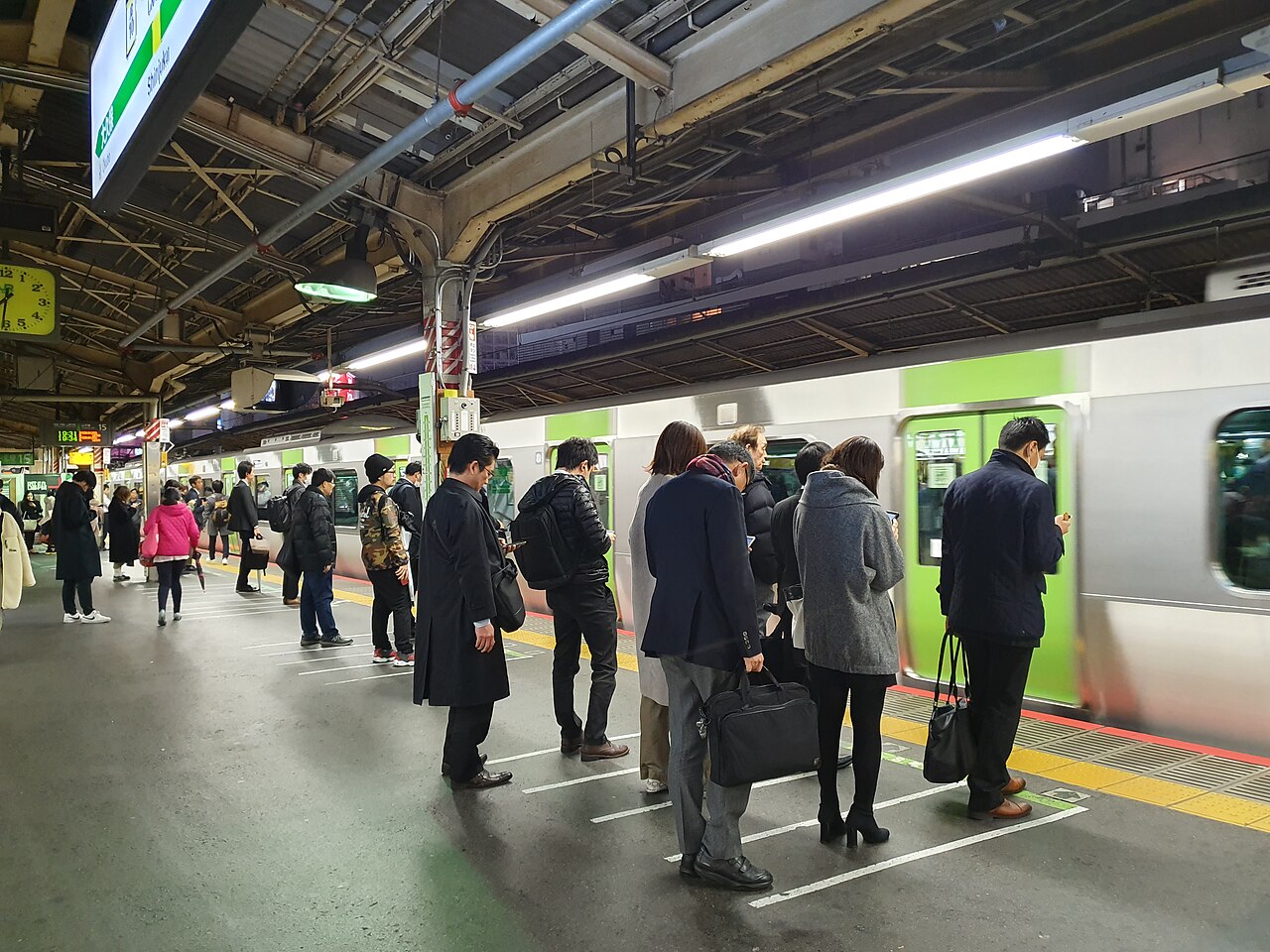
IC cards such as Suica and Pasmo remain the simplest way to pay for trains, buses and small purchases in Japan, and with both back on sale since March 2025, getting one is as easy as it was before the chip shortage.
Short-term visitors can pick up a Welcome Suica or Tourist PASMO on arrival at the airport. iPhone users can add a card to Apple Wallet or use Welcome Suica Mobile, and anyone staying longer can buy a standard Suica or PASMO from a station ticket machine.
Topping Up, Checking Your Balance and the Tokyo Subway Ticket
Physical cards are topped up with cash at station ticket machines and fare adjustment machines that show the IC card logo, in steps of ¥500, ¥1,000, ¥2,000, ¥3,000, ¥5,000 or ¥10,000. A card can hold up to ¥20,000. Your remaining balance appears on the small screen each time you tap through a ticket gate, and any station ticket machine will show it, with your recent journeys, when you insert the card (JR East and japan-guide).
If the balance is too low when you reach your destination, the exit gate will close. Use the fare adjustment machine just before the gates to add money, then tap out as normal. Convenience stores also top up cards at the till.
The Tokyo Subway Ticket is a separate ticket, not something you load onto an IC card. It costs ¥1,000 for 24 hours, ¥1,500 for 48 hours and ¥2,000 for 72 hours (children ¥500, ¥750 and ¥1,000), and covers every Tokyo Metro and Toei Subway line. It does not cover JR trains such as the Yamanote Line, private railways or buses, so keep an IC card for those.
Suica and PASMO Questions and Answers
Neither is better for getting around. Both work on the same trains, subways, buses and shops across Japan’s IC card network. The difference is the deposit and refund: a standard Suica or PASMO carries a ¥500 refundable deposit, while the visitor versions, Welcome Suica and TOURIST PASMO, have no deposit, last 28 days and do not refund any money left on them.
Yes. Since 2013 Japan’s ten major IC cards have been accepted on each other’s networks, so a Suica or PASMO works on JR West trains, the Osaka Metro and Kyoto’s buses, and ICOCA works in Tokyo. JR East notes one limit for Welcome Suica: you cannot ride straight through from one card area to another, so exit and re-enter at the boundary.
From a standard Suica, yes. Return it at a JR East station and you get the ¥500 deposit plus the remaining balance, minus a ¥220 handling fee. Welcome Suica, Welcome Suica Mobile and TOURIST PASMO do not refund leftover money, so spend the balance down in convenience stores or vending machines before you fly home.
Often, but not always. JR East says that in some countries local rules stop Welcome Suica Mobile from being set up or topped up until you arrive in Japan, and the app needs Location Services switched on. If the option does not appear at home, set it up on arrival, or buy a physical Welcome Suica at Narita or Haneda.
Yes, for most trips. The Japan Rail Pass covers JR trains but not Tokyo Metro, Toei, private railways or most city buses, and the Tokyo Subway Ticket covers only the subways. An IC card pays for everything in between, from a Keikyu train at Haneda to a Kyoto bus, as well as coin lockers and convenience store snacks. Our Japan Rail Pass guide lists exactly what the pass leaves out.
The exit gate will stop you. Look for the fare adjustment machine beside the gates, insert or tap the card, add cash, and tap out again. On a bus, tell the driver you want to top up: PASMO’s own instructions say buses accept ¥1,000 notes for top-ups. Welcome Suica Mobile users can add money in the app before tapping out.
No. PASMO sold its Sanrio-designed PASMO PASSPORT for visitors until 2024, and JR East confirmed in February 2025 that sales had ended. Its replacement, TOURIST PASMO, went on sale in May 2026 at Haneda and Narita airports. It works the same way: no deposit, valid for 28 days and no refund of leftover money.