

When visiting Japan in winter, there are lots of great activities to do and skiing is at the top of the list. The country is regularly ranked as one of the top skiing destinations in the world and has some of the most enjoyable resorts to be found anywhere.
From the famous skiing area of Niseko to the hot spring villages of Nagano, Japan has plenty of choices for beginners and advanced skiers.
When does the skiing season start in Japan
The skiing season in Japan usually starts in December and can last until April, and the big Hokkaido resorts often run longer. Niseko United plans to open Grand Hirafu and Niseko Annupuri on 28 November 2026 and keep them running until 5 May 2027. Peak times vary depending on the location and resort. For example, Hokkaido tends to get snow earlier than other regions because it lies further north, so the cold winter air arrives sooner.
Generally, the peak times are between January and February, as both months tend to get the most consistent snowfall. March may be more unpredictable with warm spells and large deposits of snow.
Where are the best places to ski in Japan?
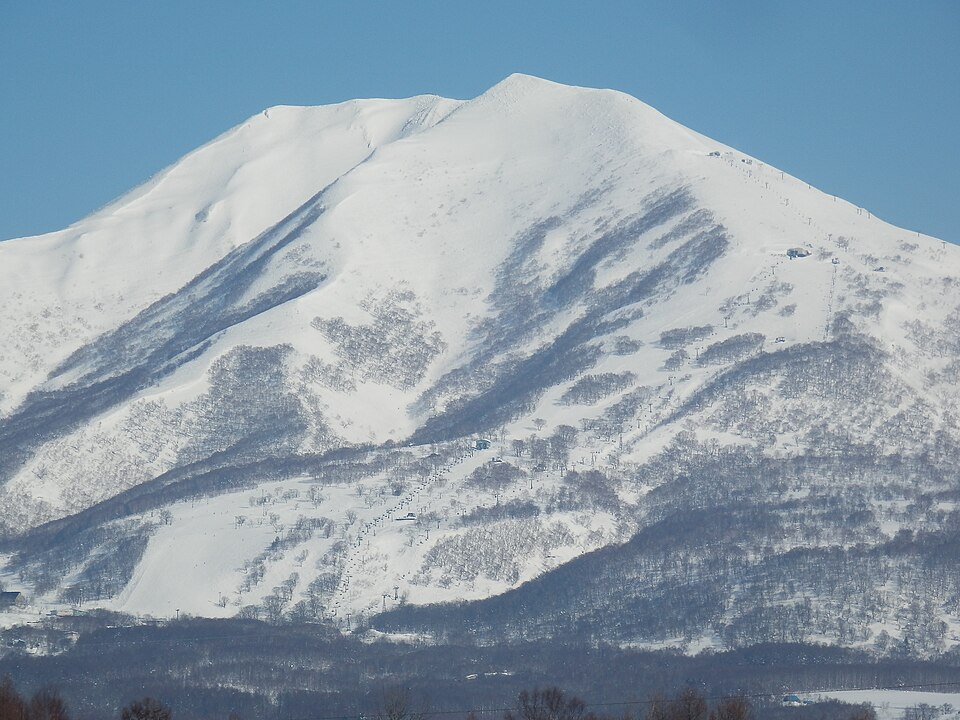
We recommend a few places to think about when planning a ski trip to Japan. The most famous skiing area is Niseko in the southwest. This world-famous town, a two hour drive from the city of Sapporo, is Asia’s premier skiing destination. It’s known for having some of the best powder snow in the country, the kind of snow that is ideal for skiers and snowboarders. Powder snow is characterised as not being solid or compact. This means skiers can glide effortlessly over the soft surface.
Another popular skiing region is Hakuba. Located in Nagano Prefecture, Hakuba is home to ten resorts, all of which gather powder snow at peak times of the year. It’s also worth bearing in mind that Hakuba sits at the heart of the Japanese Alps and hosted events at the 1998 Nagano Winter Olympic Games.
A third region to check out is Tohoku, which contains the six prefectures of Aomori, Akita, Iwate, Yamagata, Miyagi and Fukushima. Throughout these prefectures, you’ll find many hot spring towns that feature affordable and friendly resorts for beginners.
In Tohoku, you’ll also find the famous juhyo or snow monsters. Every winter, juhyo appear after pine forests get covered in snow. This unique weather phenomenon transforms the trees into weird and friendly looking creatures that make for great scenery.
A fourth region to be aware of is Niigata Prefecture. A popular area in this part of Japan is Naeba in the southern area of Yuzawa, which has twenty diverse resorts. For instance, Naeba is connected to Kagura Ski Resort through the Dragondola, the longest gondola lift in Japan.


What’s the cost of skiing in Japan?
At most ski resorts in Japan, the typical pricing strategy involves a one day, half day, five hour or four day ticket. Prices vary a lot between resorts. For the 2026/27 season, an adult one day ticket costs 7,800 yen at Nozawa Onsen, 8,000 to 9,000 yen at Zao Onsen depending on the week, 11,100 yen for the Hakuba Valley All-Mountain Day Pass and 13,500 yen for the Niseko United All Mountain Pass in peak season. Multi-day passes at the big Hokkaido resorts cost more again: a four day Niseko United All Mountain Pass is 52,500 yen in peak season.
It’s worth knowing that half day and five hour tickets have become more popular in recent years because slopes have become less crowded than they used to be.
Also, ski lift tickets in Japan used to be paper-based and manually checked by lift operators. A lot of them still are, but there is a growing number of automated card systems that provide flexible ticket options e.g. one hour slots. Bear in mind that these systems require a small deposit, returned to you at the end of the day.
The cost of accommodation and renting equipment should also be factored into your trip. Resorts can vary from deluxe facilities for families to western style lodges and smaller rooms for backpackers. They may also be traditional Japanese ryokan inns.
In terms of renting equipment, most ski resorts in Japan have outlets. They can be found at the base of the mountain near the main lifts or gondolas, or in the villages nearby the slopes. Costs can quickly add up if you’re renting all of your gear. So, if you’re staying at a resort for a few days, consider bringing gear with you. If this isn’t possible, best practice is usually to rent ski or snowboard sets that come with boots, board/skis and poles.
Best ski resorts in Japan
Hirafu Ski Resort, Hokkaido
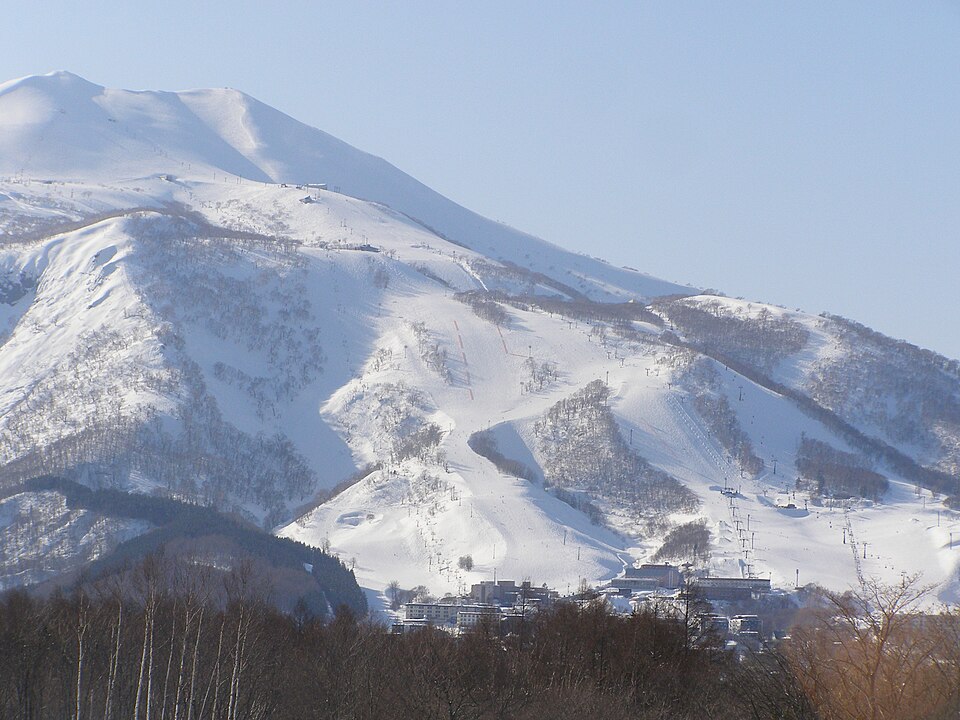
Found in Niseko, Hirafu is a popular resort that attracts beginners and skiing experts. It’s also the largest resort in the area, with a dozen chairlifts, a gondola and a range of skiing options. This includes off-piste, terrain, sidecountry and night skiing.
The resort has a wide range of accommodations to suit guests of all backgrounds. Upper Hirafu features cosy lodges, service apartments and hotels. Lower Hirafu is more suited to bigger families, as there are luxurious townhouses and condos to check out.
And when you’re not skiing, you’ll be able to enjoy the hospitality of Hirafu village. The izakayas and pubs have dishes from around the world and you can also try local delicacies.








Rusutsu Resort, Hokkaido
Considered to be less crowded than Niseko, Rusutsu is a thirty minute car drive away. And it’s fast becoming a go-to destination for skiers in Japan, winning Japan’s Best Ski Resort award at the 2024 World Ski Awards. With the wide powder snow slopes, untouched nature and clear skies, it’s not hard to see why.
Rusutsu is spread across three mountains, with four gondolas, fourteen chairlifts and thirty seven trails. This makes Rusutsu an excellent destination for beginners that want to try out different slopes and then work their way up to more advanced stages.
Skiing isn’t the only activity to enjoy in Rusutsu. There’s snow rafting, dog sledding, horse riding, ice fishing and snow drifting, all of which can be done alone or as a family.
Nozawa Onsen, Nagano
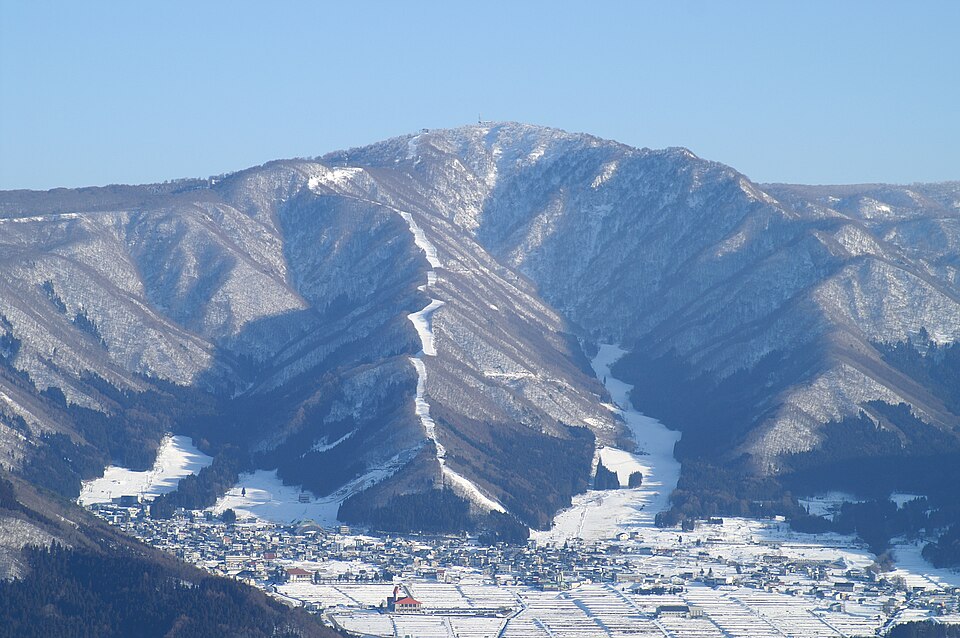
Found in the northern part of Nagano Prefecture, Nozawa is a famous hot spring town that attracts people from all over the world. There’s one main ski area that covers diverse tree trails, family-friendly pistes and twisting moguls for seasoned skiers.
After you’ve finished skiing, be sure to relax in one of the thirteen free public bathhouses in town. Or make yourself comfy in one of the many Japanese guesthouses. Having a fixed itinerary can be good for making sure you enjoy all there is to enjoy in Nozawa, so it could be worth booking a tour.
A great example is the Shaper Retreats Nozawa tour. There’s a mixture of ski coaching, daily yoga, hot springs bathing and curated food exploration.
Appi Kogen, Iwate
Appi Kogen is the largest ski resort in the Tohoku region, with more than 20 courses and 43km of skiable terrain to shred through. It’s a good option for travellers who’d like to get away from the more crowded resorts of Hokkaido and Nagano, as it’s still relatively under the radar in terms of foreign travel.
Large and comfortable hotels are located along the slopes and there are plenty of interesting local restaurants to try. You might also want to wind down in the massive Shirakaba no Yu hot spring, the largest of its kind in Tohoku.
Zao Onsen Resort, Yamagata
A welcoming place for English speaking tourists, Zao Onsen has a variety of courses for skiers of all ages. A unique phenomenon in the area is the juhyo snow monster trees that appear on the peak of the mountains and are most prominent in mid February. Access is provided to the monsters for skiers and non-skiers via ropeways and gondola.
And like other onsen resorts, Zao offers hot baths to relax in. These onsen are some of the oldest in Japan, with around 1,900 years of history and are sometimes referred to as Springs Of Beauty for their rejuvenating effects.


