Japan has made gangster films for almost a century, and its screen gangster has changed character more than once. Early films made him a wandering gambler with a good heart, and in the 1960s he became the last honest man in a corrupt world. Then in 1973 a series set in the ruins of postwar Hiroshima showed him as a killer who would betray anyone, and the honourable gangster barely survived it.
What is a yakuza film? A yakuza film (yakuza eiga) is a Japanese gangster film about the yakuza, Japan’s organised crime groups. The genre grew out of silent films about wandering gamblers in the 1920s. It peaked at the Toei studio in the 1960s with chivalry films about honourable gangsters. In 1973 Kinji Fukasaku’s Battles Without Honor and Humanity swapped those heroes for violent stories drawn from real gang wars. Directors including Takeshi Kitano and Takashi Miike have reshaped it since.
The Best Yakuza Movies and the History Behind Them
Eight, Nine, Three: Where the Word Yakuza Comes From
The name started as an insult the gangsters took for themselves. In oicho-kabu, a traditional card game, a hand of eight, nine and three adds up to twenty, which scores zero, the worst total you can draw. Read aloud, those numbers give ya, ku and sa. Yakuza means, in effect, good for nothing.
That is why the number 893 still stands for the yakuza in Japan, down to film titles such as Sadao Nakajima’s The 893 Gang (1966). The gangs themselves descend from two older trades: the bakuto, who ran illegal gambling, and the tekiya, the street stall peddlers who worked the festival crowds.

The Otokodate of Edo and Banzuiin Chōbei
The honourable gangster is older than Japanese film. He goes back to the otokodate of seventeenth century Edo (now Tokyo), townsmen who banded together against bullying samurai, and early English accounts of them read like an outline for a 1960s Toei script.
Writing in 1871, the British diplomat A. B. Mitford passed on a Japanese scholar’s description of the otokodate as brotherhoods sworn to stand by each other at the cost of their own lives, whose rule was to treat the oppressor as an enemy and protect the weak (Tales of Old Japan). Their head was called the Father. Followers with no home lived in his house and paid him a small fee, and in return he looked after them when they fell sick or into trouble. Swap Father for oyabun, the yakuza word for a boss, and the structure is the one every chivalry film depends on.
Their most famous leader was Banzuiin Chōbei, who ran a business supplying men to the feudal lords for their processions to and from Edo. Kabuki made his death one of its favourite plays. A samurai named Mizuno invites him to dinner, a servant spills sake over his clothes, and Chōbei is attacked in the bath with only his fists to defend himself. Zoë Kincaid’s 1925 history of kabuki records how generations of actors kept his memory alive (Kabuki: The Popular Stage of Japan).
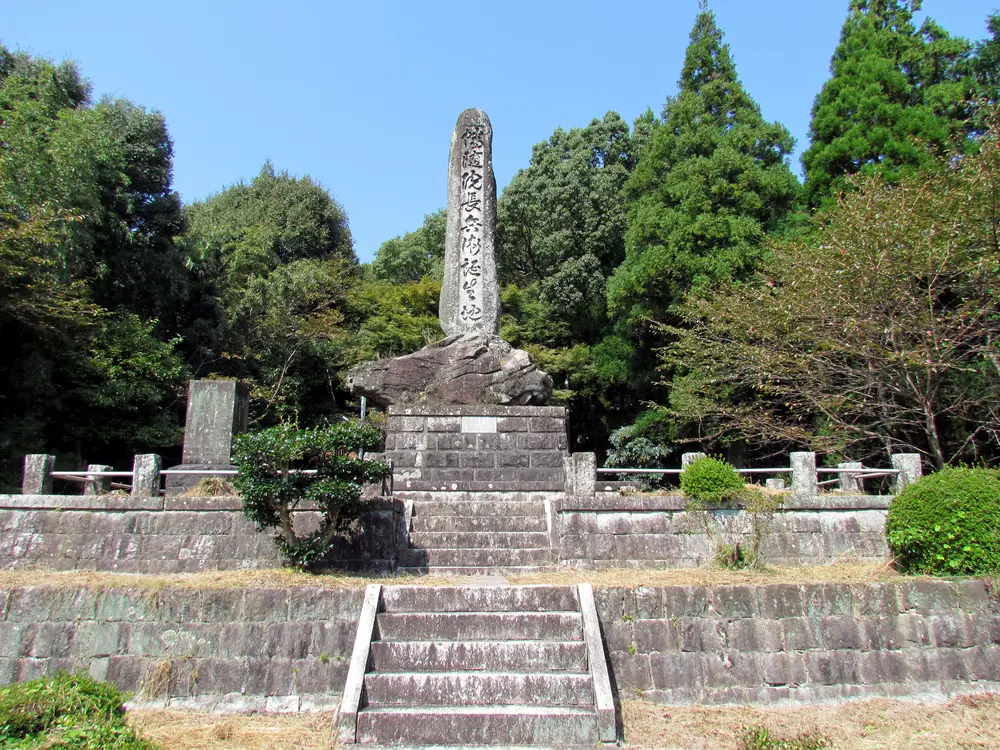
Jukichi Inouye, introducing his 1917 translation of the Chūshingura, adds the less flattering side (Chushingura, or The Treasury of Loyal Retainers). Most otokodate lived by gambling and made a business of taking up other people’s quarrels. When they were broke they ate in restaurants without paying, and paid back more than they owed once they had money. Their fights did so much damage that the shogunate suppressed them in the Genroku era, around 1700.
Hasegawa Shin’s Wandering Gamblers and Chutaro of Banba (1931)
The first gangster heroes of Japanese cinema lived in the past. The playwright and novelist Hasegawa Shin built a whole genre, matatabi mono, around gamblers who wander from town to town (Gerow et al., 2015).
Daisuke Itō’s A Diary of Chūji’s Travels (1927) took its hero from a real nineteenth century gambler, Kunisada Chūji. Hiroshi Inagaki’s Chutaro of Banba (Mabuta no haha, 1931), based on a play by Hasegawa, follows a yakuza gang leader who splits from his gang to search Edo for the mother who abandoned him as a child. Its star, Chiezō Kataoka, also produced it through his own company, which features in our guide to samurai cinema.
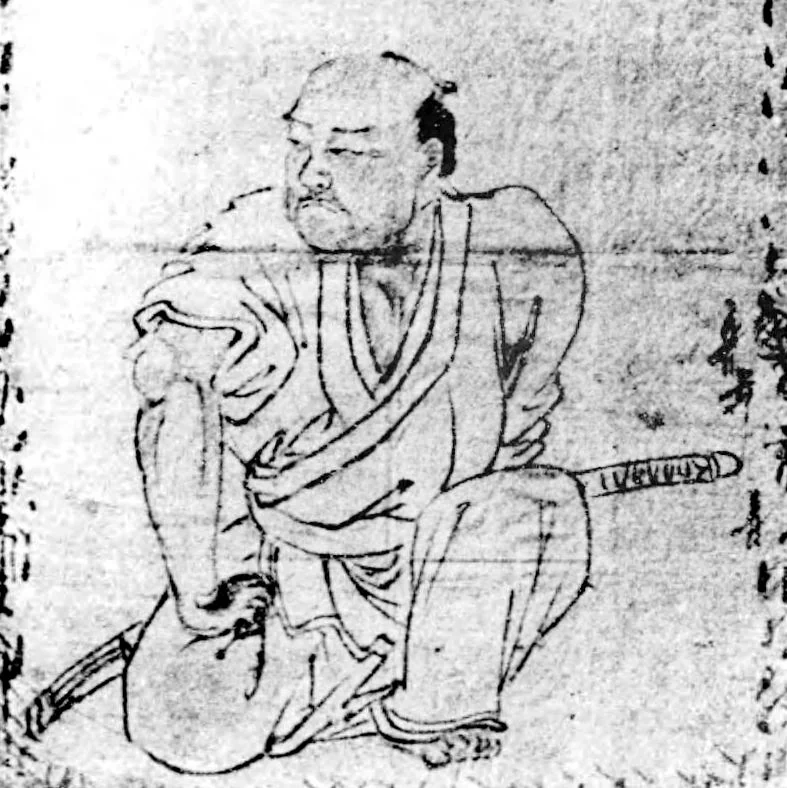
When Yale University ran its 2015 season of Japanese crime films, the National Film Center in Tokyo, now the National Film Archive of Japan, made the first English subtitled print of Chutaro of Banba for it (Gerow et al., 2015).
From Drunken Angel (1948) to Seijun Suzuki’s Tokyo Drifter (1966)
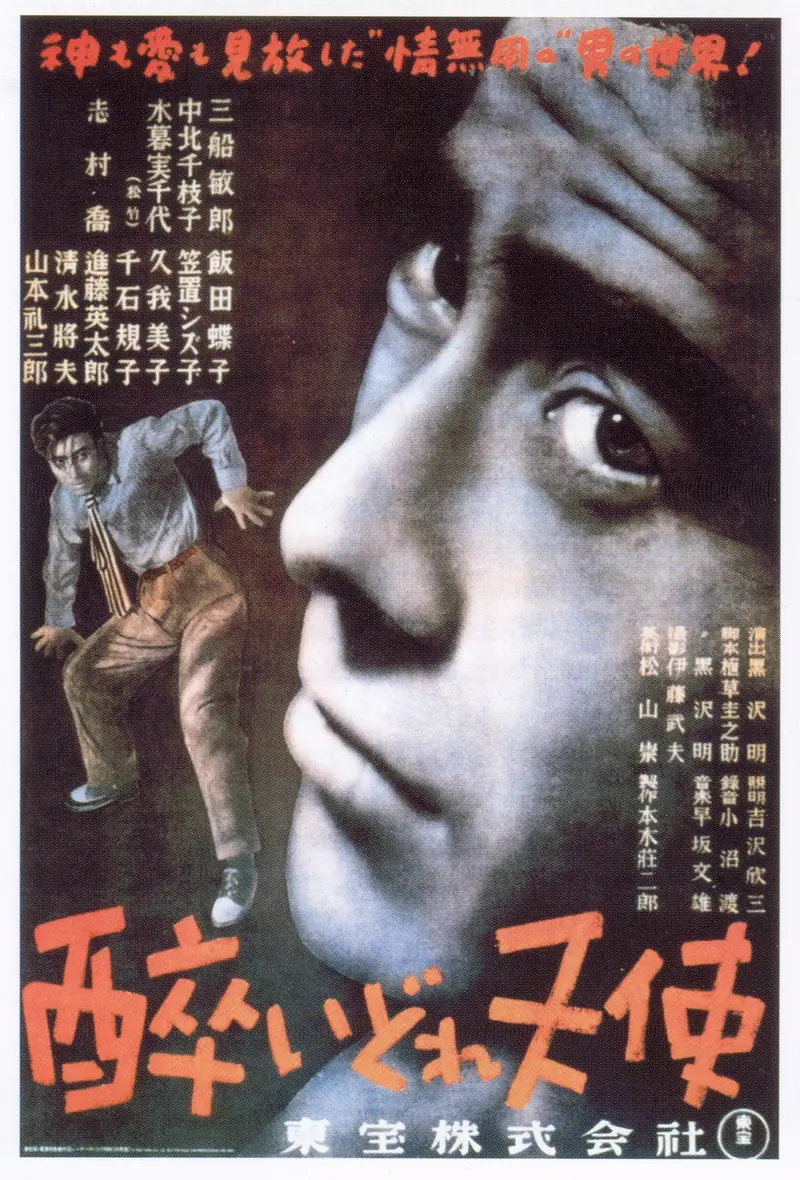
The American Occupation restricted sword fighting films after 1945, and the studios moved their stories into the present day. Akira Kurosawa’s Drunken Angel (1948) cast Toshirō Mifune as a young gangster with tuberculosis, treated by an alcoholic doctor in a slum beside a stagnant pond. A year later Kurosawa sent Mifune after a stolen pistol in Stray Dog, a detective film that wanders through the same black market Tokyo.
By the late 1950s Nikkatsu had a formula of its own, fast and stylish action films whose young stars could have walked out of an American B movie. Its most daring director was Seijun Suzuki. Ordered to make a routine vehicle for the young star Tetsuya Watari, he delivered Tokyo Drifter (1966), all pop art colour, with a hero in a powder blue suit who sings his own theme song. A year later came his hitman film Branded to Kill (1967).
In April 1968 Nikkatsu’s president, Kyūsaku Hori, fired Suzuki for making films nobody could understand. Suzuki sued the studio and won, but he did not make another feature for ten years.
Other studios had their own gangsters. Shōhei Imamura’s Pigs and Battleships (1961) turned a small Yokosuka gang into a satire on the American naval base. At Shochiku, Masahiro Shinoda’s Pale Flower (1964) followed a gangster fresh out of prison and a young woman who lives to gamble. It belongs to the Japanese New Wave as much as to the genre.


Hishakaku, Abashiri Prison and Toei’s Chivalry Films
The yakuza film as a genre in its own right began at Toei. Tadashi Sawashima’s Theatre of Life: Hishakaku (1963), starring Kōji Tsuruta, is generally credited with starting the boom in ninkyō eiga, or chivalry films.
The formula rarely changed. The hero is a gangster of the old school, usually in a story set before the war, who honours his debts to his boss and his duty to ordinary people. A modern, greedy gang breaks every rule around him, he endures insult after insult, and in the final reel he walks in alone with a sword. Most of the plots turn on the pull between giri, social obligation, and ninjō, human feeling.
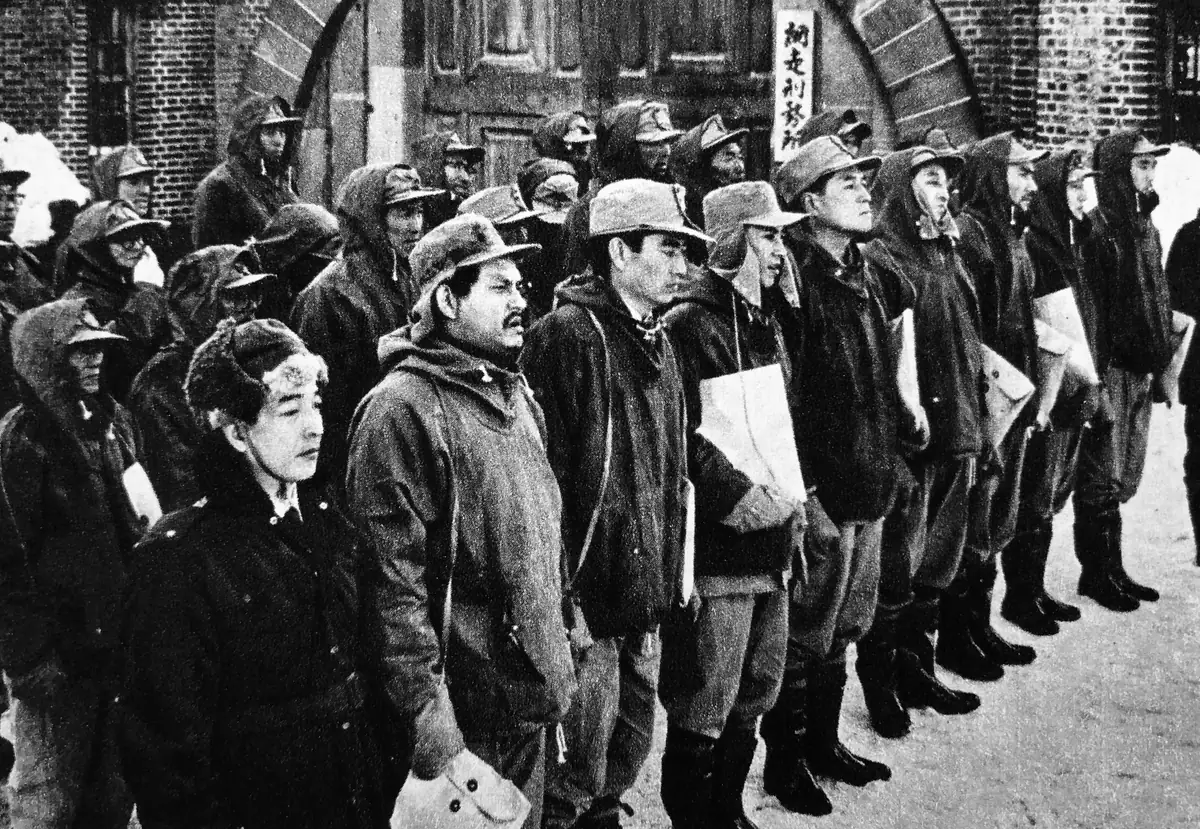
Ken Takakura became the genre’s biggest star through Abashiri Prison and Brutal Tales of Chivalry, both launched in 1965, with Tsuruta as his equal and frequent co-star. In the later Brutal Tales films Takakura bares a lion and peony tattoo across his back, and our guide to irezumi explains how the art became tied to the yakuza on screen and off.
The films drew an unlikely double audience. Lone Wolves and Stray Dogs, the booklet Yale University published for its crime film season, points out that the genre was celebrated by the political left and right at the same time (Gerow et al., 2015).
Red Peony Gambler: Junko Fuji and the Female Yakuza Films
The late 1960s gave the genre its heroines. Daiei launched its Female Gambler series in 1966 with Kyōko Enami. Toei followed in 1968 with Red Peony Gambler, eight films running to 1972, starring Junko Fuji as Oryū, whom the Yale booklet calls arguably the most famous female yakuza in Japanese cinema (Gerow et al., 2015).
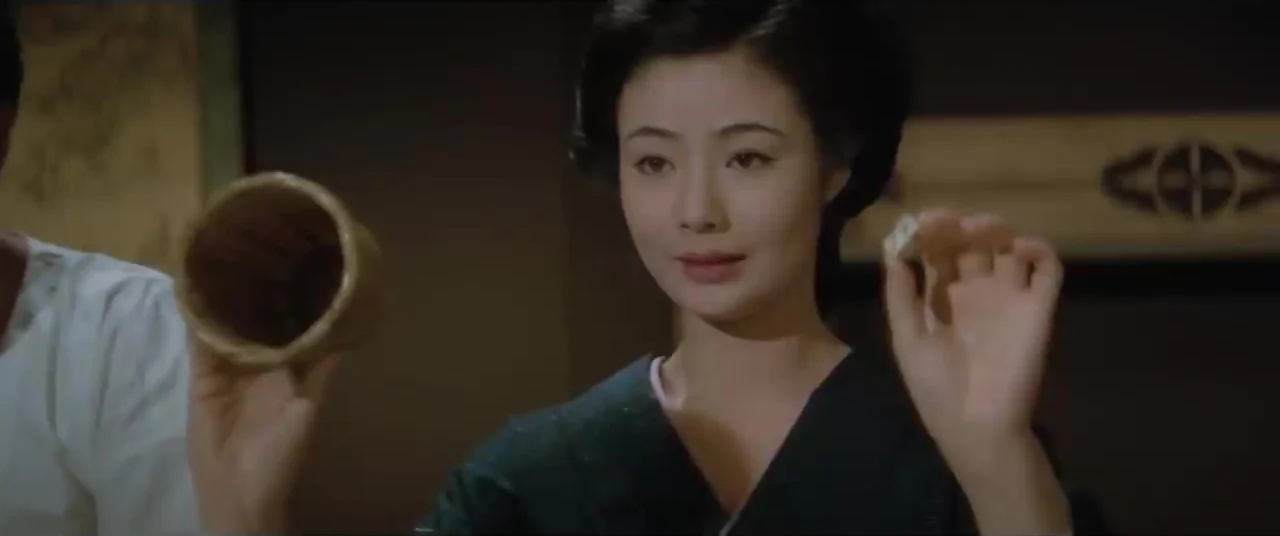
Fuji, the daughter of the Toei producer Kōji Shundō, had played opposite Takakura and Tsuruta for years before the studio gave her a series of her own. The third film, Tai Katō’s The Red Peony (1969), is set in Nagoya in the late nineteenth century and is widely regarded as the best of the series. Katō wanted shots from almost ankle level, so the crew dug up a paved road to get the camera low enough. He also said the energy of its gambling scene owed something to Pale Flower (Gerow et al., 2015).
In 1972 Fuji married a kabuki actor and retired after her last Toei film. The chivalry boom was fading by then, and Toei had already found its replacement.
Battles Without Honor and Humanity (1973) and the True Record Films
Kinji Fukasaku’s Battles Without Honor and Humanity opened in January 1973 with a mushroom cloud. Its source was a series of magazine articles by the journalist Kōichi Iiboshi, reworking a manuscript that the real Hiroshima gangster Kōzō Minō wrote in prison. Bunta Sugawara plays Shōzō Hirono, a demobbed soldier who joins a gang in the black markets of Kure and watches its bosses betray everyone, including him.
The style was called jitsuroku, true record. Fukasaku shot on location with a shaking hand-held camera and kept the dialogue close to how people really speak. The Yale booklet points out that he then added freeze frames and a narrator, which pull against the documentary feel (Gerow et al., 2015). He had tried the same approach a decade earlier in Wolf, Pig and Man (1964), with Takakura as an ex-convict planning a heist on a yakuza gang.
Battles ran to five films across 1973 and 1974. In 2009 the critics of Kinema Junpō, Japan’s oldest film magazine, ranked the first film fifth among the greatest Japanese films ever made.
Its success made the honourable gangster look old fashioned almost overnight. In 1975 Fukasaku made Graveyard of Honor, with Tetsuya Watari, the star of Tokyo Drifter, as Rikio Ishikawa, a real gangster whose violence turned even his own gang against him. Fukasaku later directed Battle Royale (2000).
Takeshi Kitano, Takashi Miike and Yakuza Films Today
Takeshi Kitano rebuilt the genre in the 1990s around long silences and sudden violence. Violent Cop (1989) began his career as a director. Sonatine (1993) sends a weary gangster to Okinawa to sort out a gang war and leaves him waiting on a beach. Hana-bi (1997) won the Golden Lion at Venice, and the Outrage films took him back to gang warfare from 2010.
Takashi Miike came up through V-Cinema, Japan’s direct to video market of the 1990s, where yakuza stories were a staple. His Black Society trilogy (1995 to 1999) and Ichi the Killer (2001) pushed the genre into extremes the 1970s never reached.
The real yakuza did not always take their screen image quietly. After Juzo Itami mocked their extortion methods in his comedy Minbo (1992), gang members attacked him outside his home, a story told in our piece on the death of Juzo Itami.
More recent films track the yakuza’s decline. By October 2011 every prefecture in Japan had an organised crime exclusion ordinance, which made it hard for gang members to rent a flat or sign a phone contract. Michihito Fujii’s Yakuza and the Family (2020) follows one man from 1999 to 2019 as those rules close in, down to the five years former members must wait before they can open a bank account. On television, Tokyo Vice (2022) took the story to an international audience.
Yakuza Films to Watch First
- Drunken Angel (1948), Akira Kurosawa. Toshirō Mifune’s first great role, as a sick young gangster in a postwar slum.
- Pale Flower (1964), Masahiro Shinoda. A gangster out of prison falls in with a young woman who lives to gamble.
- Abashiri Prison (1965), Teruo Ishii. The prison escape that made Ken Takakura a star. On UK Blu-ray from Eureka.
- Brutal Tales of Chivalry (1965), Kiyoshi Saeki. The chivalry formula at its cleanest.
- Tokyo Drifter (1966), Seijun Suzuki. Pop art colour from Nikkatsu’s most rebellious director.
- The Red Peony (1969), Tai Katō. Junko Fuji’s Oryū in the film most fans rate as the series’ best. On UK Blu-ray from Eureka as Red Peony Gambler 3: The Flower Cards Game.
- Battles Without Honor and Humanity (1973), Kinji Fukasaku. The film that changed the genre. Arrow Video has all five on UK Blu-ray.
- Graveyard of Honor (1975), Kinji Fukasaku. Tetsuya Watari as a real gangster too violent even for his own gang.
- Sonatine (1993), Takeshi Kitano. Kitano’s gangsters kill time on an Okinawa beach before the shooting starts.
- Yakuza and the Family (2020), Michihito Fujii. What being a yakuza means once the law turns against you.
Questions About Yakuza Films
Ninkyō eiga, the chivalry films Toei made from 1963 to the early 1970s, show honourable gangsters keeping to a code of duty, usually in stories set before the war. Jitsuroku films, which began with Battles Without Honor and Humanity in 1973, drew on real postwar gang wars and showed the yakuza as violent and treacherous.
In the card game oicho-kabu, a hand of eight, nine and three scores zero, the worst possible result. The numbers are read ya, ku and sa, which gave the yakuza their name.
Battles Without Honor and Humanity (1973) is the most influential. For the older, romantic style, start with Abashiri Prison (1965) or Brutal Tales of Chivalry (1965).
Ken Takakura was the biggest name of the 1960s, alongside Kōji Tsuruta. In the 1970s Bunta Sugawara became the face of the true record films.
Yes. Takeshi Kitano’s Outrage films and Michihito Fujii’s Yakuza and the Family (2020) are recent examples, and many newer films focus on the yakuza’s decline under the exclusion ordinances.