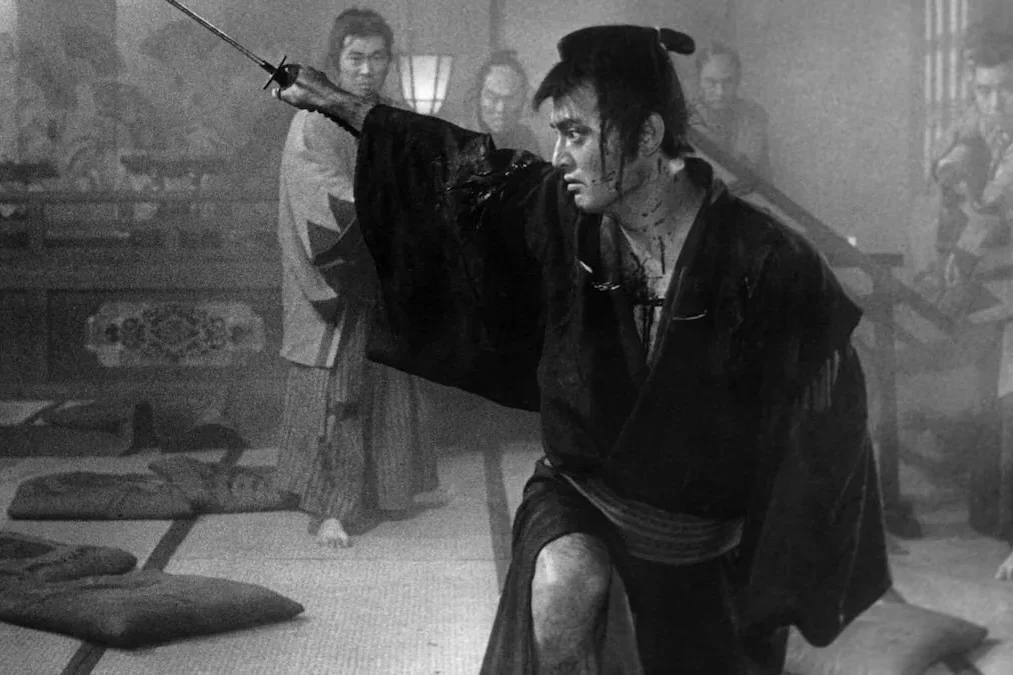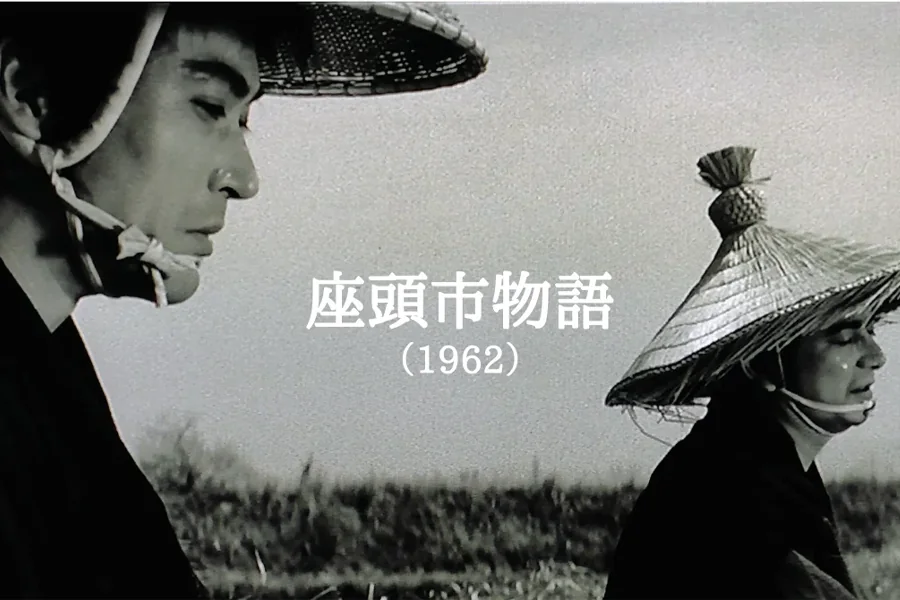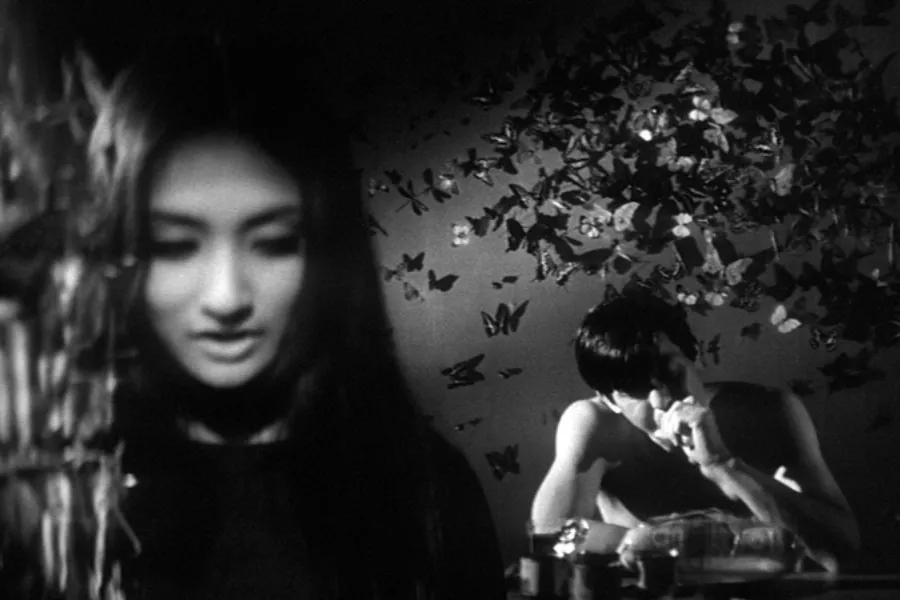
The Japanese New Wave was a major shift in Japanese cinema that began in the late 1950s and continued into the 1970s. It brought a younger, more confrontational style to the screen, with films that challenged social norms, studio habits, and the idea of what Japanese cinema should be.
In 1960, Shochiku made a surprising move. The studio, best known for refined family dramas, gave a group of young directors room to experiment after noticing how French critics-turned-filmmakers were changing world cinema. The result was the Shochiku nouvelle vague, a wave of films that pushed against the Japanese studio system and gave voice to a new generation of filmmakers.
The Story of Japan's Cinema Revolution
What is the Japanese New Wave?

The Japanese New Wave, or nuberu bagu in Japan, was a loose movement of filmmakers who broke away from traditional studio filmmaking between the late 1950s and the 1970s. These films tackled subjects that mainstream Japanese cinema often avoided, including youth rebellion, political unrest, sexuality, discrimination, and life on the margins of society.
Unlike the French New Wave, which developed outside the studio system, the Japanese New Wave began inside it. Some of its leading directors first worked within major studios before moving toward independent production and more personal filmmaking. Although the name comes from France, the Japanese movement developed on its own terms and reflected Japan’s postwar tensions and changing society (Hegarty, 2012).
That context mattered. Japan in 1960 was still rebuilding after the war, its economy was expanding, and public anger was rising over the renewal of the Anpo security treaty with the United States. The Japanese New Wave captured that unrest and turned it into cinema.

How a studio helped create rebellion

One of the most interesting things about the Japanese New Wave is that it was partly launched by the very studios it would later challenge. At Shochiku, three young assistant directors were promoted in quick succession: Oshima Nagisa, Shinoda Masahiro, and Yoshida Yoshishige. Studios were under pressure at the time, as television was pulling audiences away from cinemas, so younger filmmakers were seen as a way to attract new viewers.

The gamble worked, but not in the way the studio expected. Oshima’s Cruel Story of Youth (1960) followed two reckless lovers through exploitation, abortion, and collapse. It was sharp, restless, and far removed from the polished family films Shochiku was known for. Before long, all three directors had left the studio. Oshima later formed his own production company after Shochiku pulled Night and Fog in Japan (1960) from circulation soon after release.

Independent production became a key part of the movement. The Art Theatre Guild played an especially important role, supporting experimental and politically charged films that major studios would not finance. It helped keep the Japanese New Wave alive through the 1960s and beyond.

Shochiku was only one part of the story. At Nikkatsu, Suzuki Seijun turned gangster films into pop-art fever dreams, while Kurahara Koreyoshi brought fierce energy to stories of disaffected youth. At Daiei, Masumura Yasuzo took aim at consumer culture in Giants and Toys (1958). Documentary and experimental filmmakers were also pushing boundaries outside the studio system. The Japanese New Wave was never a single group so much as a shared refusal to follow old rules.
This was also the generation that came after the Golden Age of Japanese cinema, and it defined itself in opposition to it. Where directors like Kurosawa often explored heroism and Ozu focused on quiet family life, the New Wave was more interested in exposing hypocrisy, conflict, and social tension. Even the humanism of films like Kobayashi’s The Human Condition felt too restrained to many younger filmmakers.
What defines a New Wave film?

There is no single style that fits every Japanese New Wave film, but there is a clear attitude behind them. These are politically charged, visually restless films that focus on people mainstream cinema often ignored: workers, delinquents, sex workers, Koreans in Japan, peasants, and buraku communities (Hegarty, 2012). They do not try to comfort the viewer. Instead, they ask uncomfortable questions and often leave them unanswered.
Cinematography
The camerawork in Japanese New Wave films is often bold and unstable. Directors used jump cuts, freeze frames, off-centre framing, and handheld shots to break from the polished style of studio cinema. Oshima often used long takes that forced viewers to sit with tension, while Suzuki’s editing could feel chaotic and unpredictable. Compared with Ozu’s still camera and balanced compositions, the New Wave looked deliberately unruly.
Lighting and colour
Lighting played a major role in shaping the movement’s mood. Black-and-white films often used extreme contrast to create a harsh, expressive look. In Onibaba, tall grass and shadow create an atmosphere of menace, while Pale Flower uses light and darkness to turn gambling dens into spaces of danger and obsession.
Colour films took a different approach. Tokyo Drifter is one of the best-known examples, with its bright blues, yellows, and stylized sets giving the film a pop-art feel. In both black-and-white and colour, lighting is used dramatically over realistically.
Themes
The Japanese New Wave is deeply tied to politics and social change. Its films deal with protest, class conflict, discrimination, sexuality, the American military presence, and the pressures of postwar modernization. Rather than presenting Japan as healed and stable, these films show a society still full of contradictions. That is one reason the movement still feels relevant today.
Common tropes
Several patterns appear again and again in Japanese New Wave cinema. These include lovers on the run, gamblers and killers as antiheroes, self-conscious theatricality, and stories that blur fiction with documentary methods. One of the clearest examples is Funeral Parade of Roses (1969), which follows Eddie, a trans hostess in Shinjuku, through a surreal retelling of Oedipus and mixes drama with documentary-style interviews. Even now, it remains one of the most distinctive Japanese queer films ever made.
Characters
The central characters in Japanese New Wave films are usually outsiders. They may be criminals, workers, sex workers, students, or people pushed to the edge of society. Rather than treating them as symbols or victims, these films let them feel messy, angry, funny, and fully human. That makes the movement’s characters feel much more alive than the more idealized figures found in older studio cinema.
Character development and arcs
These films rarely follow neat arcs of growth or redemption. In many cases, characters fall apart and not improve. In Cruel Story of Youth, the leads spiral into destruction. In Pale Flower, the gambler seems trapped in the same emotional and social dead end from the start. In Imamura’s films, especially The Insect Woman, survival itself becomes the point. The result is a cinema where disillusionment replaces transformation.
The directors who defined it
Several directors helped shape the Japanese New Wave, each with a different style and focus.
Oshima Nagisa

Oshima was one of the movement’s sharpest political voices. Death by Hanging (1968) turns a botched execution into a brutal critique of racism and authority, while In the Realm of the Senses (1976) pushed censorship limits so far that its uncensored version could not be shown in Japan. He remained provocative throughout his career and later directed David Bowie in Merry Christmas, Mr Lawrence.
Imamura Shohei

Imamura focused on what he called the lower half of Japanese society. His films often center on women who survive hardship, exploitation, and social pressure without becoming simple victims. The Insect Woman (1963) is one of his best-known works, and he later won two Palme d’Or awards for The Ballad of Narayama (1983) and The Eel (1997).
Teshigahara Hiroshi

Teshigahara brought the Japanese New Wave international attention. Woman in the Dunes (1964), about a man trapped in a sandpit with a widow, won the Special Jury Prize at Cannes and received an Academy Award nomination for Best Director. Its mix of surreal atmosphere and philosophical tension made it one of the movement’s best-known films outside Japan.
Suzuki Seijun

Suzuki is often remembered as the movement’s most stylish director. At Nikkatsu, he turned ordinary gangster films into highly stylized works full of strange colours, fractured storytelling, and unexpected humour. Tokyo Drifter (1966) and Branded to Kill (1967) became cult classics after studio executives found them too strange and fired him.
Shinoda Masahiro

Shinoda brought elegance and restraint to the movement. Pale Flower (1964) is a yakuza film shaped by risk, boredom, and attraction, while Double Suicide (1969) uses bunraku-inspired staging to turn fate into something visible on screen. His films often feel cooler and more controlled than those of Oshima or Suzuki, but they are no less unsettling.
Where to start watching
If you are new to the Japanese New Wave, it helps to start with the most accessible films first.
- Woman in the Dunes (Teshigahara Hiroshi, 1964). A strong entry point because it works as both a gripping story and an art film.
- Onibaba (Shindo Kaneto, 1964). A horror-inflected survival drama that is eerie and easy to get into.
- Pale Flower (Shinoda Masahiro, 1964). A stylish yakuza film with a cool, fatalistic tone.
- Tokyo Drifter (Suzuki Seijun, 1966). One of the most visually playful films of the movement.
- Cruel Story of Youth (Oshima Nagisa, 1960). A good place to begin if you want to see how the Shochiku rebellion started.
- Death by Hanging (Oshima Nagisa, 1968). More challenging, but essential.
- Funeral Parade of Roses (Matsumoto Toshio, 1969). One of the movement’s most radical and original films.
If you want to go deeper, Yoshida Yoshishige’s Eros + Massacre (1969) is often treated as one of the movement’s most ambitious works.
For UK viewers, useful places to look include BFI Player, Arrow Films, and the Criterion Collection’s Japanese New Wave line. London cinemas such as BFI Southbank and the ICA also regularly screen Japanese classics.


The documentary side
Most summaries of the Japanese New Wave focus on fiction, but the documentary side of the movement is just as important. In some ways, it was even more radical.
The theoretical foundation came early. In 1957, Matsumoto Toshio argued for a new kind of documentary built around shutaisei, or subjectivity, where the filmmaker’s perspective becomes part of the film’s truth (Hegarty, 2012). Hani Susumu had already been experimenting with similar ideas by filming schoolchildren without scripts in Children in the Classroom (1954) and casting real reform-school boys in Bad Boys (1961).
The most sustained documentary work came from Ogawa Shinsuke. When the Japanese government began seizing farmland in Sanrizuka to build Narita airport in the late 1960s, Ogawa and his collective lived with the farmers and documented the struggle for years (Hegarty, 2012). Their films were shown outside normal cinema channels in community halls, universities, and civic centres, reaching audiences that the mainstream film industry often ignored (Hegarty, 2012).
Later, the collective moved to Yamagata and lived alongside villagers while filming agricultural life. That work resulted in A Japanese Village (1982), a long, patient film that follows a year in the life of Furuyashiki and connects everyday rural labour with memory, loss, and history (Hegarty, 2012). Some scholars argue this shows that the New Wave’s influence lasted well beyond its usual ending. At the far edge of the movement, Adachi Masao fused guerrilla filmmaking with revolutionary politics in Red Army/PFLP (1971), linking Japanese cinema directly to international radical struggle (Hegarty, 2012).
How These Films Reached Audiences
The New Wave is usually explained through its directors, which leaves out a fairly basic question. Films the major studios did not want to make, and cinemas were not keen to book, still had to get in front of somebody. The answer is that a separate distribution network grew up to carry them.
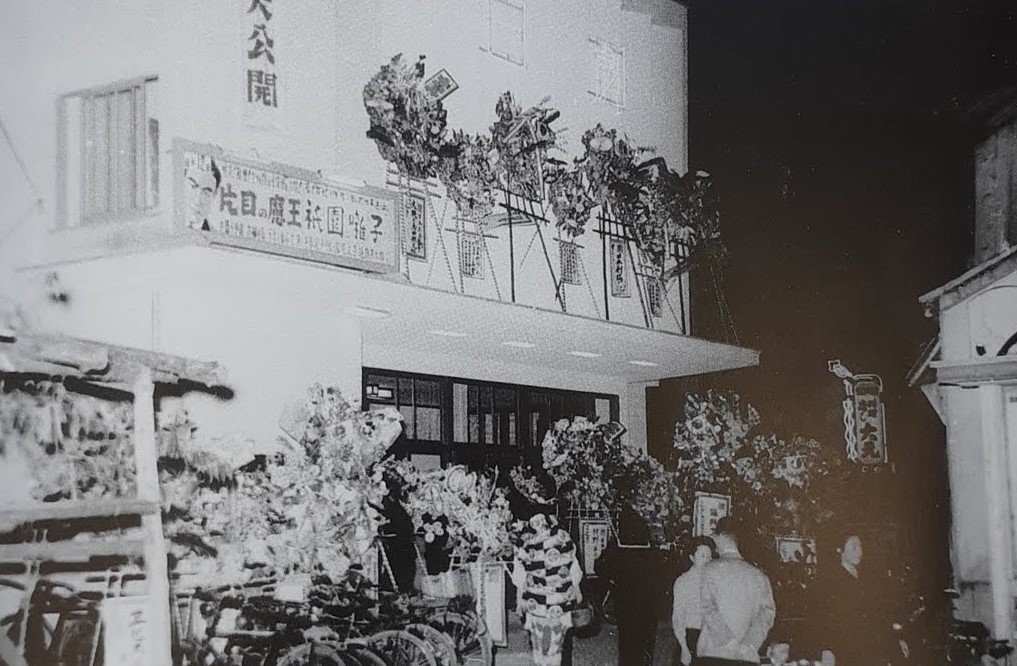
The Art Theatre Guild
The Art Theatre Guild, usually shortened to ATG, was set up to circulate exactly this kind of work, and it later moved into producing it as well. Matsumoto Toshio’s Funeral Parade of Roses and Shinoda Masahiro’s Double Suicide, both from 1969, reached audiences through it. A good deal of what now gets filed under the Japanese New Wave would have been effectively unreleasable without it.
Alastair Phillips and Julian Stringer make a related point about the label itself. The Japanese term, nuberu bagu, was to a significant extent a publicity phenomenon, and Nagisa Oshima became its leading figure partly because he was good at that side of it. The movement was real, and it was also being marketed as it happened.
Why the studios lost their grip
The other half of the explanation is that the studio system holding everything together was coming apart underneath them.
Japanese cinemas had been selling around 19 million tickets a week in the mid 1950s, and admissions passed a billion in 1958. By 1963, the year before the Tokyo Olympics, they had fallen by half compared with five years earlier. Television had arrived, and it took the mass audience with it.
The majors threw everything at holding on. Toei brought in colour and widescreen in 1957, and money went into star driven genre cinema, chivalrous gangster pictures and swordplay. It did not work. By 1965 pink film, the soft core end of the market, accounted for 40 per cent of everything produced domestically. By the early 1970s Daiei and Shin Toho had collapsed outright, and Nikkatsu survived by turning itself over to roman porno.
That is the New Wave’s real opening. These directors got their licence partly through talent and nerve, and partly because the system that would have reined them in was busy falling over.
Legacy and influence
The Japanese New Wave faded as the studio system weakened in the 1970s and independent funding became harder to sustain. Some filmmakers moved into television, some continued working abroad, and others gradually disappeared from the mainstream. By the early 1980s, the movement survived more as an influence than as an active scene.
That influence turned out to be enormous. Suzuki’s pop art gangster films are all over Quentin Tarantino and Jim Jarmusch. Funeral Parade of Roses opened doors for queer cinema worldwide. Fukasaku Kinji, whose stark 1970s yakuza sagas are often claimed for the movement’s outer edge, carried its ferocity into the new millennium with Battle Royale. The movement’s fusion of documentary and fiction anticipated decades of hybrid filmmaking, and its insistence that style itself could be political still reads as current. For a movement built from cheap, fast, angry films, it has proved remarkably permanent.
Japanese New Wave FAQ
When did the Japanese New Wave start and end?
The Japanese New Wave is usually dated from the late 1950s to the early or mid-1970s. Oshima’s 1959 and 1960 Shochiku films are often treated as its starting point, though some scholars argue that its documentary branch continued into the 1980s with Ogawa’s A Japanese Village.
What was the first Japanese New Wave film?
There is no single agreed-upon answer. A Town of Love and Hope (1959) and Cruel Story of Youth (1960) are often treated as early New Wave films, while Crazed Fruit (1956) is sometimes mentioned as an important precursor.
Was Akira Kurosawa part of the Japanese New Wave?
No. Kurosawa belonged to the earlier Golden Age generation, which the New Wave reacted against. The New Wave filmmakers respected his skill, but they wanted to move away from the humanist studio cinema he represented.
Is Branded to Kill a Japanese New Wave film?
Yes. It is usually included in the Japanese New Wave, although Suzuki Seijun is often seen as the movement’s most stylistically playful filmmaker rather than its most political one.
Were there any female Japanese New Wave directors?
The movement’s canon was overwhelmingly male. One important woman director working just before the New Wave was Tanaka Kinuyo, whose 1955 film Forever a Woman explored female desire with unusual boldness for the period.
References:
Alastair Phillips and Julian Stringer (eds), “Japanese Cinema: Texts and Contexts”, Routledge, 2007.
Yoshiharu Tezuka, “Japanese Cinema Goes Global: Cosmopolitan Subjectivity and the Transnationalization of the Culture Industry”, PhD thesis, Department of Media and Communications, Goldsmiths College, University of London.