In 1938 a film crew attached itself to a Japanese infantry regiment in China and followed it for about four months. The government blocked the film they brought home. That film, Kamei Fumio’s Fighting Soldiers, is a good place to start, because arguments with authority run through much of what Japanese documentary makers did next.
This guide traces how that tradition grew, from a classroom experiment in the 1950s to a six hour film about mercury poisoning released in 2020. It ends with 12 Japanese documentaries worth tracking down, and where UK viewers can see them.
What are Japanese documentary films? Japanese documentary films are non-fiction films made by Japanese directors, usually in Japanese. The tradition is known for directors who live alongside their subjects for years and for films that openly show the filmmaker’s own point of view. The best known names include Ogawa Shinsuke, Tsuchimoto Noriaki, Hara Kazuo and Kawase Naomi.
Japanese Documentary Films and the Directors Behind Them
Fighting Soldiers (1939) and the war documentary Japan’s censors blocked
Kamei Fumio had studied film in the Soviet Union before making documentaries for the Toho studio. In 1938 he and his cameraman Miki Shigeru spent roughly four months with an infantry regiment in China, recording its long marches and the Chinese people caught in its path.
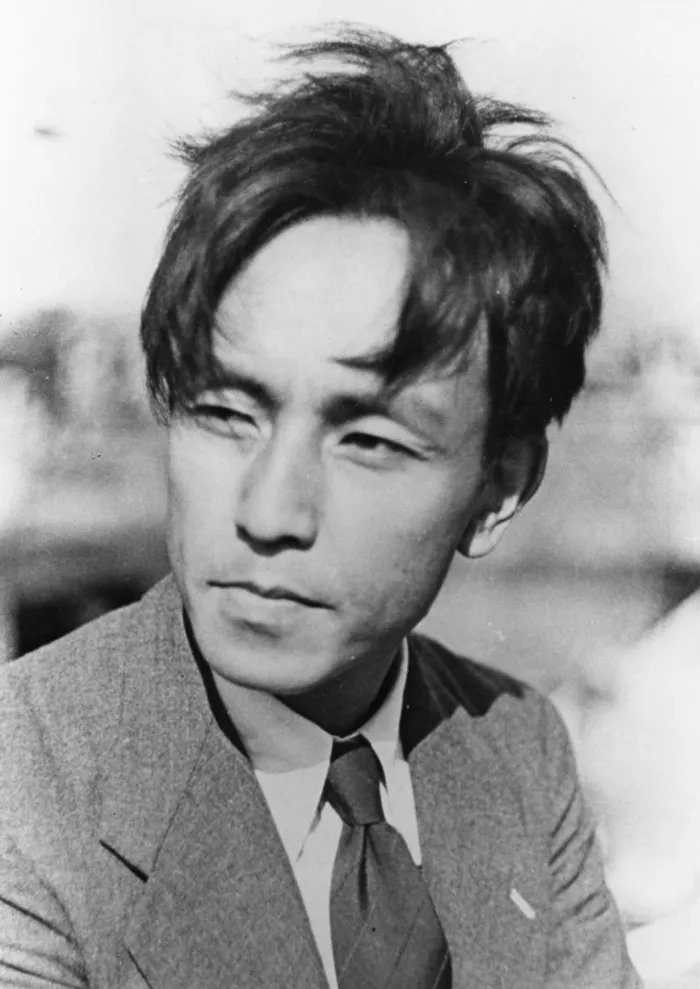
Censorship officials were furious. One reportedly protested: “These aren’t fighting soldiers, they’re tired soldiers!” The film was blocked in 1939 and stayed out of sight until it was rediscovered in 1976, when critics began calling it a masterpiece of anti-war cinema.
Kamei always said it was not an anti-war film. Either way, his work became a model for the protest documentaries of the 1960s and 1970s.

Iwanami Productions and Hani Susumu’s camera in a primary school classroom
After the war, some of the boldest Japanese documentary work came out of a company set up to make educational and public relations films. Iwanami Productions was founded in 1950 by people connected to the publisher Iwanami Shoten, and it gave its young directors unusual room to experiment. Ogawa Shinsuke and Tsuchimoto Noriaki both learned their trade there.
Its most important early film was a modest one. Hani Susumu’s Children in the Classroom (1954) was a 30 minute film sponsored by the Ministry of Education. Hani set up his camera in a primary school classroom, kept it there until the children stopped noticing it, and worked with no script at all.
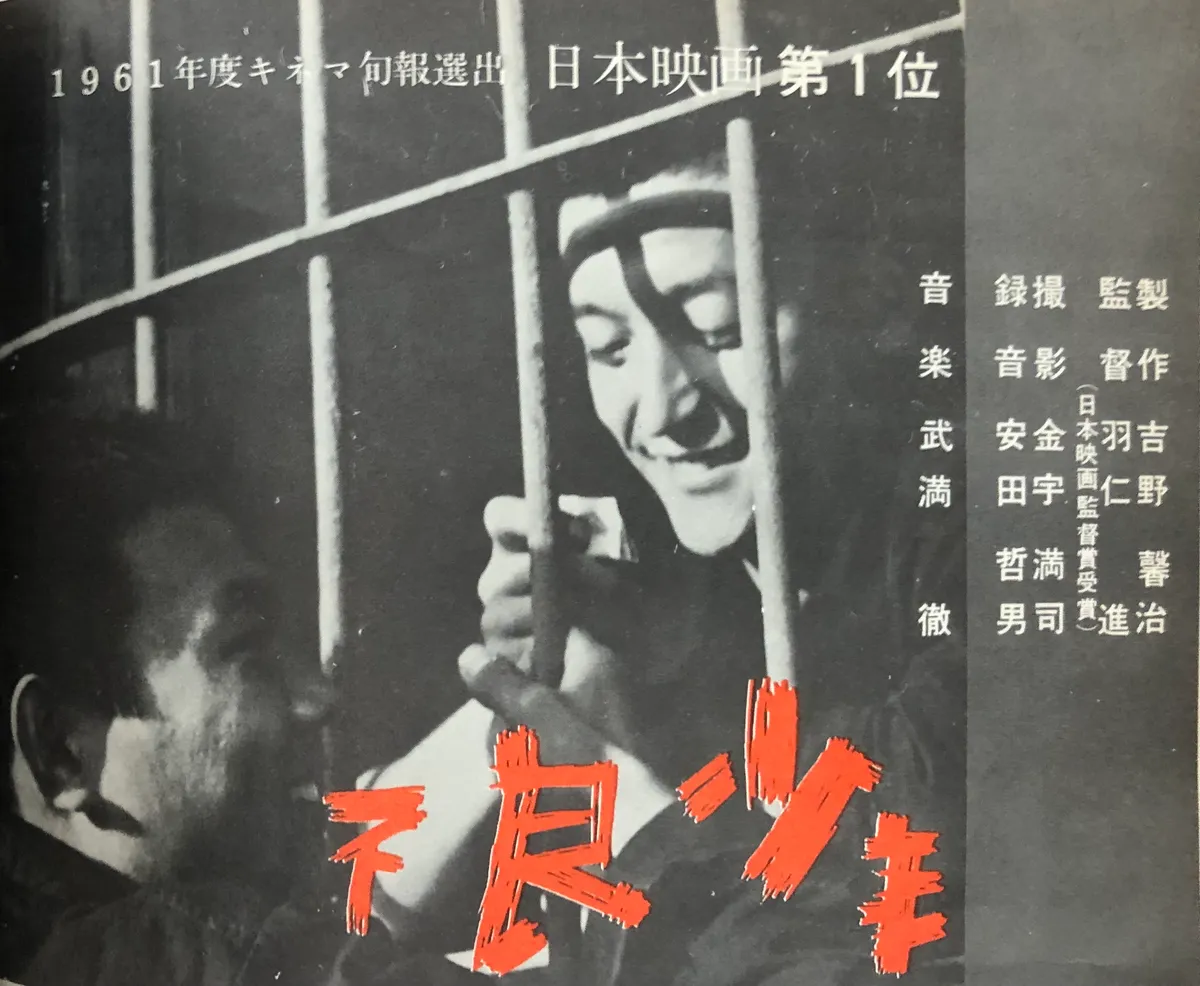
The film stunned Japan’s documentary and educational film circles. It made Hani the face of a new kind of filmmaking that let real behaviour lead the story.
Matsumoto Toshio’s 1957 case for putting the filmmaker in the film
In 1957 the filmmaker Matsumoto Toshio, who would later direct Funeral Parade of Roses (1969), published an article that caused a row. He attacked pre-war and wartime documentary makers for their part in the war effort, and for hiding behind a realism that suppressed the filmmaker’s own view.
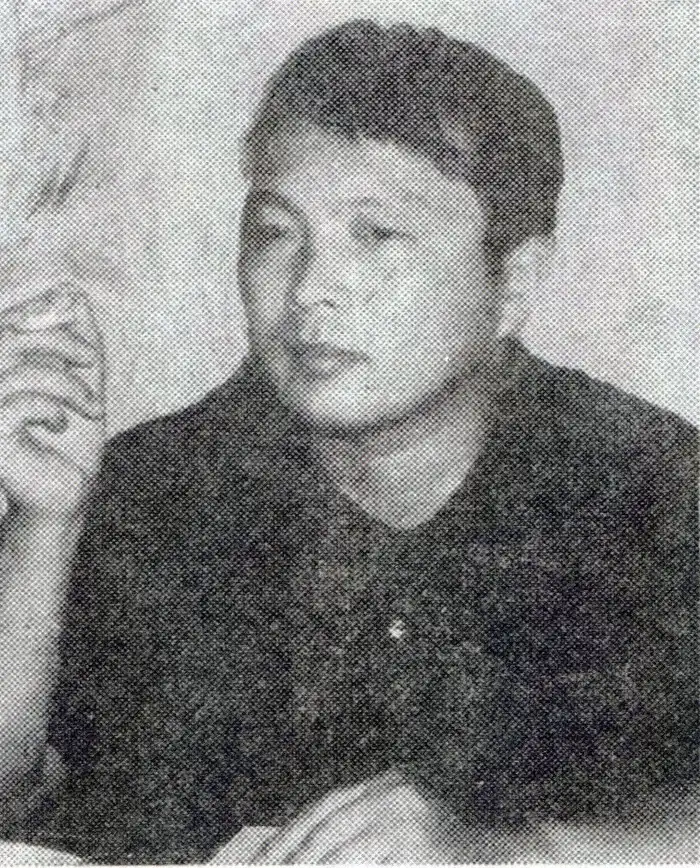
His answer was shutaisei, a Japanese word usually translated as subjectivity. A documentary, he argued, should admit the filmmaker’s own point of view and make it part of the film’s truth. Benjamin Hegarty’s study of the period for Monash University, Late Japanese New Wave Documentary and Cinematic Truth, traces how this idea shaped the radical documentaries of the decades that followed (Hegarty, 2012).
Ogawa Shinsuke’s collective at Sanrizuka and Magino village
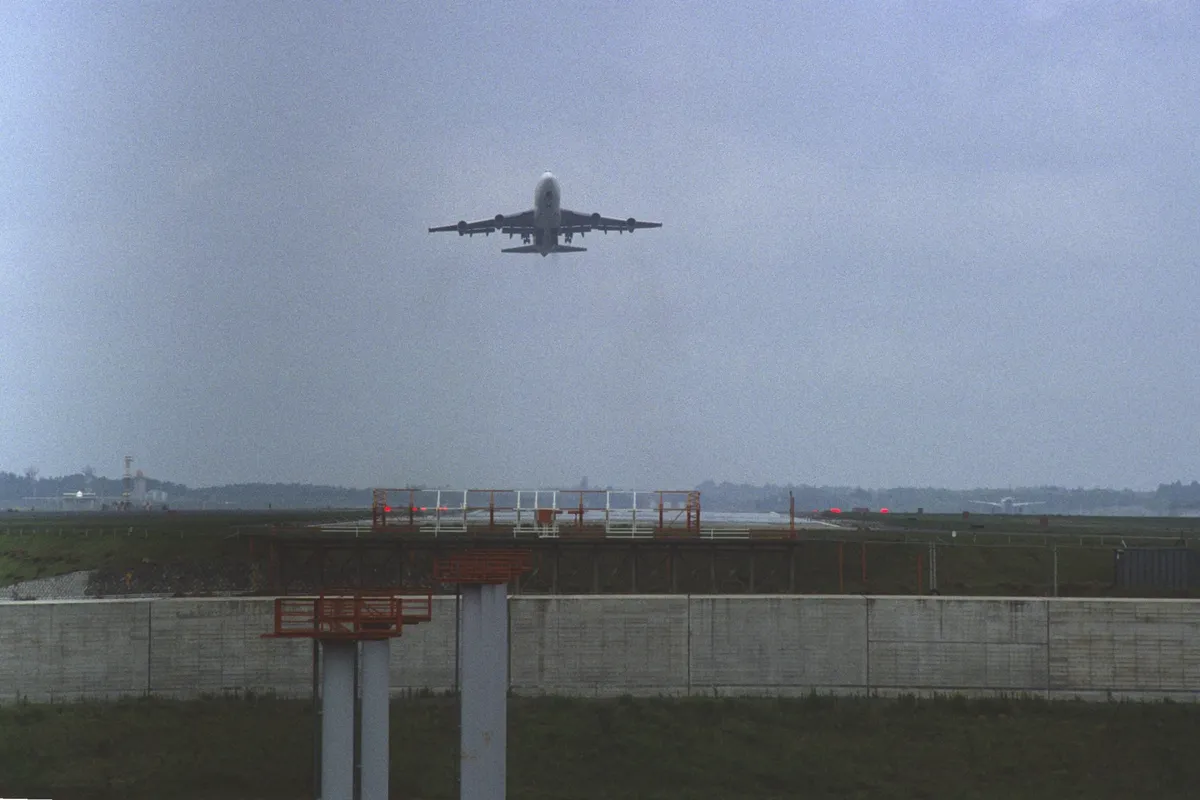
Ogawa Shinsuke joined Iwanami Productions in 1960 and went freelance four years later. In 1968 he founded Ogawa Productions and moved his crew into Sanrizuka, a farming district in Chiba Prefecture where the government had chosen to build Narita airport. Many of the farmers refused to sell their land, and Ogawa’s group lived with them while they fought.
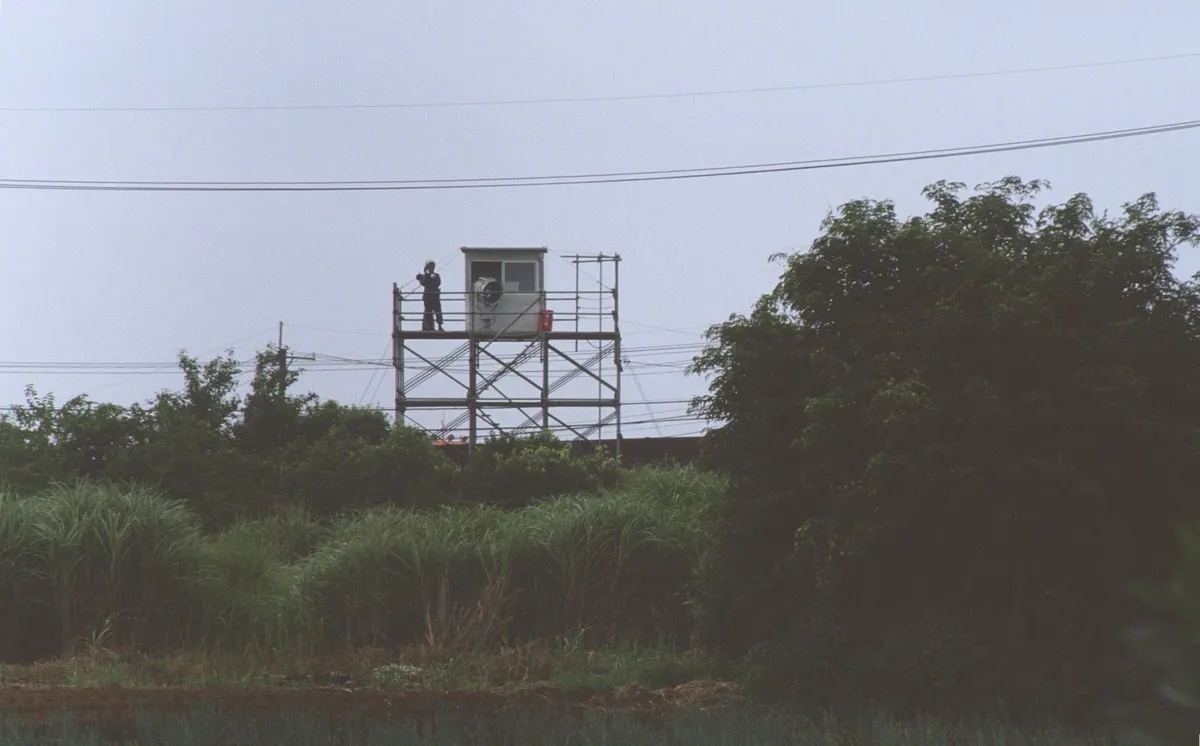
The collective made seven Sanrizuka films between 1968 and 1977. They reached audiences through a network of distribution centres around the country, with screenings in community halls and universities (Hegarty, 2012).
In 1974 the group moved again, this time to Magino in Kaminoyama, Yamagata, where they grew rice and filmed village life for the next 13 years. We cover these films in more detail in our guide to the documentary side of the Japanese New Wave.


Tsuchimoto Noriaki and 17 films about mercury poisoning in Minamata
Minamata disease is a debilitating neurological illness caused by methylmercury pollution in the sea off Minamata, a fishing town in Kumamoto Prefecture. Tsuchimoto Noriaki spent much of his career filming the people it affected.
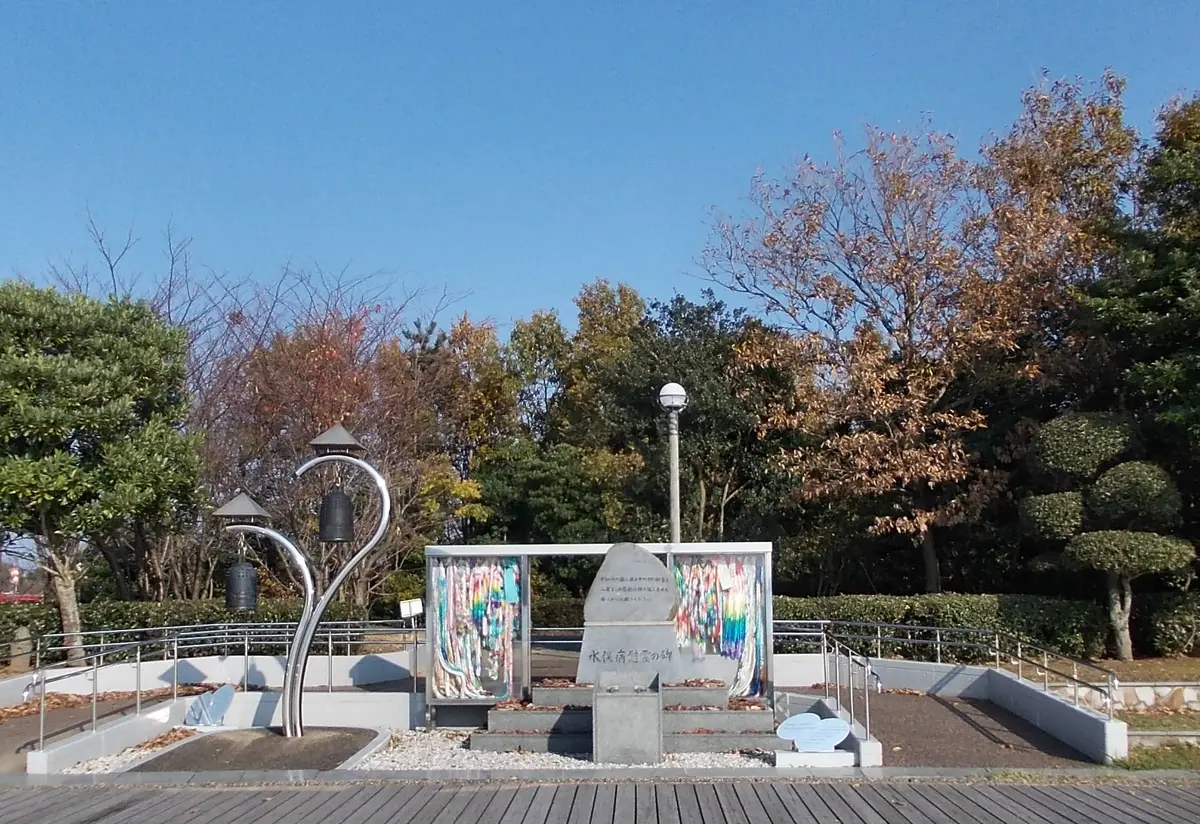
Minamata: The Victims and Their World (1971) was made without any sponsor. It takes the side of the patients in their fight for recognition and compensation, and it also gives long stretches to their daily lives and their bond with the sea. It was the first of 17 films Tsuchimoto made about Minamata.
Tsuchimoto died in 2008. Hara Kazuo and his producer and wife, Kobayashi Sachiko, picked up the story with Minamata Mandala (2020), filmed over more than 15 years and running to 372 minutes.
Hara Kazuo and The Emperor’s Naked Army Marches On (1987)
The BFI calls Hara Kazuo perhaps the Japanese documentary maker best known outside Japan. His first film, Goodbye CP (1972), is a portrait of a man living with cerebral palsy at home. His second followed his former partner to Okinawa and ends with Hara filming her giving birth.
The Emperor’s Naked Army Marches On (1987) took him five years. Its subject is Okuzaki Kenzo, a 62 year old Second World War veteran who runs a battery and used car repair shop in Kobe and drives around Japan in a car plastered with protest messages. He is investigating the deaths of two soldiers from his old unit in New Guinea, and he questions the men he holds responsible on camera, with Hara filming every confrontation.
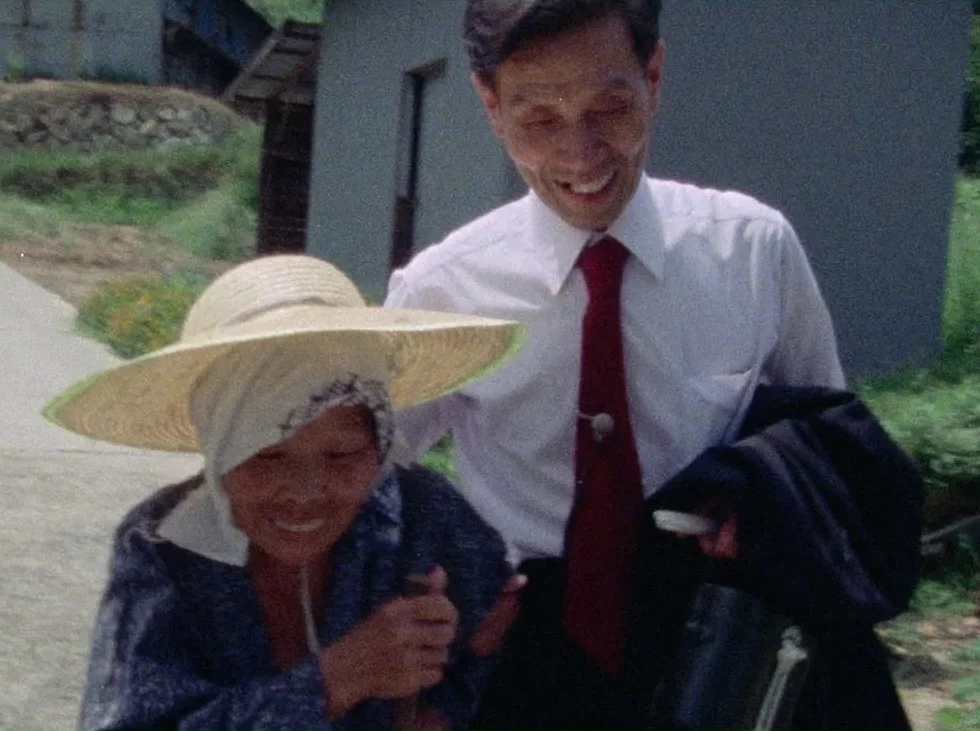
The project began with the director Imamura Shohei, who is credited with its planning. It won the Caligari Film Prize at the 1987 Berlin International Film Festival.
From Kawase Naomi’s Super 8 diaries to Soda Kazuhiro’s ten rules
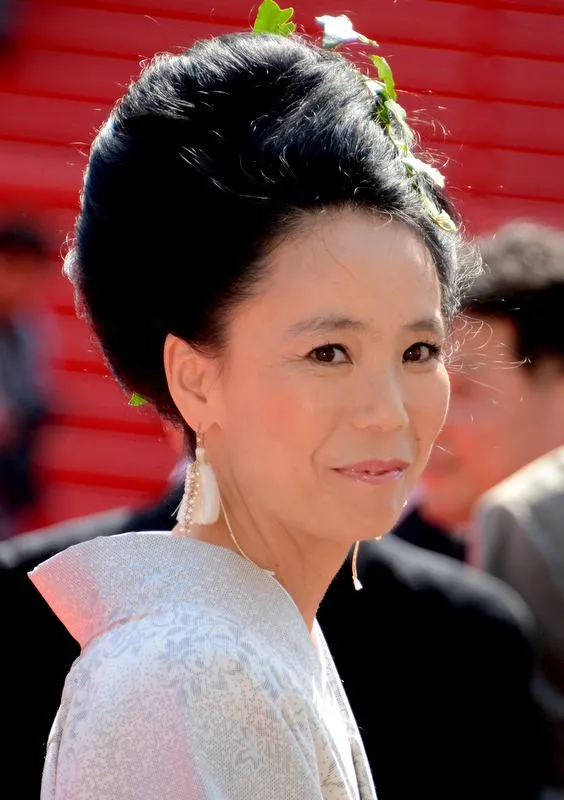
From the 1990s some of the most striking Japanese documentaries became smaller and more personal. Kawase Naomi, from Nara, shot Embracing (1992) on Super 8 film while searching for the father who left when she was a baby. It runs 40 minutes and won her recognition at the Yamagata International Documentary Film Festival before she moved into fiction.
Kore-eda Hirokazu spent the early 1990s making television documentaries for the production company TV Man Union. The last of them, Without Memory (1996), follows a man who lost the ability to form new memories after medical malpractice.
Soda Kazuhiro went in a different direction. After more than a decade making television documentaries for NHK, he wrote himself ten rules for what he calls observational film. They include no research, no meetings with his subjects, long takes, and no narration, on-screen titles or music. He even pays for the films himself.
12 Japanese documentaries to watch
1. Tokyo Olympiad (1965), Ichikawa Kon
Ichikawa and 164 camera operators shot about 70 hours of footage at the 1964 Tokyo Olympics, and he cut it down to a film of nearly three hours. He gave the athletes who lost as much attention as the winners and gave Japan’s own competitors no special treatment. The officials who commissioned it were unhappy and pressed him to change it.
2. A Man Vanishes (1967), Imamura Shohei
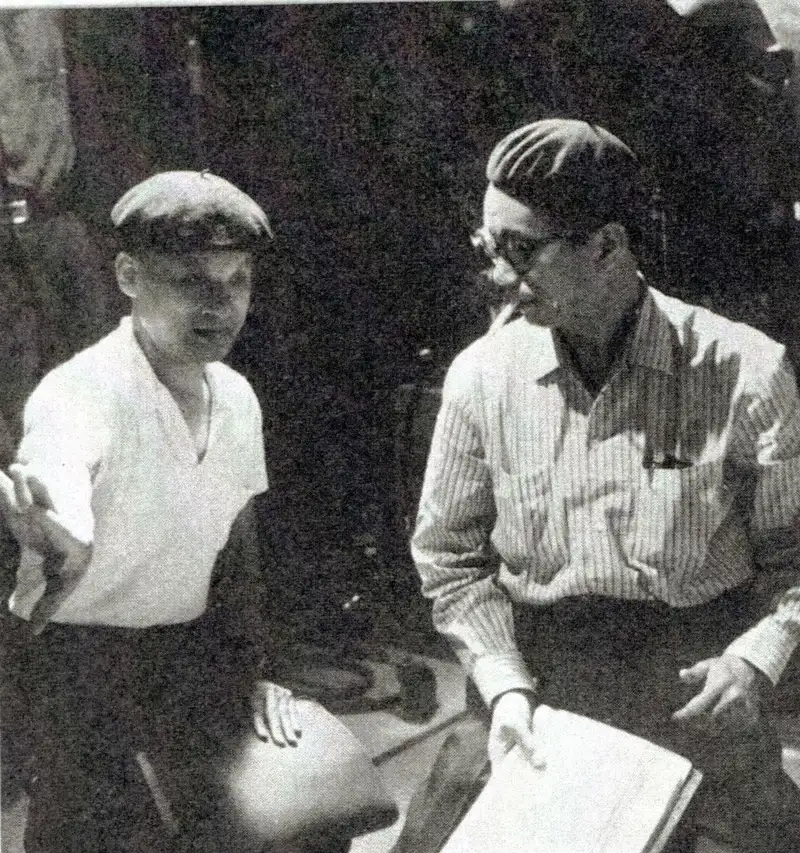
Imamura’s first documentary sets out to find a Tokyo salesman who has disappeared, then starts questioning whether its own footage can be trusted. It runs 130 minutes. Imamura made documentaries for most of the 1970s, which we cover in our guide to the ICA’s Imamura season.
3. Sanrizuka: Peasants of the Second Fortress (1971), Ogawa Shinsuke
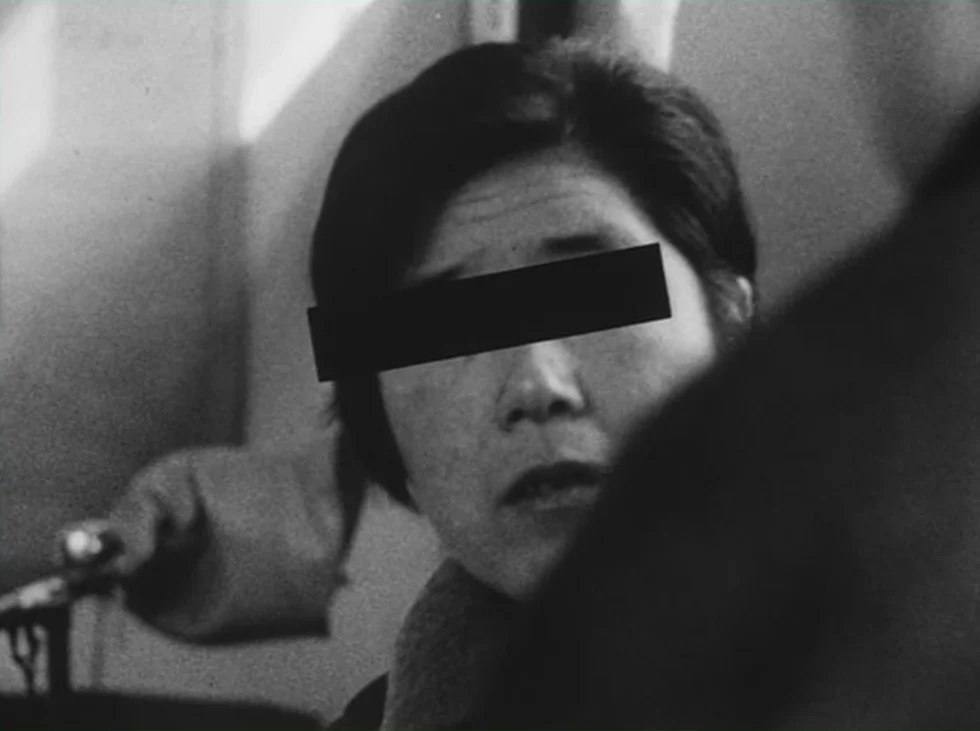
The fourth Sanrizuka film records the first forced land seizure from inside the farmers’ tunnels and barricades. It became Ogawa Productions’ first international success. At 143 minutes, it is the easiest way into Ogawa’s work.
4. Minamata: The Victims and Their World (1971), Tsuchimoto Noriaki
The director and critic Mark Cousins picked it as one of ten documentaries that shook the world. It won prizes at the Bern and Locarno film festivals in 1972.
5. Extreme Private Eros: Love Song 1974 (1974), Hara Kazuo
Hara follows his former partner Miyuki to Okinawa, where she has moved with their child, and keeps filming as her life changes around her. At 98 minutes it is one of his shorter films, and one of the hardest to watch.
6. A Japanese Village: Furuyashikimura (1982), Ogawa Shinsuke
A 210 minute portrait of Furuyashiki, a hamlet of eight homes on the slopes of Mount Zao in Yamagata. The first half is a scientific study of how a cold summer ruined the rice crop. In the second, older residents remember charcoal making and being sent to war.
7. The Emperor’s Naked Army Marches On (1987), Hara Kazuo
It placed 23rd in Sight and Sound’s 2014 poll of the greatest documentaries ever made, and it is the one to watch first if you only watch one. It runs about two hours.
8. Embracing (1992), Kawase Naomi
Forty minutes of Super 8 footage that turn a search for a missing father into something close to a diary. Pair it with Kawase’s later Genpin (2010), filmed at a natural birth clinic in Okazaki.
9. Without Memory (1996), Kore-eda Hirokazu
Made for television before Kore-eda turned to features full time, it follows Sekine Hiroshi and his family as they live with his amnesia. The BFI rates it the most significant of his documentaries.
10. A (1998), Mori Tatsuya
After the 1995 sarin gas attack on the Tokyo subway, Mori spent more than a year inside the offices of Aum Shinrikyo, the group responsible, while the news media were kept out. He follows the group’s young spokesman, Araki Hiroshi, and catches the media frenzy around him. It runs 136 minutes.
11. Mental (2008), Soda Kazuhiro
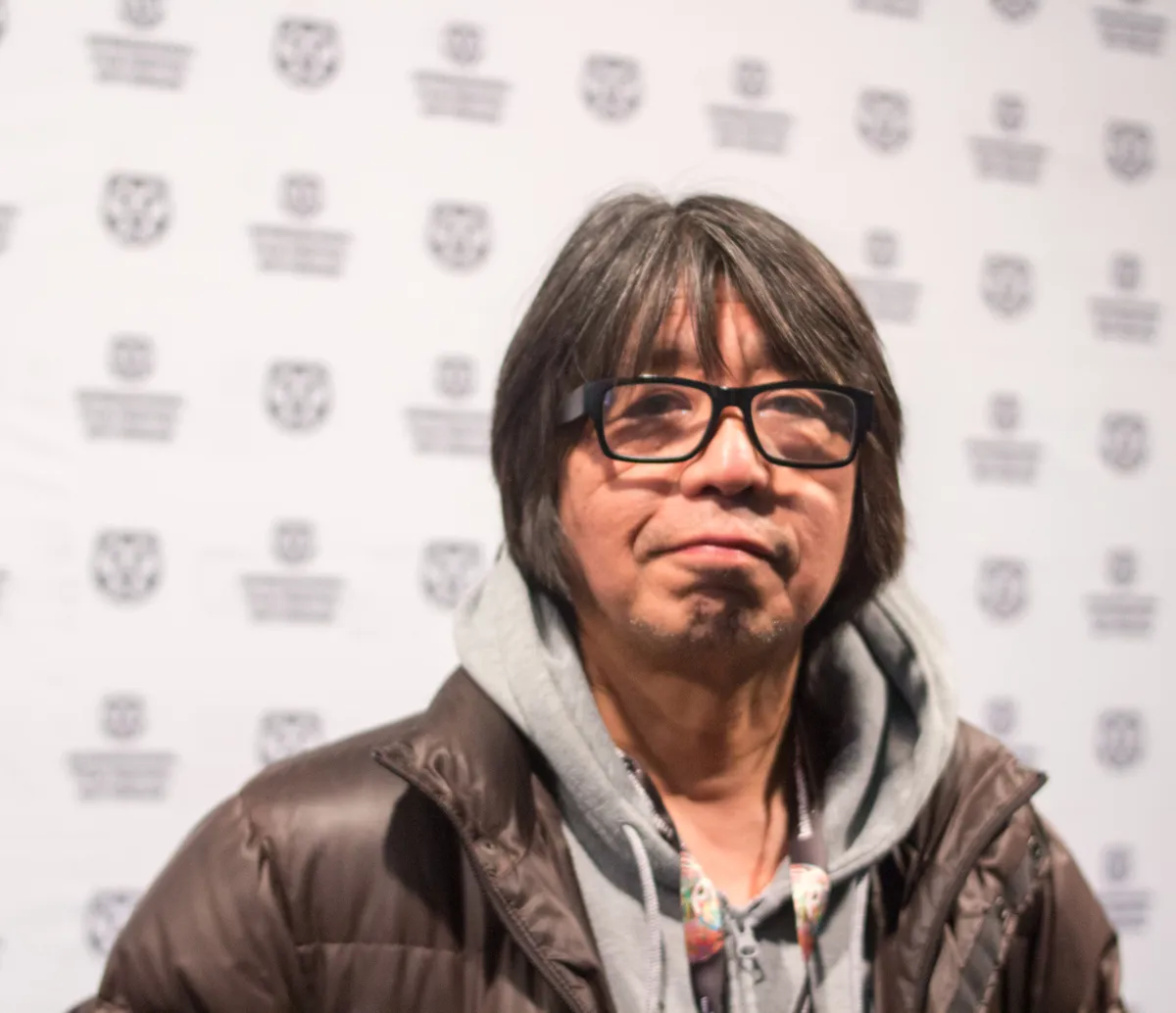
Soda’s second observational film is set in Chorale Okayama, a small outpatient clinic for mental health care, and its psychiatrist, Dr Yamamoto Masatomo. Patients talk about their lives at length, with no narration to guide the viewer. It won Best Documentary at the Busan International Film Festival.
12. Minamata Mandala (2020), Hara Kazuo
Hara’s three part return to Minamata follows long-term patients through their court cases and their daily lives. At 372 minutes, it is best watched one part at a time.
Where to see Japanese documentaries in the UK, and at Yamagata in October 2027
Most of these films never had a UK cinema release, so discs and festivals do the work.
The UK label Second Run released The Emperor’s Naked Army Marches On on region free Blu-ray in 2019, and Extreme Private Eros: Love Song 1974 on Blu-ray in April 2026. Criterion’s Blu-ray of Tokyo Olympiad is Region A, so UK viewers need a multi-region player.
London’s Open City Documentary Festival has screened Ogawa’s Sanrizuka films at the ICA, and Sheffield DocFest gave Minamata Mandala its European premiere. Both are worth checking each year for new Japanese titles.
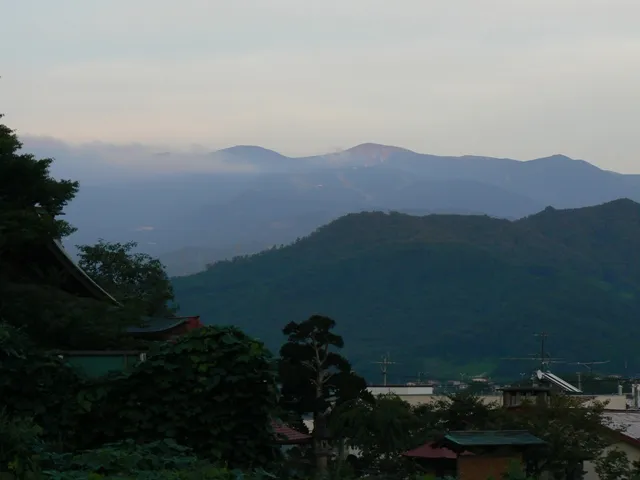
The festival most closely tied to this history is the Yamagata International Documentary Film Festival, which Ogawa Shinsuke helped organise in 1989. It takes place every two years in October, and the next edition runs from 7 to 14 October 2027.
Japanese documentary FAQ
Jiro Dreams of Sushi (2011) is an American documentary directed by David Gelb. It is in Japanese and about a Tokyo sushi chef, which is why many lists include it among Japanese documentaries.
The Emperor’s Naked Army Marches On (1987) appears on both the BFI’s list of great Japanese documentaries and Tokyo Weekender’s, and it is on UK Blu-ray from Second Run. For something lighter, Tokyo Olympiad (1965) is a sports film that doubles as a portrait of 1960s Tokyo.
It is Asia’s first international documentary film festival, founded in Yamagata City in 1989 and held every two years in October. Ogawa Shinsuke was one of the organisers of the first edition.
Hara Kazuo is the name most often mentioned outside Japan, mainly for The Emperor’s Naked Army Marches On. Ogawa Shinsuke and Tsuchimoto Noriaki are just as central to the history.