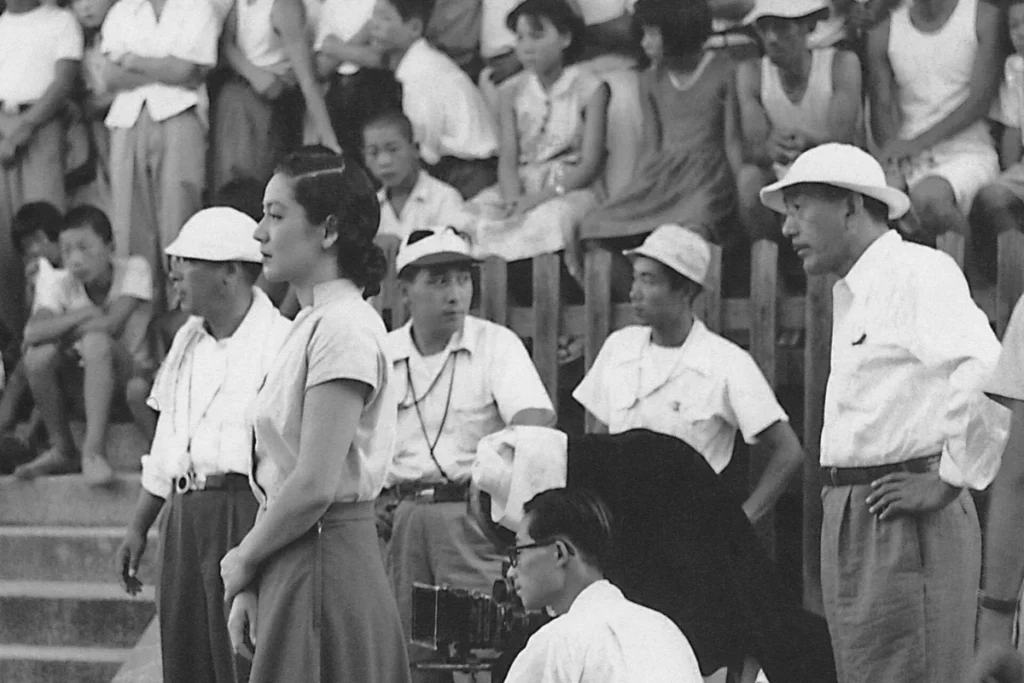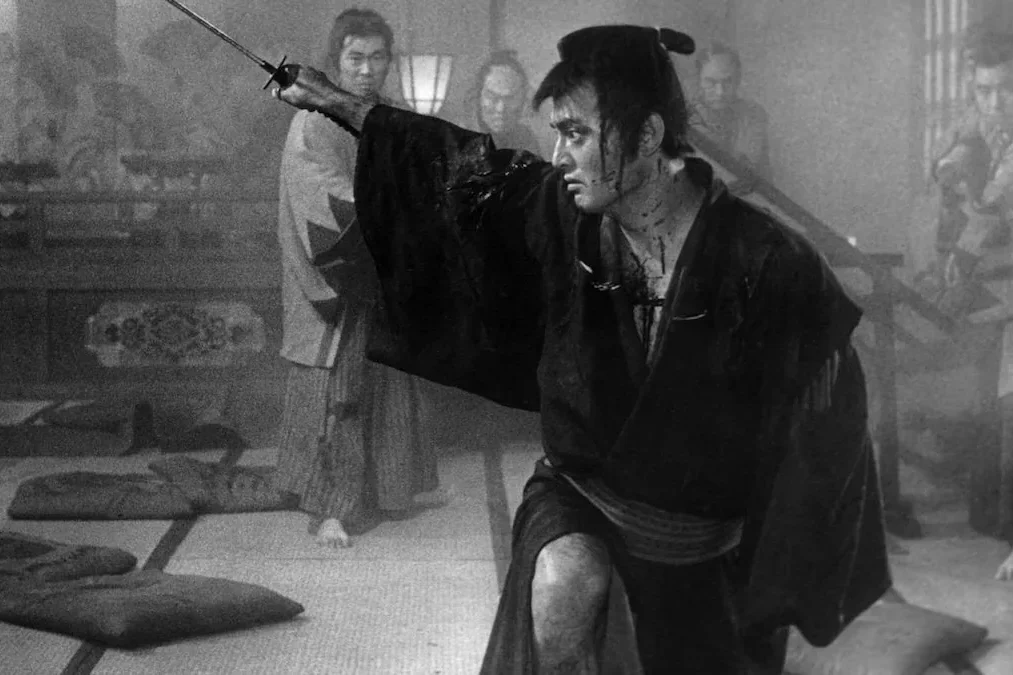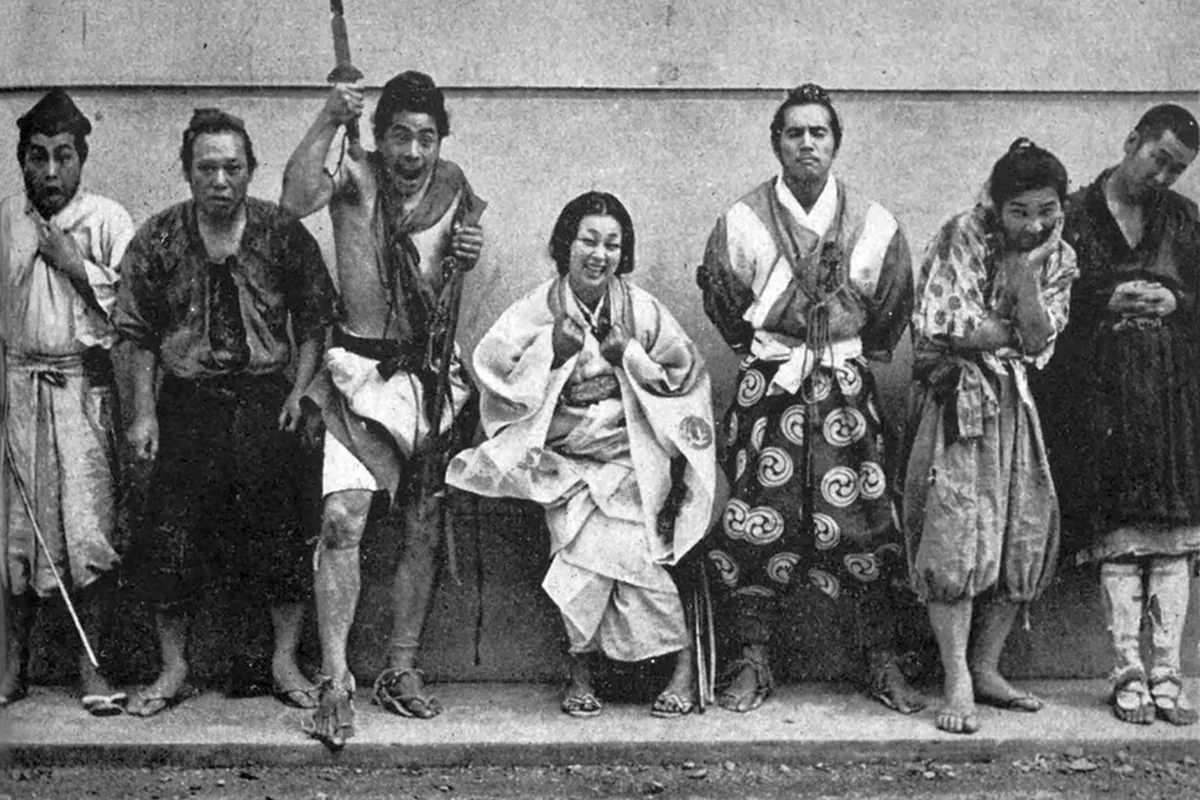
Akira Kurosawa directed 30 films between 1943 and 1993, and 21 of them are on BFI Player’s subscription service in the UK as of 31 October 2026. If you only have one evening, start with Yojimbo or Rashomon: both run under two hours and show what made him famous. Below is every film in order, then the ten worth watching first.
| Born | 23 March 1910, Tokyo |
| Died | 6 September 1998, Setagaya, Tokyo, aged 88 |
| Films directed | 30, from Sanshiro Sugata (1943) to Madadayo (1993) |
| Best known for | Rashomon, Ikiru, Seven Samurai, Yojimbo, Ran |
| Major prizes | Golden Lion, Venice 1951 (Rashomon); Palme d’Or, Cannes 1980 (Kagemusha); Academy Award for Lifetime Achievement, 1990 |
| Watch in the UK | BFI Player subscription, £6.99 a month after a 14 day free trial (checked 31 October 2026) |
Who Akira Kurosawa was
Kurosawa was born in Tokyo in 1910, the youngest of eight children of an army school director from a samurai family in Akita. He wanted to be a painter first. His older brother Heigo worked as a benshi, the live narrators who talked audiences through silent films, and it was Heigo who took him to cinemas, theatres and the circus. When sound arrived, the benshi lost their jobs; Heigo took his own life in 1933.
Kurosawa Movies in Order and Where to Stream Them
In 1935 Kurosawa answered an advert from the studio P.C.L., which later became Toho. He joined in February 1936 and spent five years as an assistant director, mostly under Kajiro Yamamoto. His debut, the judo drama Sanshiro Sugata, was released on 25 March 1943 after the director Yasujiro Ozu argued its case to the wartime censors. Ozu’s own story is in our guide to Yasujiro Ozu’s films and style.
He wrote or co-wrote every film he directed, and two actors run through the work. Takashi Shimura appeared in more than 20 of his films. Toshiro Mifune made his first Kurosawa film in 1948 and his last, Red Beard, in 1965. Kurosawa died at home in Setagaya on 6 September 1998.

All 30 Akira Kurosawa films in order
The list counts the 30 features Kurosawa directed alone. It leaves out Those Who Make Tomorrow (1946), which he co-directed and later disowned, and the television documentary Song of the Horse (1970). “BFI Player” means the subscription service unless it says rental.
| Year | Film | In one line | Watch in the UK |
|---|---|---|---|
| 1943 | Sanshiro Sugata | A young fighter learns judo, and humility, in 1880s Japan | BFI Player |
| 1944 | The Most Beautiful | Wartime film about women working in a factory, shot in a semi-documentary style | BFI Player |
| 1945 | Sanshiro Sugata Part Two | A sequel the studio pressed on him, set against Western boxers | BFI Player |
| 1945 (released 1952) | The Men Who Tread on the Tiger’s Tail | Kabuki’s Kanjincho retold, banned by the Occupation censors until 1952 | BFI Player |
| 1946 | No Regrets for Our Youth | Setsuko Hara as a woman who questions her privilege under prewar repression | BFI Player |
| 1947 | One Wonderful Sunday | A poor couple try to enjoy their one day off in bombed out Tokyo | BFI Player |
| 1948 | Drunken Angel | An alcoholic doctor and a gangster with tuberculosis; Mifune’s first Kurosawa film | BFI Player |
| 1949 | The Quiet Duel | Mifune as a young doctor who catches syphilis during wartime surgery | Not on BFI Player |
| 1949 | Stray Dog | A rookie detective hunts his stolen pistol through a Tokyo heatwave | BFI Player |
| 1950 | Scandal | A painter and a singer sue a tabloid that invented their affair | Not on BFI Player |
| 1950 | Rashomon | Four witnesses give four versions of one killing in a forest | BFI Player |
| 1951 | The Idiot | Dostoevsky moved to snowbound Hokkaido, cut by the studio to 166 minutes | Not on BFI Player |
| 1952 | Ikiru | A Tokyo bureaucrat with cancer looks for one thing worth doing | BFI Player |
| 1954 | Seven Samurai | Farmers hire seven swordsmen to defend their village from bandits | BFI Player |
| 1955 | I Live in Fear | An old factory owner so afraid of nuclear war he tries to move his family to Brazil | BFI Player |
| 1957 | Throne of Blood | Macbeth in a fog bound castle, played with the stillness of Noh | BFI Player |
| 1957 | The Lower Depths | Gorky’s play in an Edo period slum, shot on two cramped sets | BFI Player |
| 1958 | The Hidden Fortress | Two greedy peasants help smuggle a princess across enemy lines | BFI Player |
| 1960 | The Bad Sleep Well | A son infiltrates the corrupt company behind his father’s death | BFI Player |
| 1961 | Yojimbo | A ronin plays two gangs against each other in a dying town | BFI Player |
| 1962 | Sanjuro | The same ronin helps nine clumsy young samurai expose corruption | BFI Player |
| 1963 | High and Low | A shoe executive must decide whether to pay a ransom for his chauffeur’s son | BFI Player |
| 1965 | Red Beard | A proud young doctor learns his trade at a clinic for the poor | BFI Player |
| 1970 | Dodes’ka-den | His first colour film, set in a shanty town built on a Tokyo rubbish dump | Not on BFI Player |
| 1975 | Dersu Uzala | A Russian explorer and his hunter guide in Siberia, made for the Soviet studio Mosfilm | Not on BFI Player |
| 1980 | Kagemusha | A petty thief is made to impersonate a dead warlord | Not on BFI Player |
| 1985 | Ran | King Lear as a 16th century warlord who divides his lands between three sons | BFI Player (subscription or rental) |
| 1990 | Dreams | Eight short films based on Kurosawa’s own dreams | BFI Player rental |
| 1991 | Rhapsody in August | A grandmother who survived Nagasaki and the grandchildren visiting her | Not on BFI Player |
| 1993 | Madadayo | A retired professor’s students gather each year to celebrate him | Not on BFI Player |
Japan Nakama has full pieces on several of these: how The Hidden Fortress shaped Star Wars, what Kurosawa changed in The Idiot and the four year struggle to fund Kagemusha.
The ten Akira Kurosawa films to watch first
These are in release order, which is also a good order to watch them in, because each one shows something the next builds on.
Drunken Angel (1948)
Kurosawa called this the first film in which he could express himself freely. Takashi Shimura plays a hard drinking doctor in a Tokyo slum; Toshiro Mifune, in his first role for Kurosawa, plays the young gangster he tries to treat for tuberculosis. Mifune was meant to be the supporting part and ended up dominating the film. It was voted best film of the year by the critics of Kinema Junpo.
Stray Dog (1949)
Mifune is a rookie detective whose pistol is stolen on a bus, and Shimura is the older officer who helps him find it before it is used again. A wordless sequence of more than eight minutes follows Mifune through the black markets of postwar Tokyo, using footage shot by Ishiro Honda, who would go on to direct Godzilla. Our review explains how Stray Dog set up the buddy cop film.
Rashomon (1950)
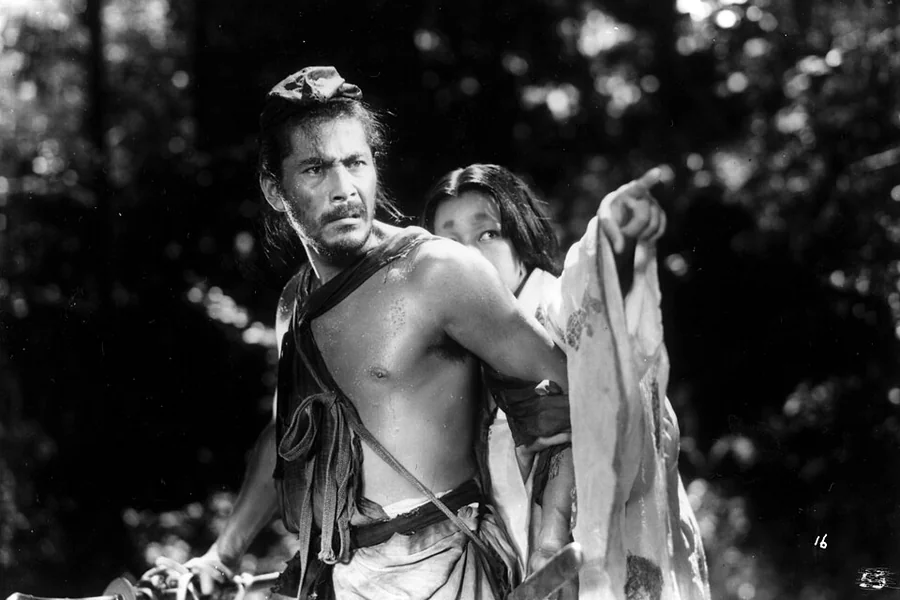
A woodcutter, a priest and a commoner shelter under a ruined city gate and go over a trial: a samurai is dead, and the bandit, the wife and the dead man himself (through a medium) each tell a different story. It was shot in under six weeks in the summer of 1950, partly in the forest around Nara, and won the Golden Lion at Venice on 10 September 1951. Kurosawa had not even been told it was entered. Read how Rashomon reached Venice.
Ikiru (1952)
Shimura plays Kanji Watanabe, a city hall official who learns he has stomach cancer and realises he has spent thirty years achieving nothing. The second half jumps to his wake, where colleagues argue over why he spent his last months forcing a children’s playground through the bureaucracy. The image people remember is Watanabe alone on a swing in the snow. In 2022 Oliver Hermanus remade it in London as Living, with Bill Nighy.
Seven Samurai (1954)
Farmers who know bandits will return at harvest hire seven samurai, one of whom (Mifune) is not really a samurai at all. Shooting took 148 days spread over almost a year, and the finished film runs 3 hours 27 minutes on BFI Player. In the 2022 Sight and Sound poll it placed 20th among critics and 14th among directors. Our piece on Seven Samurai’s women and guns covers the details most reviews miss.
Throne of Blood (1957)
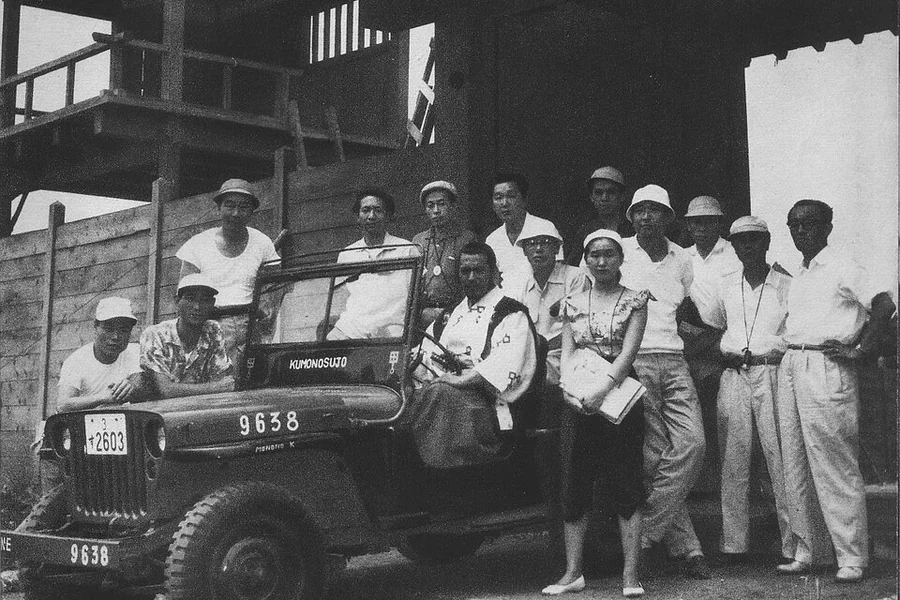
Macbeth moves to a fog covered castle in the 16th century civil wars. Kurosawa asked Isuzu Yamada, as Lady Asaji, to treat it as a Japanese classic, and her performance draws on the slow, masklike stillness of Noh theatre. It is set, like Seven Samurai, in the Sengoku era. There is more on the masks behind each role in our feature on Noh in Japanese cinema.
Yojimbo (1961)
A nameless ronin (Mifune) walks into a town split between two gangs and sets them on each other. Tatsuya Nakadai plays the gangster with the revolver, and Kazuo Miyagawa, who shot Rashomon, shot it again here. Sergio Leone remade it almost scene for scene as A Fistful of Dollars; Toho sued on Kurosawa’s behalf and won. Our Yojimbo review covers that case.
High and Low (1963)
A shoe company executive (Mifune) is about to buy control of his firm when kidnappers take his chauffeur’s son by mistake and demand the money anyway. The first hour stays inside his hilltop house; the second follows the police through the city below. It was the biggest Japanese box office film of 1963. Spike Lee remade it in 2025 as Highest 2 Lowest. More in our High and Low review.
Red Beard (1965)
A young doctor trained in Western medicine is sent, against his will, to a clinic for the poor run by the stern Dr Niide, known as Red Beard. The shoot lasted well over a year and was the longest of Kurosawa’s career. It was the year’s top grossing Japanese film, topped the Kinema Junpo critics’ poll, and was the last of Mifune’s 16 films with Kurosawa.
Ran (1985)
Kurosawa painted much of Ran years before he could pay for it. Tatsuya Nakadai plays Hidetora, a warlord who hands his realm to two of his three sons and is betrayed by both. The French producer Serge Silberman raised the money. Kurosawa was nominated for the Oscar for Best Director, and Emi Wada won the film’s only Oscar, for costume design. Nakadai’s career, including Ran, is covered in our guide to Tatsuya Nakadai’s essential films.
Where to watch Kurosawa films in the UK
BFI Player is the main legal place to stream Kurosawa in the UK. As of 31 October 2026, 21 of the 30 films are on its subscription tier, which costs £6.99 a month or £65 a year after a 14 day free trial. Ran is also available to rent, and Dreams is available to rent only. Titles do rotate, so check the film’s page before planning a viewing.
The Criterion Channel, which streams many Kurosawa restorations in North America, is only sold in the United States and Canada. Criterion’s Blu-ray discs, however, are distributed in the UK by Spirit Entertainment.
For physical media, the BFI shop sells the Akira Kurosawa Samurai Collection, a six disc Blu-ray box set at £44.99 containing Seven Samurai, Throne of Blood, The Hidden Fortress, Yojimbo and Sanjuro. Single BFI releases include Rashomon, Ikiru, Stray Dog, Red Beard and Seven Samurai on Blu-ray, and Throne of Blood, Yojimbo and Sanjuro, Seven Samurai and Dreams on 4K UHD.
| How you want to watch | Where | What you get |
|---|---|---|
| Stream | BFI Player subscription | 21 of the 30 films, including all ten above |
| Rent | BFI Player rentals | Ran and Dreams |
| Buy on disc | BFI shop | Samurai Collection box set and single Blu-ray and 4K titles |
If you want the history of the genre he is best known for, our guide to samurai cinema, jidaigeki and chanbara puts him beside Kobayashi, Okamoto and the Zatoichi films.

Kurosawa’s grave in Kamakura
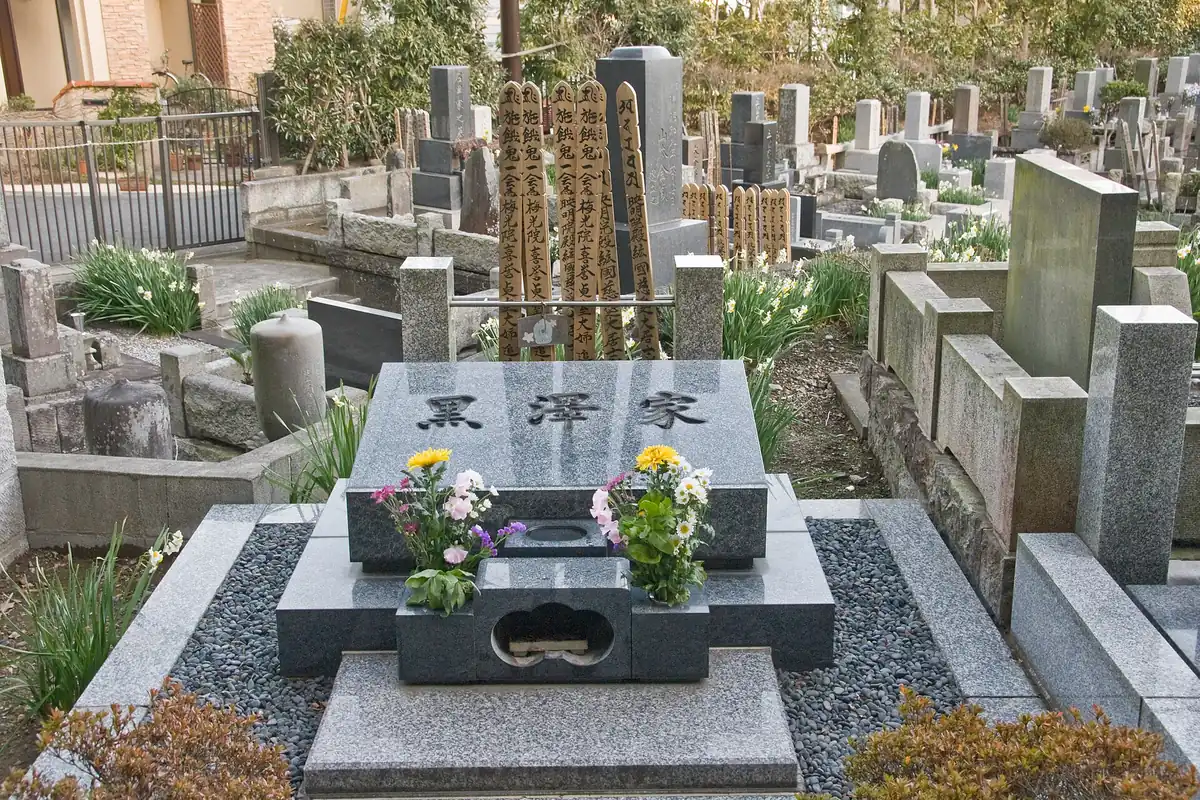
Kurosawa is buried at An’yo-in, a temple in Kamakura. The headstone does not carry his name; it reads simply “Kurosawa family”. Yasujiro Ozu is also buried in Kamakura, at Engaku-ji, so a day trip to Kamakura from Tokyo can take in both.
Questions about Akira Kurosawa’s films
How many films did Akira Kurosawa make?
Kurosawa directed 30 feature films on his own, from Sanshiro Sugata in 1943 to Madadayo in 1993. Some counts reach 31 by adding Those Who Make Tomorrow (1946), which he co-directed with two others and later disowned. He also made one television documentary, Song of the Horse, in 1970, and wrote scripts for many films by other directors.
What is Akira Kurosawa’s best film?
Seven Samurai is the usual answer. It placed 20th in the 2022 Sight and Sound critics’ poll and 14th among directors, the highest of his films in both. Kurosawa himself named Ran as his best after 1985. For a first film, Yojimbo or Rashomon are shorter and quicker to win you over.
Where can I watch Kurosawa films in the UK?
BFI Player streams 21 of his 30 films on its subscription service, which costs £6.99 a month after a 14 day free trial (checked 31 October 2026). Dreams is available to rent there. For discs, the BFI shop sells a five film Samurai Collection on Blu-ray, plus single Blu-ray and 4K releases.
Is the Criterion Channel available in the UK?
No. The Criterion Channel launched in April 2019 for subscribers in the United States and Canada, and it is still only sold there. Criterion’s Blu-ray discs are on sale in the UK, distributed by Spirit Entertainment since October 2023. For streaming Kurosawa in the UK, BFI Player is the service to use.
Did Akira Kurosawa win an Oscar?
Yes, several films did. Rashomon received an honorary Academy Award, Dersu Uzala won Best Foreign Language Film, and Emi Wada won Best Costume Design for Ran, which also earned Kurosawa a Best Director nomination. In 1990 he received the Academy Award for Lifetime Achievement and told the audience he did not yet feel he understood cinema.
Which Kurosawa film inspired Star Wars?
The Hidden Fortress (1958). George Lucas has said the idea of telling Star Wars through its two lowest characters, the droids, came from Kurosawa’s two bickering peasants, Tahei and Matashichi. It was also Kurosawa’s first widescreen film. Lucas later helped persuade 20th Century Fox to co-finance Kagemusha in 1980.