When The Ring (Ringu, 1998) slithered onto cinema screens, it didn’t just terrify audiences—it redefined horror. This chilling adaptation of Koji Suzuki’s novel introduced the world to Sadako, the vengeful spirit whose haunting gaze and slow, unnatural movements became the stuff of nightmares. But The Ring wasn’t just a film; it was a cultural phenomenon that reshaped Japanese horror (J-horror) and left an indelible mark on global cinema.
With its eerie atmosphere, psychological terror, and minimalist scares, The Ring set the standard for J-horror, paving the way for films like Ju-On: The Grudge and Dark Water. Western horror, which had long relied on jump scares and gore, took notice—ushering in a new wave of remakes and influencing filmmakers worldwide. But what makes The Ring so unsettling? And why does it still send shivers down our spines decades later?
In this article, we’ll explore The Ring’s origins, its impact on horror, and why it continues to haunt audiences to this day.
How The Ring Shaped Japanese Horror and Global Fear
Why is J Horror so scary?
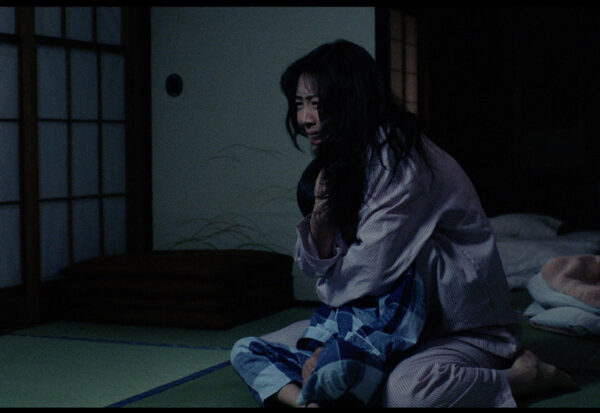
Japanese Horror films have their own key qualities that separate them from their more traditional western counterparts – not as present are macabre scenes of blood and gore. Instead, what you could come to expect are spooky visions of the occult and paranormal. Ghosts, spirits, and paranormal activities are key authoritative figures present in many of the popular J-horror films. It is not surprising that this type of horror boomed in Western cinema, as its hype came with the release of the 1998 classic The Ring (リング, Ringu). This extremely eerie film included elements of horror filmmaking that viewers had never seen before.

Noh and J-Horror
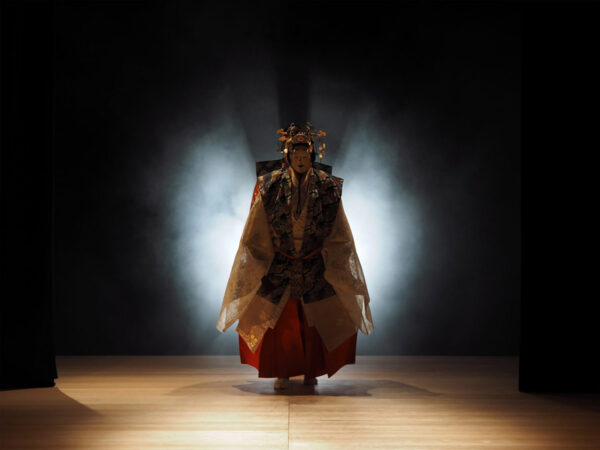
Believe it or not, this flavor of the occult is deeply rooted in different aspects of Japanese culture dating back to the 1300s. Dance performances known as Noh came into the public entertainment scene, and were the popular form of theatre at the time. Here, actors clad in vibrantly designed costumes take the stage, acting out scenes from past events relative to the time in a poetic and artsy form.
Here’s where parallels are drawn between Noh and J-Horror: just like with the overarching themes made popular to the West by Japanese horror cinema, Noh’s stories involved the supernatural. Legends and folk tales were told through poetic song and language, with some actors dressed according to their roles. These costumes are famous for the mask worn by the leading character. They’re tailor-made and designed for their respective roles, which range from God to the Devil, to evil spirits, and even just a normal everyday man.
One of the best-known ghost plays in the Noh repertoire is Aoi no Ue (Lady Aoi), drawn from The Tale of Genji. Prince Genji’s wife Aoi lies gravely ill, shown on stage only by a folded robe laid at the front of the stage, while the jealous spirit of Lady Rokujō, Genji’s former lover, torments her. A shrine medium cannot drive the spirit out, and it returns wearing the horned hannya mask of a jealous demon until a mountain priest finally overcomes it. Osman Edwards, who described a performance in Japanese Plays and Playfellows (1901), thought the exorcism so realistic that even a hardened sceptic would feel its awe. A wronged woman’s feelings taking ghostly shape is the same idea that drives Oiwa and, much later, Sadako.
Ringu (1998): The Original Japanese Ring
The year is 1998: Japan launches the Nozomi Probe in its first bid to explore space, joining the likes of the USA and Russia. Megahit video game franchises Mario Party and Metal Gear Solid, both of which eventually spawned over 12 combined sequels, were released. Korean and Japanese relations at this time were also strengthened at this time, having once been strained during high historical tensions. This was a very eventful year, to say the least, as key political and cultural events happening around this time frame. Among the latter is something that tends to fly under the radar: the explosion of Japanese Horror movies, or the J Horror phenomenon.
The Ghosts of Kabuki
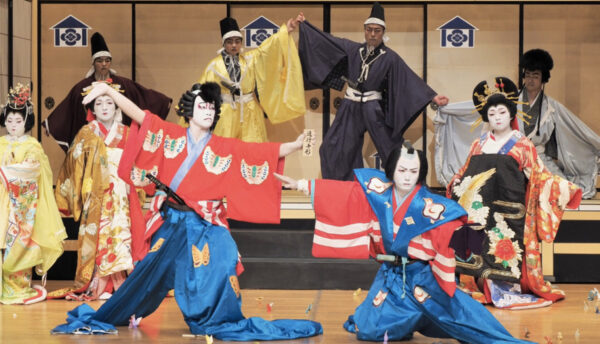
If this somewhat rings a bell to you, you may have heard of “Kabuki Theatre”. Inspired by Noh, Kabuki theatre first popped into the performing arts scene in Japan in the 1600s. It takes many of the elements of the aforementioned but modified some aspects of it. Among the biggest changes are the use of heavy makeup and wigs in place of masks, and far more worldly plotlines built around sex, romance and moral conflict. There is a common misconception worth clearing up here. Kabuki was founded by a woman, the shrine dancer Izumo no Okuni, who began performing with a female troupe on a dry riverbed in Kyoto in 1603. Women were banned from the stage in 1629, after fights kept breaking out among the young samurai in the audience and the authorities grew concerned that the performances were a front for prostitution, and from that point female roles passed to male onnagata specialists, which is still how it works today.
Similar to Noh though, Kabuki dance drama also puts a heavy focus on the supernatural through its different characters. Always present are concepts of deities, spirits, gods, and most important to this all, vengeful spirits.
Much of what shaped J-horror comes out of these two traditions, Noh from the fourteenth century onwards and Kabuki from 1603. This has made its mark on a few aspects of Japanese pop culture, notably video games, manga, and modern cinema.

Oiwa and the Onryo
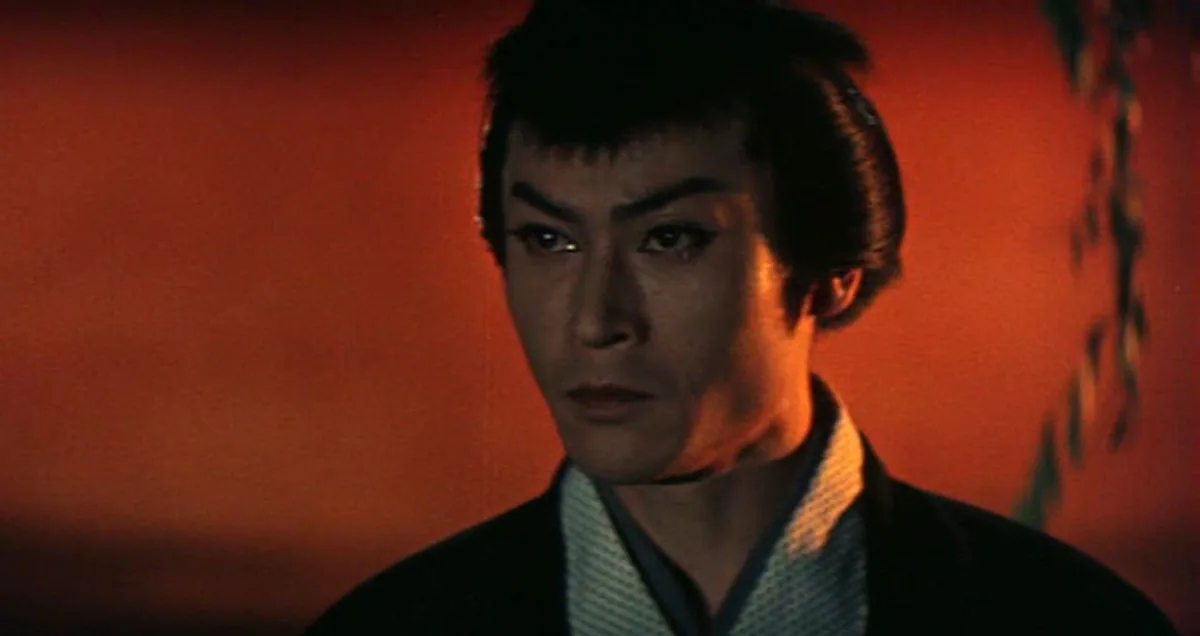
The vengeful spirit has a specific name. It is an onryo, a subtype of yurei, the Japanese ghost. What separates an onryo from any other ghost is motive. It died wronged, and it has come back to settle the account.
The story that fixed the type is Yotsuya Kaidan, written by Tsuruya Nanboku the Fourth and first staged at the Nakamuraza in Edo in July 1825. Oiwa is married to a ronin, Iemon, who wants rid of her. The family of the woman he would rather marry sends Oiwa a poison disguised as a medicine for her recovery after childbirth. She drinks it, and it disfigures her. Catching sight of her own reflection and understanding what has been done, she dies with Iemon’s name on her lips as a curse, and returns to take him apart.
That is where the visual grammar comes from, and it is worth being precise about it because it explains why a film made in 1998 looks the way it does. During the Edo period kabuki boom the onryo acquired a fixed costume. A white burial kimono, the shiro shozoku, the garment a corpse is dressed in. Long black hair, loose and unkempt, hanging over the face until the moment it is not. A white painted face with indigo shadowing around the eyes. None of this is folklore in the vague sense. It is stagecraft, invented by working theatre people to be read from the back of a room.
Sadako is that costume, unaltered, plugged into a videotape. White shift, black hair over the face, a woman killed by a man who should have protected her, returning to collect. The genuinely new thing in Ringu is the delivery mechanism, not the ghost.
Yotsuya Kaidan is the most adapted ghost story Japan has. The first film version dates to 1912, another eighteen or so followed between 1913 and 1937, and the total now stands at more than thirty. Every generation of Japanese cinema has made its own Oiwa.
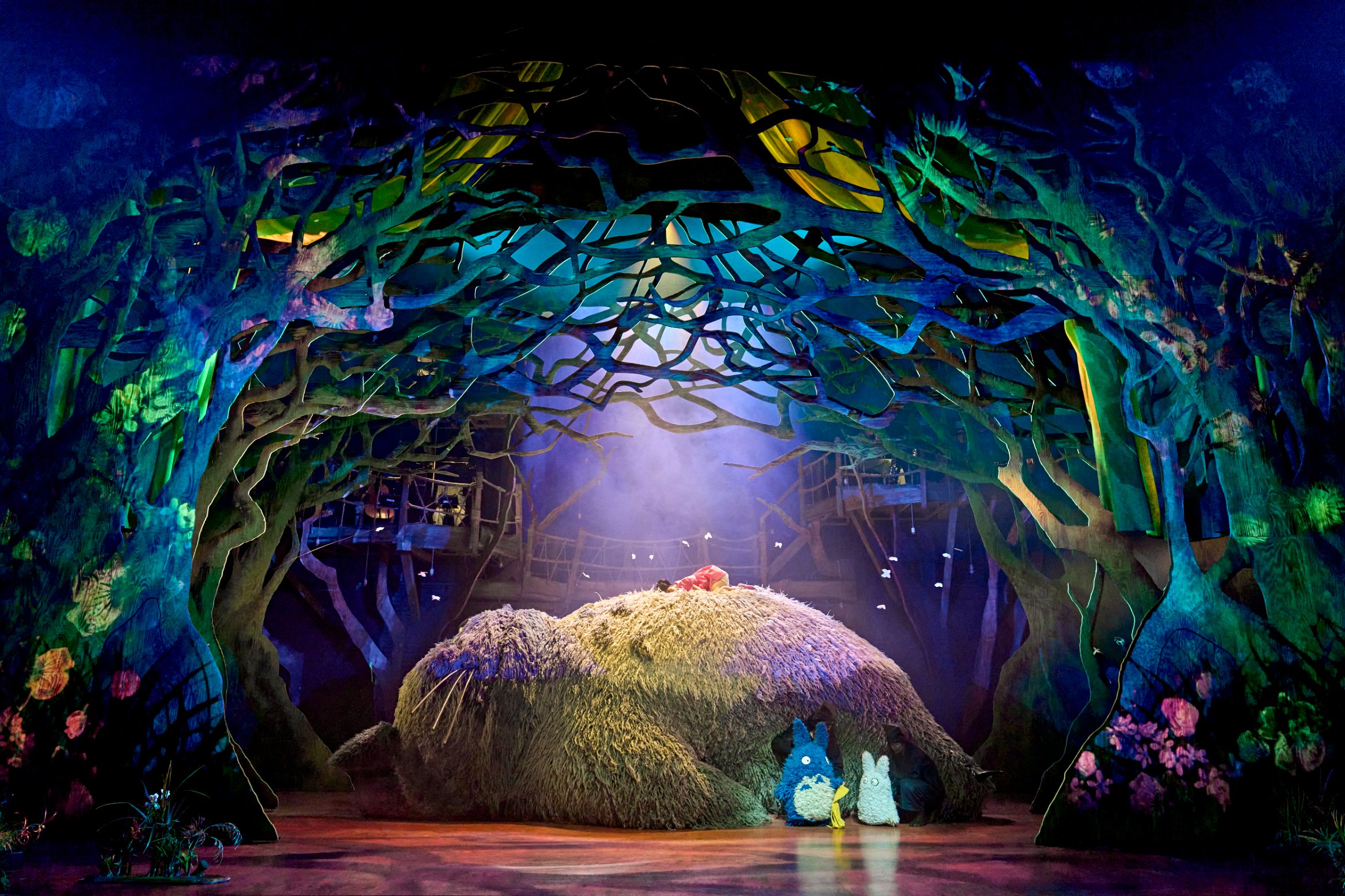
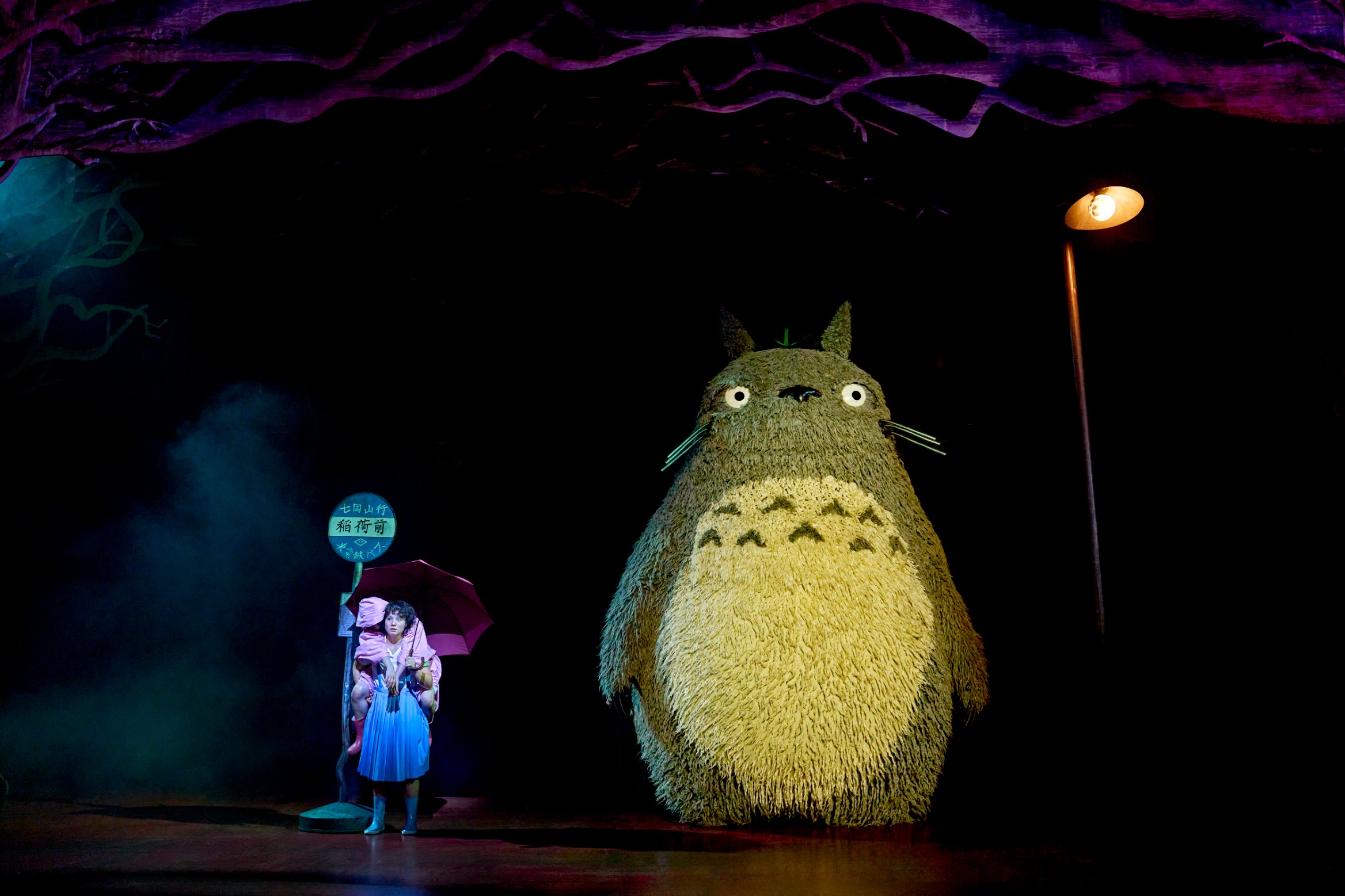
Lanterns, trick doors and a ghost in the well: how kabuki staged its yūrei
Tsuruya Nanboku was as much an inventor of stage machinery as a writer. As Zoë Kincaid recorded in Kabuki: The Popular Stage of Japan (1925), he had Oiwa’s ghost make her entrance through a large lighted paper lantern and vanish through a solid wall. In the river scene, Iemon, out fishing, hauls in the wooden door to which the bodies of Oiwa and the servant Kohei were tied. Oiwa’s corpse speaks, the door turns over, and Kohei’s ghost speaks from the other side, with a single actor playing both in a lightning change worked by stagehands hidden beneath the painted waves. The lantern entrance is known as chōchin-nuke and the door trick as toita-gaeshi.
The ghost make-up grew up on the same stage. Nanboku wrote the role of Oiwa for Onoe Kikugorō III, who played her at the 1825 premiere, and Kincaid credits the Kikugorō line of actors with creating most of kabuki’s ghost make-up conventions. Their ghost, as she describes it, has blue veins branching across a pale face, with a black-edged red mouth and eyes painted in red and black.
Sadako’s well has a stage ancestry too. In the full version of Kawatake Mokuami’s 1883 play Shin Sarayashiki Tsuki no Amagasa, the maid O-Tsuta is killed by her lord on a false charge and her body is dumped in an old garden well. Kincaid describes her ghost issuing from it in a puff of smoke, grey and emaciated, with uncanny movements, before appearing as a shadow on a paper screen. The play’s title looks back to the older Sarayashiki legend of Okiku, the servant thrown down a well who rises at night to count plates. A wronged young woman climbing out of a well was a familiar kabuki image long before Ringu.
Nobuo Nakagawa
One name carries the theatrical tradition into cinema and it is almost never mentioned in English language writing about J-horror. Nobuo Nakagawa, born in Kyoto in 1905, died in 1984, working for most of his important years at Shintoho, the smallest and poorest of the major postwar studios.
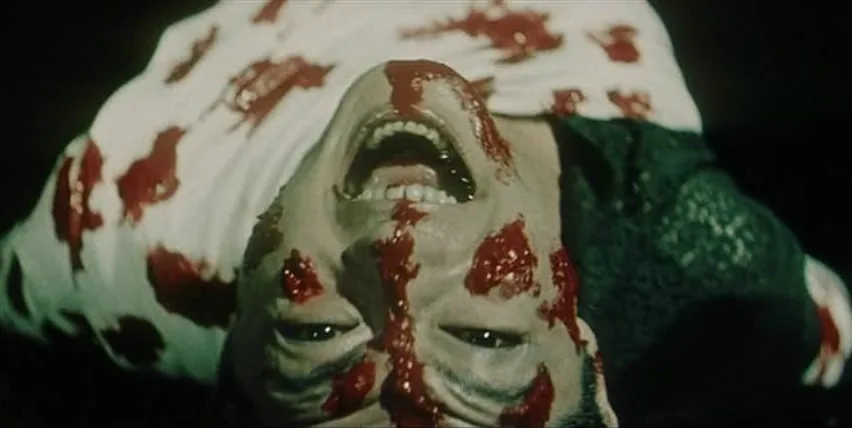
His Tokaido Yotsuya Kaidan, released in 1959, is generally taken as the definitive screen version of the Oiwa story. It is in colour, and Nakagawa uses that colour the way a stage designer would rather than the way a realist would. Whole scenes sit inside flat fields of red. Nothing in the frame is trying to look like a place you could walk into.
A year later he made Jigoku, which is the film Western audiences are most likely to have encountered. Its second half is an extended descent through Buddhist hell, staged with flayed skin, severed limbs and bodies floating in a river of blood, in 1960, eight years before Night of the Living Dead. It is the earliest sustained piece of graphic horror in Japanese cinema and it was made at a studio that folded within the year.
What Nakagawa worked out, and what Hideo Nakata inherited whether or not he was thinking about it, is that the kabuki ghost survives the move to film only if the film stops pretending to be realistic at the moment she appears. Sadako coming out of the television is not a naturalistic shot. It is a stage entrance, and it works for the same reason Oiwa worked at the Nakamuraza in 1825.
90s J Horror Pop Culture

Fatal Frame (2001)
The late 1990s also saw the release of some of the most prolific and famous video games that are still being played today. They have also emerged from Japanese video game producers such as Tecmo (Fatal Frame), Konami (Silent Hill), and Capcom (Resident Evil), all of which have spawned many sequels and even cinematic spinoffs adapted for western audiences. Those three arrived in 2001, 1999 and 1996 respectively, so the cluster lands either side of the peak of the J-horror boom rather than neatly inside it. The villains of Fatal Frame and Silent Hill, in particular, are generally demonic spirits and ghosts seeking vengeance on the main player.
J Horror in Manga
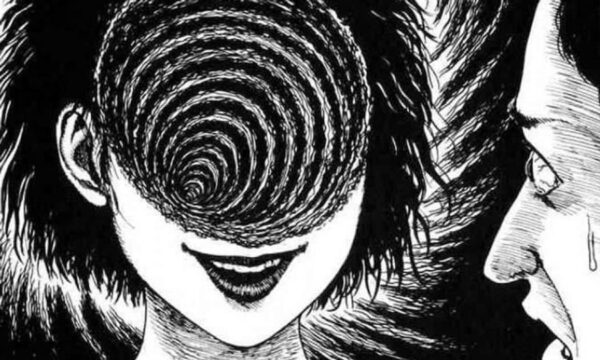
Uzumaki (1998)
In the manga scene, Junji Ito’s name carries a massive weight behind it. He is considered the most prolific horror mangaka, having written classics such as Tomie and Uzumaki, with the latter being serialized during the year 1998. What are the common themes between the two, you ask? Nothing else other than revenge and the supernatural, of course.
Ito himself has stated that he is strongly drawn to paranormal phenomena; his works usually focused on characters that possessed extrasensory abilities. Ghostly apparitions are also a staple in his works, as for example Uzumaki’s characters deal with a curse of supernatural events which involve spirals that drain and hypnotize a town’s citizens. Being Ito’s magnum opus, as well as one of the best if not the best classic horror manga, you could see just how big the effect of the supernatural and paranormal have on the Japanese horror in this medium.
The Ring, the pinnacle of J Horror
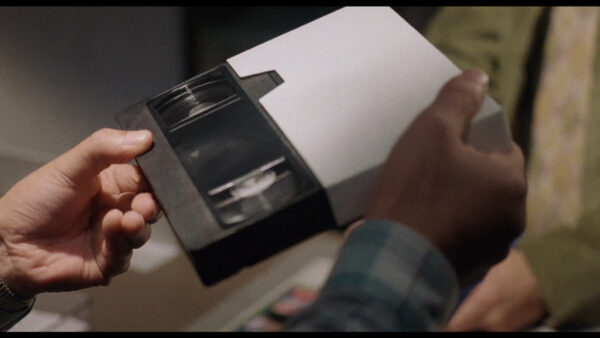
The Ringu (1998), a supernatural horror film directed by Hideo Nakata, may be at the apex of Japanese horror cinema, having initiated the genre’s boom in the late 1990s and incorporating themes that have been developed throughout early Japanese performance arts.
Plot

The story follows an investigator that stumbles upon a case of a mysterious videotape that somehow kills whoever watches it after one week. First hearing about it from her niece, who went through this exact experience, Reiko Asakawa (Nanako Matsushima) curiously searches for the aforementioned videotape after hearing rumors about it from interviews conducted about the topic.
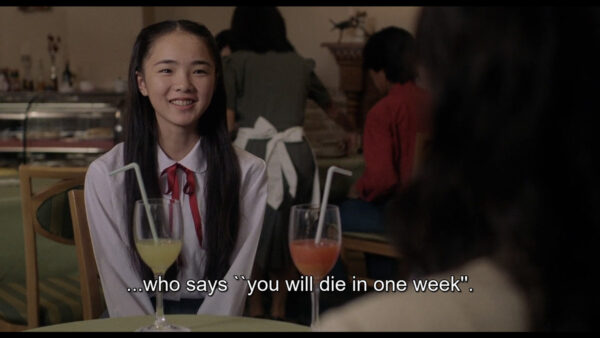
She then goes to the cottage where her late niece and friends allegedly spent a week before they were discovered dead, where she finds and watches the aforementioned video. She then receives a call with no one on the other end of the line immediately after seeing the movie, which featured difficult-to-understand symbolisms, indicating the one-week countdown. The remainder of the film gradually reveals the mystery of the video’s production, as Reiko and her ex-husband Ryuuji go to various locations in Japan based on clues obtained from analysing the video.

As it turns out, the video was made by Sadako, a girl with psychokinetic abilities who was killed by her father seeking vengeance. Her father beat her with a blunt object and shoved her into a well, from which she struggled to escape.
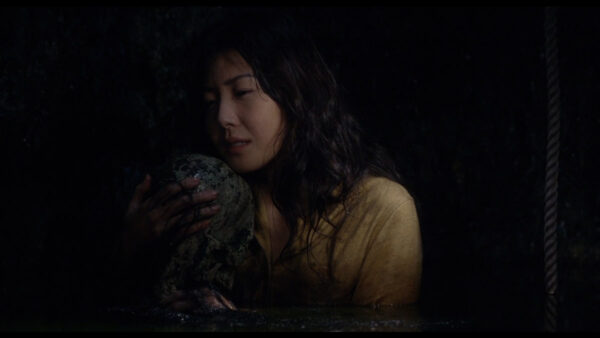
After discovering this, Reiko and Ryuuji devise a plan to appease Sadako’s ghost by emptying the well of water and removing her corpse from it. Reiko ultimately discovers the corpse after hours and hours of emptying this water, just before her one-week timer expires, rescuing her. Or so she believed, since a few days later, Sadako appears on Ryuuji’s television screen, becoming not just the film’s conclusion, but also one of cinema’s most famous sequences. Sadako ultimately appears to the audience after more than an hour of an incredibly tense and spooky environment, and her look leaves an imprint on anybody who views the film that they will never, ever forget. This was all it took to take Ryuuji’s life as he came out of the television.
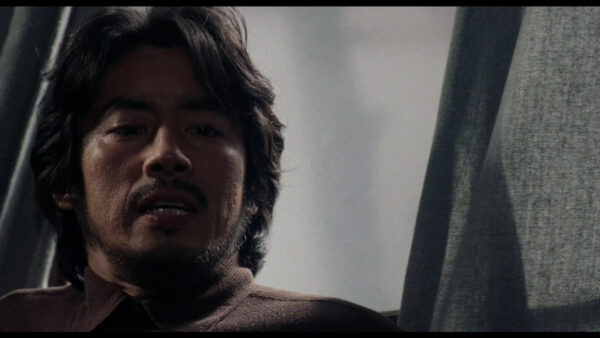
The film finishes with Reiko learning the actual cause for her deliverance from the curse. She’ll be OK as long as she copies the video and presents it to someone else.
Because of its success in Japan, this film was adapted for American audiences. After this, additional J Horror films, such as The Grudge and Dark Water, were adapted for the big screen in the United States.
The Ringu is a Japanese horror film worth seeing if you’re looking for something different from the usual fare of jump scares and slashers. Hopefully, you won’t wake up to an unexpected phone call after seeing this.
What Hollywood Paid For It
The American remakes usually get discussed as adaptations, which is the least interesting thing about them. The money is where the relationship shows.

Yoshiharu Tezuka, who interviewed the Japanese producers involved, puts the figures side by side. Ringu was made in 1998 for roughly one million dollars. Gore Verbinski’s The Ring, four years later, had an estimated budget of 48 million. Same story, same central scare, around fifty times the money.
Takashi Shimizu’s case is starker still. He was paid under 30,000 dollars to direct the Japanese Ju-on in 2000. When Hollywood brought him over to direct The Grudge in 2004, unusually for a remake, that film reportedly cost 10 million dollars and took 110 million at the American box office alone. The budget for Grudge 2 was doubled off the back of it, and Shimizu’s fee for that one was reportedly over a million.
Grudge 2 was shot at Toho studios in Tokyo, in the same studios where the original Shogun miniseries had been made twenty-odd years earlier, and mostly with a Japanese crew. Assistant directors and make-up artists were flown in from the United States because the cast was American.
Which produced the detail that says the most. On Tezuka’s account, from the film’s Japanese line producer Satoshi Fukushima, the Japanese crew worked around 45 days seven days a week. The American actors worked ten hours a day, five days a week, because American union rules protected them. One set, one film, two entirely different sets of working conditions running side by side.
Watch The Ring on BFI Player
The Ring is available on BFI Player, and is updated with new classic and contemporary Japanese films.
Note that BFI Player can also be accessed on Amazon Prime Video, Apple TV, and Roku (US).
References:
Yoshiharu Tezuka, “Japanese Cinema Goes Global: Cosmopolitan Subjectivity and the Transnationalization of the Culture Industry”, PhD thesis, Department of Media and Communications, Goldsmiths College, University of London.
Satoshi Fukushima, interviewed by Yoshiharu Tezuka, 2006.
Zoë Kincaid, Kabuki: The Popular Stage of Japan (1925), free on Project Gutenberg.
Osman Edwards, Japanese Plays and Playfellows (1901), free on Project Gutenberg.