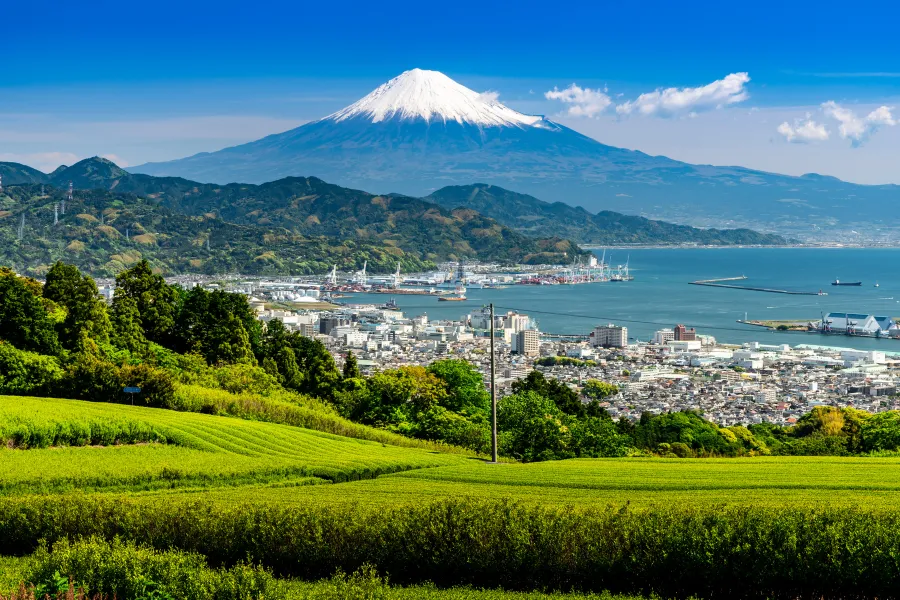
Japan’s modern architecture, traditional buildings, and unique culture blend the past and future into a memorable experience. Undoubtedly, Japan has so many sights to offer for all kinds of tourists, with a yokocho (横丁) being one of them.
Yokocho, or “Japanese alleyway,” are bustling corridors that offer a glimpse into the country’s culture of bars, pubs, and restaurants. They are often hidden from plain sight, tucked away between larger streets or behind more modern buildings. Yet, these back alleys are where some of the most authentic experiences await.
For travellers, a yokocho adventure is a journey off the beaten path, a chance to escape tourist traps and discover Japan’s local treasures. These alleyways thrive in the after-dark hours, so make sure you have a reliable Japan eSIM like Jetpac. Stay connected with your loved ones as you discover the secrets of the streets of Japan!
What is a Yokocho?
Firstly, let’s define what exactly a yokocho is. Yokocho, meaning “side street” or “alley” in Japanese, refers to narrow passageways lined with small establishments such as bars, izakayas (Japanese pubs), and eateries. The origins of the yokocho date back to when Tokyo had to rebuild the city after World War II.
To help the citizens, street vendors and small businesses would set up shop in tight spaces, often in areas that had been bombed or destroyed from the war. Additionally, these establishments stayed open late to serve locals needing a quick meal or final drink before the last train.
Eventually, these informal gathering spots evolved into unique cultural landmarks, each yokocho alley boasting its own flavour and history. Today, their close-knit counter seating encourages conversation between strangers, so locals and travellers often end up sharing a drink as well as a meal.
Now, let’s take a look at some of the best yokocho in Japan that are worth exploring.
Harmonica Yokocho (Kichijoji, Tokyo)
Omoide Yokocho (Shinjuku, Tokyo)
Nikuya Yokocho (Akihabara, Tokyo)
Nonbei Yokocho (Shibuya, Tokyo)
Sankaku Chitai (Setagaya, Tokyo)
Ebisu Yokocho (Shibuya, Tokyo)
Pontocho Alley (Nakagyo, Kyoto)
Hozenji Yokocho (Namba, Osaka)
Janjan Yokocho (Shinsekai, Osaka)
Golden Gai (Shinjuku, Tokyo)
Location: 1 Chome-1-6 Kabukicho, Shinjuku City, Tokyo 160-0021, Japan
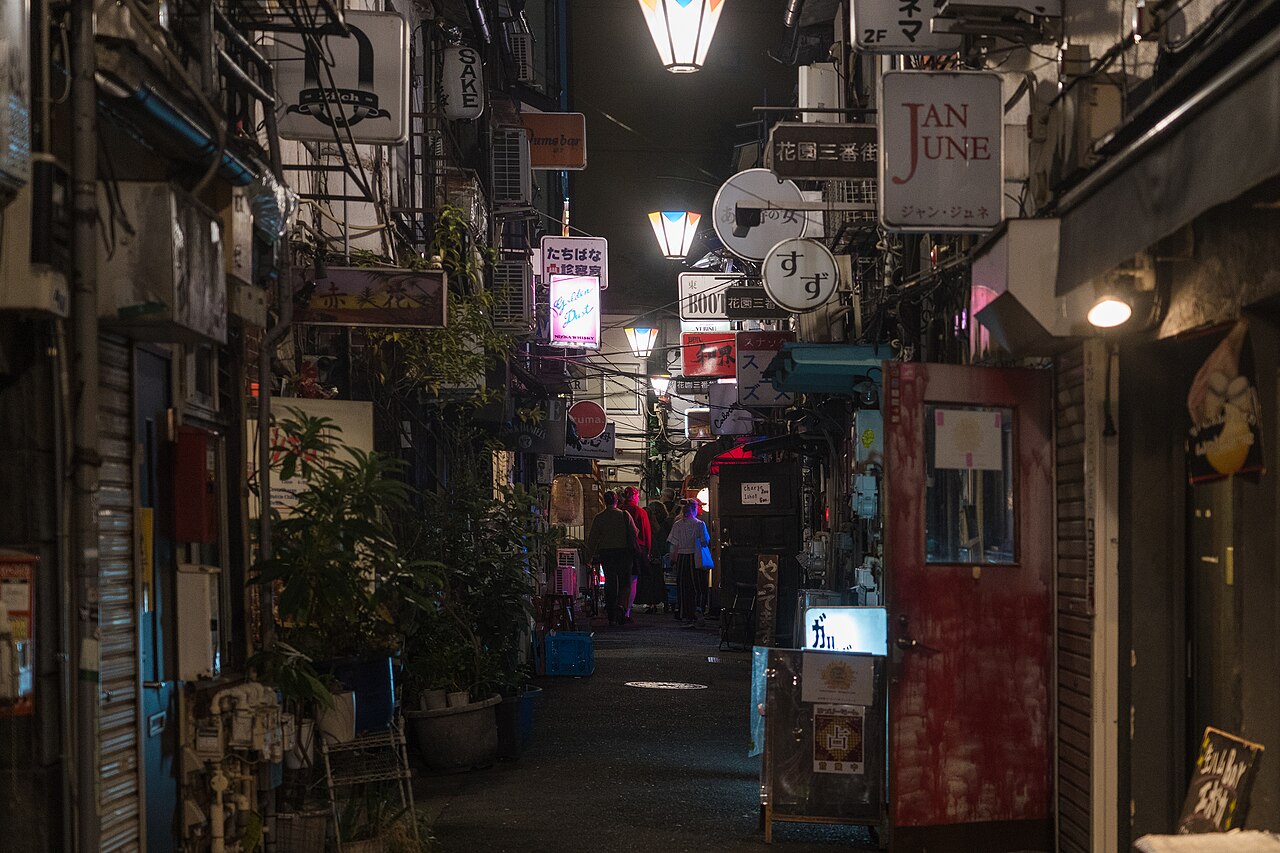
If you’re looking to dive headfirst into the nightlife and city culture of Shinjuku, Golden Gai is your best bet. This iconic Tokyo alley houses over 200 bars, offering a labyrinth of narrow lanes filled with unique drinking spots! Immerse yourself in Shinjuku’s energetic atmosphere. Each bar has its own distinct personality, with some dedicated to quirky themes like horror, jazz, and even cats!
Originally established as a creative hub by artists, writers, and musicians, Golden Gai has evolved into a vibrant destination that attracts both tourists and locals alike. The tight-knit, intimate structure of the alleys creates a sense of community, making it easy to see why this spot has become so beloved over the years.
With six alleys of independent bars, half the experience is simply exploring the maze. Each entrance is entirely unique, some covered in stickers, others pristine and painted, while others appear aged and worn, all adding to the eclectic charm of the area.
With so many bars to choose from, knowing where to start can be overwhelming. Keep in mind that some bars may have signs saying, “no foreigners,” “no tourists,” or “regulars only.” While you might disagree, this is within the right of each establishment. However, there are some places that do welcome tourists. If you’re craving ramen, Nagi in Golden Gai is tourist-friendly and ready to serve you the best bowl of ramen Golden Gai has to offer. The shop sits upstairs at 1-1-10 Kabukicho, specialises in niboshi (dried sardine) ramen and is open 24 hours a day.
Golden Gai offers something for everyone. So, enjoy the diversity of the bars, make new friends, and spend a night wandering the intricate maze that makes Golden Gai one of Tokyo’s most iconic spots.


Harmonica Yokocho (Kichijoji, Tokyo)
Location: 1 Chome-1-3 Kichijoji Honcho, Musashino, Tokyo 180-0004, Japan
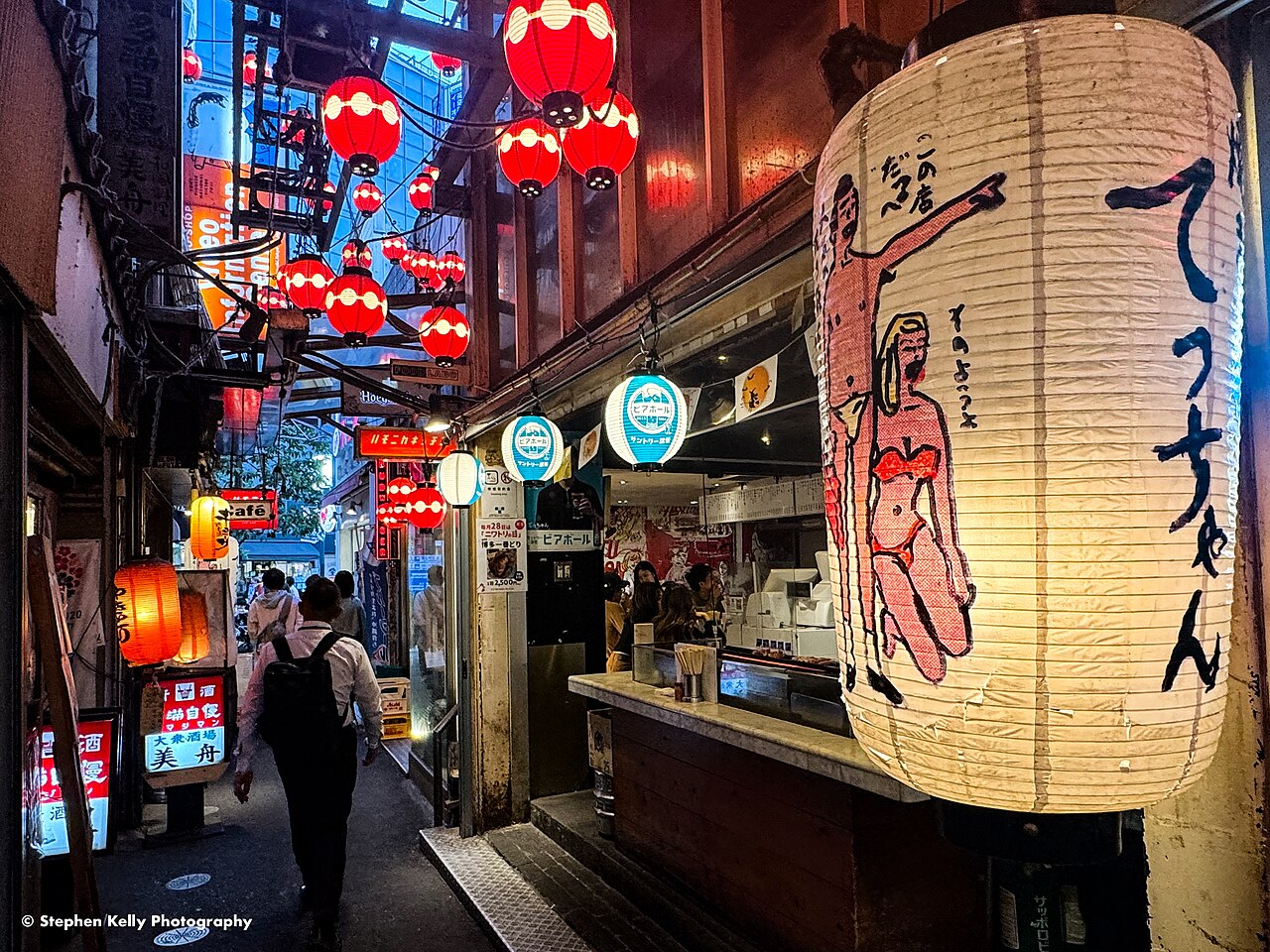
Witness Tokyo streets come to life by taking a stroll down Harmonica Yokocho. Located in the trendy yet laid-back neighbourhood of Kichijoji, this Tokyo alley used to be a flea market in 1940s post-war Japan. Eventually, this area transformed into a hub full of modern bars and restaurants that has attracted younger clientele over time.
Despite the youthful atmosphere of this yokocho, Tokyo still exhibits its old-school charm through this Japanese alleyway. Its intricate layout resembles the reeds of the harmonica instrument, hence the name. Harmonica Yokocho blends traditional and trendy, attracting both older locals and younger crowds seeking a night out.
Throughout the day, the stalls are filled with vendors selling fresh produce, fish, and snacks. At night, the area turns into a treasure-hunt of various bars, izakayas, and late-night eateries. The Ahiru Beer Hall is a must-visit, a lively beer hall pouring draught beer, including Hoegaarden, alongside big sharing plates such as fish and chips and pizza. Experience a special slice of life in Harmonica alley Tokyo, a hidden gem worth exploring in the heart of Kichijoji.
Omoide Yokocho (Shinjuku, Tokyo)
Location: 1 Chome-2 Nishishinjuku, Shinjuku City, Tokyo 160-0023, Japan
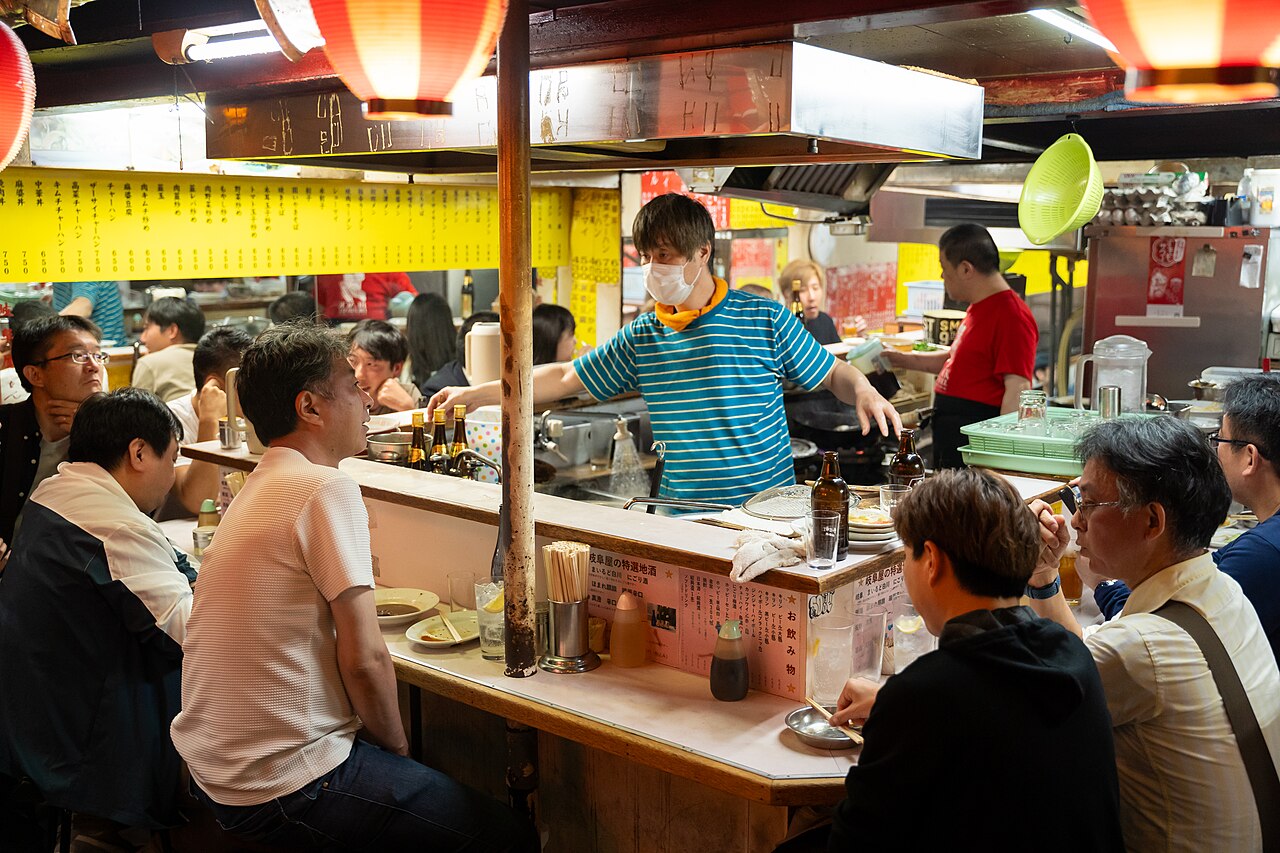
In Shinjuku, Golden Gai is not the only popular yokocho to explore. Omoide Yokocho, also known as “Memory Lane,” is one of Tokyo’s most iconic alley districts. For the locals of Tokyo, “piss alley” is another term used to refer to Omoide Yokocho. This name stems from its lack of bathroom facilities prior to rebuilding after a fire in 1999.
If you’re wondering “What time are lanterns lit at Omoide Yokocho?”, the answer is in the early hours of the evening. When the lanterns flicker on, the alley comes alive with hungry locals and tourists alike. Among the narrow lanes, you’ll find some of the best bars in Shinjuku but be prepared to rub shoulders with strangers, literally.
This is part of the charm. As you squeeze into one of the many tiny izakayas in Omoide Yokocho, it’s not uncommon to strike up a conversation with the person next to you. It’s a wonderful opportunity for tourists to connect with locals or meet fellow travellers, creating an unforgettable dining experience.
Yakitori Alley
A more fitting name for Omoide Yokocho is “Yakitori Alley,” reflecting its reputation as a hub for grilled skewers and delicious bites. According to Tabelog, there are over 7,000 yakitori restaurants in Tokyo alone, but if you’re seeking an authentic yakitori experience, Shinjuku’s Omoide Yokocho is a must-visit. More than half of the alley’s roughly 60 eateries are yakitori or motsuyaki (grilled offal) counters, according to the Omoide Yokocho shopkeepers’ association. Yasubee is your best bet for the perfect yakitori and sake combo!
While “yakitori” literally translates to “grilled bird/chicken,” you’ll find a wide range of options here, from beef and vegetables to other proteins, all sizzling on the grill. The lively atmosphere, combined with the intoxicating aroma of grilled food, makes Yakitori Alley a perfect stop for food lovers looking to experience a true taste of Tokyo.
Nikuya Yokocho (Akihabara, Tokyo)
Location: BiTO AKIBA 3F, 1-18-19 Sotokanda, Chiyoda City, Tokyo 101-0021, Japan

Image Credit: Margaret Wiegel
If you’re taking a trip down the streets of Akihabara, the anime and gaming district of Tokyo, why not drop by Nikuya Yokocho? It is a modern take on the yokocho idea: a single wagyu restaurant run by the yakiniku chain Heijoen, styled like an old butcher’s alley and set on the third floor of BiTO AKIBA, about a minute’s walk from the Denki-gai exit of JR Akihabara Station.
Nikuya Yokocho’s main draw is its all-you-can-eat wagyu Japanese BBQ, making it the perfect destination for meat lovers out there. Heijoen also runs an all-you-can-eat shabu-shabu room under the same name in Akihabara, and a second Nikuya Yokocho yakiniku branch in Udagawacho, Shibuya. Indulge yourself in a wagyu beef buffet while enjoying an all-you-can-drink service of alcoholic or non-alcoholic beverages!
The Akihabara restaurant opens from 12:00 on weekdays and from 11:30 at weekends and on public holidays, with last entry at 20:00. Take note that the all-you-can-eat courses have a 100-minute seating limit, so pace yourself well. A leftover fee charge is also implemented to avoid any food waste, so visit Nikuya Yokocho with a hungry stomach!


Nonbei Yokocho (Shibuya, Tokyo)
Location: 1 Chome-25 Shibuya, Tokyo 150-0002, Japan
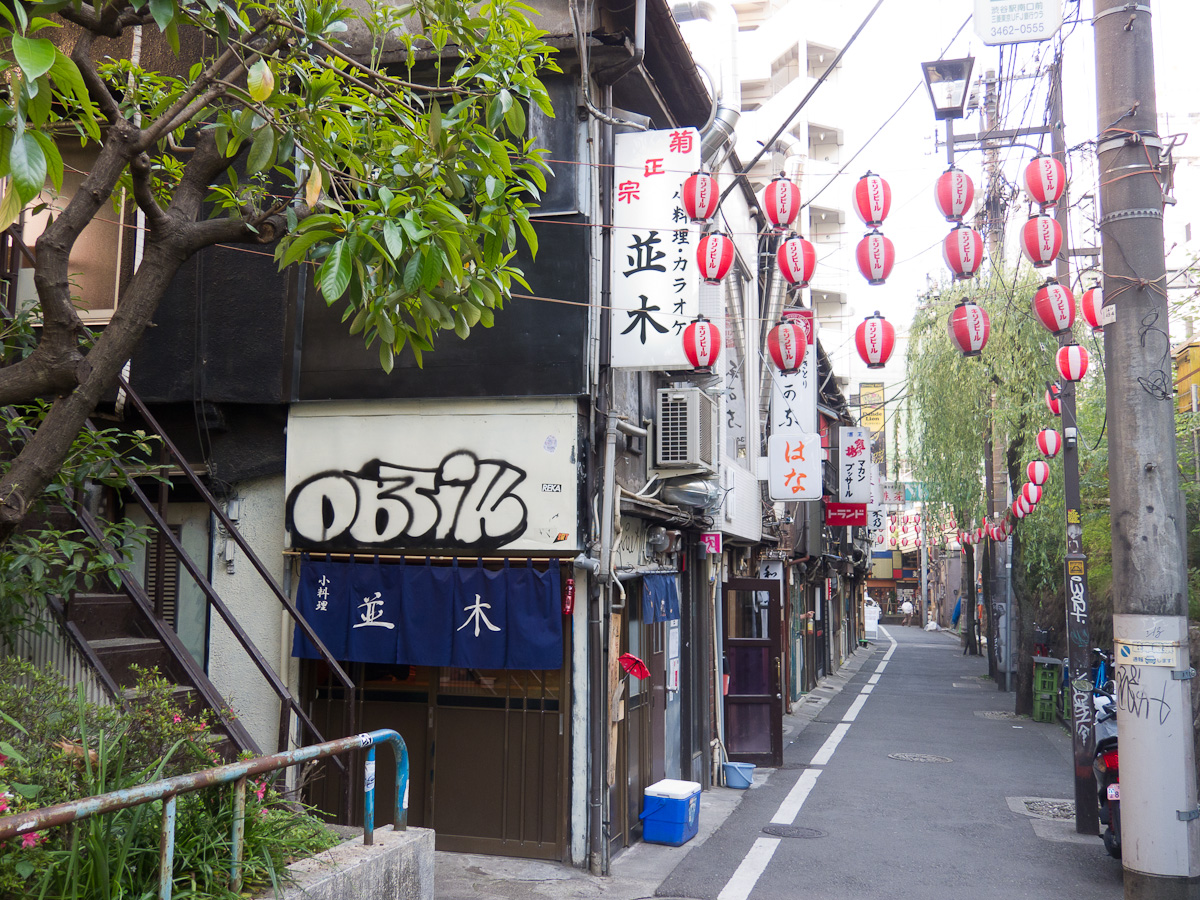
For those who want to venture deeper into the drinking culture of Shibuya, Nonbei Yokocho (Drunkard’s Alley) offers a more nostalgic alternative to the district’s lively nightlife. Just steps from Shibuya’s crossing, Nonbei Yokocho is a maze of tiny bars and izakayas, each seating only a few patrons.
Dating back to the 1940s, this Shibuya yokocho has grown as a popular spot for Tokyo alleyway bars and restaurants. Known for its cosy atmosphere, many of Nonbei Yokocho’s bars fit only a handful of customers, creating a relaxed drinking space. This creates the perfect place to enjoy a quiet drink and soak in the nostalgic charm of old Tokyo. One great example of a cosy establishment in Nonbei Yokocho is Nadaichi, an izakaya run by the third generation of its family and known for its oden, simmered in a broth handed down from the previous owner. It has 13 seats and opens from 18:00 to midnight, closing on Sundays and public holidays.
Unlike the loud and energetic counterparts of Shibuya, Nonbei Yokocho invites you to sit back and relax in this tiny street in Tokyo. Indeed, this yokocho is a must-visit for anyone looking to experience a more traditional and intimate side of Tokyo’s nightlife.
Sankaku Chitai (Setagaya, Tokyo)
Location: 2 Chome-15 Sangenjaya, Setagaya City, Tokyo 154-0024, Japan

Image Credit: Sugoii Japan
Sankaku Chitai is one of Tokyo’s most underrated drinking areas, nestled in Setagaya, a quieter and less crowded ward of Tokyo. Overall, the atmosphere of this yokocho is very laid-back and chill. Sankaku Chitai consists of narrow, dimly lit alleys lined with izakayas, bars, and pop-up shops that serve drinks and hearty food.
Sankaku Chitai’s long-running pubs cater mostly to locals and regulars, which gives a night here a relaxed, neighbourhood feel. Visit Sankaku Chitai’s Washoku Goshiki to see what a true local izakaya looks like. Its owner comes from Kumamoto, and the house specialities are grilled bluefin tuna skewers and rice cooked in a clay pot.
Sankaku Chitai is highly recommended for tourists who prefer a less crowded yokocho experience, showcasing the genuine spirit of local Tokyo. Its retro vibes, friendly atmosphere, and underrated dishes make it a hidden gem in Tokyo’s yokocho scene.
Ebisu Yokocho (Shibuya, Tokyo)
Location: 1 Chome-7-4 Ebisu, Shibuya City, Tokyo 150-0013, Japan

Image Credit: Time Out
Located in the lively side of Tokyo, this Shibuya yokocho offers a modern twist on the traditional Japanese alleyway experience. This izakaya maze is perfect for casual bar hopping, each tiny eatery serving different specialities, from yakitori to oden hotpots. The alley fills the site of the old Yamashita Shopping Centre, a former neighbourhood market, and each counter takes up only three to five tsubo (roughly 10 to 16 square metres). Denraku, a counter serving Kyoto-style oden, is a good place to start.
Of course, what is Ebisu Yokocho without a few drinks? The drink menu in this Tokyo alley is just as important as the food, serving all kinds of alcoholic drinks like sake, shochu, and Japanese beer. You will definitely find a lot of locals drinking it up in this Shibuya yokocho, so expect a lively crowd and an unforgettable social dining experience!
Pontocho Alley (Nakagyo, Kyoto)
Location: Japan, 〒604-8015 Kyoto, Nakagyo Ward, Nabeyacho, 211-3 先斗町通
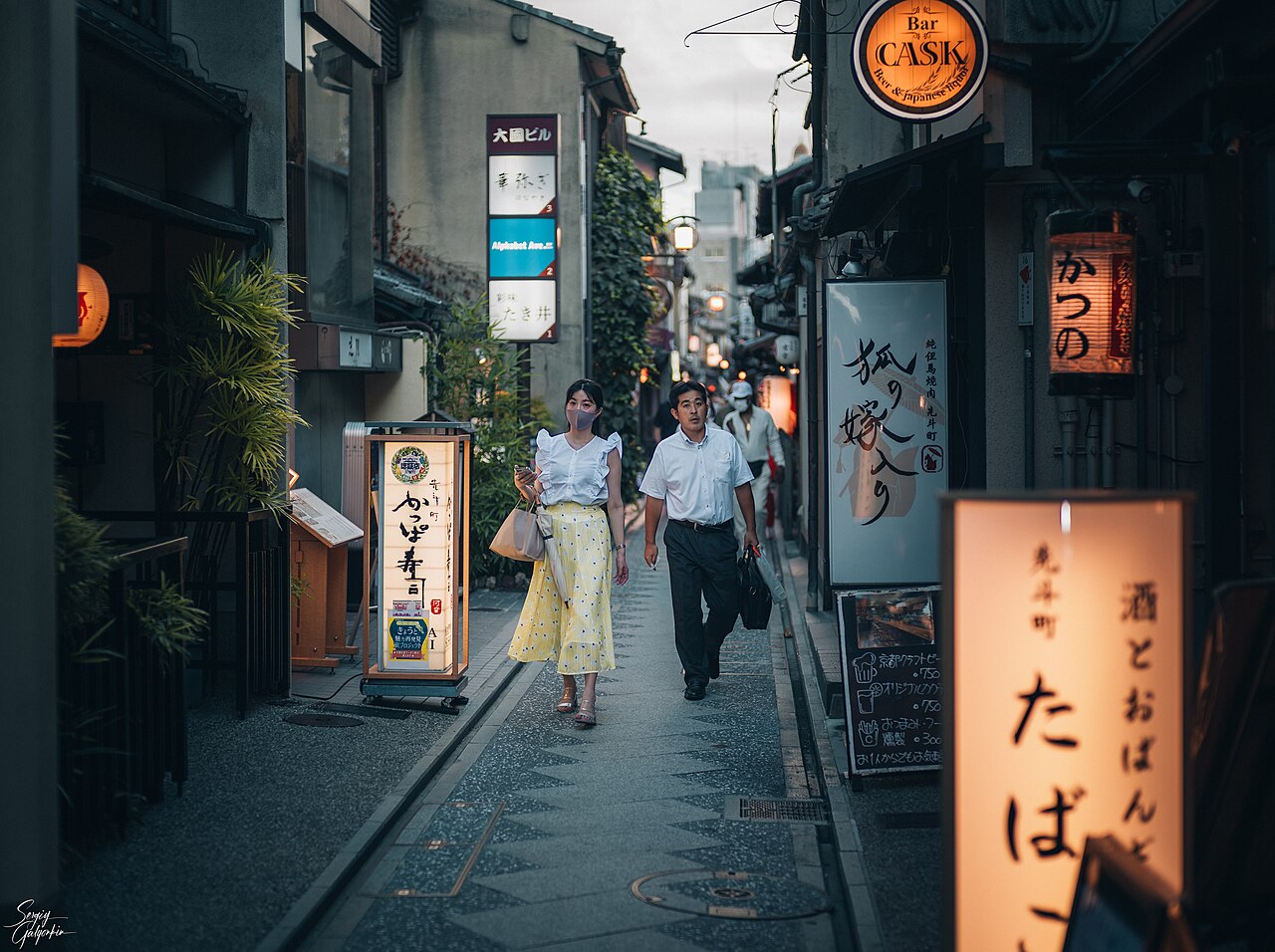
Besides Tokyo, the yokocho adventure can be further explored in other regions of Japan such as Kyoto. Pontocho, the narrow lane running between Shijo-dori and Sanjo-dori in Nakagyo Ward, offers a refined and elegant twist on the yokocho experience.
Its charm lies in its architecture, with the area still retaining some of its historical buildings and lanterns that evoke a sense of nostalgia. During the Edo period, Pontocho was historically a hub for Kyoto’s traditional entertainment. Now, it is a food lover’s paradise, offering a range of dining options for all types of foodies.
Experience the rich history of Kyoto by eating in one of the restaurants located in Pontocho. A highly recommended establishment is Hiro, known for their wagyu yakiniku and other Kyoto meat delicacies. Kaiseki restaurants, kappo-style restaurants, and casual izakayas are also nestled in this enchanting Japan alley.
Hozenji Yokocho (Namba, Osaka)
Location: 1 Chome Namba, Chuo Ward, Osaka, 542-0076, Japan
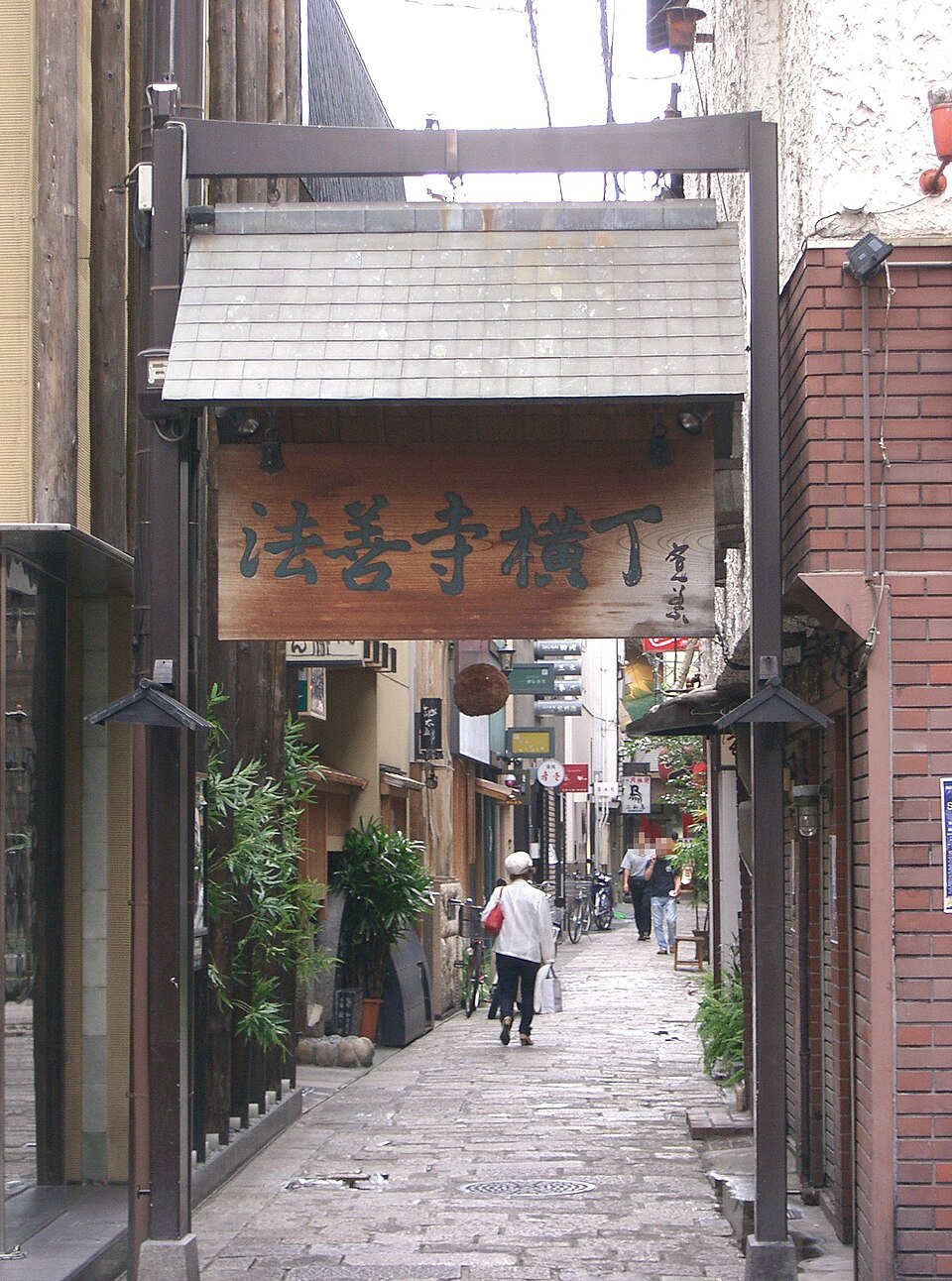
If you find yourself in Osaka, don’t miss out on the chance to explore Hozenji Yokocho, located near Dotonbori. Named after the nearby Hozenji Temple, this narrow alley, lined with cobblestones and traditional lanterns, is an oasis of calm in the bustling city. Since the Edo period, Hozenji Yokocho has long been a cultural hub of Osaka.
Hozenji Yokocho’s intimate and atmospheric surroundings make it one of Osaka’s most beloved Japanese alleyways. The nearby temple adds a sense of serenity to the area, and it’s not uncommon to see locals stop by to splash water on the temple’s moss-covered statue of Fudo Myoo, known as the Mizukake Fudo, for good luck before heading into the yokocho for dinner.
Of course, it’s not a true trip to Osaka if you do not try their popular local dishes. Stop by Meoto Zenzai, a sweet shop beside the Mizukake Fudo that has served its sweet red bean soup in a pair of bowls since 1883. Oda Sakunosuke made the dish famous with his 1940 novel of the same name. After dark, the two stone-paved lanes fill up with small kappo restaurants, okonomiyaki and kushikatsu shops and bars, so there is no shortage of places for a drink or two.
Similar to other yokocho alley establishments, many of the restaurants here are tiny, which creates a more personal and engaging dining experience. Feel free to interact with the chefs and staff as they prepare your food right in front of you!
Okage Yokocho (Ise, Mie)
Location: 52 Ujinakanokiricho, Ise, Mie 516-8558, Japan
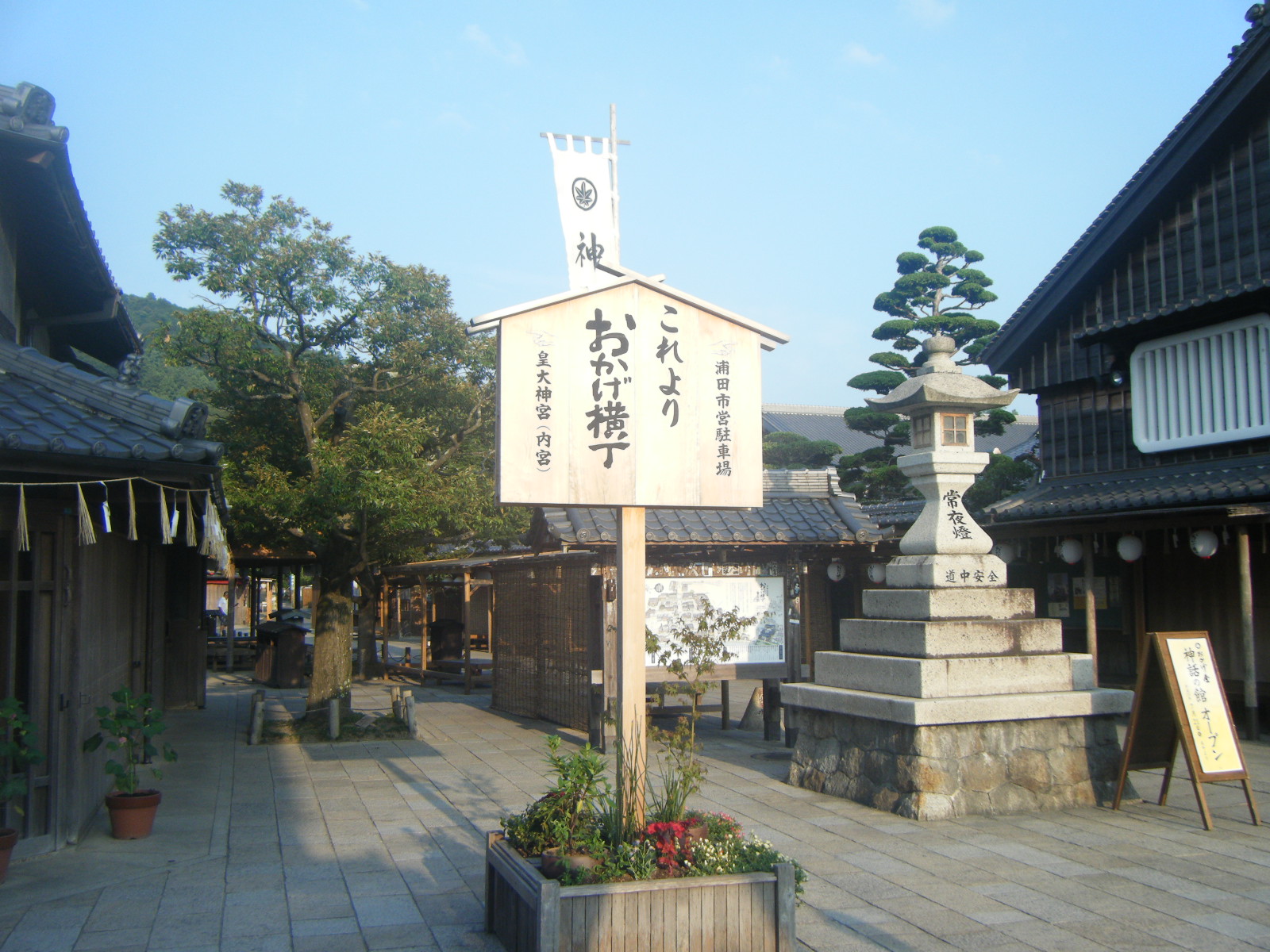
Another underrated Japanese alleyway is Okage Yokocho, located in the Ise City of Mie Prefecture, a five-minute walk from the Uji Bridge at the Inner Shrine of Ise Jingu. Opened in the summer of 1993 and designed to evoke the Edo and Meiji periods of Japan, Okage Yokocho embodies a nostalgic town that features various shops and restaurants that tourists can visit while enjoying taiko drum performances by its own Shinon Taiko team.
Although yokocho spaces are known to be narrow and crowded, Okage Yokocho is actually designed for a more spacious and family-friendly environment. During the day, visitors can stroll around the streets freely while looking at traditional crafts and souvenirs. The building that once housed the Okageza mythology museum is now Okage Yashiki, a hands-on attraction that opened on 3 July 2026, where visitors learn about Ise’s seasons, culture and daily life through play. This yokocho is a must-see destination for history enthusiasts!
Additionally, Ise City is known as the home of the famous Ise Udon, thick and soft flour noodles served simply in a sweet, soy-sauce based broth. Drop by Fukusuke, a well-loved Ise Udon noodle restaurant that serves the original Ise Udon recipe that is unique to the area and not found anywhere else in Japan.
A visit to Okage Yokocho is a memorable way to experience the heart of Japanese culture found within the streets of Japan. With more than 50 shops and restaurants to explore, you are guaranteed to bring home a piece of Japan with you. Opening hours change with the season, from 9:30 until between 17:00 and 18:00.
Janjan Yokocho (Shinsekai, Osaka)
Location: 3 Chome Ebisuhigashi, Naniwa Ward, Osaka, 556-0002, Japan
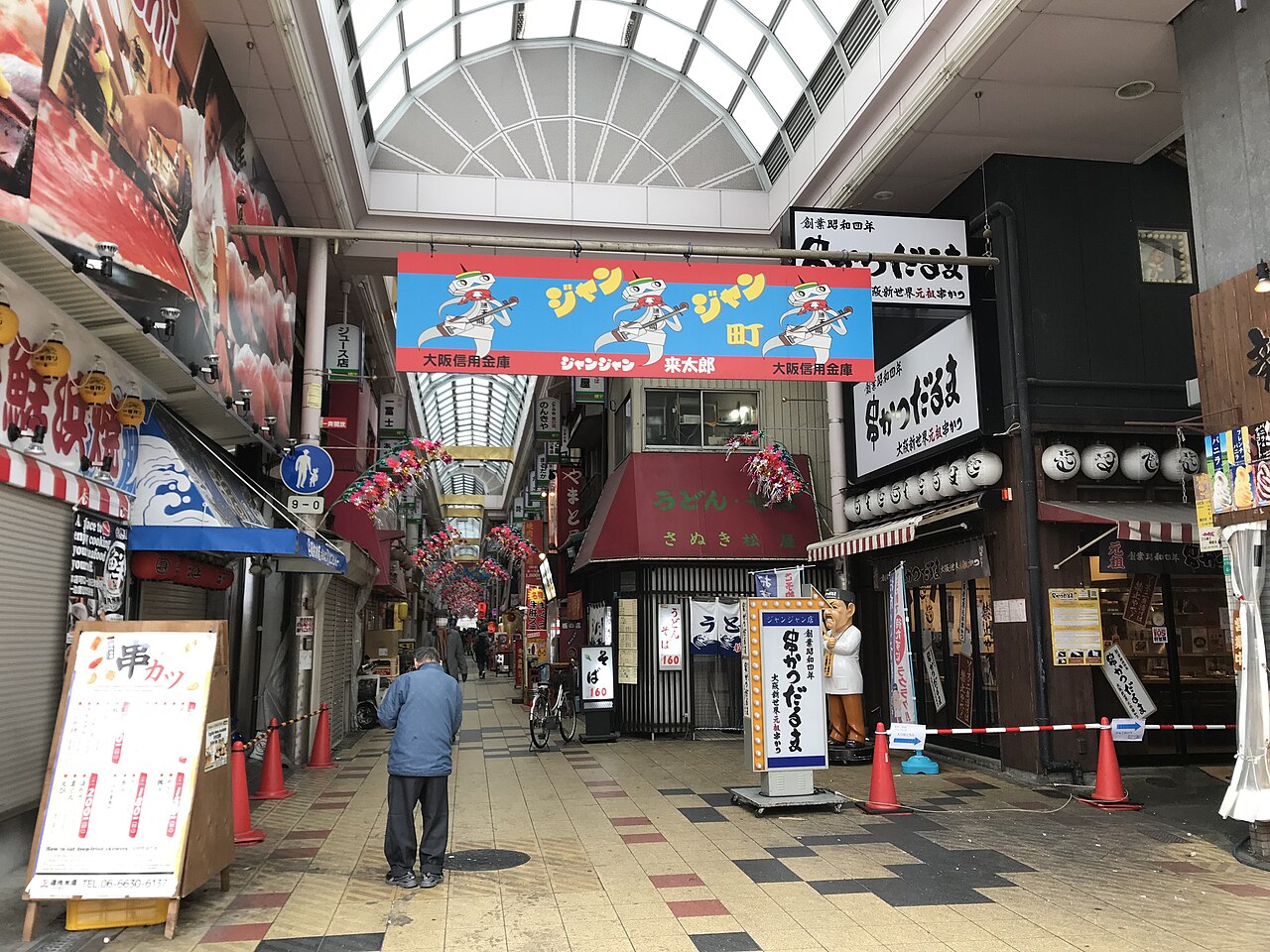
Similar to the retro vibes of Shinjuku’s Golden Gai, Janjan Yokocho gives you a blast from the past found deep within downtown Osaka. This semi-hidden and narrow shopping street offers visitors a taste of old Osaka’s vibrant shopping culture. In Janjan Yokocho, you get a little bit of everything, from standing bars to family-run restaurants and even retro arcades.
Certainly, the casual and hearty cuisine of Osaka can easily be found in Janjan Yokocho. Enjoy Osakan favourites such as the kushikatsu and doteyaki while trying out a wide array of delicious street food like takoyaki and taiyaki. Janjan Yokocho also offers drinks guaranteed to uplift your spirits, including the mixed juice at Sennariya Coffee, which began as a fruit shop in Janjan Yokocho in 1948 and calls itself the birthplace of Osaka’s mixed juice.
While food is the main attraction in Janjan Yokocho, one of the best things to do in this Japanese alleyway is delve into the local entertainment scene of Osaka by visiting a shogi, or a Japanese chess parlour. Here, you can watch people gather to play or watch matches. While many of the shogi parlours have since closed, you can still find a few in operation.
Planning a Yokocho Night in Tokyo, Kyoto, Osaka or Ise
On your next trip to Japan, set aside an evening to eat and drink your way through a yokocho. Without a doubt, these narrow Japanese alleyways offer a unique way to connect with locals, try out a variety of Japanese dishes, and discover what Japan is like off the beaten path.
Follow your curiosity down a yokocho and uncover hidden treasures these back alleys can offer to you with the help of the Jetpac Japan eSIM.