Sapporo is Hokkaido’s capital and the easiest base for a trip to Japan’s north. The 2027 Sapporo Snow Festival runs from Thursday 4 to Thursday 11 February. Outside festival week, the city is where miso ramen was first served, and Otaru and the Jozankei hot springs are both within about an hour.
This guide covers the sights worth your time and what they cost in 2026 and 2027, where to eat the three dishes the city is known for, how to get in from New Chitose Airport and which season suits which kind of trip.
Planning Sapporo: Sights, Food and Day Trips
| Snow Festival 2027 | 4 to 11 February at Odori Park, Susukino and Tsudome |
| From New Chitose Airport | JR Rapid Airport, 33 to 37 minutes to Sapporo Station on the fastest trains |
| Days needed | Two full days for the city, plus one each for Otaru and Jozankei |
| February weather | Average daily high 0.4°C, low minus 6.2°C |
| Accommodation tax | ¥300 to ¥1,000 per person per night, depending on room rate |
| Best for | Winter festivals, ramen, seafood markets, easy day trips |
Odori Park and the Sapporo Snow Festival 2027
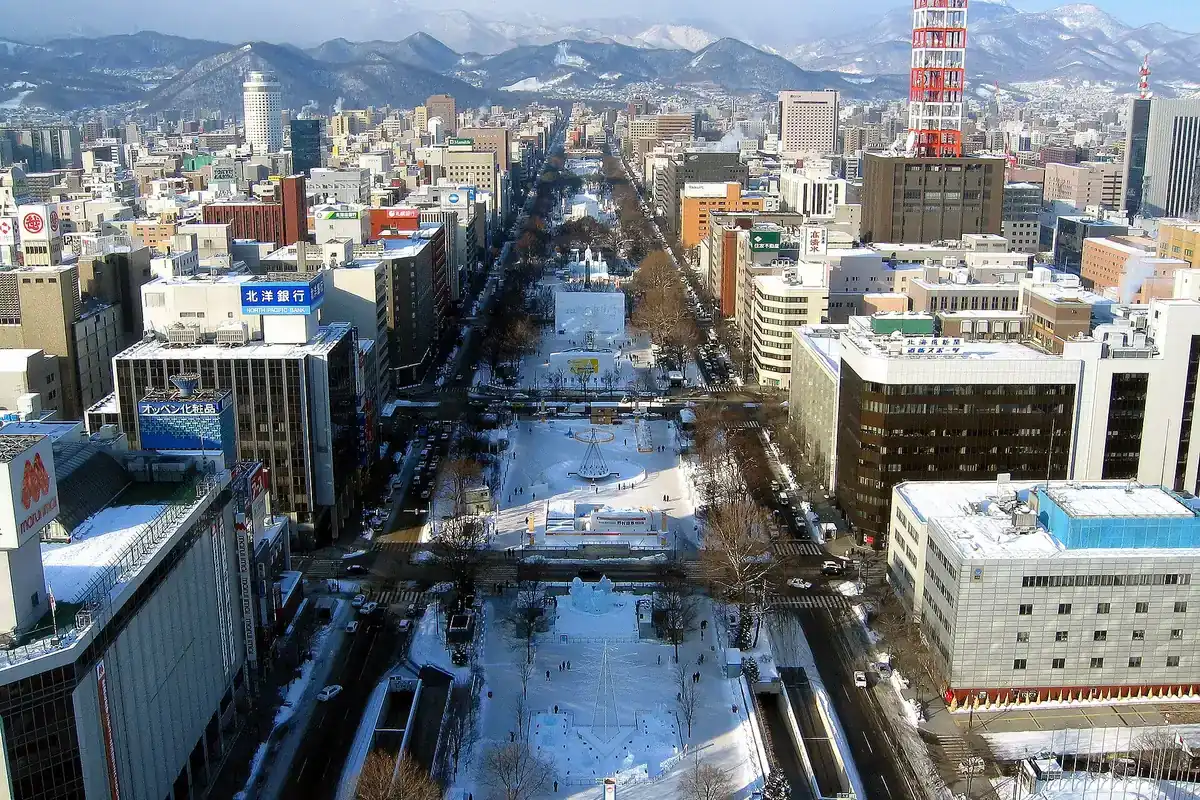
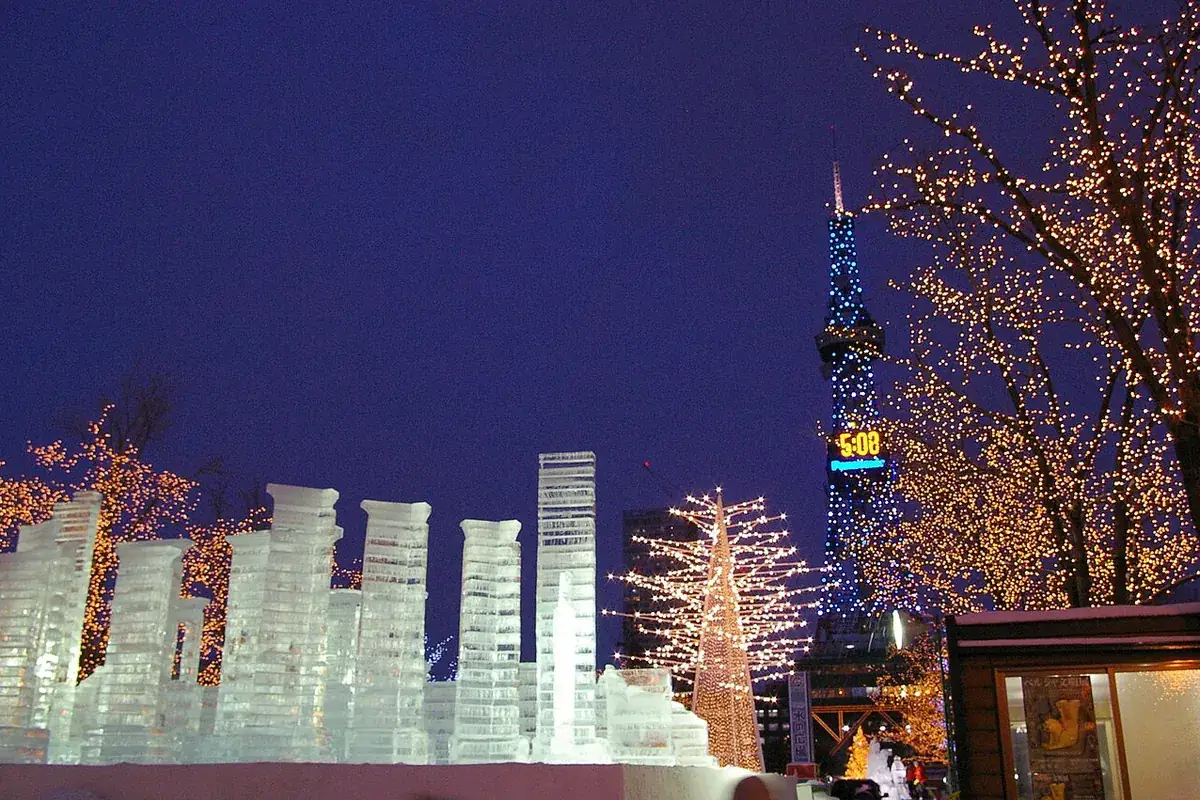
Odori Park is the long green strip that splits central Sapporo into north and south, and almost every big event in the city happens on it. In winter it becomes the main site of the Sapporo Snow Festival, which the organisers say now draws more than two million visitors.
The festival began in 1950, when local junior high and high school students built six snow statues on a patch of Odori Park that residents used for dumping snow. About 50,000 people came. The first 15 metre sculpture went up in 1953, and from 1955 Japan’s Self-Defense Forces joined in to build the giant pieces the festival is now known for.
The three Snow Festival sites
| Site | What is there | 2027 dates and hours |
|---|---|---|
| Odori Park | The large and medium snow sculptures along about 1.5km of the park, projection mapping and food stalls | 4 to 11 February, sculptures lit until 10pm |
| Susukino | Ice sculptures along Ekimae-dori in the nightlife district, including the ice sculptures with fish frozen inside (about 60 sculptures in 2026) | 4 to 11 February |
| Tsudome | Snow slides, snow rafting and an indoor hall with food, aimed at families | 4 to 11 February, 10am to 4pm in 2026 |
The organisers will publish the full 2027 programme from mid December 2026. Hotels fill early for festival week, so book as soon as your dates are fixed. The Otaru Snow Light Path runs from 6 to 13 February 2027, so the two overlap, and the Asahikawa Winter Festival falls the same week; our guide to winter festivals across Japan in February lines them all up.
Odori Park the rest of the year
Outside February the park runs on a calendar of its own. The Sapporo Lilac Festival fills it in mid May, the Odori beer gardens run from mid July to mid August, and the Sapporo Autumn Fest food event takes over in September. From November the Sapporo White Illumination lights the park; it began in 1981 with about 1,000 bulbs in Odori Nishi 2-chome, and the 2026 to 2027 season is its 46th. Our guide to Japan in December gives each venue’s lighting dates.


Map of Odori Park
Sapporo TV Tower: the ¥1,200 View Over Odori Park
The red lattice tower at the east end of Odori Park opened in August 1957. Its designer, Tachu Naito, also designed Tokyo Tower and Osaka’s Tsutenkaku. A lift takes about 60 seconds to reach the observation deck at 90.38 metres, which looks straight down the length of the park towards the mountains, and on clear days out to the Sea of Japan.
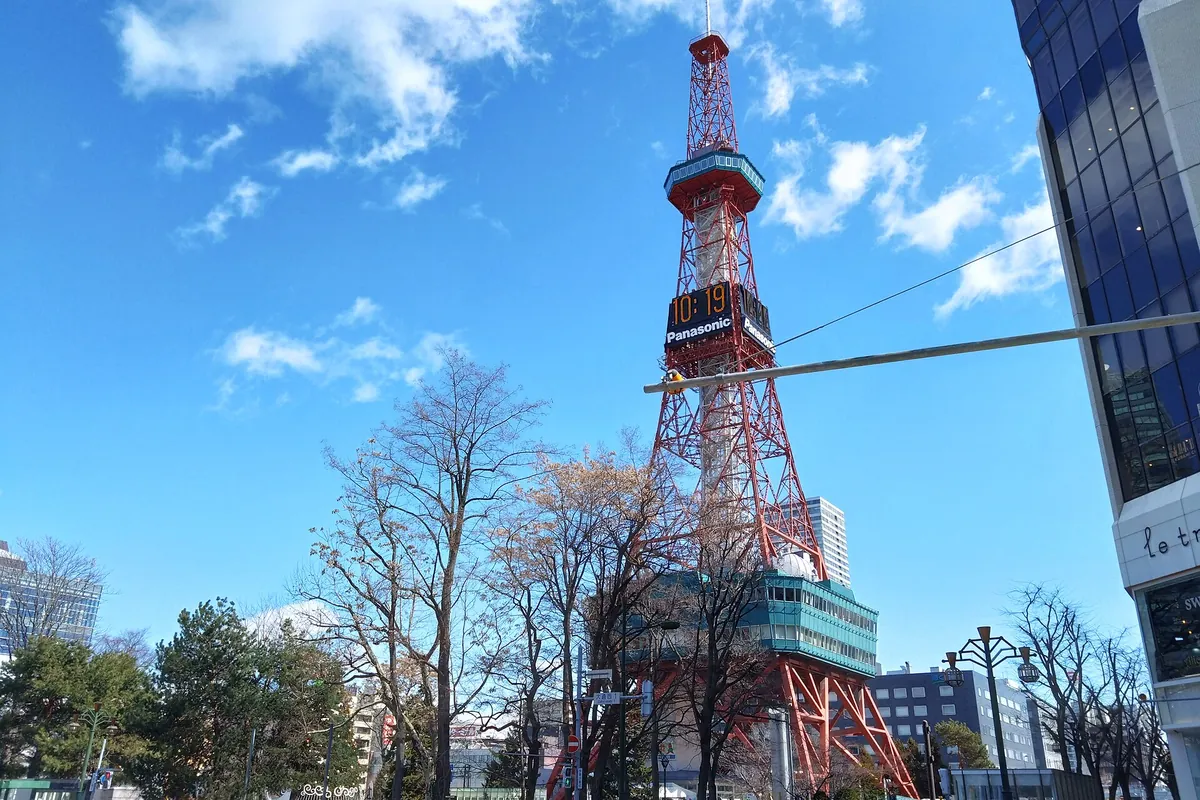
The deck is open from 9am to 10pm, with last entry at 9.50pm. Tickets are sold on the third floor: ¥1,200 for adults and high school students and ¥600 for primary and junior high school children, according to the tower’s own price page. The whole building closes for maintenance on 11 November 2026 and on 1 January 2027.
Sapporo Clock Tower: a 1878 Drill Hall With a Boston Clock
The white wooden building at Kita 1-jo Nishi 2-chome now stands among office blocks, and its history is the reason to go inside. It was built in 1878 as the drill hall of Sapporo Agricultural College, now Hokkaido University, whose first vice president was the American educator William S. Clark. The clock, made by the E. Howard Watch and Clock Company of Boston, was added in 1881, and the building was named an Important Cultural Property in 1970.
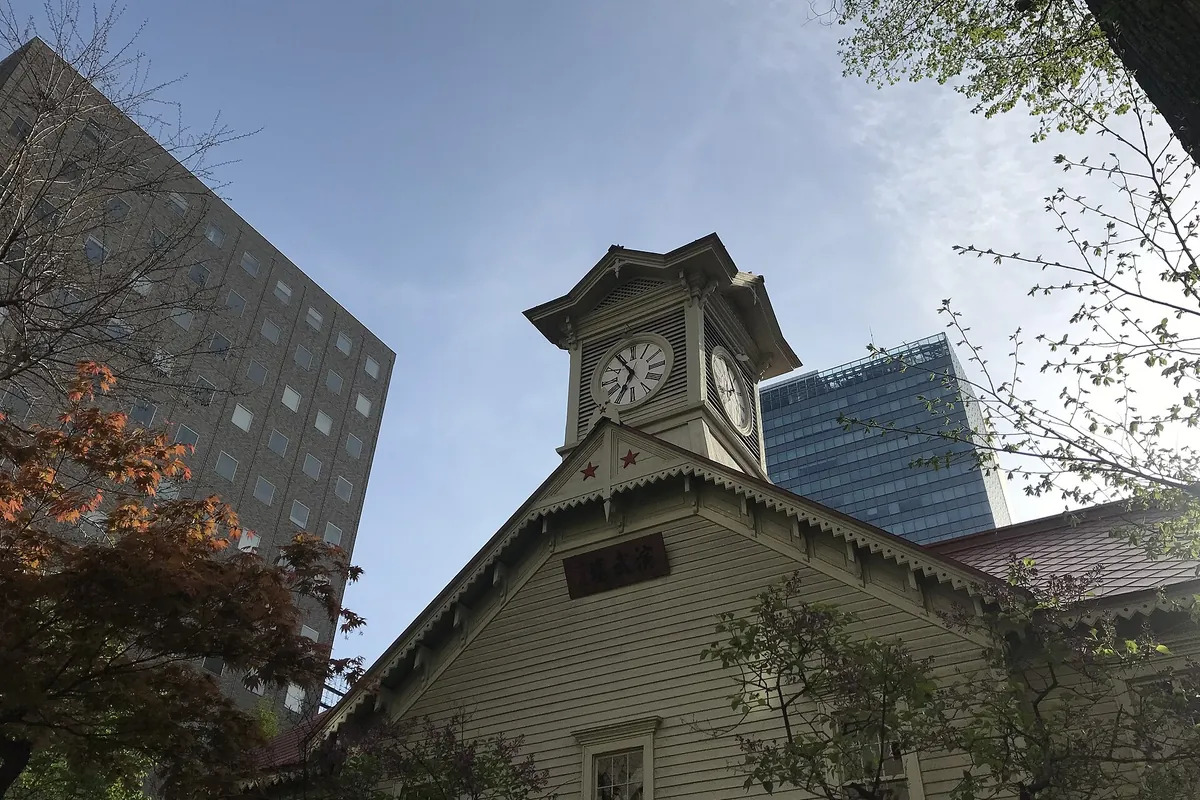
It opens from 8.45am to 5.10pm, last entry 5pm, and closes from 1 to 3 January. Entry is ¥350 for adults and ¥150 for university students, and free for high school students and younger, according to the Clock Tower’s official site. It is a five minute walk from Odori Station, so pair it with the TV Tower.



Mount Moiwa Ropeway: Sapporo’s Night View From 531 Metres
Mount Moiwa rises almost in the middle of the city, and from its 531 metre summit you see the whole of Sapporo and the Ishikari Plain. The Ainu name for the mountain, Inkarushipe, is usually translated as the place you climb to keep watch. The night view has been chosen three times as one of Japan’s New Three Major Night Views.
The trip is in two stages: a ropeway from the foot of the mountain to the midway station, then a small cable car to the top. A return ticket for both is ¥2,100 for adults and ¥1,050 for children of primary school age and under. From April to November the ropeway runs from 10.30am to 10pm, and from December to March from 11am to 10pm. The last car up leaves at 9.30pm, cars run every 15 minutes, and it closes on 31 December.
Plan around one closure: the ropeway and cable car shut for annual maintenance from 29 March to 28 April 2027, according to the Mount Moiwa Ropeway’s hours and fares page. To get there, take the city tram to Ropeway Iriguchi; the free shuttle bus to the ropeway station leaves about a minute’s walk from the tram stop and runs every 15 minutes on weekday evenings and all day at weekends and on holidays. The summit is cold at night even in summer, so take a layer.
Nijo Market and the Curb Market: Sapporo Seafood for Breakfast
Sapporo has two markets worth an early start, and they suit different trips.
Nijo Market, five minutes from Odori Park
Nijo Market has traded for more than 125 years. Its own history says it began in the early Meiji era, when fishermen from Ishikari beach came up the river to sell fish near the spot. It covers Minami 3-jo Higashi 1 to 2 chome, a five minute walk from the TV Tower and one minute from the east end of the Tanukikoji arcade. The Sapporo Tourist Association lists shops as open from 7am to 6pm and the restaurants from 6am to 9pm, with hours varying by shop.
Come for a seafood rice bowl (kaisendon). The market’s shop list includes Daiichi Kaisenmaru, which calls its Shakotan bowl its most popular dish, Donbei, which serves seafood bowls, and Nijo Market Oiso, which cooks with Hokkaido produce. The tourism association also says Sapporo’s ramen boom is thought to have started at a stall in Nijo Market after the Second World War.
The Curb Market, for melons and crab
The Sapporo Central Wholesale Market Curb Market is the retail strip beside the city’s main wholesale market. It opens from 6am to 5pm, with restaurants from 7am. The tourism association’s market guide says stock thins out after the busy 8am to 11am window, so go early. Take the Tozai Line to Nijuyonken Station, about 10 minutes from Odori, then walk seven minutes.
Sapporo Food: Miso Ramen, Soup Curry and Jingisukan
Three dishes define eating in Sapporo, and each one has a history you can taste at the place it started.
Miso ramen, first served in 1958
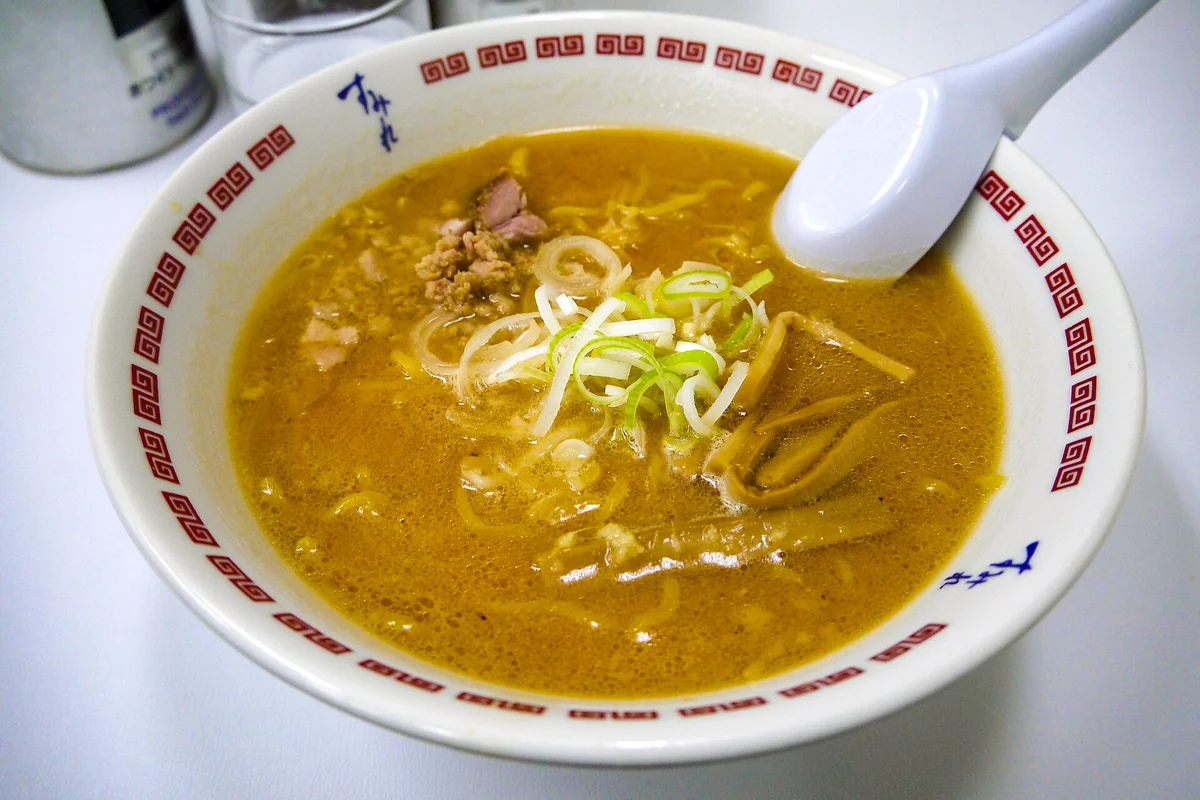
Sapporo is the birthplace of ramen in miso broth. According to the Sapporo Tourist Association, miso ramen made its debut in 1958, with the broth created by Morito Ohmiya, the first owner of Aji no Sanpei, and a new style of noodle developed by Takayuki Nishiyama, founder of the Nishiyama Seimen noodle company. The classic bowl uses crinkled, medium thick noodles with bean sprouts and onion.
- Aji no Sanpei: the shop where miso ramen began, on the fourth floor of Daimaru Fujii Central, Minami 1-jo Nishi 3-chome. Closed Mondays and the second Tuesday of each month.
- Sumire: homemade miso with a pork bone and vegetable broth, at Nakanoshima 2-jo 4-chome in Toyohira Ward. Open all year.
- Keyaki, Susukino flagship: pork knuckle broth simmered for more than 10 hours, at Minami 6-jo Nishi 3-chome.
- Ganso Sapporo Ramen Yokocho: a narrow alley of about 17 ramen counters at Minami 5-jo Nishi 3-chome, which marks its 75th anniversary in 2026. Its management asks queuing customers not to block the doors of neighbouring shops.
Addresses and closing days for the first three come from the tourism association’s ramen guide; the Yokocho details come from its official site.
Soup curry, cooked to order
Soup curry is a thin, spiced broth served with chicken and seasonal vegetables, with rice on the side, and every shop builds its own broth. The tourism association’s soup curry guide recommends these:
- Soup Curry Garaku: broth of pork bones and herbs stewed for two days, finished with kelp and bonito. It closes when the broth runs out. Minami 2-jo Nishi 2-chome, Okumura Building basement.
- Okushiba Shoten, Ekimae Soseiji branch: a rich shrimp broth, in the basement of the Hokuren Building at Kita 4-jo Nishi 1-chome near Sapporo Station.
- Picante, Kotoni branch: each serving cooked in its own small pot, under the elevated JR Kotoni Station. Open all year.
- Sapporo Rakkyo: chicken bone, pork bone and tomato broth, the association’s pick for a first soup curry. Kotoni 1-jo 1-chome, closed the third Wednesday of the month.
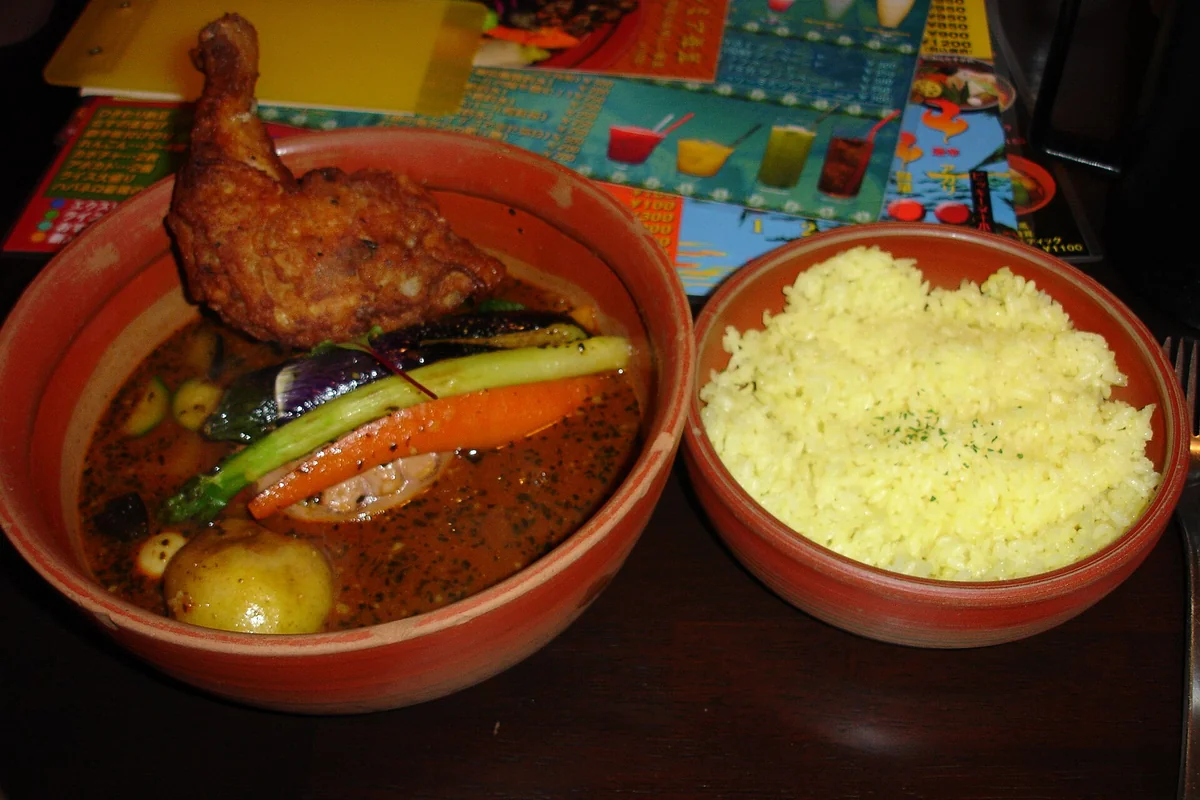
Jingisukan, lamb on a domed grill
Jingisukan is lamb or mutton grilled on a skillet with a raised dome in the middle, so the juices run down into the vegetables around the edge. In Susukino, Jingisukan Daruma has grilled it over charcoal since 1954. For the full beer hall version, the Sapporo Beer Garden serves it in the Kaitakushi-kan, a red brick hall listed as a Hokkaido Heritage building, next to the beer museum. Our list of Japan’s best local dishes explains how jingisukan is cooked and eaten.
Sapporo Beer Museum: Now ¥1,000 Entry
Sapporo Beer traces itself to 1876, when the Hokkaido Development Commission set up a brewery here. The red brick building that now holds the Sapporo Beer Museum is listed as Hokkaido Heritage, and Sapporo calls it the beer museum with the longest history in Japan.
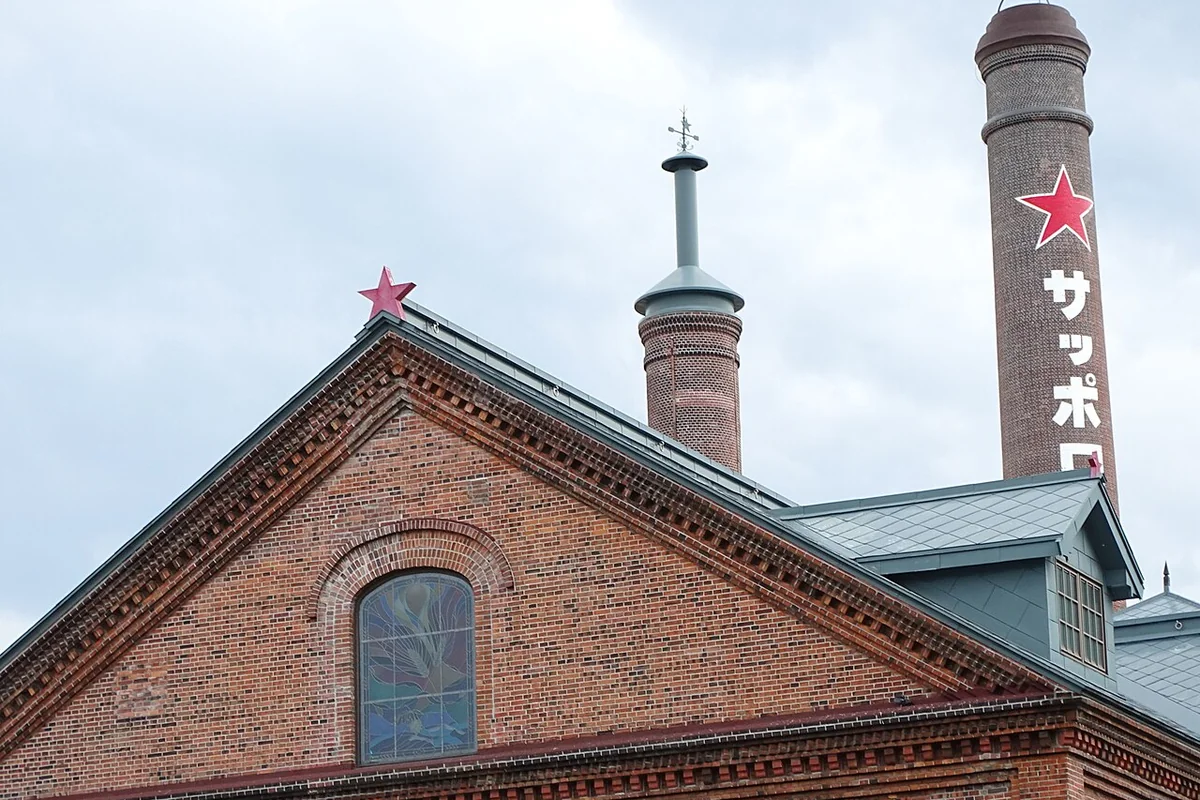
Entry now carries a charge: self-guided entry with an audio guide costs ¥1,000 for adults, ¥500 for ages 13 to 19 and is free for primary school children and younger. It is open from 11am to 6pm (last entry 5.30pm) and closes on 31 December. The 55 minute guided tour costs ¥2,000 including a tasting of the recreated original Sapporo beer against today’s Black Label, runs in Japanese only, has 16 places and needs booking online; there are no tours on Mondays.
Bus 188 runs direct from stop 2 at Sapporo Station’s north exit to the Sapporo Beer En stop at the door. The history of the brand is in our guide to Japanese beer brands.
Susukino and Tanukikoji: Where Sapporo Eats and Shops After Dark
Susukino, south of Odori Park along Ekimae-dori, is the city’s nightlife district and where several of the ramen and jingisukan addresses above sit. In festival week the Susukino ice sculpture site lines Ekimae-dori from Minami 4-jo to Minami 6-jo.
Between Odori and Susukino runs Tanukikoji, a covered shopping arcade about 900 metres long with roughly 200 shops across seven blocks. The street’s own history dates the Tanukikoji name to around 1873, which makes it one of Hokkaido’s oldest shopping streets, and the full roof keeps rain and snow off while you shop.
Otaru Day Trip: the Canal, 32 Minutes From Sapporo
Otaru is a port town west of Sapporo built around its canal, with a seafood market beside the station. The Rapid Airport trains that come in from New Chitose Airport carry on through Sapporo to Otaru, and the Otaru Tourism Association gives the fastest journey from Sapporo as 32 minutes. Check the destination on the platform at Sapporo, because not every Airport train goes through to Otaru.
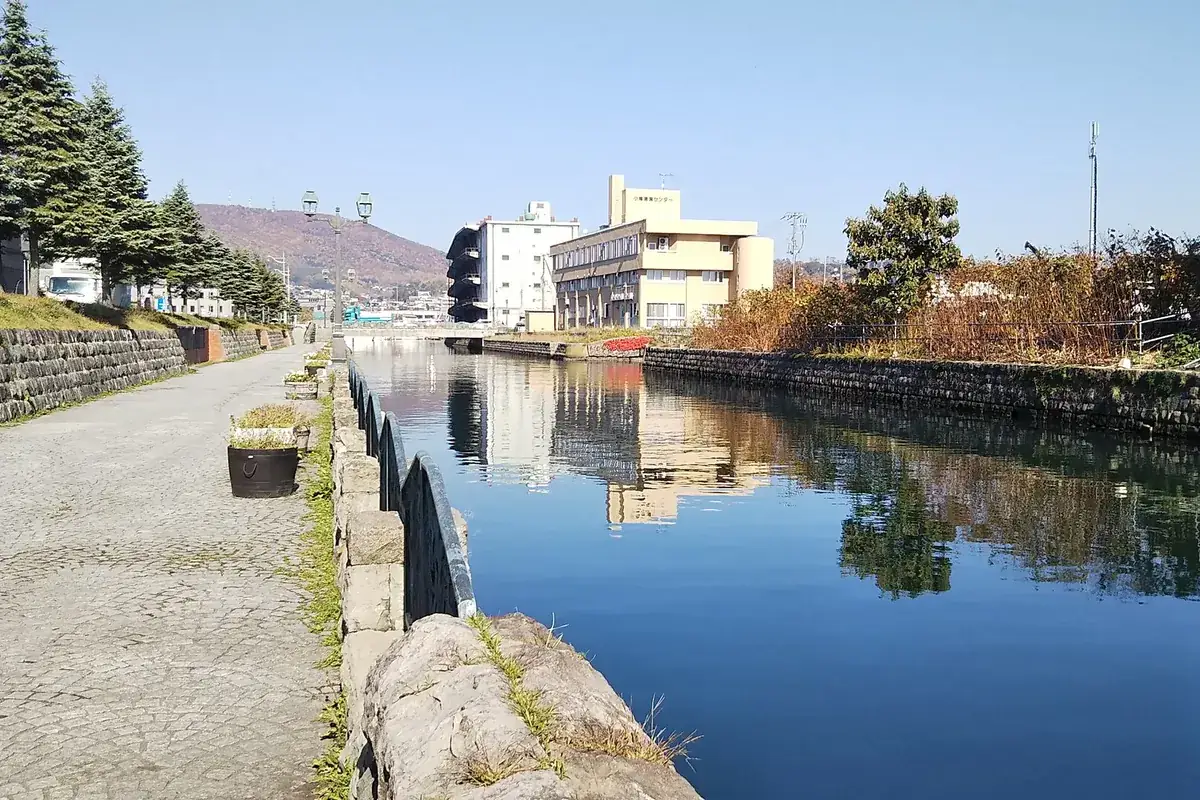
Winter is when Otaru puts on its two lighting events. The canal is lit in blue from 1 November 2026 to 31 January 2027, between Asakusabashi and Chuobashi bridges, and the Otaru Snow Light Path fills the town with snow lanterns and candles from 6 to 13 February 2027. For lunch, Otaru’s Sankaku Market sits a minute from the station.
Jozankei Onsen: Hot Springs an Hour South of the City
Jozankei is a hot spring resort in a river gorge inside Shikotsu-Toya National Park, about 26km south of central Sapporo but still within the city boundary. According to the Jozankei Tourist Association, the springs were found in 1866 by an ascetic monk, Miizumi Jozan, who opened a healing bath for the sick and injured. The water is a clear sodium chloride spring.
Jotetsu Bus runs from central Sapporo: the Kappa Liner express takes about 60 minutes and the ordinary route bus about 80, according to the tourism association’s access page. The association’s own season guide points to autumn colour in the gorge and deep snow in winter, and the town is set up for overnight stays in its hot spring hotels.
If you would rather drive to Jozankei and beyond, our guide to renting a car in Hokkaido covers licences, winter tyres and the expressway pass.
New Chitose Airport to Sapporo: Train, Bus and Taxi
New Chitose Airport is about 45km from central Sapporo, with flights of about 1 hour 30 minutes from Tokyo Haneda. The JR station is in the basement of the terminal.
| Option | Time to central Sapporo | Notes |
|---|---|---|
| JR Special Rapid Airport | 33 minutes | One an hour in the daytime |
| JR Rapid Airport | 37 minutes | Three an hour in the daytime; IC cards such as Suica work at the gate |
| Airport bus (Chuo Bus, Hokuto Kotsu) | About 70 minutes | Every 10 to 15 minutes |
| Taxi | About 60 minutes | About ¥10,000 to ¥13,000 plus expressway toll |
Car 4 of every Airport train is the reserved u-seat car, which costs a ¥1,000 seat fee on top of the fare (¥800 if booked ticketless), according to JR Hokkaido. If you plan Otaru and Noboribetsu as well, the Sapporo-Noboribetsu Area Pass gives four days of unlimited JR travel between the airport, Sapporo, Otaru and Noboribetsu for ¥10,000 bought before you travel or ¥11,000 at the station.
Sapporo Accommodation Tax and Where to Stay
Sapporo introduced a city accommodation tax on 1 April 2026, charged per person per night at hotels, inns and private lodgings, and Hokkaido is adding a prefectural tax on top. The Sapporo Tourist Association lists the combined amounts:
| Room rate per person per night | Total tax per night |
|---|---|
| Under ¥20,000 | ¥300 |
| ¥20,000 to ¥49,999 | ¥400 |
| ¥50,000 or more | ¥1,000 |
For a short stay, base yourself between Sapporo Station and Odori, where the airport trains, subway lines and most sights meet. Stay in Susukino if late dinners matter more than early starts.
Best Time to Visit Sapporo, Month by Month
Sapporo has a real winter: the Japan Meteorological Agency’s 1991 to 2020 averages give a February mean of minus 2.7°C and about 4.8 metres of snowfall across a year. Summers are mild, with an August mean of 22.3°C.
| Season | What happens | Good for |
|---|---|---|
| December to March | White Illumination, Snow Festival (4 to 11 February 2027), Otaru Snow Light Path | Festivals, skiing, hot springs |
| April to May | Lilac Festival in Odori Park in mid May. Moiwa ropeway closed 29 March to 28 April 2027 | Quiet city breaks |
| June to August | Yosakoi Soran dance festival in June, Odori beer gardens from mid July | Mild weather, escaping the heat further south |
| September to November | Sapporo Autumn Fest food event, autumn leaves at Jozankei | Food, hiking, onsen |
Many skiers pass through Sapporo on the way to Niseko, about 100km away; our guide to skiing in Japan includes a one week Hokkaido loop that ends with a night in the city.
Sapporo Questions and Answers
When is the Sapporo Snow Festival in 2027?
The 2027 Sapporo Snow Festival runs from Thursday 4 to Thursday 11 February at all three sites: Odori Park, Susukino and Tsudome. The Odori sculptures are lit until 10pm. The organisers publish the full programme from mid December 2026, and hotels in central Sapporo fill early for that week, so book once your flights are fixed.
How many days do you need in Sapporo?
Two full days cover the city: Odori Park, the TV Tower, the Clock Tower and a market on one day, and the Beer Museum, Mount Moiwa and Susukino on the other. Add a day for Otaru, which is 32 minutes away by train, and another for a night at Jozankei Onsen if you want a hot spring stay.
How do you get from New Chitose Airport to Sapporo?
Take the JR Rapid Airport from the station under the terminal. The fastest trains reach Sapporo Station in 33 minutes, and in the daytime there are six trains an hour. IC cards such as Suica work at the gate. Airport buses take about 70 minutes, and a taxi about an hour at roughly ¥10,000 to ¥13,000 plus tolls.
Is the Sapporo Beer Museum free?
No. Self-guided entry now costs ¥1,000 for adults and ¥500 for ages 13 to 19, and is free for primary school children and younger. It opens from 11am to 6pm. The 55 minute guided tour with a two beer tasting costs ¥2,000, runs in Japanese only and must be booked online. The Beer Garden restaurants next door charge separately.
Is Otaru worth a day trip from Sapporo?
Yes, especially in winter. The canal is lit in blue from November to January, and the Otaru Snow Light Path runs from 6 to 13 February 2027, overlapping the Snow Festival. The fastest train from Sapporo takes 32 minutes, and the Sankaku Market for seafood bowls is a minute from Otaru Station.
What food is Sapporo famous for?
Miso ramen, which was first served in Sapporo in 1958, soup curry, a spiced broth with chicken and vegetables, and jingisukan, lamb grilled on a domed skillet. Fresh seafood bowls from Nijo Market and the Curb Market come close behind, along with Sapporo beer, brewed in the city since 1876.
How cold is Sapporo in February?
Very. The Japan Meteorological Agency’s 1991 to 2020 averages for February give a daily high of 0.4°C and a low of minus 6.2°C, and Sapporo averages about 4.8 metres of snowfall a year. Pack thermal layers, waterproof boots with grip and gloves you can use your phone in, and expect icy pavements.