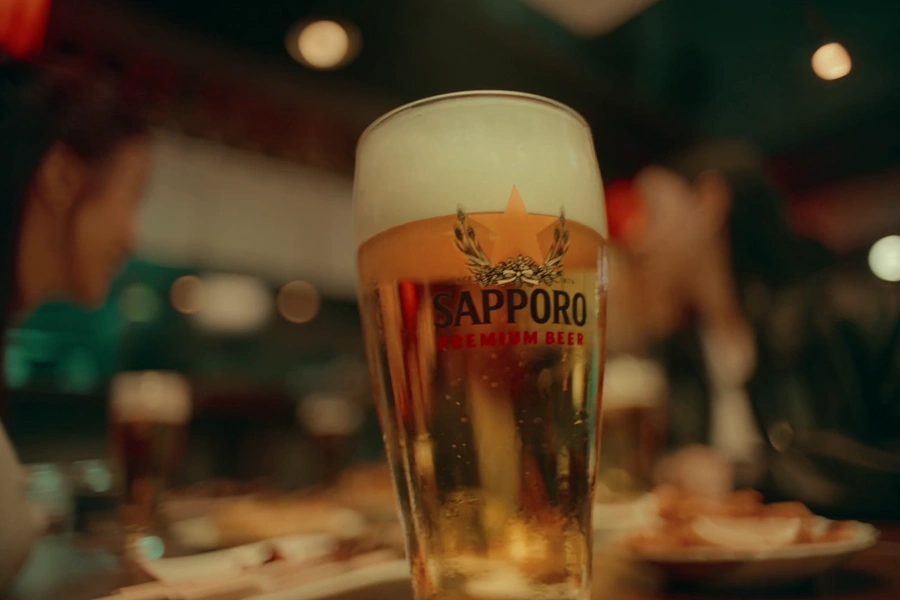
Among Japan’s many izakaya pubs, laughter and delight amongst brimming glasses of beer, as the word “Kanpai!” echoes across the city back streets may enlighten passers-by with a FOMO (fear of missing out) sensation.
Japan’s national treasure of old sake is seen as the nation’s favourite drink. However, the popularity of Japanese beer or Bīru (ビール ) has skyrocketed in the latter part of the twentieth century. As a result, it has long surpassed Japanese sake as the nation’s favourite beverage.
Beer, originally a Dutch import during the Edo period, made its way to the heart of Japanese rituals and has since established an iconic drinking culture in Japan. In addition, certain etiquettes complement Japanese traditions, and social drinking with friends, family, and co-workers is sacred amongst the Japanese way of life.
Names like Asahi Super Dry, Sapporo and Kirin pour at bars across the globe, while craft brands such as Hitachino Nest have introduced international drinkers to a different side of Japanese brewing.
We chose to explore the popularity of Japanese beer brands, including Japan’s renowned drinking culture and elements of Japanese history that shaped the Japanese beer industry into a global sensation over time.
Navigate the World of Japanese Beer
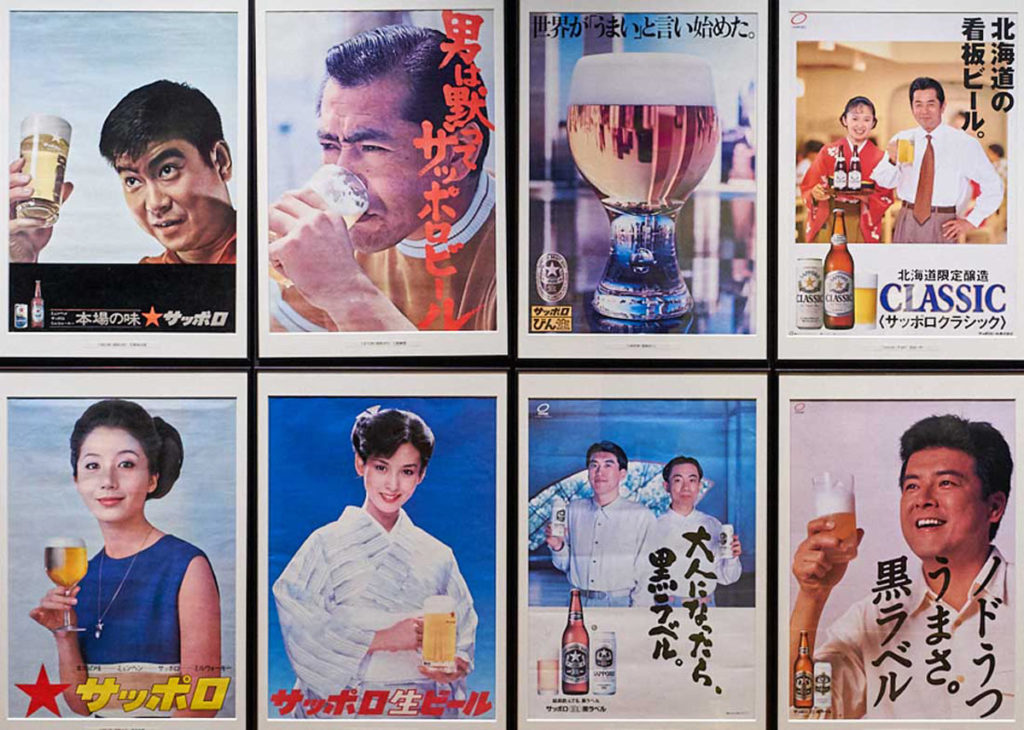
Image credit Sapporo Beer
History of Japanese Beer
At Japan Nakama, we enjoy a good history lesson, and the origins of Japanese beer serve as a fascinating journey.
Dutch sailors and traders who built a beer hall in Nagasaki during the Edo period (江戸時代, 1603–1868) were the first to bring beer to Japan. However, the Dutch were banished from Japan soon after, and beer was then inaccessible in Japan.
However, the Meiji period (1868-1912) saw foreigners allowed to re-enter Japan, and in 1869, Japan’s first brewery was established. It was known as the Spring Valley Brewery, which would then become the Kirin Brewery Company.
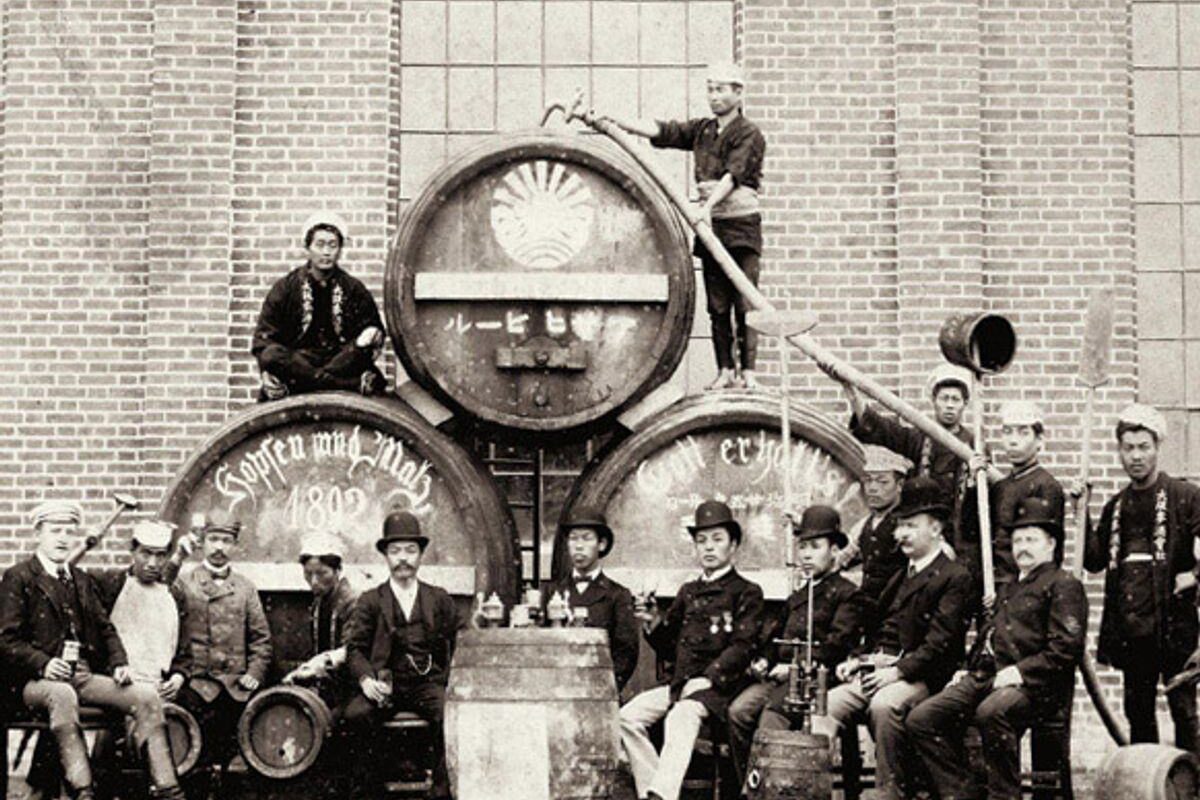
Sapporo’s Kaitakushi Brewery was originally established in 1876 and was then commercialised as Sapporo Beer in 1886. After that, Kirin Beer Company was the most prominent brewery in Japan, which dominated 50% of the market share.
Japan’s iconic brand Asahi first originated in 1889 as the Osaka Beer Company (大阪麦酒会社). Asahi breweries became an independent entity in 1949 and have since become a worldwide brand. 1987 stands as an iconic year for the Japanese beer industry as Asahi Super Dry was introduced and has since become the nation’s preferred beer of choice.
The establishment of three major Japanese beer breweries during a thirty-year period essentially defined the birth of Japanese beer, both domestic and international.


Drinking Culture in Japan
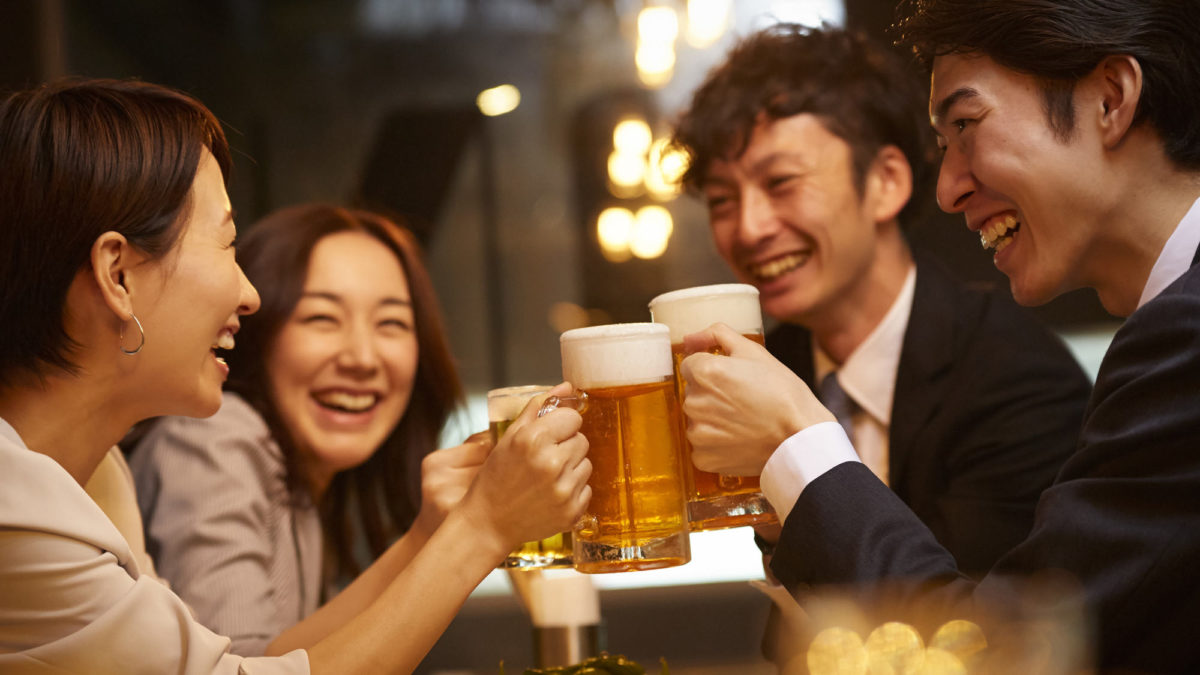
It’s essentially considered a must, especially for businesses, to establish excellent working practices, that company staff and senior members go out for a couple of beers. It’s an opportunity to tear down social boundaries, drink, and chat without the conventional limits of workplace environments.
Izakaya bars are the heart of Japan’s rich drinking culture. Many company traditions involve co-workers, both young and old, to break bread, mingle and toast while enjoying a refreshing glass of beer. Japanese for ‘Pub,’ Izakaya are often small, including a bar and a handful of tables, making the environment cosy and welcoming.
Izakaya menu selections often have a wide range, with the same price policy for each meal. This not-so-common western rule gives customers more freedom to try different dishes upon each sitting. Traditional dishes like tsukemono (pickled vegetables), sashimi slices, or a selection of tofu or noodle dishes serve as a go-to Izakaya choice for after-work meals.
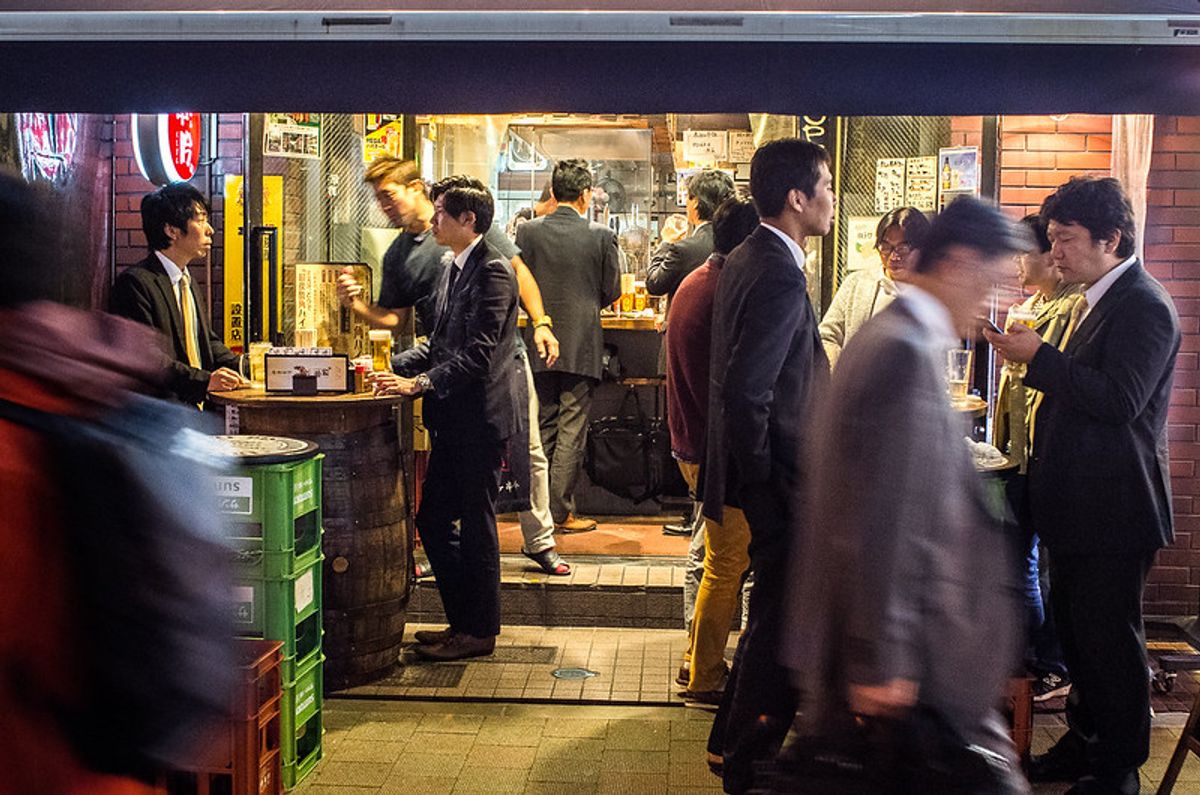
Drinking usually serves as the primary act when gracing an izakaya. However, even if drinkers intend to enjoy sake or cocktails, most evenings begin with a beer, as all customers can relate to wanting a well-awaited, after-work drink. Beverages like wine or whiskey are less common, but most izakayas will have both on offer if required.
For those who visited Japan, spotting salarymen or locals passing by at stations, parks, or other outdoor environments sipping a can of Asahi isn’t uncommon. Public drinking is largely tolerated and permitted in most areas. Walking while drinking, on the other hand, is frowned upon, especially in major cities.
Beer is widely accessible at supermarkets, convenience stores, and train station stalls, typically offered in 350 and 500 ml cans. Some manufacturers sell their beer in 250 ml and even 135 ml cans, depending on the brand. Dispensers serving beer have become more scarce in recent years, except hotels and hostels, which remain frequent.
Drinking Customs
A few small drinking customs are worth knowing before sitting down at an izakaya:
- Always pour each guest’s glass before your own. It shows appreciation for one’s company and politeness to allow others to pour when a successor takes over. Traditionally, employees will pour their boss and senior company members glass first to show respect.
- Wait until everyone’s glass is filled before taking the first sip.
- Kanpai! (カンパイ). Upon raising your glass, allow friends and colleagues to clink to Kanpai, meaning ‘empty the glass,’ which signifies the universal word for cheers.
Japanese Beer Brands
Asahi breweries are Japan’s most popular brand with a 35.5% market share, ahead of Kirin, Suntory, and Sapporo. While craft beer accounts for a relatively small portion of the market, craft brands are slowly expanding into Japanese mainstream establishments.
However, from the Japanese beer industry’s humble beginnings during the 1800s, it’s admirable to see those names still front and centre in many bottle shops globally and across Japan.
So let’s take a look at Japan’s most iconic beers:
Asahi Super Dry: Japan’s Most Popular Beer
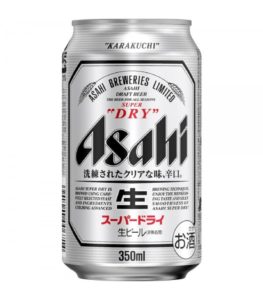
Asahi Super Dry is rice and malted barley beer. As a result, the beer has a light colour with a mild taste. There is also more carbonation, which ensures a drier result – hence the name Super Dry. Each year since its launch, over 100 million cases have been distributed worldwide.
Asahi has also pushed product innovation. In 2021, the company launched a ‘draft can’ version of Asahi Super Dry, using a pull tab that opens the entire lid to create a frothy crown of foam topping the beer when opened. The draft features a pull tab designed to create a frothy crown of foam topping the beer when opened.
Other styles include Asahi Dry Black and Asahi Brewmaster’s Select that are now available in the United States. Super Dry variants in Japan include an Instant Cold Dry, which emphasises an ice-cold feel.
Sapporo: Japan’s First Beer
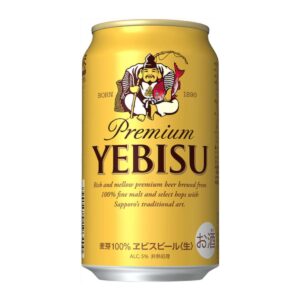
Sapporo has been a Japanese household name since 1876. Its flagship lager is Sapporo Premium, while its premium sister label Yebisu — also owned by Sapporo Breweries — is positioned as a step up, offering a fuller-bodied lager that complements most meals.
Despite preserving the city’s name where it all began, Sapporo Brewery quickly exceeded its initial headquarters and expanded its business to five breweries around Japan. As a result, Sapporo beverages nowadays are available in over 60 countries worldwide.
In 2017, Sapporo acquired Anchor Brewing Company, then the oldest craft brewery in the United States, as part of its US expansion. Anchor Brewing later ceased operations in 2023, though Sapporo’s wider US presence has continued through other brands.
Kirin Lager: Japan’s Largest Brewery
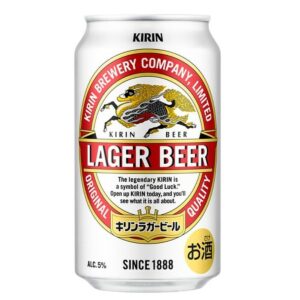
Kirin Lager is one of the country’s best-known and oldest beers which signifies the Kirin Breweries prized possession. Kirin was Japan’s leading beer company from 1953 until 2001, when it was surpassed by Asahi. The pale lager has a smooth feel and clean texture, which provides consumers with a refreshing treat on a hot summer’s day.
According to the Japan Brewers Association, Asahi, Kirin, Suntory and Sapporo continue to dominate Japan’s domestic beer market between them, with shares shifting year-on-year. Recent industry data shows Asahi and Kirin trading the lead position, while Suntory and Sapporo remain competitive in the third spot.
Kirin Holdings now operates 15 breweries across Japan, and its wider group spans restaurants, food production, leisure and logistics.The Iconic brewery delivers 28% of Japan’s beer consumption and firmly holds its place with the Japanese beer industry.
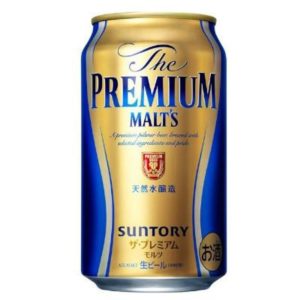
Suntory Premium Malt Beer
Suntory’s The Premium Malt is well-known for its high quality, with a rich flavour and pleasing fragrance. This pilsner-style beer, which has won two gold medals in European contests in a row, is simple to drink and highly popular in Japan.
Within the Japanese beer market, Sapporo and Suntory often compete for the third position. Suntory had a 12.4% market share in 2008, while Sapporo had 11.8% respectively. A marginally close 0.6% gap shows how close both brands are in terms of sales and popularity.
In 2009, both Kirin and Suntory engaged in merger talks to form a singular, leading alcoholic beverage manufacturer. Under the proposed deal, both the Kirin and Suntory brand names would have been retained, with Suntory becoming the majority shareholder and the existing CEO and President structures preserved in the combined company.
The merger plans fell through in February 2010, however, after the two sides failed to agree on how shares would be split between the brands and how managerial control would be balanced.
Still, the two brands remain leading manufacturers within the beer industry, both in Japan and worldwide.








Craft Beer in Japan: Ji-bīru (地ビール), or “local beer”
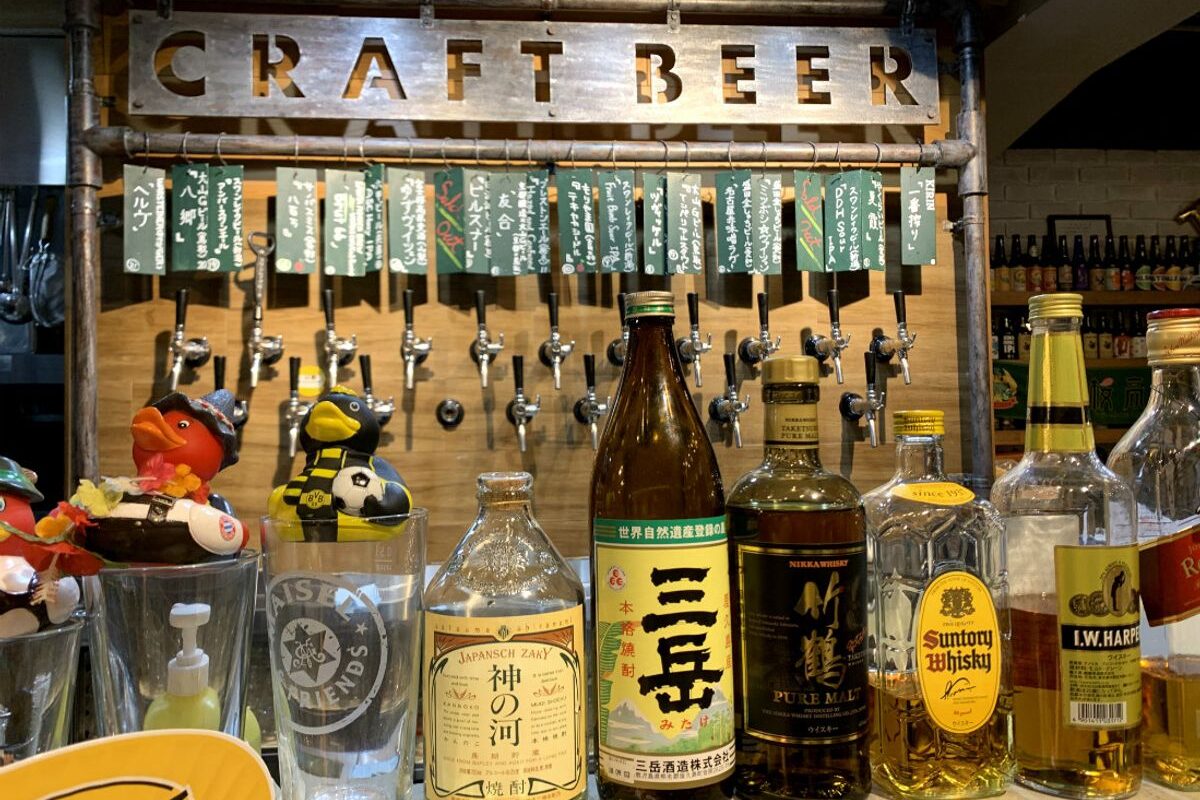
In the mid-1990s, the craft beer trend arose in Japan. Previously, only large-scale breweries were allowed licenses under restrictive brewing regulations. However, the beer industry shifted in 1994, when the government loosened the legislation significantly, allowing small-scale brewers to expand as craft beer has grown in popularity ever since.
Hundreds of independent craft breweries across the country, now trading localised beer domestically and internationally, have expanded across the market and hold respectable significance with the Japanese beer industry.
Diverse cities like Tokyo and Osaka embrace a notably robust craft beer culture. A certain number of specialised pubs brew their beer and sell exclusively from their taps. Other pubs may sell from a small selection of breweries, all producing local beers as Ji-bīru serves as a primary choice for those dedicated establishments.
Japanese Beer: A Cultural Choice
Japan frequently surprises us with certain aspects of dedication to society and culture as the Japanese people value their historical traditions and maintain ancient customs established by their forefathers.
Japanese beer has found a niche amongst the nation’s culture, with workplace and social traditions encouraging colleagues to build relationships that often turn into lifelong friendships. There is, however, a peer pressure effect, particularly with companies’ practices which often shines a negative light on drinking in Japan.
Generally, drinking in Japan reflects drinking in most countries: an opportunity to unwind, socialise, appreciate new faces or friends and co-workers, and doing so on your terms. Whether you reach for a major label, a craft pour from a regional brewery or a can from a station kiosk, Japanese beer has earned its global place — and remains tightly bound to the rituals of how it’s drunk.