
Planning a trip to Japan and want to explore beyond the usual spots? Staying connected while venturing off the beaten path, especially when diving into the vibrant markets in Japan, can be a challenge. Here’s where Jetpac Global’s eSIM Japan Travel service comes in handy. Jetpac Global offers affordable and convenient eSIM data plans that work throughout Japan, allowing you to stay connected and navigate unfamiliar areas with ease.
So, get ready to explore a world of flavours and immerse yourself in the authentic charm of Japan’s lesser-known markets!
1. Misaki Morning Market (Kanagawa)
3. Hanazono Shrine Antique Market (Shinjuku, Tokyo)
5. Masuda Morning Market (Akita)
6. Kochi Sunday Market (Kochi)
7. Matsumoto Shoten at Kuromon Market (Osaka)
9. Miyagawa Morning Market (Takayama, Gifu)
10. Otaru Sankaku Market (Hokkaido)
11. Sunshine City Big Flea Market (Ikebukuro, Tokyo)
12. Kobo-san Market at Toji Temple (Kyoto)
13. Ohatsu Tenjin Flea Market (Osaka)
14. Izumisano Fisheries Cooperative Open-air Fish Market (Osaka)
1. Misaki Morning Market (Kanagawa)
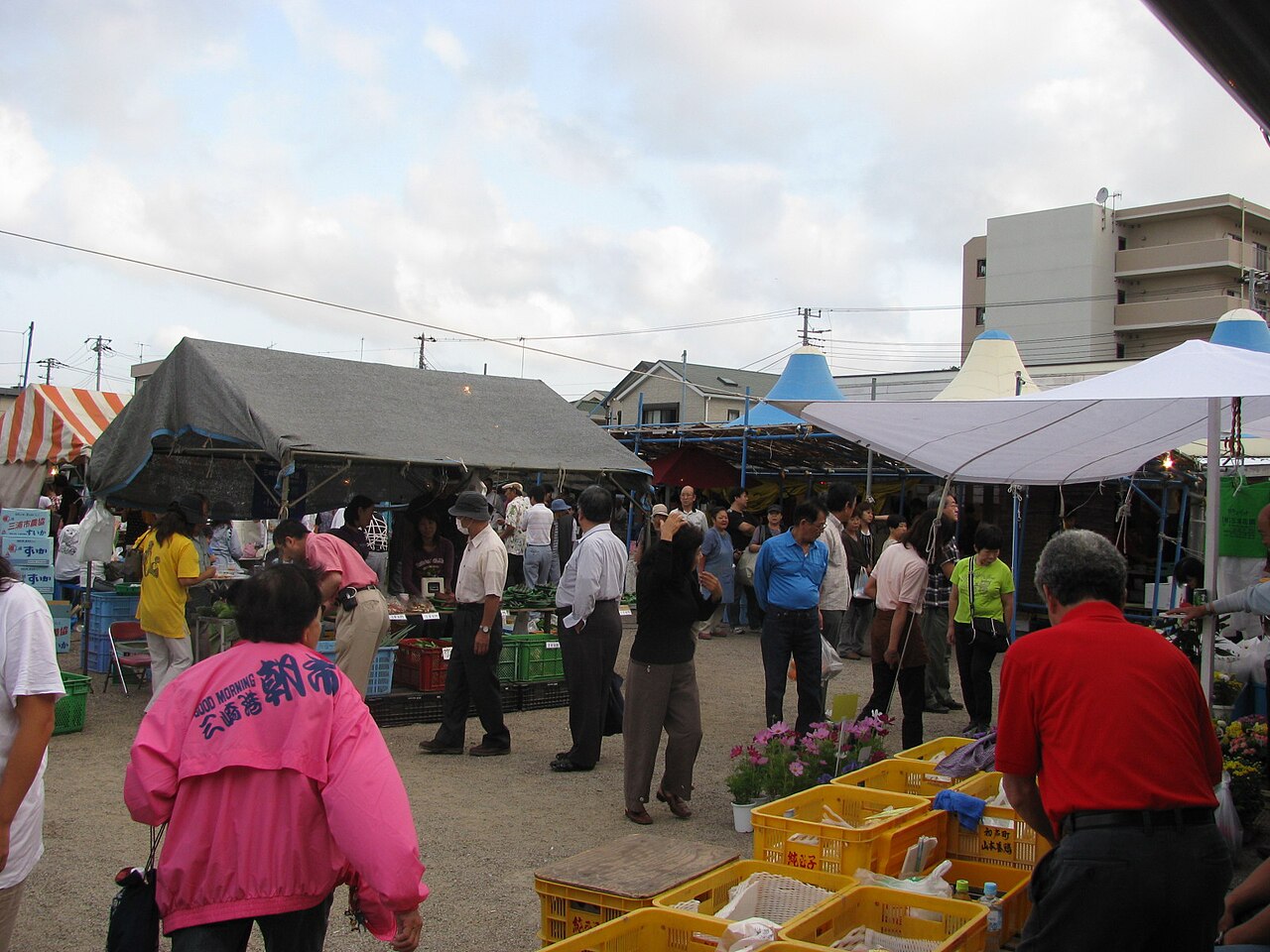
Image Credit: Aimaimyi / Wikimedia Commons (CC BY-SA 3.0)
Location: Misaki Fishing Port, Miura, Kanagawa, Japan
Miura sits at the southern tip of the Miura Peninsula, south of Tokyo and Yokohama, and its Misaki fishing port is one of the best known tuna ports in Japan. The farmland around it also suits fruit and vegetables, so the peninsula’s markets mix the day’s catch with fresh produce.
Every Sunday at 5am, fishmongers at the Misaki Morning Market lay out fish brought in from the port, while local farmers pile their stalls high with vegetables. The market has been running for more than 30 years, and the Kanagawa tourism association’s advice for visitors is simple: bring a cool bag. While exploring the market, having a reliable internet connection with Jetpac Global’s eSIM can help you translate product labels, research unique ingredients, or even find recipes using your fresh finds.
The Misaki Morning Market runs every Sunday except over New Year, from 5am to 8:30am. A special year end sale is held on 29 and 30 December.
2. Omicho Market (Ishikawa)
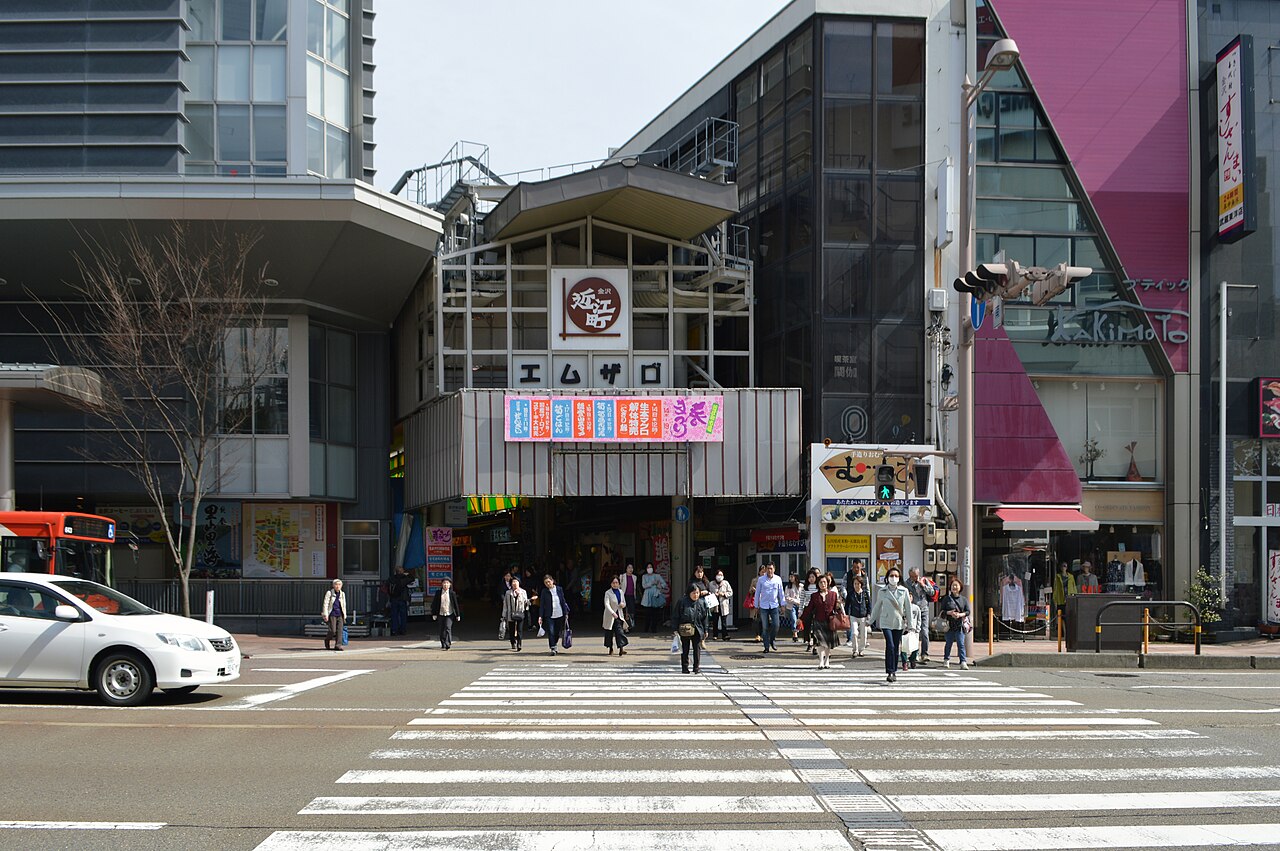
Image Credit: DimiTalen / Wikimedia Commons (public domain)
Location: 50 Kamiomicho, Kanazawa, Ishikawa 920-0905, Japan
Omicho Market is Kanazawa’s largest fresh food market, and most visitors head straight for the queues at its seafood rice bowl restaurants. Walk the covered lanes instead and you’ll find the counters locals shop at: fishmongers, fruit and vegetable sellers, a tofu maker, and specialist counters for enkan, the salted and dried fish that Japanese kitchens rely on. The market’s own shop list includes dedicated enkan counters run by Oguchi Suisan and Daimatsu Suisan.
The lanes and side alleys are easy to get lost in, so a map on your phone helps. Fortunately, Jetpac Global’s eSIM ensures you have seamless data access throughout the market, so you can navigate with ease.
Omicho Market is generally open from 9am to 5pm, but opening hours and closing days vary from shop to shop.


3. Hanazono Shrine Antique Market (Shinjuku, Tokyo)

Location: 5 Chome-17-3 Shinjuku, Shinjuku City, Tokyo 160-0022, Japan
If you’re looking for an antique flea market in Japan, Tokyo hosts a small and intimate antique market at the historic Hanazono Shrine in Shinjuku. It has around 25 to 30 stalls and usually runs on Sundays, from early morning until late afternoon.
From old kimonos to rare ceramics, this antique flea market focuses on smaller items that tourists can bring home. Hanazono Shrine’s antique market is recommended for flea market enthusiasts who are lovers of vintage handmade crafts and historical artefacts.
The antique market at Hanazono Shrine is held on most Sundays from around 6:30am, and many stalls start packing up from about 3pm. It does not run when the shrine holds its own festivals, and rain cancels it.
4. Yukemuri Market (Kyoto)

Image Credit: Bing Yan
Location: 242 Aminocho Kitsu, Kyotango, Kyoto 629-3241
In Kyotango, on Kyoto Prefecture’s Sea of Japan coast, lies a charming souvenir shop that specialises in local produce. From locally grown seasonal fruits and vegetables to local sake, rice and dried fish, Yukemuri Market is the perfect stop for travellers who want to learn more about the local food and heritage of the Kyoto region. Local Kyotango sake, rice and sweet potatoes grown in the sand dunes are among the shop’s recommended buys.
In winter, the shop also stocks Taiza snow crab, a delicacy caught in the waters off Kyotango. Yukemuri Market is close to Yuhigaura Beach and Kumihama Bay, so it fits easily into a day on the coast.
From 1 April to 18 July, Yukemuri Market opens from 8am to 12pm on weekdays and from 8am to 5pm at weekends and on public holidays. From 19 July to 17 August, it opens daily from 8am to 5pm. Check the Visit Kyotango website for hours at other times of year.
5. Masuda Morning Market (Akita)

Image Credit: Tripadvisor
Location: Masudamachi Masuda Nakamachi, Yokote 019-0701 Akita Prefecture
This morning market in the Masuda district of Yokote City has been held since 1643, when the local domain officially recognised it. Stalls line Asaichi Street (Morning Market Street) in Masuda’s preserved merchant quarter, selling seasonal produce such as mountain vegetables in spring and mushrooms in autumn.
The market is held on every date ending in 2, 5 or 9 (the 2nd, 5th, 9th, 12th, 15th, 19th, 22nd, 25th and 29th of each month), from 7am to around 12pm.








6. Kochi Sunday Market (Kochi)
Location: Otesuji, Kochi City, Kochi Prefecture, Japan
Kochi’s Sunday Market, known locally as Nichiyoichi, has been running for more than 300 years. Around 300 stalls stretch for 1.3km along Otesuji, starting from the Otemon Gate at the foot of Kochi Castle, and many of the stallholders sell food they grew or crafts they made themselves.
You’ll find local vegetables, fruit, flowers, plants, kitchenware and handmade crafts, plus Kochi street food. First timers should look for imoten (freshly fried sweet potato tempura), inaka sushi made with local vegetables, yuzu drinks and sweets, and small, very sweet fruit tomatoes. Popular items sell out early, so it pays to arrive in the morning. The market is about a 10 minute walk from JR Kochi Station.
The Kochi Sunday Market runs every Sunday, with stalls usually open from 6am to 3pm.
7. Matsumoto Shoten at Kuromon Market (Osaka)

Image Credit: Kuromon Market
Location: 1 Chome-17-2 Nipponbashi, Chuo Ward, Osaka, 542-0073, Japan
Matsumoto Shoten is a fruit shop inside Kuromon Market, the covered food market in Osaka’s Nipponbashi district. The storefront is lined with fresh seasonal fruit, restocked every day, which makes it a good stop for something to snack on as you walk the rest of the market.
Matsumoto Shoten is open from 8am to 4pm and closes on Sundays and public holidays.
8. Kumano Ikorai Market (Mie)

Image Credit: Kankomie
Location: Kumano Kinendori Shopping Street, Kinomotocho, Kumano, Mie 519-4323
In the seaside town of Kumano, the Kinen-dori shopping street in the Kinomoto district closes to traffic on market days for the Kumano Ikorai Market, an open-air market of local food and produce.
Stalls sell Kumano specialities such as himono (dried fish) and sanma sushi made with Pacific saury, along with mikan oranges and vegetables grown in the area. The street is about a 10 minute walk from JR Kumanoshi Station.
The Kumano Ikorai Market is held on the fourth Sunday of each month from October to May, from 9am to 1pm.
9. Miyagawa Morning Market (Takayama, Gifu)
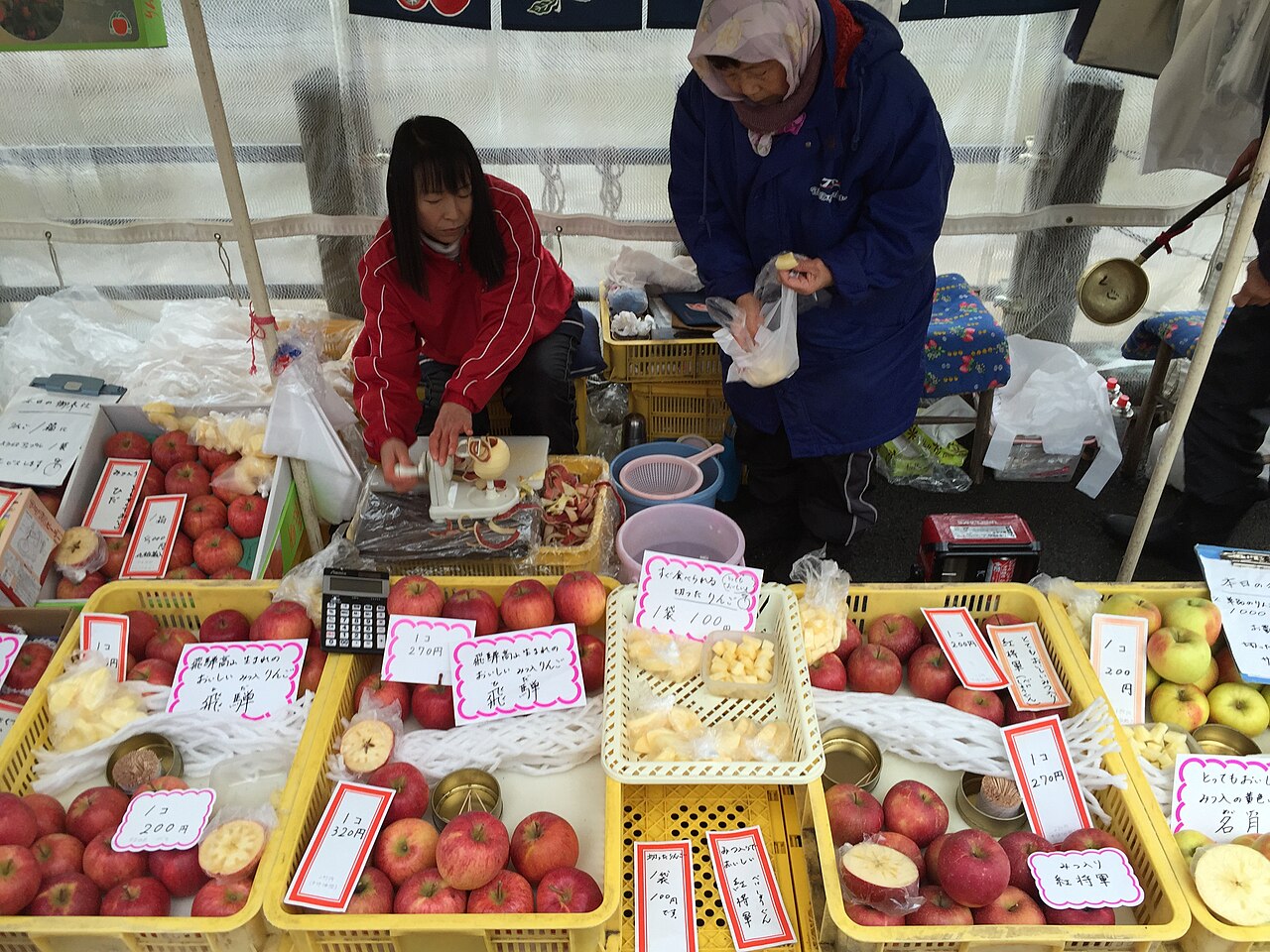
Image Credit: bryan… / Wikimedia Commons (CC BY-SA 2.0)
Location: Shimosannomachi, Takayama City, Gifu Prefecture
Takayama has two morning markets that run every day. The Miyagawa Morning Market sets up along the Miyagawa River in the old town, and the smaller Jinya-mae Morning Market fills the square in front of Takayama Jinya, the former government office. Both offer a chance to sample regional specialities like hoba miso (miso grilled on a dried magnolia leaf).
In this city in the mountainous Hida region, local farmers sell fresh seasonal produce, homemade mochi, miso and pickles, alongside local crafts. It’s a good place to chat with stallholders and get a feel for everyday life in Takayama.
The Miyagawa Morning Market is open from 7am to 12pm between April and November, and from 8am to 12pm between December and March. The Jinya-mae Morning Market opens at 6am from April to December and at 7am from January to March, also closing at 12pm. Some stalls close early once they sell out.
10. Otaru Sankaku Market (Hokkaido)
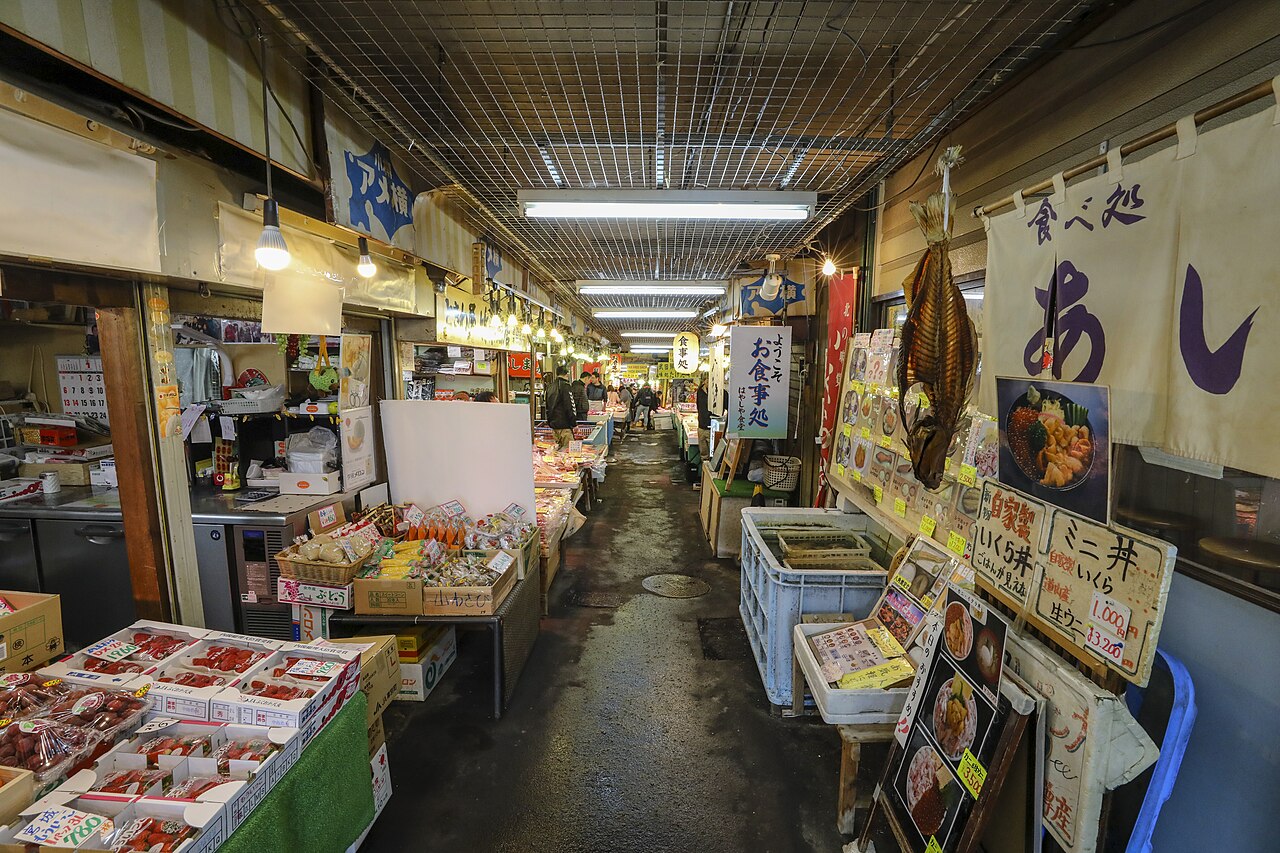
Image Credit: bryan… / Wikimedia Commons (CC BY-SA 2.0)
Location: 3 Chome-10-16 Inaho, Otaru, Hokkaido 047-0032
Named after its triangular roof and plot of land, Otaru Sankaku Market sits right beside JR Otaru Station, about a minute’s walk away. Around 20 shops crowd under one roof. Fishmongers lay out bright orange sea urchin and glistening salmon roe landed off Otaru, specialist shops sell salted and dried fish, and the market’s small restaurants serve uni don, ikura don and grilled fish set meals that change with the seasons.
Since it’s next to the station, it’s an easy first or last stop on a day trip to Otaru, and a good place to try Hokkaido seafood before heading down to the canal.
Otaru Sankaku Market is open from 6am to 5pm and closes only on 1 January.
11. Sunshine City Big Flea Market (Ikebukuro, Tokyo)

Image Credit: @rainbowholic
Location: 3 Chome-1 Higashi Ikebukuro, Toshima City, Tokyo 170-8630, Japan
Held at Sunshine City in Ikebukuro and sometimes listed in English as the Kawaii Flea Market, the Tokyo SOUQ Sunshine City Big Flea Market sets up in front of the fourth floor of the Sunshine 60 building. Individual sellers, small brands and makers bring preloved clothing, crafts, collectibles and their own creations, and the organiser actively welcomes sellers from overseas.
The next date listed by the organiser is Tuesday 3 November 2026, a national holiday. Check the Tokyo SOUQ website for future dates before you go.
12. Kobo-san Market at Toji Temple (Kyoto)

Image Credit: mykyotomachiya
Location: 1 Kujo-cho, Minami-ku, Kyoto City, 601-8473
The Kobo-san Market at Toji Temple is one of the best known flea markets in Kyoto. It takes its name from Kobo Daishi (Kukai), the founder of Shingon Buddhism, and is held on the 21st of every month, the day the temple holds its monthly memorial service for him.
Close to 1,000 stalls fill the temple grounds, selling antiques, secondhand kimonos, handicrafts, plants, children’s toys and street food, with vendors coming from all over Japan. The temple is about a 15 minute walk from the Hachijo exit of Kyoto Station, or 10 minutes from Toji Station on the Kintetsu line.
The Kobo-san Market is held on the 21st of every month. Stalls open early in the morning and most pack up by around 4pm.
13. Ohatsu Tenjin Flea Market (Osaka)

Image Credit: ArrivalGuides
Location: 2-5-4 Sonezaki, Kita-ku, Osaka
In the middle of the Umeda office district, Ohatsu Tenjin (officially Tsuyu no Tenjinja) hosts a small flea market with a retro feel. With 30 to 40 stalls spaced comfortably around the shrine grounds, it’s far calmer than Osaka’s bigger markets.
The range runs from old sweets shop toys to vintage clothing and antiques, and the shrine itself says the quality and selection are excellent for a market of its size. Office workers drop in at lunchtime, so it’s an easy stop if you’re staying near Umeda.
The Ohatsu Tenjin Flea Market is held in the shrine grounds on the first Friday and third Sunday of every month. It can be cancelled for shrine festivals or bad weather.
14. Izumisano Fisheries Cooperative Open-air Fish Market (Osaka)

Image Credit: The Franco-American Flophouse
Location: 2-5187-101 Shinmachi, Izumisano, Osaka 598-0051
The Izumisano Aozora Market at Sano fishing port is the original open-air fish market of Osaka Prefecture. Fish was first sold here under the open sky (aozora), and the market moved into its permanent building in 1996. Stalls sell the day’s local catch, and on days when the boats stay in, there’s still fresh fish brought in from around Japan.
On days when the boats go out, an auction starts at 2pm, and from around 3pm the brokers who won the bidding sell the catch at their own counters. This afternoon catch is known as hiruami. The market is about five minutes by taxi from Izumisano Station or Rinku Town Station.
The market is open from 10am to 6pm and closes on Wednesdays.
15. Adachi Market (Tokyo)

Image Credit: byFood
Location: 50 Senjuhashidocho, Adachi City, Tokyo 120-0038
Tokyo’s famous wholesale fish market moved from Tsukiji to Toyosu in 2018, but it is not the city’s only one. Adachi Market, in the Senju area of Adachi City, is the Tokyo Metropolitan Government’s central wholesale market for seafood serving the north of the city, and it opened in 1945.
It’s a working wholesale market, so ordinary shoppers get their chance on Adachi Market Days, when the market opens to the public on a business day. Expect fresh fish sales, grilled fish tastings and, on some dates, a look inside the market’s freezers.
Adachi Market Days are held on the second Saturday of every odd numbered month (the third Saturday in January). Sales of fresh fish run until 11am.
Craft Your Japan Market Adventure with Jetpac Global’s eSIM
Now that you’re armed with this list of hidden gem markets and the power of Jetpac Global’s eSIM, it’s time to craft your personalised itinerary! Here’s how to get started:
- Research and Prioritise: Initially, browse through this list and select the markets that capture your interest. Then, take into account factors such as location, opening days and hours, and the diverse types of products each market offers.
- Plan Your Route: After you’ve created a shortlist, proceed to use a mapping app (with Jetpac Global’s eSIM, you’ll enjoy seamless data access!) to chart your journey. It’s beneficial to group geographically close markets together to maximise your travel efficiency.
- Utilise Jetpac Global’s eSIM Features:
- Research on the Go: While you navigate each market, make sure to use your phone’s browser to delve into unfamiliar ingredients, decipher signage, or seek out recipe inspiration for your fresh purchases.
- Capture and Share: With consistent data access, you’re able to document the lively essence of the markets through photos and videos, which you can then share with friends and family back home.
- Stay Informed: Regularly use your phone to verify real-time bus or train schedules, which is crucial to ensure seamless transit between markets.
- Embrace Flexibility: Moreover, allow space for impromptu experiences! The allure of venturing into lesser-known markets often lies in the serendipitous finds. Thanks to Jetpac Global’s eSIM, you have the assurance that you can remain connected and modify your itinerary as you encounter delightful surprises along your path.
Ready to unlock a world of flavour and exploration? Visit Jetpac Global’s website today to learn more and get your eSIM Japan Travel service.


