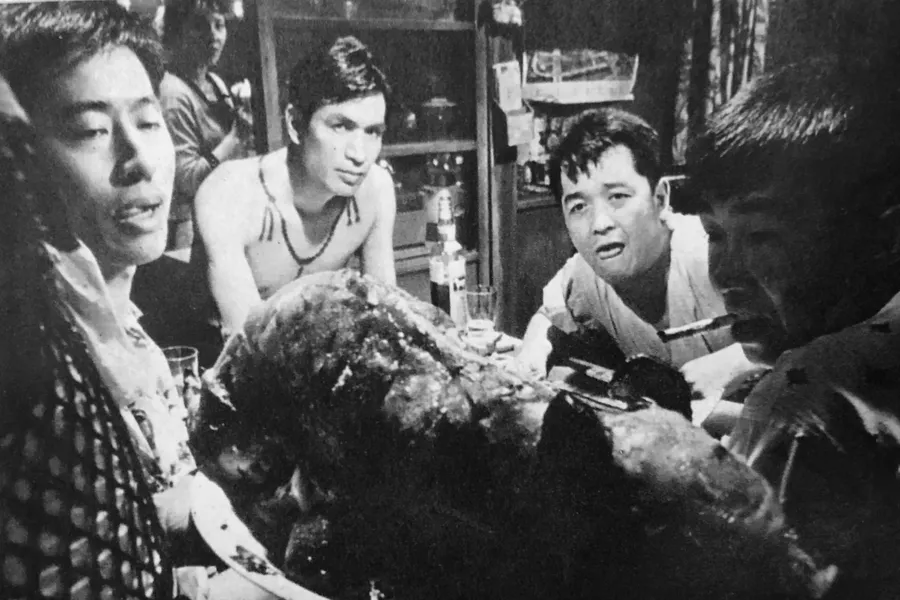
The Lower Depths: The Cinema of Shōhei Imamura runs at the ICA on The Mall from Thursday 22 October to Sunday 13 December 2026. The ICA calls it the first major UK retrospective of Imamura’s work in more than 25 years, and it spans his whole career, from the films he made as a young director at Nikkatsu to Warm Water Under a Red Bridge in 2001.
Imamura was one of the leading directors of the Japanese New Wave in the 1960s, and he spent his career filming the people he called the lower half of Japanese society: bar hostesses, pimps, farmers, black marketeers and women getting by on their own terms. The season is the latest in the ICA’s Long Takes strand of in-depth director retrospectives, and it also screens the films by Ozu, Kurosawa and others that shaped him.
Imamura’s films from 1958 to 2001, shown across eight weeks in the ICA’s cinema on The Mall
From Stolen Desire to Profound Desires of the Gods: Imamura’s first decade
If you are new to Imamura, start with the run of films he made at Nikkatsu and then independently in the 1960s. These crowded, often very funny films are the ones that made his name.
Radiance Films has made new 4K restorations of Pigs and Battleships, The Insect Woman and Intentions of Murder for its Radical Japan box set. The ICA has promised new restorations in the season but has not yet said which prints it is showing.
Stolen Desire (1958)
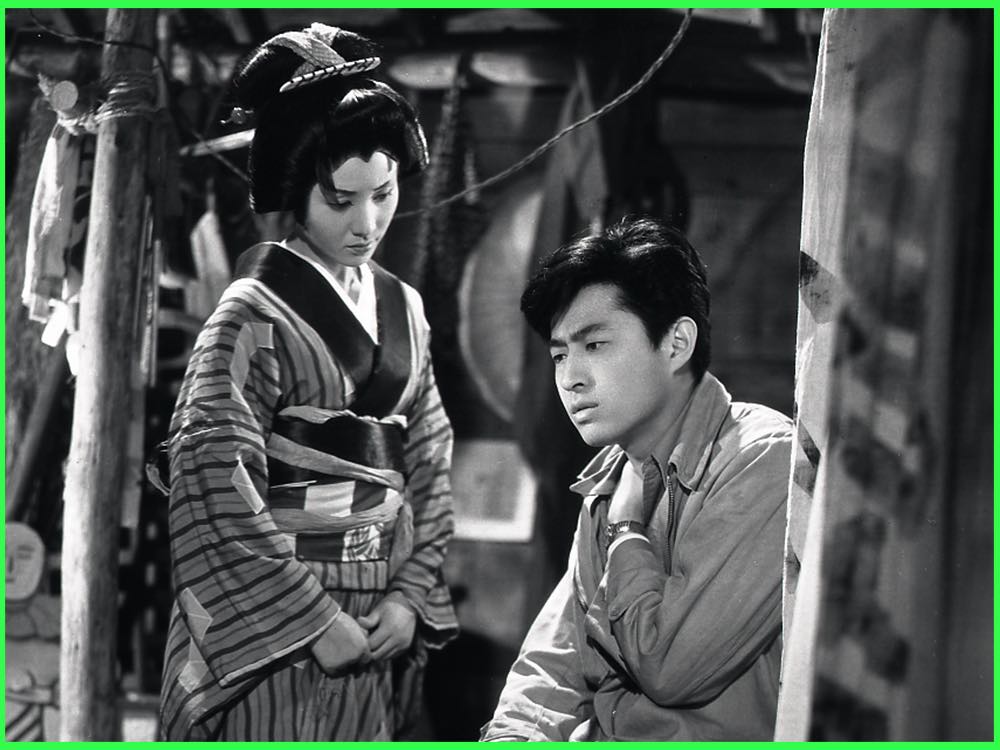
Thursday 22 October, 6:30pm. 92 minutes. Japanese title: 盗まれた欲情.
Imamura’s debut feature, made while he was still an assistant director at Nikkatsu, follows an over-educated young director trying to keep a down-at-heel travelling kabuki troupe on the road while two sisters in the company compete for his attention. It opens with a short narrated history of Osaka, an early sign of the anthropologist’s eye that runs through everything he made afterwards. This is the opening night of the season.
Endless Desire (1958)
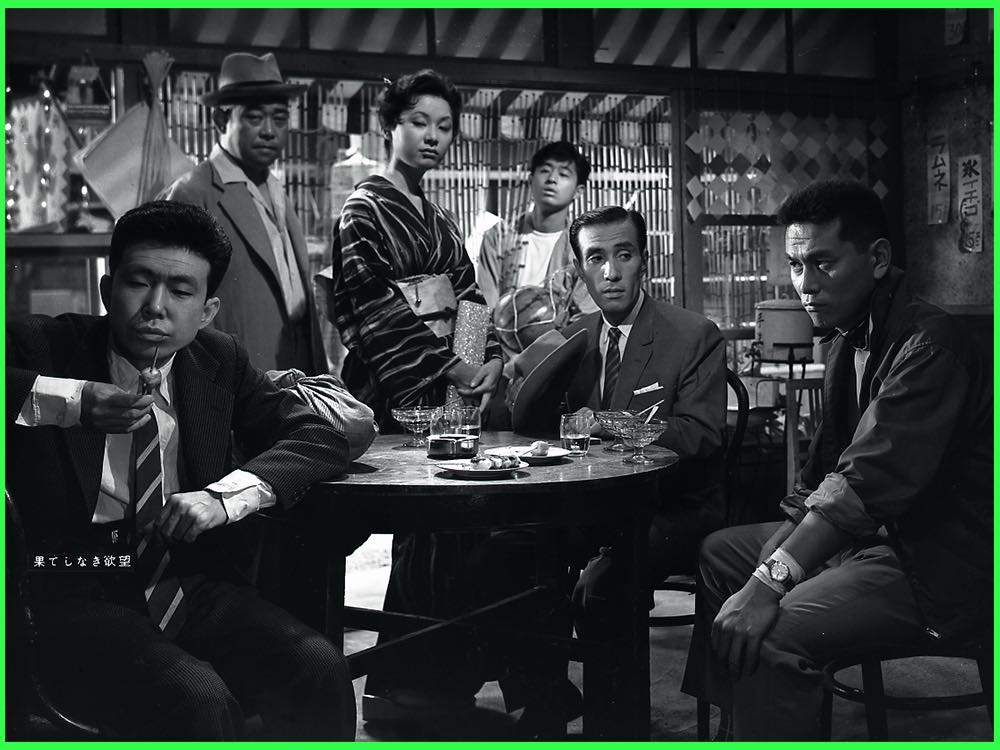
Saturday 24 October, 4pm. 100 minutes. Japanese title: 果しなき欲望.
Ten years after the war, a group of former soldiers meet up to dig out a stash of army morphine they buried in the last days of the fighting, now worth millions. Imamura’s second feature plays out in cramped back alleys and turns a simple crime plot into a study of greed in post-war Japan. Misako Watanabe, later seen in Kwaidan (1964), is in the cast.
Nishi Ginza Station (1958) and My Second Brother (1959)
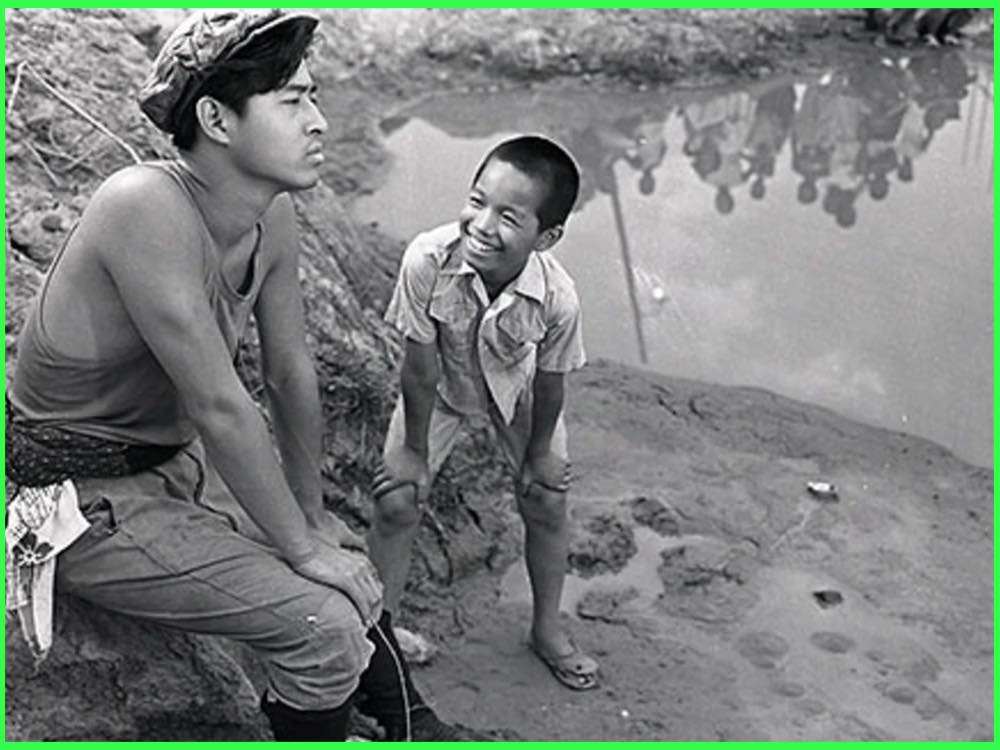
Sunday 25 October, 2:30pm. Double bill. My Second Brother runs 101 minutes. Japanese title: にあんちゃん (My Second Brother).
Two films from Imamura’s years as a director for hire at Nikkatsu. Nishi Ginza Station is a broad comedy built around the singer Frank Nagai, whose song opens the film, about a henpecked husband who is talked into an affair while his wife is away.
My Second Brother is a gentle story of four orphaned brothers and sisters getting by in a coal mining town where the work is drying up. The ICA describes it as his final studio assignment, and its close attention to working class life points straight at the films that followed.
Pigs and Battleships (1961)
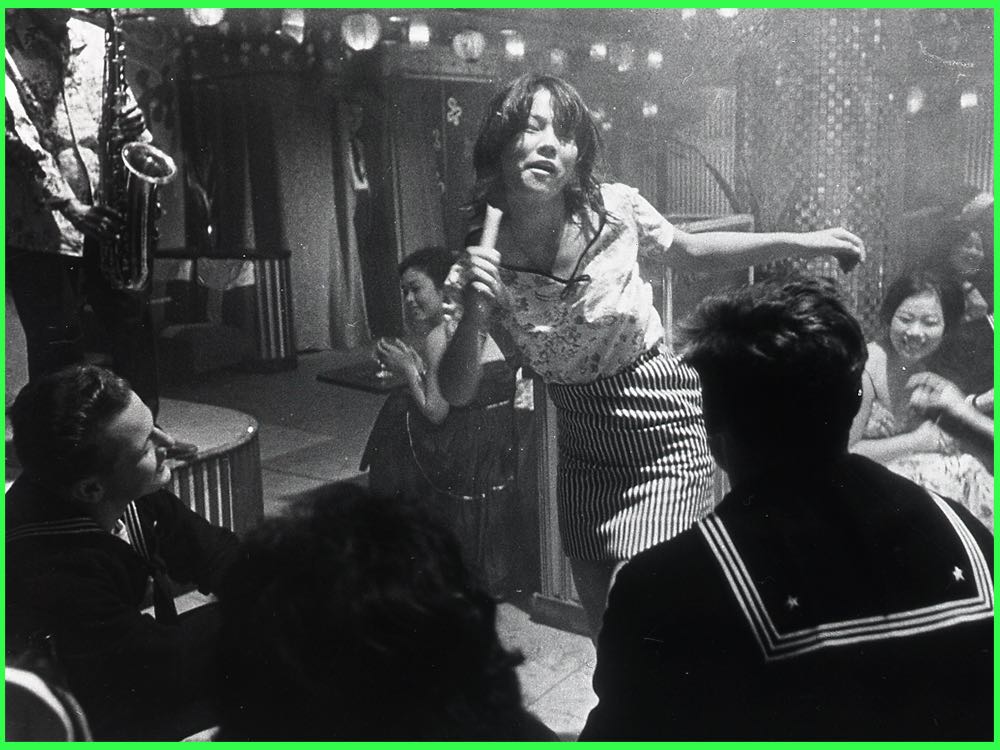
Thursday 29 October, 6:30pm. 108 minutes. Japanese title: 豚と軍艦.
A young hoodlum in the port town of Yokosuka is drawn into a gang’s scheme to raise pigs on scraps from the American naval base, while his girlfriend tries to find a way out. Shot in black and white NikkatsuScope, this is the film where Imamura’s voice arrives fully formed. Its harbour full of sailors, pimps and racketeers grew out of his own time selling black market goods in Tokyo after the war, and out of the American occupation that reshaped Japanese cinema. Nikkatsu was so unhappy with the result that it stopped him directing for two years.
The Insect Woman (1963)
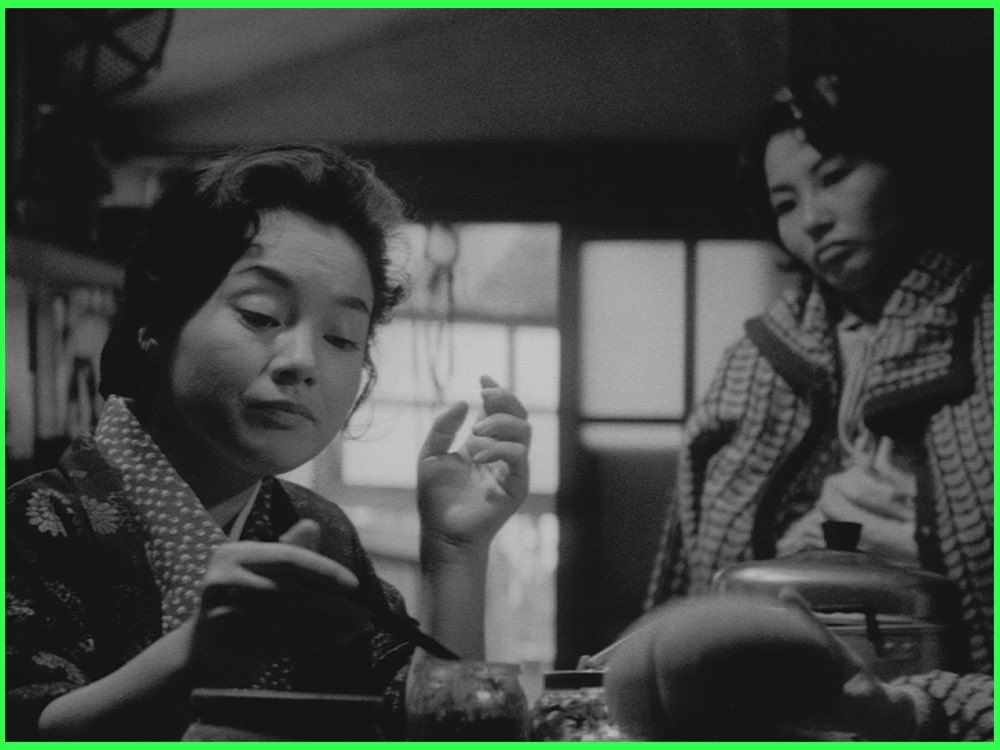
Saturday 31 October, 1:30pm. 123 minutes. Japanese title: にっぽん昆虫記.
Sachiko Hidari plays Tome, whose life the film follows from a poor farming village in 1918 to running a call girl business in 1950s Tokyo. Imamura skips through the decades scene by scene and offers no tidy resolutions. Hidari’s performance and the crowded deep focus staging, full of steaming pots, cigarette smoke and bodies, are the reasons to see it on a big screen.
Intentions of Murder (1964)
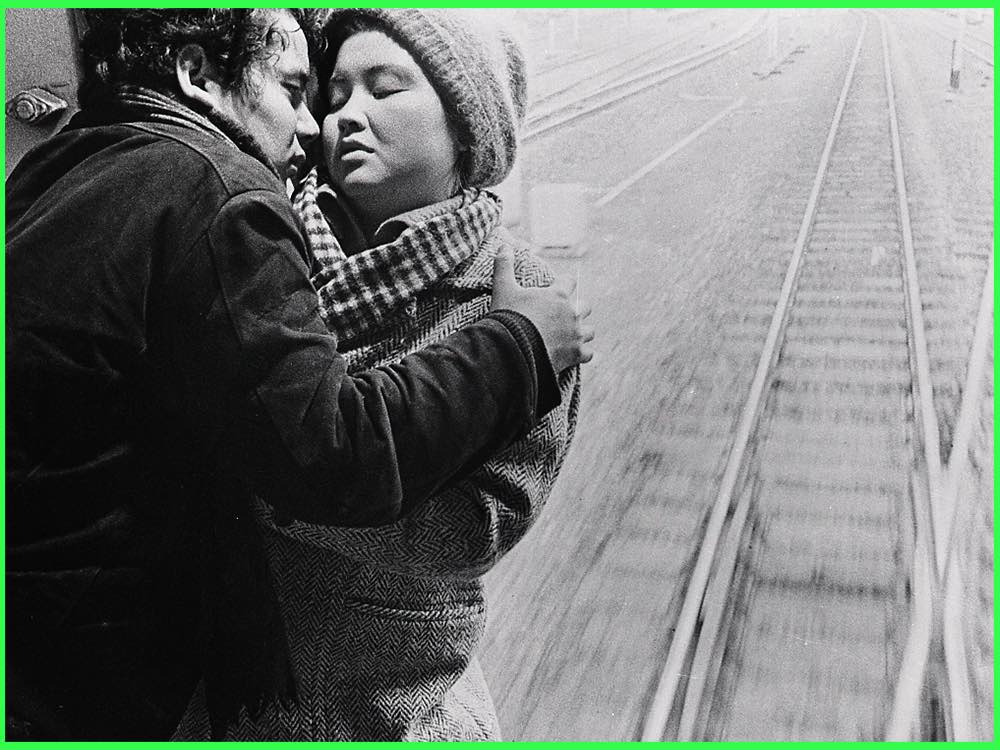
Sunday 1 November, 2pm. 153 minutes. Japanese title: 赤い殺意.
Sadako, a housewife bullied by her husband and her mother-in-law, is raped by an intruder who then keeps coming back. Imamura follows her as she finds her own strength, slipping between dreams, memories and the present, and the film runs to 153 minutes, so allow the whole afternoon.
The Pornographers (1966)
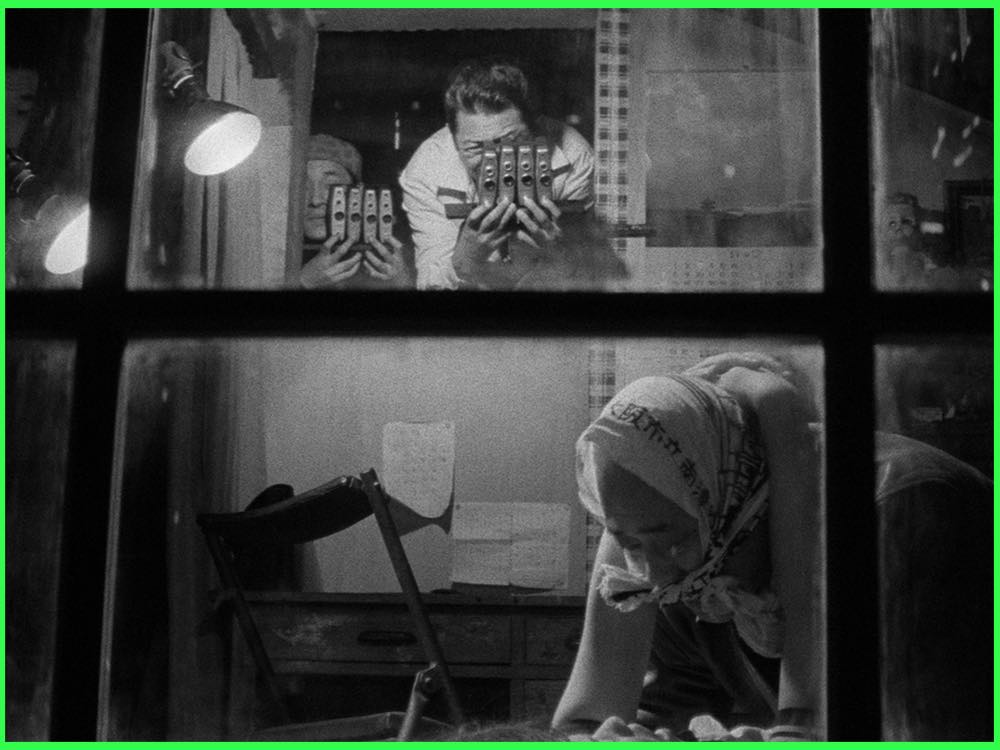
Tuesday 3 November, 6:30pm. 123 minutes. Japanese title: 「エロ事師たち」より 人類学入門.
Subu makes blue films in Osaka and sells whatever else pays, until his feelings for his partner’s teenage daughter start to tear the household apart. Imamura shoots almost every scene through a frame of some kind, a doorway, a window or the murky water of a fish tank, and the ICA reads the film as his twisted answer to the family dramas Ozu made famous.
A Man Vanishes (1967)
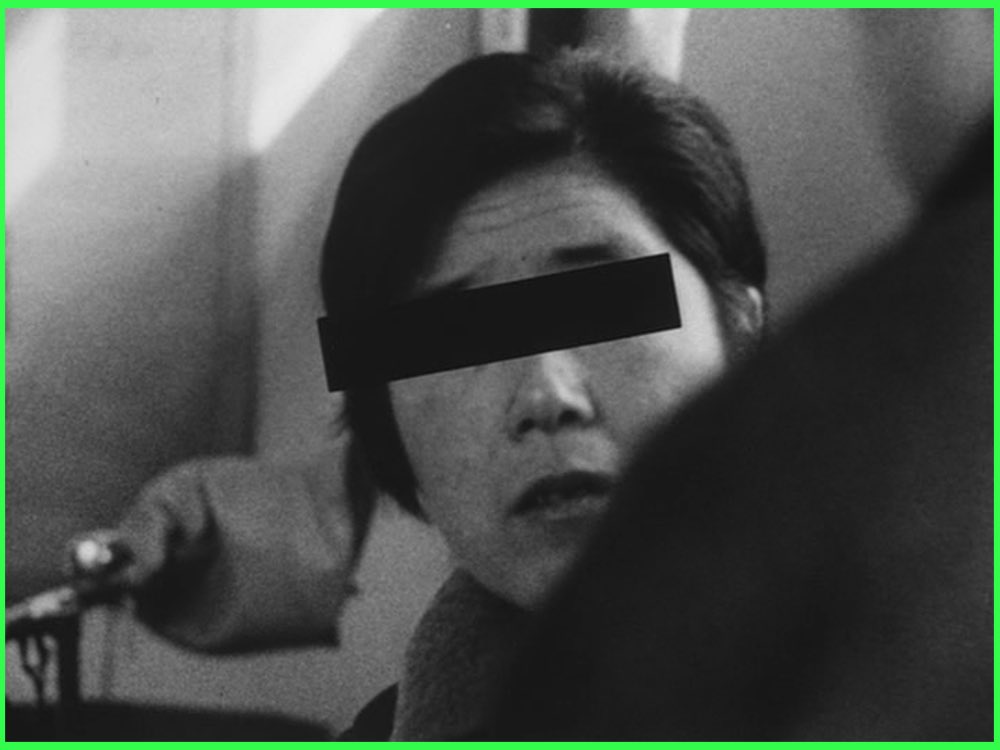
Saturday 7 November, 1pm. 130 minutes. Japanese title: 人間蒸発.
Imamura’s first documentary sets out to find Ōshima, a Tokyo salesman who has disappeared, with the actor Shigeru Tsuyuguchi and Ōshima’s fiancée doing much of the searching. Hidden cameras and staged scenes turn it into a film about how far any documentary can be trusted, and its methods caused an argument about ethics that has never quite settled.
Profound Desires of the Gods (1968)
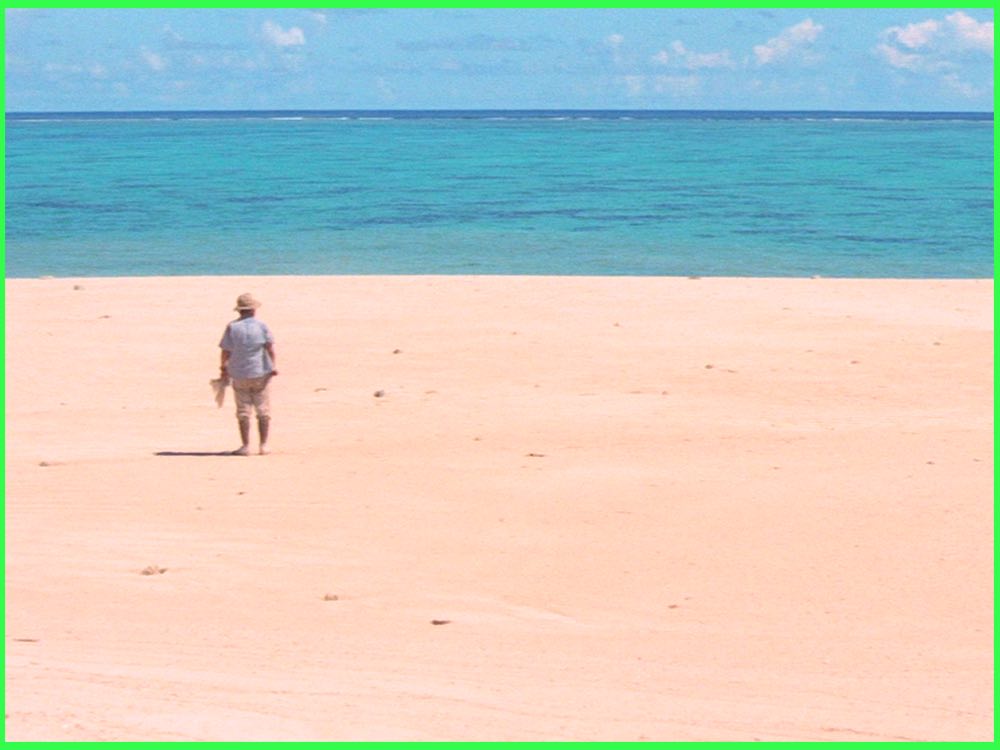
Sunday 8 November, 2pm. 175 minutes. Japanese title: 神々の深き欲望.
An engineer from Tokyo arrives on Kurage, a fictional southern island, to help open a sugar mill, and is slowly drawn into the life of the Futori family, outcasts who have broken most of the island’s taboos. Shot in saturated colour in Okinawa, it is the longest film in the season at 175 minutes and Imamura’s last fiction feature for 11 years.
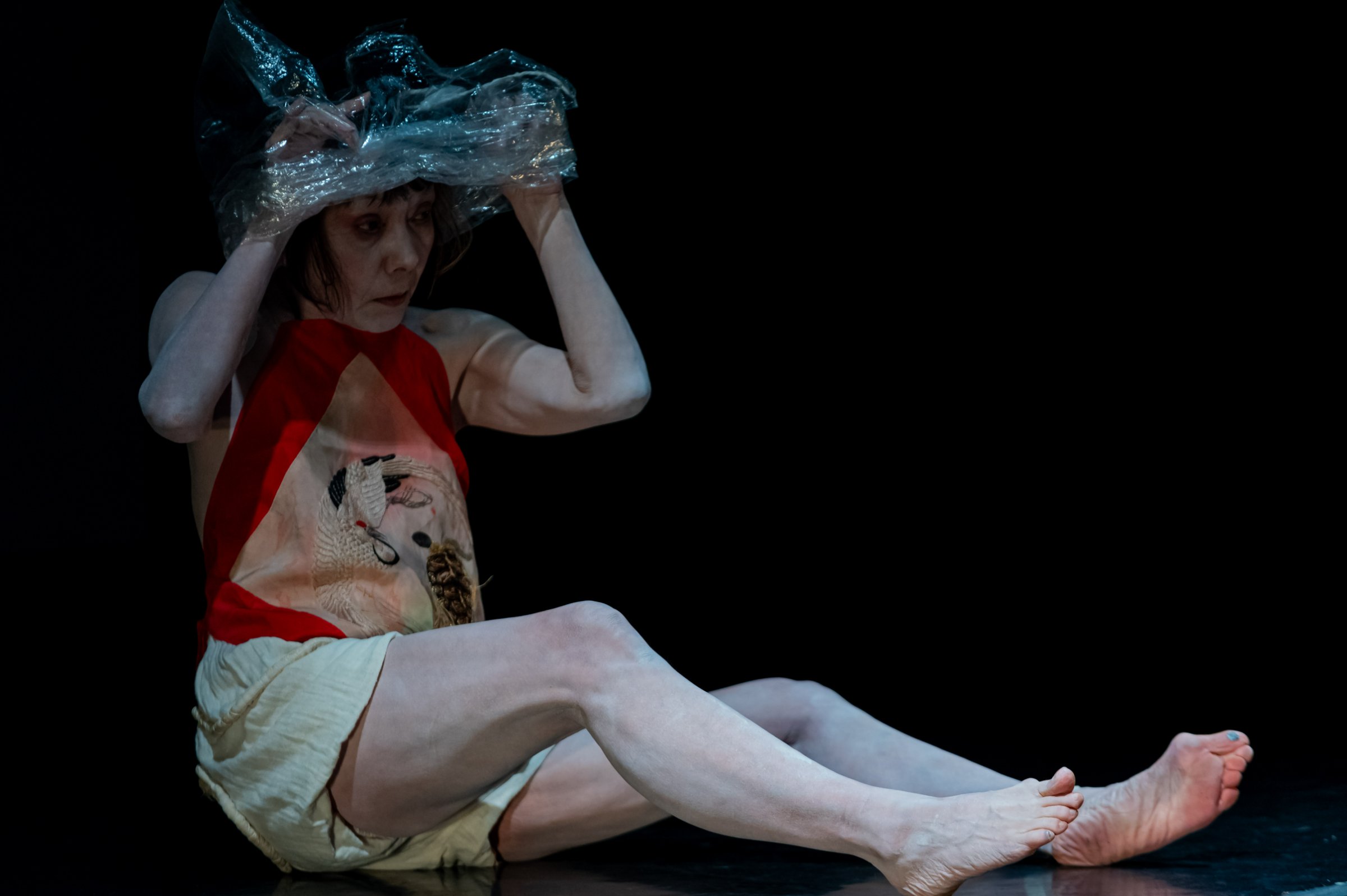

Bar hostesses and unreturned soldiers: Imamura’s 1970s documentaries
After Profound Desires of the Gods, Imamura spent most of the 1970s making documentaries, many of them for Japanese television, often appearing on camera as the interviewer himself. The ICA is screening seven of them across three dates in November, and these are the rarest films in the season.
History of Postwar Japan as Told by a Bar Hostess (1970)
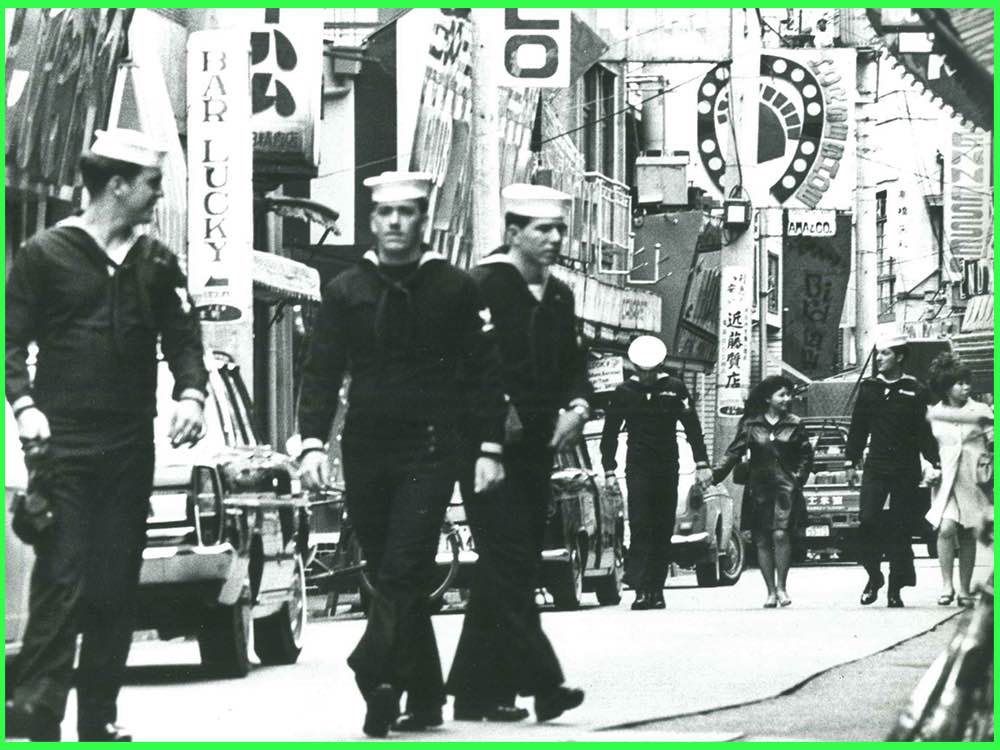
Thursday 12 November, 6:30pm. 101 minutes. Japanese title: にっぽん戦後史 マダムおんぼろの生活.
Madame Onboro tells Imamura her life story across the bar, from raising children and running a business to her long search for the right partner, and he sets her memories against newsreel footage of the big events of the post-war years. Several people and places from his fiction films turn up along the way.
In Search of the Unreturned Soldiers (1970 to 1971)
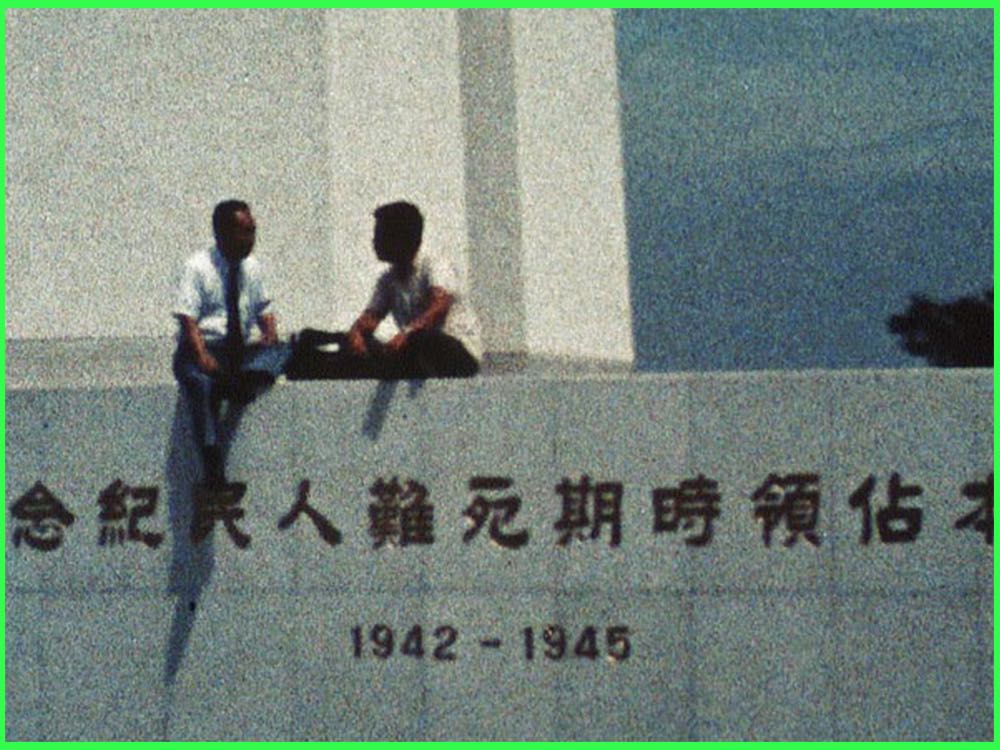
Sunday 15 November, 1:30pm. 95 minutes.
Two television documentaries in which Imamura travels to Malaysia and Thailand to find Japanese soldiers who stayed behind after the war, and asks them why. He narrates and interviews them on screen, and the conversations range from the emperor and the Communist Party to the massacres Japanese troops carried out in Southeast Asia.
My Shimokita, The Pirates of Bubuan and Outlaw-Matsu Returns Home (1972 to 1973)
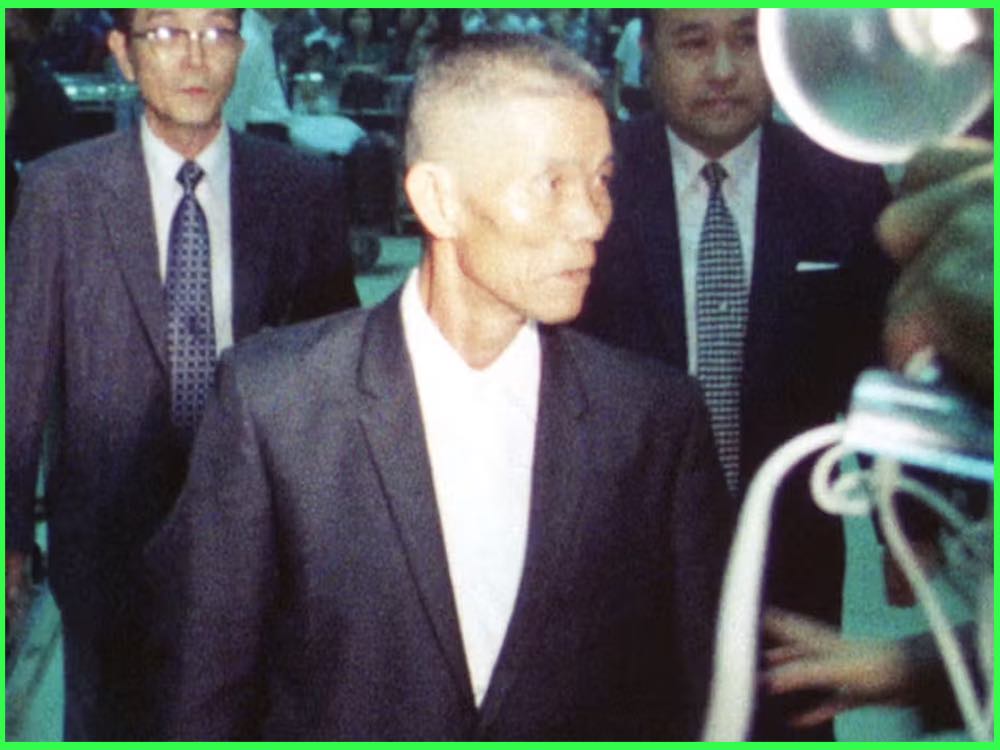
Sunday 15 November, 3:30pm. 124 minutes in total.
Three mid-length television documentaries in one programme. In My Shimokita (1972), made for the travel series I Want to Go Far Away, Imamura visits his mentor Yūzō Kawashima’s home region in Aomori Prefecture and its beliefs about death and rebirth. The Pirates of Bubuan (1972) island hops through the Sulu Archipelago in the southwest Philippines.
Outlaw-Matsu Returns Home (1973) follows Fujita Matsukichi, one of the men from In Search of the Unreturned Soldiers, on his return to a Japan that no longer shares his wartime values. It plays straight after that film, so the two make a natural pair.
Karayuki-san: The Making of a Prostitute (1975)
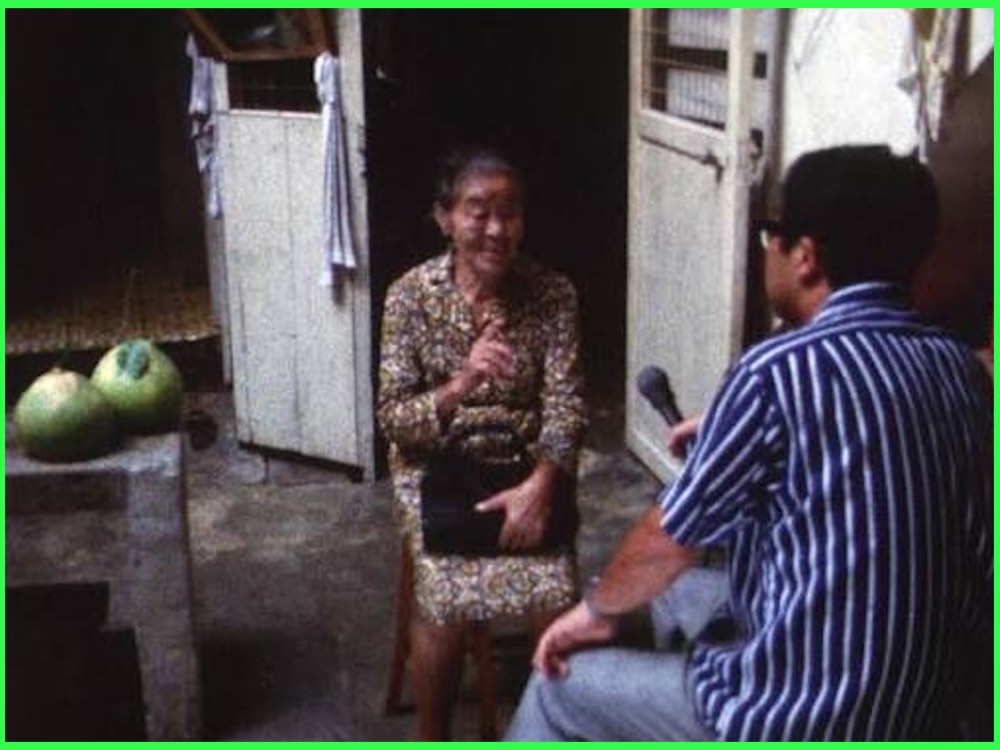
Tuesday 17 November, 6:30pm. 75 minutes. Japanese title: からゆきさん.
Imamura meets Zendo Kikuyo in Malaysia. Tricked into leaving her home town at 19 and trafficked into sex work, she never went back to Japan, and she talks about her life with startling frankness. The screening is on 16mm and is presented in partnership with The Japan Foundation.
The Ballad of Narayama, The Eel and Imamura’s later films
Imamura is one of the few directors to have won the Palme d’Or at Cannes twice, first for The Ballad of Narayama in 1983 and then for The Eel in 1997, which shared the prize with Abbas Kiarostami’s Taste of Cherry. The Festival de Cannes page on Imamura lists both wins.
Vengeance Is Mine (1979)
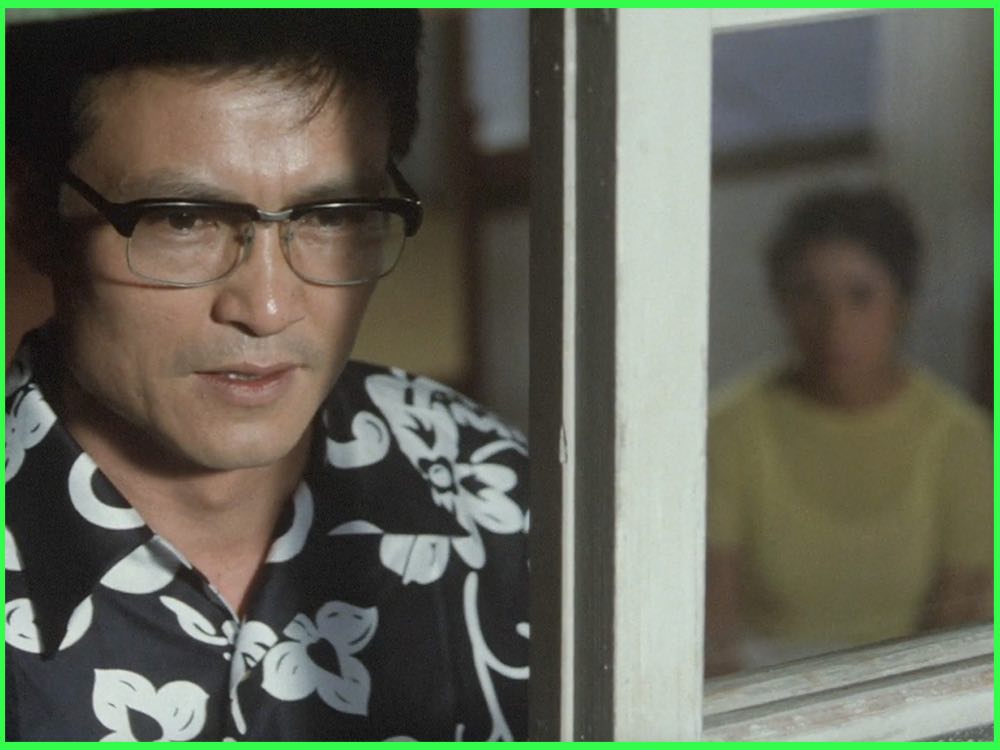
Saturday 21 November, 2pm. 140 minutes. Japanese title: 復讐するは我にあり.
Ken Ogata plays Iwao Enokizu, based on the real killer Akira Nishiguchi, whose 78 day spree was the subject of a novel by Ryūzō Saki. It marked Imamura’s return to fiction after a decade of documentaries, and it cuts between Enokizu’s arrest and his past, from a strict Catholic childhood to young adulthood in occupied Japan.
Eijanaika (1981)
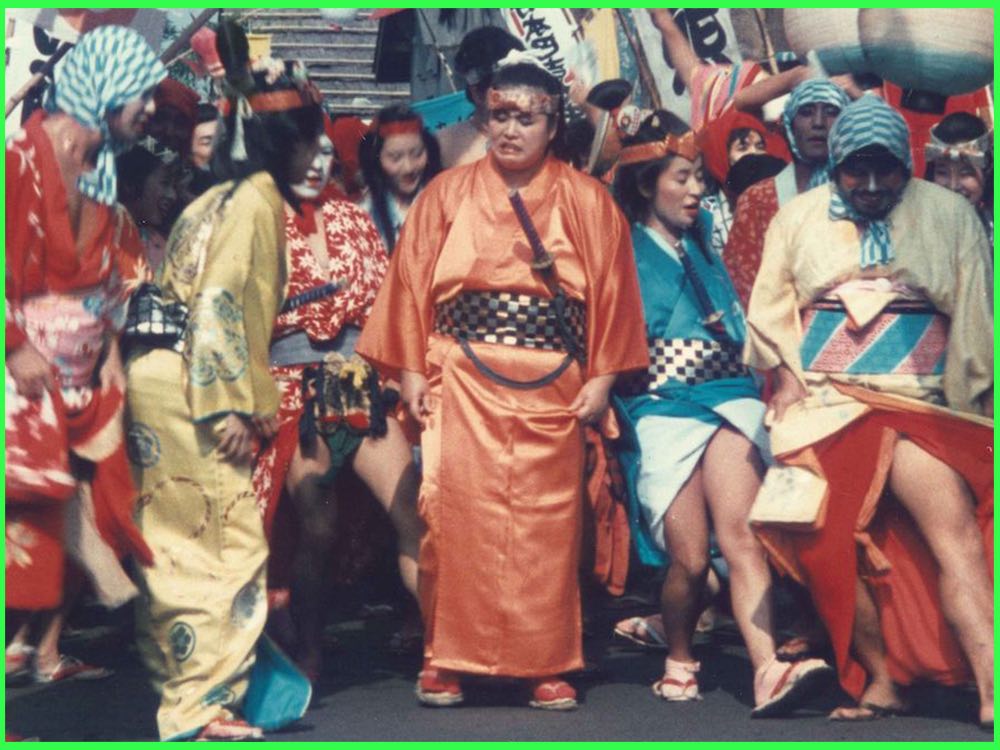
Saturday 28 November, 3pm. 151 minutes. Japanese title: ええじゃないか.
Set in 1867 as the Tokugawa shogunate falls apart, Eijanaika follows a farmer who comes home after years in America, the wife who has been sold into sex work while he was away, and a crowd of hustlers and outsiders swept along by events. Our guide to the Meiji Restoration explains how the shogunate fell.
The title comes from the dancing craze of that year, when crowds filled the streets chanting “ee ja nai ka”, roughly “why not?”. The British diplomat Ernest Satow saw it in Osaka in December 1867 and described people in red crape dancing and singing “Ii ja nai ka”, set off by a reported shower of paper charms bearing the names of the gods of Ise (A Diplomat in Japan, 1921, chapter 23).
The Ballad of Narayama (1983)
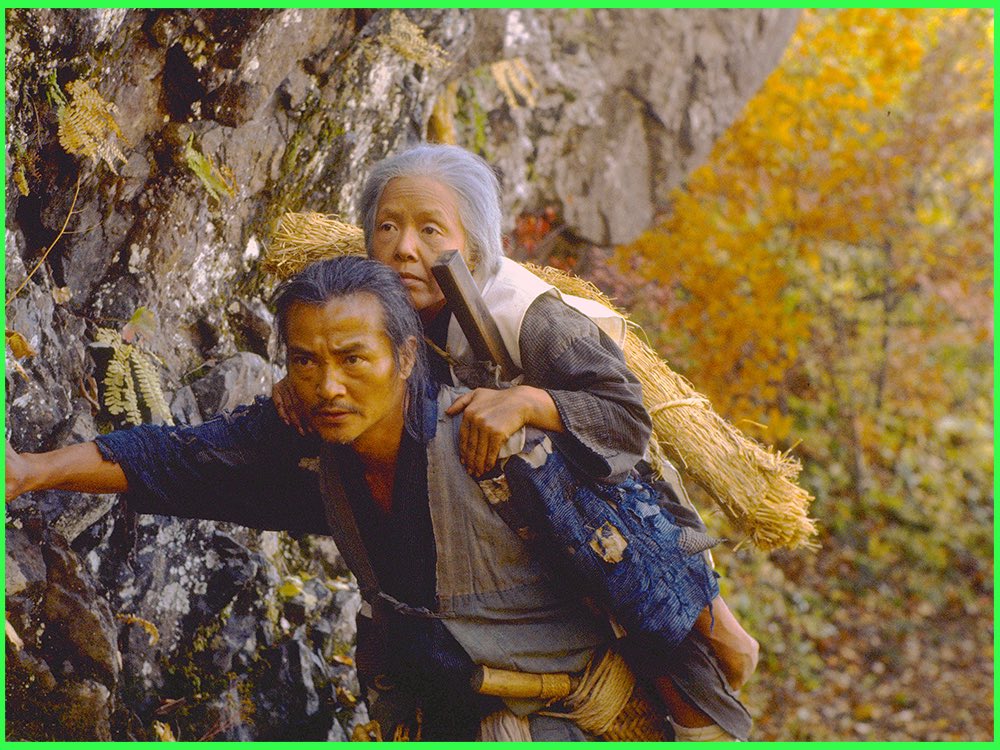
Sunday 29 November, 4pm. 130 minutes. Japanese title: 楢山節考.
In a poor mountain village in the 19th century, anyone who reaches 70 is carried up the mountain to die, and Orin, nearly 70 and still strong, begins to prepare. Imamura adapted Shichirō Fukazawa’s 1956 novel, which Keisuke Kinoshita had first filmed in 1958 in a stylised kabuki manner, and shot his version on location through the changing seasons.
Zegen (1987)
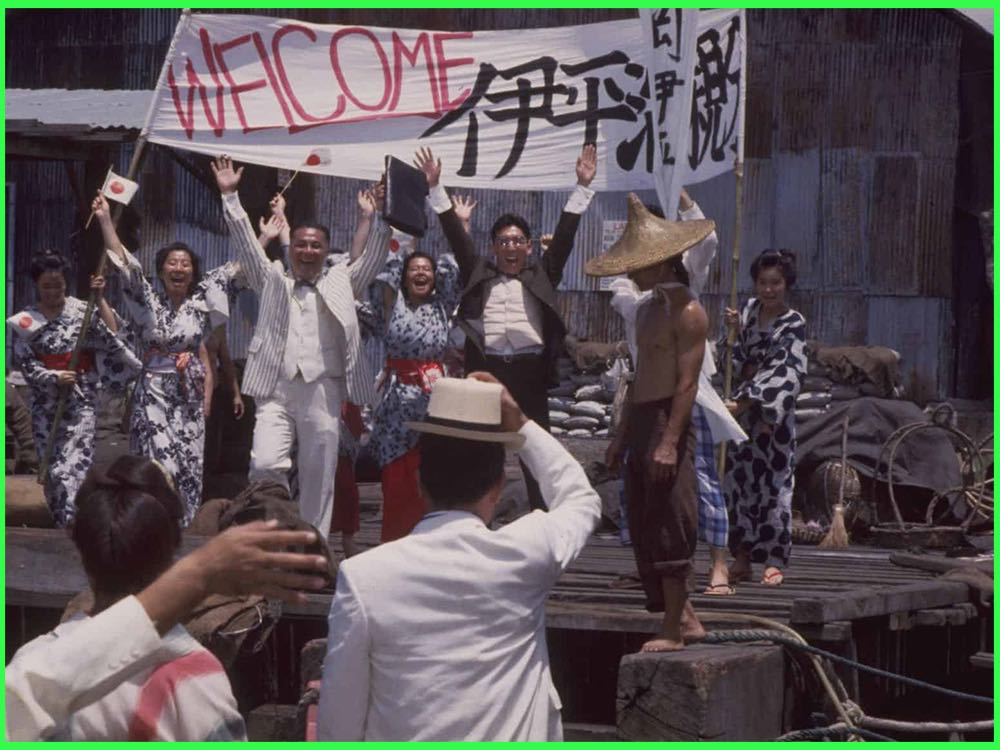
Tuesday 1 December, 6:30pm. 124 minutes. Japanese title: 女衒.
The true story of Iheiji Muraoka, a fiercely patriotic pimp who trafficked Japanese women across Southeast Asia and told himself he was serving the emperor. It is Imamura’s only fiction film set entirely outside Japan, and it grew directly out of the research he had done for Karayuki-san.
Black Rain (1989)
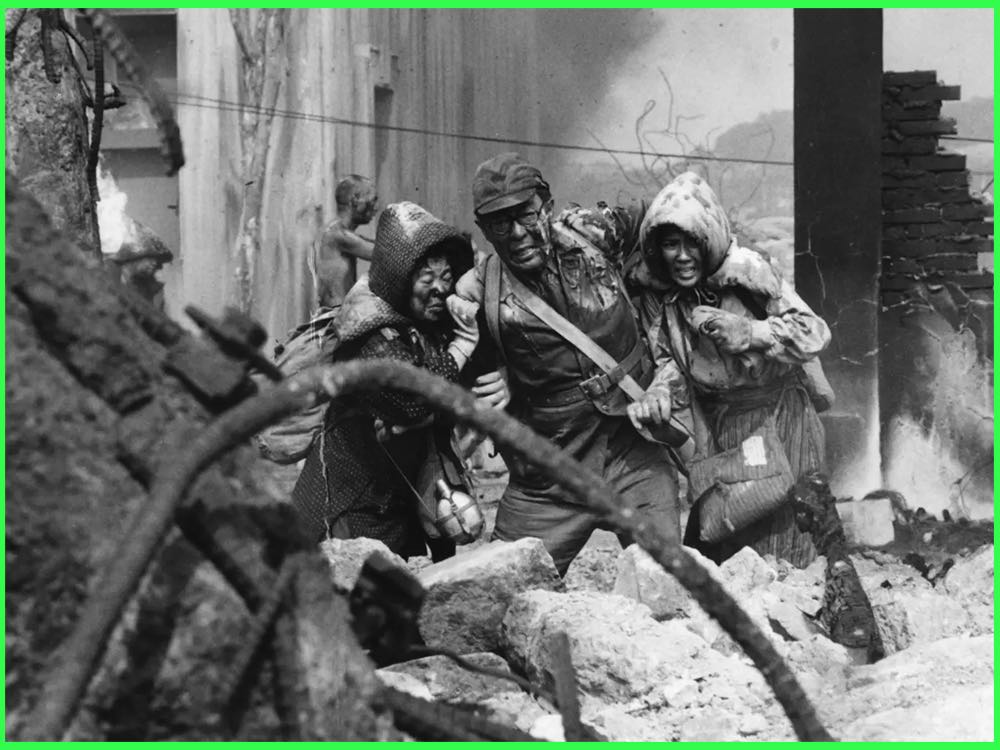
Sunday 6 December, 2pm. 123 minutes. Japanese title: 黒い雨.
Adapted from Masuji Ibuse’s novel, Black Rain follows Yasuko, a young woman caught in the black rain that fell after the bombing of Hiroshima, whose marriage prospects fall apart as each suitor learns where she was. Shot in black and white on a small, domestic scale, it is the Imamura film closest in feel to his old boss Ozu. It is a different film from Ridley Scott’s Black Rain, released the same year.
The Eel (1997)
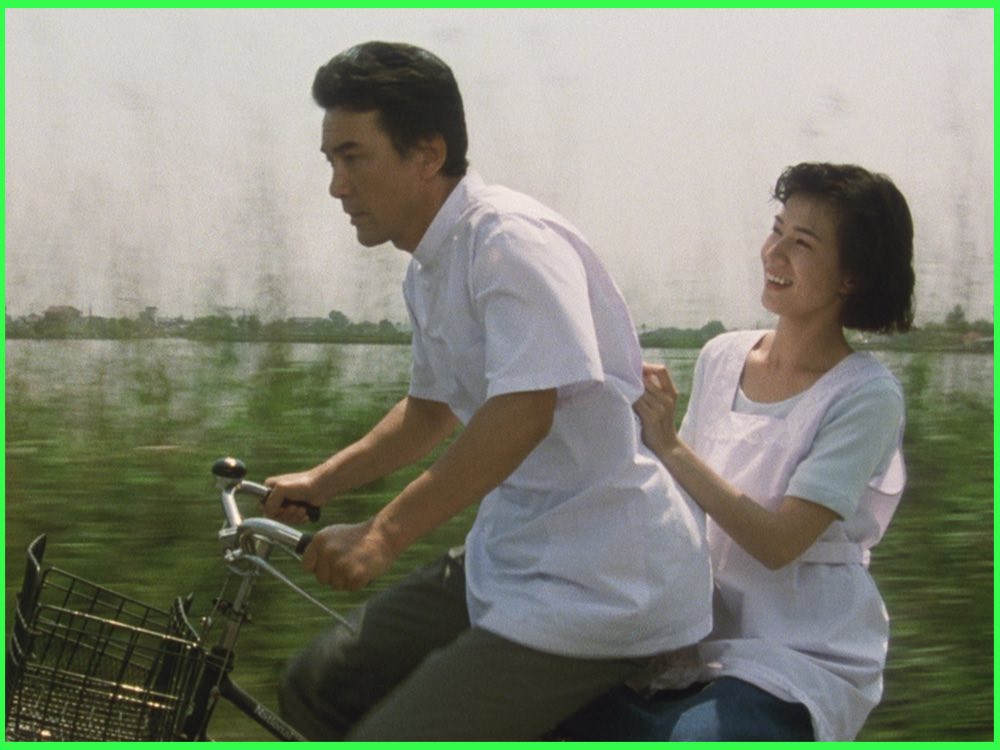
Tuesday 8 December, 6:30pm. 117 minutes. Japanese title: うなぎ.
Kōji Yakusho plays a quiet office worker who is released on parole after killing his wife, opens a barber’s shop in a small riverside town and confides mostly in the pet eel he kept in prison. Misa Shimizu plays the young woman who comes to work in the shop. It is adapted from a novel by Akira Yoshimura.
Dr. Akagi (1998)
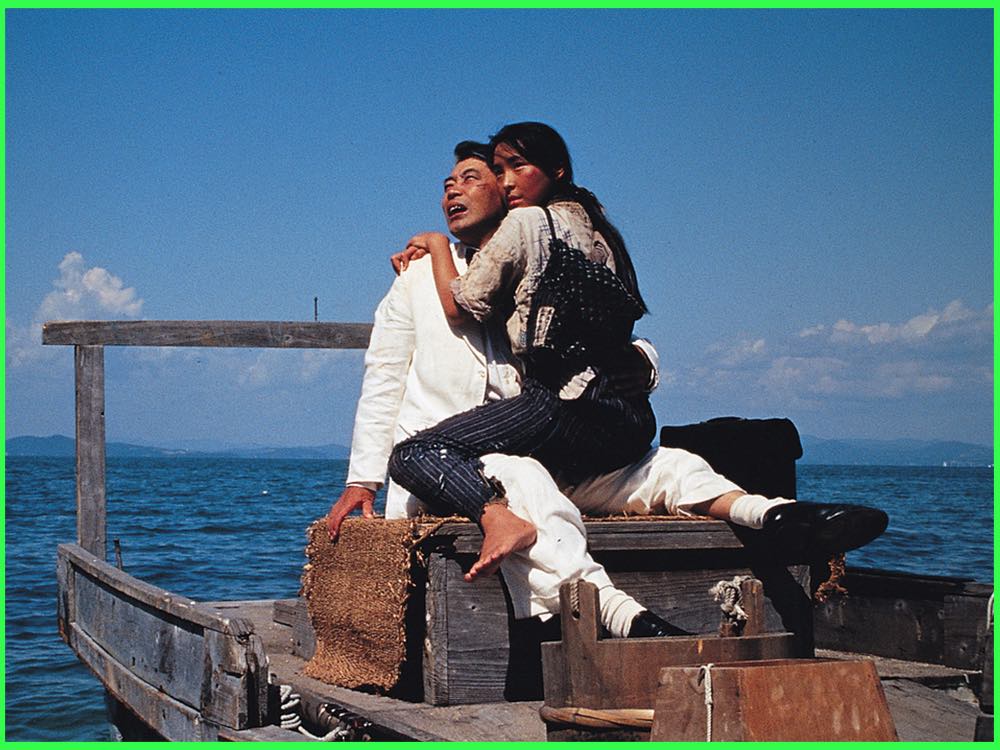
Thursday 10 December, 6:30pm. 129 minutes. Japanese title: カンゾー先生.
A country doctor in a seaside town in 1945 becomes obsessed with beating a hepatitis outbreak, helped by a morphine addicted surgeon, a young woman who becomes his assistant and a lecherous monk. Adapted from Ango Sakaguchi, it is a jazzy comedy set in the last months of the war, and Imamura first meant it to be his final film.
Warm Water Under a Red Bridge (2001)
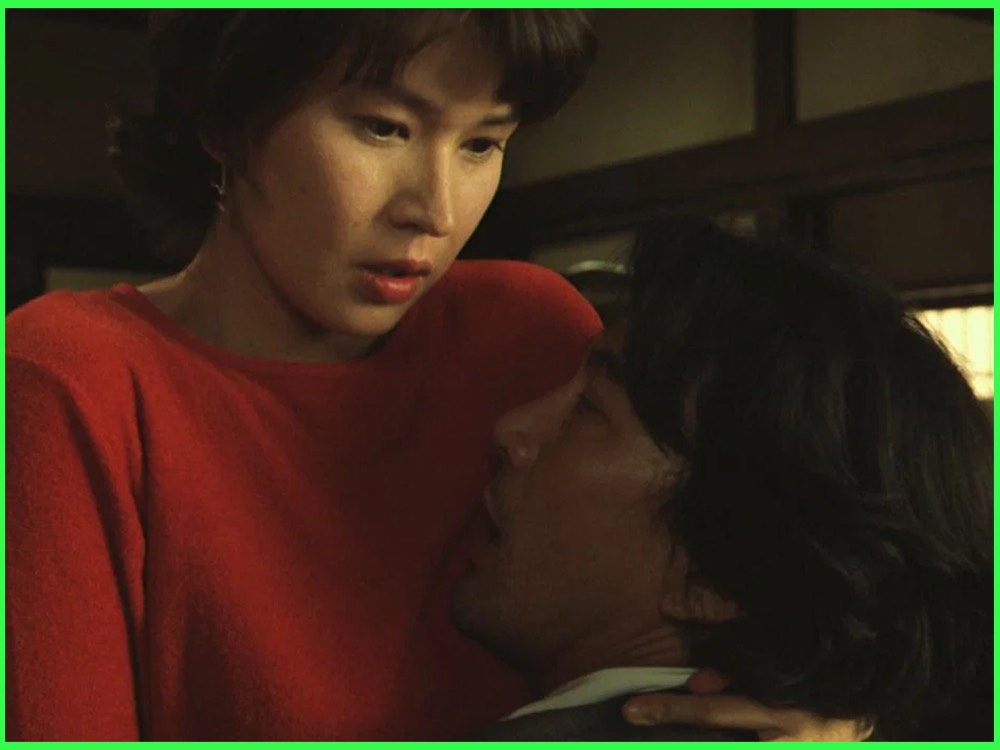
Sunday 13 December, 4pm. 122 minutes. Japanese title: 赤い橋の下のぬるい水.
Imamura’s last feature reunites Kōji Yakusho and Misa Shimizu from The Eel. Yakusho is a laid off Tokyo salaryman hunting for hidden treasure in a fishing town on the Noto Peninsula, where he falls for a woman with a very unusual gift. It is the final screening of the season.
Ozu, Kurosawa and the directors who shaped Imamura
Several screenings put Imamura’s work beside the films he learned from or helped to make.
Early Summer (1951)
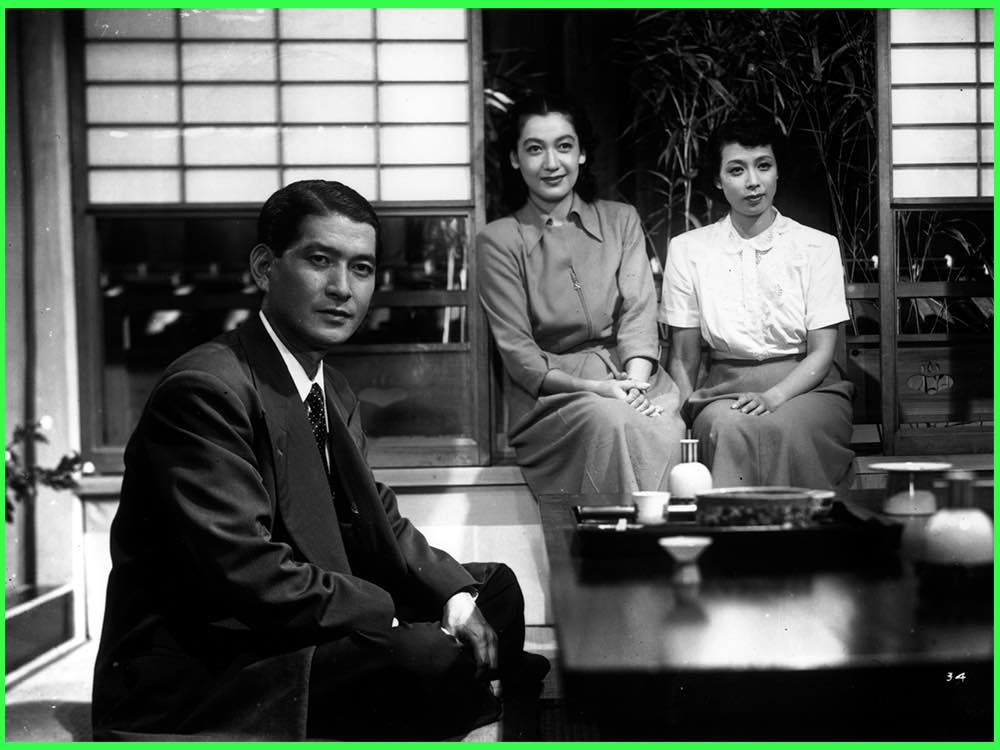
Saturday 24 October, 1:30pm. 124 minutes. Japanese title: 麥秋.
Setsuko Hara plays Noriko, 28 and happily single, whose family’s search for a husband ends with a choice none of them saw coming. It was Imamura’s first film as an assistant director, working under Yasujirō Ozu at Shochiku’s Ofuna studio. He found Ozu’s control of every movement in the frame hard to take, but later said that watching Tokyo Story made him see that Ozu was looking at people from somewhere entirely different.
Drunken Angel (1948)
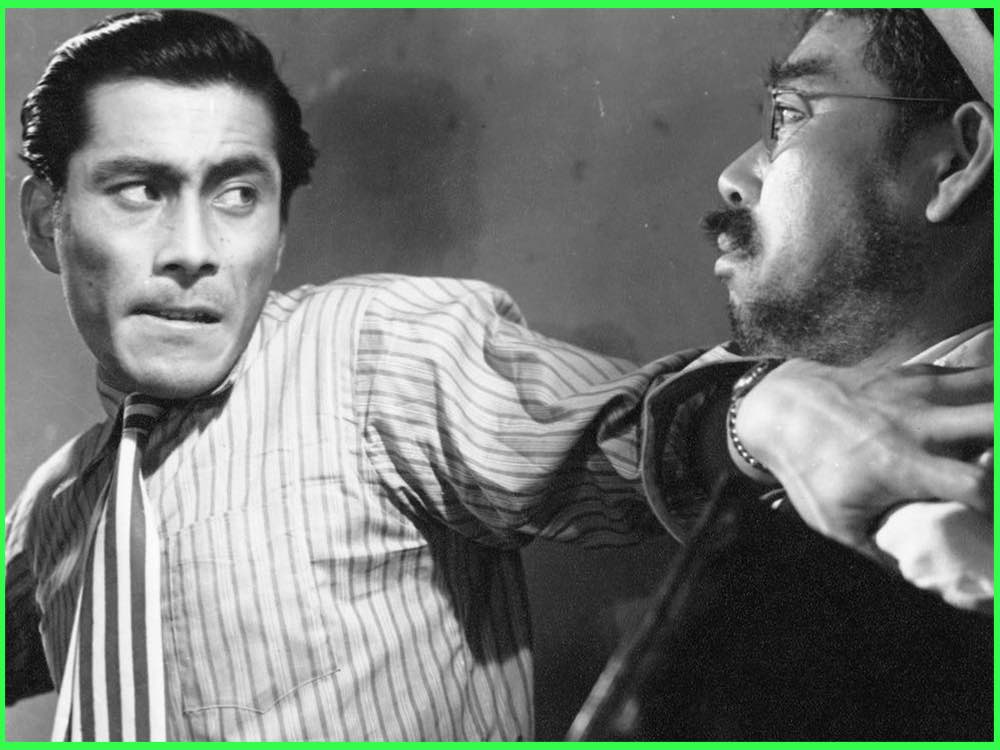
Tuesday 27 October, 6:30pm. 98 minutes.
Akira Kurosawa’s story of an alcoholic doctor and a sick young yakuza is the film the ICA says inspired Imamura to become a filmmaker. He gave the chance viewing a whole chapter of his autobiography and remembered being riveted the moment Toshiro Mifune appeared on screen. This 35mm screening is free for ICA members, who can each bring up to two guests.
Sun in the Last Days of the Shogunate (1957)
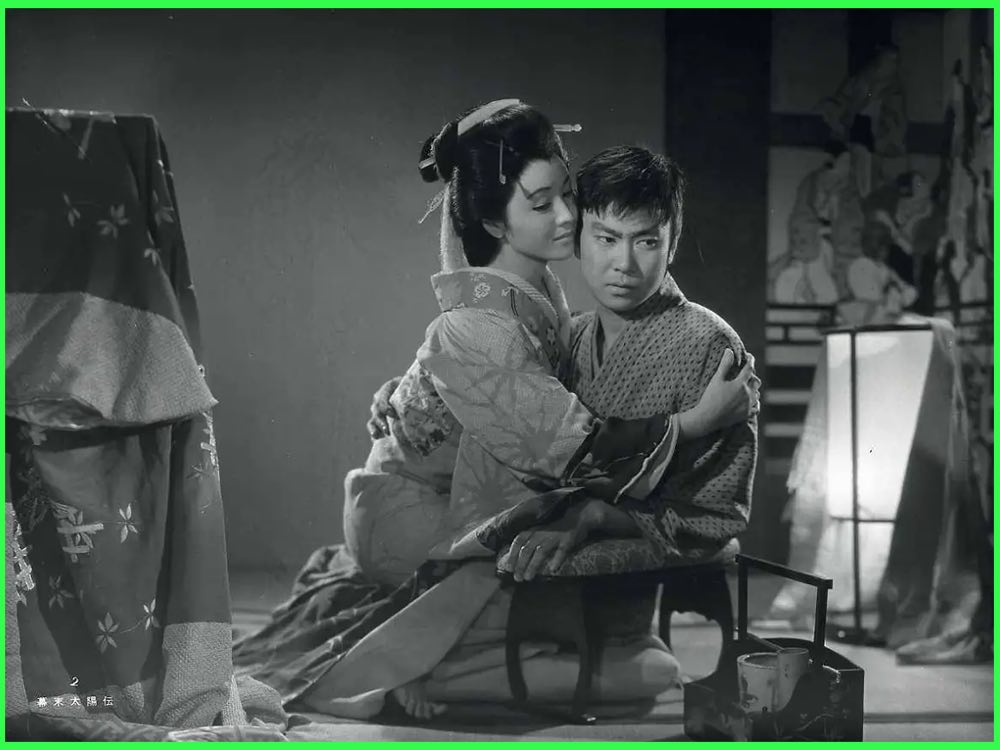
Tuesday 24 November, 8:30pm. 110 minutes. Japanese title: 幕末太陽傳.
Yūzō Kawashima’s ensemble comedy, co-written by Imamura, is set almost entirely in a high class brothel in Shinagawa in the dying days of the shogunate. Imamura wrote that his mentor was always against authority and hypocrisy, and the critics Audie Bock and James Quandt are among those who point to Kawashima’s comedies as a major influence on Imamura’s style.
The Emperor’s Naked Army Marches On (1987)
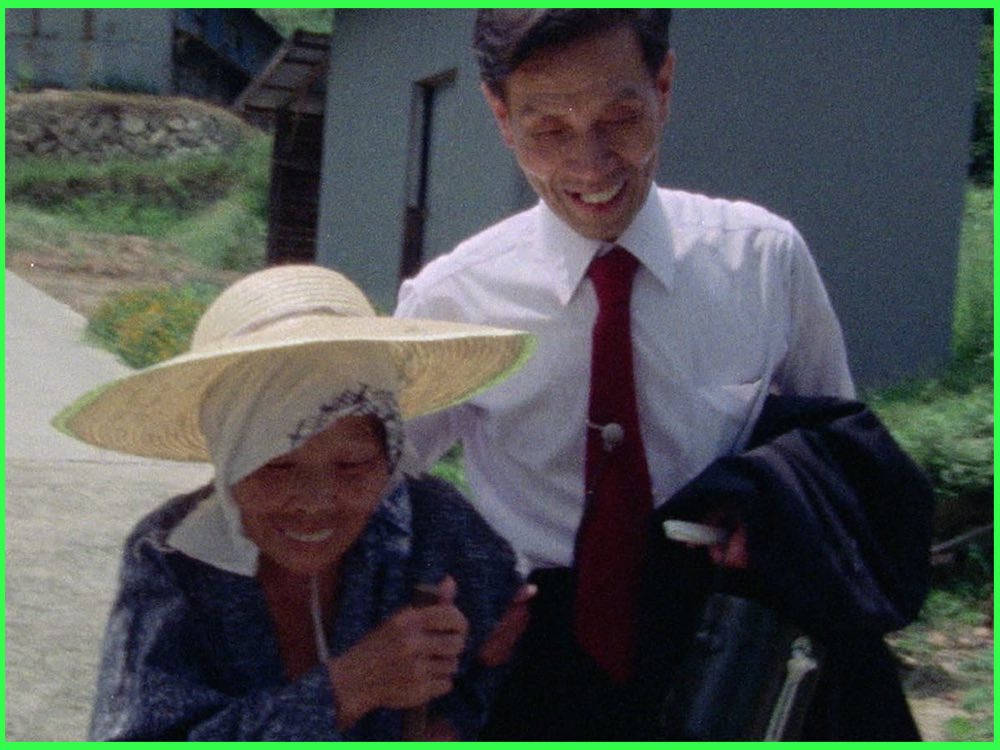
Tuesday 17 November, 8:30pm. 122 minutes. Japanese title: ゆきゆきて、神軍.
Kazuo Hara’s documentary follows Kenzō Okuzaki, a veteran of the fighting in New Guinea, as he confronts his former officers about the deaths of men in his unit. Imamura set it in motion by introducing Hara, who had worked as an assistant camera operator on Vengeance Is Mine and Eijanaika, to Okuzaki. It plays straight after Karayuki-san.
The Moon Has Risen (1955)
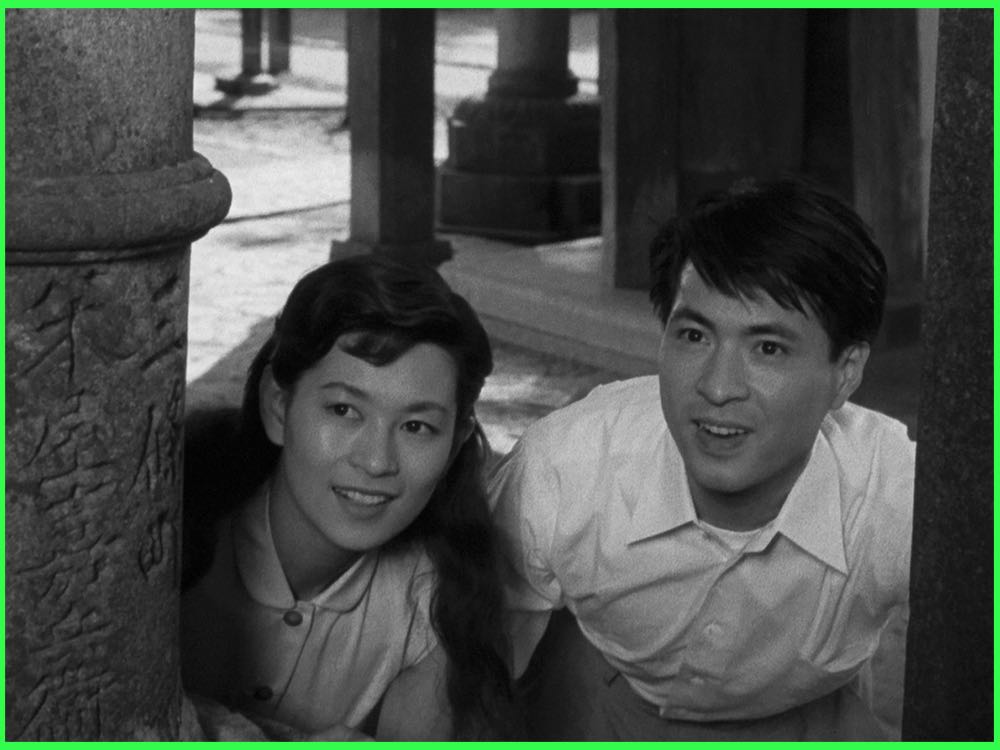
Sunday 13 December, 2pm. 102 minutes. Japanese title: 月は上りぬ.
Kinuyo Tanaka’s second film as a director, from a script by Ozu and Ryosuke Saitō, follows three sisters and their widowed father in Nara, and the youngest sister’s schemes to pair up the middle one with a family friend. Imamura was one of the assistant directors, and it plays on the final day, just before Warm Water Under a Red Bridge.



Imamura season screening dates at the ICA
All screenings are in Cinema 1 at the ICA.
| Date | Time | Film | Running time |
|---|---|---|---|
| Thu 22 Oct | 6:30pm | Stolen Desire (1958) | 92 min |
| Sat 24 Oct | 1:30pm | Early Summer (Yasujirō Ozu, 1951) | 124 min |
| Sat 24 Oct | 4pm | Endless Desire (1958) | 100 min |
| Sun 25 Oct | 2:30pm | Nishi Ginza Station (1958) and My Second Brother (1959) | Double bill |
| Tue 27 Oct | 6:30pm | Drunken Angel (Akira Kurosawa, 1948) on 35mm, members’ screening | 98 min |
| Thu 29 Oct | 6:30pm | Pigs and Battleships (1961) | 108 min |
| Sat 31 Oct | 1:30pm | The Insect Woman (1963) | 123 min |
| Sun 1 Nov | 2pm | Intentions of Murder (1964) | 153 min |
| Tue 3 Nov | 6:30pm | The Pornographers (1966) | 123 min |
| Sat 7 Nov | 1pm | A Man Vanishes (1967) | 130 min |
| Sun 8 Nov | 2pm | Profound Desires of the Gods (1968) | 175 min |
| Thu 12 Nov | 6:30pm | History of Postwar Japan as Told by a Bar Hostess (1970) | 101 min |
| Sun 15 Nov | 1:30pm | In Search of the Unreturned Soldiers (1970 to 1971) | 95 min |
| Sun 15 Nov | 3:30pm | My Shimokita, The Pirates of Bubuan and Outlaw-Matsu Returns Home (1972 to 1973) | 124 min |
| Tue 17 Nov | 6:30pm | Karayuki-san: The Making of a Prostitute (1975) on 16mm | 75 min |
| Tue 17 Nov | 8:30pm | The Emperor’s Naked Army Marches On (Kazuo Hara, 1987) | 122 min |
| Sat 21 Nov | 2pm | Vengeance Is Mine (1979) | 140 min |
| Tue 24 Nov | 8:30pm | Sun in the Last Days of the Shogunate (Yūzō Kawashima, 1957) | 110 min |
| Sat 28 Nov | 3pm | Eijanaika (1981) | 151 min |
| Sun 29 Nov | 4pm | The Ballad of Narayama (1983) | 130 min |
| Tue 1 Dec | 6:30pm | Zegen (1987) | 124 min |
| Sun 6 Dec | 2pm | Black Rain (1989) | 123 min |
| Tue 8 Dec | 6:30pm | The Eel (1997) | 117 min |
| Thu 10 Dec | 6:30pm | Dr. Akagi (1998) | 129 min |
| Sun 13 Dec | 2pm | The Moon Has Risen (Kinuyo Tanaka, 1955) | 102 min |
| Sun 13 Dec | 4pm | Warm Water Under a Red Bridge (2001) | 122 min |
Tickets, membership and getting to the ICA
- Full price: £13
- Students, pensioners, disabled visitors, people on Income Support and Westminster residents: £11, and a companion ticket is available on request
- Aged 25 and under: £5, collected from the front desk with ID
- ICA members pay half price, so £6.50 a ticket, and Membership+ includes free entry to every cinema screening
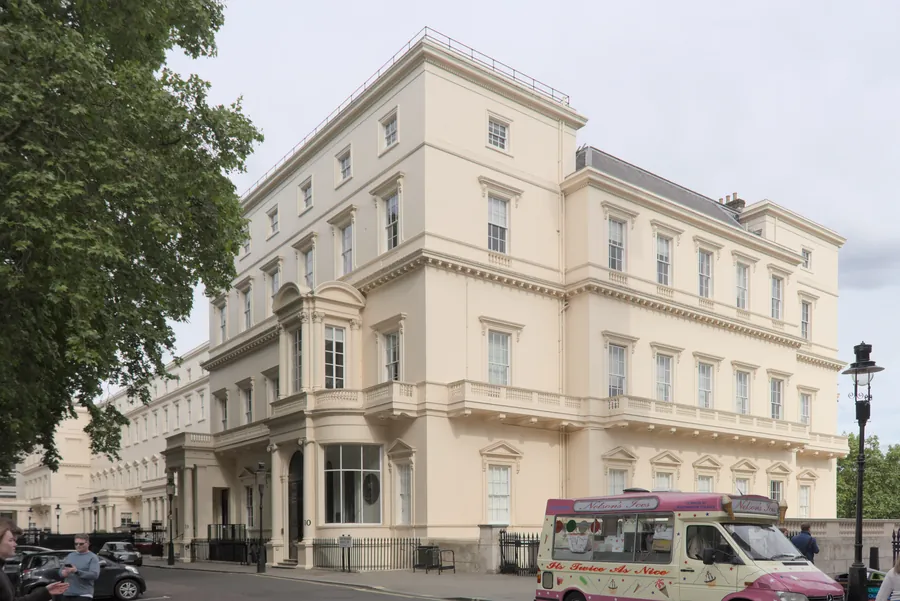
The ICA is on The Mall, a short walk from Trafalgar Square. From Charing Cross, walk through Admiralty Arch onto The Mall and the ICA is about 50 metres along on the right. From Piccadilly Circus, head down Lower Regent Street to Waterloo Place and take the Duke of York Steps. No buses run along The Mall. The ICA is open Tuesday to Sunday from 12pm to 11pm and closed on Mondays.
Institute of Contemporary Arts
Every film in the season can be booked from the ICA’s Shōhei Imamura season page.