

Meet Kobe City: Japan’s gateway to the world. With its majestic mountains, shimmering waters, and captivating coastlines, Kobe is a global hub that invites travellers from all over the world to see how Japan embraces cultural diversity, modernity, and heritage all in one city! Every corner of Kobe offers something new and refreshing.
From its history to its must-visit destinations, this guide will take you through the best of Kobe’s sights, flavours, and experiences. Learn more about Kobe and its undeniable coastal allure.
Getting to Know Kobe: A Brief History
Ancient Period
Kobe’s history dates back to its humble beginnings as a small fishing village called Kobe-no-miya with the earliest mention of the place in 201 CE during the founding of Ikuta-jinja Shrine, one of Japan’s oldest places of worship.

Image Credit: The Japan Times
The port came first. By the 8th century the anchorage known as Owada-no-tomari was already trading with China, Korea and elsewhere in Asia, and that traffic is what gave the city its identity as an international port. Its significance grew through the Heian Period (794 to 1185), when Taira no Kiyomori moved the imperial court here in 1180. Fukuhara-kyo was the capital of Japan for roughly six months before the court returned to Kyoto, and the site sits in what is now Hyogo Ward.
Edo Period
During the Edo Period, Kobe’s region was divided among various feudal domains. The eastern parts were controlled by the Amagasaki Domain, the western parts by the Akashi Domain, and the city centre was directly controlled under the Tokugawa shogunate.
Despite the strict feudal control over Kobe, the city still maintained limited trade links and access to outside relations like the Dutch through the port of Nagasaki.
Meiji Period
In 1868, the opening of Hyogo Port to foreign trade marked a pivotal moment for the city as this led to rapid growth and urbanisation with Western influences pouring into the city. Now, as an official international trading hub, Kobe’s port became a centrepoint for foreign imported goods which invited foreigners from Europe and the United States to settle in the city.
Modern Era
Kobe was officially founded as a city in 1889 and grew rapidly to become Japan’s sixth largest city. During World War II, the city endured extensive damage but quickly recovered afterwards. However, the city was also devastated by the Great Hanshin Earthquake in 1995. Despite these setbacks, Kobe rebuilt itself as a symbol of resilience and recovery.
What Makes Kobe Special Today
Today, Kobe is a global city driven by a dynamic economy and a multicultural background that gives the city its cosmopolitan character. The coastal location of Kobe adds an extra charm to it, showcasing a different side of Japan that has strong ties with the sea.
As a modern city, Kobe embraces contemporary art, music, and gourmet cuisine, yet still holds Japanese tradition and heritage close to its heart. Kobe’s ever-growing culture and vibrancy continue to captivate visitors, making it a place worth visiting!


The Best Time to Visit Kobe: Seasons and Festivals
Kobe is the type of city where no matter which season you visit, you will always have a good time there. Each season, Kobe brings out a different set of temperatures, festivities, and experiences that will introduce you to the city’s culture in a different way.
Spring (March – May)
Spring in Kobe is often described as warm and pleasant, bringing in temperatures ranging from 6°C in early spring to about 20-25°C in late spring. It’s pretty chilly during mornings and evenings, so it’s best to bring a sweater or jacket with you just in case. Take note that from mid-March to April, there are days of continuous drizzling rain, so make sure you have an umbrella ready!
For festivals in Kobe during the spring season, you can check out the Kobe Infiorata Festival, a two-day event during Golden Week where travellers can see the roads of Kobe decked with intricate petal art displays from late April to early May. The Kobe Festival is also an exciting citywide festival that travellers can witness in May as the city hosts a big parade with stage performances and festivities to celebrate their culture and heritage.
Summer (June – August)
Visiting Kobe during the summer means warmer temperatures with lots of lively and cheerful festivities. Daytime temperatures typically range from 30°C to 31°C with high humidity, but nights cool down to about 22-23°C. With whole-day sunshine and heat, Kobe’s beaches invite you to bask in the beauty of the city’s seas and coastlines!
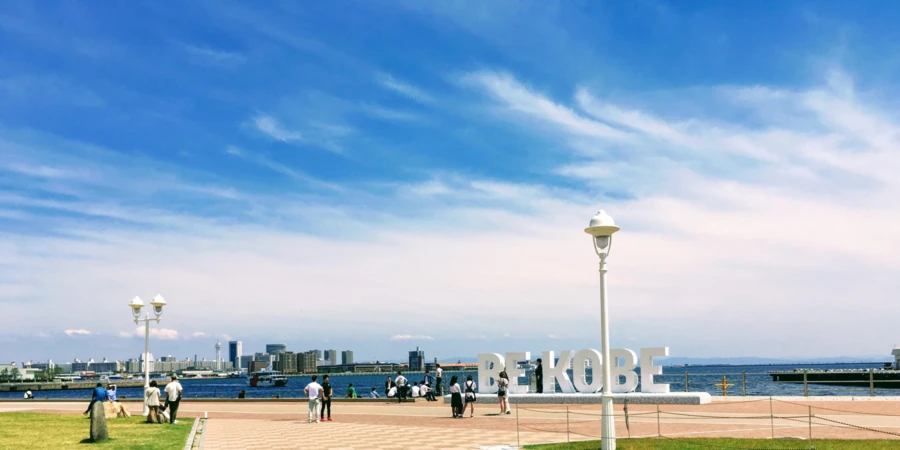
Image Credit: Visit Japan Plus
Summer in Kobe also means festivals and fireworks. In July, Kobe City hosts the Kobe Love Port Minato Festival held at the Meriken Park celebrating the city’s deep connection with the sea with parades, fireworks, food stalls, and live entertainment. There’s also the Summer Garden Fest held from July to August at the Kobe Nunobiki Herb Gardens, showcasing seasonal flowers, evening illuminations, and even a herb treasure hunt for kids!
Autumn (September – November)
Expect cooler and crisp days in Kobe when autumn hits as temperatures slightly drop to an average of 15-21°C with low humidity levels and frequent rainfall. Keep your umbrella with you and wear your most comfortable shoes because you will definitely want to sightsee Kobe around this time. Late autumn brings spectacular colour changes in foliage, from golden yellows to vivid crimson colours.
In autumn, Kobe hosts the Kobe Autumn Festival held in October which transforms the city centre into a hub of local food, music, and art to promote Kobe’s unique culture and appeal within and outside the city. The Kobe Jazz Street Festival is held annually in October as well, featuring jazz shows performed by world-class musicians around the district of Kitano.
Winter (December – February)
Peace, tranquillity, and a sense of calmness, this is what you feel when you visit Kobe during the winter season. The average daytime temperatures of Kobe during this time range from about 5°C to 12°C while it gets even colder at night, occasionally reaching around -2°C in January and February. Snowfall is occasional but usually light, so keep yourself warm!
Winter festivities span throughout Kobe such as Japanese new year celebrations (oshogatsu), winter illuminations, and seasonal festivals like the Kobe Luminarie also known as the Winter Light Festival. It’s a breathtaking winter festival that commemorates the Great Hanshin Earthquake through light installations, sculptures, and winter-inspired displays.
How to Get to Kobe
Travelling to and around Kobe is fairly easy thanks to Japan’s initiatives in providing convenient public transportation to all cities across the country. Here’s how to get to Kobe from the major cities, as well as how to travel around within the city itself.
Getting to Kobe
Kobe City is the capital city of Hyogo Prefecture, located in the Kansai region which makes up the southern side of the main island of Honshu, on the north shore of Osaka Bay. Kobe City is near Osaka and Kyoto, but with Japan’s superb railways, you can easily access Kobe from even Tokyo. Here’s how to get to Kobe from these cities!
From Tokyo to Kobe
Japan takes pride in its shinkansen. On this route they run at up to 285 km/h on the Tokaido section and 300 km/h on the Sanyo section, which puts Tokyo to Kobe at about 2 hours 40 minutes on a Nozomi. Take the JR Tokaido and Sanyo Shinkansen straight through from Tokyo Station to Shin-Kobe Station. It is not cheap: the one-way fare is JPY 14,420 for an unreserved seat and JPY 15,490 reserved.
For a more budget-friendly option, several night and day buses are available via Willer Express for around JPY 3,000 – 8,500 but will take about 8 to 9 hours to get to Kobe.
Flights from Tokyo to Kobe also exist, with multiple flights operated each day between Tokyo’s Haneda Airport and the Kobe Airport. One-way fares cost around JPY 31,000 but if you’re lucky, you can score discount tickets for around JPY 14,000. Travel time via plane is only an hour!
From Osaka to Kobe
Since Osaka is very near to Kobe, you can easily access the port city by the JR Line or the Hanshin Railway from Umeda or Namba.
From the JR Line, take a Special Rapid from Osaka Station to Sannomiya Station, which covers the 30.6 km in 22 minutes. A one-way ticket costs JPY 420.
From the Hanshin Line, take a train from Osaka-Umeda Station or Osaka-Namba to Kobe-Sannomiya Station for JPY 330. The limited express takes 31 minutes from Osaka-Umeda and around 45 minutes from Osaka-Namba. Hankyu charges the same JPY 330 from Osaka-Umeda and takes about 27 minutes, so the two private lines are the cheaper option and JR is the quicker one.
From Kyoto to Kobe
There are three transportation options for travelling from Kyoto to Kobe; Shinkansen, JR Local Train, and Hankyu Railway.
The Shinkansen is the fastest way to get to Kobe from Kyoto, with trains departing every hour from Kyoto Station to Shin-Kobe Station by Tokaido-San’yo line. You’ll get to the JR Sannomiya Station from the Shin-Kobe Station in just two minutes. The Shinkansen leg itself takes 26 to 29 minutes, and the whole journey works out at around 40 minutes door to door. It costs JPY 2,870 for an unreserved seat, made up of a JPY 1,110 base fare and a JPY 1,760 express supplement, or JPY 3,800 reserved.
The JR Special Rapid runs straight from Kyoto Station to Sannomiya Station with no change. It costs JPY 1,110 one-way and takes 51 minutes, which makes it the best value of the three.
The Hankyu Railway is the cheapest at JPY 640 from Kyoto-Kawaramachi Station to Kobe-Sannomiya Station, but it is also the slowest. Expect about 1 hour 22 minutes and two changes, usually at Nagaokatenjin and Juso.
Public Transportation Guide in Kobe
Rail/Subway
The three main train lines of Kobe are JR, Hanshin, and Hankyu. These lines converge at Sannomiya Station, the main transport hub of the city, seamlessly connecting the city to neighbouring cities and beyond.
For Kobe’s subway lines, there are two main ones, the Seishin-Yamate Line and the Kaigan Line. These subway lines are useful for getting around the city centre, since both connect to Sannomiya Station.
Bus
In Kobe, the bus network is the most commonly used mode of transportation with three types of bus services: city bus, city loop, and port loop.
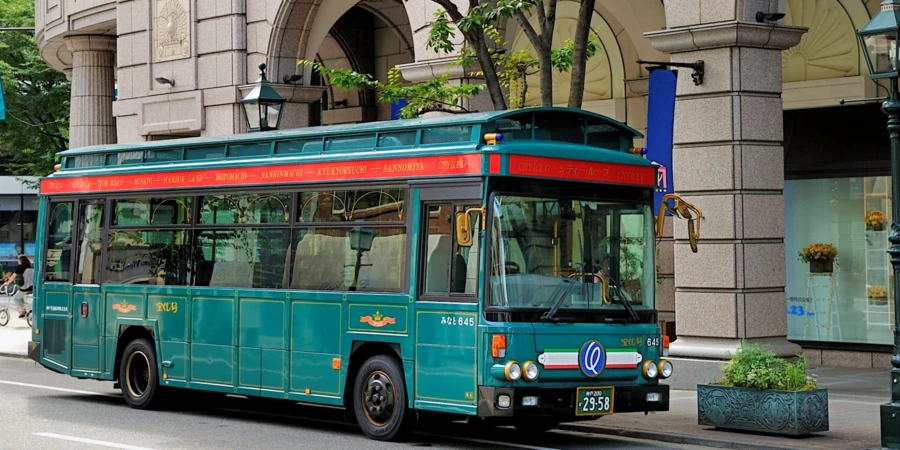
Image Credit: danpladip
The City Loop Bus makes a loop connecting top sightseeing spots of Kobe like Nankinmachi, Kobe Port Tower, and the Sannomiya Station. The loop lasts for approximately an hour with 17 stops. A single ticket for adults is JPY 300 per ride, and JPY 150 for children.
On the other hand, the Port Loop Bus circulates Kobe’s waterfront and harbour area, which includes attractions like Kobe Harborland and Meriken Park. A single ticket for adults costs JPY 210 per ride.
If you expect to make three or more journeys, buy the Kobe one-day loop bus ticket instead. It costs JPY 800 for adults and JPY 400 for children, and it covers both the City Loop and the Port Loop, so it pays for itself on the third ride.
Lastly, there are tons of local buses in Kobe City that you can ride around to your designated destinations. The main local bus hub is Sannomiya Station, with Kobe bus terminals in other local train stations like JR Rokkomichi Station and Shin-Nagata Station.
Cable Cars via Ropeways
Kobe has areas around the city that are elevated such as Mt. Maya, Mt. Rokko, and the Nunobiki Herb Garden, so what better way to travel to these areas than cable cars via ropeways? The Kobe Nunobiki Ropeway is a scenic cable car system that transports visitors from the Shin-Kobe Station up to the southern slopes of the Rokko mountain chain.
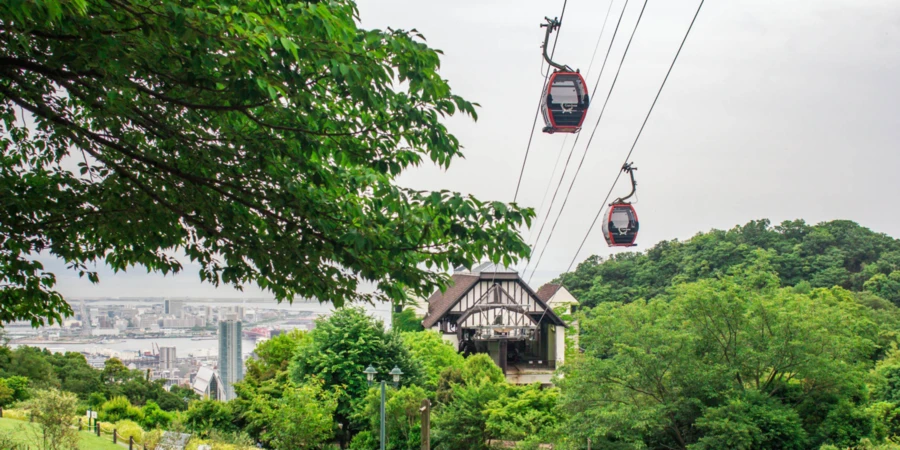
Image Credit: Little Island Takara
You can access the Kobe Nunobiki Ropeway from 9:30 AM to 5:00 PM with admission fees that range from JPY 1,400 to JPY 2,000. It’s a one-of-a-kind experience seeing the spectacular landscapes and seascapes of Kobe City!








What to Do in Kobe: Activities & Events
Kobe is home to a series of extraordinarily fun activities and events that travellers can experience and enjoy. Here’s what we recommend for you!
Visit Kobe Animal Kingdom
Located on Port Island in Kobe, the Kobe Animal Kingdom is heaven on earth for travellers who are zoo enthusiasts and want to witness Japan’s wildlife in action! Visitors can observe a wide range of animals up close, including capybaras, kangaroos, red pandas, and shoebills.

Image Credit: Cool Japan Videos
Kobe Animal Kingdom is designed to be an indoor-outdoor zoo, where the inside area is primarily for interacting with the animals while the outside area is for animal performances like the bird shows. This place is also a botanical paradise, filled with hanging gardens, flower bushes, and lush greenery.
The zoo is open every day (even during holidays!) from 10:00 AM to 5:00 PM. Admission fees vary but a general entry ticket for adults costs JPY 2,200. For more details, check out their website here.
Make Music Boxes at ROKKO Forest Sound Museum
One of the most unique places you must visit in Kobe is the ROKKO Forest Sound Museum, a museum located on top of Mt. Rokko. Away from the hustle and bustle of the city, this museum combines music and nature through a series of interactive exhibits that showcase an extensive collection of antique music boxes, automatic organs, and karakuri dolls.

Image Credit: HSBE
The museum has a production studio where visitors can create and personalise their own music boxes with over 500 songs to choose from, guided by on-site craftsmen. You can also make musical instruments such as castanets and kalimbas! The musical box and instrument making workshop costs JPY 3,600. Visit the museum’s website as well for more details!
Go on an Akashi Kaikyo Bridge Tour
The Akashi Kaikyo Bridge, the second longest suspension bridge in the world since Turkey’s 1915 Çanakkale Bridge opened in 2022, carries traffic from Kobe on Honshu across the strait to Awaji Island. Beyond its practical use, the Akashi Kaikyo Bridge shows the excellence of Japanese engineering and technology as it’s able to withstand powerful typhoons, earthquakes, and strong sea currents!

Image Credit: Inspired Pencil
The Akashi Kaikyo Bridge Exhibition Center offers guided tours for those interested in learning more about the bridge’s history and design. In the tour, you’ll be able to walk beneath the bridge, enter the bridge’s observation deck, and ascend to the top of one of the bridge’s towers. From here, you’ll witness 360-degree panoramic views of Kobe, Awaji Island, and the Seto Inland Sea! This website will bring you to the process of booking the tour.
Meet the Geiko of Arima
Tourists can meet the geiko of Arima at a place called Geiko Café Itoshi, located in Arima Onsen known as Kobe’s famous hot springs district. In this café, tourists can watch live traditional dances performed by the geiko and even directly interact with them afterwards. The geiko themselves will serve the drinks and food you order, as well as have friendly conversations with you!

Image Credit: Nippon
Take note that this unique opportunity is only open on Saturdays and Sundays, from 11:00 AM to 3:00 PM during the day, and from 8:00 PM to 12:00 AM in the evenings by reservation only. The admission fee is JPY 1,500 per person plus one drink starting from JPY 800. Reservations are done through their website.
Attend a Public Tea Ceremony at Sumadera Temple
For a culturally rich experience in Kobe, the Sumadera Temple hosts the Suma Grand Tea Ceremony every year from late spring to early summer. In a traditional Japanese tea ceremony, you get to witness the art and performance of otemae, the process of preparing and presenting matcha-powdered green tea.

Image Credit: Inspired Pencil
The Suma Grand Tea Ceremony is open to both locals and tourists and allows casualwear, unlike the formal kimono usually worn during such traditional events. The price to take part in the ceremony is around JPY 2,500 for two seats, with tickets available at the Kobe City General Information Center or at the Sumadera Temple.
What to See in Kobe: Attractions & Landmarks
Kobe has a lot of diverse sightseeing spots, from gardens to skyscrapers to mountainous landscapes. There are so many attractions and landmarks in Kobe to choose from, but here are some of the best that we recommend.
Kobe Port Tower
The Kobe Port Tower is incredibly hard to miss; its unmistakable red structure stands at 108 m (354 ft) high its eight stacked rings shaped like a tsuzumi, the traditional Japanese hand drum. The tower features a rooftop area with an observation deck, a park, a museum, a rotating café and bar, a souvenir shop, and an art gallery.
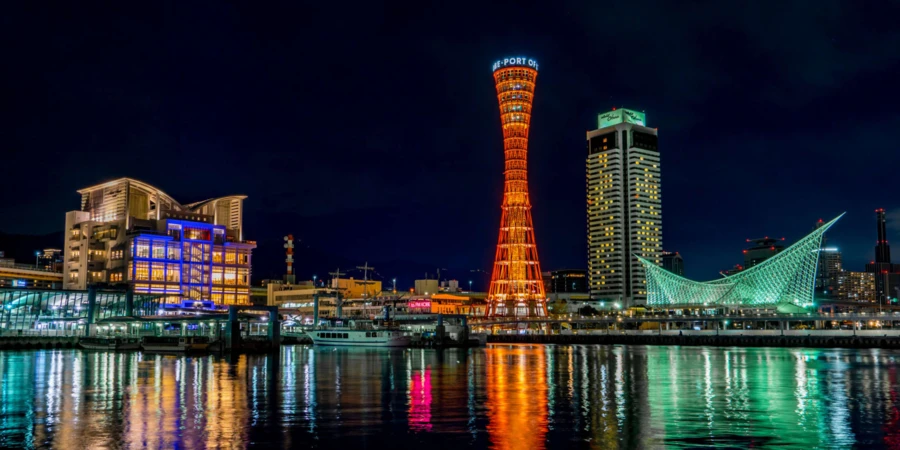
Image Credit: Travel Japan
The admission fees for Kobe Port Tower depend on which floors you want to visit. For instance, the rooftop and observation area costs JPY 1,200 for adults. The Kobe Port Tower is open all year round except for maintenance closure and reserved events. Check out the website to see the opening hours per floor!
Kobe Fruit & Flower Park
For travelling families, the Kobe Fruit & Flower Park is a must-see attraction for all ages with its large-scale countryside-themed park. Designed with European aesthetics in mind, this vast complex showcases Kobe’s modern and contemporary architecture inspired by Western motifs. It’s home to beautiful flower gardens, farms, an amusement park, restaurants, hot springs, and even a farmers market!
The best part of this attraction is that entry to the park grounds and flower gardens is free of charge! However, some attractions (amusement rides, fruit picking, hot springs) require separate fees, ranging from JPY 600 to JPY 2,000. Some facilities may operate longer or shorter hours depending on events or weather. Here’s their official website for more details.
Nankinmachi (Chinatown)
To see how different cultures interact and blend with one another, take a trip to Nankinmachi, also known as Kobe’s Chinatown! Nankinmachi is one of Japan’s three largest Chinatowns and a centrepiece of Kobe’s multicultural history and city life. Here, you get to browse through various shops, restaurants, and food stands that serve Chinese food and products with a Japanese twist.

Image Credit: Expedia Tourism
As a district, Nankinmachi can be visited any time of the day, though most establishments have varied opening hours. Try to visit Nankinmachi during the Lunar New Year too, it gets incredibly exciting with their lion and dragon dances, parades, and seasonal lantern displays.
Hyogo Museum of Art
Kobe City is known to be one of the most modern cities of Japan, home to museums that showcase Japanese contemporary art. One of these museums is the Hyogo Museum of Art, the largest modern art museum in Western Japan! Everything about this museum is captivating, from the architecture of the building itself to its extensive collection of about 9,000 modern works of Japanese and international artists.

Image Credit: Shiya Studio
The museum has permanent exhibitions but also hosts special thematic ones throughout the year. A regular admission fee costs JPY 550 for adults with opening hours of 10:00 AM – 6:00 PM. Learn more about modern Japan and be enriched by Japanese cultural and art expression through the Hyogo Museum of Art here!
Kobe Harborland
Kobe Harborland is not just one attraction, it’s a district full of them! This lively waterfront hub of shopping and dining makes it the ideal place for travellers who want to experience the lifestyle of entertainment in Kobe. You’ve got everything at Kobe Harborland, malls, amusement rides, plazas, waterfront promenades, restaurants, museums, and retail outlets!
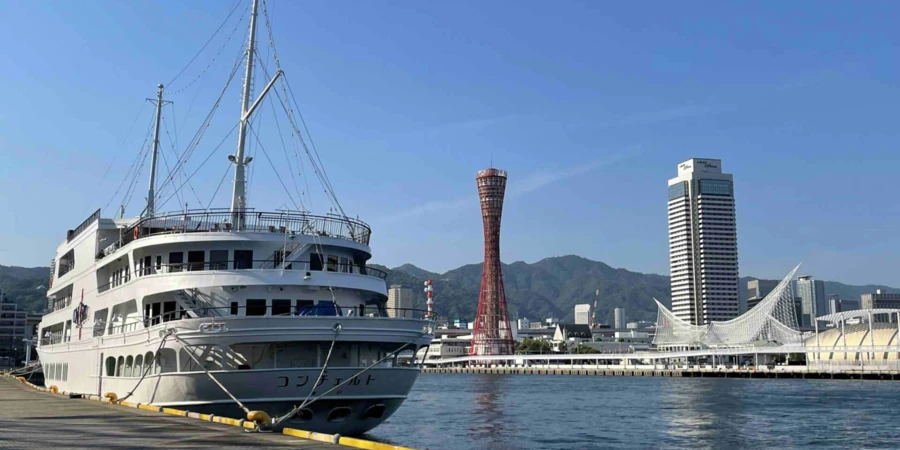
Image Credit: Travel in Japan
Kobe Harborland itself is an open district with free entry, so most travellers like to simply roam around the area. However, fees may apply for individual attractions like the Anpanman Museum and the Mosaic Ferris Wheel. Most shops and restaurants generally operate from 10:00 AM to 9:00 PM, with bars open until late night.
Where to Stay in Kobe: Accommodations & Lodgings
Although most travellers dedicate only one day to visiting Kobe, we actually recommend that you spend two days in this beautiful city to make the most out of it. Hence, finding a place to stay overnight in Kobe is highly encouraged.
Take note that the prices mentioned below are per night only.
Luxury Hotels

Image Credit: Expedia
As a modern hub of cosmopolitan beauty, Kobe City offers high-class accommodations for travellers who want to elevate their travel experience in Japan. Expect world-class Japanese hospitality and a range of premium facilities such as full-service spas, fine dining restaurants, pools, and even shuttle bus services that can take you around Kobe!
Here are the luxury hotels we recommend in Kobe:
- Hotel Okura Kobe (JPY 13,000 – JPY 18,000)
- Oriental Hotel (JPY 28,500 – JPY 41,420)
- Kobe Kitano Hotel (JPY 44,000 – JPY 54,000)
Hostels

Image Credit: Kobe Maya
Booking a hostel in Kobe is highly ideal for travellers who prefer a more affordable option but will still get the excellent service they deserve. Hostels are not only budget-friendly but also provide shared spaces for patrons to meet fellow travellers through communal areas like lounges, kitchens, libraries, and even rooftop terraces.
Here are the hostels we recommend in Kobe:
- Yume Nomad (JPY 3,300 – JPY 7,000)
- Guesthouse Maya (JPY 7,200 – JPY 8,200)
- T&K Hostel Kobe Sannomiya East (JPY 6,500 – JPY 9,000)
Ryokans (Traditional Japanese Inns)

Image Credit: Visit Arima Onsen
For a more unique overnight experience, book a room in a ryokan and experience what it’s like sleeping in a traditional Japanese inn! Most ryokans in Kobe are located in Arima Onsen, a hot spring town on the opposite side of Mt. Rokko from the city centre. Staying in a ryokan means sleeping on futons atop tatami floors, appreciating traditional Japanese architecture, and immersing yourself in the country’s natural landscapes.
Here are the ryokans we recommend in Kobe:
- Negiya Ryofukaku (JPY 29,500 – JPY 54,000)
- Arimasansoh Goshobessho (JPY 113,000 – JPY 150,000)
- Spa Terrace Shisui (JPY 30,000 – JPY 59,500)
What to Eat in Kobe: The Top Culinary Gems
One aspect of Kobe’s culture that the locals take pride in is their cuisine. Try out these local delicacies and see where you can find them around Kobe.
Kobe Beef
When people think of the city of Kobe, Kobe beef is usually one of the first things that pop up in their heads. It makes sense though: Kobe beef is widely renowned as a prized Japanese delicacy and is considered to be the most marbled beef in the world. Eating Kobe beef is an extraordinary melt-in-your-mouth experience that will leave you wanting more!

Image Credit: Newsweek
As the world’s most prized beef, Kobe beef is exceptionally rare and undergoes strict procedures to get that perfect marbling and taste. Kobe beef’s exclusivity and grading mean that it comes with a premium price, ranging from JPY 7,000 to JPY 32,400. If you want to experience the fine dining of Kobe beef, you can check out MOURIYA!
Akashiyaki
If Osaka has takoyaki, Kobe has akashiyaki. As a local delicacy from Hyogo Prefecture, akashiyaki are pan-fried octopus balls that are traditionally dipped in a warm, fragrant dashi broth made from bonito and kelp. Unlike takoyaki, akashiyaki has a more subtle and light flavour that tastes a little more refined without the heavy sauces and dips.

Image Credit: Halal Media Japan
Akashiyaki is a popular street food dish in Kobe, so you’re bound to come across vendors who sell them on the streets at affordable prices. A standard order of 8-10 pieces usually costs around JPY 700 – JPY 1,000 only. Again, you can easily find Akashiyaki being sold on the streets of Kobe, but you can also try them at speciality restaurants like Honke Kimuraya.
Sobameshi
Another iconic street food dish from Kobe is sobameshi, a comfort food widely loved by locals. It’s a very simple dish consisting of rice and yakisoba noodles stir-fried together with a Worcestershire-based sauce on a hot teppan grill. Mixed with minced meat, onions and cabbage, this dish explodes with a smoky, savoury, and umami-rich flavour. It truly captures the electrifying soul of Kobe!
The origins of sobameshi stem from factory workers who would ask the chefs to stir-fry their cold lunch rice together with noodles. This makes it a working-class dish meant to be affordable and eaten by all. A regular serving of sobameshi costs around JPY 700 – 1,200 depending on the toppings. Nagata Tank Suji is a restaurant that specialises in sobameshi.
Takomeshi
As a port city, you can expect that the majority of the local specialities of Kobe are seafood-based. Takomeshi is one of them, known as a traditional octopus rice dish which features rice cooked together with small pieces of octopus and seasoned with soy sauce, sake, and dashi.
Takomeshi is generally affordable, with most restaurants like Takoan serving the dish with costs between JPY 700 and JPY 1,200. You can also find them in bento boxes sold in train stations or convenience stores at a cheaper price.
Kobe Pudding
For those interested in desserts, Kobe pudding is a modern Japanese custard dessert that has gained popularity as a sweet and “sophisticated” speciality of Kobe City. Inspired by Western custard desserts, Kobe pudding has a smooth and velvety texture with a rich, caramel-like flavour. It’s smooth, silky, and satisfying to eat!

Image Credit: JAPANBITE
Kobe pudding is often sold in elegant sealed containers that make it a popular souvenir or gift. A single serving of Kobe pudding costs around JPY 300 – JPY 500 with gift sets ranging from JPY 1,000 to JPY 3,000. Frantz is a popular sweets brand in Kobe that sells Kobe pudding around the city.
Two-Day Kobe Travel Itinerary
To truly immerse yourself in Kobe’s culture and lifestyle, we suggest that you dedicate two days to touring around the city. Kobe City is a perfect addition to your Japan trip, especially if you’re coming from Osaka or Kyoto. Here’s our two-day Kobe travel itinerary curated just for you!
Day 1
- Morning: Start your day by having breakfast at Gancha (JPY 500 – JPY 1,000 per head) before paying a visit to Sumadera Temple. At the Sumadera Temple, you can stroll through their beautiful gardens and offer your prayers at the temple itself for free!
- Lunch: Continue your adventure around Kobe and roam around Nankinmachi. Browse through the different kinds of shops and establishments! You can already have your lunch at Nankinmachi, we recommend Sannomiya Ikkanro (JPY 500 – JPY 1,000 per head).
- Afternoon: After lunch, slow down your pace a bit by spending your afternoon at the Hyogo Museum of Art, followed by visiting the Kobe Port Tower where you can look at panoramic views of the city or check out their revolving café.
- Evening: End your first day in Kobe by going around Kobe Harborland and walk through a large selection of shops, restaurants, cafés and amusement attractions. One of the restaurants here that you can check out for dinner is Totosai (JPY 500 – JPY 1,000 per head).
Day 2
- Morning: For your second day in Kobe, have breakfast at Kobe Ozo Cafe 901 (JPY 1,000 – JPY 2,000) then proceed to Kobe Fruit & Flower Park. Simply enjoy their beautiful gardens or you can pick fruits for fun! Prices range from JPY 600 – JPY 1,200 per kilogram depending on the fruit.
- Lunch: For lunch, we recommend having it at Big Chef, which opens at 11:30 AM. It’s JPY 2,600 – JPY 8,000 per head with a menu that serves steak and other delicious meat dishes. Have your Kobe beef fix here!
- Afternoon: Explore Kobe some more by booking the Akashi Kaikyo Bridge Tour (JPY 5,000 on weekdays, JPY 6,000 on weekends) and see Kobe from a different angle. If you have extra hours to spare, take a trip down to the Kobe Animal Kingdom and interact with the different kinds of animals they have there.
- Evening: For your last agenda in Kobe, book a reservation at Geiko Café Itoshi and have dinner with the Geiko of Arima to perfectly end your Kobe trip!
Kobe Travel Hacks: What You Need to Know
Check Local Event Calendars
Before your trip, we recommend that you check out any local calendars of Kobe to see if you are going to be able to catch any exciting festivals, exhibitions, pop-up markets, and more when you’re there. For example, during winter, there are a lot of illumination shows and exhibits in different areas of Kobe. Timing your visit around events like these can elevate your Kobe experience.
Use Transportation Passes
In Kobe, you will be making use of their different modes of public transportation, especially their trains and buses. For your convenience, Kobe offers transportation passes such as the City Loop Bus Pass, one-day for subways, and IC cards like ICOCA or Suica. These passes save money and time, allowing unlimited travel on buses, subways, and sightseeing loops.
Expect Waiting Lines in Restaurants
Kobe has a wide range of restaurants that serve only the best of the best dishes. This is why a lot of travellers visit Kobe mainly for their cuisine. It means that most popular Kobe eateries, especially those that serve Kobe beef, often have long queues. We suggest that you visit during off-peak hours and arrive at restaurants early to avoid long waits.
Keep Cash with You at All Times
While many places in Kobe accept cards and mobile pay, some establishments still prefer cash payments like small restaurants, street vendors, and novelty shops. It’s best to carry enough yen to cover meals, transportations, and small purchases. Convenience stores like 7/11 have ATMs that accept international cards for withdrawing money if needed.
Invest in a Japan e-SIM
The majority of Kobe’s public spaces have free Wi-Fi open to all, but most of the time, it’s not reliable because of the amount of people using it. This is why we recommend investing in a trustworthy e-SIM for Japan, such as Jetpac! With a Japan e-SIM like Jetpac, you can access seamless data across the country without the hassle of renting a physical SIM card or portable Wi-Fi devices.
Final Thoughts
We can all agree that Kobe is an extraordinary city, one filled with rich history, vibrant urban life, and breathtaking coastal scenery. In Kobe, you get to experience what it’s like to perfectly blend tradition and modernity together with the city’s lush natural landscapes, historical landmarks, and cosmopolitan lifestyle.
Embrace Kobe’s charm and immerse yourself in its creative spirit reflected in their architecture, food, and art. Explore centuries-old traditions, lively local energy, and urban sophistication all in one captivating city!
References
- mstravelsolo. (n.d.). Best food in Kobe Japan: Where and what to eat. MS Travel Solo. Retrieved August 28, 2025, from https://www.mstravelsolo.com/best-food-in-kobe-japan/
- Japan-Guide.com. (n.d.-a). Kobe travel guide – What to do in Kobe. Japan Guide. Retrieved August 28, 2025, from https://www.japan-guide.com/e/e2159.html
- The Broke Backpacker. (2025). 10 BEST hostels in Kobe (2025 insider guide). The Broke Backpacker. https://www.thebrokebackpacker.com/best-hostels-in-kobe-japan/
- Living + Nomads. (2025, August). Ultimate Kobe travel guide: How to get Japan’s port city, best attractions, eats & tips. Living + Nomads. https://livingnomads.com/2025/08/kobe-travel-guide/#google_vignette
- Japan-Guide.com. (n.d.-b). Nankinmachi (Kobe Chinatown) – Kobe travel. Japan Guide. Retrieved August 28, 2025, from https://www.japan-guide.com/e/e3551.html
- HyogoJapan.com. (n.d.). Kobe fruit & flower park – Great for families. Hyogo Japan. Retrieved August 28, 2025, from https://hyogojapan.com/discover/kobe-fruit-flower-park/
- Art Tourism. (n.d.). Hyogo prefectural museum of art|Access, visitor information, highlights and lunch information. Art Tourism. Retrieved August 28, 2025, from https://www.art-tourism.jp/en/article/hyogoprefecturalmuseumofart_en
- Nadeshiko Management. (n.d.). Public transportation guide in Kobe. Nadeshiko Management. Retrieved August 28, 2025, from https://nadeshiko-management.com/column/public-transportation-guide-in-kobe
- MyTravelBuzzg. (n.d.). Day trip to Kobe itinerary: A travel guide blog. MyTravelBuzzg. Retrieved August 28, 2025, from https://www.mytravelbuzzg.com/kobe-itinerary-travel-guide-blog/


