Did you know that Christmas in Japan is not a family holiday? It is a couples-first, date-driven season where reservations matter more than decorations, trains still run on time, and romance is shaped by planning rather than spontaneity. Christmas here says far more about contemporary Japanese relationships than about tradition or religion.
For travellers expecting carols, long lunches, and a public holiday atmosphere, this can feel surprising. For couples willing to adapt, it can feel unusually focused, intimate, and calm.
At a glance
Why Christmas feels romantic in Japan

Christmas in Japan functions as a largely secular event. Christianity is a minority religion, and December 25 is a normal working day. There is no cultural expectation to attend church, host extended family, or prepare a home-centred feast. Instead, Christmas has been absorbed into urban dating culture.
The emphasis falls on couples, especially those early in a relationship. Christmas Eve, in particular, carries symbolic weight as a night for shared time rather than shared ritual. The mood is quiet and intentional: a planned evening that signals care and commitment without needing grand declarations.
This is where the idea of kurisumasu dēto (クリスマスデート) becomes important. The phrase is practical and widely understood. It refers to a clearly structured date—often weeks in the making—built around a reserved meal, a walk through illuminations, and a timely journey home.
Gift-giving exists, but it is secondary. Small, thoughtful items are common, yet the real signal of affection is preparation. Choosing the restaurant, securing a table, and managing the evening’s timing all carry social weight.
A contrast with Western expectations
Unlike in many Western countries:
- There is no pressure to prioritise family over partners
- There is no public holiday that stretches celebrations late
- There is little emphasis on staying out past midnight
Rather than being restrictive, this creates clarity. Christmas in Japan is short, focused, and emotionally contained. Cities matter more than the countryside because density—of restaurants, transport, and light displays—makes this style of celebration possible.
Think of it as romance with an itinerary: dinner first, then illuminations, then a punctual exit.


Dinner with a deadline: Restaurants
Christmas Eve dinner in Japan runs on precision. Restaurants often offer fixed menus with limited seatings, strict start times, and clearly defined end points. This is not the night for lingering unpredictably over a table.
Neighbourhoods like Ebisu and Ginza illustrate this well. Ebisu blends residential calm with destination dining, making it popular for couples who want polish without flash. Ginza, by contrast, leans formal: department-store restaurants, hotel dining rooms, and menus designed to feel unequivocally “special”.
Booking windows commonly open two to four weeks in advance, and central locations fill quickly.
Here are some places for a romantic dinner to choose from.
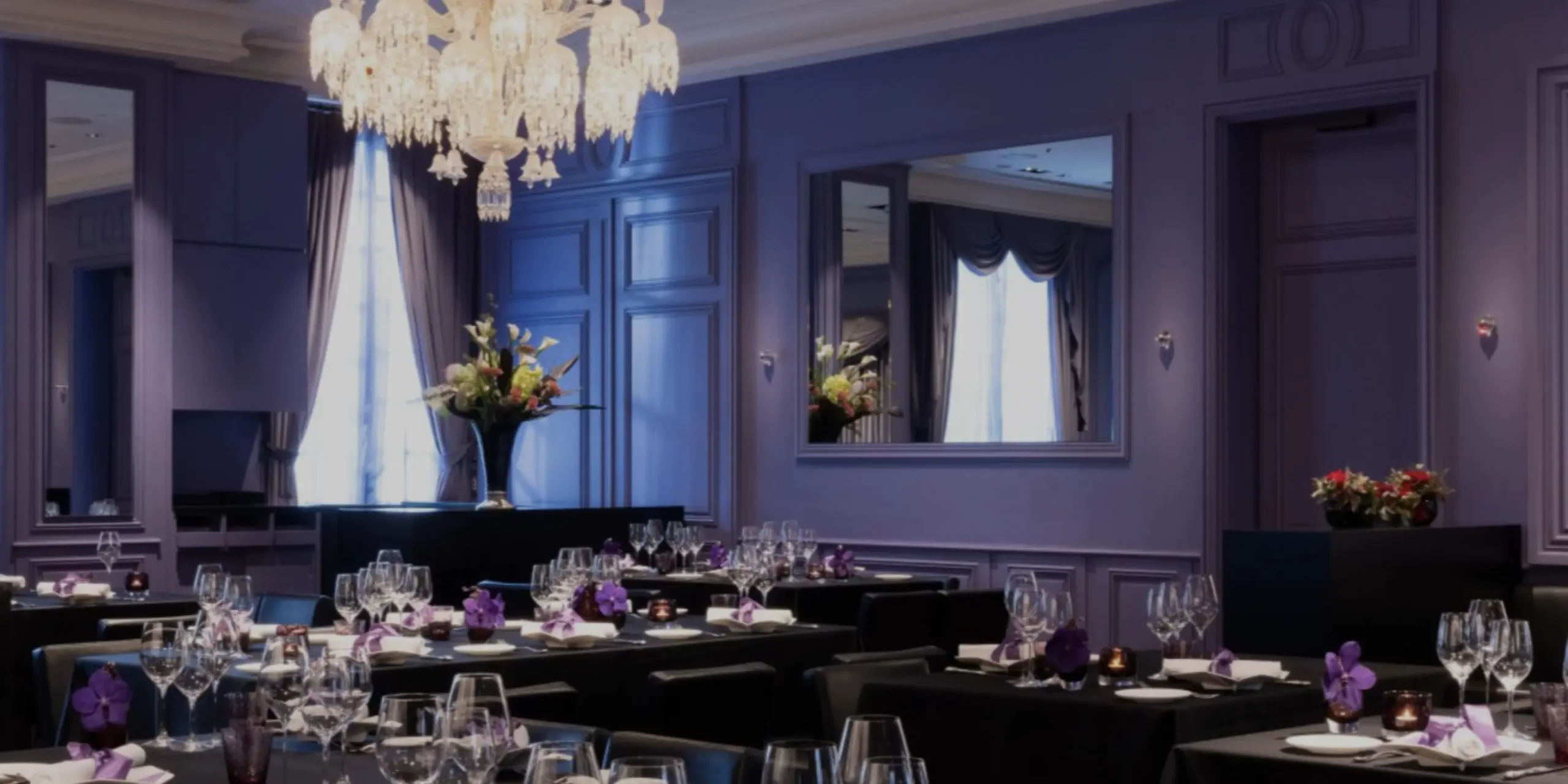
Joël Robuchon Le Château – Yebisu Garden Place
Area: Ebisu
Cuisine: French fine dining
Typical price: ¥18,000–¥14,000 per person for LA TABLE; ¥23,000–¥36,000 including service charges for the main restaurant
Time: Dinner begins at 18:00
Official Site
This is one of Tokyo’s most formal Christmas Eve choices, often selected to mark a milestone in a relationship. The structured courses and refined service create a sense of occasion without excess, while Yebisu Garden Place’s compact layout keeps the evening contained and unhurried once dinner ends. You have the option to splurge on fine dining or keep things casual with the LA TABLE de Joël Robuchon option.
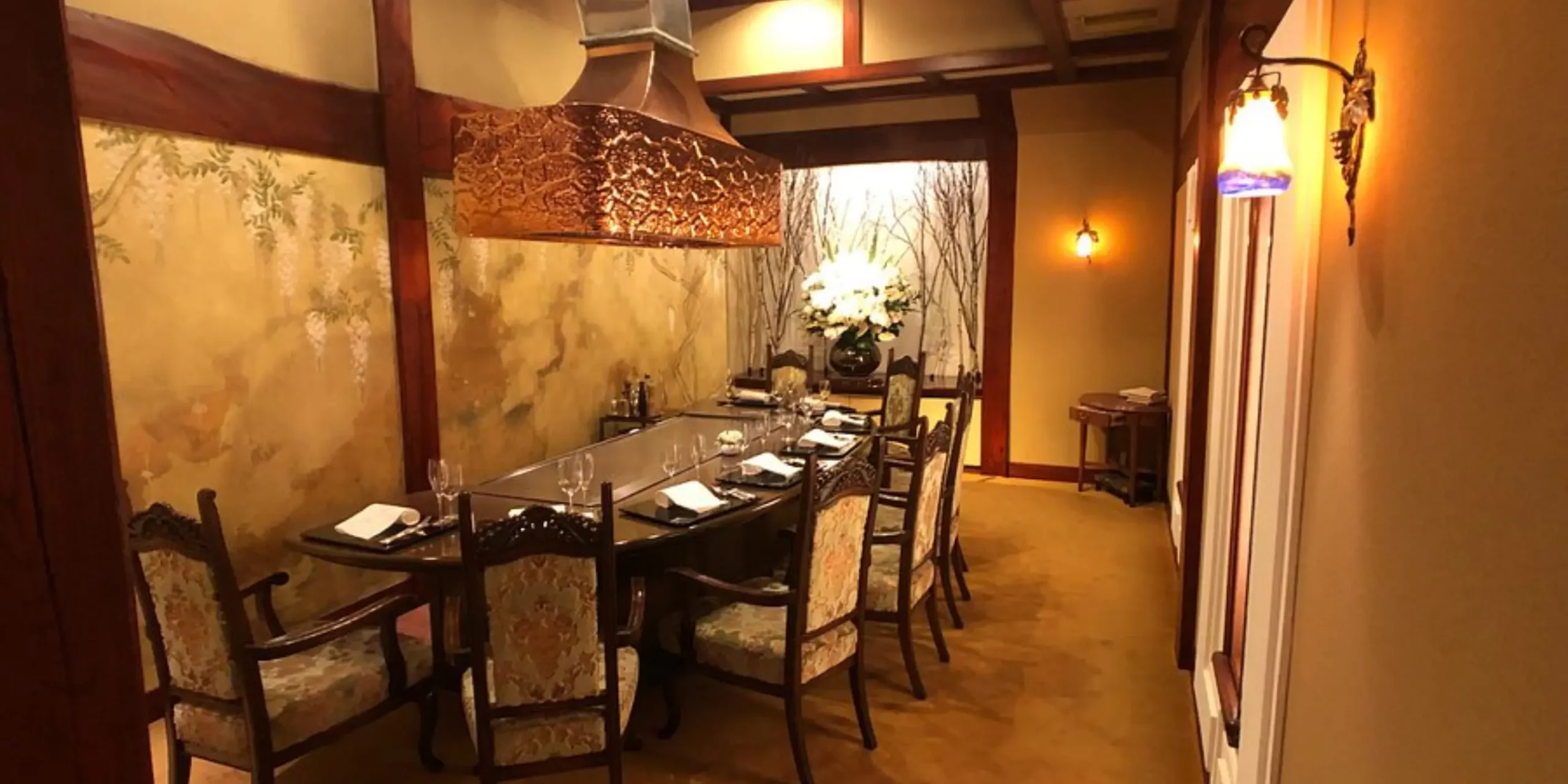
Ginza Ukai-tei
Area: Ginza
Cuisine: Teppanyaki
Typical price: ¥14,000–¥39,000 per person
Time: 17:00–21:30
Official site: www.ukai.co.jp/english
Ukai-tei appeals to couples who want interaction without intensity. Counter seating naturally sets the pace, and the performance of teppanyaki cooking fills silences without demanding attention. Ginza’s formality reinforces the “special night” feeling, but the structure prevents the evening from running late. This restaurant also blends Western and Japanese traditions, so it’s quite the sight to behold as well.
The Royal Park Hotel Iconic Nagoya
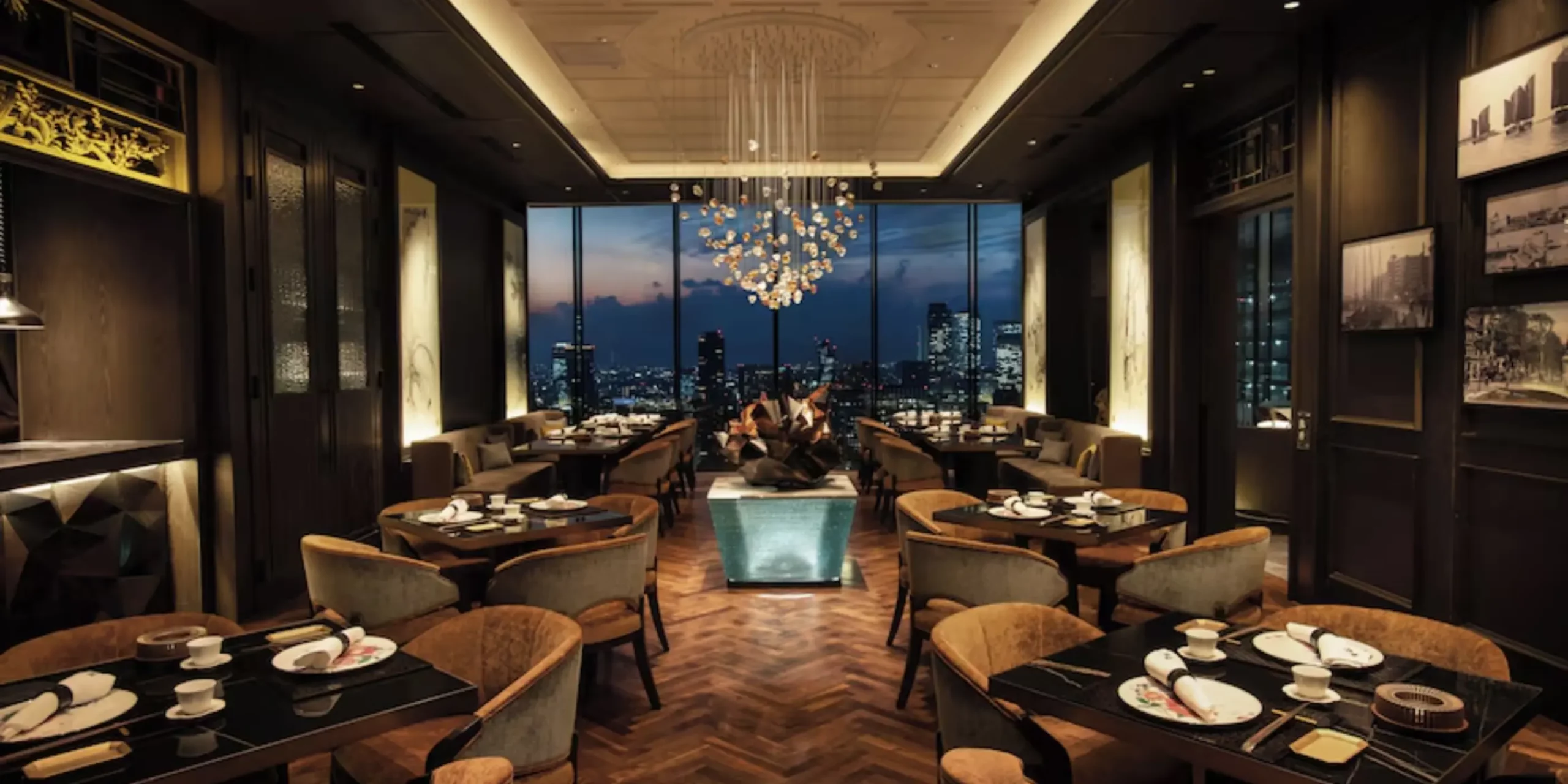
Area: Nagoya (Sakae)
Cuisine: Chinese / Western fine dining (in-house restaurant & sky-level dining)
Typical Christmas price: ¥11000–¥36,000 per person
Evening seatings: 17:30–22:00
Official Site
Opened in the upper floors of a central Sakae tower, The Royal Park Hotel Iconic Nagoya appeals to couples who want city views and a sense of occasion without Tokyo’s intensity. Christmas Eve dining here tends to be calm and carefully paced, with skyline views doing the emotional work rather than elaborate theatrics. Its location above shops, restaurants, and transport makes it easy to transition from dinner to a quiet walk—or straight upstairs—without rushing the night.
Light displays, not late nights: Illuminations
After dinner, many couples head directly to illuminations. In Japan, these are not decorative add-ons but destinations in their own right. Streets, parks, and commercial districts are transformed into carefully designed light installations that reward slow walking rather than crowds.
In Tokyo, areas like Roppongi Hills and Tokyo Midtown show how this works in practice. The lights are integrated into existing urban space—tree-lined promenades, museum forecourts, open plazas—so the walk itself becomes the event. Couples move slowly, take photos, and pause for coffee or dessert.
Illuminations fill a special emotional role for couples celebrating Christmas. Here are some to check out
Roppongi Hills Christmas Illumination (Keyakizaka Street)
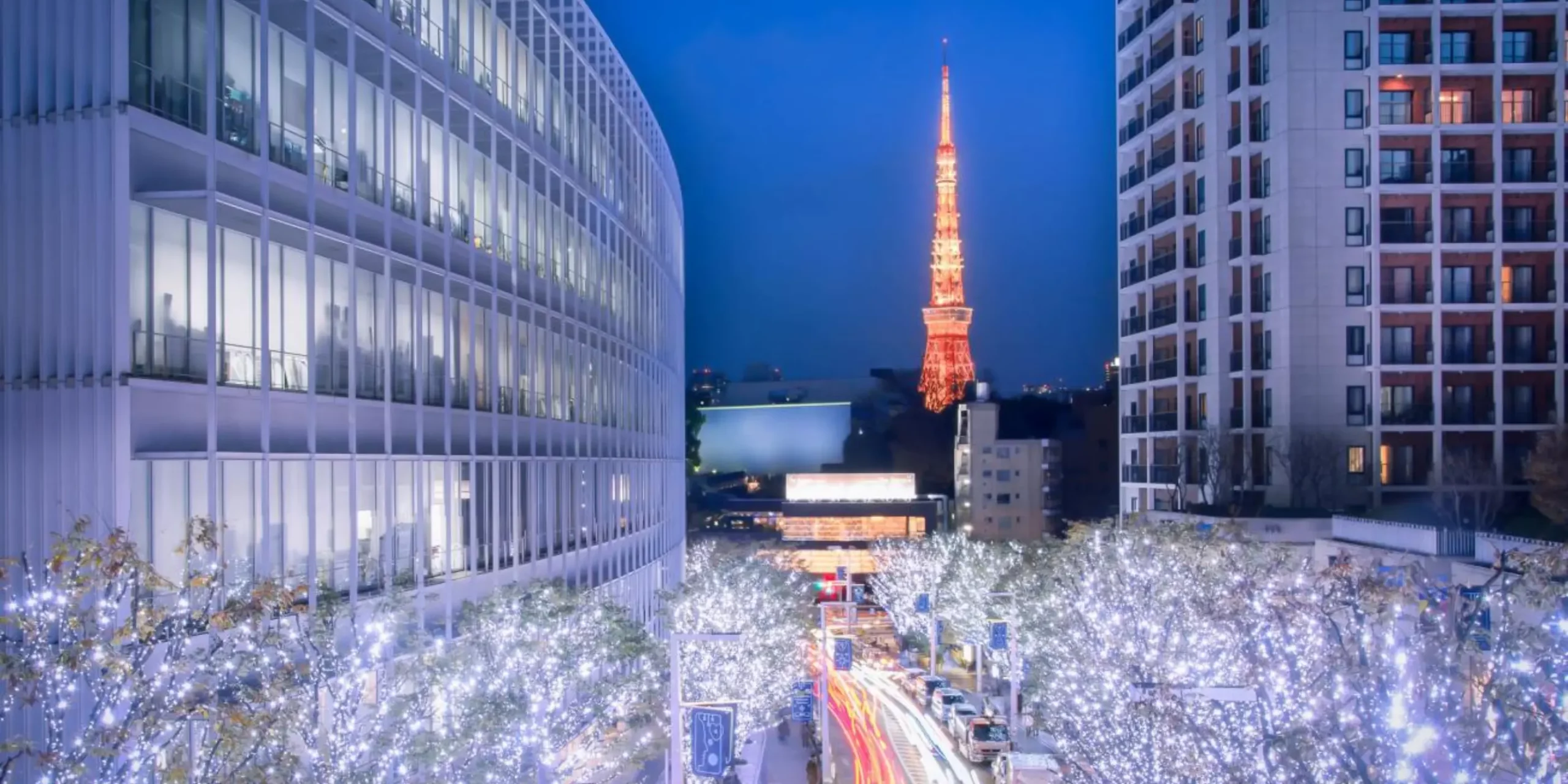
Area: Roppongi
Hours: Usually until 21:00
Cost: Free
This tree-lined stretch creates a clear beginning and end to the walk, which suits the structured rhythm of Christmas Eve. The lights frame the city rather than overwhelm it, making the experience feel intentional rather than festive for its own sake.
Yebisu Garden Place Illumination

Area: Ebisu
Hours: Often until 23:00
Cost: Free
Anchored by a Baccarat chandelier display, this illumination is compact and composed. Couples tend to arrive, slow down, take photos, and leave without pressure to “do more”. It works especially well for first Christmases together, when intimacy matters more than scale.
Tokyo Midtown Illumination
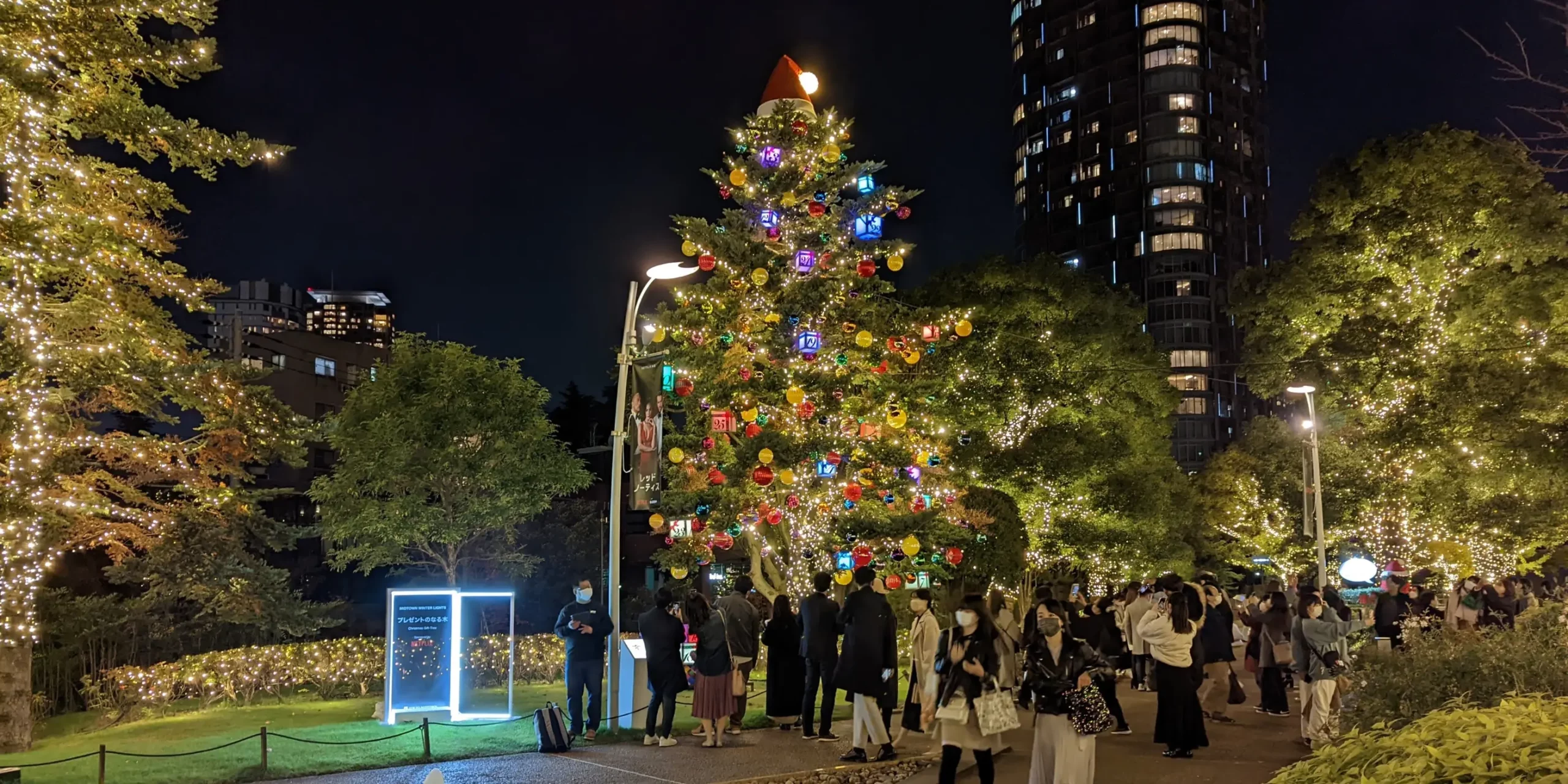
Area: Roppongi
Hours: Typically until 23:00 in December
Cost: Free
Tokyo Midtown’s illuminations stretch across wide, open promenades that never feel compressed. The spacing encourages quiet walking and conversation, making it a natural second stop after dinner. It’s particularly popular with couples who want an atmosphere without committing to multiple locations.
A night that ends early
Despite the romance, Christmas Eve usually ends earlier than visitors expect. Last trains still dictate the evening, and missing one can turn a date into a logistical problem rather than a memorable moment.
Some couples book city hotels to avoid the rush, particularly around major stations. Others use love hotels for privacy and convenience. Both options exist without stigma or spectacle. What matters most is that the evening ends smoothly and on schedule.
This rhythm—planned, gentle, and finite—is central to how Christmas is experienced in Japan.
Across all of these options, the same rule applies: choose one or two places and commit to them. Christmas in Japan is not about variety or coverage. When dinner, lights, and movement align, the evening feels intentional—and that intention is what makes it romantic.








Sample Tokyo Christmas Eve timeline
To give you an idea, here’s how your Christmas Eve could look:
17:15 – Arrive in Ebisu, short walk to dinner
17:30–19:30 – Reserved Christmas dinner at Yebisu Garden Place
19:45–20:30 – Walk through Yebisu Garden Place illuminations
20:45 – JR Yamanote Line to Roppongi (via Shibuya)
21:15–22:00 – Roppongi Hills / Tokyo Midtown illuminations
22:15 – Dessert or coffee nearby
23:00 – Return to hotel or private accommodation
Before midnight – Night ends calmly, without rushing last trains
Is Christmas in Japan right for your relationship?
Who will love it
- New couples, where planning itself feels romantic
- Honeymooners, who want an intimate city rhythm
- Low-key romantics, happy with dinner, lights, and an early night
Who may not
- Families with children, expecting daytime festivities
- Travellers seeking a religious or traditional Christmas, with carols and communal meals
Clear ways to make it work
- Come for Christmas, leave before New Year, when travel patterns change completely
- Pair a city stay with an onsen night or winter scenery to balance energy
Final Words
Christmas in Japan is brief, intentional, and quietly expressive. It does not replace Western traditions, nor does it compete with them. Instead, it offers a focused glimpse into how modern Japanese couples express care—through timing, preparation, and shared attention.
For travellers willing to meet it on its own terms, Christmas in Japan can feel unexpectedly intimate.