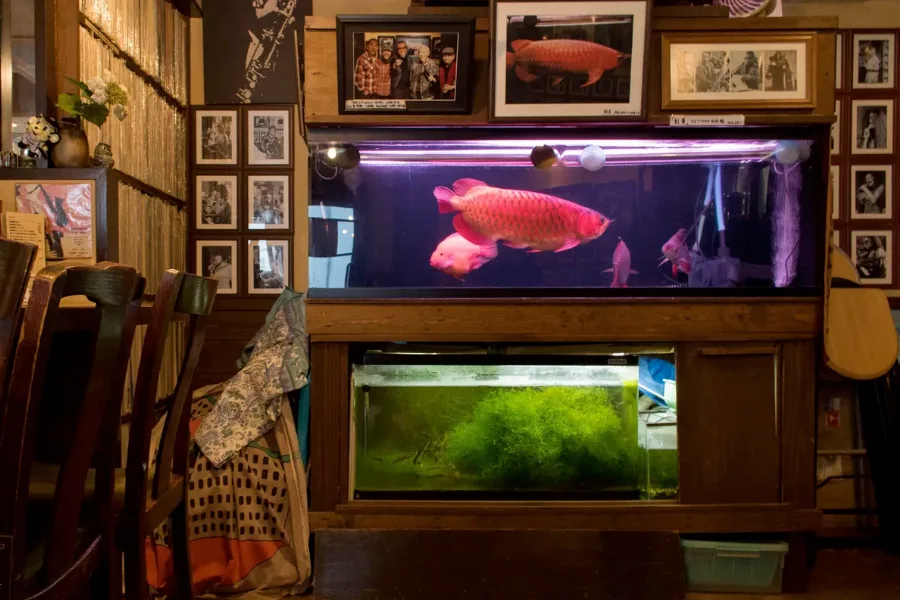
Shinjuku is a district known for its neon lights, bustling streets, and an undeniable cultural vibe. But beneath this modern energy lies a world steeped in nostalgia, the old-school jazz kissaten (jazz cafés) that continue to stand as time capsules of Japan’s jazz obsession. These kissaten, featured in the Tokyo Jazz Joints photobook, offer a glimpse into the rich history of Tokyo’s jazz scene.
The Story Behind the Tokyo Jazz Joints Photobook
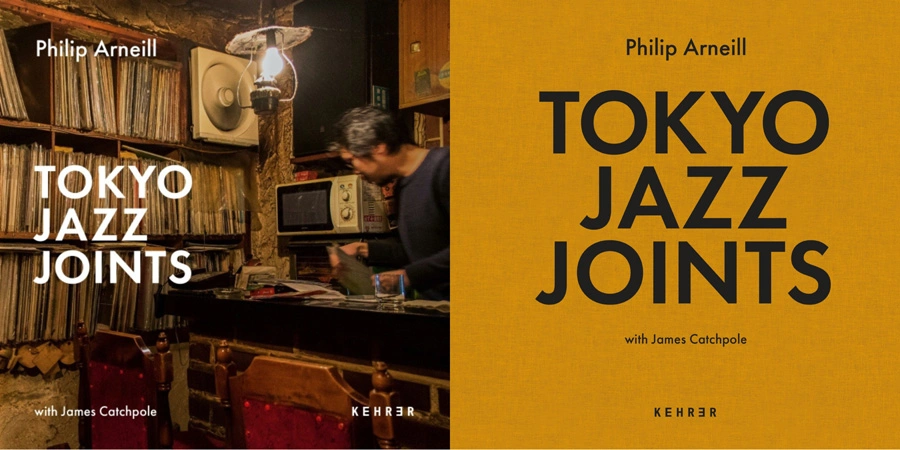
Image credit Tokyo Jazz Joints
The Tokyo Jazz Joints photobook is more than just a collection of images: it’s a love letter to Japan’s enduring jazz café culture. Conceived by photographer Philip Arneill and journalist James Catchpole, the project began as a visual documentation of Tokyo’s rapidly vanishing jazz kissaten. Over the years, these iconic cafés, many of which were established in the 1960s and 1970s, have slowly disappeared due to urban redevelopment, aging owners, and shifting cultural trends.
Through their lens, Arneill and Catchpole sought to capture the essence of these hidden cultural gems before they were lost forever. The project took years to complete, with the pair travelling across Japan, documenting hundreds of kissaten and jazz bars tucked away in narrow alleys and forgotten basements. Each image in the photobook tells a story, a worn-out vinyl sleeve on a dusty shelf, a hand-drawn sign inviting patrons in, or the unmistakable glow of a tube amplifier casting shadows on the wall.
What makes Tokyo Jazz Joints special is its ability to capture not just the physical spaces but also the atmosphere, character, and soul of each café. These are spaces where jazz lovers gather, drink coffee (or whiskey), and lose themselves in the rhythm of vinyl crackles and saxophone solos. The book isn’t just about nostalgia; it’s a preservation effort, an attempt to immortalize a subculture that is slowly disappearing from Japan’s modern cityscape.
Beyond the Photobook
The Tokyo Jazz Joints project lives on as a website and podcast. The duo continues to explore jazz culture in Japan, providing updates on which cafés are still open and which have, unfortunately, shut their doors for good. If you want to experience the soul of Japan’s jazz scene, the photobook serves as both a guide and a memorial to places that no longer exist. But for the lucky few that remain, you still have the chance to step inside, grab a coffee, and experience a slice of Tokyo’s living history.
If you’re looking for a sensory escape filled with the warm crackle of vinyl, the scent of fresh coffee, and the intimacy of live jazz, these ten iconic kissaten in Shinjuku are a must-visit. Here’s a closer look at why each of these legendary spots deserves your attention.
What is a Jazz Kissa?
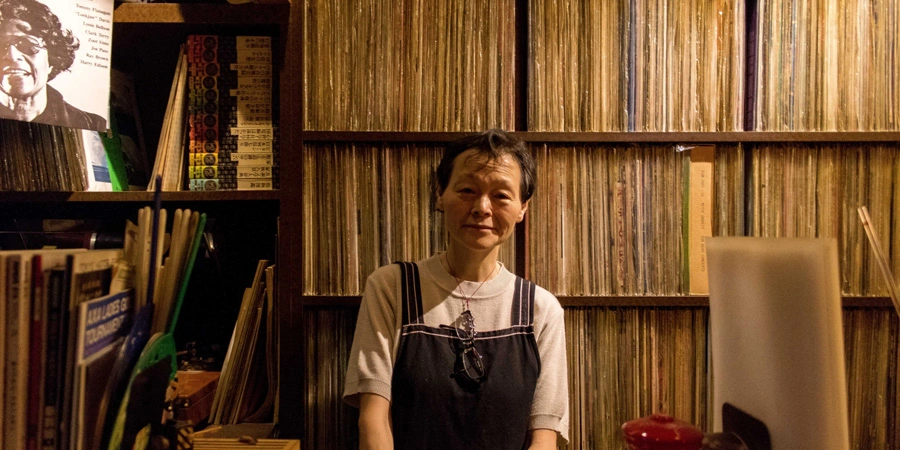
Image credit Tokyo Jazz Joints
Kissaten (喫茶店) is a Japanese-style coffee shop or café. They are typically small and intimate, offering a warm and relaxed atmosphere for people to enjoy coffee, tea, light snacks, and other beverages. Kissaten often have a vintage vibe and may feature antique furniture, decor, and music.
The Japanese word ‘kissa(ten)’ translates directly as ‘tea-drinking shop’. But its role extends far beyond serving tea. These establishments became cultural sanctuaries for jazz lovers, offering a space where patrons could listen to jazz records on high-fidelity sound systems while sipping coffee, tea, or something stronger.


The Rise & Fall of the Japanese Jazz Kissa
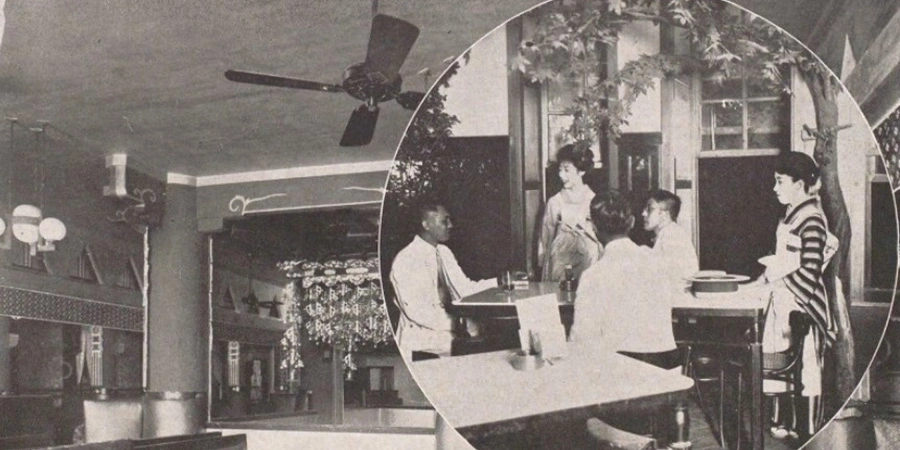
Image credit Wikipedia
After WW2, jazz kissa (jazz cafés) became popular gathering spots in Japan where people could listen to jazz music while enjoying coffee or tea. These cafés grew in popularity during the 1960s and 1970s, especially in bustling neighbourhoods like Shibuya and Shinjuku. Back then, dozens of jazz kissa could be found near the main train stations, becoming hotspots for students, artists, and intellectuals. These spots were more than just places to hear music: they were spaces for creativity, connection, and counterculture movements. At the late 1970s peak there were around 200 jazz kissa in Tokyo alone, showing how much the city embraced jazz music during that era.
But as music tastes changed, the jazz kissa scene slowly started to fade. Owning a jazz kissa was no longer as trendy or profitable, and many owners found it difficult to stay in business. About half have closed since, leaving roughly 100 still trading in Tokyo, and only around 20 of those have run continuously since the 1960s and 1970s. Unfortunately, as these owners get older and with no one around to take over, more and more jazz kissas are shutting down. This has inspired jazz enthusiasts (Philip Arneill and James Catchpole) to document and protect these important cultural landmarks before they disappear forever.
Recently, the number of jazz kissa has significantly dropped due to factors like high rents, aging owners, and changing social trends. Even so, jazz kissa still trade the length of the country, from Sapporo down to Fukuoka. While it’s a smaller community than it once was, a dedicated group of jazz lovers continues to support these timeless spaces. Today, many jazz kissa remain open, preserving the history and atmosphere that made them special. These cafés still offer a unique listening experience, where visitors can sit back, sip a coffee, and hear jazz music played on vinyl in a calm, authentic environment.
Haruki Murakami Jazz Kissa Owner
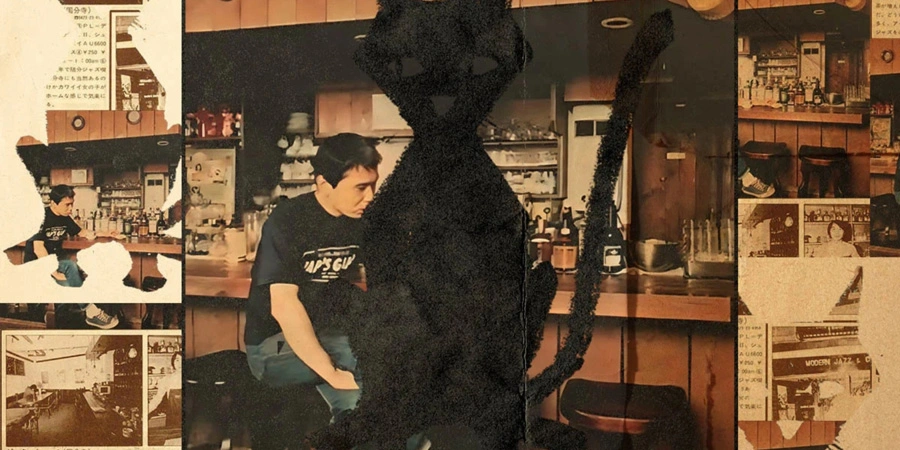
Image credit Far Out Magazine
Before becoming one of the world’s most famous authors, Haruki Murakami owned and ran a jazz café called Peter Cat. He opened it in Kokubunji in 1974 and moved it to Sendagaya in 1977. Everything changed on 1 April 1978, when he had a sudden realisation while watching a baseball game at Jingu Stadium, a short walk from the café. At that moment, he decided to pursue a career in writing, a choice that would eventually make him a literary icon.
Running Peter Cat played a crucial role in shaping Murakami’s creative process and worldview. In his memoir, What I Talk About When I Talk About Running, Murakami reflects on how the repetitive nature of running a café prepared him for the demands of writing novels.
Murakami explains that managing a small business required stamina, patience, and the ability to stay focused for long periods, qualities that would later become essential in his writing career. Both running a café and writing a novel require a steady, daily routine, something he refers to as creating a “daily rhythm.” This sense of routine would go on to define his disciplined approach to writing, where he dedicates long hours every day to his craft.
His time at Peter Cat also sparked a love for jazz music that continues to influence his storytelling. Jazz, with its improvisation and unpredictable flow, mirrors the dreamlike, fluid style found in his novels. His works, such as “Norwegian Wood” and “Kafka on the Shore,” are filled with references to jazz music, creating a mood that feels both familiar and surreal. Murakami’s time as a jazz café owner didn’t just inspire his writing career: it also shaped the heart and soul of his literary voice.
The Japanese Jazz Kissa Experience
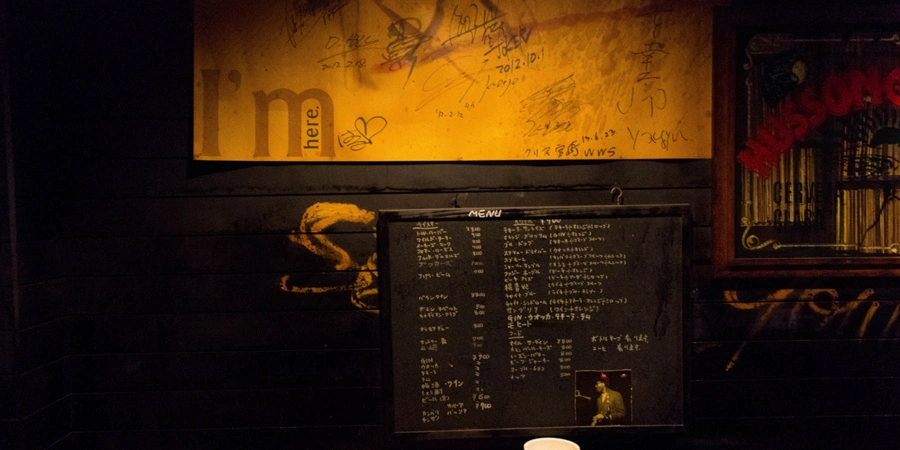
Image credit Tokyo Jazz Joints
Visiting a jazz kissa is like stepping into a world frozen in time. These cozy, dimly lit cafés have a unique atmosphere that can only be found in Japan. The air often carries the faint scent of old wood and lingering tobacco smoke, a reminder of decades gone by. The walls are lined with shelves full of carefully curated jazz records and memorabilia, each reflecting the unique taste of the kissa’s owner.
Soft, dim lights cast a warm glow throughout the space. Signed photos of jazz legends, vintage album covers, and old music magazines are on display, giving visitors a glimpse into the history and heart of Japanese jazz culture. The mood is quiet and reflective, with many patrons listening in silence.
You’re unlikely to find crowds here. Instead, you’ll notice a few dedicated regulars, perhaps a salaryman or two, or even a retired jazz lover reminiscing about the good old days. As the smooth sounds of jazz fill the room, patrons sit back, sip their coffee, and lose themselves in the rhythm of the music. These spaces are cultural sanctuaries where the spirit of jazz still lives on.
Discover Shinjuku’s Classic Jazz Kissaten
1. Intro
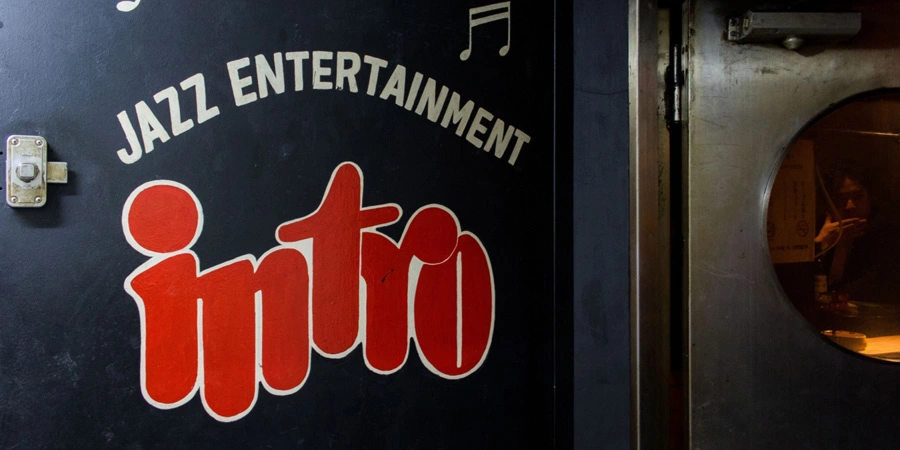
Image credit Tokyo Jazz Joints
Small, cozy, and undeniably cool, Jazz Spot Intro in Takadanobaba is a haven for true jazz enthusiasts. This intimate venue is the perfect spot to immerse yourself in the rich world of jazz, offering a mix of live performances and curated records that create a laid-back yet vibrant atmosphere. With its dim lighting and warm decor, Intro feels like a well-kept neighbourhood secret, a place where the love for music brings people together.
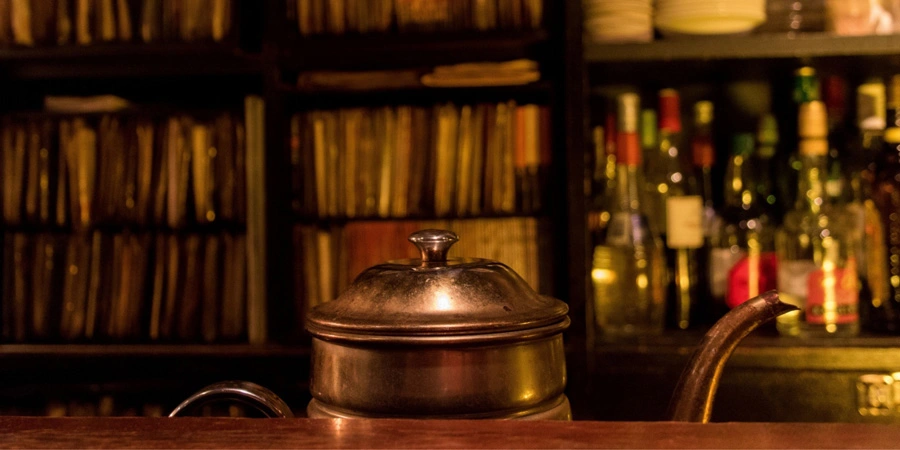
Image credit Tokyo Jazz Joints
What sets Jazz Spot Intro apart is its dedication to showcasing diverse talent. The venue regularly hosts live gigs featuring a mix of local and international musicians, ensuring that every visit offers a fresh experience. From solo performances to dynamic ensembles, the music lineup is as varied as it is captivating, drawing in a loyal community of jazz lovers.
On top of the stellar music, Jazz Spot Intro also offers an excellent menu of drinks and snacks to enjoy while you soak in the tunes.
Address: 2-14-8 Takadanobaba, Shinjuku-ku, Tokyo
Website: Jazz Spot Intro
2. Old Blind Cat
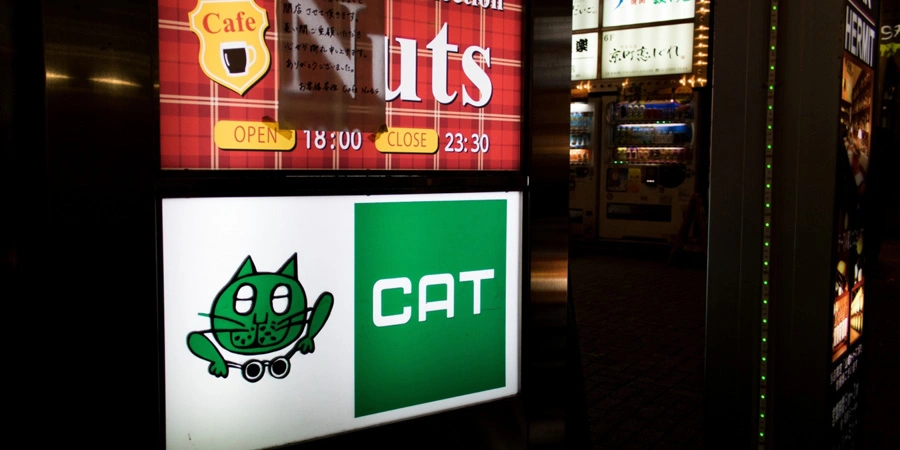
Image credit Tokyo Jazz Joints
With a name as enigmatic as its atmosphere, Old Blind Cat invites visitors to experience jazz in its most intimate form. Tucked away in the heart of Tokyo, this storied bar holds a special place in literary and musical history. Tokyo Jazz Site records that Haruki Murakami worked here briefly during his student days, soaking in the rich jazz culture that would later influence his writing.

Image credit Tokyo Jazz Joints
Step inside, and you’re greeted by an environment where time seems to stand still. The cozy seating, warm lighting, and softly playing jazz create an ideal setting to savour a perfectly poured glass of whiskey or your drink of choice. The selection of music is carefully curated, with the bar’s extensive collection of vinyl records offering an auditory journey through jazz’s rich heritage. Old Blind Cat’s unpretentious charm, combined with its literary and musical connections, makes it a must-visit for both locals and travellers.
Address: 3-26-3 Shinjuku, Shinjuku-ku, Tokyo (Konwa Center Building, B2)
Website: Tokyo Jazz Site
3. Black Sun

Image credit Tokyo Jazz Joints
Nestled in the heart of Kabukicho, Black Sun offers a serene escape from Shinjuku’s bustling energy. Located on the 4th floor of an unassuming building, this jazz club creates a mood as timeless as the music it celebrates. Its dim lighting and carefully curated soundscape make it a haven for true jazz connoisseurs.

Image credit Tokyo Jazz Joints
Visitors rave about the impeccable acoustics, where every note resonates with clarity and warmth. The playlist features everything from jazz classics to avant-garde tracks, creating an immersive musical journey. The attentive staff and perfectly mixed cocktails enhance the experience, adding a layer of hospitality to the relaxed atmosphere. Described as a “hidden gem” and “an oasis in Shinjuku,” Black Sun is a place where time slows down. Whether you’re a seasoned jazz enthusiast or simply looking for a unique spot to unwind, this hidden haven promises an unforgettable evening in Tokyo.
Address: Ebisu Kaikan Bldg, 4F, Kabukicho 1-10-5, Shinjuku, Tokyo
Website: Black Sun
4. Samurai Jazz Bar

Samurai began life as the Shinjuku Pit Inn tea room in 1968 and reopened at this address under its own name in May 1979, so it carries a real piece of the Pit Inn lineage. The Pit Inn itself is still going, a few streets away in Shinjuku 2-chome. Stepping inside, you’re immediately immersed in a harmonious blend of history and modernity. The walls are adorned with jazz relics and memorabilia, paying tribute to the genre’s storied past, while live performances infuse the space with vibrant, contemporary energy.

Samurai boasts an exceptional sound system that brings every note to life, making it feel as though the music is being performed just for you. The venue regularly hosts an eclectic mix of talented musicians, spanning a wide range of jazz styles from traditional to avant-garde. The intimate setting ensures a close connection between the audience and performers, fostering a shared appreciation for the artistry of live jazz.
With its warm, welcoming atmosphere, Samurai is the perfect place for both newcomers and seasoned jazz aficionados to experience the magic of live music.
Address: 5F, 3-35-5 Shinjuku, Shinjuku-ku, Tokyo
5. Gate One
Gate One is a cozy and intimate jazz bar once run by the talented husband-and-wife duo, Hashimoto-san and Kajiwara-san. Known for their guitar and vocal performances, the bar remains a cherished spot for live jazz, hosting performances at least three nights a week. The music charge starts at ¥3,000 with a two-order minimum, and live nights need to be booked in advance.
Although Hashimoto-san sadly passed away in July 2020, Gate One continues to thrive under Kajiwara-san’s care, maintaining a regular schedule of live shows. The vocal and instrument duet performances often reflect the space limitations of Japanese bars, offering a unique, pared-down jazz experience that highlights the soulful essence of the genre.
For those seeking a truly local vibe, Gate One delivers a warm and inviting atmosphere. It captures the feeling of stepping into a neighbourhood treasure where music and camaraderie blend seamlessly. If you’re visiting Takadanobaba, make time to explore Gate One and perhaps enjoy a drink at Bar Stereo upstairs before heading out.
Address: Sasaki Bldg, B1, 2-8-3 Takadanobaba, Shinjuku-Ku
Website: Jazz Gate One
6. Nutty

Image credit Tokyo Jazz Joints
If you love vinyl, Nutty is where you need to be. The extensive collection of records offers a peek into Tokyo’s jazz obsession. Sit back, order a drink, and enjoy the crackle of records playing classic jazz tracks. It’s a laid-back atmosphere, perfect for solo visitors or groups looking for a slow-paced night of nostalgic sounds. This is the kind of kissaten where you lose track of time as jazz classics play on repeat.
Address: 1-17-4 Nishi-Waseda, Shinjuku-Ku
Website: Tokyo Jazz Site
7. Eagle

Image credit Tokyo Jazz Joints
A curated selection of jazz records and a cozy ambiance await you at Eagle, a jazz café founded in 1967. While the address is a bit elusive, tucked away in the heart of Yotsuya, its reputation as a timeless gem precedes it. Eagle is where you go to feel like part of a secret club.

Image credit Tokyo Jazz Joints
Regulars and newcomers are welcomed with equal warmth, as the café’s intimate atmosphere fosters connections between jazz enthusiasts. The music selection, drawn from a vast library of records, often reflects the mood of the moment, creating an experience that feels deeply personal. With its dim lighting, wood-paneled interior, and an emphasis on pure listening, Eagle offers a tranquil escape for those seeking to immerse themselves in the soulful world of jazz.
Address: 1-8 Yotsuya, Shinjuku-Ku
Website: Eagle
8. Narcissus

Image credit Tokyo Jazz Joints
This jazz bar is an ode to pure listening pleasure, offering an intimate and introspective retreat in the heart of Tokyo’s bustling Kabukicho district. Located on the second floor of a multi-tenant building, Narcissus has been a Kabukicho fixture for decades, though accounts of exactly how long vary. Japanese listings date it to 1978, some regulars put it earlier, and it has been a haven for avant-garde jazz lovers throughout.

Image credit Tokyo Jazz Joints
The atmosphere at Narcissus is calm and reflective, with conversations kept to a quiet murmur, allowing the music to remain the focus. The sound system features British-built Goodmans speakers, delivering an unparalleled listening experience. The bar boasts an extensive vinyl collection, and the owner curates fascinating records one after another, often engaging in thoughtful conversations with patrons about jazz and its nuances. Whether you’re a seasoned jazz aficionado or a curious newcomer, Narcissus is a space where the music invites you to pause, listen, and reflect.
Address: 2F, 1 Chome−13−6, Kabukicho, Shinjuku
Website: Tokyo Jazz Site
9. Shiramuren

Image credit Tokyo Jazz Joints
For those craving the ultimate nostalgic experience, Shiramuren is a trip back in time. This traditional jazz café is known for its extensive vinyl collection. As you flip through the records, you’re likely to spot rare gems and classic albums that have shaped the world of jazz. If you’re a jazz vinyl purist, this is your home away from home.
Nestled in the heart of Shinjuku’s vibrant Kabukicho district, Shiramuren exudes a unique charm with its warm, wood-paneled interior and dim, moody lighting that sets the perfect ambiance for jazz enthusiasts. The café features a high-fidelity sound system that brings the vinyl collection to life, making every note crisp and immersive. Patrons can enjoy their music alongside a carefully curated menu of coffee, tea, and light snacks, enhancing the serene yet invigorating atmosphere. It’s not just a place to listen to jazz; it’s a haven for those who want to feel its soul.
Address: 1 Chome−1−10, Kabukicho, Shinjuku
Website: Tokyo Jazz Site
Dug, and What Shinjuku Lost in 2026
DUG closed for good on 27 June 2026, and the building that held it came down on 1 July. It had been part of Shinjuku since 1967. The bar traced its name to DIG, opened in 1961 by Hozumi Nakadaira, and passed to his son Rui Nakadaira in 2007. The closing announcement gave the reason plainly: the building was being demolished, and there was no choice in the matter.
DUG is also the bar Haruki Murakami wrote into Norwegian Wood. In chapter seven, Watanabe and Midori catch a bus to Shinjuku and go down into an underground bar behind the Kinokuniya bookshop. That was DUG at the address it held from 1967, and for years afterwards readers made the trip on the strength of those few lines. The room Murakami described had already gone well before 2026, though. DUG moved several times across sixty years, and the premises demolished this summer were the ones it had occupied since 1977.
Closed: 27 June 2026. The address was 3-15-12 Shinjuku, Tokyo.
Final Thoughts
Shinjuku’s jazz kissaten are more than cafés; they’re cultural landmarks that transport you to a bygone era. They offer a sensory experience where sound, space, and spirit collide. Whether you want to sip coffee while flipping through jazz vinyl at Shiramuren or catch a live set at Gate One in Takadanobaba, Shinjuku’s kissaten are a must-visit for jazz lovers.
Each of these spots, immortalized in the Tokyo Jazz Joints photobook, carries a story. They’ve stood the test of time, offering jazz lovers a retreat from the fast pace of modern life. If you find yourself in Shinjuku, step inside one of these iconic venues, order a coffee (or whiskey), and let the music take you back to the golden age of jazz. Which one will you visit first?