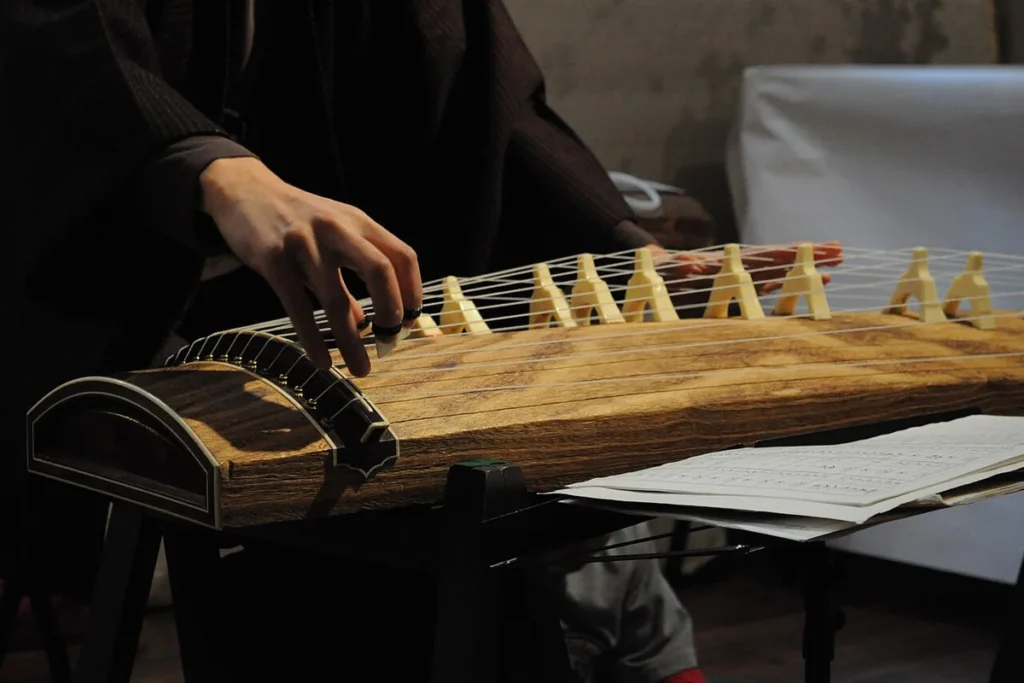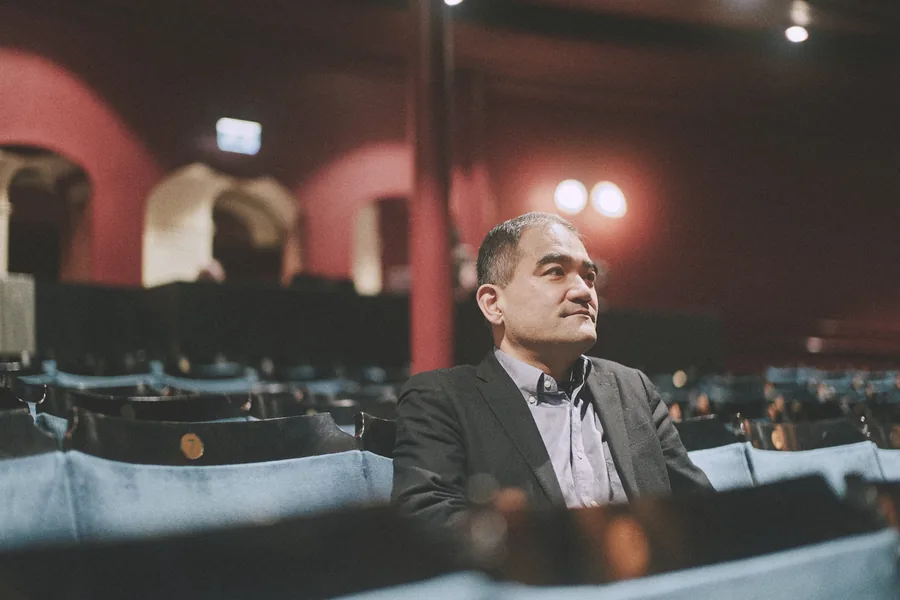
A jazz kissa (ジャズ喫茶, jazu kissa) is a Japanese café built for listening to recorded jazz. The owner plays records from the house collection through a serious sound system, and customers come to listen, usually alone or in pairs, over a coffee or a drink. The first opened in Tokyo in 1929, and the style spread across Japan in the modern jazz boom of the 1960s.
Kissa is short for kissaten, the Japanese word for a café, so the name simply means “jazz café”. What sets one apart is the listening. This guide covers where the idea came from, which famous kissa you can still visit in 2026, the house rules, the best books and films, and the places in Britain that borrow the format.
| Japanese name | ジャズ喫茶 (jazu kissa), from kissaten, café |
| First jazz kissa | Black Bird, opposite the Akamon gate in Hongo, Tokyo, 1929 |
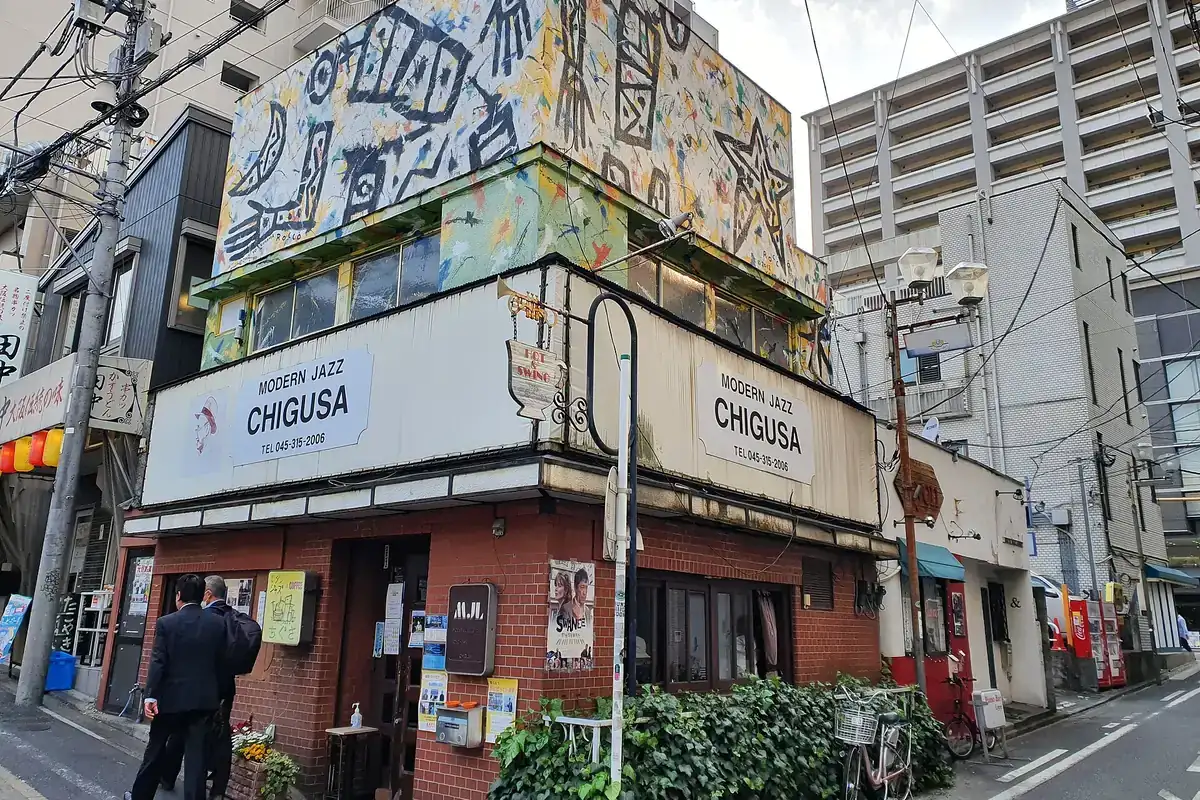
| Oldest surviving name | Chigusa, Yokohama, founded 1933, closed since April 2022 |
| The usual rules | Come alone or in pairs, order a drink, keep conversation low, leave the music to the owner |
| Where to start in Tokyo | Eagle in Yotsuya and Eigakan in Hakusan, both still open |
| Where to start in Britain | Lazy Bird in Brighton, a café that calls itself a jazz kissa |
Jazz Kissa History, House Rules and Where to Listen
What a Jazz Kissa Is: A Café Built Around the Record Collection
The Japanese directory Jazz Kissa Annai, which maps jazz kissa across the country, puts it plainly: a jazz kissa is a place where you drink coffee while listening to jazz. You come in, sit down, give your order, finish your coffee and pay at the till on the way out, and the only rule is not to disturb anyone else.
Three things make the room. The owner, often called the master, chooses every record. The sound system is the centrepiece, often built around large JBL or Altec speakers. And the regulars treat the music the way a concert audience would, so conversation stays low or stops altogether. Drinks often cost more than at an ordinary café, and you can stay as long as you like.
Jazz Kissa Annai counts around 600 jazz kissa and jazz bars still trading across Japan, and says more than nine in ten still play vinyl. By its own reckoning, fewer than 20 keep the strict old style. To see what these rooms look like inside, the photographer Philip Arneill has spent a decade on the Tokyo Jazz Joints project, documenting more than 160 of them.


Black Bird, 1929: Japan’s First Jazz Kissa in Hongo, Tokyo
The accepted first jazz kissa is Black Bird, opened in 1929 opposite the Akamon, the red gate of what is now the University of Tokyo, in the Hongo district. Its owner, Seiichi Noguchi (野口清一), had wanted to be a dancer until a leg injury ended that plan. He opened the shop with ¥2,750, half of it borrowed from his father, and paid the loan back in about three months.
Black Bird played 10-inch 78s by Ethel Waters, Duke Ellington, Jimmie Lunceford and Louis Armstrong. Most cafés of the time wound up a gramophone by hand between records, but Noguchi’s uncle in Seattle sent him an RCA Victor Electrola, a large electric player in a mahogany cabinet, and customers came to hear it. Musicologist Shuhei Hosokawa counts about 80 jazz kissa in Japan before the war, most of them in Tokyo.
The war ended that first wave. Jazz was classed as enemy music, English names were banned and Black Bird became Beniya. Noguchi kept the curtains shut and played records in the dark for close friends, hid his collection in the ceiling, and finally had to hand it over to the authorities. Our history of how jazz took hold in Japan follows the musicians through the same years.
Chigusa in Yokohama, From 1933 to Its Closure in 2022
Mamoru Yoshida was 20 when he opened Chigusa in Yokohama’s Noge district in 1933. A coffee cost 20 sen, more than the 10 to 15 sen of an ordinary café, but it was far cheaper than hearing a band at a dance hall. Yoshida later said it was the jazz kissa that took jazz from the upper classes to ordinary Japanese listeners.
Chigusa has closed and come back more than once. An air raid in 1945 burned the café and the 6,000 records Yoshida had hidden in his attic. He reopened near the American base in 1948 and rebuilt the collection from regulars’ donations and V-Discs, the records issued to American troops. After Yoshida died in 1994 his sister Takako ran it until it was sold to developers in 2007. Regulars and the Yokohama Jazz Association reopened it in 2012.
Chigusa closed again on 10 April 2022, with a plan to return in 2023 as a museum and live venue (Time Out Tokyo). That rebuild has stalled. The Chigusa Preservation Society now looks after the records and equipment, and runs a listening room called Music Chronicle Yokohama in Tokiwacho, with 3,500 records and requests welcome, on the days shown on its calendar. A plaque marks the first Chigusa site in Noge.
The 1960s Boom: Why Students Paid for Coffee to Hear Imported LPs
The name jazz kissa became widely known in the 1960s, when modern jazz was the most fashionable music in Japan. Art Blakey and the Jazz Messengers made their first Japanese tour in 1961, and Miles Davis, Horace Silver and Thelonious Monk followed. Only people in the big cities could see them live.
Records were the other problem. Jazz Kissa Annai notes that a new graduate’s starting salary was around ¥15,000 a month, while an imported LP cost ¥3,000 to ¥3,500 and a Japanese pressing about ¥2,000. A coffee at a jazz kissa was around ¥100, and it bought an afternoon with the latest releases on a sound system no student could own. Listening in silence became the norm because customers came to study the music, the way an audience treats a concert hall.








DIG, DUG and the No-Talking Rule in Shinjuku
Shinjuku’s DIG, opened in 1961 by Hozumi Nakadaira, made the no-talking rule famous across Japan. Nakadaira later explained that conversation had been allowed at first, but arguments kept breaking out between customers who wanted quiet and those who did not, so he banned talking to keep the peace. In 1967 he opened DUG nearby as a place where conversation was welcome, and it became a meeting room for Shinjuku’s writers and artists.
DUG is the bar Haruki Murakami wrote into Norwegian Wood. It closed for good on 27 June 2026, when its building was demolished, and Google now lists it as permanently closed. Our guide to Shinjuku’s jazz kissa that are still open covers its history and nine bars you can still visit nearby.
Kichijoji: Funky, Meg and a Neighbourhood Built on Jazz
After the war, Black Bird’s founder Seiichi Noguchi started again in Kichijoji with a café called Funky. His son Iori Noguchi took it over and opened more jazz bars in the neighbourhood, including Outback and Sometime, while Yasukuni Terashima (寺島靖國) opened Meg and its sister shops. Between them they gave Kichijoji its name as Tokyo’s jazz town.
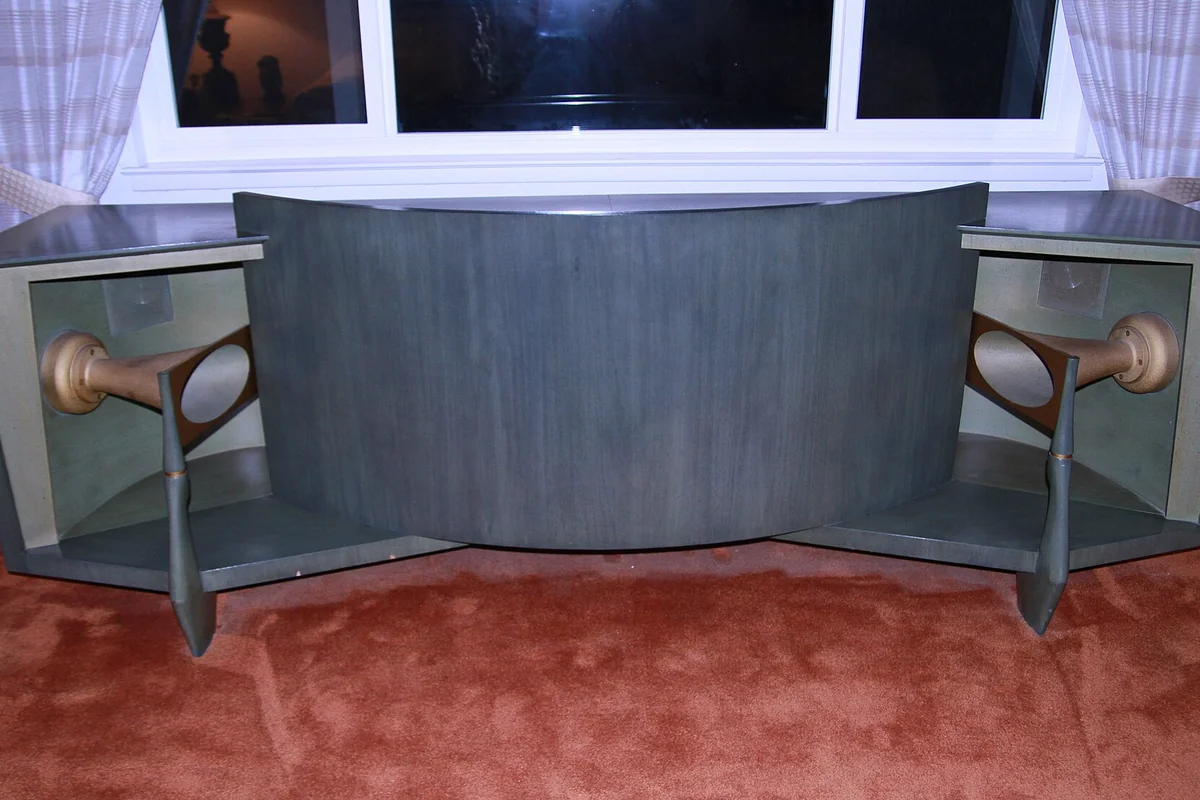
Funky made its name with a JBL Paragon, a curved one-piece stereo speaker that few jazz kissa anywhere could afford. Today it trades as Bar and Brasserie Funky, on the second floor of 1-7-3 Kichijoji Honcho, four minutes from Kichijoji station’s north exit. Its listing dates it to 1960, it opens daily from 3pm to midnight, and there is no table charge if you arrive before 6pm.
Meg changed hands in 2018 and is now Otokichi! MEG, at 1-31-3 Kichijoji Honcho. It runs as a jazz café from 1pm to 4pm on Wednesday to Friday, when you can bring your own CDs for the owner to play on the high-end system, and as a live music venue in the evenings. It is completely non-smoking.
Eagle, Eigakan and Basie: Jazz Kissa You Can Still Visit in 2026
These are the best-known names still open, with their status checked in October 2026.
| Jazz kissa | Where | Opening hours | Worth knowing |
|---|---|---|---|
| Eagle (いーぐる) | Basement, 1-8 Yotsuya, Shinjuku-ku, Tokyo | Monday to Friday 11.30am to 11.20pm, Saturday 12pm to 11.20pm, closed Sunday and holidays | Quiet listening until 6pm, then a jazz bar where talking is fine. No earphones |
| Eigakan (映画館) | 5-33-19 Hakusan, Bunkyo-ku, Tokyo | Tuesday to Saturday 4pm to 10pm, closed public holidays | Cash only. Saved by a 2024 Kickstarter |
| Basie (ベイシー) | 7-17 Jishumachi, Ichinoseki, Iwate | Google’s listing shows weekend afternoons only; check before travelling | Opened in 1970; famous for its JBL sound |
| Otokichi! MEG | 1-31-3 Kichijoji Honcho, Musashino, Tokyo | Café Wednesday to Friday 1pm to 4pm; live music most evenings | Non-smoking; bring your own CDs |
| Funky | 2F, 1-7-3 Kichijoji Honcho, Musashino, Tokyo | Daily 3pm to midnight | No table charge before 6pm |
| Chigusa | Noge, Yokohama | Closed since 10 April 2022 | Records kept by the Chigusa Preservation Society |
| DUG | 3-15-12 Shinjuku, Tokyo | Closed 27 June 2026 | Building demolished |
Eagle is the best first visit. Its owner, Masahiro Goto, has written widely on jazz, and the shop keeps a library of jazz books and magazines for customers. From opening until 6pm it asks for quiet listening, and from 6pm it turns into a bar with beer, whisky and wine where talking is welcome, so you can choose the experience by the time you arrive.
Eigakan, whose name means “cinema”, was opened by a former film director and holds more than 2,500 jazz albums. When its future was in doubt, the broadcaster James Catchpole and DJ Hiroko Otsuka ran the Eigakan Jazz Kissa Project on Kickstarter, and 211 backers pledged ¥5,624,817 by April 2024, past the ¥5 million goal.
Map of Jazz Kissa Eigakan
Basie, in Ichinoseki in Iwate Prefecture, is the kissa audio fans travel furthest for. Shoji Sugawara, born in Iwate in 1942, led and drummed for Waseda University’s big band before opening Basie in his home town in 1970, and he has tuned the same JBL system ever since. Count Basie himself gave him the nickname “Swifty”. The 2020 documentary Jazz Kissa Basie: Swifty’s Ballad, directed by Tetsuya Hoshino and filmed over five years, records the room’s sound on a Nagra tape recorder. This is its trailer, from its distributor Uplink:
How to Visit a Jazz Kissa: Etiquette, Ordering and Requests
Most first-timers worry more than they need to. Jazz Kissa Annai’s advice is that the only real rule is not to disturb other people. These habits will see you through almost anywhere:
- Go alone or with one friend. Jazz kissa are built for solo listeners and pairs. A group of four will struggle for seats and for quiet.
- Order when you sit down. A coffee or a drink is your ticket. Pay at the till as you leave, and bring cash, since Eigakan and many older rooms do not take cards.
- Check for quiet hours. Eagle asks for silence until 6pm. Chigusa used to keep talking off limits from noon to 6pm. Most rooms today allow low conversation, but keep your voice under the music.
- Leave the records to the owner. Requests are usually for regulars. Some places invite them: Otokichi! MEG will play a CD you bring, and the Chigusa listening room takes requests.
- Keep your earphones away. Eagle asks customers not to use them, because the room exists to be listened to.
Some rooms still allow smoking, while others such as Otokichi! MEG are completely non-smoking, so check before you go if smoke bothers you.
Haruki Murakami’s Peter Cat, 1974 to 1981
The most famous jazz kissa owner is a novelist. Haruki Murakami opened Peter Cat with his wife Yoko in 1974, in a basement near Kokubunji station, serving coffee by day and drinks at night, and moved it to Sendagaya in 1977. He wrote his first novel at the kitchen table after closing time and shut the bar in 1981 to write full time. Our guide to Haruki Murakami’s jazz life covers the bar, the records and the novels.
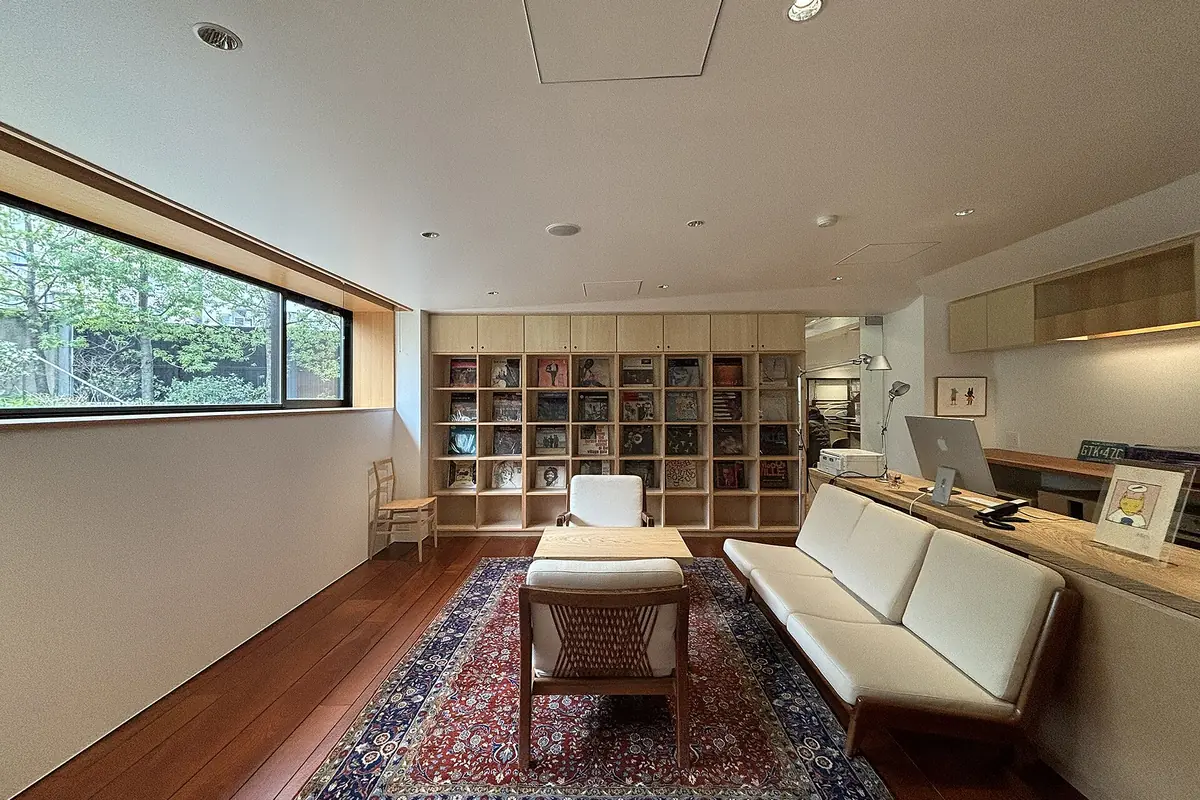
London gets its own version this November. Haruki Murakami’s Jazz at Peter Cat at the Barbican recreates the bar on stage at Barbican Hall as part of the EFG London Jazz Festival, on Saturday 21 November 2026 at 5pm and 8.30pm and on Sunday 22 November at 2pm, with tickets from £34 on the Barbican’s event page.
Books and Films About Jazz Kissa
Tokyo Jazz Joints by Philip Arneill, with texts by James Catchpole, is the English-language book to start with. Kehrer Verlag published it in 2023 as a 168-page hardback with 129 colour photographs in a slipcase, now in its fourth edition at €45. A Japanese edition from Seigensha followed, 176 pages for ¥4,180. Arneill talks through the project with Tony Higgins on BBE Music’s channel:
Jazz Kissa by the photographer Katsumasa Kusunose, published by ERG Media with a foreword by the sound designer Devon Turnbull, collects more than fifteen years of his photographs of Japan’s jazz cafés. It is the large-format option, at €120.
Readers of Japanese have two histories to choose from: Masahiro Goto’s Jazz Kissa Real History (Kawade Shobo), by the owner of Eagle, and Mike Molasky’s Jazz Kissa Ron (Chikuma Shobo). On screen, the Basie documentary above is the closest you can get to sitting in one of these rooms without a flight.
Listening Bars in London and a Jazz Kissa in Brighton
Britain’s listening bars borrow the jazz kissa’s big speakers and careful record choice, but most run as bars, with DJs, cocktails and conversation. Spiritland’s artistic director, Paul Noble, told Time Out that its founders were inspired by Japan’s listening bars, where people hear an album from start to finish, and that the London version is “very much a bar” where nobody is expected to sit in silence.
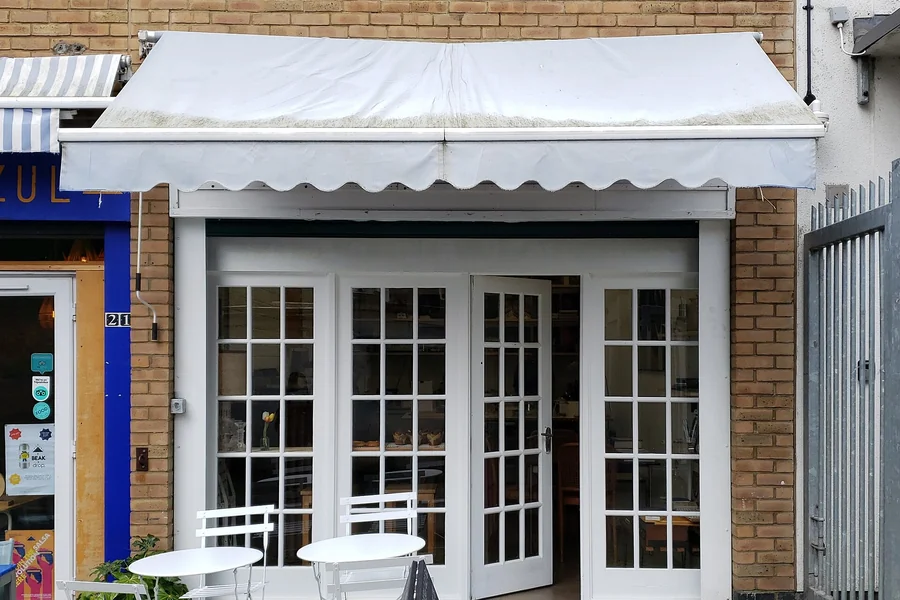
- Lazy Bird, Brighton. The closest thing in Britain to the original. It describes itself as a Japanese-style café and analogue audio listening space, opened in October 2023 at Unit 22, Marshalls Row, in Brighton Open Market, BN1 4JU, and serves hojicha lattes and Japanese bakes. Open Tuesday to Friday 11am to 4pm and Saturday 10am to 4pm.
- Spiritland, King’s Cross. One of London’s longest-running audio bars, on Stable Street since September 2016, open from breakfast until late with a sound system that bands have booked for album playbacks. At 9 to 10 Stable Street, N1C 4AB, beside Coal Drops Yard.
- Brilliant Corners, Dalston. Japanese small plates, cocktails and DJ sessions on an audiophile system at 470 to 472 Kingsland Road, E8 4AE. Open Monday to Thursday 5pm to midnight, Friday and Saturday 5pm to 1.30am and Sunday 4pm to midnight. Drinkers without a booking are seated as space allows.
- Jazu, Deptford. A neighbourhood cocktail bar with a custom-built sound system at 2 Deptford High Street, SE8 4AF, which opened in 2024. It plays whole albums during the week and invites vinyl-only DJs on Thursday, Friday and Saturday nights.
The Vinyl Factory filmed the opening of Spiritland’s sound system:
Map of Spiritland
Questions About Jazz Kissa
What is a jazz kissa?
A jazz kissa (ジャズ喫茶) is a Japanese café dedicated to listening to recorded jazz. The owner plays records from the house collection on a high-quality sound system, and customers listen over coffee or a drink, usually alone or in pairs. The first, Black Bird, opened in Tokyo in 1929, and the directory Jazz Kissa Annai counts around 600 jazz kissa and jazz bars still trading in Japan.
Can you talk in a jazz kissa?
In most, yes, quietly. The strict no-talking rule became famous at Shinjuku’s DIG in the 1960s, and only a few rooms still keep it. Eagle in Yotsuya asks for silence until 6pm and allows conversation afterwards. Keep your voice below the music.
What is the difference between a jazz kissa and a listening bar?
A jazz kissa is the Japanese original: a café where the owner plays jazz records and customers come mainly to listen, often in near silence. A listening bar, the name used in London and New York, borrows the sound system and record choice but usually runs as a bar, with DJs, cocktails and conversation, and plays more than jazz.
What was the first jazz kissa in Japan?
Black Bird, opened in 1929 by Seiichi Noguchi opposite the Akamon gate in Hongo, Tokyo, is generally accepted as the first. The oldest surviving name is Chigusa in Yokohama, opened by Mamoru Yoshida in 1933. Chigusa has been closed since April 2022, and its records are kept by a preservation society.
Are there jazz kissa in London?
No London venue currently calls itself a jazz kissa. The nearest is Lazy Bird in Brighton Open Market, a Japanese-style café and analogue listening space. In London, listening bars such as Spiritland in King’s Cross, Brilliant Corners in Dalston and Jazu in Deptford take their inspiration from Japan’s listening culture.
Is DUG in Shinjuku still open?
No. DUG, the Shinjuku jazz bar Haruki Murakami wrote into Norwegian Wood, closed for good on 27 June 2026 when its building was demolished. Hozumi Nakadaira opened it in 1967 as a sister to his first café, DIG. Eagle in Yotsuya is the nearest classic jazz kissa still open, and our Shinjuku guide lists nine more bars in the area.