

For many people, Japan is the dream holiday destination, from the bustling, futuristic Tokyo metropolis to the sacred, ancient shrines hidden in the mountain forests. It’s a nation of contrasts, rich in cultural heritage and long-established tradition.
Japan’s idyllic countryside often takes a back seat to the fame and grandeur of its sprawling cities. Yet its hiking and backpacking opportunities are second to none, which makes Japan a perfect destination for an adventure-packed holiday with stunning scenery. If you’re thinking of booking a backpacking trip to Japan, this guide covers the tips and tricks you need to know before you go.
Your Backpacking Journey Looks Like This
Travel Insurance for Hiking and Trekking in Japan

Accidents can happen anywhere. However, when you’re taking long, often arduous treks through unfamiliar terrain in a foreign country, exposed to the elements and at the mercy of nature, the risks increase significantly.
Make sure you’re covered for unforeseen accidents and emergencies. Travel insurance from Staysure can cover more than 1,300 pre-existing medical conditions as well as medical expenses, so you can enjoy the Japanese mountains without having to worry.


Setting a Daily Budget for Backpacking in Japan

Backpacking might seem like a cost-effective way to take a holiday, and it certainly can be. However, costs tend to mount up, and what looks like the cheaper option can end up costing more than you think.
Some goods and services in Japan are expensive, so factor this into your budget and be prepared to pay over the odds for some products. List the essentials you’ll need and break them down into daily costs to get an idea of what you need. Remember, you’re on holiday, so budget for more than the bare minimum and keep spare cash to enjoy yourself too.
Spring and Autumn: The Best Seasons to Backpack Japan
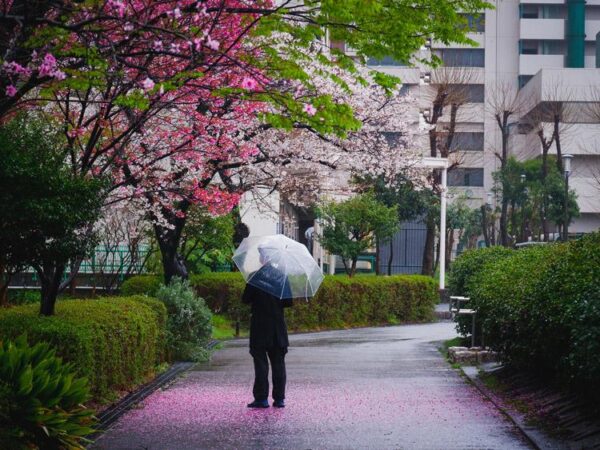
The weather in Japan changes a lot through the year. That matters for any trip, and especially if you’ll spend a lot of time out in the countryside. Avoid the winter months if you plan to hike, as much of Japan gets very cold and the mountains see heavy snowfall. Summers are hot and humid, which is hard going when you’re walking long distances every day.
The best time for a backpacking trip is autumn or spring, when temperatures are cool enough to walk without overheating but warm enough to spend most of your time outside. Visiting in spring has the added bonus of the cherry blossom season. Beware though, this time of year gets busy with tourists.
Planning Your Route and Getting Around by Rail
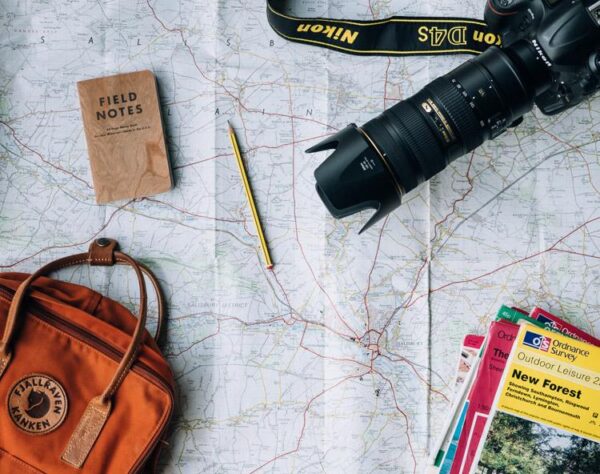
Japan is a big country with plenty to see and lots to do, so it would be impossible to cover it all in one trip. The best approach is to focus on one or two regions, draw up an itinerary and plan it carefully. That way you’ll make the most of your time there and avoid delays or getting lost.
Consider your travel options too. Japan’s public transport is among the best in the world, and the rail network is extensive and consistently reliable. Long-distance trains are not cheap, though. If you plan to cover a lot of ground by train, look at the Japan Rail Pass. A 7 day ordinary pass costs from 50,000 yen and gives unlimited travel on JR trains, including most shinkansen, plus most local JR Bus routes and the JR ferry to Miyajima. The fastest Nozomi and Mizuho shinkansen need an extra special ticket, and JR highway buses are not covered. Add up the fares for your planned journeys first to check the pass will save you money.
With more time than money, the Seishun 18 Kippu gives unlimited rides on JR local and rapid trains for 3 consecutive days (10,000 yen) or 5 consecutive days (12,050 yen). It is sold only for set spring, summer and winter travel periods, and each ticket covers one person.
A 12 Day Backpacking Itinerary Through Kanto and Kansai
A backpacking trip to Japan is like stepping into a world where tradition dances with modernity. Imagine wandering through serene temples by day and neon-lit streets by night. It’s a place where every turn is a new discovery, and every meal is a culinary delight. Here’s your ultimate backpacker’s guide to Japan, crafted to inspire your wanderlust and help you navigate this enchanting land.
Kanto Region Itinerary (7 Days): Your Japan backpacking itinerary kicks off in the electric city of Tokyo. Dive into the colourful chaos of Shibuya, unwind in the serene Ueno Park, and marvel at the cityscape from atop the Tokyo Skytree. Venture out to Nikko, whose shrines and temples sit inside Nikko National Park. Wrap up your Kanto escapade in Kamakura, where the iconic Great Buddha awaits.
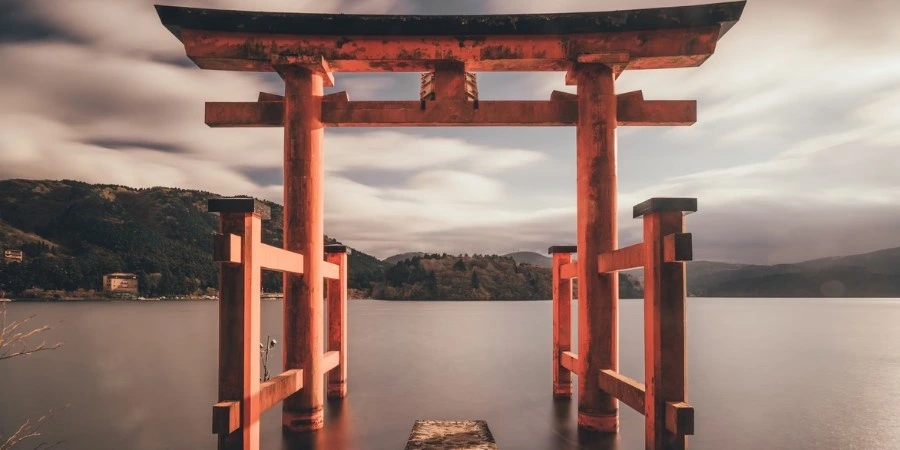
Kansai Region Itinerary (5 Days): Next, the Kansai region beckons. In Kyoto, the heart of Japan’s heritage, you’ll find yourself lost in a sea of vermilion torii gates at Fushimi Inari Shrine and reflecting on the shimmering surface of the Golden Pavilion. A hop to Nara lets you mingle with sacred deer before standing in awe of the colossal Todai-ji Temple. Conclude in Osaka, the kitchen of Japan, where the sizzle of takoyaki balls and the buzz of Dotonbori await.
Eating on a Budget: Sushi, Hakata Ramen and Okonomiyaki
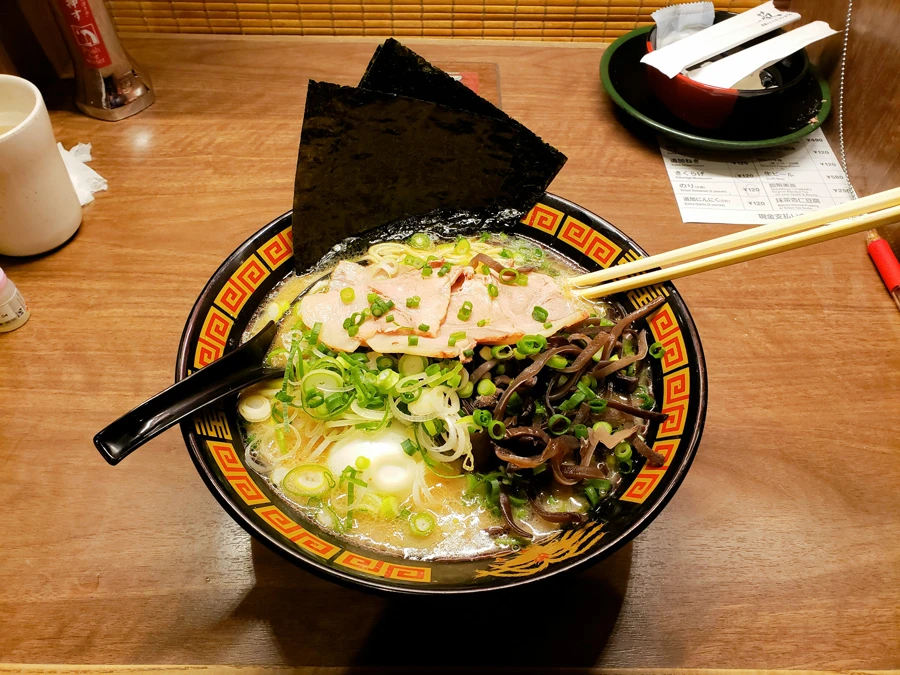
No backpacking trip to Japan is complete without its world-famous food. Sushi, the jewel of Japanese gastronomy, is a must-try, especially around Tokyo’s Tsukiji Outer Market, where the food shops and sushi counters stayed on after the wholesale fish market moved to Toyosu in 2018. Each bowl of ramen you slurp is a taste of the region it hails from, with Fukuoka’s Hakata ramen a standout. And in Osaka, let the flavours of okonomiyaki tantalise your taste buds.
Budget-Friendly Accommodation: No Japan travel guide would be complete without a nod to budget stays. From the communal vibes of backpacker hostels like K’s House, which runs hostels from Tokyo and Kyoto to Hiroshima, Takayama and Hokkaido, to the homely charm of minshuku guesthouses, there’s a cosy corner for every traveller. For a dash of the futuristic, capsule hotels offer a snug, space-age slumber, while temple stays provide a serene retreat into Japan’s spiritual side.
Best Time to Travel to Japan: Timing is everything. The cherry blossoms of spring and the fiery leaves of autumn paint the country in vibrant hues, making these seasons a visual feast. Yet, they’re also peak times for travel to Japan. So, plan your trip to Japan with care, balancing the allure of the seasons with the charm of quieter moments.
Hostels, Capsule Hotels and Temple Stays
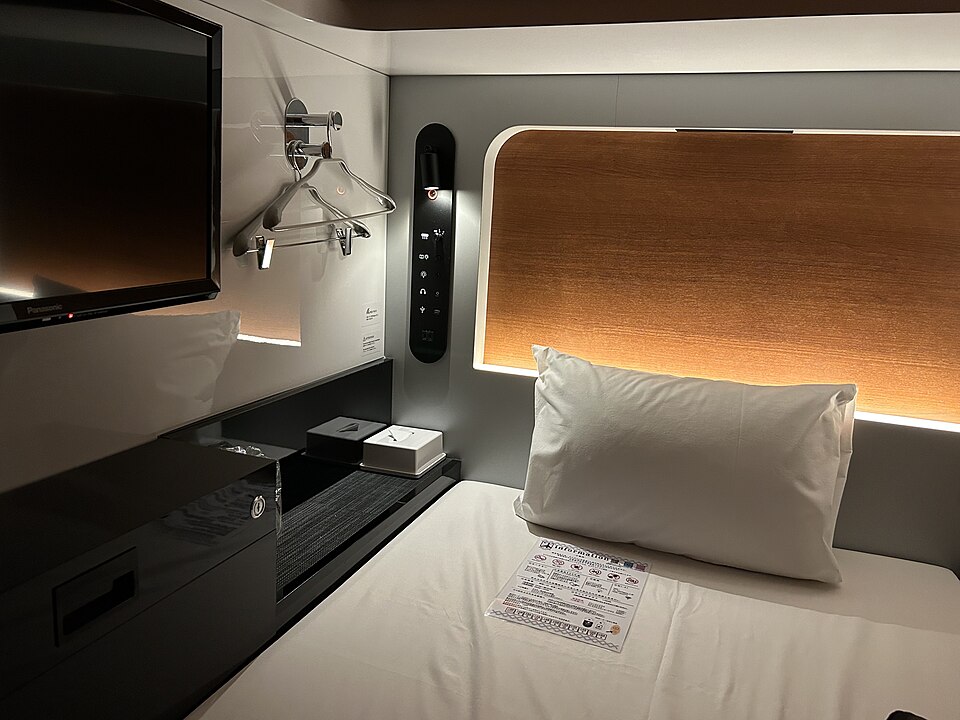
When it comes to budget travel in Japan, hostels and guesthouses are your go-to havens. Many double as social hubs where you can swap tips with fellow travellers, and some guesthouses put you on a futon in a traditional tatami room. It’s the perfect start to your Japan backpacking itinerary.
For those seeking a dash of the future, capsule hotels are your ticket. Nestled in these snug pods, you’ll find a unique blend of privacy and affordability, not to mention some seriously cool photo ops for your feed. And for a truly tranquil retreat, consider a temple stay (shukubo) or a ryokan, where the gentle chime of temple bells and the warmth of onsen baths await.








Japanese Etiquette: Bowing, Shoes Off and Queuing
As you travel around Japan, remember that a bow and a smile go a long way. A bow is how people greet, thank and apologise to each other. A quick nod is fine for everyday encounters, and a deeper bow shows greater respect, especially in sacred spaces or with older people.
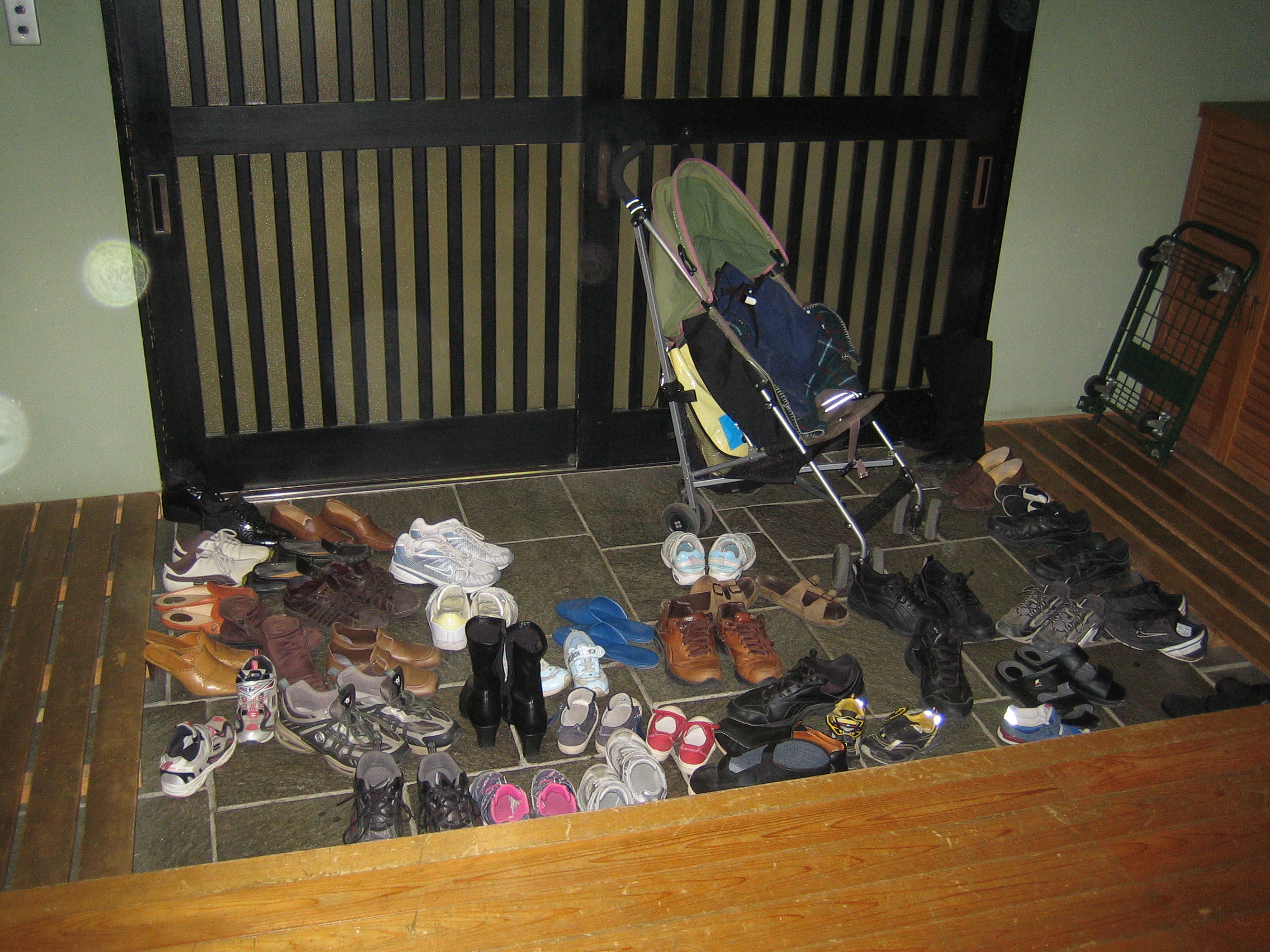
Stepping into a home, temple, or certain eateries? Shoes off at the door: it’s the epitome of respect and hygiene. Fear not for your footwear; a tidy shoe rack stands guard. And when it comes to queues, patience is a virtue. Join the line and wait your turn, because skipping ahead is a definite faux pas.
With these tips and your Japan travel guide in hand, you’re all set for an unforgettable backpacking trip. From Japanese cuisine to navigating public transport and finding the best backpacker hostels in Japan, every moment is an adventure. So pack your bags and get ready for a journey filled with cultural insights, the natural wonders of Japan’s national parks and the freedom of backpacking. And as you head out each morning, say what people in Japan say when they leave home: “Ittekimasu!” (I’ll go and come back).
Quieter Places to Add: Naoshima, Kurashiki and the Kumano Kodo
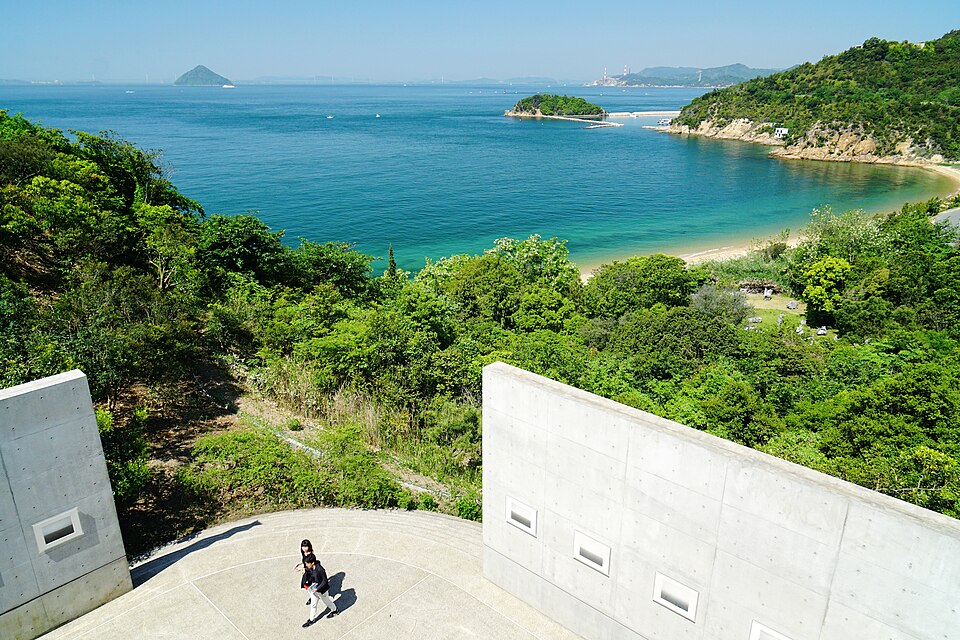
On the art island of Naoshima, contemporary art meets the Seto Inland Sea, offering a serene escape from the city’s hustle. Wander through the Benesse House Museum, where art lives and breathes within the walls. Don’t miss Yayoi Kusama’s yellow Pumpkin on its pier near Benesse House, remade and put back in 2022 after typhoon damage in 2021.
Step back in time in Kurashiki, a rice trading town that came under the direct control of the Tokugawa shogunate in 1642. Its Bikan Historical Quarter keeps Edo period merchant storehouses and stone-paved lanes along the willow-lined Kurashiki River. Peek into the Ohara Museum of Art, which opened in 1930 as Japan’s first private museum of Western art.
Walk the Kumano Kodo, a network of ancient pilgrimage routes. These sacred paths wind through the Kii Peninsula, leading you to ancient shrines and whispering forests. Let the energy of the old cedars inspire you as you journey through this spiritual landscape.
What to Pack for Backpacking in Japan
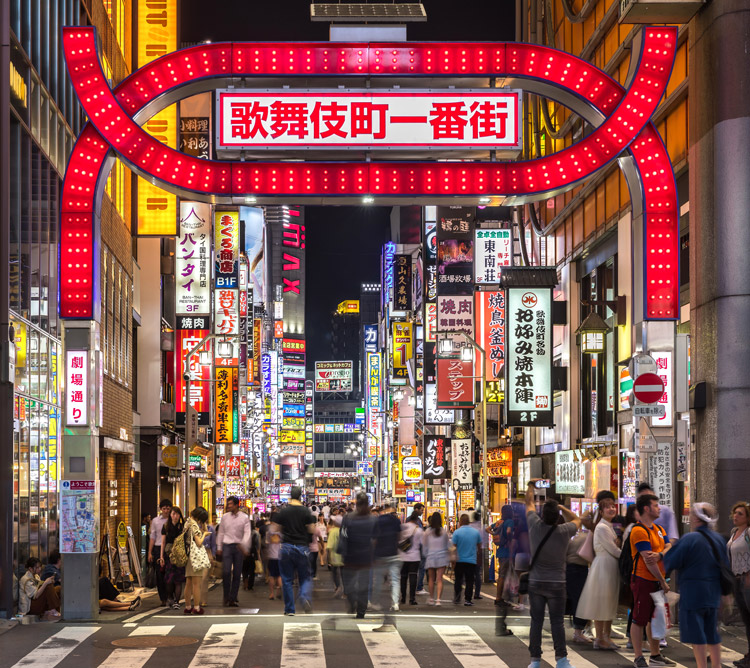
Picture yourself wandering through Tokyo’s bustling streets, neon signs flickering above you like celestial fireflies, while trusty walking shoes carry you from the Shibuya Crossing to serene temple gardens. Japan is a land of contrasts, and comfortable footwear is your secret weapon. From the vibrant cityscape to the tranquil mountain paths, your feet deserve nothing less than pure bliss.
A Reusable Water Bottle for Free Refills
As you marvel at cherry blossoms in full bloom or meditate in a zen garden, stay hydrated with a reusable water bottle. It saves you yen (more matcha lattes, anyone?) and cuts down on plastic bottles from vending machines. Tap water in Japan is safe to drink, so fill up at your hostel or at public drinking fountains and let the crisp, refreshing water fuel your adventures.
A Plug Adapter for Japan’s Two-Pin 100 Volt Sockets
Your camera, smartphone and other gadgets are itching to capture Japan’s beauty. Don’t let a drained battery stand in their way! Japan uses flat two-pin plugs on a 100 volt supply, so UK visitors need a travel adapter. Check that each charger is rated for 100 volts; most phone and laptop chargers are rated 100 to 240 volts. Whether you’re framing Mount Fuji’s snow-capped peak or snapping a selfie with a friendly tanuki statue, your tech will thank you. Bonus tip: charge up during your overnight stay at a traditional ryokan, the perfect blend of old-world charm and modern convenience.
Modest Clothing for Temples, Shrines and Festivals
Japan’s cultural tapestry weaves together ancient traditions and contemporary flair. When visiting sacred sites or attending local festivals, dress modestly as a sign of respect. But don’t be afraid to sprinkle your wardrobe with a touch of Japanese style. Maybe slip into a yukata, the lightweight kimono worn during summer festivals, and feel like a character from a Murakami novel. Blend in, stand out, and embrace the magic of cultural fusion.


