Trips to Japan are always thrilling, but smart packing is the quiet difference between a good holiday and a great one. Give your packing some care, plan outfits, keep toiletries compact, and choose a daypack that suits trains, and you’ll save time at every transfer and enjoy the trip more. It may sound unlikely, yet a little strategy in your suitcase genuinely improves your experience in Japan.
Packing is the solid foundation of a time-efficient Japan trip. Protect gadgets, keep your kit organised, and every transfer, check-in, and platform change gets easier. Japan rewards intent: trains run to the minute, shrine and temple visits call for modest dress and easy-to-remove shoes, summers are humid, and winters can be crisp.
In this guide, we provide all you need to know to help you get ready with all the travel essentials for the best adventure in Japan.
Bag choices that work on Japanese bullet trains
Electronics, Gadgets and Staying Connected in Japan
Other Travel Packing Musts You Shouldn’t Forget
What to Pack Based on the Seasons
Navigating Japan’s Public Transportation
30-second snapshot
Let’s be real: in Japan you’ll be on the move a lot, which is brilliant for seeing more, but it also means most days begin and end with getting from A to B. Prepare for those inevitable transfers in your head and in your packing and everything runs smoother (trains in Japan are super rarely late!), so the aim is to make sure you and your luggage keep time with them.
- Trains + temples first: compact luggage, slip-on shoes, modest layers.
- Heat is real: plan for humidity and WBGT alerts June to September.
- Tech that matters: eSIM (Jetpac), a mid-size power bank, and a smart luggage tag (OWN Tag) for private, tap-to-contact recovery.
Bag choices that work on Japanese bullet trains
Shinkansen baggage rules are clear: if your case totals 161 to 250 cm (H+W+D), reserve a seat with an oversized baggage area/compartment on the Tōkaidō/Sanyō/Kyūshū Shinkansen.
Refer to our guide here for further information on Bullet train suitcase etiquette when using your JR Rail pass.
If you turn up with oversized baggage and no reservation and place your suitcase in the oversized baggage area/compartment, you can be charged ¥1,000 and told where to stow it. Booking guarantees space near your seat. In most cases we suggest when travelling within Japan via bullet train, pack light-ish.
Why pack light
First up: Japanese stations mean stairs, footbridges, and the odd dash between platforms, plenty of lifting and shuffling. Travel light and your back will thank you; add kids or relatives to the mix and every extra kilo feels like three. Also note that shinkansen and local-train overhead racks are made for cabin-size cases, so compact luggage wins on board too.
Not to mention the fact that bullet overhead racks favour cabin-size cases.
Leave your heavy suitcases somewhere safe
For luggage storage in Tokyo, coin lockers exist but big sizes sell out fast; typical day rates range roughly ¥300 to ¥1,000 depending on size and station, instead, consider Bounce luggage storage, which starts from ¥275 a day in Tokyo, with busier central locations charging more. Its app finds nearby, vetted drop-offs across Japan in seconds, and every booking includes ¥1,000,000 of bag protection, so you can explore Japan lighter. Nakama readers save 10% with code BOUNCEJAPANNAKAMA.
Make sure to keep small change or IC payment handy.
Or, the Hands-free option
Ship a suitcase to the next hotel via Yamato TA-Q-BIN (airport counters or convenience stores). Pricing varies by size and route; check exact rates and delivery windows before you send.
Day trip worked example (Tokyo → Kyoto day hop)
- 08:30 depart Tōkyō Station on the Tōkaidō Shinkansen. If your bag is 161 to 250 cm, reserve a seat with an oversized baggage area when you book. Smart-EX
- On arrival, stow your spare bag at a locker near Kyōto Station or use the Bounce app and find a nearby location.
- Sightsee with a daypack; collect before your return train.


The smart bag setup for Japan

Japan’s transportation systems are highly efficient but often crowded. As a traveller, you’ll need luggage that’s easy to manoeuvre in busy spaces. Opt for small, wheeled suitcases that take up minimal space on trains and buses.
Hard-shell suitcases are ideal for durability, as they withstand the wear of crowded stations and transit.
Carry-On vs. Checked Luggage
It comes down to trip length and pace. Carry-on keeps you nimble, no carousel, no lost-bag risk, but strict size and weight limits can pinch, especially if you plan to shop. Checked luggage buys capacity for longer itineraries and omiyage, at the cost of baggage-claim waits and the small risk of delays. A neat compromise: fly out carry-on only, then check a foldable duffel on the way home.
Did you know? UK and US visitors usually give Japan a proper go, a week or so at least. JNTO’s 2024 figures show most trips sit in the 7 to 13 day camp, with plenty nudging 14 to 20; blink-and-you-miss-it stays are the exception.
Best Backpack or Daypack for City Exploration and Day Trips
Pick a small, comfy daypack and you’ll fly through city days and side trips. Go for compartments you can reach without rummaging, water bottle, camera, transit card, power bank, plus a zipped pocket for passports.
Add smart tagging (e.g., OWN Tag) for peace of mind on packed Tokyo or Osaka commutes, and choose a water-resistant shell for sudden showers. The right bag sits well on the shoulders, keeps kit tidy, and turns long walks into easy wins.
Maximise Your Packing Strategy with Bounce
Bringing home souvenirs from Japan is half the fun but lugging them around? Not so much. That’s where Bounce comes in. With secure, affordable luggage storage across Japan, you can stash your bags and travel hands-free.
Let’s say you’ve picked up more souvenirs than expected in Tokyo (totally normal, by the way) but still have Kyoto and Osaka on your itinerary. Instead of dragging extra bags with you, simply leave them at a nearby Bounce location. Travel light, explore stress-free, and pick everything up when you circle back.
With Bounce’s wide network, low daily rates, and insurance included, it’s an easy, smart way to simplify your trip and take the pressure off your packing strategy.
Download on the App Store (Apple) or on Google Play (Android).
Add smart ID: OWN Tag to your luggage
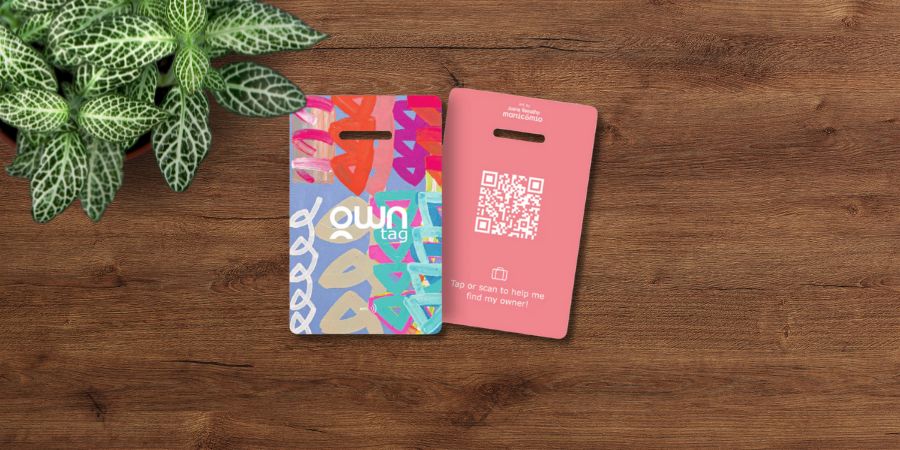
Two ‘own tag’ smart keychains/luggage tags with vibrant designs and a QR code used for finding lost items.
Own Tag
What it is: a credit-card sized luggage tag with NFC + QR that opens a secure page for the finder to message you and share location, your information stays hidden.
How to use it on the ground
- Clip one tag outside your suitcase and tuck a spare inside.
- Add another to your daypack, handy on packed commuter lines or izakaya nights.
- Works smoothly with coin lockers and hotel delivery counters: staff can tap/scan and contact you without swapping personal details.
OWN Tag is the contact bridge, not a live tracker; AirTag/Tile pinpoint proximity, while OWN Tag lets the person holding your bag contact you instantly, no pairing, no charging, no app.
For best results, photograph the tag’s QR and save it to your phone in case the card detaches; tag the camera bag, stroller, and umbrella, the usual left-on-the-train culprits, and keep your contact email and tag names up to date in your OWN profile so you instantly know which bag a message refers to.
For our readers: save 15% on OWN Tag with code JAPAN15 at checkout, simple as that.
Build your system: compact case + tidy daypack + Bounce for storage + OWN Tag on every bag = stress-free station runs and extra confidence all trip long.
Always Plan for Souvenir Space!
Rule of thumb, leave 20 to 30% (even 40-50%) spare so last minute gift buys don’t trigger a last-night repack. Distribute weight as you go as most airlines cap checked bags at 23 kg and remember train racks and aisles favour compact cases. Roll soft clothes on the return, use compression cubes, and carry a folding tote for overflow.
Protect ceramics and glassware by padding them in knitwear or bubble wrap and stashing them mid-case, not at the edges. Keep the truly fragile in cabin baggage, seal liquids in double zip bags, weigh your case before checkout, and corral receipts for customs.
Electronics, Gadgets and Staying Connected in Japan

The right apps turn Japan from tricky to effortless. Use Google Maps or Japan Travel by NAVITIME to thread together trains, buses, and walking routes; add Google Translate for quick camera scans of signs and menus; and keep an eye on timetables with NAVITIME’s live updates. Save essentials like hotel addresses and booking QR codes offline, and you’ll glide through stations and side streets alike.
For our full, field-tested list of Japan travel apps, read our piece Top Travel Apps to Have When Visiting Japan.
Japan Travel eSIMs vs. Pocket Wi-Fi
Staying connected is another top priority in your Japan travel essentials. It is essential to stay connected for navigation and communication in Japan. Tourists have two primary options to stay connected in Japan: eSIMs or pocket Wi-Fi.
Japan eSIMs like Jetpac are much more convenient as they can be set up before the trip via a downloadable app, and offer flexible data and subscription options. Pocket Wi-Fi rental in Japan, on the other hand, requires you to rent and drop off the Wi-Fi device at the beginning and end of your trip. Other issues such as device failure and fixed data plans make it an outdated option in the world of smartphones.
Power and plugs
Japan uses Type A/B with 100V. Pack a slim universal adapter, a mid-size power bank (10,000 to 20,000 mAh), and short cables for daypack charging; stash spares in the suitcase. If you’re carrying lots of kit, mirrorless camera with extra lenses, gimbal, action cam, mic, spare batteries, ND filters, and SD cards, bring a second power bank and a compact multi-port USB charger so everything tops up overnight. Hotel rooms often have fewer sockets than expected.
For fast swaps on the go, skip a backpack and use a cross-body bag with front access. A great, easy-to-find pick in Japan is Uniqlo’s Multi Pocket Shoulder Bag: multiple compartments for batteries, cards, and cables; wide opening for quick lens or gimbal changes; and a snug, secure carry on busy platforms. It keeps your essentials organised and instantly reachable.
A clever “low-tech” backup
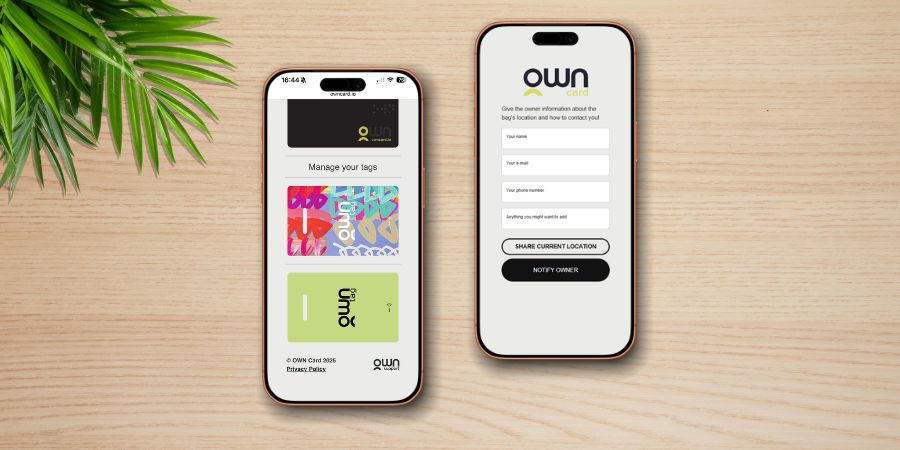
The OWN Tag mobile interface, illustrating the quick setup process for managing digital tags and the simple notification form for item recovery.
Own Tag
Other Travel Packing Musts You Shouldn’t Forget
With the essentials sorted, here’s how to turn your bag into a lean, train-friendly setup.
Toiletries (carry-on)
Pack a small refresh kit for long flights: toothbrush and paste, deodorant, face wipes, lip balm, and travel moisturiser. Add hand sanitiser and a mini face mist. Keep everything in a clear pouch at the top of your bag for quick access.
Medicines & first aid
Bring prescriptions in original packaging plus a pocket kit: pain relief, plasters, antiseptic wipes. Japanese pharmacies are excellent, but labels can be in Japanese and formulations differ, so arrive prepared with travel-size basics.
Documents & money
Carry passport, travel insurance, a back-up card, and some cash. Print key confirmations (first hotel, internal flights, rail passes) and store scans in an encrypted cloud folder. Offline PDFs or a paper copy can rescue a check-in when batteries or signal fail.
Low-waste everyday kit
A reusable water bottle, collapsible cup, compact cutlery, and a foldable shopping bag cut plastic and prove handy for konbini picnics and souvenir runs. Minimal weight, maximum use.








Smart packing hacks for Japan

Start with the basics: give your suitcase a clear layout that balances weight and keeps your most-used items on top.
Structure the case
Use packing cubes to group outfits, toiletries, and tech; reserve one compression cube for bulkier layers so the suitcase stays slim for train racks. Start with 20 to 30% spare space to avoid last-night repacking.
Roll vs fold
Roll soft items (T-shirts, denim, gym kit) to save space and fill gaps. Fold structured pieces (shirts, blazers, dresses) to keep seams crisp. Build a folded core with rolled layers around it; keep a light rain shell on top for quick grabs.
Cable control
A slim organiser with divided pockets keeps chargers, adapters, earbuds, and spare batteries tidy. Label leads so USB-C, Lightning, and micro-USB are obvious. Keep one short cable and a power bank in your daypack; stash longer spares and a multi-port USB charger in the suitcase for overnights.
What to Pack Based on the Seasons

From snowy Hokkaido to subtropical Okinawa, conditions swing widely across the archipelago. The Tokyo, Osaka and Kyoto corridor gets four true seasons, so plan outfits by month and layer for regional hops. Check the local forecast the night before travel; coastal wind and mountain chill can shift plans fast.
Spring (Mar to May)
Mild and showery.
Pack light layers (shirt + cardigan), a compact umbrella or rain shell, and waterproof trainers for sakura (桜) walks. A small scarf and sunglasses cover breezy and bright spells.
Summer (Jun to Sep)
Hot, humid, storm-prone.
Choose airy fabrics (cotton/linen), brimmed cap, SPF 50, electrolytes, handheld fan, and a cooling towel. Showers can hit any time, carry a fold-flat brolly. On Heat Stroke Alert days (WBGT 33+), schedule indoor breaks.
Autumn (Oct to Nov)
Clear days, cool evenings.
Think mid-layer (light fleece or cardigan), scarf, and sturdy shoes for garden paths and kōyō (紅葉) viewing. A thin rain shell covers the odd shower and evening chill.
Winter (Dec to Feb)
Regionally split.
Cities (Tokyo/Osaka/Kyoto): mid-weight coat, knit, and warm socks.
Cold regions and ski areas (Hokkaidō, Nagano): thermals, insulated jacket, waterproof boots, and heat packs. Gloves, hat, and a neck warmer earn their keep on platforms and open temple grounds.
Quick add-ons that help year-round
Slip-on shoes for temple entrances; a packable tote for layers or snacks; lip balm and moisturiser for dry cabins; and a small pouch for power bank and cables.
Navigating Japan’s Public Transportation

When navigating in the key cities, expect the heaviest crowds 07:30 to 09:30 and 17:30 to 19:30. In terms of Tokyo it is especially the case at Shinjuku, Tokyo station, Shinagawa, Umeda/Osaka, and Kyōto. Many lines run women-only cars during the morning rush, look for pink floor stickers near the car ends.
Make sure you remember! Stand left in Tokyo, right in Osaka (locals will nudge you into the correct lane). Line up on platform markers; let passengers off first, then board in order, this keeps dwell times short.
IC cards & gates: Tap in/out with Suica/PASMO/ICOCA or the mobile versions in your phone wallet. Keep the same device/card for both tap-in and tap-out or the gate will flag an error. For private railways or JR, the IC works seamlessly across most networks.
For a deeper primer, read our Suica/PASMO/ICOCA guide.
Local trains vs Shinkansen:
- Local/metro: eating is frowned upon; keep calls silent. Overhead racks fit daypacks only.
- Shinkansen: eating is fine; larger racks accept cabin cases. If your suitcase totals 161 to 250 cm (H+W+D) on the Tōkaidō/Sanyō/Kyūshū routes, book a seat with an oversized baggage area. Unreserved cars sit at the low-numbered end of the train, but how many there are differs by service, and JR Central runs Nozomi as all-reserved during peak periods. Check the platform display before you pick a queue. Board at your car number to avoid running the aisle with luggage.
Some stations still mean stairs or long transfers (e.g., Shinjuku’s platform hops, Shin-Ōsaka’s Shinkansen⇄metro links). Keep to one compact suitcase + one daypack. If shopping or changing cities, stash extras with Bounce, the app shows vetted, insured storage near major stations and sights so you can roam hands-free.
Last trains
Most city lines finish around 00:00 to 00:30; interchanges close earlier. If cutting it fine, check the final connection, not just the first leg. Keep rucksacks off your back in crowds (hold low or rack it), and avoid rolling cases through packed cars, wait for the next train if needed.
Final Thoughts
This is where the saying ‘pack light’ really comes into play when visiting Japan. From the climate to moving around, even the smallest detail of your packing can be very rewarding. Comfort, cultural acceptability, and anticipating convenience will guarantee a smooth trip.
Have you thought about what you might have left behind? It is time to start packing for Japan because the experiences here are worth the effort. The better prepared you are, the more enjoyable and eventful your adventure will be. As you pack your bag, consider how to arrange your luggage best to make your travel more pleasurable. Safe travels to Japan, have a fantastic trip, and let smart packing ease some of the pressures of travel!